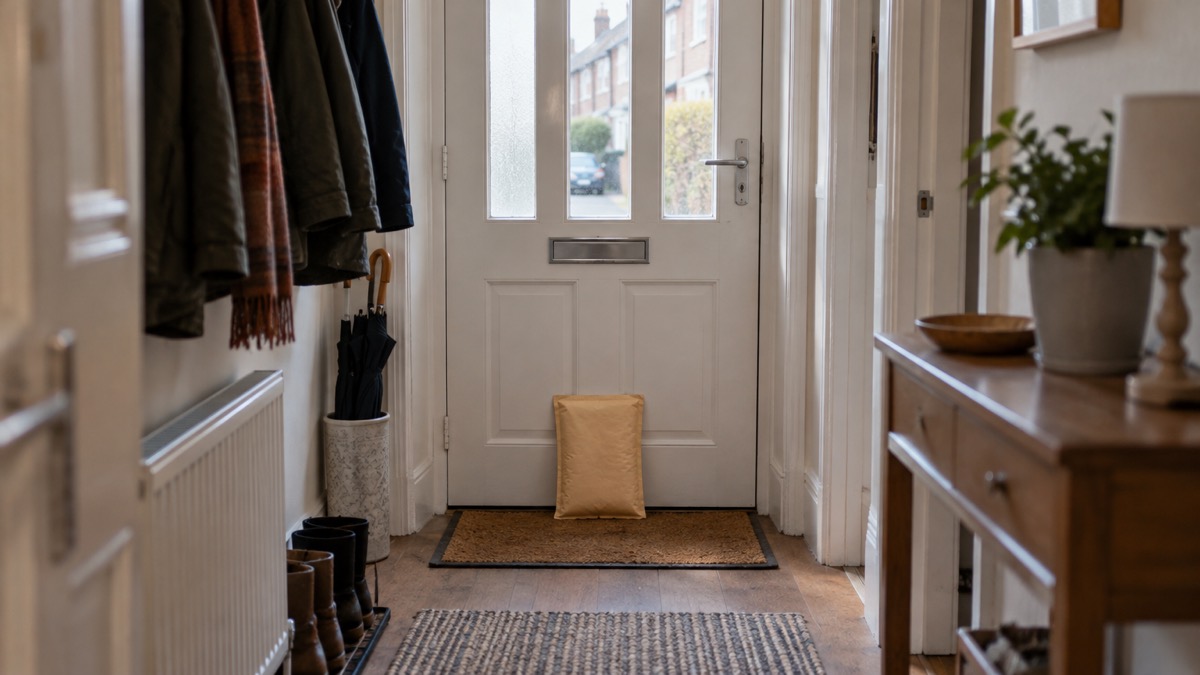
If a letter or parcel arrives and something about it feels wrong, the advice is simple and it is the same wherever you live in the UK: do not touch it, do not open it, and do not move it. The police guidance for unattended and suspicious items is clear that you should not touch a suspicious item1, and the PSNI's public booklet adds that if in doubt you should call 999 and ask for the police, clear the area of all people immediately, and never try to open the letter or package2.
Once you have stepped away, keep going. The official guidance is to move at least 100 metres away from the item, starting from the centre and moving out, even for something as small as a briefcase3. From that distance, call 999 and ask for the police. Tell them what you have found, where it is, and why it worried you.
Most unexpected post is nothing more than a mistake, a late delivery or a scam. But the cost of treating a genuine item with care is a few minutes of inconvenience, and the cost of handling one that is not safe is very much higher. This page sets out what to do in the first few minutes, how to recognise an item that needs treating with suspicion, and what to do if something has already been opened.
Do not open, move or touch a suspicious item
The single most important instruction is also the simplest: leave it alone. The police advice on unattended and suspicious items is not to touch a suspicious item1, and the PSNI booklet is explicit that you should never try to open the letter or package2. That applies whether the item is on your doormat, on the hall table or already in your hands when you realise something is wrong.
Put it down carefully where you are, step back, and do not handle it again. Do not shake it, do not hold it up to the light, do not sniff it and do not put it in a bag or the bin. Do not try to reseal an item you have started to open. Every one of those actions is a form of handling, and the whole point of the advice is to stop handling.
There is a wider principle behind this that runs through official safety guidance: things you do not understand should not be played with. Fire and rescue services teach that we must never play with items that could start a fire because they are dangerous4, and the same instinct applies here. An unexpected item is not a puzzle to be solved by the person who found it. It is for the police to assess.
If other people are in the house, tell them what you have found and ask them not to go near it. Do not ask anyone to move it "just outside" or to put it in the shed. Leaving it where it is, and keeping everyone else away from it, is the whole of your job until the police arrive.
Move everyone away and keep the area clear
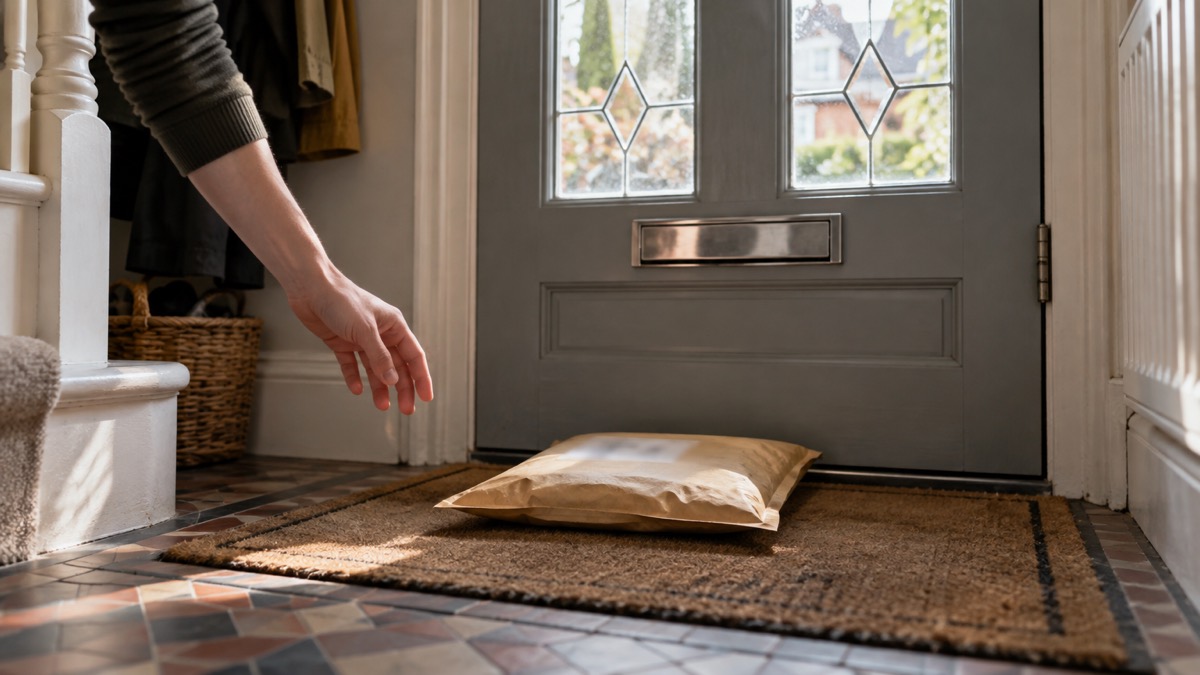
Distance is the second instruction, and it has a number attached. Move at least 100 metres away from the item, starting from the centre and moving out3. That figure comes from the West Midlands Local Resilience Forum's emergency planning guidance and applies even to a small item such as a briefcase3. In a house, 100 metres usually means out of the front door, down the street and around a corner, not into the next room.
As you go, clear the area of all people2. That means everyone in the household, visitors, and anyone working in or near the property. If a neighbour is about to walk up the path, tell them to stay back. If you live in a flat, get out of the building and away from the entrance rather than sheltering in a stairwell.
Keeping routes clear matters here for the same reason it matters in a fire. Fire services advise keeping doorways and corridors clear5, keeping hallways, landings and stairs free of anything that might block or slow an escape, and keeping door and window keys nearby so you can get out quickly6. If you are moving people out in a hurry, you do not want to be climbing over bags, buggies or boxes.
Once you are at a safe distance, stay there. Do not go back for a phone, a coat or a pet if you can avoid it. If you must call from a neighbour's house or from the street, that is fine. The police will tell you when it is safe to return.
When to call 999 and what to tell the police
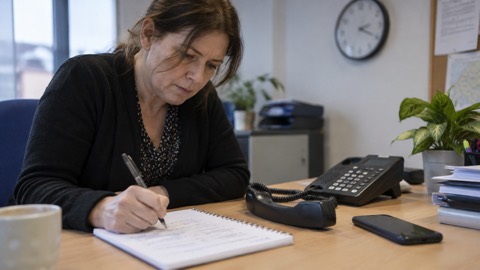
Call 999 and ask for the police if you are in any doubt at all2. The emergency services are clear that 999 is the number for an emergency8, and the police ask you to report any activity you believe to be suspicious by calling 9999. A suspicious delivered item at your home is exactly the kind of thing that number is for.
When you get through, be ready to give clear answers. The police advise calling 999 if you are reporting a crime that is in progress or if someone is in immediate danger5. For an item, that means:
- What it is: a letter, a parcel, a package, a bag.
- Where it is: the full address and exactly where in the property it is sitting.
- Why it worried you: the marks, the weight, the smell, the writing, the fact that you were not expecting it.
- Who is with you: how many people are in the household and whether anyone needs help to leave.
- What you have already done: whether you touched it, whether it has been opened, whether anything has spilled.
Do not go back to the item to check details while you are on the call. Describe it from memory and from where you are standing. If the call handler asks you a question you cannot answer from a safe distance, say so.
Signs that a letter or parcel may be suspicious
Most odd-looking post is harmless. But some physical features are worth taking seriously. The PSNI's public guidance says that if a letter is more rigid, for example because it contains cardboard or metal, you should treat it as suspect2. Rigidity is a warning sign because it can indicate something inside that is not paper.
Beyond that, trust your own reaction. If a package was not expected, if the handwriting or postmark does not fit, if it feels heavier or lighter than it should, or if there is a smell, a stain or powder visible, treat it as suspicious and keep away. You do not need to be certain. The official advice is built around doubt: if in doubt, call2.
Unexpected deliveries are also worth noticing for a different reason. Official medication safety advice warns people to be aware of unexpected deliveries or packages, which could be medicines bought on the internet10. And where an older relative is receiving lots of mail, that can be one of the signs that they are being targeted by a scam11. Neither of those makes a parcel dangerous, but both are reasons to ask questions before opening anything you did not order.
| What you notice | What it can mean | What to do |
|---|---|---|
| Rigid letter, contains cardboard or metal | Treated as suspect by the PSNI2 | Do not open, move away, call 999 |
| Unexpected parcel you did not order | Could be medicines being bought on the internet10 | Check with the sender before opening |
| Lots of post arriving for a relative | Possible sign of a scam11 | Talk to them and check |
| Powder, stain or unusual smell | Treat as suspicious | Do not touch, move away, call 999 |
If something has already been opened or spilled
If you have opened the item, or a powder or other substance has spilled, the priority is the same: stop handling it, move away and keep the area clear. Put the item down where it is, do not try to clean up the spill, and do not use a vacuum or a brush, which would only spread it. Then call 999 and ask for the police2.
Wash your hands thoroughly with soap and water once you are clear of the area, and avoid touching your face before you do. If clothing may have been contaminated, do not shake it out and do not put it in with the rest of the washing. Tell the police what has happened so they can advise you on what to do with it.
If a child has swallowed something, the NHS advice is that it can help hospital staff if you can take an example or any packaging with you12. Do not handle a suspicious item to do this. Tell the ambulance service or the police what you know and let them guide you.
Run Hide Tell: the official guidance for a threat at home
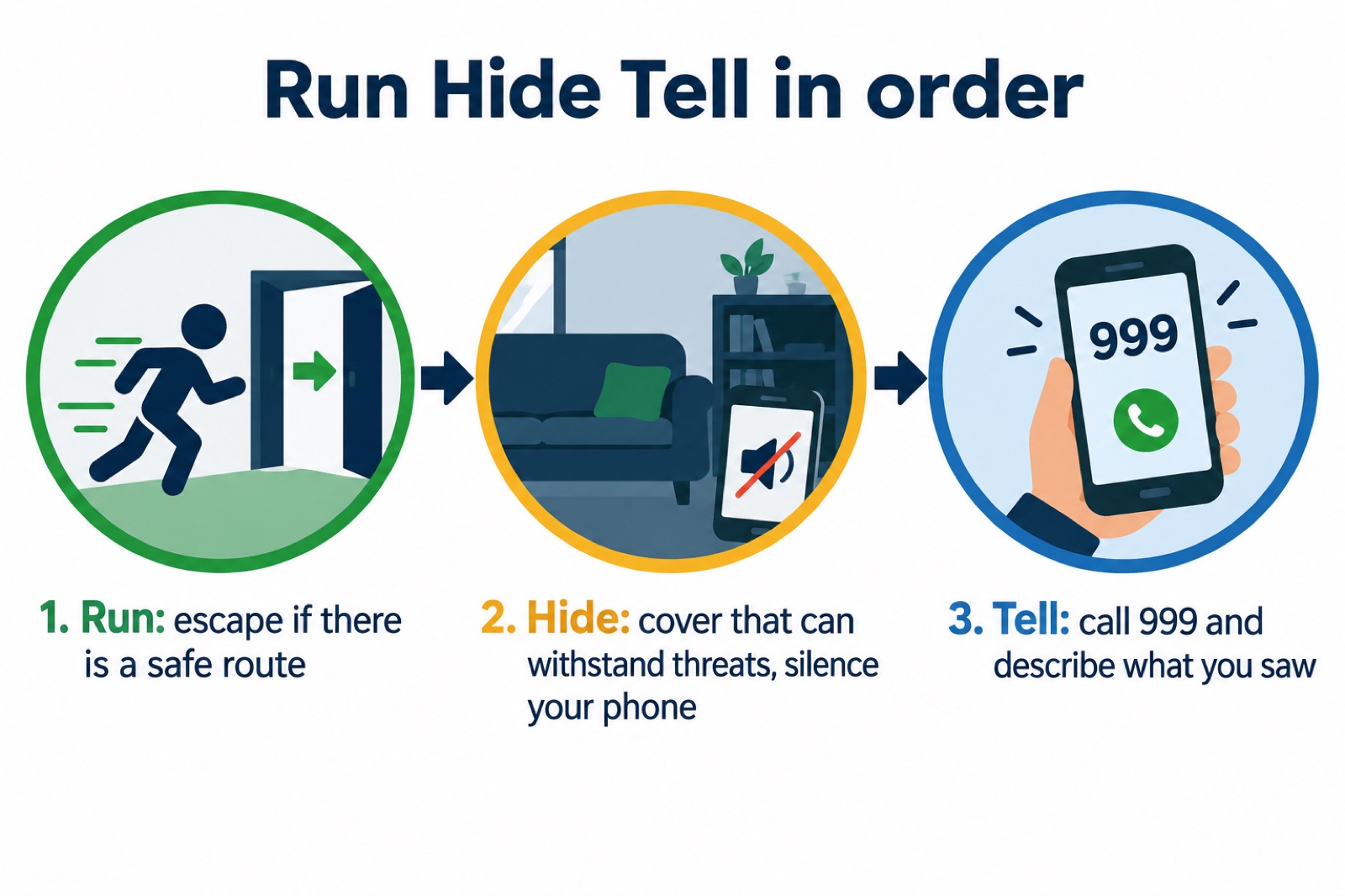
A suspicious item is usually dealt with by distance and a phone call. But if something worse is happening, the police's public guidance is Run Hide Tell. It is written for a firearms or weapons attack, and the police say it can be used in many situations and places13. Knowing it before you need it is the point.
The three steps are straightforward. Run: escape if you can, consider the safest options, and if there is a safe route, run; if not, hide13. Leave belongings behind and do not attempt to film the incident13. Hide: find cover that can withstand threats such as a knife attack or gunfire, and remember that cover from view does not mean you are safe13. Lock and barricade, move away from the door, be quiet, silence your phone and turn off vibrate13. Tell: when it is safe, call 999 and tell the police what is happening, where it is, where the suspects are, which direction they went, what they look like, and any further information such as casualties or entrances5.
The police also ask the public to report suspicious activity, including someone receiving deliveries of unusual items or buying large amounts of chemicals, fertilisers or gas cylinders for no reason9. If you are worried about something you have seen in your area, that is worth a call. For more on the wider picture, see the terrorism threat in the UK and how to report suspicious activity.
Scam and threatening letters
Not every worrying letter is dangerous, and it helps to know which is which. A threatening letter is a crime. The police's bomb threat checklist states that all such communications are a crime and should be reported to the police by dialling 99914. That includes threats sent electronically, which the police note are increasingly common14.
A scam letter or message is different. The National Cyber Security Centre says that if you have received a suspicious message, it is probably a phishing attempt15. Do not click any links in it16. You can forward suspicious emails to the NCSC's reporting service and suspicious texts to 772615. If you are worried that an account has been compromised, one sign is that someone you know has received unexpected emails from you advertising unlikely products or asking for money17.
For a relative who seems to be receiving a lot of post, the signs of a scam include lots of unwanted calls, unusual transactions on bank statements, becoming unwilling to go out, having no money to buy food or pay bills, lots of mail, and being unwilling to throw any old post away11. If you notice those, a calm conversation is more useful than a confrontation.
Where to get help and what to have ready
The most useful thing you can have ready is a phone you can reach from a safe distance. Winter safety advice is to ensure you have access to a phone before bed18, and carer guidance suggests carrying a mobile phone or wearing a pendant alarm19. A mobile phone and charger in a grab bag means people can contact you, or you can contact them20.
Keep a note of who to call. In an emergency, dial 9998. For concerns that are not urgent, report them to your local police force. If you have a neighbour who might struggle to leave the house quickly, talk to them now about how you would help each other. For more on preparing as a household, see getting started and extra help in an emergency.
Sources (20)
- Unattended and suspicious items, ProtectUK, 2022
- Protect Yourself Booklet, Police Service of Northern Ireland, 2024
- West Midlands Local Resilience Forum emergency planning guidance, Walsall Healthcare NHS Trust, 2023
- Fire safety education programme: Ellie the Fire Dog video series - Warwickshire County Council, Warwickshire County Council
- Run Hide Tell, Counter Terrorism Policing, 2026
- Digital easy read fire safety booklet, London Fire Brigade, 2026
- Medication and medical devices, West Yorkshire Fire and Rescue Service, 2026
- When to call 999, South Western Ambulance Service NHS Foundation Trust, 2026
- ACT: Report suspicious activity, ProtectUK, 2026
- Medication safety, Worcestershire County Council, 2026
- COVID-19 and scams, Nottinghamshire County Council, 2026
- Swallowed something, Alder Hey Children's NHS Foundation Trust, 2025
- Run Hide Tell, ProtectUK, 2026
- Bomb threat checklist, ProtectUK, 2026
- Phishing, National Cyber Security Centre, 2026
- Shopping online, National Cyber Security Centre, 2026
- Infected devices, National Cyber Security Centre, 2026
- Winter safety, Greater Manchester Fire and Rescue Service, 2026
- Some of the reasons people call, Welsh Ambulance Service NHS Trust, 2026
- Planning ahead, Torbay and South Devon NHS Foundation Trust, 2025
 Bomb Threat Calls
 Radiation Checklist First Hour
 Power Cut Kit Checklist
 Where to Hide in an Attack
 When Armed Police Arrive
 Young People in a Terror Attack
 Family Caught in an Attack
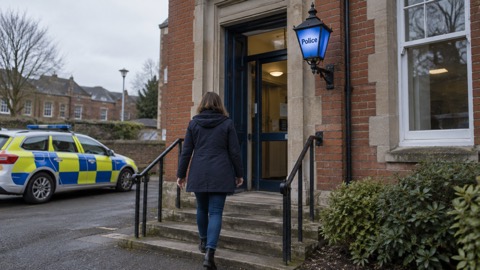 Reporting Terrorist Content
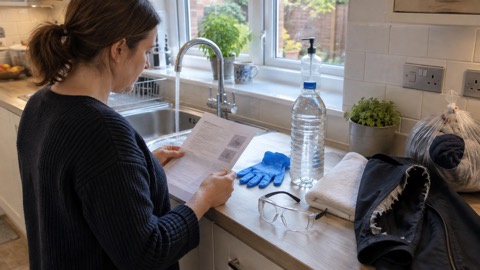 Corrosive Attack First Aid
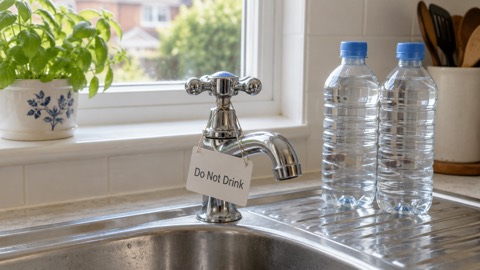 Tap Water Safety
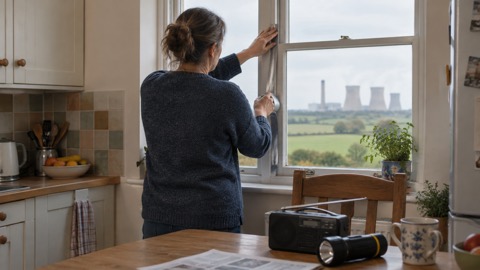 Shelter or Evacuate
 Collecting Children at School
 Food After a Nuclear Accident
 Martyn's Law at Venues
 Sellafield Emergency Advice