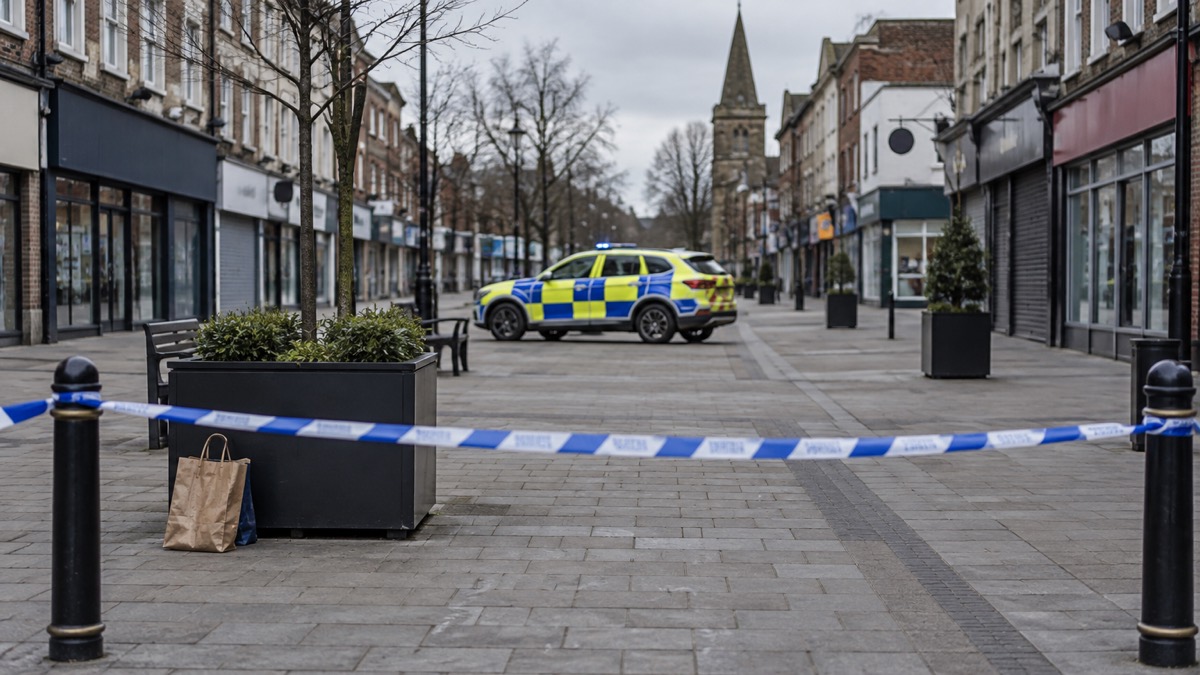
If you and your family are caught up in a terrorist attack, the police advice is simple and it is the same for adults and children: Run, Hide, Tell. Run to a place of safety if there is a safe route. If there is not, hide, lock or barricade yourself in, keep quiet and silence your phone. Once you are safe, call 999 and tell the police what you saw1.
The single most important thing you can do for your family is to know this before anything happens. The National Risk Register describes the Run, Hide and Tell campaign as helping people stay safe in the event of a marauding terrorist attack3. Schools use it as teaching material for young people caught up in a terrorist event4. It is not a complicated plan, and children can learn it.
This page sets out how the three steps work when you have children with you, how to keep them quiet and your phones silent while you hide, what to do if you are separated, how to talk to children about it beforehand, and where to get support afterwards.
RUN, HIDE, TELL: the three steps for your whole family
The three steps are taught as a sequence, but in a real incident you may move between them quickly. The police advice is to follow Run, Hide, Tell for a marauding terrorist attack, and the same steps apply whether you are on a high street, in a shopping centre or at an event7. Surrey County Council's emergency planning advice is blunt: if you do find yourself in danger, follow the police advice to Run, Hide, Tell6.
The order matters. Running is the first choice because distance from the attacker is the surest protection. The government's terrorism advice says RUN to a place of safety, and that this is a far better option than to surrender or negotiate2. Hiding is what you do when running is not possible. Telling is what you do once you are out of immediate danger, so that the police can act on what you know.
For a family, the complication is that children may freeze, may not understand what is happening, or may want to go back for a bag or a toy. The guidance is clear that you should insist others go with you and not congest exits9. In practice that means one adult leads, one adult stays at the back of the group, and you move as a unit rather than letting anyone stop.
| Step | What it means for a family | Key instruction |
|---|---|---|
| Run | Get everyone moving to a place of safety | Leave belongings behind, insist others come with you, do not congest exits9 |
| Hide | Get into a room, lock or barricade, stay quiet | Silence phones, turn off vibrate, move away from the door1 |
| Tell | Call 999 once you are safe | Give location, direction and description of attackers9 |
Run if there is a safe route, and leave belongings behind
Running is the recommended first action when there is a route away from the danger. The government's advice is to run to a place of safety, and to treat that as a far better option than to surrender or negotiate2. Leave your belongings behind and insist others go with you1. Find the safest way to leave the area, and move as quickly and calmly as you can10. The point is to put distance and solid structures between you and the attacker.
What you leave behind does not matter. Official fire safety advice, which uses the same logic of getting out fast, says to follow your escape route as quickly as you can and not to take anything with you, including valuables or pets5. The same principle applies here: a child's bag, a phone left on a table, a pet in a carrier are all things to leave. A phone can be replaced. The police advice for a terrorist incident is to leave your belongings behind and insist others go with you9.
If you are in a building, use the normal routes out and keep landings, stairs and corridors clear of anything that would slow you down or trip you up11. That is advice for fire escape plans, but it applies equally when you are moving a family quickly through a crowded building. If you have to open a door to get out, lock it behind you if you can12.
Where to hide, and keeping children quiet and phones silent
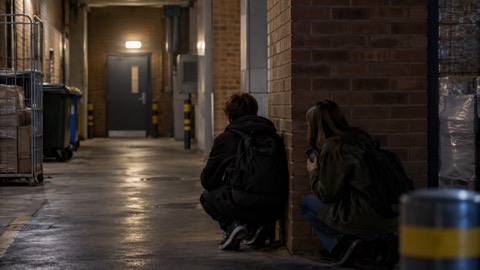
Hiding is harder with children than running, because it depends on silence and stillness. The police advice is specific. Find cover that can withstand threats such as a knife attack or gunfire. If you can see the attacker, they may be able to see you. Cover from view does not mean you are safe. Hide even behind a locked door. Be aware of your exits, try not to get trapped, lock and barricade yourself in, and move away from the door1.
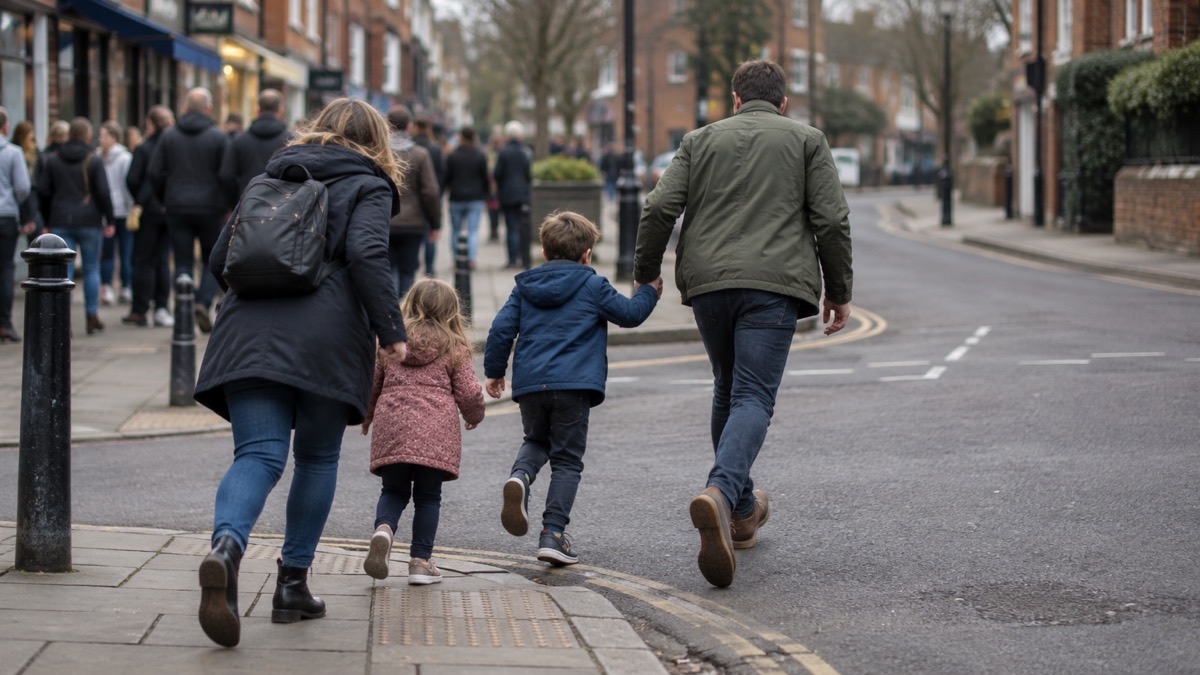
The quiet is the part that families find hardest. The instruction is to be quiet, silence your phone and turn off vibrate1. Do that before you settle, not after. A ringing phone or a buzzing alert can give away your position. If you have children, explain in a whisper that you are playing a quiet game, or that you need them to be as still and silent as a mouse. Keep them close and keep physical contact, a hand on a shoulder or a child held against you, so they do not move away.
"be quiet, silence your phone and turn off vibrate"
If you are hiding in a room, choose one with an exit you can reach and, if possible, a window. The fire safety advice for children trapped in a room is to go into a room with a window if the way out is blocked, put bedding or towels along the bottom of the door to stop smoke getting in, open the window and shout "HELP FIRE"11. That is fire advice, not attack advice, but the principle of choosing a room with a window and a second way out holds.
Tell the police with a 999 call once you are safe
Telling is the step people skip, because once you are safe the instinct is to keep going. But the police need your information. Call 999 or the police anti-terrorist hotline on 0800 789 321 to report an immediate terrorist threat13. In an emergency, always dial 9997. The anti-terrorist hotline is for reporting suspicious activity; if there is a threat to life, 999 is the number.
When you call, speak slowly and clearly14. The police will want to know the nature of the incident, the location, where the suspects are, the direction they went, and descriptions of the attackers including numbers, features and clothing. They will also want to know about casualties, type of injury, building information, entrances and exits7. Make sure 999 has been called if people are injured or if there is a threat to life, do not put yourself or others in danger, follow the advice of the emergency services, and try to remain calm and think before acting15.
Make sure 999 has been called if people are injured or if there is a threat to life. Do not put yourself or others in danger, follow the advice of the emergency services, and try to remain calm and think before acting15. If you are with children, one adult can make the call while the other keeps the children calm and quiet.
Talking to children about RUN, HIDE, TELL before anything happens
The best time to teach a child what to do is when nothing is happening. The government's Be Ready campaign advises talking to children about what to do in an emergency, including how and when to call the emergency services, and helping them learn their home address and, if possible, a parent or guardian's mobile phone number, practising these regularly16.
The Run, Hide, Tell message is taught in schools. ProtectUK published a school teaching guide in October 2021, describing it as a vital piece of learning material which can be used within schools and educational institutions, helping to prepare young people4. The National Risk Register also describes the campaign as helping people stay safe in a marauding terrorist attack17. That means your child may already have heard the words at school, and you can build on them at home.
Keep the conversation calm and practical. The police advice is to remember the words Run, Hide and Tell: escape if you can, take cover, call 999 and give police information about the incident18. For a child, that can be reduced to three sentences: run away if you can, hide and stay quiet if you cannot, and call 999 when it is safe. Practise it the way you would practise a fire escape plan. The fire service advises parents to make a fire escape plan with their household19, and the same principle of practising a simple plan applies here.
After an attack: reuniting the family and getting support
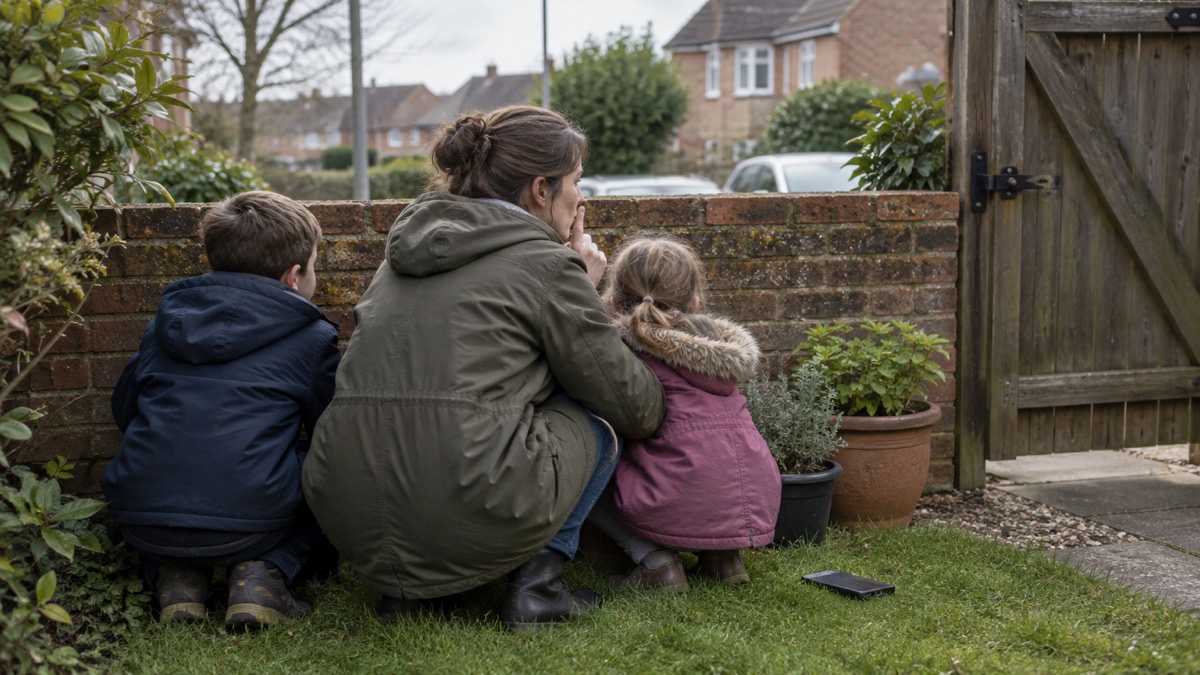
The aftermath is its own emergency. If you are separated, go to your agreed meeting point and call 999 to tell the police you are separated and give a description. Police set up a Friends and Family Reception Centre in the immediate aftermath of a disaster, a secure area for the use and interviewing of family and friends arriving at the scene or a location associated with the incident20. Ask an officer where it is.
Avoid entering a dangerous area until the emergency services tell you it is safe to do so. The best option is to stay with friends or relatives, but the local authority may open a rest centre21. If you are evacuated, children at school will be taken to a safe place nearby and the school will contact you to let you know what to do22.
Support is available for anyone who has been affected by a terrorist incident7. The Victims of Terrorism website provides information on how to get help and advice following a terrorist attack, and signposts to official helplines and support services for victims, survivors, witnesses, family members and all those affected7. If you need support, contact family and friends, your doctor or an organisation like the Red Cross or the Samaritans23. Reach out to local support organisations, community groups or counselling services for emotional support for you and your family24. Once home, seek support if you need it25.
Planning ahead: meeting points, schools and teenagers
The planning you do now decides how the first ten minutes go. The most useful thing is a family meeting point. Official guidance is to pre-arrange meeting points where members of your family and those close to you can gather in an emergency27. Choose places that are easy to find and open to the public, or agree to meet at a family member's home8. Agree more than one, in different directions, so that a cordon or a closed road does not cut you off from all of them.
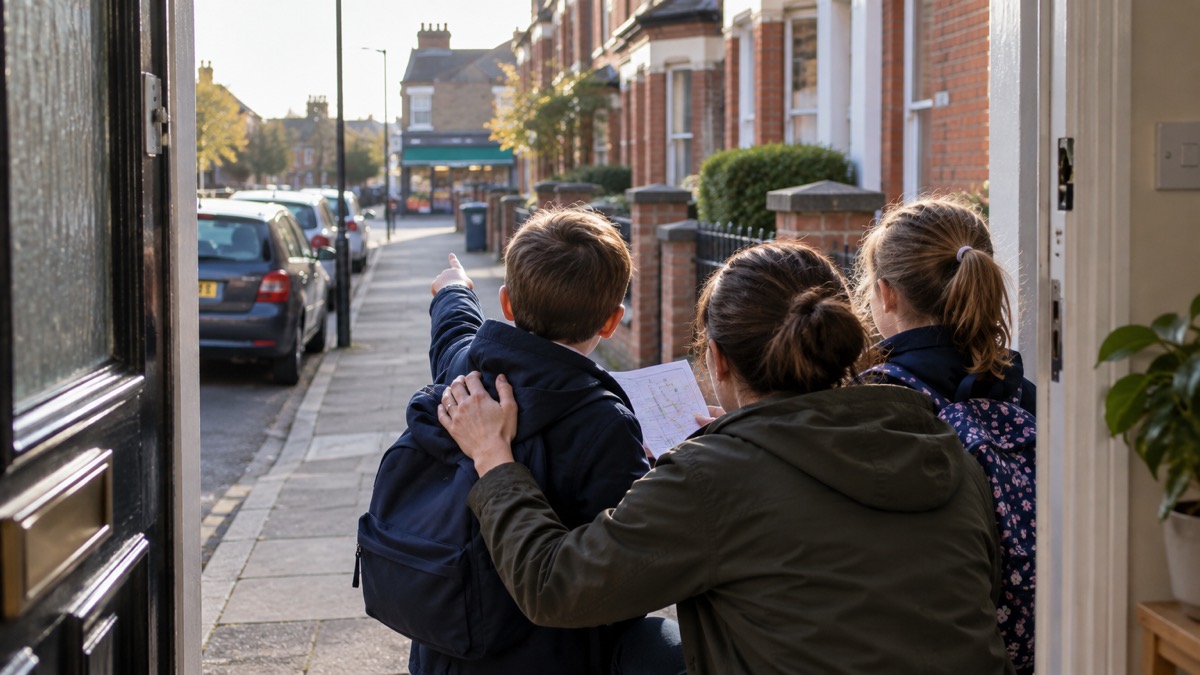
Find out how your family will stay in contact in an emergency28. Phones may be down or networks congested. The government advises agreeing a meeting point with family members in case you cannot contact each other for a period of time8. That is the fallback when the phone does not work.
If you have children at school, know the school's procedure. During a school emergency, contact your emergency contact at the school and look at the school's website22. Do not go to the school to collect them unless the school tells you to. If the school needs to be evacuated, children will be taken to a safe place nearby and the school will contact you22.
For teenagers out alone, the same Run, Hide, Tell steps apply. Official guidance for young people out in groups is to get a responsible adult to go with the group to help keep them safe29. Agree a meeting point and a check-in time before they go out, and make sure they know the three words.
Sources (29)
- Run Hide Tell, ProtectUK, 2026
- Terrorism, Prepare campaign, 2026
- National Risk Register 2023, Cabinet Office, 2023
- Run Hide Tell school teaching guide, ProtectUK, 2021
- Get out, stay out and call 999, North Wales Fire and Rescue Service, 2026
- Risks, Surrey County Council, 2026
- Protect yourself: terrorist attack, Lancashire Prepared, 2026
- Phone and broadband outages, Prepare campaign, 2026
- Are You Ready booklet, Culham Parish Council, 2025
- Prepare in case of a terrorist attack | British Red Cross, British Red Cross
- Fire safety for parents and child carers, GOV.UK, 2022
- Lock the door behind you, Lincolnshire County Council, 2026
- Contact the police, GOV.UK, 2026
- Making a home escape plan, Warwickshire County Council, 2026
- Get help and advice in an emergency, Lincolnshire County Council, 2026
- Get prepared for emergencies, Prepare campaign, 2026
- Recovering from an emergency, Essex Prepared, 2026
- Protect Yourself Booklet, Police Service of Northern Ireland, 2024
- Protecting your family, Essex Prepared, 2026
- Emergency plan, Reigate and Banstead Borough Council, 2026
- Prepare yourself - Greater Manchester Combined Authority, Greater Manchester Combined Authority
- Emergencies at school, Lewisham Council, 2026
- Emotional support after a flood, Herefordshire Council, 2026
- Dealing with the aftermath of a fire, Warwickshire County Council, 2026
- Report suspicious activity, ProtectUK, 2026
- Staying safe from a terrorist incident | EEAST, East of England Ambulance Service NHS Trust (EEAST)
- Preparing for civil emergencies, Argyll and Bute Council, 2026
- Emergency advice for residents, Warwickshire County Council, 2026
- Halloween safety, Greater Manchester Fire and Rescue Service, 2026
 Bomb Threat Calls
 Radiation Checklist First Hour
 Power Cut Kit Checklist
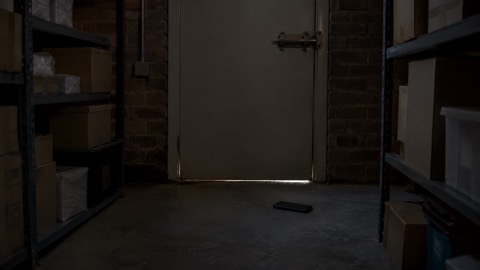 Where to Hide in an Attack
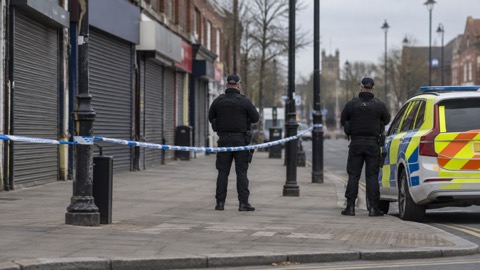 When Armed Police Arrive
 Young People in a Terror Attack
 Suspicious Letters and Parcels
 Reporting Terrorist Content
 Corrosive Attack First Aid
 Tap Water Safety
 Shelter or Evacuate
 Collecting Children at School
 Food After a Nuclear Accident
 Martyn's Law at Venues
 Sellafield Emergency Advice