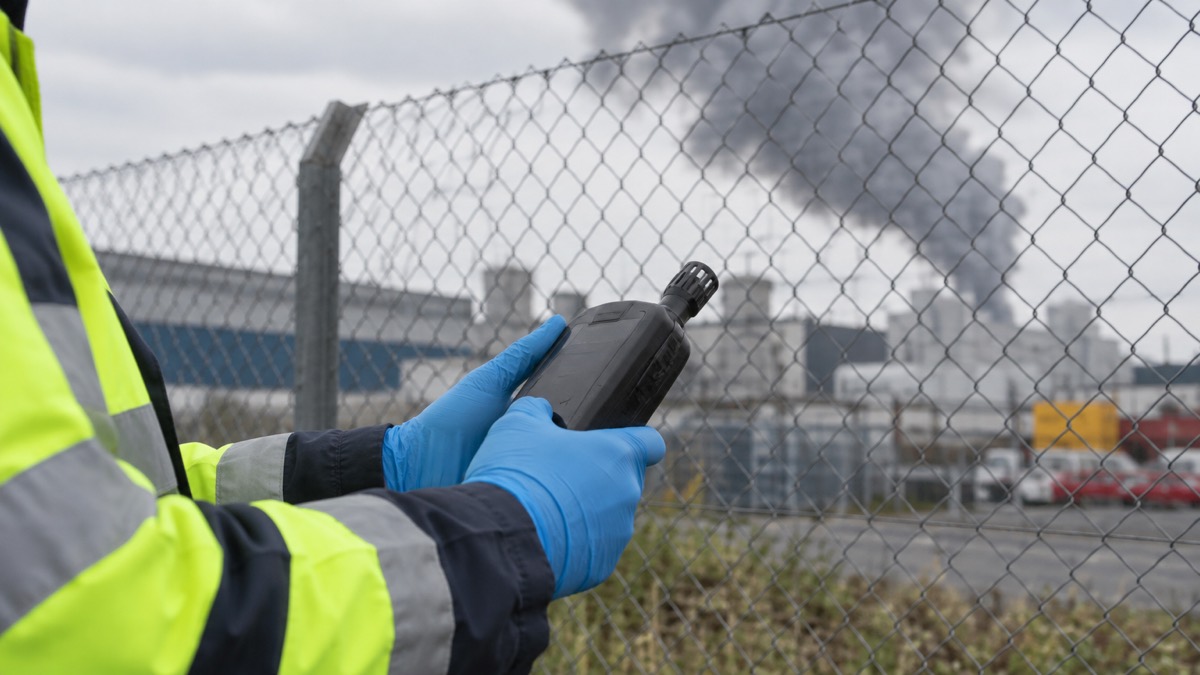
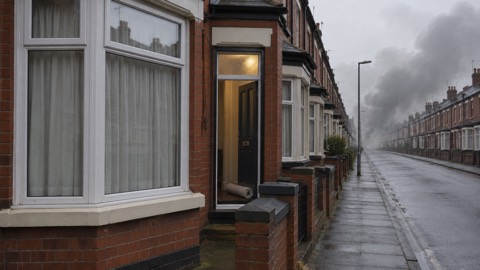
If a fire, chemical leak or gas release is sending smoke or fumes over your area, the immediate advice is simple: go inside a safe building, stay inside until you are advised otherwise, and tune in to local radio, TV or official social media for updates1. Emergency services advise those most at risk to either shelter indoors with windows, vents and doors closed, or to evacuate2. Which of those you are asked to do depends on what the monitoring of the plume shows, and that monitoring starts as soon as the incident is reported.
Behind that advice sits a system most households never see. In Scotland, the Scottish Environment Protection Agency (SEPA) runs Airborne Hazards Emergency Response (AHER), a field team that deploys to the edge of the smoke or gas plume to take measurements, and an Air Hazard Advice Cell (AHAC) of experts who review the data and write the advice given to the public2. Similar arrangements for public health advice operate across the UK through the UK Health Security Agency and its counterparts. This page explains how the pieces fit together, and what you should do at each stage.
Shelter indoors or leave: what you will be told to do
When a plume of smoke, gas or a toxic chemical is moving over homes, the emergency services weigh two options: sheltering indoors or evacuation. Their advice is to either shelter indoors with windows, vents and doors closed, or to evacuate, and the choice depends on who is most at risk and where the plume is going2. During a wildfire, for example, you might be asked to evacuate, or you might be told to stay indoors with your doors and windows closed7.
If you are outside when a chemical emergency is announced nearby, the advice is to shelter: go in, stay in, tune in8. The same three-step message appears across official guidance for major emergencies: go inside a safe building, stay inside until you are advised to leave, and tune into local radio, TV or social media for the latest updates9. Edinburgh Council's advice for a release of gas, a toxic chemical or radiation sets out the full sheltering checklist5:
- Go indoors unless you are asked to leave by the emergency services
- Close all doors, windows and vents
- Put out all naked flames such as pilot lights
- Switch off gas supplies
- Put away or cover all fresh food
- Have emergency provisions ready
- Use the phone only if you need to
- Stay indoors until you know more, and tune in to a local radio or TV station5
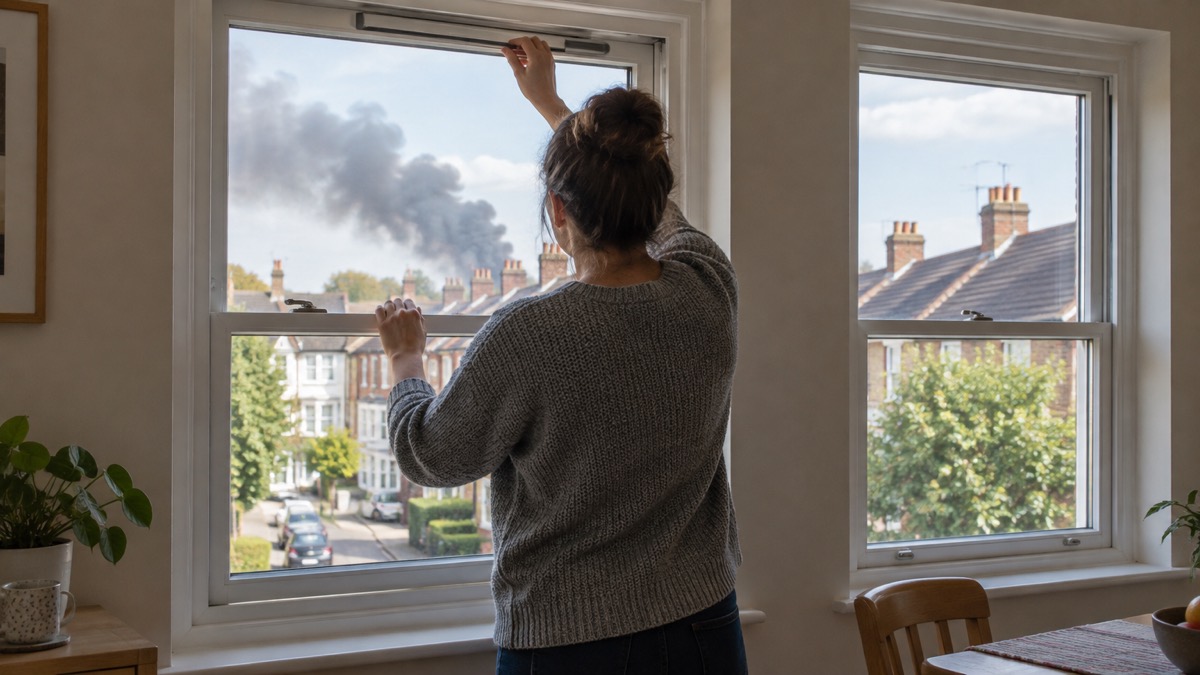
For a radiation emergency specifically, the government's advice adds: turn off all fans and air conditioning and close all external doors, windows and vents where possible4. If you think you may have become contaminated by the release, contact the emergency services for help on 9995. In Scotland, the Know and Respond Scotland air pollution alert service also sends advice on reducing your exposure to air pollution to protect your health7.
The reason sheltering works is that a sealed building slows the exchange of outside air for inside air, so the concentration of a pollutant indoors rises far more slowly than it does outside. That is why the instructions are so specific about fans and air conditioning: mechanical ventilation pulls outside air in deliberately and defeats the seal. Keep the seal until the emergency services or local authority tells you otherwise, not until the smoke looks as though it has cleared, because a plume can shift back over an area as the wind changes.
Evacuation is a last resort, and it cannot be made mandatory
Evacuation is the heavier option, and it is used when sheltering cannot protect people. You may be asked to evacuate your home or place of work by the emergency services in situations such as flooding, fires or gas leaks, either to a rest centre or to friends and family9. Lead responsibility for shelter, evacuation assembly points and emergency refuge sits with the emergency services, normally the police, until the local authority becomes involved10.
Two things matter for an ordinary household. First, evacuation requests in these circumstances are advice you are strongly urged to follow. Delaying or refusing to evacuate may put your life at risk, as well as putting emergency responders in danger if they later have to return to properties to deliver the evacuation request again, or to rescue someone trapped3. Second, do not try to return until the emergency services tell you it is safe to do so11. The all-clear depends on monitoring results, not on how the air looks or smells.
If you are evacuated, a Humanitarian Assistance Centre may be set up, with lead responsibility sitting with the local authority, consultation with the police, and staff from a wide variety of organisations10. When you return home, listen to advice from the emergency services and local authorities, for example about drinking water or power loss12. Households that need help to evacuate, including older, disabled or medically dependent people, can find more on the extra help page, and general preparation is on the getting started page.
How a plume or release is reported, and how monitoring starts
Monitoring begins with someone reporting the incident. SEPA is notified via its pollution hotline by partner agencies such as the Scottish Fire and Rescue Service, site operators, or members of the public2. That hotline, 0800 807060, is open 24 hours6. In England, the Environment Agency runs a 24-hour incident hotline on 0800 80 70 60 for pollution, river blockages and main river issues13. If you smell gas, the advice is different: open a window if you can, leave the property immediately, call National Grid on 0800 111 999, and do not smoke or use naked flames until you are sure there is no leaking gas15.
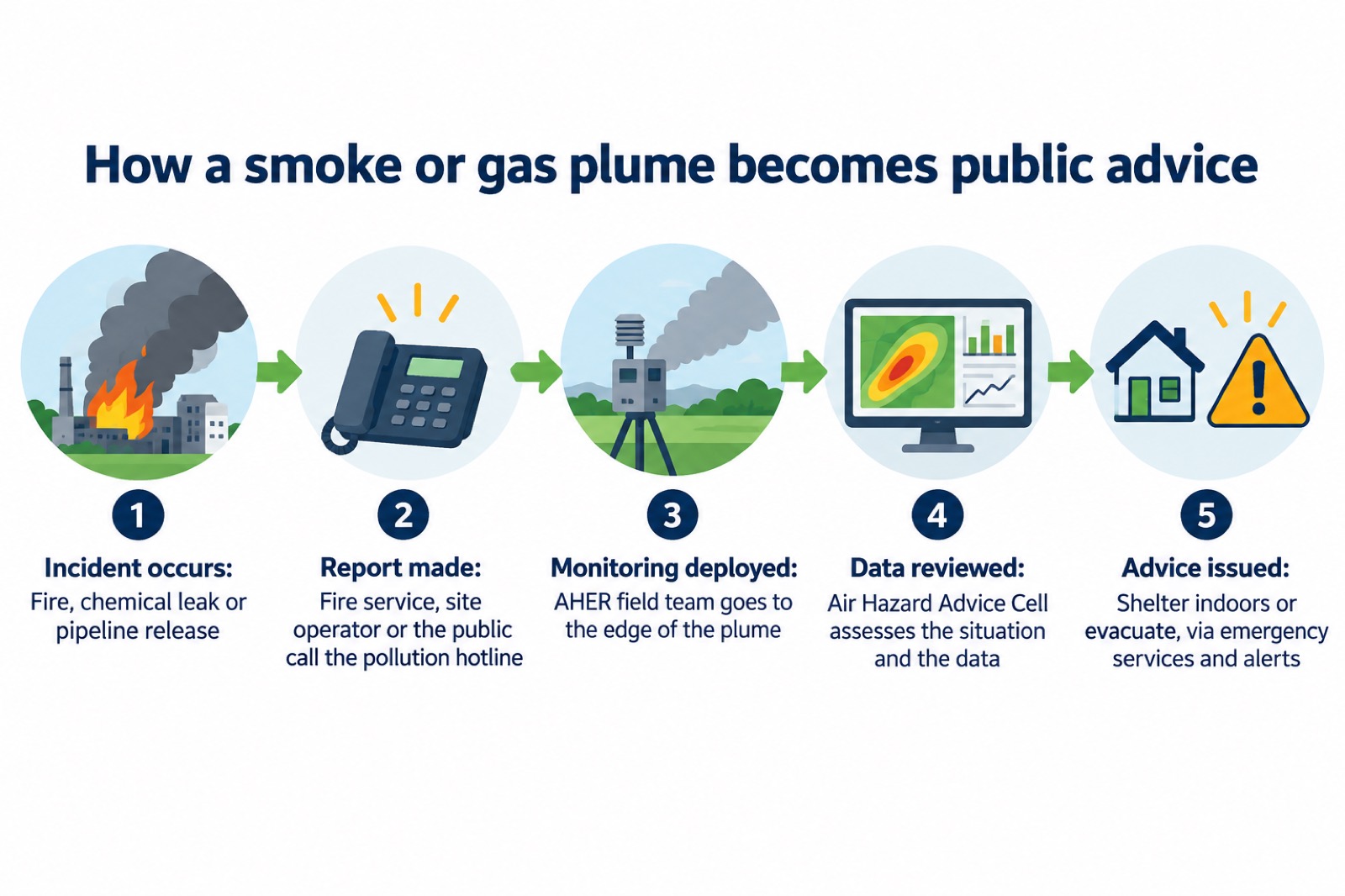
The incidents that trigger this response range widely. A wide range of chemical leakages, fires and incidents involving radioactive materials may require action by the emergency services, and may result in a hazard to public health or pollution to the environment16. Pipeline failures can also occur, resulting in loss of containment or release of the pipeline content17. At the smaller end, a fire in your own home is detected earliest by a smoke alarm, which is a warning device that detects smoke at the earliest stages of a fire and makes a piercing noise to alert or wake you19. If there is a fire in your home, get out, stay out and call 999, and follow the advice of the fire and rescue service20.
How the public is warned depends on the incident. Emergency alerts may be sent during emergencies such as severe flooding, major fires, extreme weather or other incidents that require immediate action18, and after an alert is sent the message is received on a mobile phone within about 4 to 10 seconds21. Alerts will only be sent by the emergency services and by government departments, agencies and public bodies that deal with emergencies1. When one arrives, read the alert carefully and follow the instructions provided18. More on receiving warnings is on the staying informed page.
Airborne Hazards Emergency Response: monitoring at the edge of the plume
Airborne Hazards Emergency Response, usually shortened to AHER, was established to support public health advice in the event of major incidents involving industrial activities2. It is a field response team, and it typically deploys to areas on the edge of the smoke or gas plume2. The edge matters: measurements taken where the plume meets homes and people show the concentrations that actually reach the public, rather than the fiercer concentrations at the heart of the fire or leak, which responders already know to avoid.
The team's readings feed the judgement on whether people should shelter or evacuate, whether the food supply or water needs attention, and when an area is safe to return to. That is why the advice you receive may change over the hours of an incident: it follows the measurements and the weather, not a fixed plan. AHER's role is to support that advice, and the advice itself is prepared by the Air Hazard Advice Cell described below2.
AHER does not attend everything. It does not deploy to short-term incidents, defined as events expected to resolve within 1 to 2 days2. A bonfire, a small fire or a brief release that the weather is expected to clear quickly is handled through the fire and rescue service and normal environmental response, without the specialist monitoring team. For households, this means the absence of a monitoring team is not a sign that an incident is being ignored; it is a sign that it is expected to be short-lived. The chemical releases page covers what to do near a fire or leak in more detail.
The Air Hazard Advice Cell: who reviews the data and writes the advice
The Air Hazard Advice Cell (AHAC) is the multi-agency group that turns monitoring data into the advice you hear. It is a multi-agency group of experts in air quality, public health, food safety and weather modelling2. Its job is broad: the AHAC will assess the situation, determine monitoring requirements, review any data collected and prepare advice on protecting public health2. In other words, the same group decides what should be measured, checks the results, and writes the guidance on sheltering, evacuation and food safety that the emergency services and councils then pass to you.
The permanent members of the AHAC are the Scottish Environment Protection Agency, Public Health Scotland, Food Standards Scotland and the Met Office2. Beyond the permanent members, the AHAC will seek to include representatives from the NHS Health Board and Local Authority in whose boundary the incident is occurring2. That local membership matters for households: the health board knows the local population and services, and the local authority knows the area and runs the communication channels to residents.
| Member | What it brings to the advice |
|---|---|
| Scottish Environment Protection Agency | Air quality monitoring and the AHER field team2 |
| Public Health Scotland | Public health expertise2 |
| Food Standards Scotland | Food safety after a release2 |
| Met Office | Weather modelling of where the plume will go2 |
| Local NHS Health Board | Local health knowledge, sought for the incident area2 |
| Local Authority | Local knowledge and communication with residents2 |
The Met Office seat in the cell connects the advice to the forecast. During severe weather, the Met Office's Civil Contingencies Advisors communicate the weather forecast, what weather warnings have been issued and the potential impacts to emergency responders, and participate in multi-agency teleconferences22. During business as usual, the same advisors build relationships with responders, help assess weather-related risks and develop severe weather plans alongside other agencies in the local resilience forum, and support exercises by helping develop weather scenarios and providing mock weather forecasts and warnings22. Households can check current weather warnings themselves at www.metoffice.gov.uk/public/weather/warnings12.
Who leads the wider response in a major incident
Monitoring and advice sit inside a larger structure. Local resilience forums, made up of local authorities, the emergency services, the NHS and health bodies and environment-related government agencies, are set up to warn, inform and advise the public in the event of an emergency21. Local authorities are Category 1 responders under the Civil Contingencies Act 2004, with a key role in planning for an emergency, responding to an emergency and supporting the local community, and a duty to plan for emergencies, including training and exercising23. That duty to train and exercise is why the monitoring and advice system is rehearsed, not improvised.
For a radiation emergency, the Office for Nuclear Regulation describes four levels working together to deliver an effective response24. The local multi-agency response would be coordinated through a Strategic Co-ordinating Group (SCG) located in the Strategic Coordination Centre; the SCG manages the response to the radiation emergency, protects the public, and ensures the co-ordination of communications24. The UK Health Security Agency's Radiation, Chemical and Environmental Hazards Division offers advice, monitoring, assessments and information within that response25. On the health side, Hazardous Area Response Team (HART) members are specially trained personnel who provide the ambulance response to major incidents26.
Councils prepare for this in advance. A county major emergency plan details the response to any major emergency, including the procedures for staff nominated to lead, manage and co-ordinate the strategic and tactical response in those situations17. In Belfast, emergency planning is coordinated through the Belfast Emergency Preparedness Group, previously the Belfast Resilience Forum11. For households, the practical point is that the advice you receive has passed through several layers of coordination, and the UK preparedness page explains that system more fully.
Where public health advice comes from in each nation
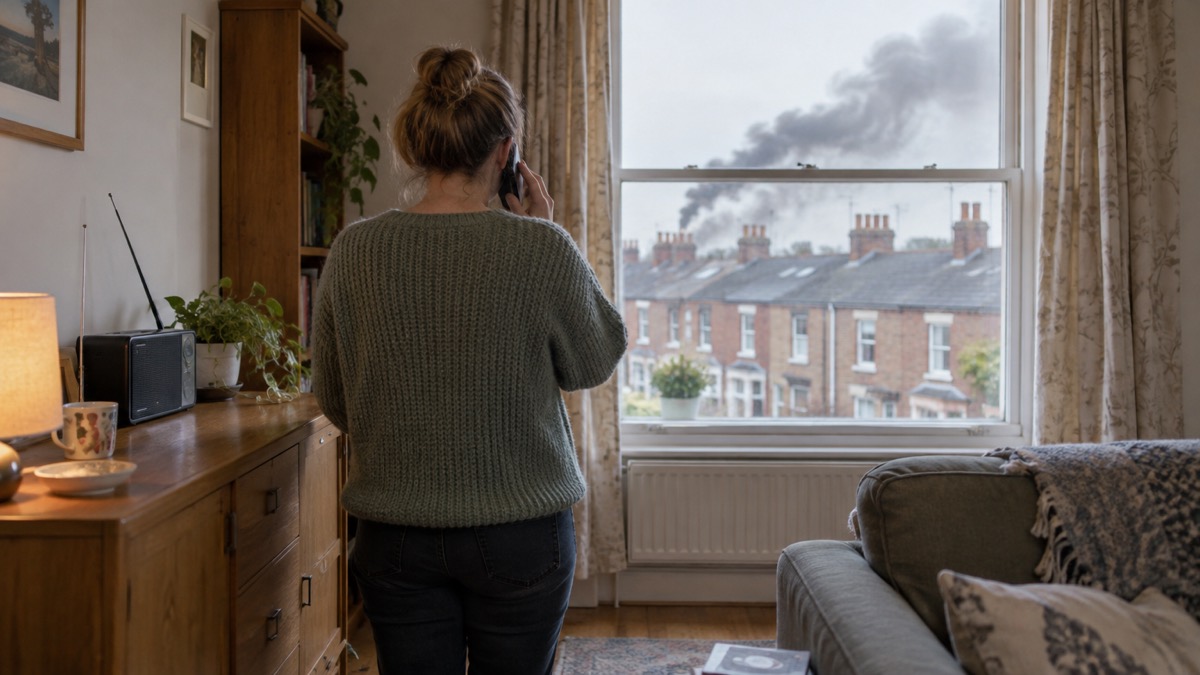
The body giving you public health advice depends on where you live. Advice on public health in England is given by the UK Health Security Agency (UKHSA), Public Health Scotland in Scotland, Public Health Wales in Wales, and the HSC Public Health Agency in Northern Ireland8. UKHSA is also responsible for controlling and managing outbreaks of communicable diseases27. In an emergency, pay attention to official sources of information such as the websites and social media accounts of local authorities, government agencies or emergency services, or messages to your mobile phone from the UK Government Emergency Alerts Service3.
UKHSA is the successor to Public Health England, and some official pages were rebranded to UKHSA with no change to their content28. The UK Health Security Agency guidance on what to do in a chemical emergency provides information related to evacuations, pets, food and water, and information on specific hazardous chemicals29. Its guidance on what to do in a radiation emergency similarly provides information related to evacuations, pets, use of stable iodine and safety advice related to food and water29. Those guides are the ones to turn to once the immediate sheltering instruction has been followed.
For radiation emergencies overseas, the UK is not left to find out by chance. By international agreement the UK should receive warning of nuclear accidents abroad25. The radiation emergency and radiation monitoring pages cover that scenario in detail.
Food, water and returning home after a release
The advice cell's food safety membership exists because a plume can affect more than the air. When sheltering, put away or cover all fresh food5. The UK Health Security Agency guidance on chemical and radiation emergencies covers food and water, and the Air Hazard Advice Cell includes food safety experts who review the evidence before advice is issued2. Incidents involving hazardous substances may result in a hazard to public health or pollution to the environment16, so treat food, garden produce and water as things to ask about rather than assume are safe.
After the incident, listen to advice from the emergency services and local authorities, for example about drinking water or power loss12. Report any hazards to health and safety, such as damaged power lines, washed out roads, gas leaks, dead animals or chemical releases, to the local authority or emergency services15. Do not try to return to an evacuated area until the emergency services tell you it is safe to do so11. Specific questions about tap water and about food and milk restrictions after a nuclear accident are covered on the tap water safety and food after nuclear pages.
Preparing now: what households can do before anything happens
The monitoring system works best when households act on it quickly, and a little preparation makes that possible. Plan how to escape quickly in the event of a fire or gas leak30, and have a plan in place that the whole household is aware of for evacuating the premises safely and contacting emergency services in the event of a gas leak, suspected carbon monoxide exposure, or any other gas-related emergency31. Identify escape routes, how to assist elderly or disabled family members or neighbours, and where to meet outside the building32.
If fire or smoke is inside your flat and the escape route is not clear, open the window for fresh air and shout for help33. If there is a fire inside your flat, get out, stay out, call 999 as soon as you are safe to do so33. Never re-enter your home until the fire and rescue service has made it safe20. Fit working smoke alarms, because a smoke alarm detects smoke at the earliest stages of a fire and wakes you when it matters19. Keep emergency provisions ready, as the sheltering advice assumes5, and the emergency kit page lists what a UK household should keep ready.
- Agree an escape plan and a meeting point, and make sure everyone in the household knows it30
- Keep a battery or wind-up radio so you can tune in when told to9
- Know how to close off vents, fans and air conditioning quickly5
- Keep fresh food covered or stored away as a habit during any nearby incident5
- Save the SEPA or Environment Agency hotline number if you live near industrial sites6
Sources (33)
- Community Risk Register, West Midlands Local Resilience Forum, 2024
- Airborne Hazards Emergency Response (AHER), Scottish Environment Protection Agency, 2026
- Be informed about hazards, Prepare Campaign, 2026
- Hazardous materials incident, Prepare Campaign, 2026
- Release of gas, toxic chemical or radiation, City of Edinburgh Council, 2026
- Contact us in an emergency, Highland Council, 2026
- Outdoor air pollution, NHS inform, 2026
- What to do in a chemical emergency, GOV.UK, 2024
- Step 2: during an emergency, Essex Prepared, 2026
- Humanitarian assistance and evacuations, Cornwall Council, 2026
- Emergency planning, Belfast City Council, 2026
- Surrey Prepared ICE template, Surrey County Council, 2026
- Report flooding and burst water mains, GOV.UK, 2026
- Be flood ready: guidance for flood wardens, Harborough District Council, 2026
- Prepare yourself, Greater Manchester Combined Authority, 2026
- Major accident hazards emergencies, Merthyr Tydfil County Borough Council, 2026
- Council emergency plans, Nottinghamshire County Council, 2026
- Emergency alerts service, Croydon Council, 2026
- Smoke and heat alarms, Manchester Fire and Rescue Service, 2026
- Are You Ready booklet, Culham Parish Council, 2025
- Emergency alerts, Denbighshire County Council, 2026
- Spotlight on civil contingencies at the Met Office, Wiltshire and Swindon Prepared, 2026
- Civil contingencies, Argyll and Bute Council, 2026
- National emergency arrangements, Office for Nuclear Regulation, 2026
- Nuclear emergencies: information for the public, GOV.UK, 2026
- Ambulance service responses, Yorkshire Ambulance Service NHS Trust, 2026
- Disease control, Derbyshire County Council, 2026
- Public health advice following the Salisbury nerve agent incident, GOV.UK, 2025
- Hazardous substance exposure, Essex Prepared, 2026
- Step 1: preparation, Essex Prepared, 2026
- Safe home heating, Warwickshire County Council, 2026
- Fire safety advice for residents in high rise buildings, Warwickshire County Council, 2026
- Home escape plan, Devon and Somerset Fire and Rescue Service, 2026
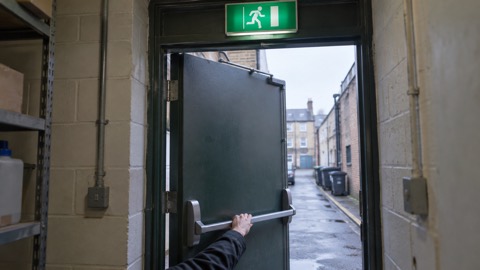 Run, Hide, Tell
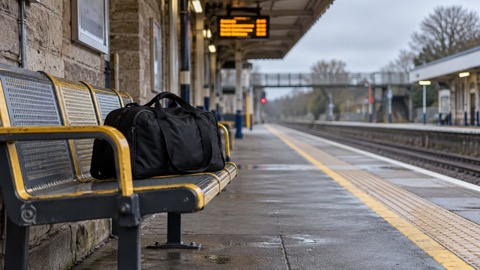 ACT Awareness Training
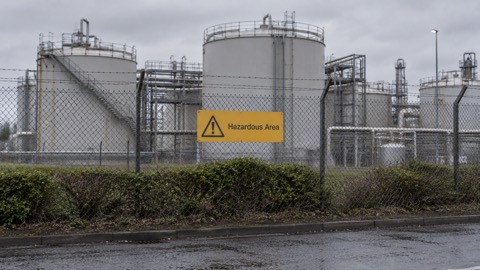 Living Near a COMAH Site
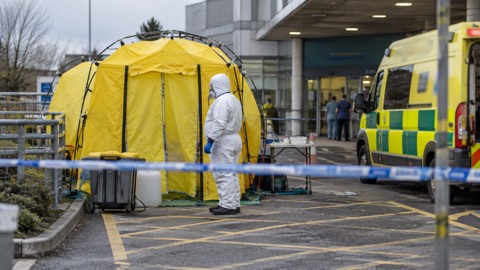 Remove, Remove, Remove
 Go In, Stay In, Tune In
 Nuclear Site Planning Zones
 Naval Base Radiation Plans
 UK Radiation Monitoring