The Government announced details of the Protect Duty, now to be known as Martyn's Law, on Monday 19 December 2022, according to the Lancashire Resilience Forum1. The name is a tribute to Martyn Hett, who was killed alongside 21 others in the Manchester Arena terrorist attack in 20171. The same page records that Martyn's Law became official law on Thursday 3 April 2025, delivering what it describes as the Government's manifesto commitment to strengthen the security of public premises and events across the UK1.
The announcement covered the draft legislation and a factsheet for organisations, provided by the Homeland Security Group, setting out what the law will do, what the tier system is and how the law will be managed1. The page does not give the content of the tiers, the duties they place on venues, or the dates on which they take effect; those details have not been reported there.
The forum's counter-terrorism page sets the change in context. It states that Lancashire is a safe place to live and work, and that the probability of getting caught up in a terror attack is small1. It adds that reports from the public in the UK each year have helped the police keep communities safe from terrorism1.
"Martyn's Law became official law on Thursday 3rd April 2025. It will deliver the Government’s manifesto commitment to strengthen the security of public premises and events across the UK."
| Date | Development |
|---|---|
| 2017 | Manchester Arena terrorist attack; Martyn Hett killed alongside 21 others1 |
| Monday 19 December 2022 | Government announces details of the Protect Duty, to be known as Martyn's Law1 |
| Thursday 3 April 2025 | Martyn's Law becomes official law1 |
Why it matters for households
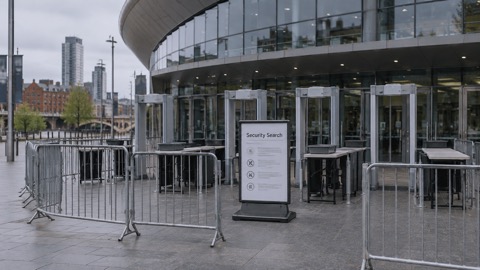
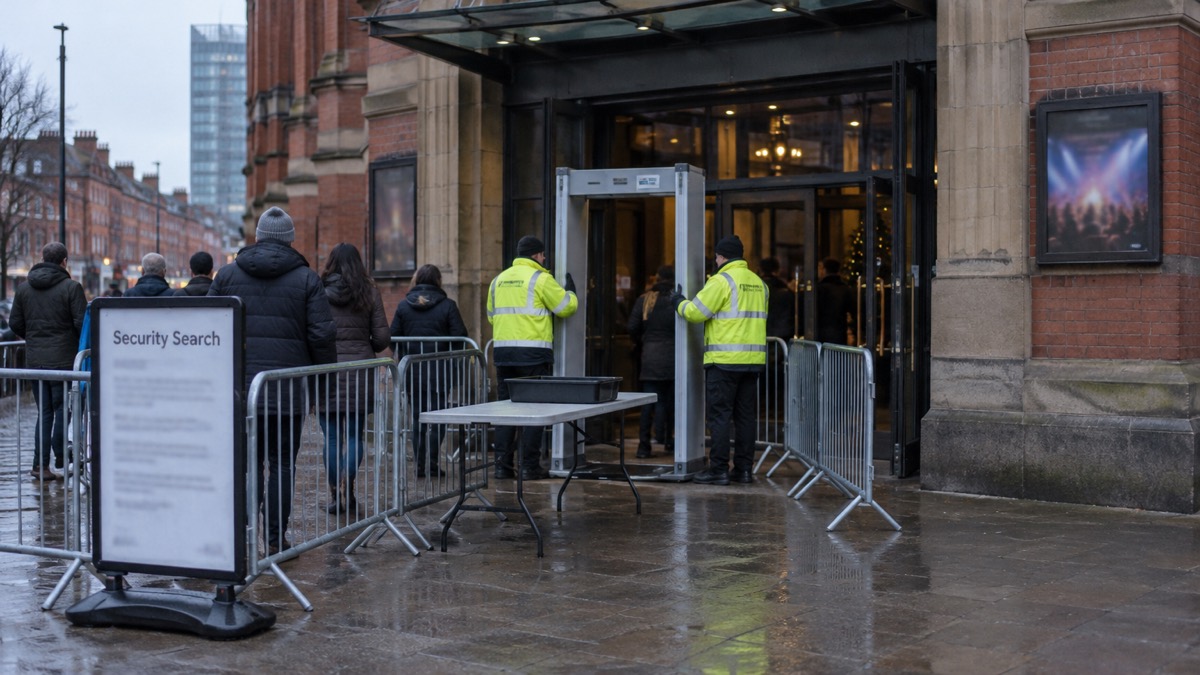
The law concerns the security of public premises and events, so its practical effect falls on the venues households visit rather than on the home. The forum's page does not set out what visitors will notice, such as changes at entrances or during events, and none has been reported there. The forum describes the probability of being caught up in a terror attack as small, while stating that public reports have helped the police keep communities safe1.
Its guidance for the public is to report anyone acting suspiciously, saying the information may be vital and could prevent an incident1. For an emergency it says always dial 999; for non-emergencies it gives Lancashire Police on 101 or the force's online form; the anti-terrorist hotline on 0800 789 321 or the Action Counters Terrorism website; and Crimestoppers, described as independent of the police and free and confidential, on 0800 555 1111. It points to the RUN. HIDE. TELL. advice for a marauding terrorist attack, and to REMOVE REMOVE REMOVE guidance for exposure to a hazardous substance1. On evacuation, it states that if the emergency services tell you to leave your home you must do so, that refusal puts you, your household and those helping at risk, and that evacuation may last from a few hours to much longer, so an Emergency Pack should be brought1. It says the council will provide basic accommodation at a welfare or rest centre if people are stranded, that rest centre facilities for pets are basic, and that support is available for anyone affected by a terrorist incident1.
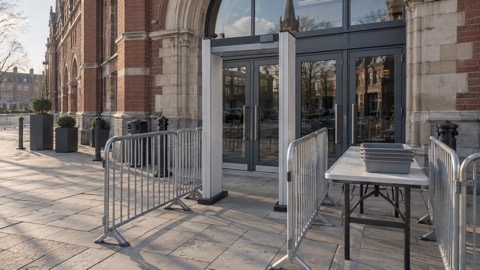
The Martyn's Law guide sets out what changes at venues you visit, and the major incidents hub covers wider emergency planning. The forum's page also signposts ACT Awareness e-Learning for free counter-terrorism training and background on the terrorism threat in the UK.
What happens next
The forum's page gives no further timetable beyond the law taking effect on 3 April 2025, and no dates for the tier system or for organisations' duties have been reported there1.
Sources (1)
- Terrorist Attack | Lancashire Resilience Forum, lancashireprepared.org.uk
 Martyn's Law at Venues