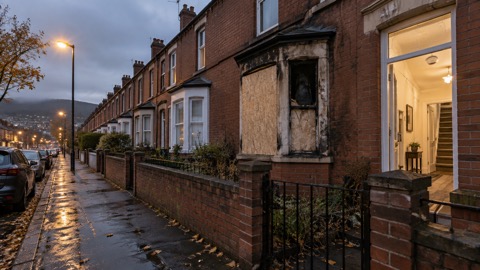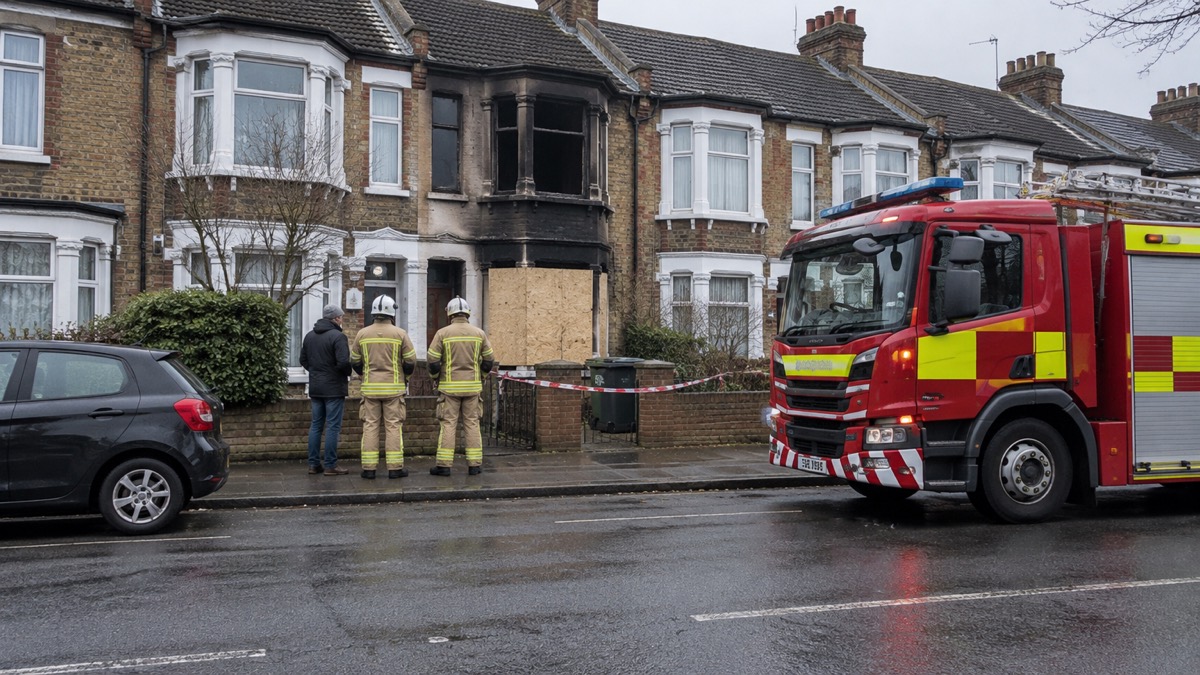
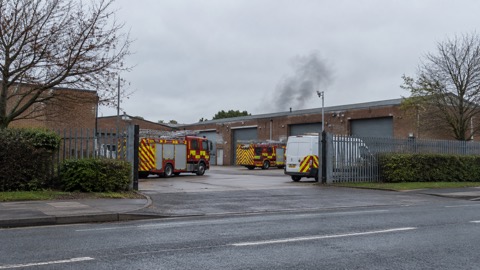
The London Fire Brigade issued an urgent safety warning after a significant house fire on Kingston Road, New Malden. Fire investigators determined that the cause involved an open fire being used instead of gas central heating1. The warning follows more than 100 fires involving open fires, log burners and heaters in recent months.
The National Fire Chiefs Council (NFCC) said fire investigators had determined the cause of the New Malden fire, and set out the wider pattern of risk as energy costs rose. Its cost of living toolkit states that by January 2023 more than half of UK households could be in fuel poverty, citing the University of York's Social Policy Research Unit, and that 15 million households, out of about 28 million in the UK, could be affected1. The NFCC lists using alternative and potentially unfamiliar heating methods as a key cause for concern, alongside alarms and detection, electrical safety, cooking and candles1.
"Fire Investigators determined that the cause of a significant house fire in New Malden involved an open fire being used instead of gas central heating."
The NFCC's guidance covers portable heaters and solid fuel. It says heaters must not be placed where they will block an escape route, that electric heaters should be plugged into a wall socket rather than an extension lead because leads can be overloaded and cause fires, and that standard portable heaters, gas and electric, must not be used in shower or bathrooms1. Portable gas heaters must not be used in bedrooms and should only be used in well ventilated rooms, and outdoor heaters must not be used indoors1. On open fires, it says people must not reopen and use an old fireplace without a professional doing the work, and should burn the correct fuel in open fires and wood burning stoves, as burning other materials can cause toxic fumes1.
| Appliance or behaviour | NFCC guidance1 |
|---|---|
| Electric heaters | Plug into a wall socket, not an extension lead |
| All portable heaters | Must not block an escape route; move only when switched off and cooled |
| Heaters in bathrooms | Standard portable gas and electric heaters must not be used in shower or bathrooms |
| Portable gas heaters | Not in bedrooms; only in well ventilated rooms |
| Cylinders (gas, paraffin, LPG) | Store safely outside the home, out of direct sunlight, not on balconies |
| Old fireplaces | Must not be reopened and used without a professional doing the work |
| Open fires and wood burners | Use the correct fuel to reduce toxic fumes, chimney fires and carbon monoxide poisoning |
On detection, the NFCC says it is crucial people ensure they have working smoke alarms, at least one on each level of the home, and check them by pushing the test button at least once a month. Where there is a heating appliance that does not run off electricity, it recommends installing a carbon monoxide alarm, describing it as the only way to detect the harmful, colourless, odourless gas which can be fatal1. It adds that where people heat only one room and use it for both living and sleeping, they should be able to hear alarms clearly so they are alerted when asleep1.
Why it matters for households
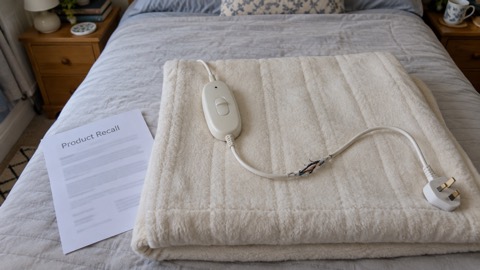
The warning is aimed at households cutting energy use as bills rise, particularly those using an open fire, log burner or portable heater instead of central heating, and those bringing stored or second-hand heaters back into use1. The NFCC advises checking that a heater is not subject to a product recall, and says anyone installing, repairing or servicing an appliance should be registered with the Gas Safe Register for gas, HETAS for solid fuel or OFTEC for oil, or be a qualified electrician for electric heaters1. It also advises that flammable items such as furniture and drying clothes are placed well away from heaters and fires, and that escape routes are kept clear1. It notes that emollient products can make clothing and soft furnishings more flammable1. For tenants, it says landlords must fit smoke alarms in all homes and carbon monoxide alarms where there is a fixed combustion heating appliance in rented accommodation, with the Welsh requirement applying from 1 December 2022, and advises tenants to ensure their landlord is complying1. It adds that the Smoke and Carbon Monoxide Alarms (Amendment) Regulations 2022 come into force on 1 October 2022, and that changes to Approved Document J from that date will require carbon monoxide alarms alongside the installation of fixed combustion appliances of any fuel type, excluding gas cookers1. Local authorities can impose a fine of up to £5,000 where a landlord fails to comply with a remedial notice1.
What happens next
The NFCC toolkit sets out that Electrical Fire Safety Week begins on 14 November and will include a focus on the cost of living and personal heating devices1. It also refers to a Stay Fire Safe campaign press release dated Wednesday 5 October, encouraging people to complete an online home fire safety check at www.ohfsc.co.uk, with home visits for those most at risk of fire1. The NFCC advises that boilers and gas appliances should not have servicing skipped where possible, and that homeowners can check their energy provider's Priority Services Register, which often offers a free annual gas safety check for eligible households1.
Households can read more on open fires, chimney fires, home emergencies and the fire safety checklist.
Sources (1)
- nfcc.org.uk, nfcc.org.uk
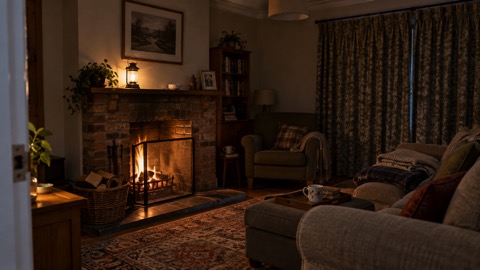 Open Fires and Fire Guards
 Home Emergencies
 Home Fire Safety Checklist
 Chemical Releases Near Home