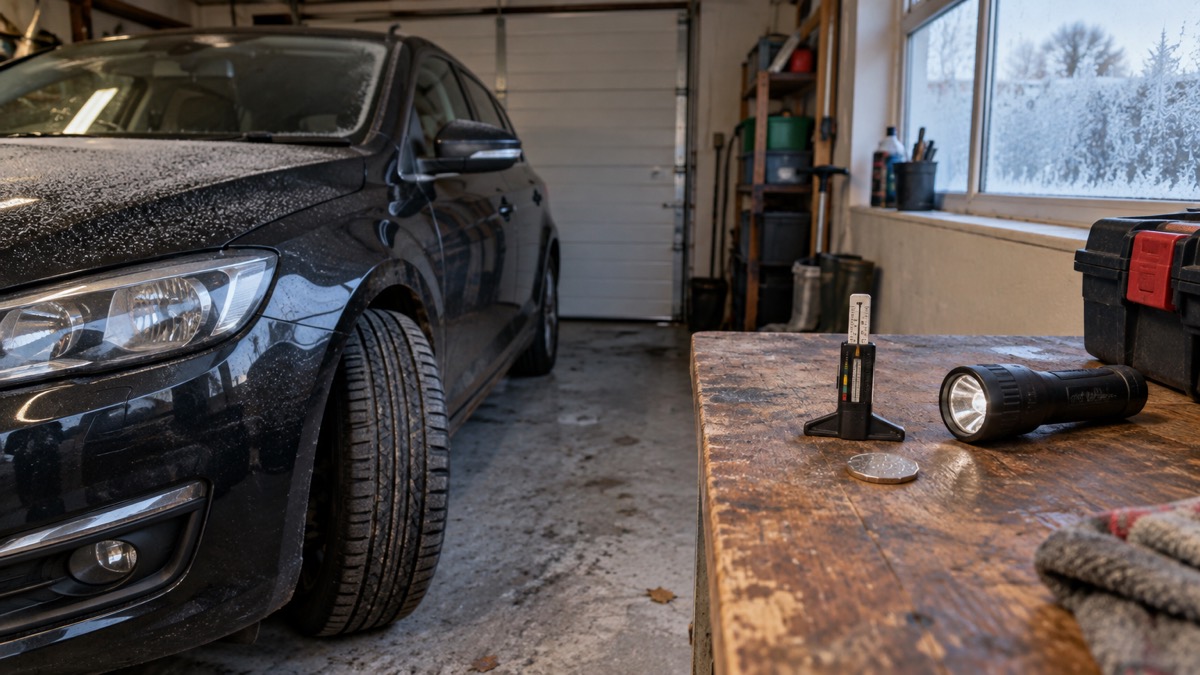
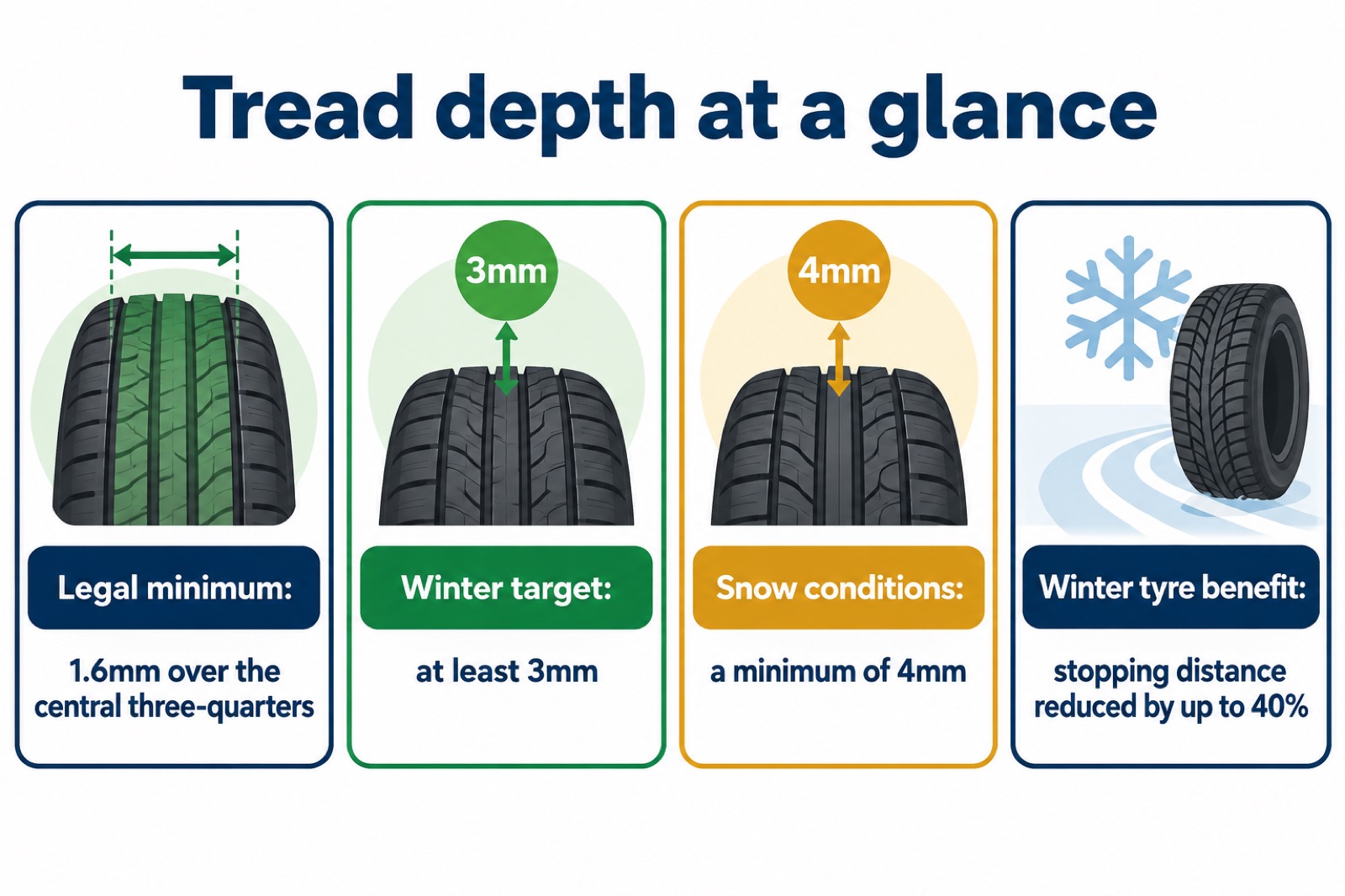
The legal minimum tread depth for car tyres in the UK is 1.6mm, measured over the central three-quarters of the tyre1. That is the line you must not cross. For winter, though, the bodies that advise drivers suggest keeping well above it: the AA recommends a minimum of 3mm in icy or very wet conditions, and Staffordshire County Council recommends a minimum of 4mm in snow conditions2.
The reason is grip. Cold temperatures, damp roads, snow and ice all reduce a tyre's ability to grip the road properly, leading to longer stopping distances and a higher risk of accident4. Deeper tread clears water and packed snow better, which is why the advice for winter is stricter than the legal floor. Traffic Scotland puts it plainly: the minimum legal tread depth is 1.6mm, but you should consider changing tyres before they get near to 1.6mm as tyres with greater tread depth perform better in poor conditions5.
So the practical answer for a household heading into winter is this: check your tread now, keep it at 3mm or more if you can, and do not drive in snow on worn tyres. Cold temperatures, damp roads, snow and ice all reduce a tyre's ability to grip the road properly, leading to longer stopping distances and a higher risk of accident4.
The legal minimum is 1.6mm, but winter wants more
The law sets a floor, not a target. For cars, tread depth should by law be at least 1.6mm, and South Wales Fire and Rescue Service advises considering replacing tyres before they get to this depth8. Nottinghamshire County Council spells out where it is measured: a legal minimum tread depth of 1.6mm over the central three-quarters of the tyre1. The same 1.6mm figure is the legal minimum for cars in the UK and Europe9.
Above that floor, the advice for cold weather is consistent across a range of official and independent sources:
| Source | Recommended minimum | When |
|---|---|---|
| Staffordshire County Council | 4mm | Snow conditions2 |
| Brake (road safety charity) | 3mm | Safe wet driving6 |
| Suffolk Fire and Rescue Service | 3mm | Winter10 |
| Oxfordshire County Council | 3mm | Winter driving11 |
| West Yorkshire Prepared | 3mm | Winter driving11 |
| The AA | 3mm | Winter3 |
The pattern is clear: 1.6mm keeps you legal, 3mm is the sensible winter target, and 4mm is what one council suggests when there is snow on the road. The AA recommends changing your tyres before they get to the low limit and ideally a minimum tread depth of 3mm in icy or very wet conditions2. Traffic Scotland's advice is the same in spirit: consider changing tyres before they get near to 1.6mm5.
Why does the gap matter so much? Because tread is what channels water away from the contact patch and what bites into loose snow. Mawwfire, the fire and rescue service for Mid and West Wales, notes that the deeper the tread depth, the better your car will perform12. In heavy rain, Traffic Scotland advises ensuring your tyre's tread depth is above the 1.6mm legal minimum13. In snow, North Yorkshire Fire and Rescue Service says poor tyres will not grip14.
How to check your tread before winter
Checking tread takes a few minutes and needs no special skill. Do it on a dry day, with the car on level ground, and check several points around each tyre rather than one spot, because tyres wear unevenly.
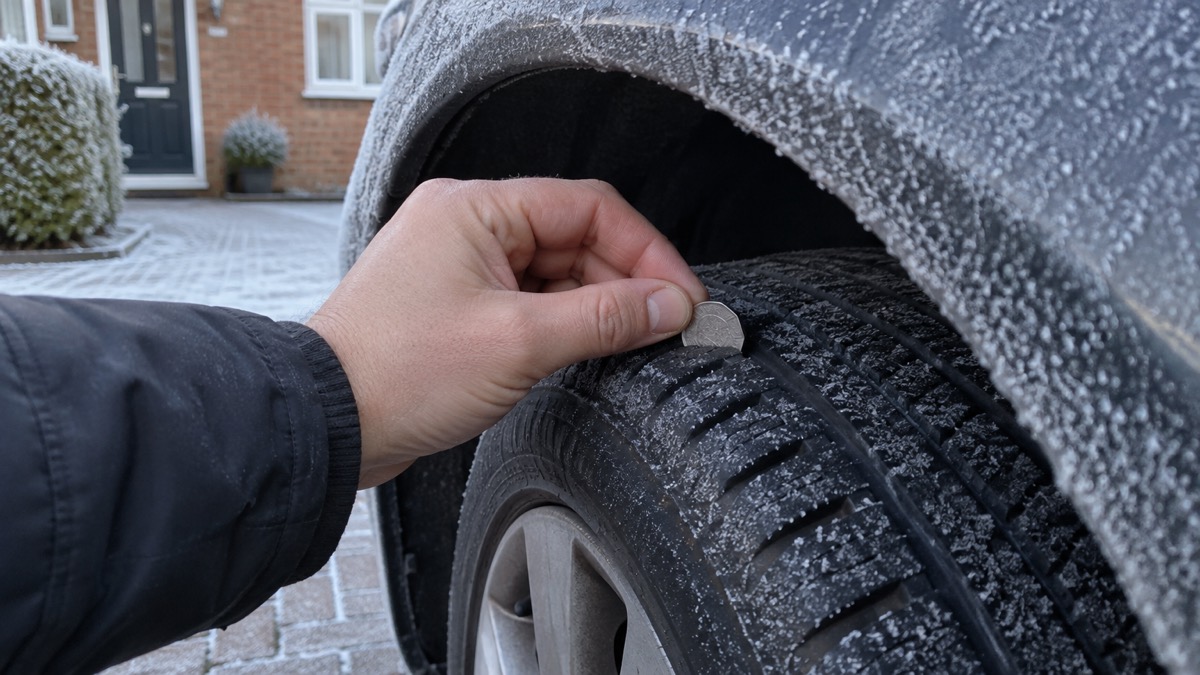
The simplest method is the 20p test. TyreSafe developed the 20p test as a simple and quick way to test your tyres' tread depth4. Push a 20p coin into the main grooves. If the outer band of the coin remains visible, the tread is likely to be too shallow and the tyre should be checked properly with a gauge.
A tread depth gauge gives you a number in millimetres, which is what you need if you are close to the 3mm winter target. Either way, check all four tyres and the spare.
Winter car checks from councils across the country put tyres alongside the other essentials:
- Tyre pressure and tread depth, and the spare tyre15
- Lights working and clean15
- Wipers and screen wash containing anti-freeze15
- Battery in good condition and fully charged15
- Windows and mirrors clear of ice15
Warwickshire Fire and Rescue Service adds that you should check tyre pressure regularly, making sure tyres are properly inflated according to the vehicle manufacturer's recommendations16. Under-inflation and low tread compound each other: a soft tyre with shallow grooves is the worst combination in standing water.
For a fuller list of what to check before the cold arrives, see our car checks before winter.
Winter tyres and the tread they need
Winter tyres are tyres designed to provide maximum traction on roads17. Their advantage is in the compound and the tread pattern, and the deeper tread on winter tyres offers grip even when compacted by snow and provides improved manoeuvrability over all-season tyres, even for two-wheel drive cars7. The Met Office notes that winter tyres can help you stop sooner, reducing your stopping distance by up to 40%19.
That does not mean every household needs them. Traffic Scotland's guidance is conditional: if you must regularly drive in ice and snow this winter, then winter tyres may be advisable17. For most drivers in most of the UK, good all-season or standard tyres kept well above the legal minimum will see them through. The choice is set out in more detail in our comparison of winter tyres and all-season tyres.
Whatever is fitted, the tread rule is the same. The AA recommends at least 3mm of tread for the winter3. Winter tyres do not exempt you from the legal minimum, and they do not compensate for tread that has worn down.
Driving in snow on low tread
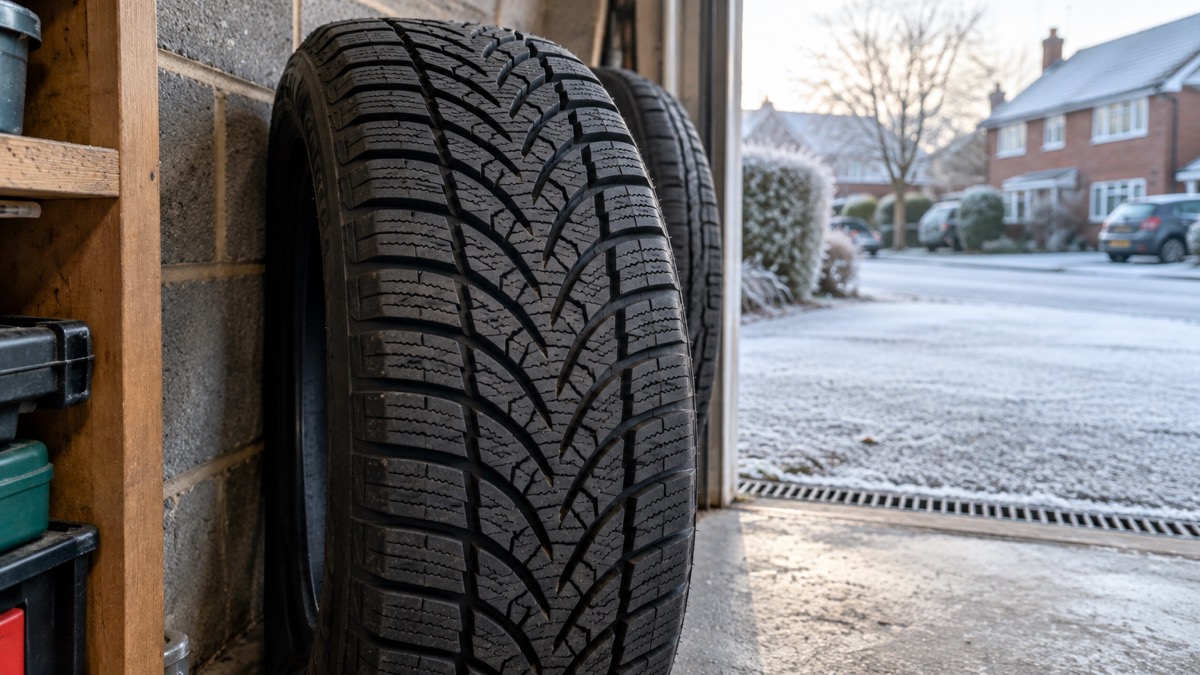
If there is snow on the road and your tread is low, the safest decision is not to drive. North Yorkshire Fire and Rescue Service advises checking your tyres for adequate tread before you travel, because poor tyres will not grip when driving on snow and ice14. Staffordshire County Council's 4mm figure for snow conditions is the benchmark to aim for2.
If you do have to drive, the technique matters as much as the tyre. Use dipped headlights, accelerate gently using low revs, and change to higher gears as quickly as possible3. North Yorkshire Fire and Rescue Service gives the same advice: accelerate gently, use low revs and change up to a higher gear as quickly as possible14.
If you are caught out, our guide to what to do if your car gets stuck in snow covers the next steps, and how much longer stopping distances are on ice explains why the margin matters so much.
Where to get help and further advice
Tyre advice for UK drivers comes from a small number of consistent places. Your council's road safety or winter maintenance pages carry local guidance, and the fire and rescue services publish winter driving advice for their areas. Traffic Scotland covers the Scottish network, and the Met Office issues the weather warnings that should decide whether you travel at all.
If a warning is in force, check it before you set out. Our guide to Met Office weather warnings explains what yellow, amber and red mean for your journey, and should I delay my journey in bad weather helps you weigh up whether to go at all.
For the wider picture on preparing a household for winter, start with our storms, snow and ice guide, and for the driving essentials see driving in snow and ice.
Sources (19)
- Winter driving advice, Nottinghamshire County Council, 2026
- Winter driving, Staffordshire County Council, 2026
- Winter driving advice, The AA, 2020
- Driving in winter, Northumberland County Council, 2025
- Driving in bad weather, Transport Scotland, 2026
- Check it's safe to travel, Brake, 2026
- Winter tyres guide, Traffic Scotland, 2026
- Driving in adverse weather, Cheshire Fire and Rescue Service, 2026
- 6 simple checks to prepare your vehicle for winter - Met Office, Met Office
- Seasonal winter, Suffolk Fire and Rescue Service, 2026
- Winter Driving Checklist, West Yorkshire Prepared, 2020
- WeatherReady Winter Partner Toolkit, Met Office, 2026
- Driving in rain, Traffic Scotland, 2026
- Staying safe in the snow, North Yorkshire Fire and Rescue Service, 2023
- Winter, summer and wet weather driving tips, North Yorkshire Council, 2026
- Road safety, Warwickshire County Council, 2026
- Driving in snow and ice, Traffic Scotland, 2026
- Winter driving, Traffic Scotland, 2026
- Drive safely in winter weather, Met Office, 2026
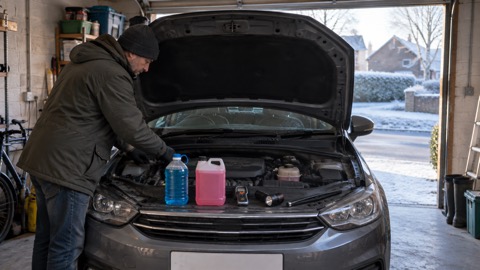 Car Checks Before Winter
 Flood Warning Checklist
 First Steps After a Flood
 Bedroom Temperature at Night
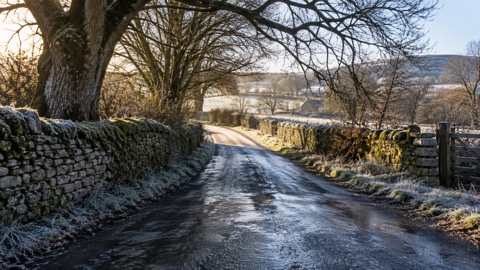 Hitting Black Ice
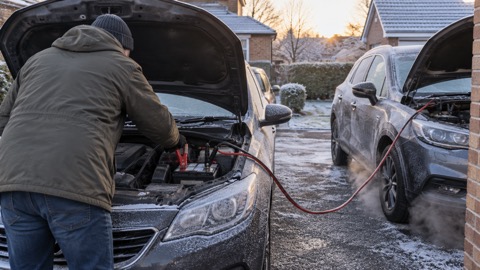 Car Battery in Winter
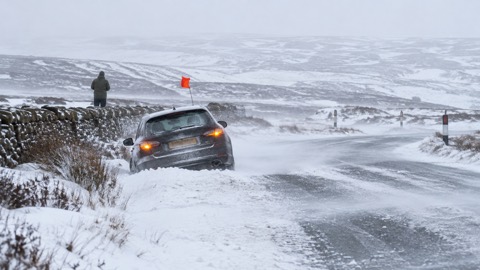 Car Stuck in Snow
 Clearing Snow and Ice Safely
 Clearing Snow from Pavements
 Using Fog Lights
 Signs of Frostbite
 Falling Through Ice
 De-Icing a Frozen Windscreen
 Request or Refill a Grit Bin
 Overtaking a Gritter