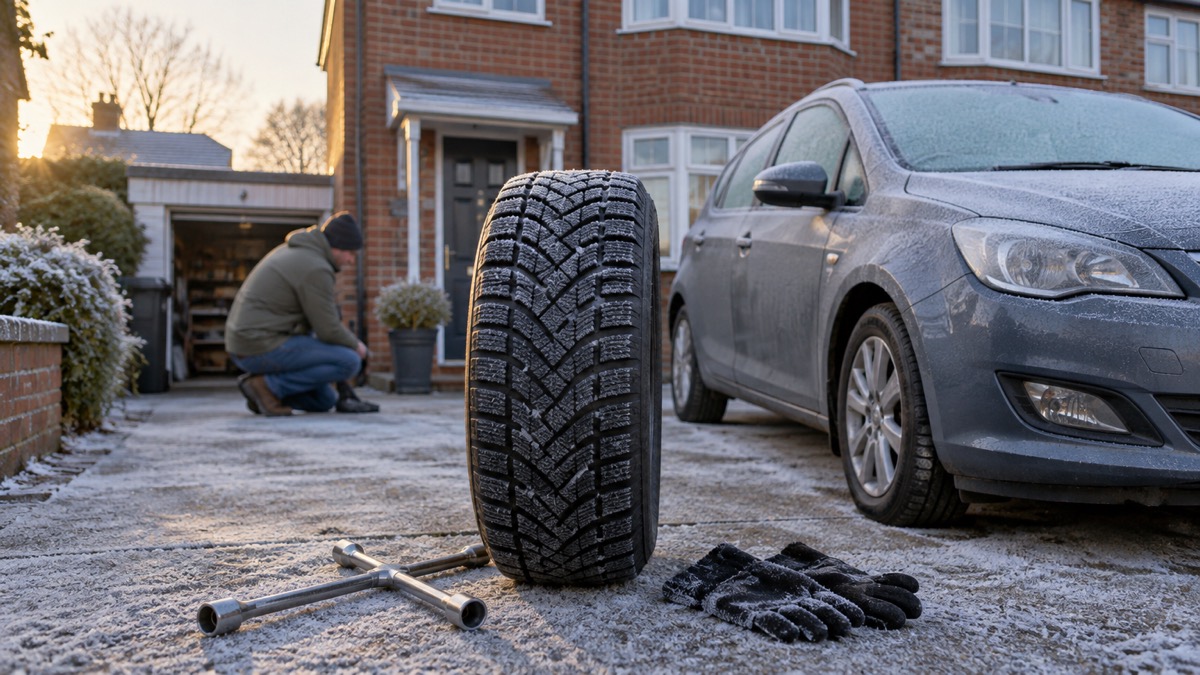
For most households in England, Wales and lowland Scotland, winter tyres are an option rather than a necessity. There is no legal requirement to use them anywhere in the UK, and no law sets a date for fitting them1. What official guidance does say is that winter tyres are recommended for use in the UK between October and March, when temperatures can often be below 7°C, and that they are beneficial when temperatures drop to 7°C and under during the winter months1.
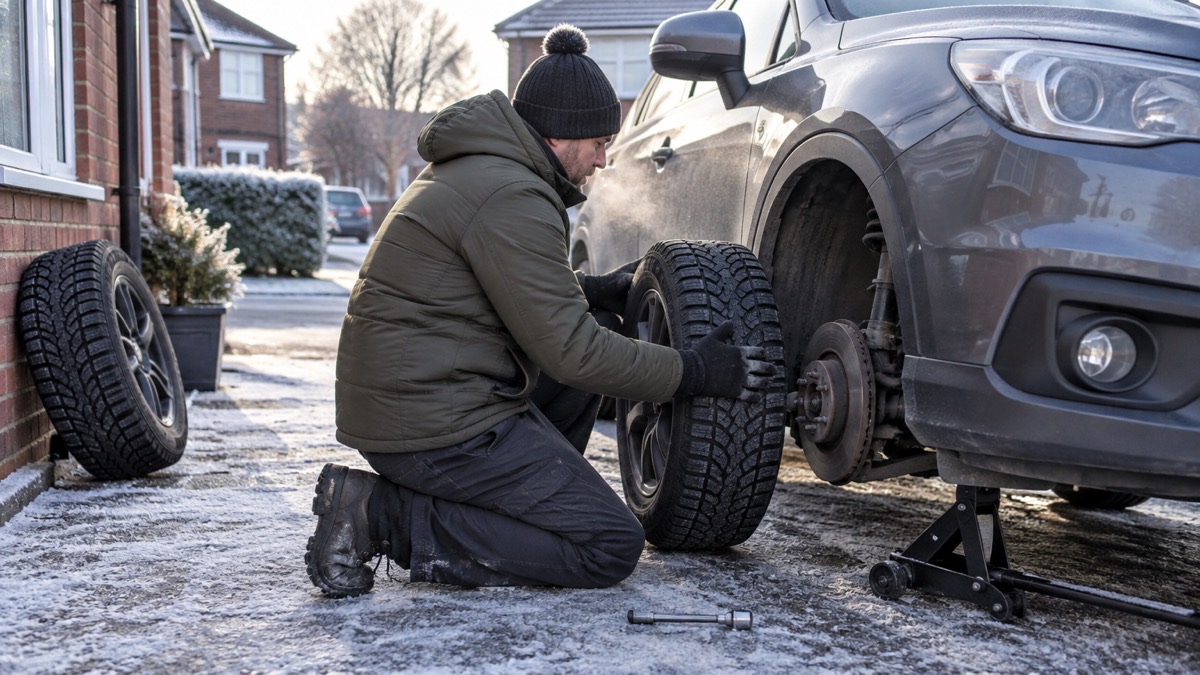
Where they earn their place is in the cold, the ice and the snow. Winter tyres are designed to provide maximum traction on roads, and their deeper tread offers grip even when snow is compacted3. The Met Office says they can help you stop sooner, reducing your stopping distance by up to 40%4. For drivers in the Highlands and throughout rural Scotland, Traffic Scotland says winter tyres may be necessary; for typical drives in Central Scotland's relatively warm and wet climate, all-season tyres are sufficient1.
So the practical answer is this. If you drive mainly on treated main roads in milder parts of the country, good all-season tyres with plenty of tread will see most households through. If you live somewhere prone to high snowfall, drive rural roads, or face steep and exposed routes, winter tyres are worth considering, and the rest of this page explains when, where and how to decide.
When winter tyres help: October to March, below 7°C
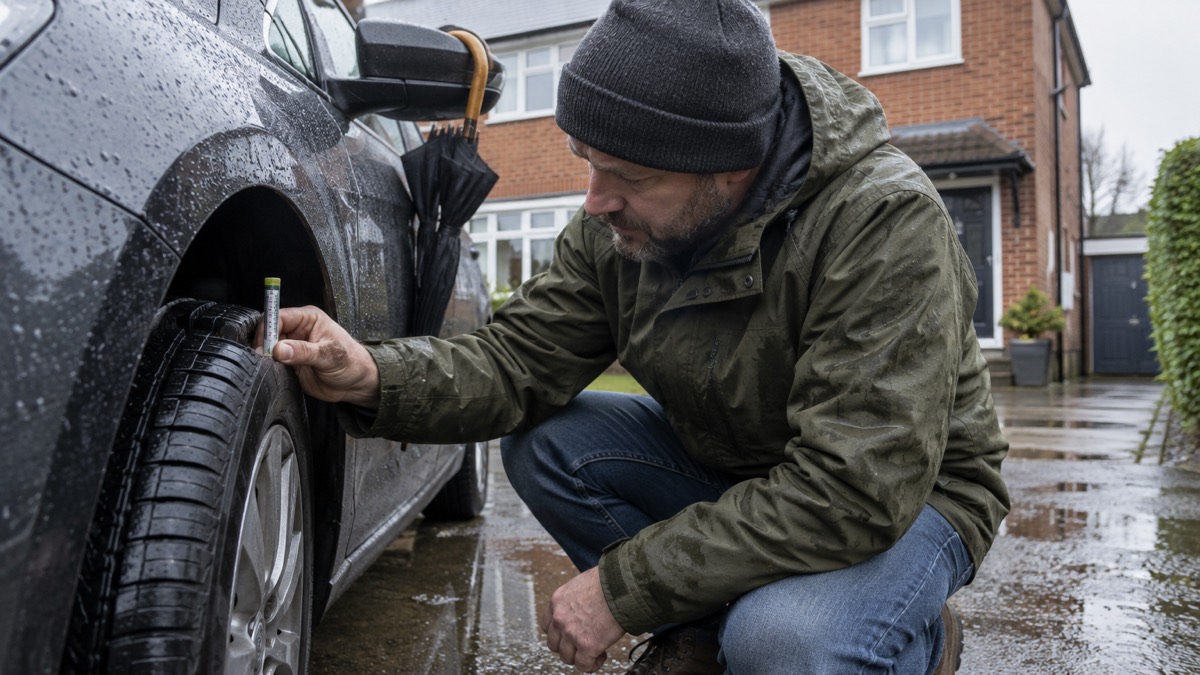
The case for winter tyres rests on temperature, not on whether snow is lying. Official guidance recommends them for use in the UK between October and March, when temperatures can often be below 7°C2. Traffic Scotland puts the same threshold plainly: winter tyres are beneficial when temperatures drop to 7°C and under during the winter months1. Derbyshire County Council goes further, saying that compared with standard all-weather tyres, winter tyres provide superior grip at temperatures below 7°C6.
That matters because cold itself changes how a tyre behaves. Cold temperatures, damp roads, snow and ice all reduce a tyre's ability to grip the road properly, leading to longer stopping distances and a higher risk of accident7. Winter tyres are recommended for use in the UK between October and March, when temperatures can often be below 7 degrees celsius4. Winter tyres are one way to claw back some of that lost grip.
What they can and cannot do is worth being clear about:
- They help with grip and stopping. Winter tyres can help you stop sooner, reducing your stopping distance by up to 40%4. Traffic Scotland says the deeper tread offers grip even when compacted by snow and provides improved manoeuvrability over all-season tyres, even for two-wheel drive cars1.
- They do not make a bad tyre good. Tread depth still decides much of the outcome. The legal minimum for cars in the UK is 1.6mm5, and the RAC recommends changing your tyres before they get to the low limit, ideally a minimum tread depth of 3mm in icy or very wet conditions8.
- They do not replace winter driving care. Gritted roads can still be affected. Transport Scotland is explicit that there will still be times when motorways and trunk roads will not remain completely free of snow and ice9.
There is no fixed fitting date in any of the guidance, and no legal deadline. The trigger is the forecast: once temperatures are regularly at or below 7°C, winter tyres are doing the job they were designed for1. If you are weighing up whether to change at all, the comparison between winter tyres and all-season tyres sets the two side by side, and the guide to tyre tread depth for winter explains how much tread you actually want.
What the law requires, and what it does not
The legal position is simple and often misunderstood. Traffic Scotland states it directly: there is no legal requirement to use winter tyres1. No UK nation imposes a winter tyre mandate, and no dates are set by law for putting them on or taking them off.
What the law does require is adequate tread. The legal tyre tread depth for cars in the UK and Europe is 1.6mm5. Warwickshire Fire and Rescue Service repeats the figure in its winter safety checks, and the Met Office warns that driving in winter conditions with low levels of tread is dangerous and illegal8.
Official bodies consistently recommend more than the legal minimum for winter conditions, though the figures vary:
| Source | Recommended minimum tread | Notes |
|---|---|---|
| Met Office (citing the RAC) | 3mm in icy or very wet conditions | Change tyres before they reach the low limit5 |
| Oxfordshire County Council | at least 3mm | Good tread is essential in bad weather10 |
| Suffolk Fire and Rescue Service | at least 3mm | Keep tyres at recommended pressures too11 |
| Staffordshire County Council | 4mm in snow conditions | A minimum recommendation for snow12 |
The variation is not a contradiction so much as a range of caution: the legal floor is 1.6mm, and official advice sits above it, higher still where snow is expected5. Alongside tread, check for damage. Nottinghamshire County Council advises checking tyres regularly for bulges, cracks and slow punctures, and checking that pressure meets the level recommended for winter conditions13. Argyll and Bute Council makes the same point: keep tyres at the right pressure with plenty of tread14.
Highlands and rural Scotland: where winter tyres may be necessary
Scotland is where the UK guidance changes tone. Traffic Scotland says winter tyres may be necessary for drivers in the Highlands and throughout rural Scotland, while Central Scotland's relatively warm and wet climate means many drivers will not need them for drives in typical conditions, where all-season tyres are sufficient1. Highland Council advises considering fitting winter tyres, especially if driving in rural areas16. Ready Scotland, the Scottish Government's preparedness campaign, advises getting winter tyres, snow chains or snow socks if you need to drive in snow and ice17.
That advice reflects the roads as much as the weather. The UK sees an average of 23.7 days of snow fall or sleet a year, with the majority of this in lower temperatures on high ground18. In Scotland, the trunk road network is served by 240 gritters and ploughs operating from over 42 depots, with more than 500 people available to undertake winter service duties9. Winter patrols run on the busiest roads and those trunk roads that experience the severest winter weather when temperatures are forecast to be low and there is a risk of ice forming9.
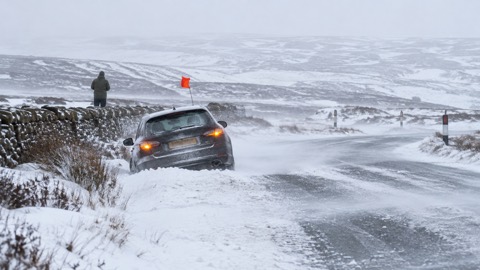
Even so, the official message is that gritting has limits. Transport Scotland says motorists should be aware that there will still be times when motorways and trunk roads will not remain completely free of snow and ice9. That is the gap winter tyres are meant to fill for drivers who have no choice but to travel.
If you live in a remote part of Scotland, there is practical help too. Winter Self Help Kits are available to small communities bordering a trunk road, and Transport Scotland asks communities to write in to request one9. For anyone planning journeys in these conditions, the guidance on driving in snow and ice covers the wider picture, and what to do if your car gets stuck in snow is worth reading before you need it.
All-season tyres for typical UK winter conditions
For most of the country, all-season tyres are the sensible middle ground. Traffic Scotland's assessment is that Central Scotland's relatively warm and wet climate means many drivers will not need winter tyres for typical drives, and all-season tyres are sufficient there1. The same logic applies to much of England and Wales, where snow lies less often and roads are routinely treated.
Councils across the UK treat the main network as a matter of routine. That does not mean every road is clear, but it does mean the roads most households use most of the time are the ones prioritised. The guide to which roads are gritted and how councils decide explains how that prioritisation works.
Where all-season tyres stop being enough is in sustained cold and on untreated roads. Derbyshire County Council's comparison is the clearest: winter tyres provide superior grip at temperatures below 7°C compared with standard all-weather tyres6. If your winter driving is mostly short trips on treated roads, all-season tyres with good tread are a reasonable choice. If you regularly drive rural routes, hills or exposed roads in the cold months, winter tyres are the better match.
A few practical points apply whatever you fit:
- Check tread and pressure regularly. Nottinghamshire County Council advises checking for bulges, cracks and slow punctures and keeping pressure at the winter level13.
- Do not rely on studs. Bedford Borough Council notes that studded tyres give good traction in snow but would be of very rare use in the UK19.
- Prepare for being stuck. Traffic Scotland advises making sure you have your emergency travel kit in your vehicle and being prepared for getting stuck out in the snow20.
Storm damage, fallen trees and winter road hazards
Winter tyres help you grip, but they cannot move a fallen tree. Gales and storms bring damage to buildings and trees, risk to high-sided vehicles and other traffic, vehicle collisions, and utility and telephony failure11.
If you spot a damaged or fallen tree near a road, report it rather than tackle it. The guide to dangerous trees and who is responsible explains who to contact, and how to report a fallen tree blocking a road covers the immediate steps. Before a storm arrives, Lancashire Prepared advises securing outdoor items such as bins, garden furniture and trampolines to prevent them being blown into roads or through windows21. The wider checklist for preparing your home and garden for high winds is worth working through before the season turns.
Sources (21)
- Winter tyres guide, Traffic Scotland, 2026
- Winter, summer and wet weather driving tips, North Yorkshire Council, 2026
- Winter driving, Traffic Scotland, 2026
- Drive safely in winter weather, Met Office, 2026
- 6 things to do to prepare your vehicle for winter weather, Met Office, 2026
- Winter driving and riding tips, Derbyshire County Council, 2026
- Driving in winter, Oxfordshire County Council, 2026
- 10 things you should do now to prepare for winter, Met Office, 2026
- Keep Scotland moving: winter service, Transport Scotland, 2026
- Winter matters, Suffolk Fire and Rescue Service, 2026
- Severe weather, Pembrokeshire County Council, 2026
- Winter driving, Staffordshire County Council, 2026
- Winter driving advice, Nottinghamshire County Council, 2026
- What advice can you give me on driving?, Argyll and Bute Council, 2026
- Driving in winter | Northumberland County Council, Northumberland County Council
- Winter service, Highland Council, 2025
- Cold, snow and ice, Ready Scotland, 2026
- Heavy snow, Wiltshire and Swindon Prepared, 2026
- Keeping winter roads safe, Bedford Borough Council, 2026
- How to drive safely on snow and icy roads | Traffic Scotland, Traffic Scotland
- Storms and gales, Lancashire Prepared, 2026
 Car Checks Before Winter
 Flood Warning Checklist
 First Steps After a Flood
 Bedroom Temperature at Night
 Hitting Black Ice
 Car Battery in Winter
 Car Stuck in Snow
 Clearing Snow and Ice Safely
 Clearing Snow from Pavements
 Using Fog Lights
 Signs of Frostbite
 Falling Through Ice
 De-Icing a Frozen Windscreen
 Request or Refill a Grit Bin
 Overtaking a Gritter