South Wales Fire and Rescue Service supported National Burns Awareness Day on 14 October 2026, saying it was helping to raise awareness of how simple first aid can make a significant difference following a burn injury1. The service used the day to set out the three steps it calls the 3 Cs: Cool, Call and Cover1.
Between 1 April and 31 July 2026, 320 burn injuries were recorded across South Wales, according to data from the International Burn Injury Database cited by the service1. Of these, 44 per cent involved children, 45 per cent involved adults and 11 per cent involved elderly people1. The most common causes were scalds (98 injuries), contact burns (82), flame burns (51) and chemical burns (33)1. The data also showed that 78 injuries involved children playing and 54 were linked to food preparation1.
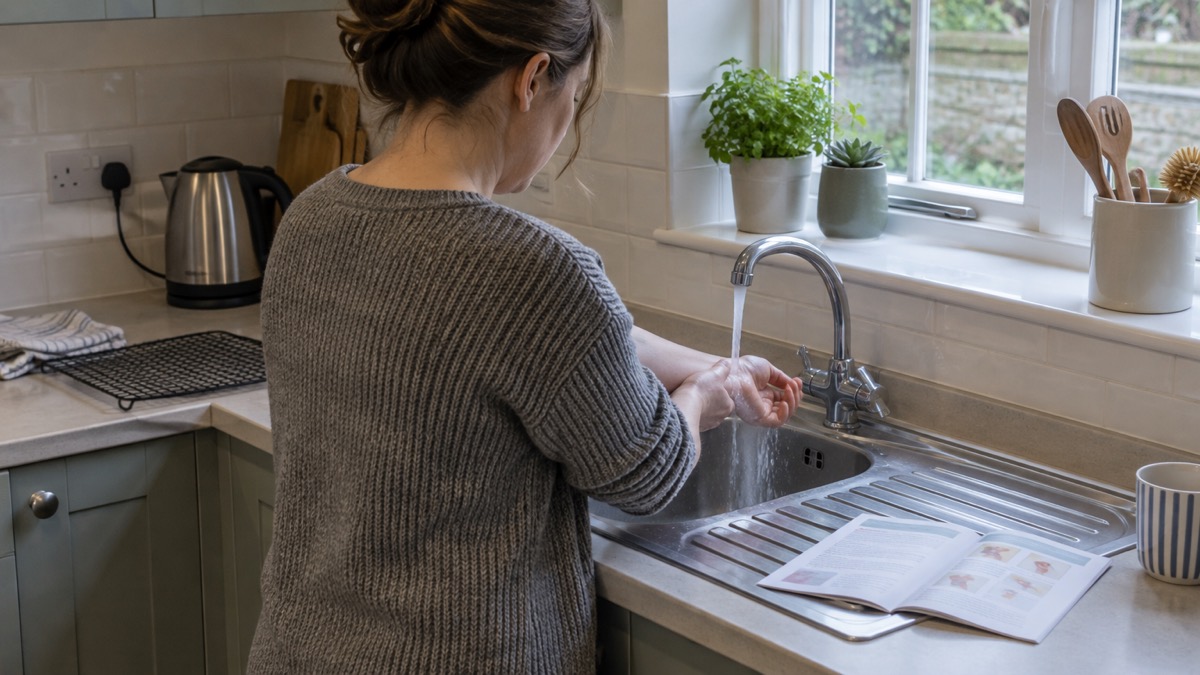
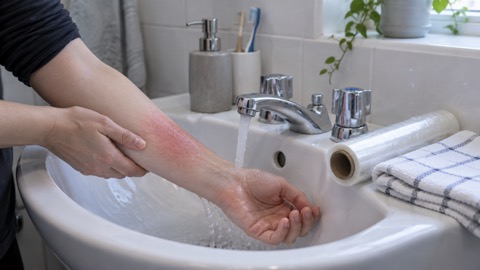
The service's first aid guidance is that a burn should be cooled under cool, not cold, running water for 20 minutes as soon as possible, and that running cool water over the affected area for 20 minutes remains effective for three hours after the injury occurs1. It advises seeking medical advice for burns larger than a 50 pence piece, for more serious burns, burns involving children, or burns affecting sensitive areas of the body1. Once cooled, the burn should be covered with clingfilm or a clean, fluff-free dressing, and ice, toothpaste or other household remedies should not be used as they may worsen the injury1.
"The simple act of cooling a burn for the full 20 minutes can help stop the burning process, reduce tissue damage and improve outcomes for the casualty."
Kristina Stiles, a Plastic Surgery Clinical Nurse Specialist and Ambassador for the Children's Burns Trust, said early and appropriate first aid can make a difference to the severity of injury, whether the burn will require surgery, how quickly it will heal, and whether there will be a scar1. The service also listed prevention steps, including keeping hot drinks away from the edges of tables and worktops, supervising children around hot food, drinks and appliances, and keeping matches and lighters out of children's reach1.
A separate Fire Kills briefing pack for October 2026, published by the National Fire Chiefs Council, records that the Children's Burns Trust is preparing for National Burn Awareness Day on 14 October 2026, with this year's focus on fireworks after the trust cited an increase in firework injuries to children and young people in the last twelve months, and a focus for adults on bonfire and garden safety2. The briefing also lists Candle Fire Safety Week, given there as 26 October to 1 November in one place and 20 to 26 October in another, and Halloween on 31 October2. It states that an Office for Product Safety and Standards fireworks campaign is due to launch on 15 October and run until 5 November2.
Why it matters for households
Burns and scalds are a common household injury, and the South Wales figures show children accounting for the largest share of recorded cases in the four months to 31 July 20261. The service's advice is that cooling for the full 20 minutes can limit tissue damage, and that cooling still helps up to three hours after the injury1. It advises medical advice for any burn involving a child, and for burns larger than a 50 pence piece or affecting sensitive areas1. Its prevention points centre on hot drinks, cooking and hot liquids, chemicals and ignition sources1.
The Fire Kills briefing gives separate fire safety messages for the same period. It states that fire statistics show smoke alarms failed to operate in 19 per cent of fires in 2025/26 where they were present, and that there were 184 fire-related deaths in the home in the year ending March 20262. Its guidance is at least one smoke alarm on every floor, tested at least monthly, with alarms never disconnected or emptied of batteries if they go off by mistake2. On candles, it advises securing them in a proper holder away from materials that may catch fire, keeping them out of children's and pets' reach, and putting them out when leaving the room and completely at night2. It states that around a third of all fires started by candles attended by fire and rescue services result in a death or injury, with candle fires resulting in around 300 casualties each year2.
What happens next
The Office for Product Safety and Standards fireworks campaign is due to launch on 15 October and run until 5 November, with a toolkit, assets, suggested posts and campaign hashtags to be published on 15 October2. Candle Fire Safety Week and Halloween follow later in October2.
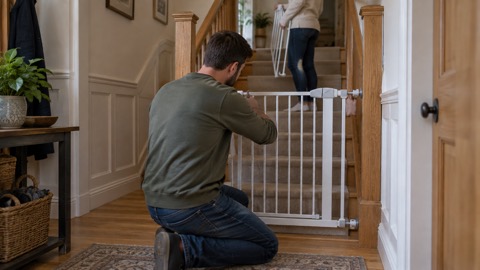
The service's first aid steps are set out in the guide to burns and scalds, and prevention around the home in preventing accidents at home, within the first aid hub.
Sources (2)
- National Burns Awareness Day 2026: Know the 3 Cs - South Wales Fire and Rescue Service, southwales-fire.gov.uk
- Fire Starts when your attention stops, nfcc.org.uk
 Burns and Scalds
 Preventing Accidents at Home