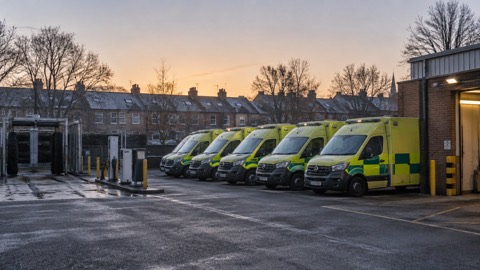
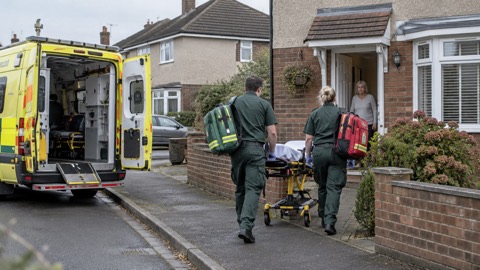
North West Ambulance Service (NWAS) reported on 15 January 2026 that almost 20% of people who ring 999 are now directly referred to other services for help without the need for any ambulance attendance, based on figures for November and December 2025. The service said this is up from 16% a year ago1.
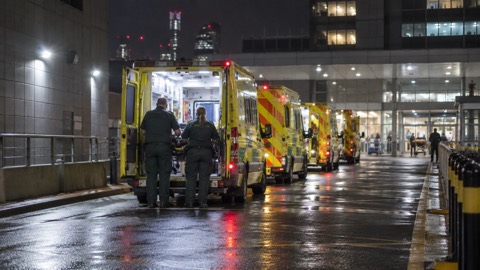
Over the same two months NWAS handled more than 200,000 incidents, a 6% increase compared to the same period the previous year, and said this contributed to improved response times for all categories of patients compared with the last two months of 20241. The service said it receives around 4,500 emergency calls every day, but only 11% are immediately life-threatening1.
Dan Ainsworth, NWAS Director of Operations, said the change follows investment in control room clinicians:
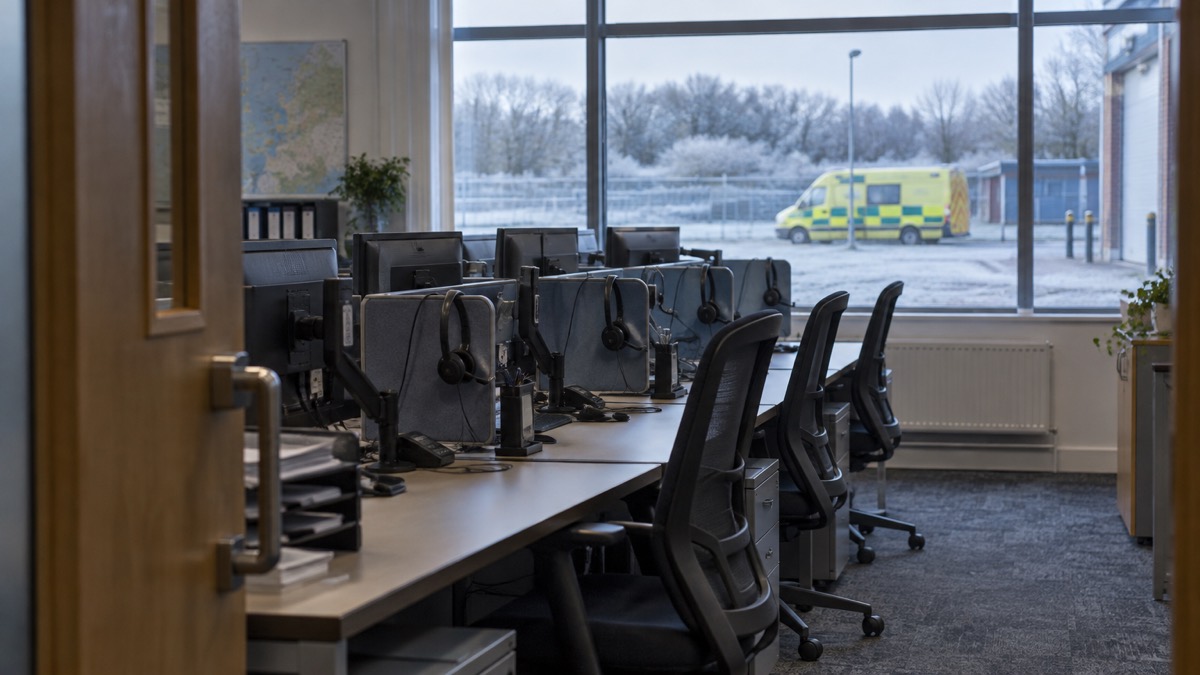
"Over the last couple of years, we've invested in more clinicians in our control rooms, enabling us to help more people over the phone. This approach ensures patients receive the most appropriate care and helps us keep ambulances available for the sickest patients."
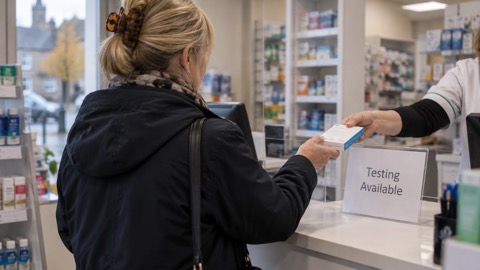
NWAS described its Hear and Treat approach, in which clinicians assess patients remotely, refer them to other NHS services, or provide self-care advice when an ambulance is not needed. During busy periods, clinicians also call back many of the waiting calls over the phone to better understand patients' symptoms and prioritise them appropriately, and can support crews on the road and provide alternatives so patients do not have to be taken to the nearest A&E department1.
Why it matters for households
The figures cover the North West of England only; no equivalent figures for other parts of the UK are given in the announcement1. For households in that region, the service says some patients will receive a callback from a clinician rather than an ambulance, and that call handlers may also provide an estimated time of ambulance arrival1. NWAS urges the public to call 999 only in emergencies and to use NHS 111 online for urgent medical help1.
NWAS lists the situations in which it says people should call 999: signs of a heart attack, such as pain like a heavy weight in the centre of the chest; signs of stroke, such as your face dropping on one side; difficulty breathing; heavy bleeding that won't stop; and signs of serious illness or injury where you think their life is at risk1. It says 111.nhs.uk can help with where to get help for symptoms if you are not sure what to do, general health information and self-care advice, an emergency supply of prescribed medicine or a repeat prescription, and urgent specialist support for dental or mental health problems1.
The announcement gives no regional breakdown of referral rates, no figures for individual response time categories, and no data beyond the November and December comparison1. How the 999 call process works, and how ambulance services prioritise calls and response times, are set out in the guides on calling 999 and 112 and on how ambulance services prioritise 999 calls and response times; general preparation for health emergencies is covered in the health-emergencies hub.
What happens next
No further dates or planned changes are given in the announcement1.
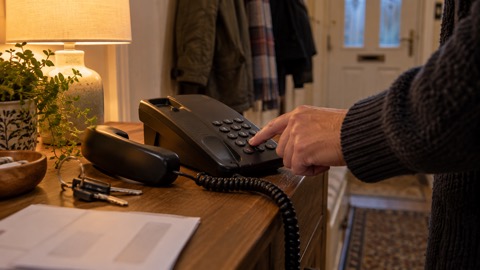 Calling 999 and 112
 Ambulance 999 Response Times