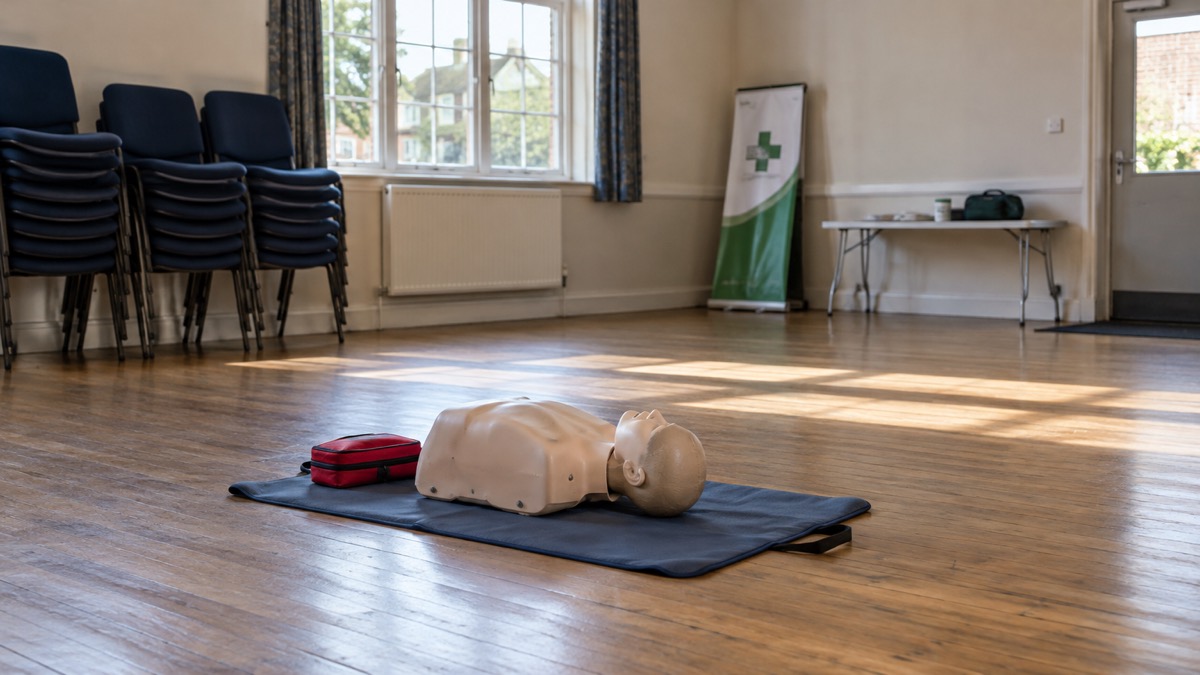
London Ambulance Service (LAS) released data on 15 October 2026 showing that cardiac arrests in the capital rise sharply in winter, and its paramedics are urging Londoners to learn life-saving skills and how to use a defibrillator1. The figures were published to coincide with Restart a Heart Day on 16 October, an annual initiative led by Resuscitation Council UK1.
There were 3,400 cardiac arrests in London during winter 2025/26, which was 488 more incidents than summer 2025 and a 17 per cent increase1. The previous year showed a larger gap: winter 2024/25 saw 3,643 cardiac arrests, compared with 2,965 during summer 2024, an increase of 678 incidents (23 per cent)1. Across both years, London experienced 20 per cent more cardiac arrests during winter than in the summer months1.
| Period | Cardiac arrests | Comparison with summer |
|---|---|---|
| Winter 2025/26 | 3,400 | 488 more than summer 2025 (17% increase) |
| Winter 2024/25 | 3,643 | 678 more than summer 2024 (23% increase) |
Dr Fenella Wrigley MBE, Chief Medical Officer at London Ambulance Service, said:
"Every minute without chest compressions and defibrillation reduces a person's chance of survival, so early intervention is absolutely crucial."
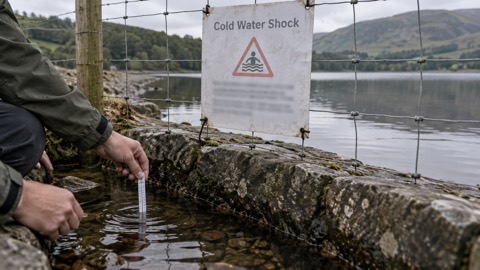
She also said that cold weather puts additional pressure on the heart and makes it work harder to pump blood around the body, which can increase the risk of cardiac arrest particularly in patients with known heart conditions1. She said the skills take only minutes to learn and more than double a person's chance of surviving1.
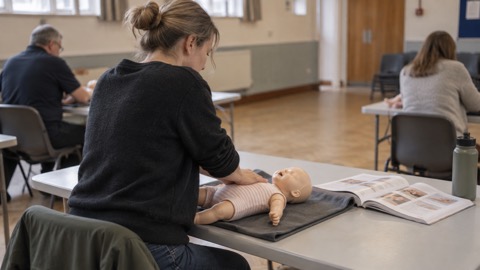
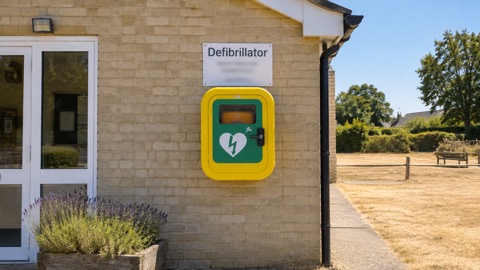
Since September 2021, the Service's London Lifesavers campaign has trained over 63,000 Londoners1. As part of the Restart a Heart campaign, LAS paramedics are offering free sessions teaching people what to do if someone suffers a cardiac arrest1. The London Ambulance Charity's Heart Starters campaign is also installing defibrillators in neighbourhoods in London where there is no or little access to one of these devices1.
Why it matters for households
The figures cover London only, and show that the number of cardiac arrests handled by the capital's ambulance service is consistently higher in winter than in summer. LAS attributes the pattern to colder weather placing additional strain on the heart, with particular risk for patients with known heart conditions1. The service says early chest compressions and defibrillation before an ambulance crew arrives are crucial to survival, and that the skills take only minutes to learn1. Households wanting to know how cardiac arrest differs from a heart attack can read our guide to cardiac arrest and heart attack, and our first-aid hub covers the wider basics. LAS offers free training sessions through its London Lifesavers campaign, and parents and carers can find material on teaching children basic life-saving skills and how to ring 999 in our guide.
What happens next
Restart a Heart Day takes place on 16 October 20261. Free training sessions run by LAS paramedics are open for people to attend, and the service invites Londoners to become a London Lifesaver or to donate to the Heart Starters campaign1. No further dates for the training sessions have been reported.