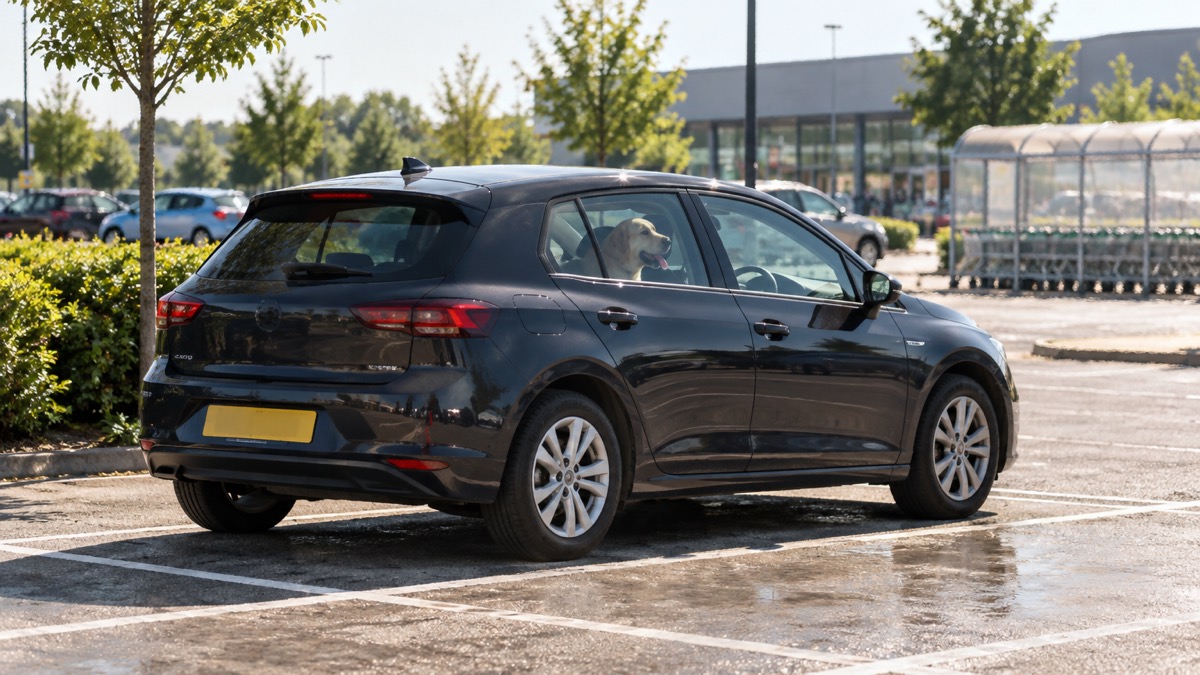
If you find a dog shut in a car on a warm day, the first thing to do is call 999 and ask for the police. The RSPCA is clear that you should not be afraid to dial 999: it may not be able to reach you and the dog quickly enough, and because it has no powers of entry it would need to ask the police to help rescue the dog1. The PDSA also advises dialling 999 immediately and asking for the police2.
A car heats up far faster than most people expect. When it is 22°C outside, the temperature inside a car can reach an unbearable and deadly 47°C within an hour, even when the car is parked in the shade with the windows open3. That is why a dog left in a car is treated as an emergency rather than an inconvenience.
Breaking a window to get a dog out is not forbidden, but it carries legal risk. The RSPCA warns that breaking into a car to free a dog could be classed as criminal damage, and you may need to defend your actions in court1. If you act, do it as a last resort, after calling the police and gathering evidence, and only when the dog's condition means it cannot wait.
Breaking into a car to free a dog could be classed as criminal damage
The law does not give you a free hand to smash a window, but it does recognise that some situations justify damage. The RSPCA explains that legally you can commit damage if you believe the car owner would consent to it if they knew the dog was in danger1. The Blue Cross sets out the basis for this: the Criminal Damage Act 1971 provides a lawful excuse to commit damage if you believe that the owner of the property you damage would consent to the damage if they knew the circumstances, under section 5(2)(a)5.
That is a defence you would have to rely on afterwards, not a permission slip. The RSPCA is explicit that breaking into a car to free a dog could be classed as criminal damage and that you may need to defend your actions in court1. The Blue Cross puts it just as plainly: if you decide to break into a car without proper justification, this could be classed as criminal damage and you may need to defend your actions in a court5.
So the order of events matters. The PDSA advises that you first tell the police what you intend to do and take pictures to defend your actions in court if needed, because without proper justification it could be classed as criminal damage3. That single step, a call to 999 explaining what you are about to do, plus photographs, is what turns a panicked intervention into something you can account for.
What to do first when you see a dog in a hot car
Work through the steps in order. Each one buys you information or help before you take on any risk yourself.
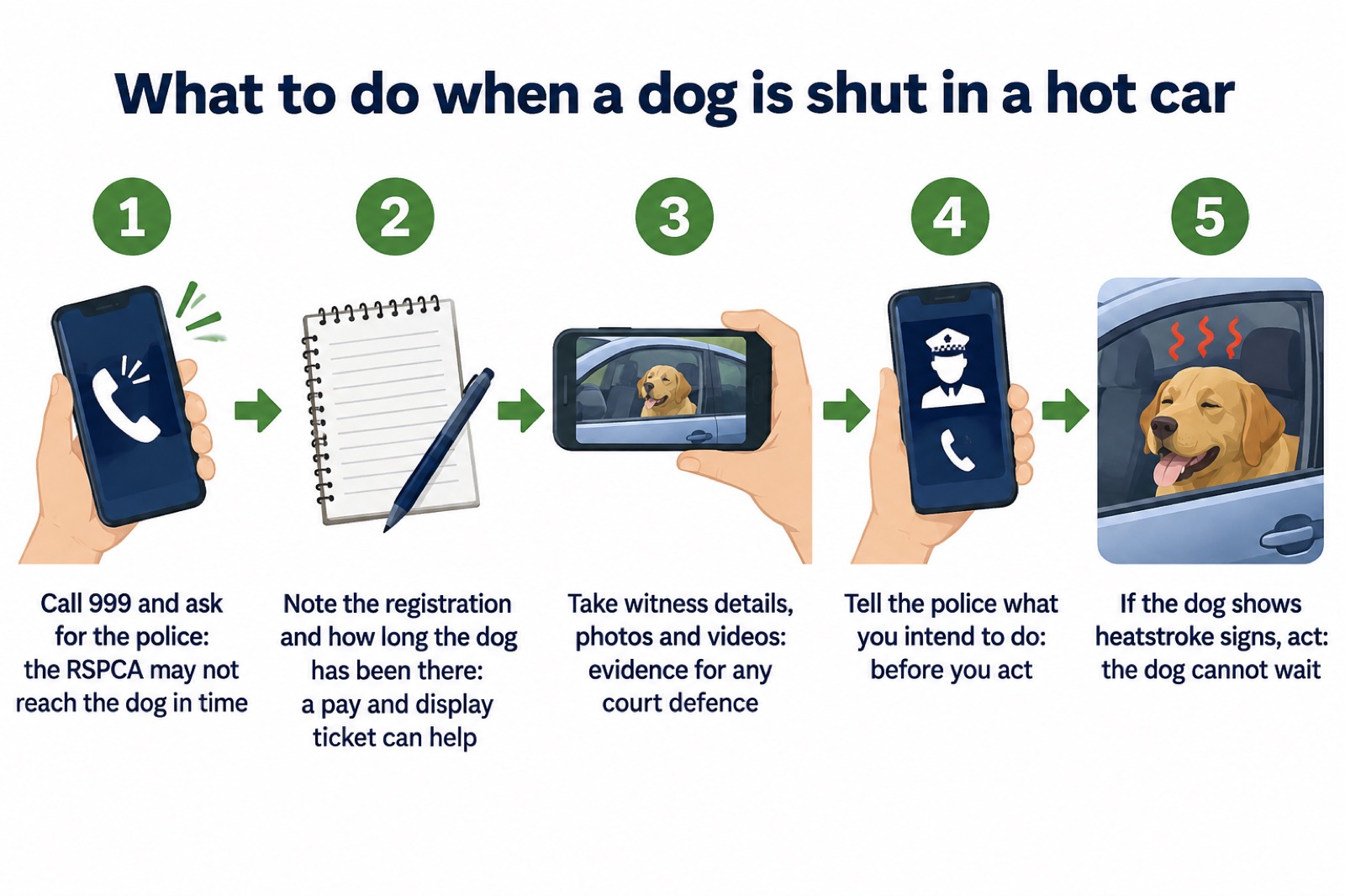
- Call 999 and ask for the police. The RSPCA says not to be afraid to dial 999, because it may not be able to get to you and the dog quickly enough, and it has no powers of entry, so it would need to ask the police to help rescue the dog1. The PDSA's official advice is to dial 999 immediately and ask for the police5.
- Note the registration number and how long the dog has been there. The RSPCA suggests a pay and display ticket can help you work out how long the dog has been in the car1.
- Take names and numbers of witnesses, and photos and videos of the dog and the car. The RSPCA lists this as part of what to do5.
- Tell the police what you intend to do before you do it, and keep the pictures as evidence2.
- If the owner returns, make a note of the registration, and if you still feel they would put the dog in danger, you can tell the police1.
The numbers differ slightly across the UK. In England and Wales, call 999 and ask for the police4. In Scotland, call 999 and ask for the police and/or call the Scottish SPCA on 0300 099 99994. In Northern Ireland, call your regional Animal Welfare Officer or the PSNI on 9994. The RSPCA's cruelty line can give help and advice, but if the dog is in danger, dial 999 immediately6.
Heatstroke signs that mean the dog cannot wait
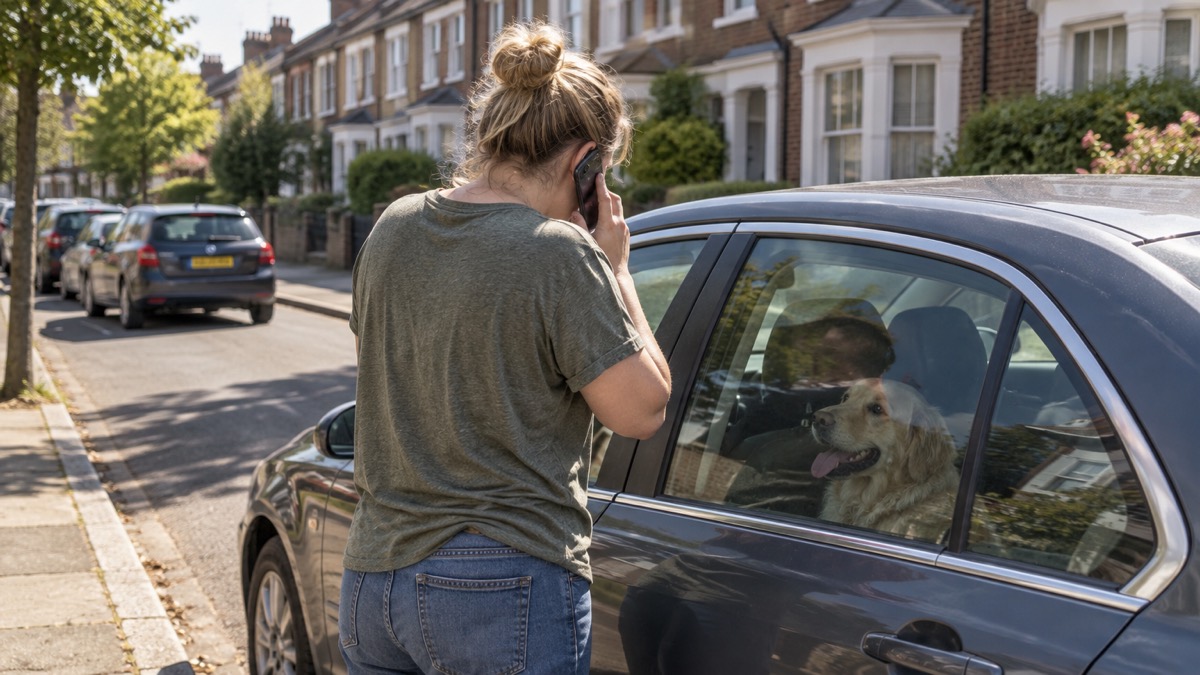
A dog in a hot car may be uncomfortable, or it may be in a medical emergency. The difference decides how fast you need to act and whether forcing entry is justified.
The Met Office lists early signs of heatstroke as heavy panting, restlessness and lack of coordination7. The RSPCA lists heavy panting, excessive drooling, lethargy, drowsiness, uncoordinated movements, collapsing and vomiting8. The Blue Cross adds collapse or tiredness, excessive panting, dribbling and an increased heart rate5.
If you see any of these, the dog needs help now. The Scottish SPCA says that if the dog is showing any signs of heatstroke, it needs to be seen by a vet urgently and should be cooled down as quickly as possible before moving them9. The RSPCA advises contacting a vet immediately if you spot the signs8.
What to do after freeing the dog
Once the dog is out, the priority shifts from rescue to first aid and veterinary care. The PDSA says that once the dog is free, start first aid for heatstroke and contact the nearest vets3. The Scottish SPCA advises moving the dog to a cool, shaded or air conditioned area and getting someone to start cooling the car down10.
A dog with heatstroke is still in danger after it leaves the car. The Scottish SPCA is clear that a dog showing signs of heatstroke needs to be seen by a vet urgently and should be cooled down as quickly as possible before moving them9. Do not assume that a dog which seems to recover in the shade is fine.
If the emergency services are on their way, keep the scene manageable. The London Ambulance Service asks people to lock away family pets before help arrives11, and the South Western Ambulance Service asks you to put pets somewhere safe12. A frightened dog that has just been freed from a hot car is exactly the kind of animal that can get underfoot.
If you have freed the dog yourself, stay with it, keep it cool and calm, and be ready to give the police and any vet the details you collected: the registration, the time, the photographs and the witnesses.
Dogs left in cars in mild weather
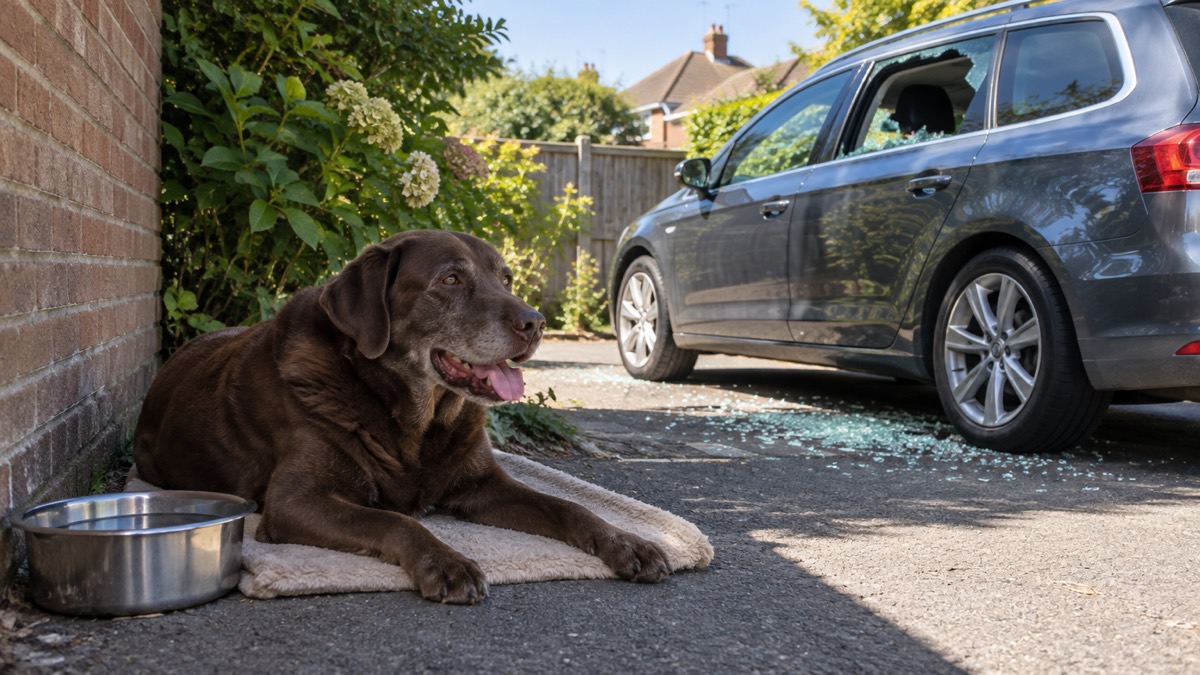
Heatstroke in a car is not only a summer problem. Westminster City Council warns that you should never leave an animal in a car as an alternative, even with the windows open, because cars can become dangerously hot in minutes, and this is not just a risk in the summer13. The PDSA points out that air conditioning can fail, and without being in the car you are unable to tell whether it is cool enough for your pet5.
The Met Office and the fire and rescue service both stress that animals need shade and fresh drinking water throughout the day and should never be left in hot vehicles14. The Scottish SPCA adds that leaving an animal in a hot car can have fatal consequences and lead to prosecution10.
If you are the dog owner, the practical rules are simple. When you park, take your pet out of the car as soon as possible, and try to leave your car in the shade6. If your car breaks down, Milton Keynes Council advises that it is usually safest to leave pets in the car with the windows open enough for ventilation but not enough for your pet to escape, and to leave them with water if you can15. On a motorway, National Highways says animals must be kept in the vehicle or, in an emergency, under control on the verge16.
For more on how quickly a car heats up and what the temperatures mean, see Dogs in Hot Cars: How Fast a Car Heats Up. If you are planning a journey with a dog in warm weather, Keeping Dogs, Cats and Small Animals Cool in Hot Weather covers the wider picture, and What to Do If You See a Dog in a Hot Car walks through the same decision in more detail.
Where to get help and what to have ready
The main numbers to keep to hand are 999 for the police in an emergency, the Scottish SPCA on 0300 099 9999 in Scotland, and the RSPCA cruelty line for help and advice when a dog is not in immediate danger6. The RSPCA emergency number for animal rescues is 0300 1234 999, and it is also the number to call for animals in danger or distress in floods17. The fire and rescue service asks you to contact the RSPCA in the first instance if you see an animal in distress, and the RSPCA or another emergency service will contact the fire service if needed19.
A few things in the car make a difference if you ever have to act. Keep a phone charged, a note of your own breakdown cover, and water for your own dog. If you are the one who finds a dog in distress, having a pen and paper, or a phone camera, lets you record the registration, the time and the witnesses before anything else happens.
For the wider picture on keeping animals safe in an emergency, start with Pets and Animals in an Emergency: A Household Guide, and if you are building a kit for your own dog, Pet First Aid Kits: What They Contain and How to Choose explains what to keep in it.
Sources (19)
- Dogs in hot cars, RSPCA, 2026-10-29
- Dogs die in hot cars infographic, RSPCA, 2026-10-29
- Dogs die in hot cars and on hot walks, PDSA, 2026-10-29
- Hot weather advice, Dogs Trust, 2026
- Dogs in hot cars, Blue Cross, 2026-02-24
- Safe car travel for pets, PDSA, 2026-10-29
- Tips for keeping older people cool, Met Office, 2026-10-29
- Dogs in summer, RSPCA, 2026-10-29
- Dogs Die in Hot Cars - Scottish SPCA, Scottish SPCA
- Dog care in summer, Scottish SPCA, 2026-06-22
- What happens when you call 999, London Ambulance Service, 2026-09-30
- What to do when the ambulance is coming, South Western Ambulance Service, 2026-10-29
- Pet welfare emergency, Westminster City Council, 2025-09-24
- How to stay safe during a heatwave, Devon and Somerset Fire and Rescue Service, 2026-06-23
- Vehicle breakdown advice, Milton Keynes Council, 2026
- Driving on motorways, National Highways, 2026-10-29
- Community flood plan template, Merton Council, 2026
- What to do in a flood, Natural Resources Wales, 2026-10-29
- Top causes of rescues and how to avoid them, Devon and Somerset Fire and Rescue Service, 2026
 Pet Emergency Documents
 Storing Pet Food and Water
 Carer's Emergency Plan
 Pet Birds in Cold Weather
 Birds and Chickens in Heat
 Keeping a Cat Cool in a Heatwave
 Chocolate Poisoning in Dogs
 Christmas Hazards for Pets
 Dog Left Alone on a Hot Day
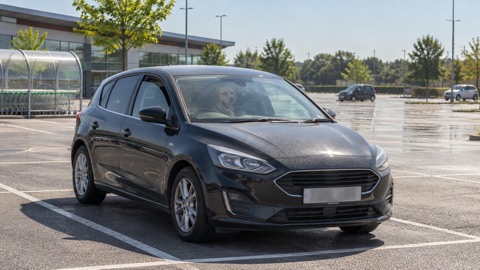 Dog in a Hot Car
 Hypothermia in Dogs and Cats
 Dogs in Water or Coast Trouble
 Fireworks and Small Pets
 Fish in a Power Cut
 Flystrike in Rabbits