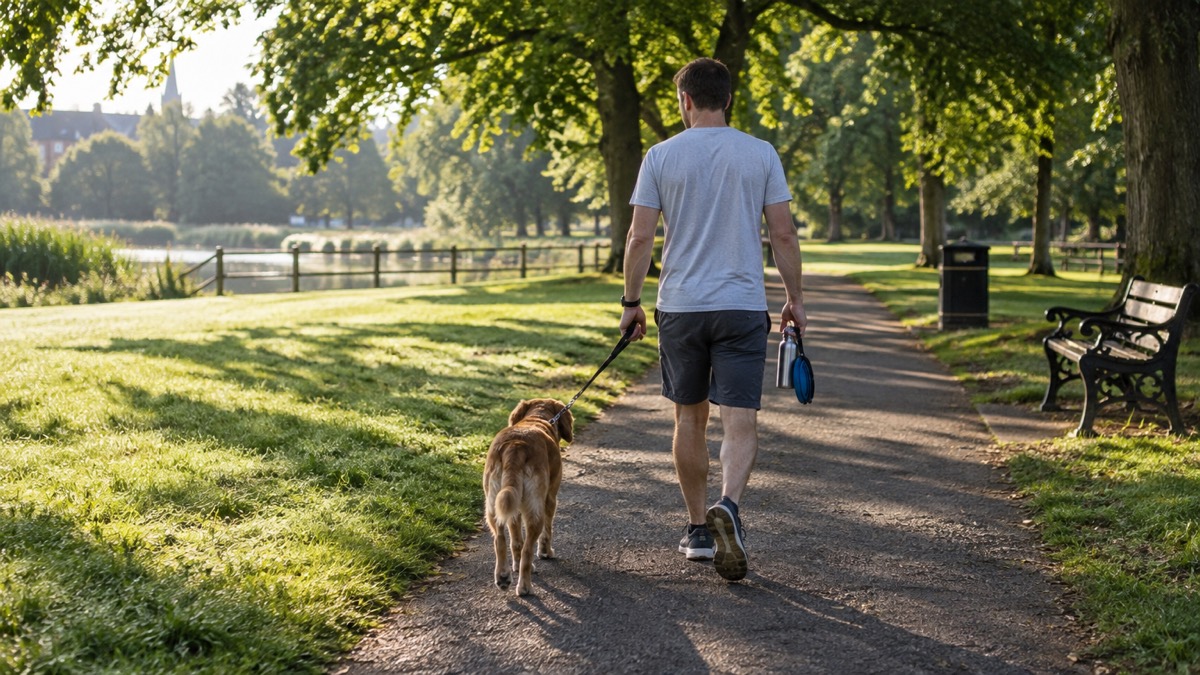
Hot weather in the UK is rarely long, but it does not need to be long to hurt a pet. More dogs die from hot walks than in hot cars, so the walk itself, not just the parked car, is the risk to plan around1. The single most important habit is timing: walk dogs in the early morning or late evening, keep every animal in shade with fresh water, and never leave a pet in a car, conservatory, outbuilding or caravan. Cats will often seek shade and drink more water to keep themselves safe in hot weather, so make sure both are always available to them2.
The other habit worth building is checking surfaces and animals. Pavements, sand and artificial grass can burn paws long before the air feels dangerous to you, and warm, humid weather brings a higher risk of fleas, ticks and flystrike1. This page sets out what to do for dogs, cats, rabbits, guinea pigs and other small pets, which animals are most at risk, and how to cool a dog that has begun to overheat. The same principles apply across England, Scotland, Wales and Northern Ireland, and the official advice from each nation's services is consistent on the essentials.
When to walk your dog: hours and temperatures that matter
Plan walks for the coolest part of the day. More dogs die from hot walks than in hot cars, so treat the walk itself as the main risk and save it for early morning or the evening1. The Met Office adds a further caution: do not exercise dogs in the hottest parts of the day, especially older pets, flat-faced breeds or dogs with known heart or lung problems7.
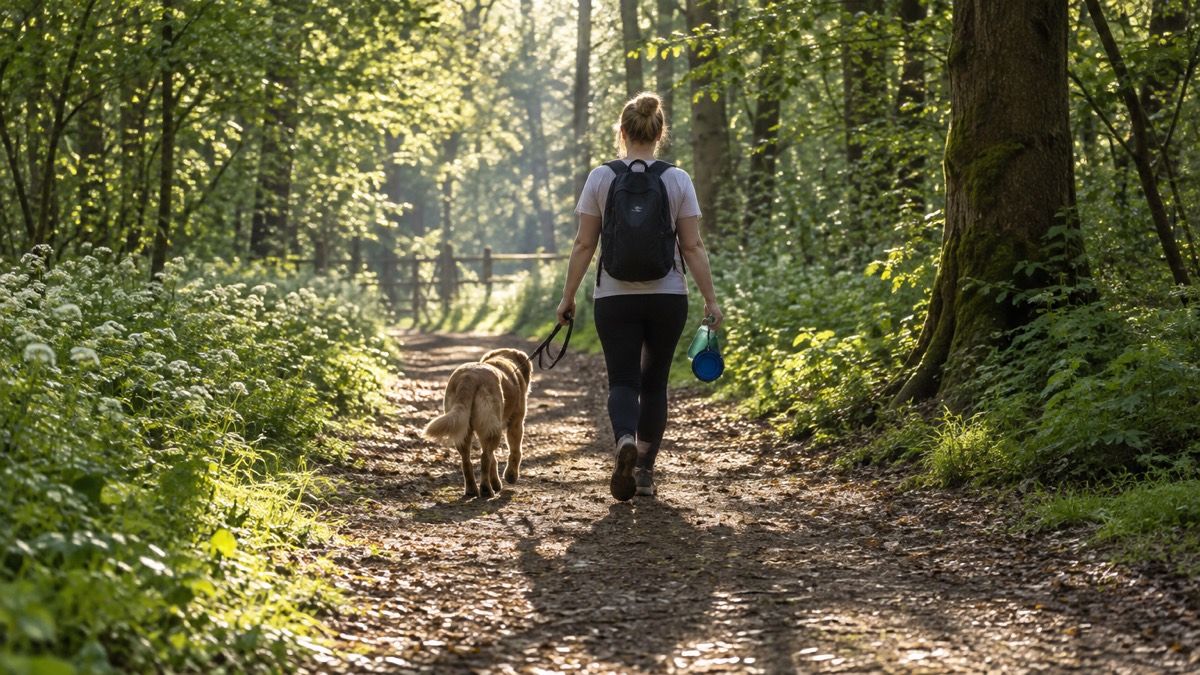
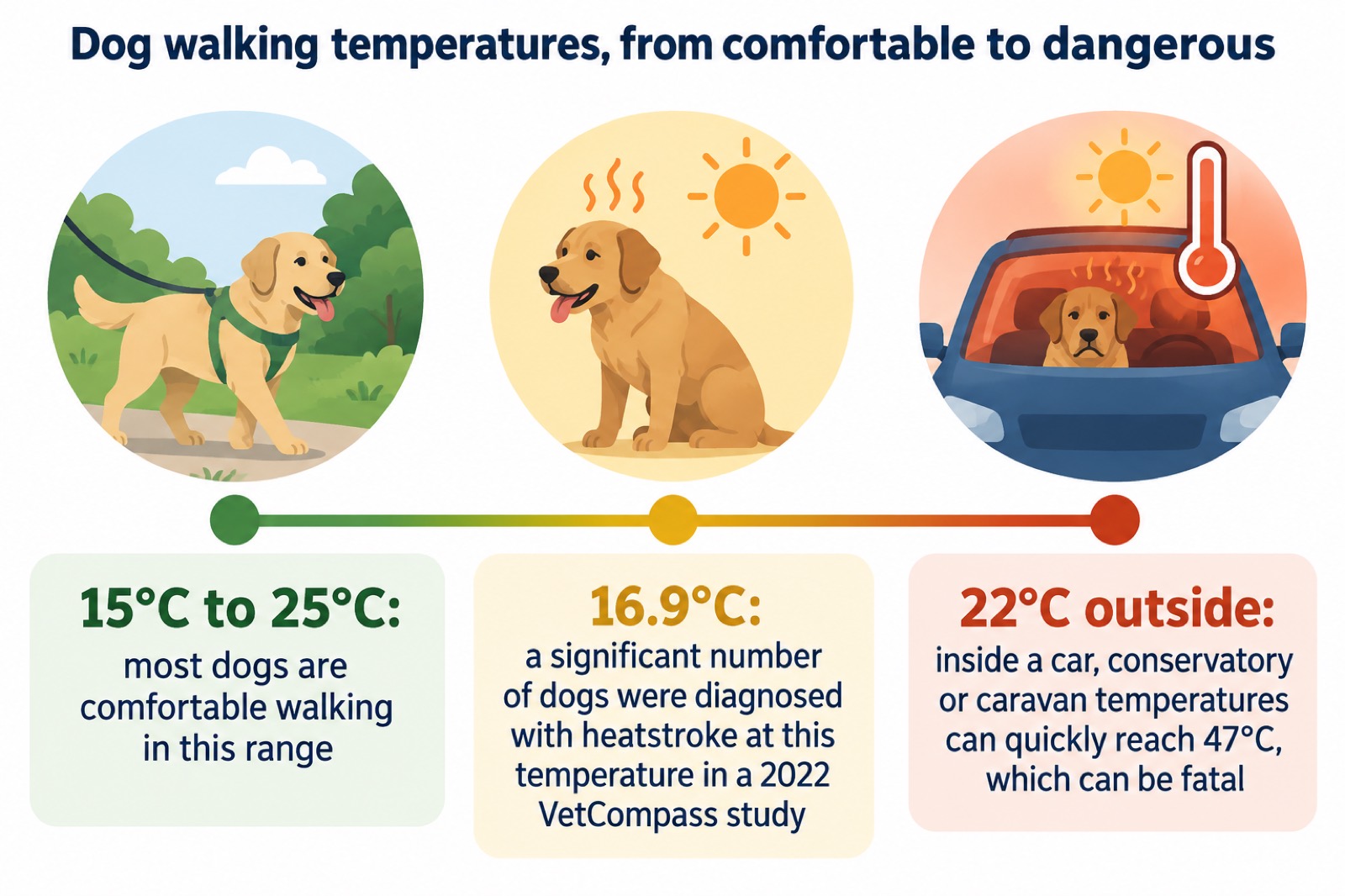
The temperature matters as much as the hour. The Scottish SPCA advises that most dogs will be comfortable walking between 15°C and 25°C, though this depends on the dog's age, breed, size, coat length, amount of exercise and general health and fitness1. The margin below that range is thinner than many owners assume: a VetCompass study published in May 2022 found that a significant number of dogs were diagnosed with heatstroke at only 16.9°C4. If your dog is older, flat-faced or overweight, treat any warm day as a day for short, slow walks.
Do not run or cycle with your dog when it is hot; the RSPCA is direct on this point5. Sustained exercise is the common thread in most heatstroke cases, and the Scottish SPCA reports a fact that surprises many owners: more dogs die from hot walks than in hot cars1. If you are unsure whether it is too hot to walk at all, the honest answer is that dogs can overheat at any temperature and at any time of year, including winter, so watch the dog rather than only the thermometer4. Our page on when it is too hot to walk your dog goes into that judgement in more detail.
The tarmac test: five seconds with your hand
Before you set off, test the ground. The Scottish SPCA's rule is simple: if you cannot hold your hand down on the tarmac for five seconds, then it is too hot for your dog's paws1. The PDSA gives a slightly more generous version of the same test, advising that if you can comfortably place the palm of your hand on the surface for seven seconds it is okay, and noting that sand, artificial grass and tarmac get especially hot8. The two charities disagree on the number of seconds, so use the shorter figure: five seconds is the safer test, and if the surface fails it, walk on grass or go home.
Water and shade for every pet
Whatever animals you keep, the Met Office's seasonal advice is the baseline: make sure all pets always have access to fresh water to drink, adequate ventilation, and shade from direct sunlight6. For dogs, Dogs Trust adds that shade and plenty of fresh water should be available throughout the day, not just at walk times4. Cats will often seek shade and drink more water to keep themselves safe in hot weather, so make sure both are within reach for them too2.
For dogs, make drinking easy and appealing:
- Place multiple bowls in different spots around your house and garden, so your dog does not have too far to go for a drink1
- Offer ice cubes with treats frozen into them, or frozen Kong toys, to encourage fluid intake1
- Make sure every pet always has access to fresh water to drink, adequate ventilation, and shade from direct sunlight6
- Carry water and a bowl on every walk in warm weather, and offer it in the shade
Shade needs to be real shade. A kennel or hutch in full sun is an oven, not shelter, so move it or move the animal. The Met Office also suggests keeping out bowls of water for wildlife such as birds and hedgehogs in hot spells, which costs nothing and stops desperate wildlife tipping over pet bowls6. If a heatwave is forecast, Wiltshire and Swindon Prepared advises ensuring pets are brought inside, where appropriate, when storms or extreme heat are forecast9, and our page on including your pets in a household emergency plan covers that preparation.
Never leave a pet in a car, conservatory or caravan
This is the most repeated piece of pet advice in UK official guidance, because it is the most preventable cause of death. The rule is absolute: never leave animals in hot cars, conservatories, outbuildings or caravans, even for a short while2, and never leave anyone in a closed, parked vehicle, especially infants, young children or animals10. When it is 22°C outside, temperatures inside these spaces can quickly reach 47°C, which can be fatal5. The Met Office adds the point people forget: even on cool days, strong sunshine can make car interiors very hot7.
Opening the windows is not a workaround. Westminster City Council warns never to leave an animal in a car as an alternative, even with the windows open, because cars can become dangerously hot in minutes, and this is not just a risk in the summer11. The PDSA is equally blunt about the timing: never leave your dog in a car on a warm day, not even for a few minutes, with the windows open, or in the shade8.
"Never leave your dog in a car on a warm day: Not even for a few minutes, with the windows open, or in the shade."
Conservatories and greenhouses behave like cars. The RSPCA's cat advice names them directly, along with outbuildings and caravans, and the 47°C figure applies to all of them5. If you are travelling in hot weather, the Prepare campaign advises taking extra water, checking your vehicle is well-ventilated, avoiding leaving pets in parked cars, and planning stops on longer journeys so everyone stays hydrated12. If you see a dog already in distress in a hot car, read what to do if you see a dog in a hot car and whether you can break into a car to save a dog before you are faced with the decision.
Which dogs are most at risk, and why they overheat faster than us
Dogs are built differently from people, and this is the root of most hot-weather risk. The RSPCA explains that dogs lose heat through panting and can only sweat through their paws, which puts them at high risk of heatstroke5. Blue Cross puts it more fully: dogs cannot sweat through their skin and mostly rely on panting to regulate their body temperature, which is less efficient at cooling them down than the sweating humans rely on13. A dog that is running in warm weather is therefore cooling itself with a system that cannot keep up, which is why exercise, not just heat, is the danger.
Within that, some dogs start with a disadvantage. The Scottish SPCA lists the higher-risk groups as overweight dogs, brachycephalic (flat-faced) breeds such as Pugs and French Bulldogs, older dogs over 8 years old, and younger dogs under 6 months old1. Dogs Trust adds dogs with underlying health conditions or respiratory or heart diseases, larger breeds, and dogs not used to warm weather4. The PDSA summarises the same picture: any dog can develop heatstroke, but flat-faced, overweight, giant-breed, thick-coated, very old and very young dogs are most at risk8.
| Risk factor | Why it matters | Source |
|---|---|---|
| Flat-faced (brachycephalic) breeds | Much less space inside the nose to release body heat; very high risk of heatstroke, even on cool days | 8 |
| Overweight dogs | Listed by the Scottish SPCA among the higher-risk groups in warm weather | 1 |
| Thick or long coats | Retain more heat; a shorter, thinner coat helps a dog stay cooler | 1 |
| Heart or lung conditions | Breathing and panting are already harder | 4 |
Whatever a dog's shape or age, the precautions are the same. Do not run or cycle with your dog when it is hot5, and remember that more dogs die from hot walks than in hot cars, so the walk is where care matters most1. Keep walks short and slow in warm weather, watch for heavy panting, and stop and rest in the shade with water at the first sign of struggle.
On coats: if you want your dog to stay cooler in hot weather and reduce the risk of heatstroke, the Scottish SPCA says it needs a shorter, thinner coat1. A spring trim helps thick-coated dogs, though the underlying risk factors above matter far more than grooming.
Keeping cats safe in the heat
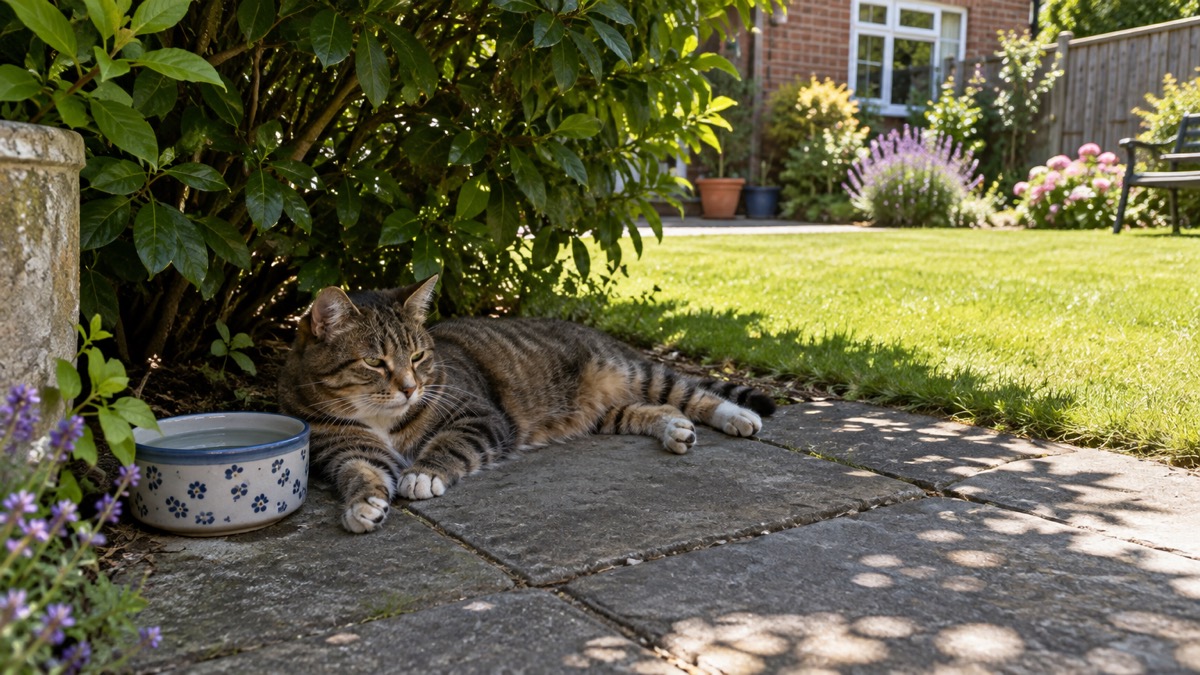
Cats manage heat better than dogs in one respect: the RSPCA notes that cats will often seek shade and drink more water to keep themselves safe in hot weather2. Your job is to make sure both are available. Keep fresh water down in more than one place, keep the home cool where possible, and do not let cats out for long periods in the hottest part of the day14. Our page on how to keep your cat cool in a heatwave covers the household side in detail.
The specific danger for cats is enclosed spaces. The RSPCA's advice is to check sheds, greenhouses and summerhouses before closing them up, because cats can find their way into warm areas, become trapped, and end up too hot or dehydrated2. A cat that slips into a greenhouse in the morning and is shut in all afternoon is in an oven. Make a habit of a quick check of these spaces before you lock up, and if a cat is missing on a hot day, search them first.
Sunburn is a real cat issue, particularly for white and light-coloured cats. The RSPCA advises using pet-safe sun cream on exposed parts of the cat's skin, such as the tips of the ears and the nose, and asking a vet which product to use2. The Met Office similarly notes that some breeds of cats and dogs, particularly those with lighter-coloured or finer fur, may benefit from pet-safe sun cream, especially on the ear tips, which are prone to sunburn6.
Rabbits, guinea pigs and other small pets
Rabbits and guinea pigs cannot escape a hutch in full sun, and they are the pets most dependent on you repositioning their housing. The core advice from Wiltshire and Swindon Prepared is to ensure pets are brought inside, if appropriate, when extreme heat is forecast9. Move hutches into a cool room, a garage out of direct sun, or at minimum into deep shade, and re-check the shade through the day as the sun moves. South Gloucestershire Council's pet emergency guidance adds a year-round point that matters in summer too: make sure hutches are in good repair and weather tight15.
Two cooling techniques are recommended in official guidance:
- Freeze plastic bottles of water and place them in the rabbit's enclosure to help them stay cool, alongside plenty of fresh water6
- Lightly mist rabbits' ears with cold water, which is also effective, if it does not cause them stress6
Freeze plastic bottles of water and place them in the rabbit's enclosure to help them stay cool, alongside plenty of fresh water; lightly misting the rabbit's ears with cold water is also effective if it does not cause them stress6. Give the bottle a wrap or put it in a sock so the rabbit can lean against it comfortably, and replace it as it warms.
Warm weather also brings flystrike, which is the small-animal emergency of summer. The RSPCA advises that in warm weather you check your pet all over its body, especially around the rear end and tail area, at least twice a day5. Flies lay eggs on soiled fur, and maggots can develop quickly; infestations cause pain and distress and in some cases can be fatal to animals5. Check morning and evening without fail, keep rear ends clean, and read our page on flystrike checks in warm weather for what to look for. For birds and chickens, see keeping pet birds and chickens cool in hot weather.
Sunburn on noses, ear tips and thin coats
Dogs burn as well as cats. The Scottish SPCA advises that dogs can suffer from sunburn, especially short-haired breeds, dogs with light hair, dogs with a thin or patchy coat, and dogs with areas of pink skin visible on the face or nose1. The protection is the same as for cats: apply a specially formulated sun cream to areas where the pet's fur is thin, that is the nose, the ear tips and the tummy, and make sure the sun cream is pet safe1.
Blue Cross adds a specification worth checking on the label: use a pet-safe sunblock that is zinc oxide or para-aminobenzoic acid (PABA) free, take regular breaks in the shade, and if necessary use a t-shirt to cover vulnerable skin13. For cats, use pet-safe sun cream on exposed parts of the skin such as the ear tips and nose, especially white or light-coloured cats, and ask a vet which product to use2. Animals with white or light coats, pink noses and hairless patches need the most protection, and the same animals are often the ones at highest risk of heat itself.
Fleas, ticks and flystrike in warm, humid weather
Heat brings parasites. The RSPCA warns that there is an increased risk of fleas, ticks and flystrike during the summer, because they are more active in warm and humid weather, and that infestations can cause pain, distress and in some cases can even be fatal to animals5. This applies to dogs and cats as well as rabbits and guinea pigs, so parasite protection is part of hot-weather care, not a separate topic.
What to do:
- Speak to your vet about flea treatments, and apply them as directed17
- Regularly clean the spaces where your dog sits, lies down or sleeps; fleas are not fans of cold weather but they love a centrally-heated home, so the risk continues into winter17
- Check your pet's body, especially around the rear end and tail, at least twice a day in warm weather for flystrike5
- Check for ticks after walks in long grass, and remove them promptly with a proper tool
For rabbits and guinea pigs, the twice-daily flystrike check is the highest-value habit of the whole summer, because a flystrike case can go from eggs to serious illness within a day. Keep bedding dry and clean, check under the tail each morning and evening, and contact a vet immediately if you see anything wrong.
Cooling a dog that has overheated
Know the first aid before you need it. Dogs Trust distinguishes between dogs by age and health. For young, conscious, healthy dogs, immerse them in cold water if possible, for example in a paddling pool, keeping their head above water; if immersion is not possible, continuous dousing with cold water is an alternative4. For older dogs or dogs with health conditions, spray them with room temperature water, avoiding the face, and combine this with air movement from a breeze, fan or air conditioning, and place ice wrapped in a tea towel in their groin and armpits4. The Scottish SPCA's version for any dog is to place very cold, wet towels on the groin, armpits and neck1. In every case, contact a vet.
Swimming is a cooling method with its own limit. The Scottish SPCA warns that if your dog is used to swimming, do not push them too much, as this can lead to them swallowing too much water and water intoxication1. Blue Cross advises keeping an eye on your dog when it is in water, calling it back if it looks like it is swallowing too much water, and limiting swimming sessions to just a few minutes at a time, with breaks in between13. The Are You Ready? booklet adds a household hazard: pools and hot tubs should be covered at all times to prevent drowning of children and pets, and the water temperature must be checked before allowing children and pets in, to prevent scalds and burns18. If a dog gets into trouble in open water, see what to do if your dog gets into trouble in water or at the coast.
For heat illness in people alongside your pet care, NHS inform in Scotland and the London Ambulance Service both advise planning activities for cooler parts of the day and looking after those who are more vulnerable19, and our heatwaves and drought page covers heat-health alerts, when they are issued, and seasonal hazards such as blue-green algae, which is a danger to dogs swimming in warm still water.
Getting help
If you have a pet, the government's hot-weather advice points to the RSPCA for advice on how to keep your pet cool in the summer21. Our pages on emergency vets and out-of-hours care and pet first aid kits cover what to have ready and where to go. For wider household preparation that includes pets, start with pets and animals in an emergency and how much pet food and water to store for an emergency.
Sources (21)
- Dog care in summer, Scottish SPCA, 2026-06-22
- Summer advice for cats, RSPCA, 2026-10-29
- Severe weather planning, Derbyshire County Council, 2026-10-29
- Hot weather dog advice, Dogs Trust, 2026
- Summer advice for dogs, RSPCA, 2026-10-29
- Tips for keeping older people cool, Met Office, 2026-10-29
- Hot weather and its impacts, Met Office, 2026-10-29
- Heatstroke in dogs, PDSA, 2023-09
- Your pets, Wiltshire and Swindon Prepared, 2026-10-25
- Sun and heat safety, Welsh Ambulance Service, 2026-10-29
- Pet welfare in an emergency, Westminster City Council, 2025-09-24
- Travel advice, Prepare campaign, 2026-10-06
- How to keep dogs cool in the summer heat, Blue Cross, 2023-06-12
- Top Tips For Keeping Your Cat Cool In Summer, Blue Cross
- Preparing your pets for an emergency, South Gloucestershire Council, 2010
- Adverse weather events, Llangattock Community Council, 2026-10-25
- Winter advice for dogs, RSPCA, 2026-10-29
- Are You Ready? booklet, Culham Parish Council, 2025-09
- Keeping safe and well in warmer weather, London Ambulance Service NHS Trust, 2026-09-30
- Heatstroke and heat illness, NHS inform Scotland, 2026-07-15
- How to keep cool this summer, Lancashire County Council, 2026-10-29
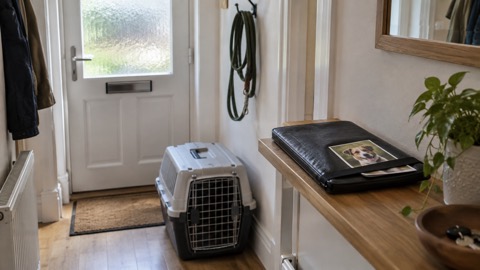 Pet Emergency Documents
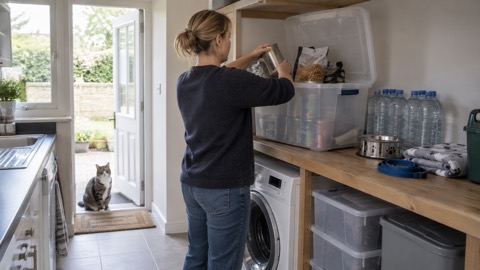 Storing Pet Food and Water
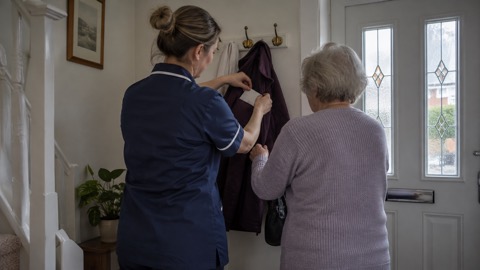 Carer's Emergency Plan
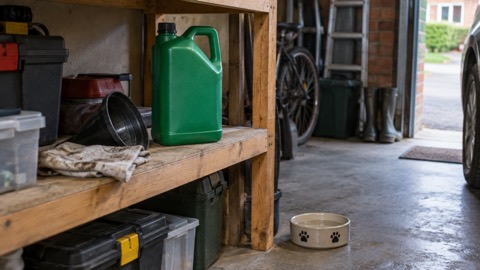 Antifreeze Poisoning
 Pets in Cold Weather and Snow
 Emergency Vets and Out-of-Hours
 Pet First Aid Kits
 Keeping Pets Safe in Floods
 How Fast a Car Heats Up
 Oak Processionary Moth and Dogs
 Pets in Your Emergency Plan