If you think your pet may have eaten rat poison, phone your vet immediately. Do not wait to see whether symptoms appear. The RSPCA's advice is blunt: if you suspect your pet has been poisoned, contact a vet immediately and never "watch and wait"1. The same instruction runs through the guidance for dogs, cats, rabbits, pet rodents and birds2.
Rat poisons, known as rodenticides, are a particular danger because many work by preventing blood from clotting, so a poisoned animal can bleed internally. The possible symptoms include bleeding, coughing, vomiting and seizures5. For rabbits, rodenticides can cause life-threatening bleeding6. A pet that seems well an hour after eating bait may still be in serious trouble.
What you do in the first few minutes matters, but it is simple. Stay calm, move your pet away from the source of the poison, and call your vet, telling them when, where and how it happened2. Do not try to make your pet vomit, and do not give any medicine of your own4. The sections below set out the signs to watch for, what to do step by step, and how to keep rodenticides and other common poisons away from the animals in your household.
Contact your vet immediately, and never wait to see what happens
The single most important thing to understand about rat poison is that the absence of symptoms proves nothing. Rodenticides that prevent clotting can take time to show themselves, and by the time a pet is bleeding internally the situation is far more serious than it needed to be. That is why every major animal charity gives the same instruction: contact your vet immediately1.
The advice is consistent across species. For dogs, if you think your dog has been poisoned, contact your vet immediately and never watch and wait8. For cats, contact your vet as soon as possible if you think your cat has been poisoned7. For rabbits, contact your vet immediately and say when, where and how it happened3. For pet rodents such as hamsters, rats and guinea pigs, contact your vet immediately and tell them when, where and how it happened2. For pet birds, if you suspect your bird has been poisoned, contact a vet immediately and never watch and wait9.
When you call, have the details ready. The vet will want to know what the poison was, if you know, how much may have been eaten, and when. Keeping the packaging is the simplest way to answer the first of those. The RSPCA's Christmas pet safety advice puts the whole response in order: remove your pet from the source of the poison, collect what they have ingested and take a sample to the vet, including the packaging, do not make them vomit, and do not give salt water4.
Move your pet away from the poison and stay calm
Once the call is made, or while someone else makes it, the next job is to separate your pet from whatever it has eaten. The RSPCA's guidance for rabbits is to stay calm and remove your rabbit or rabbits from the source of poison3. For pet rodents, stay calm and move your rodents to a safe place away from the source of poison2. The same principle applies to dogs and cats: get them out of the shed, the garage or the treated area, and shut the door on it.
Staying calm is not just a nicety. A frightened or stressed animal is harder to handle, harder to transport and harder for a vet to examine. Keep your voice low, move slowly, and avoid a scramble that could let the pet back towards the bait. If there are children in the house, give them a simple job away from the action rather than letting them crowd the animal.
Think about the other animals in the household too. If one pet has found the bait, others may have done the same, so check them and keep them apart from the source. If the poison was laid deliberately, whether by you, a neighbour or a landlord, note where it was and secure it before anything else can reach it.
Signs of rat poison poisoning in dogs and cats
Rodenticides do not produce one neat set of symptoms. The RSPCA lists possible symptoms of rat and mouse poison as bleeding, because many of the poisons prevent clotting, coughing, vomiting and seizures5. In rabbits, the same group of poisons can cause life-threatening bleeding6. Loss of appetite, weakness, withdrawal and breathing difficulties are also listed as signs to watch for2.
Cats have an extra route to exposure. Rodenticides can be toxic to a cat either through direct contact with the poison or by eating a poisoned mouse, and the RSPCA suggests it is better to find an alternative, humane way of controlling rats or mice7. A cat that brings home a poisoned rodent is at risk even if it never goes near a bait box.
More general signs of poisoning in cats include lack of appetite, staggering, shaking or other odd behaviour, red, raw, swollen or blistering skin, mouth, throat or paws, vomiting, dribbling, collapsing, fits or seizures, and difficulty breathing7. In dogs, antifreeze is another common poison with a distinctive pattern: early symptoms include vomiting or nausea, lethargy or unusual weakness, loss of appetite, difficulty walking or breathing, excessive thirst or urination, and seizures10.
| Sign | What it can point to | Source |
|---|---|---|
| Bleeding, coughing, vomiting, seizures | Rat and mouse poisons (rodenticides) | 5 |
| Loss of appetite, weakness, withdrawal, breathing difficulties | Rodenticides | 2 |
| Life-threatening bleeding | Rodenticides in rabbits | 6 |
| Lack of appetite, staggering, odd behaviour, fits, difficulty breathing | Poisoning in cats generally | 7 |
| Excessive thirst and urination, then no urination 12 to 24 hours after ingestion | Antifreeze in dogs | 11 |
If you see any of these, treat it as an emergency and phone your vet. Do not spend time searching for a diagnosis online while the clock runs.
Never treat or medicate a poisoned pet yourself
The temptation when an animal is unwell is to do something, anything. With poisoning, doing the wrong thing can make matters worse. The RSPCA is explicit: never try to treat or medicate a rabbit yourself, because some medicines for humans and other animals may be poisonous to rabbits3. The same warning applies to pet rodents: never try to treat or medicate a rodent yourself, as some medicines for humans and other animals may be poisonous to rodents2.
Vomiting is the other common instinct, and it is also wrong. Do not try to make your pet vomit4. Never attempt to induce vomiting, because only a vet should do this12. Do not try to make your cat vomit without asking the vet, and never give them medicines designed for humans7. The Christmas pet safety advice adds a further prohibition: do not give salt water4.
Human medicines are themselves a cause of pet poisoning. Human drugs such as paracetamol and oral contraceptives, as well as household cleaning products, are among the causes the RSPCA lists2. Keep tablets, capsules and liquids out of reach, and never assume a medicine that is safe for you is safe for an animal.
Rodenticides and other common poisons for rabbits and small pets
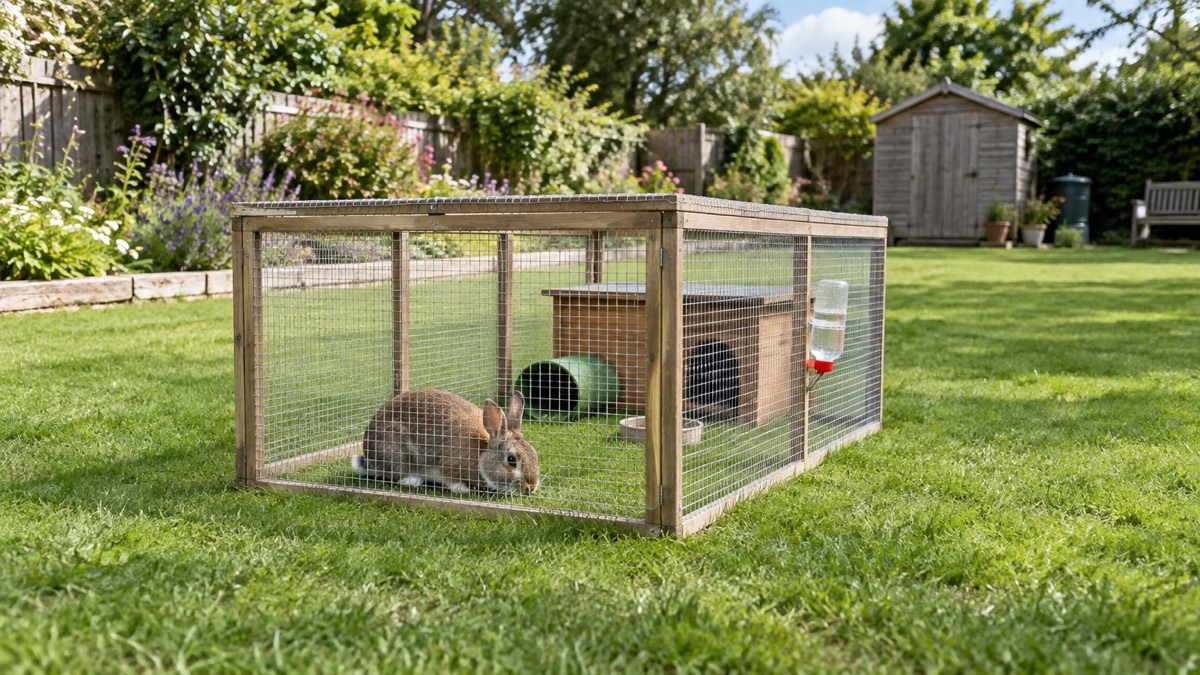
Rabbits and small pets are not simply small dogs, and their poison risks are different. The RSPCA lists the most common, potentially severe rabbit poisons as rodent poisons, also called rodenticides, ivy, rhubarb, foxglove and glyphosate herbicide products3. Rodent poisons can cause life-threatening bleeding in rabbits6. Other cases of poisoning in rabbits have included common household and garden plants such as species of lily, clematis, rhododendron and lily of the valley3.
For pet rodents, the same first response applies: contact your vet immediately and tell them when, where and how it happened2. Never treat or medicate a rodent yourself2.
Garden and household hazards reach small pets in ways that are easy to overlook. Grit or rock salt can be extremely toxic to dogs and cats if ingested13. If a pet has been outside on treated ground, wipe their paws, legs, tummy and fur thoroughly afterwards4. For rabbits in winter, the advice is the same as for other pets: if you suspect your rabbit has been poisoned, contact a vet immediately and never watch and wait6.
Other poisons a household pet may meet
Rat poison is the emergency this page is about, but it is not the only one, and the same first response covers them all. Antifreeze is a common and fast-acting poison. In cats, signs can show 30 minutes after they have eaten it, and include seeming depressed or sleepy, appearing drunk and uncoordinated, seizures, and difficulty breathing12. Antifreeze poisoning in cats and dogs can cause kidney failure, which can be fatal, and it is sometimes found in snow globes4. If you suspect a dog has ingested antifreeze, seek veterinary help immediately10. If you suspect your cat has come into contact with antifreeze or any other product containing ethylene glycol, contact your vet straight away14.
Poisonous plants are another everyday risk. Plants that can cause serious symptoms in pets include autumn crocus, azalea and rhododendron, cotoneaster, cordyline and dracaena, daffodil, dumbcane, horse chestnut, oak, potato plants, yew, mushrooms and fungi, and giant hogweed5. Tomato plants, including the green fruit, stems and leaves, are toxic to dogs8. The advice is to avoid planting them or find a way of keeping your dog away, for example with a secure separating fence8. Our guide to garden and house plants that are poisonous to dogs and cats covers the list in more detail.
Carbon monoxide is a poison that affects pets as well as people. Pets can suffer carbon monoxide poisoning just like people, and they may show signs of exposure before humans15. Because of their size, pets may show symptoms before humans do, and if a pet becomes suddenly unwell or dies unexpectedly, and the cause is not old age or a known health condition, consider the possibility of a carbon monoxide leak16. Symptoms that lessen when you leave home, others in the household having similar symptoms at a similar time, and pets showing irritable behaviour such as aggression, anxiety or fear of noises or vomiting are all warning signs17. If you suspect a leak, get everyone, pets included, into fresh air and call the gas emergency service.
Keeping rat poison away from pets in the first place
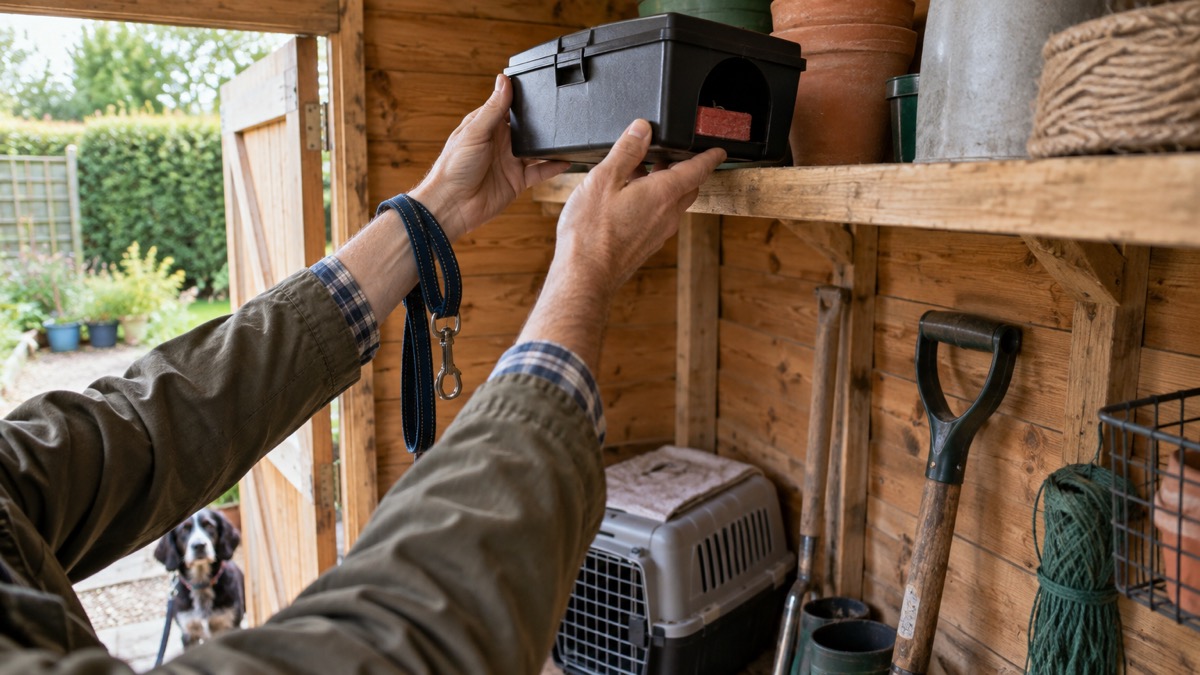
Prevention is mostly about where bait goes and how it is contained. If you use rodenticides, keep them in tamper-resistant bait stations that a pet cannot nose open, and place them where pets and children cannot reach. Remember that a poisoned rodent can itself poison a cat or dog that eats it, which is why the RSPCA suggests finding an alternative, humane way of controlling rats or mice7.
- Store baits and poisons locked away, in their original labelled containers, out of reach of pets and children.
- Record what you use and where, so you can tell a vet exactly what a pet may have eaten.
- Check the garden for slug pellets, weedkiller and other chemicals, and keep pets off treated ground until it is safe.
- Wipe paws and fur after walks on gritted or treated ground4.
- Keep human medicines and cleaning products out of reach, as they are common causes of pet poisoning2.
If a neighbour, landlord or contractor is laying bait nearby, ask what is being used and where. A short conversation can prevent an emergency.
Where to get help
Your first call is always your vet. If your practice is closed, use an out-of-hours service; our guide to emergency vets explains how to find one and what to have ready. Veterinary organisations draw on the Veterinary Poisons Information Service, or VPIS, for specialist poisons information; the RSPCA acknowledges the VPIS for the information it gives on rabbit poisoning3. You do not contact the VPIS yourself: your vet can seek specialist advice and decide on treatment.
For general advice and reassurance, the animal charities publish clear guidance. The RSPCA, Blue Cross, PDSA and Dogs Trust all cover common poisons and what to do1. If you are unsure whether something is poisonous, phone your vet rather than searching for a definitive answer online.
If you are preparing your household for emergencies more broadly, our section on pets and animals in an emergency explains how to include animals in your plans, and our guide to including your pets in a household emergency plan covers what to write down, including your vet's details and any poisons your pet has met before.
Sources (17)
- Common poisons for dogs, RSPCA, 2026-10-29
- Poisoning in rodents, RSPCA, 2026-10-29
- Poisoning in rabbits, RSPCA, 2026-10-29
- Pet safe Christmas, RSPCA, 2026-10-29
- Poisons and hazards for your pets, PDSA, 2026-10-29
- Rabbits in winter, RSPCA, 2026-10-29
- Protecting your cat from common toxins, Blue Cross, 2025-03-27
- Toxic items for dogs, Dogs Trust, 2026
- Pet birds in winter, RSPCA, 2026-10-29
- Antifreeze poisoning in dogs, Scottish SPCA, 2025-11-17
- Winter & Cold Weather Care for Dogs - RSPCA - rspca.org.uk, RSPCA
- Antifreeze poisoning in cats, RSPCA, 2026-10-29
- WeatherReady weatherhacks, Met Office, 2026-10-26
- Antifreeze (ethylene glycol) poisoning, PDSA, 2024-01
- Carbon monoxide advice, Northern Gas Networks, 2026-10-21
- Guide to carbon monoxide safety, OFTEC, 2026-10-29
- Carbon monoxide poisoning, Gas Safe Register, 2026-10-29
 Pet Emergency Documents
 Storing Pet Food and Water
 Carer's Emergency Plan
 Pet Birds in Cold Weather
 Birds and Chickens in Heat
 Breaking a Car Window for a Dog
 Keeping a Cat Cool in a Heatwave
 Chocolate Poisoning in Dogs
 Christmas Hazards for Pets
 Dog Left Alone on a Hot Day
 Dog in a Hot Car
 Hypothermia in Dogs and Cats
 Dogs in Water or Coast Trouble
 Fireworks and Small Pets
 Fish in a Power Cut