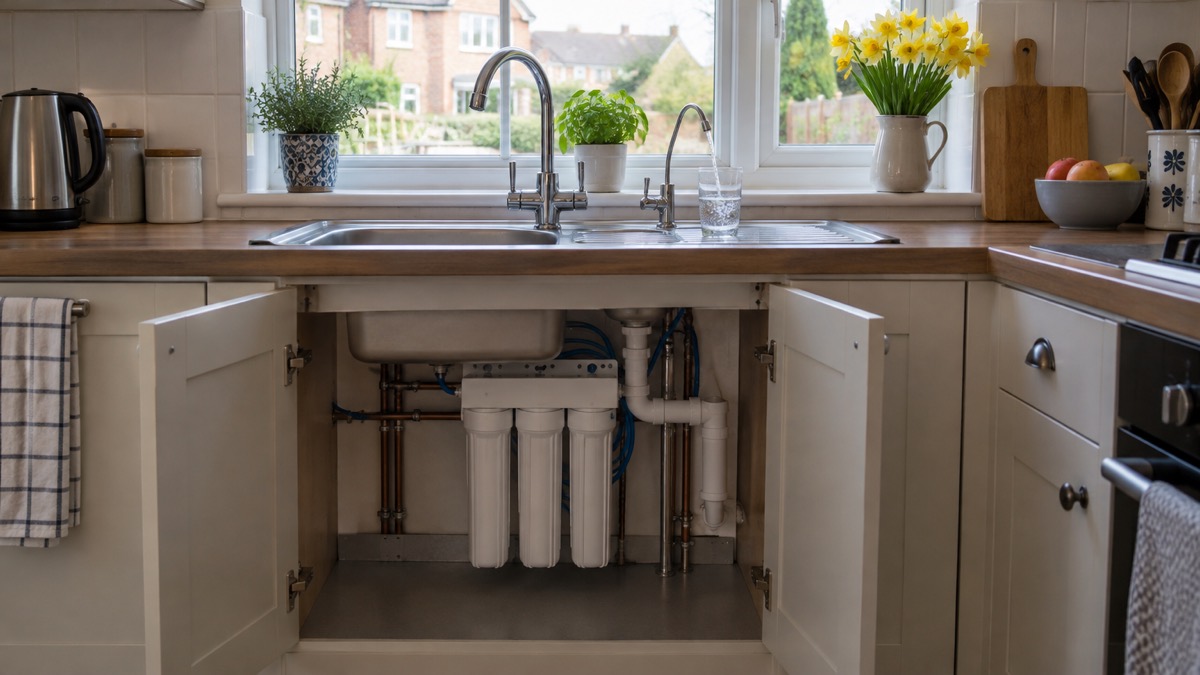
The Doulton HIP TRIO is an under-sink water filter system with three stages of filtration, made in Britain and plumbed into your cold mains supply1. For a household getting ready for emergencies, it is a long-term piece of kitchen kit rather than a piece of outage kit: it improves the taste and quality of the water you already have, and it does nothing at all when the supply stops. Understanding that distinction is the whole point of this page.
If you are considering one, the practical questions are the same as for any under-sink filter. What does it remove, what does it leave behind, what water pressure does it need, how often do the cartridges change, and what happens to it in a boil water notice or a supply interruption? The answers below come from Doulton's own product pages and installation manual, and from the water companies that issue the notices.
The short version: it is a sensible upgrade for a household on a normal, treated mains supply that wants better tasting water and reduced contaminants at the kitchen tap, and it is not a substitute for stored water, a boil water notice or an emergency treatment method. Plan for both.
What the Doulton HIP TRIO does for a household, and what it does not
The HIP TRIO sits under the kitchen sink and filters the cold water that feeds a dedicated tap. Doulton describes it as an under sink water filter system with three stages of filtration, and the box contains one Biotect Ultra (2501) filter, one undercounter installation kit and two pre-filters of your choice1. It is recommended for use with the Doulton Pillar Tap or integrated with the Doulton Three Way Mixer Tap, each sold separately3. An installation pack is included free of charge2.
In an emergency, its value is indirect. A household with a working filter has a reliable, pleasant source of drinking water in normal times, which makes it easier to keep a rotation of stored water for the times it stops. It also reduces the contaminants in the water you cook with and drink day to day, which is the sort of quiet background benefit that preparedness is mostly made of. What it cannot do is produce water when the mains is off, make an unsafe supply safe against a boil notice, or treat water you have collected from anywhere other than a treated supply.
That last point is worth stating plainly, because it is the most common misunderstanding. Doulton's guidance for its portable filter systems is that it does not test or advise using anything but treated drinking water, and that portable systems are not tested or advised for rainwater, pond or well water4. The HIP TRIO is a plumbed system rather than a portable one, but the principle is the same: it is designed around a treated mains supply. If you want a filter for collected or stored water in an emergency, that is a different kind of kit, covered in our guide to emergency filters and to what each filter type removes.
What the filter removes and what it does not
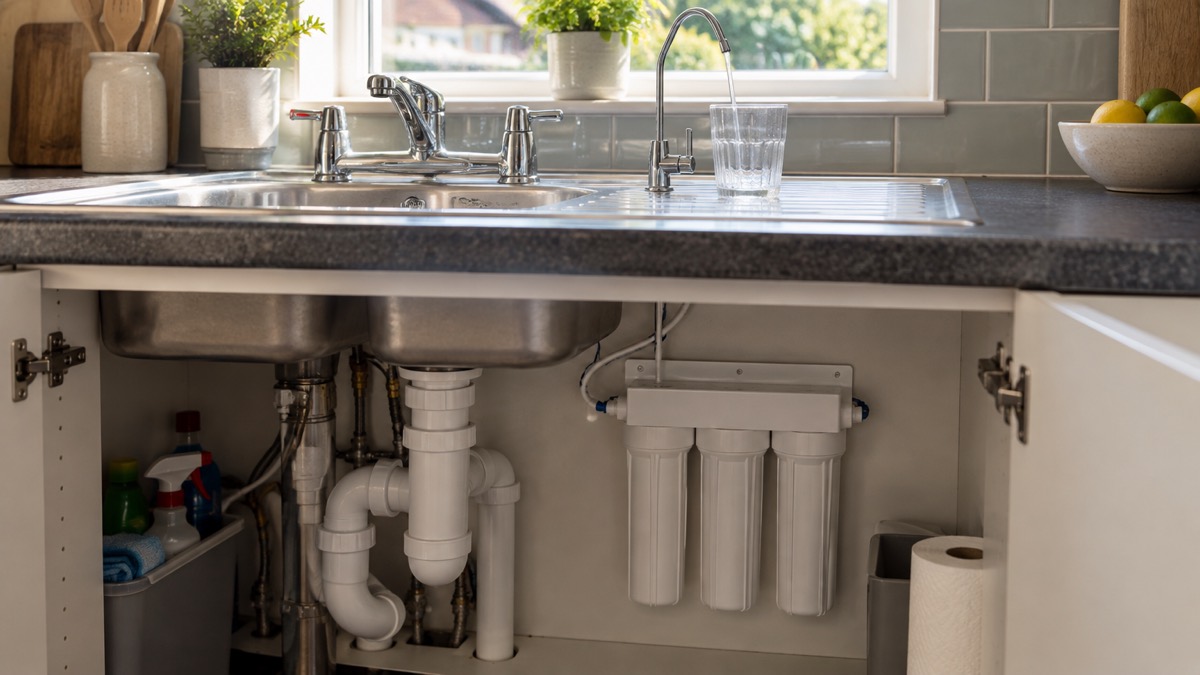
Doulton states that the Biotect Ultra filter, which it calls its most popular, effectively reduces up to 99.99% of common contaminants, in varying degrees2. The list Doulton gives is specific: bacteria and cysts including Giardia and Cryptosporidium, common insecticides and herbicides, microplastics, heavy metals such as lead, cadmium and mercury, and chlorine and monochloramine3. Doulton also says its water filters use natural ceramic technology to remove bacteria, cysts, sediment and other contaminants without chemicals or electricity8.
The phrase "in varying degrees" matters. A reduction figure of up to 99.99% is a ceiling across a list of contaminants, not a promise for every one of them, and the exact performance depends on which pre-filters you fit. The TRIO's three sumps let you choose. Doulton lists compatible pre-filters as the Limescale Reduction Cartridge (9A04), the PFAS Chlorine Reduction Cartridge (9H04), the Nitrate Reduction Cartridge (9F04), the Sediment Reduction Cartridge (9E04) and the Fluoride Reduction Cartridge (9B04)2. For PFAS specifically, Doulton says that in the TRIO you can maximise protection by fitting the PFAS cartridge and an additional prefilter such as Limescale or Fluoride9.
| Stage | What it is | What it is for |
|---|---|---|
| Sump 1 and 2 | Two pre-filters of your choice | Targeted reduction: limescale, PFAS and chlorine, nitrate, sediment or fluoride2 |
| Sump 3 | Doulton Biotect Ultra (2501) ceramic filter | Up to 99.99% of common contaminants including bacteria and cysts, heavy metals, microplastics and chlorine2 |
Doulton publishes three example configurations: limescale then nitrate then Biotect Ultra; limescale then fluoride then Biotect Ultra; or nitrate then fluoride then Biotect Ultra3. In hard water areas Doulton generally recommends its DUO or TRIO systems fitted with limescale cartridges before the Biotect Ultra ceramic filter, and says limescale cartridges can be doubled up in the TRIO for very high hardness10.
What it does not do is equally important. It is not a desalinator, it is not a steriliser for a contaminated supply, and it does not remove everything. If your water company has told you not to drink the water, the filter does not change that instruction. For the wider picture of which technologies remove which contaminants, see ceramic, carbon, hollow-fibre and RO compared.
Water pressure: the check to do before you buy
An under-sink filter needs enough pressure behind it to push water through a ceramic element. Doulton says you ideally need 30 psi, or 2 bar2. The manual gives a maximum working pressure of 90 psig, 621 Kpa or 6 bar11.
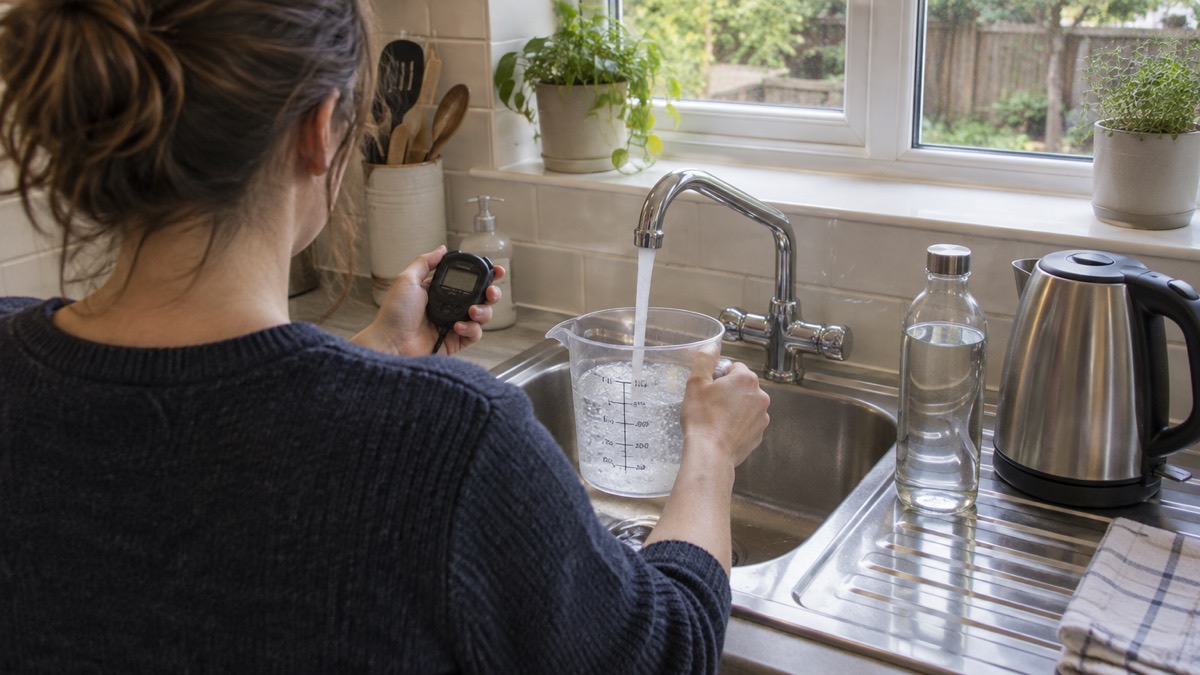
You can test your own supply before committing. Doulton's method is to place a jug under the kitchen tap, turn the cold tap on fully, start the timer as soon as water begins to flow and stop it when the jug reaches exactly 1 litre3. The results are read like this:
- Under 6 seconds: you likely have very high pressure, over 10 litres per minute, which is excellent for Doulton systems but may mean you need to install a pressure reducer2.
- 7 to 12 seconds: you likely have medium to low water pressure, which should be adequate to run the system2.
- Over 12 seconds: do not use a Doulton under sink water filter system without seeking advice on your mains water pressure2.
If your pressure is too low, Doulton points householders towards the British Berkefeld range, which requires no plumbing3. That is a gravity system rather than a plumbed one, and our guide to gravity filters and ceramic candles explains how they work. The choice between the two approaches is set out in gravity filter or under-sink filter.
Flow rate is the everyday consequence of pressure. Doulton gives an average flow rate of around 1 to 3 litres per minute, depending on model and water pressure8. That is fine for filling a glass or a kettle; it is slow for filling a large pan. The tap you connect to also matters. Doulton taps use a 3/8 inch connection, and Doulton warns that many third-party taps use a 1/4 inch inlet feed pipe, which is not ideal for Doulton systems and can result in reduced water flow1.
Keeping the filter in working order
A filter that is neglected stops being an asset. Doulton recommends changing the pre-filter cartridges a little more frequently than you might expect, at around 3 months for the most effective protection2. The ceramic Biotect Ultra element is a longer-lived component, and Doulton says its filters can be cleaned between changes, which helps maintain their lifespan and effectiveness12.
Servicing the ceramic follows the manual's steps. Wash your hands before and after servicing; turn off the water and unscrew the filter body; discard the water; unscrew the ceramic and clean it evenly with an abrasive kitchen pad under running water or in a bowl; and keep the threaded mounting stem away from water to avoid contamination11. When you fit a replacement, Doulton's filter element instructions say to unscrew the old cartridge and place it in the household waste13.
First use has its own routine. Doulton's general installation advice is to connect the filter, make sure all connections are secure, and flush the filter by running water through it for a few minutes before first use10. The HIP TRIO manual describes a second 10-minute flush, after which the filter is ready to use11. Fitting needs an installed separate filter tap or three way tap, an installation kit with tubing and fittings, a drill, a tube cutter or sharp knife, and a cross head screwdriver11.
A simple maintenance calendar keeps it ready:
- Every week: run the filter tap briefly if it has not been used, and check for drips under the sink.
- Every 3 months: change the pre-filter cartridges2.
- When the ceramic is serviced: clean it as the manual describes and check the mounting stem is dry11.
- Before winter: check the cupboard under the sink for frost risk and lag any exposed pipe.
For the general principles of looking after any filter, including priming, frost and cartridge storage, see looking after a filter.
Where a filter must never replace boiled or bottled water
This is the section to read twice. A domestic filter is a quality improvement on a supply that is already treated and safe. It is not a safety net for a supply that has been declared unsafe.
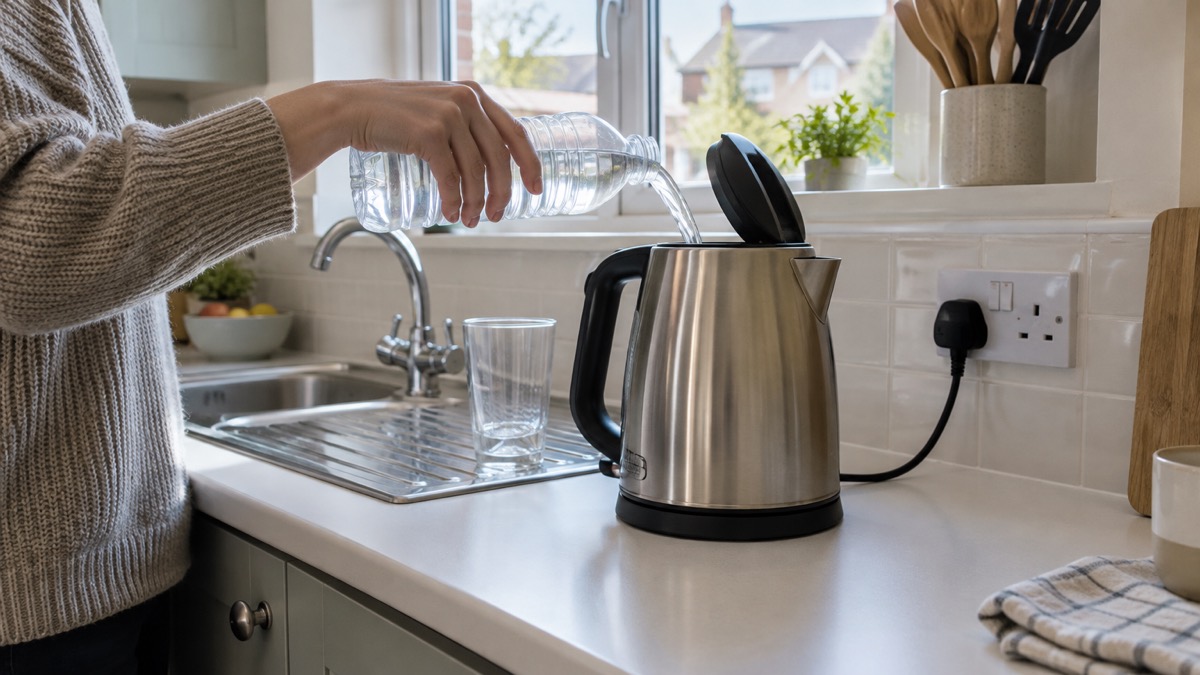
When a water company issues a boil water notice, the instruction is not to drink your tap water without boiling it first14. The notice covers drinking, preparing food, baby feeds, cleaning your teeth and ice making14. Nothing in Doulton's product information says the HIP TRIO overrides that instruction, and no household should treat it as if it does. If you receive a notice, switch to boiled or bottled water for all of those uses and follow the notice until your company lifts it. Our guide to what to do if you get a boil water notice and the boil notice checklist walk through the practical steps.
Notices are not rare or theoretical. Bristol Water issued a precautionary boil water notice to customers in the Norton Malreward and Hursley Hill area who received the yellow warning card15. South West Water lifted boil water notices for the Kingswear, Noss Marina, Hillhead Park and Raddicombe supply zones after intensive work, saying it had been able to lift them within weeks16. Weeks is the timescale to plan for, not hours.
The same logic applies to an outage. With no mains water, a plumbed filter has nothing to work with. Keep stored water for those periods, sized to your household, using our guide to how much drinking water to store per person and the supply interruption checklist. If you want a filter that works when the taps are dry, a portable or gravity system is the right tool; Doulton's portable range needs no plumbing or electricity4.
Support, certification and returns
The HIP TRIO is made in Britain1. Doulton states that the system is tested and certified by WRAS and by NSF International against NSF/ANSI Standard 372, the US low lead requirements3, and the manual notes that the unit has satisfied NSF Std 53 structural test criteria11. Those certifications tell you the unit has been independently assessed for the things they cover; they are not a claim that it makes any water safe. Our guide to filter claims and certification explains what the standards mean and what they do not.
Doulton lists 14 day returns on the product page3. For help or advice, UK customers can email filtersales@doulton.com or call 0333 340 36001. The manual points readers to www.doulton.com for information on local distributors11. Keep the manual, which is document W2393094-01 dated February 2023, with your paperwork11.
A sensible household plan treats the filter as one layer. Keep a spare set of pre-filters, know the date you fitted the last ones, and keep a separate store of drinking water and a way to treat water that does not depend on the mains. The water section sets out the whole picture, and the Doulton brand page covers the maker's wider range. If you are weighing up the TRIO against its two-stage sibling, see Doulton HIP DUO; if you want a plumbed filter with a different form, see Doulton HIS.
Sources (17)
- Doulton HIP TRIO Under Sink Water Filter System with Biotect Ultra (US), Doulton, 2026-10-28
- Doulton HIP TRIO Under Sink Water Filter System with Biotect Ultra, Doulton, 2026-10-28
- Doulton HIP TRIO Under Sink Water Filter System with Biotect Ultra (Canada), Doulton, 2026-10-28
- Doulton Portable Water Filters, Doulton, 2026-10-29
- Doulton Portable Water Filters (France), Doulton, 2026-10-28
- Doulton Portable Water Filters (US), Doulton, 2026-10-28
- Doulton Portable Water Filters (Poland), Doulton, 2026-10-28
- Doulton FAQs, Doulton, 2026-10-28
- PFAS in Water Guide, Doulton, 2026-10-28
- Doulton FAQs (France), Doulton, 2026-10-28
- Doulton HIP TRIO Undercounter Water Filter Instructions, Doulton, 2023-02
- Ceramic Water Filters: What They Are and How They Work, Doulton, 2026-10-28
- Doulton Filter Elements Operating and Changing Instructions, Doulton, 2026
- Boil Water Notice, Dwr Cymru Welsh Water, 2026-10-28
- Norton Malreward, Bristol Water, 2025-07-07
- Boil water notice is lifted for customers in the Kingswear, Noss Marina, Hillhead Park and Raddicombe supply zones, South West Water, 2026-10-28
- Doulton Portable Water Filters (Poland collection), Doulton, 2026-10-29

 LifeSaver Bottle
 LifeSaver Liberty
 LifeSaver Jerrycan
 LifeSaver Jerrycan Graphene
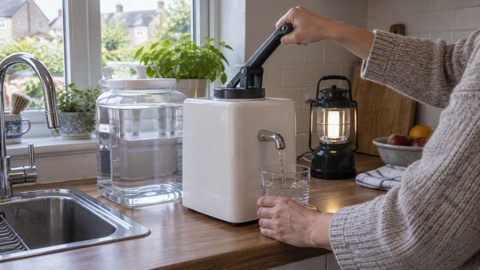 LifeSaver Cube
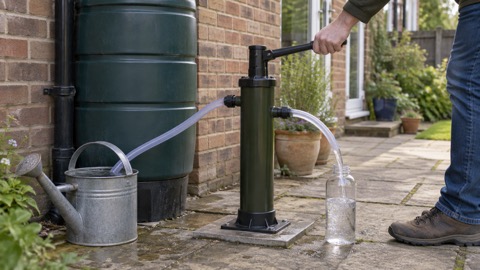 LifeSaver Wayfarer
 LifeSaver Lifeline
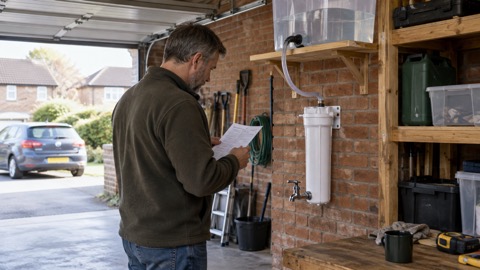 LifeSaver C1
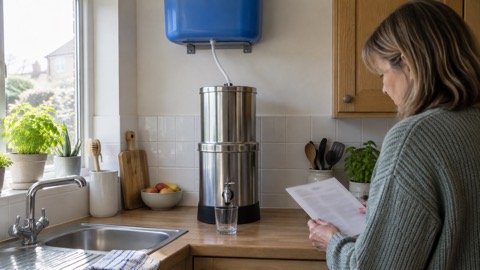 LifeSaver C2
 Katadyn Micropur Classic
 Katadyn Micropur Forte
 Katadyn Micropur Antichlor