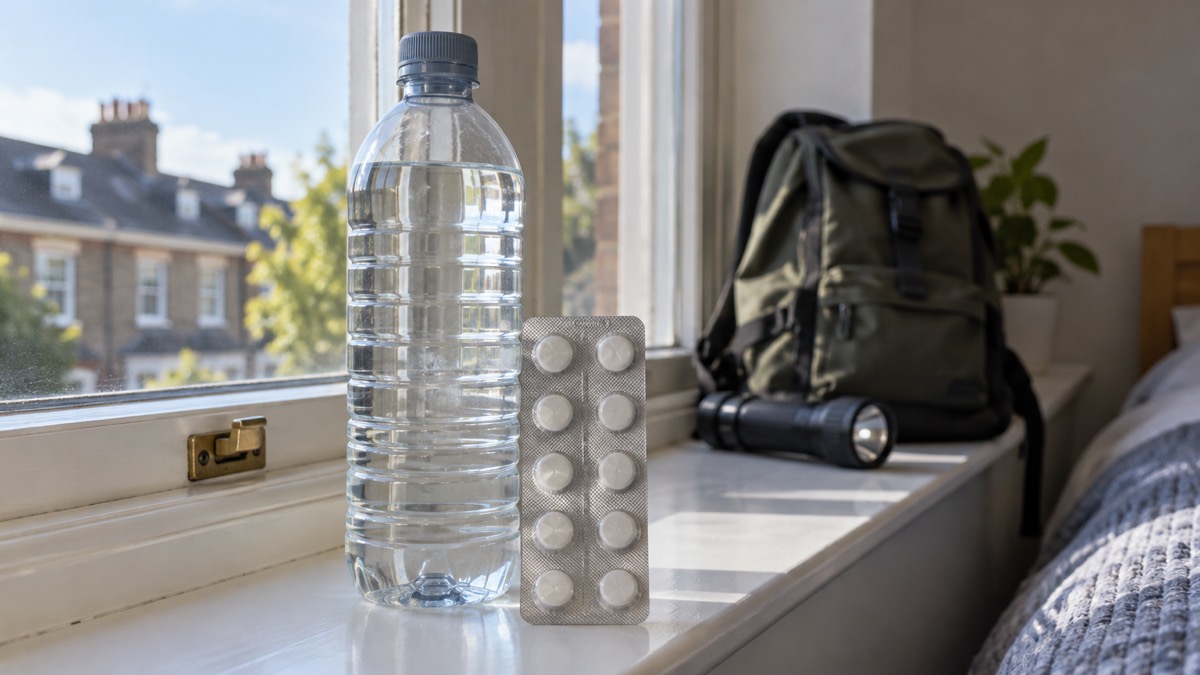
The Katadyn Micropur MP1 is a pack of water purifier tablets. One tablet treats 1 litre of water, and the treated water is left for 4 hours before drinking1. The maker says the tablets are effective against microorganisms, bacteria, protozoa, cysts and viruses, and that they kill viruses in 4 hours2. They are intended for tap water and clear water, not for muddy or cloudy supplies1.
For a household, that makes them a compact reserve for the moments when the tap supply stops or you are told not to drink it. The 20-tablet pack holds 20 tablets and the 30-tablet pack holds 302. Both packs have a shelf life of 5 years from the date of manufacture, so a pack bought now and stored properly will still be usable years into the future1.
This page covers what the tablets do, how to choose between the two pack sizes, how to use them safely, how to store them with the rest of your emergency supplies, and where to get support from Katadyn.
What the Micropur MP1 does for your household's water
The tablets purify clear water for drinking and other essential uses5. In an emergency that means they give you a way to turn a measured litre of clear water into something you can rely on, without power, plumbing or a device that can clog or break. There is nothing to assemble and nothing to charge.
The maker lists the tablets as effective against microorganisms, bacteria, protozoa, cysts and viruses1. That breadth is the point of a chlorine dioxide tablet: it covers the range of things that can be in water rather than one category of them. The maker states that it kills viruses in 4 hours2, which is the same period you leave the water before use.
The tablets are not a treatment for every kind of water. Katadyn lists the suitable water sources as tap water and clear water1. Water that is cloudy, silty or discoloured is outside what the maker describes the product for. If your supply is discoloured, the practical first step is to find out what your water company says about it rather than to treat it yourself; our page on brown or discoloured tap water explains what to check. For a wider look at the methods open to a household, see how to make water safe to drink in an emergency.
The tablets are also listed by the maker as for rare use1. That fits how a household actually uses them: not every day, but in the outage, the boil notice or the week away when the supply is uncertain. They sit in the cupboard or the grab bag until they are needed.
Pack sizes: 20 or 30 tablets
The two packs are the same product in different quantities. The choice between them is about how many tablets you want to hold in reserve from one pack, not about which works better.
| 20-tablet pack | 30-tablet pack | |
|---|---|---|
| Tablets in the pack | 20 tablets1 | 30 tablets4 |
| Dose | 1 tablet per 1 litre1 | 1 tablet per 1 litre4 |
| Contact time | 4 hours2 | 4 hours2 |
| Group size listed by the maker | 1, 2 to 5 person2 | 1, 2 to 5 person4 |
| Shelf life | 5 years from date of manufacture1 | 5 years from date of manufacture4 |
| Form | Tablets1 | Tablets4 |
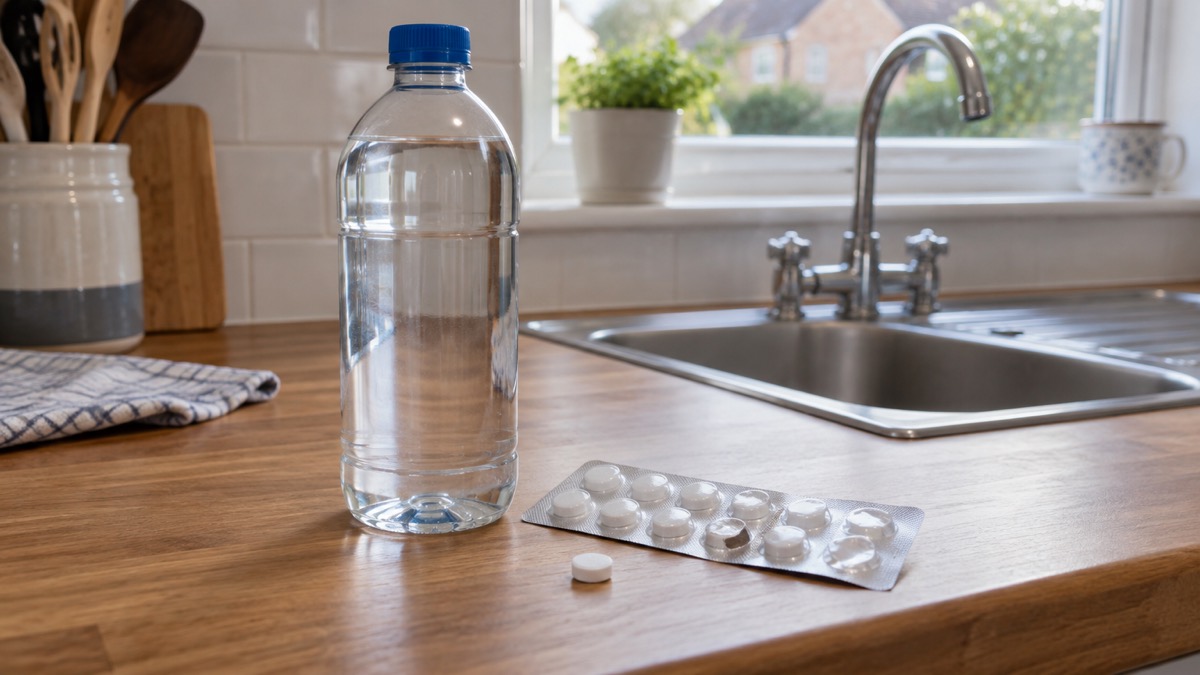
Both packs are listed for a group size of 1 or 2 to 5 people2, so the maker does not steer a larger household to the larger pack. The decision is simpler than that: count the tablets you want to have on hand and pick the pack that covers it. A household storing water in bottles and jerrycans may want the larger pack so that a single purchase covers a longer interruption; a household keeping a small reserve in a grab bag may prefer the smaller one because it takes up less room.
If you are working out how much water your household needs in the first place, our guide to how much drinking water to store per person sets out the quantities, and the home drinking supply storage checklist takes you through the containers and the rotation. The tablets then sit alongside that stored water as the means of treating a refill, a collected supply or water you are unsure of.
How to use the tablets safely
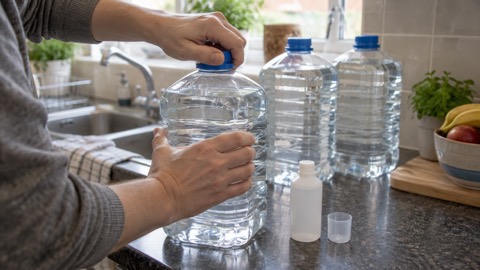
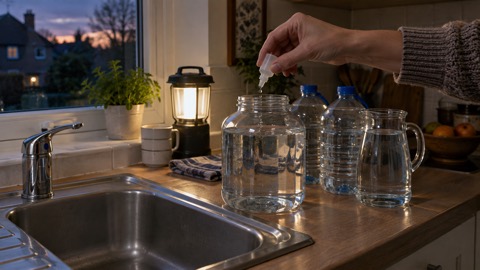
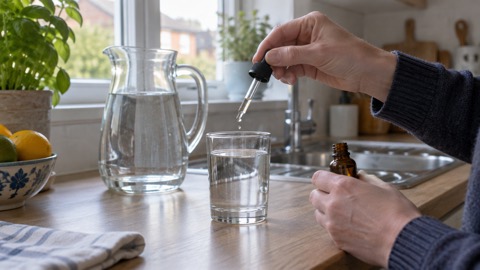
The maker's instruction is short and worth knowing before you need it. Add 1 tablet to 1 litre of water, then leave the treated water for 4 hours before drinking1. The 4 hours is not a suggestion: it is the contact time the maker gives for the tablets to do their work, and it is the same period in which the maker states viruses are killed2.
- Read the label and product information first. Katadyn's safety warning on both packs is to use biocides safely and always read the label and product information before use1.
- Use clear water. The maker lists tap water and clear water as the suitable sources1.
- Measure the water. The dose is 1 tablet per 1 litre, so the volume has to be known1.
- Add the tablet and leave the water for 4 hours before drinking2.
"Use biocides safely. Always read the label and product information before use."
The tablets treat clear water for drinking and other essential uses5. They are not described by the maker as a way to make dirty water clean, so if the water in front of you is not clear, the tablets are the wrong tool for that job. Our page on drinking from streams, rivers and other sources safely covers what to do when the supply you have is not clear, and purification tablets: chlorine, chlorine dioxide and silver explains how the different tablet chemistries compare.
If you are weighing tablets against a reusable device, the comparison page on purification tablets or a gravity filter sets the two side by side. Tablets need no power and no maintenance; a filter treats water on demand and can be used again, but depends on the device being intact and, for some types, on a power source. Many households keep both, with the tablets as the reserve that cannot break.
Storing tablets with your emergency supplies
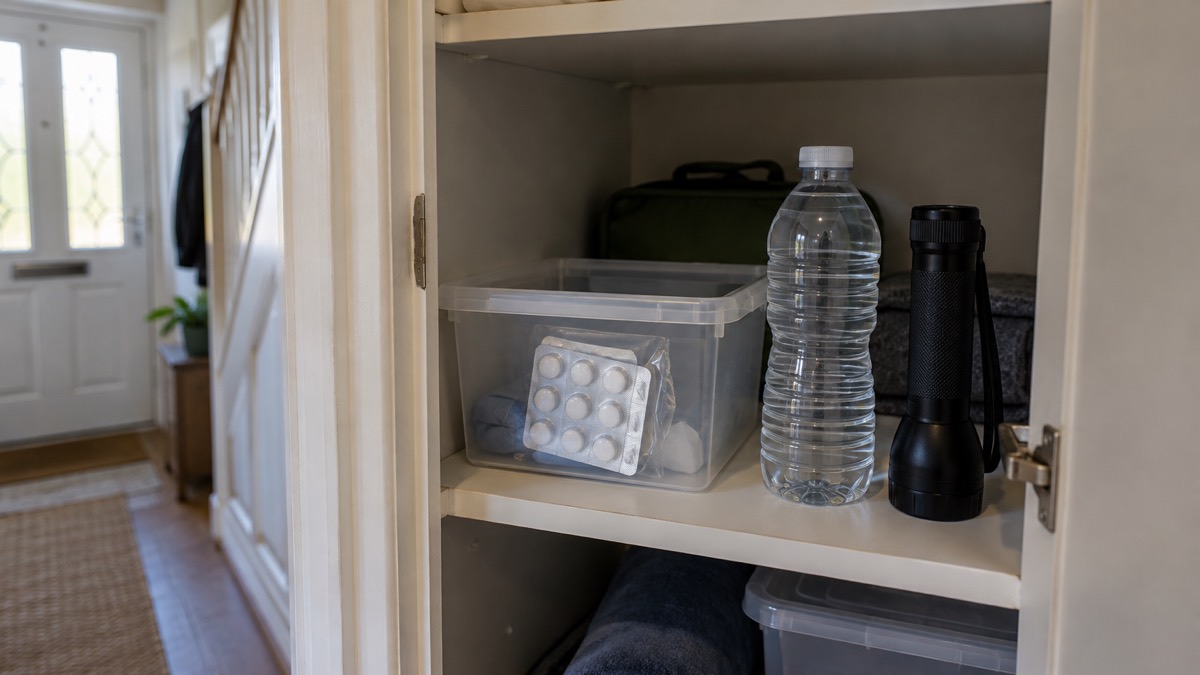
Official emergency advice lists water purification tablets among the items to include in an emergency kit6. That is the clearest signal of where they belong in a household plan: with the rest of the supplies you would reach for in an interruption, not at the back of a cupboard you would have to search.
The maker gives a shelf life of 5 years from the date of manufacture1. That date is the one to work from, so note it when the pack arrives and check it once a year when you check the rest of your kit. A pack that has sat unopened for years may still be within its life, but only the date of manufacture tells you. Our page on how long purification tablets last goes into the detail.
- Store them with your water supplies and your emergency kit, where you would look in an outage.
- Check the date of manufacture against the 5-year shelf life each year1.
- The 20-tablet pack and the 30-tablet pack both carry a shelf life of 5 years from date of manufacture1.
The supply interruption checklist and the boil notice checklist both walk through what to have ready before the tap stops, and the tablets are one line on that list. If you are building a kit from scratch, getting started: preparing your household for an emergency sets out the order to do it in, and the water section covers the wider question of supply, storage and treatment.
Support from Katadyn
Katadyn publishes the product information for both packs, including the dose, the contact time, the shelf life and the safety warning, on its product pages1. The Micropur collection page sets out the range and describes what the tablets are for5. If you are unsure whether the tablets suit your water, the label and the product information are the maker's own statement of what the product does and does not cover, and they are the place to check before you rely on a pack.
The maker's description is that the tablets purify clear water for drinking and other essential uses5. That is a modest claim, and it is the right one to plan around: they are a compact, long-life reserve for clear water, not a treatment for every supply. Kept in date, stored with your other supplies and used at the stated dose and contact time, they give a household a way to make a measured litre of clear water safe when the tap cannot be trusted.
Sources (6)
- Katadyn Micropur MP1 Water Purifier Tablets (20 Tab), Katadyn, 2026
- Katadyn Micropur MP1 Water Purifier Tablets (20 Tab), US, Katadyn, 2026
- Katadyn Micropur MP1 Water Purifier Tablets (30 Tab), US, Katadyn, 2026
- Katadyn Micropur MP1 Water Purifier Tablets (30 Tab), Katadyn, 2026
- Micropur collection, Katadyn, 2026
- Get help and advice in an emergency, Lincolnshire County Council, 2026

 LifeSaver Bottle
 LifeSaver Liberty
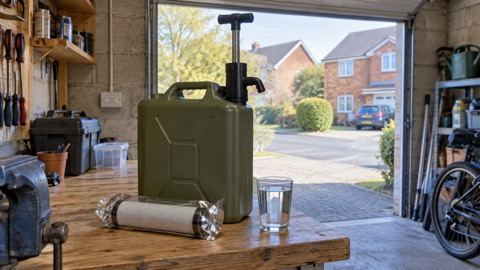 LifeSaver Jerrycan
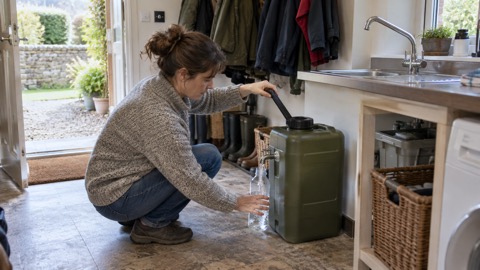 LifeSaver Jerrycan Graphene
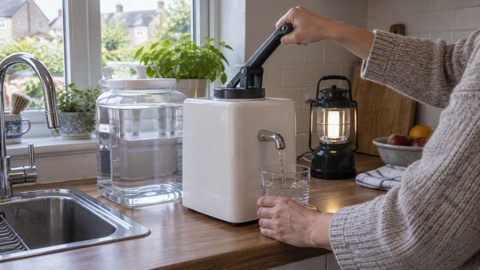 LifeSaver Cube
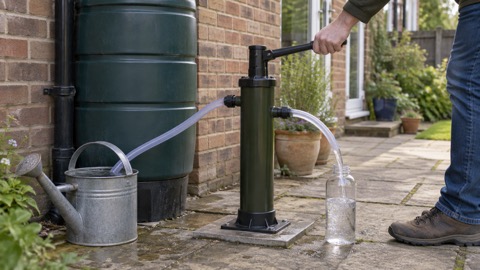 LifeSaver Wayfarer
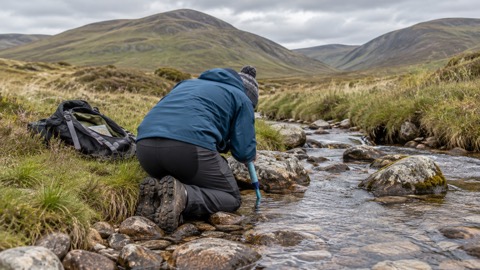 LifeSaver Lifeline
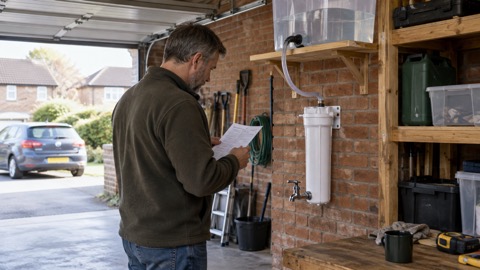 LifeSaver C1
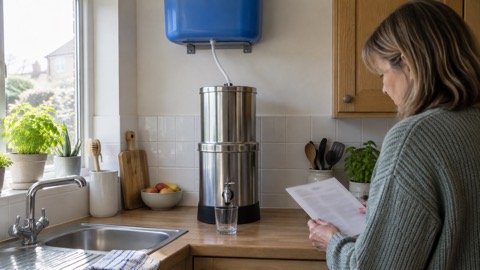 LifeSaver C2
 Katadyn Micropur Classic
 Katadyn Micropur Forte
 Katadyn Micropur Antichlor