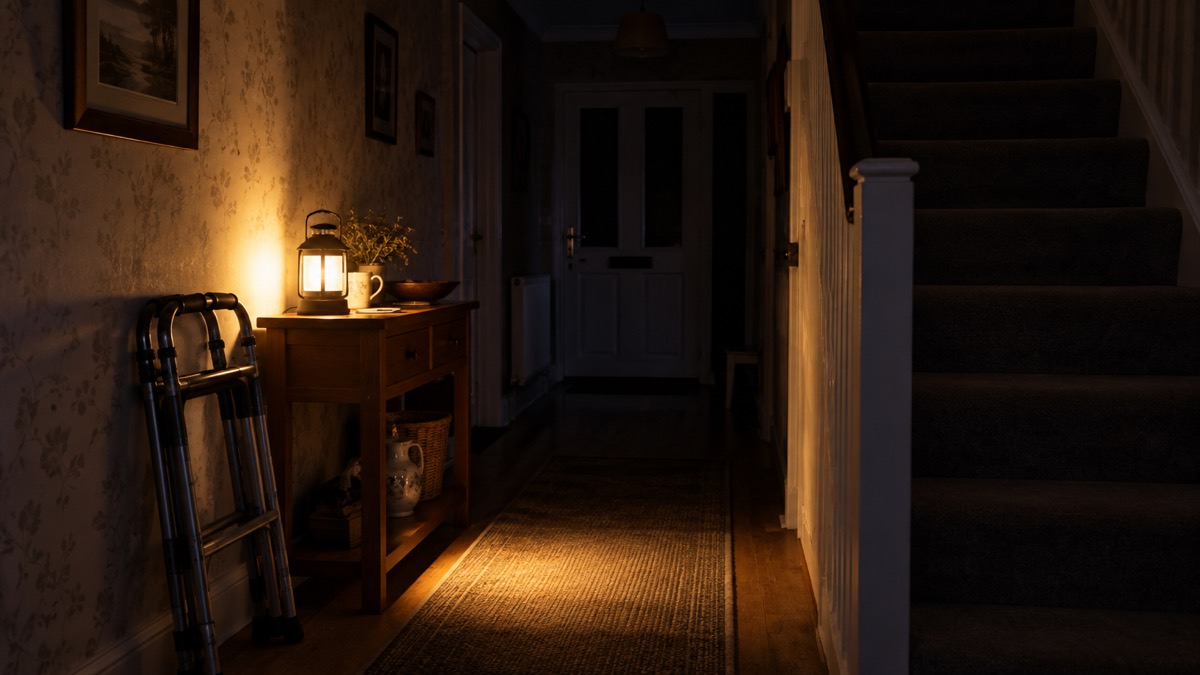
When the lights go out, the danger is not spread evenly across a household. Older adults, babies and young children, and people with long-term health problems are the groups most likely to become ill if they get too cold during a power cut1. Falls are already a common problem and, as we get older, we become more likely to fall2, and the risk of falling rises when it is dark3. So for an older person, or anyone with limited mobility, sight loss or a disability, a power cut is first and foremost a falls and warmth problem, and only secondarily an inconvenience.
The good news is that most of the risk can be removed in advance. A torch that lives in the same place by the bed, lighting that comes on by itself, a clear floor and a place on the Priority Services Register together do most of the work. This page sets out what to prepare, what never to do, and where the help is, for the person themselves and for anyone checking on an older relative or neighbour.
Why the dark is more dangerous for older and disabled people
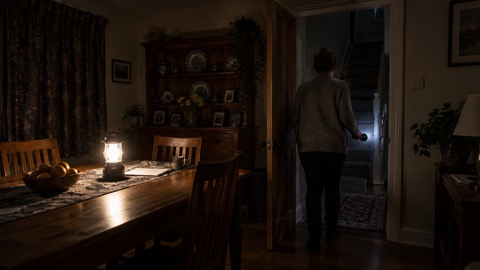
Two things go wrong at once when the power fails in a household that includes someone older or disabled. The first is movement. Falls are a common problem and the likelihood of falling increases with age2, and the risk of falling increases when it is dark3. NHS falls prevention advice is blunt about the part lighting plays: make sure you have enough lighting to move safely from one place to another, especially on stairways and in hallways9. A power cut removes exactly that lighting, at the moment when someone may need to get to the toilet, find medication or answer the door.
The second is heat. If the home's heating runs on electricity, a cut takes that away too, and the groups most likely to become ill from cold are older adults, babies and young children, and people with long-term health problems1. UK Health Security Agency guidance for health and social care staff identifies people aged 65 and over as at risk from cold weather10, and notes that older people are at greater risk of falls during adverse cold weather, especially when it comes with snowfall or ice11. A dark house and a cooling house are therefore the same event, and preparing for one means preparing for both.
There is a third layer that is easy to miss: fire. London Fire Brigade sets out four main reasons why older people, people with disabilities, and people with visual and hearing impairments need extra consideration in a fire. They may not be able to respond to a fire as quickly, they may not be able to escape a fire, they may be more at risk due to lifestyle factors, and they may use healthcare equipment such as oxygen or emollient creams that are flammable12. A power cut pushes households towards candles and other naked flames, which is precisely the wrong direction for people in these groups.
Preventing falls when the lights go out
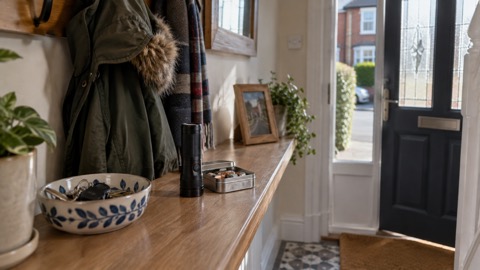
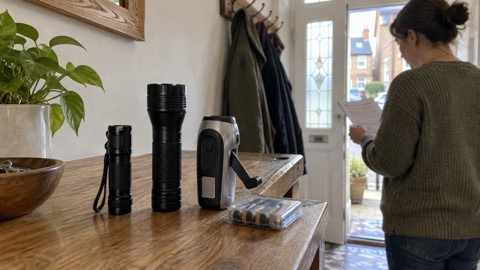
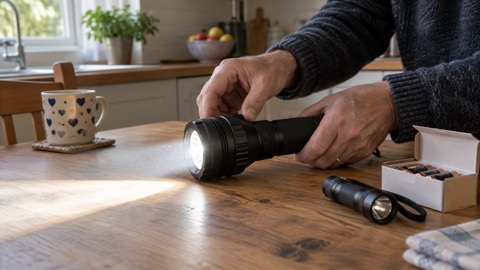
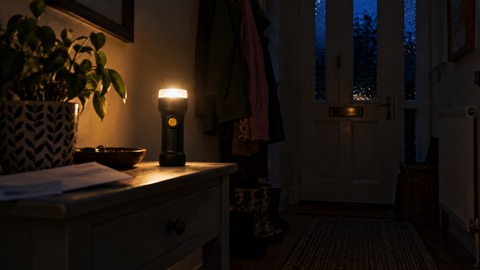
The core principle is that light should arrive before the person moves. That means lights that switch on without fumbling, and lights that are always in the same place. Wiltshire and Swindon Prepared's advice for households with elderly relatives is to check they know where they could find their torch or wind-up lantern so they can move around safely13. That is worth saying plainly: the question is not whether a torch exists in the house, but whether the person who needs it in the dark could put their hand on it.
Practical steps, drawn from official falls and fire safety advice:
- Fix a home for each light. A torch by the bed, one by the favourite chair, one near the fuse box if it can be reached safely from the floor. Consistency matters more than quantity.
- Light the routes, not just the rooms. Stairways and hallways are where the NHS says lighting must be enough to move safely from one place to another9.
- Clear the floor before winter, not during the cut. The Northern Ireland Fire & Rescue Service's falls prevention advice is to remove clutter, trailing wires and frayed carpets, use non-slip mats especially in the bathroom, and consider an additional handrail at stairs or steps14.
- Keep mobility aids within reach. London Fire Brigade's easy-read guidance says to keep all walking frames, crutches, wheelchairs and walking sticks near to the person who uses them, and to keep hallways, landings and stairs clear of anything that might block or slow down an escape15.
- Practise the route in advance. Devon and Somerset Fire and Rescue Service advises people with sight loss to practise an escape so they feel confident doing it with different levels of light, such as at night6.
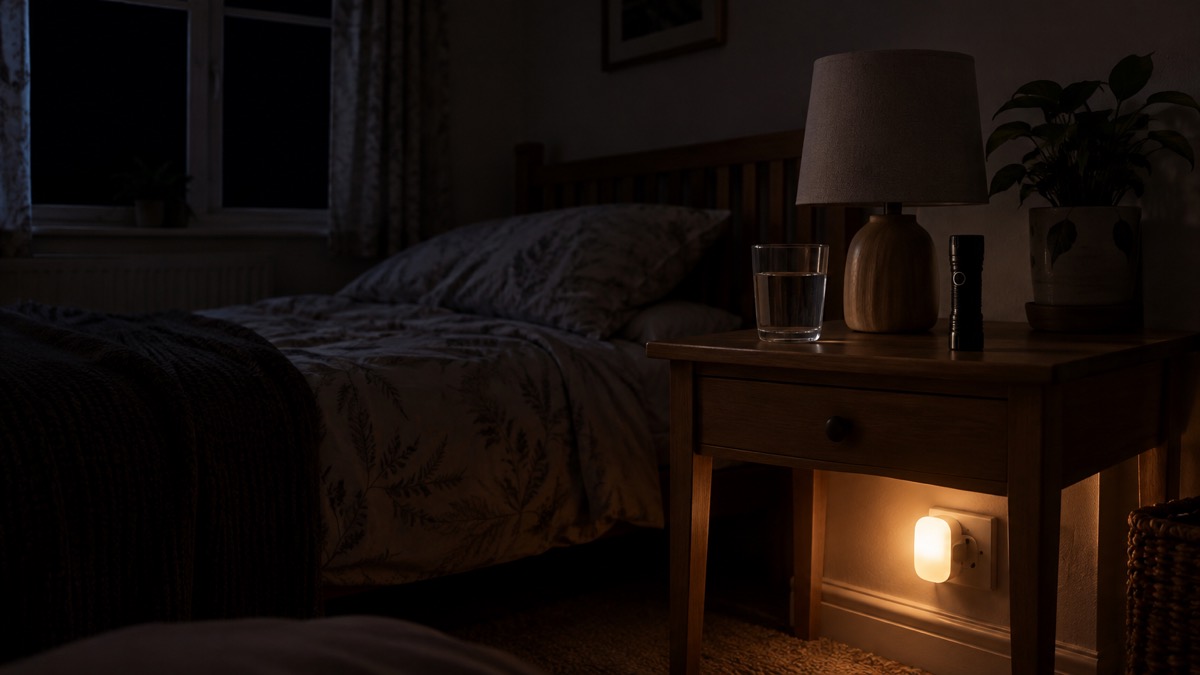
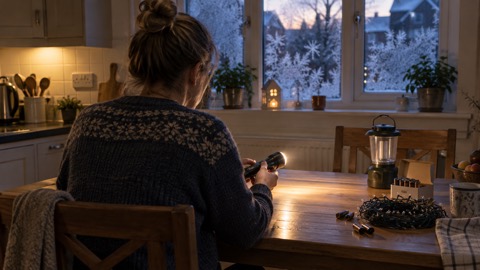
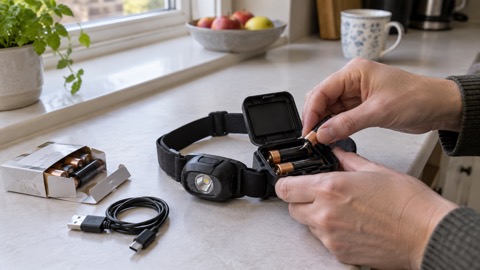
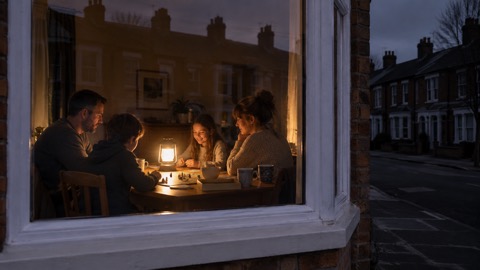
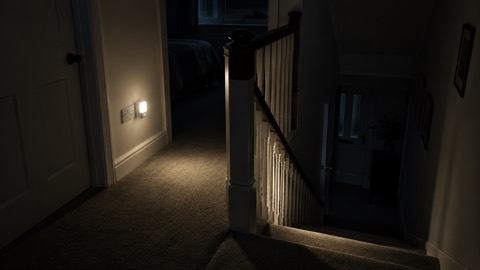
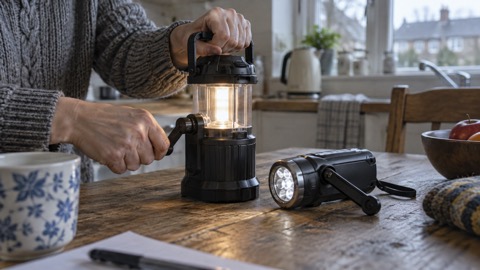
For choosing the lights themselves, the household's circumstances matter more than any specification. Someone with weak grip or limited hand movement will find a large single switch easier than a small rubber button, and a lantern that stands on a table easier than a hand-held torch. Someone who uses a walking frame needs both hands free, which points towards a head torch or a lantern rather than a torch. Plug-in lights that switch on automatically when the mains fails, and rechargeable emergency bulbs that come on in a cut, suit a person who may not be able to find a switch in the dark at all. Our pages on torches, head torches, lanterns and power failure lights and rechargeable emergency bulbs set these options out side by side, and where to keep torchches so you can find them in the dark covers the placement question in detail.
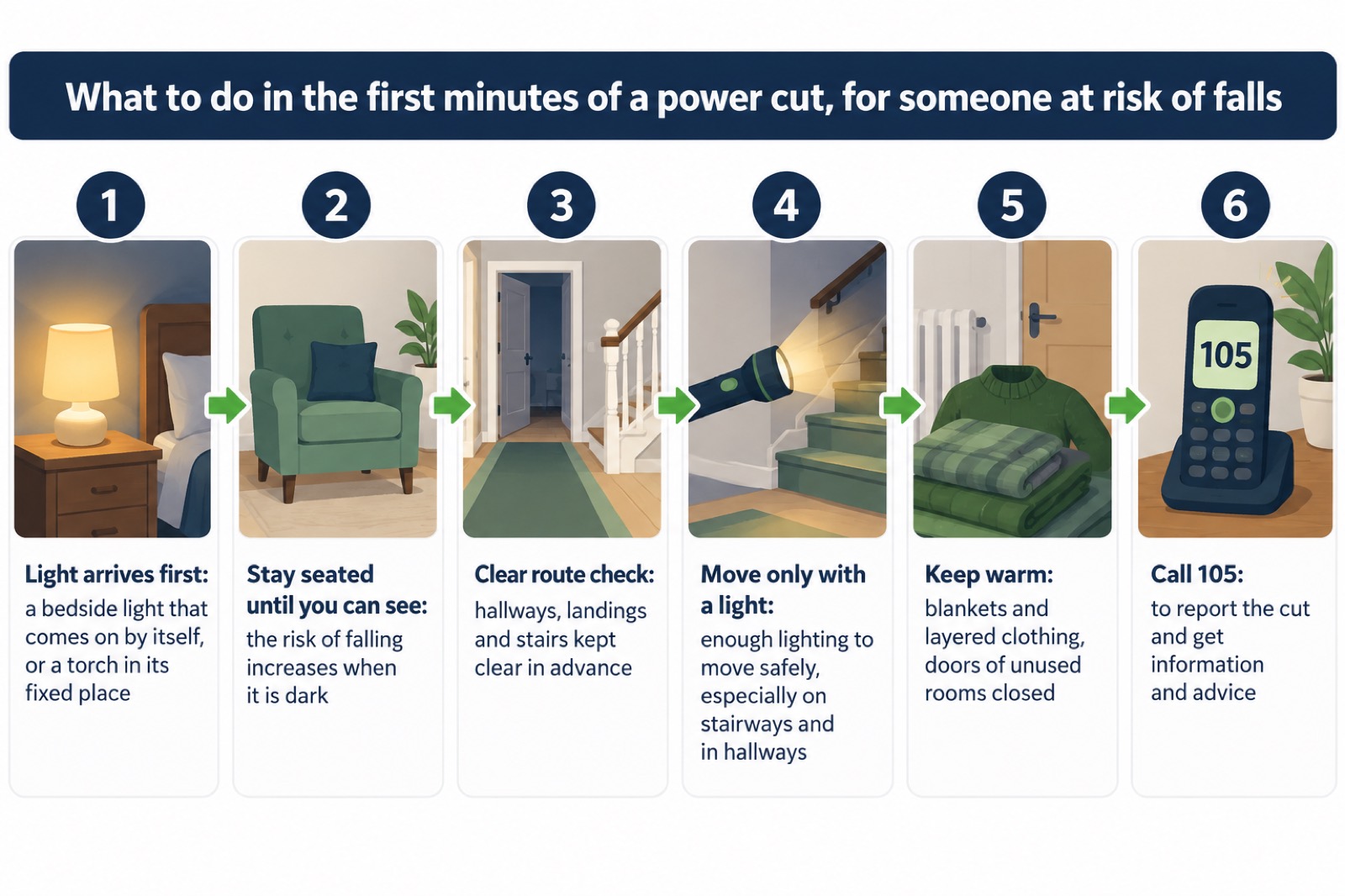
Never stand on a chair, and never light a candle
Two things must be said firmly, because both are common reactions to a dark house and both cause injuries and fires.
The first is climbing. When a fuse trips or a light needs reaching, the instinct is to stand on a chair. For anyone whose balance or strength is reduced, this is exactly the situation the falls prevention advice is warning about. The safe approach is to keep a torch in a fixed place near the fuse box so the trip switch can be seen and reached from the floor, and to ask a neighbour, a relative or the electricity supplier for help rather than climbing. Falls prevention advice also recommends speaking to your GP if you wish to be referred to the Falls Prevention Team within your local Health Trust14.
The second is naked flame. North Yorkshire Fire and Rescue Service's advice on lighting for emergencies is unambiguous:
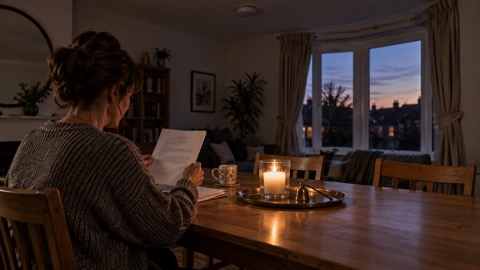
"Always keep a torch handy for emergencies, never use lighted candles."5
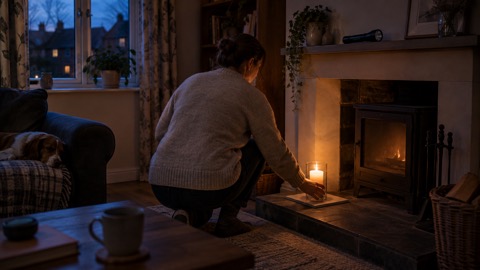
Some official severe weather advice does still list candles among supplies to keep16, and nidirect adds that if you must use naked flames, take extra care and make certain they are put out before you go to bed17. But the fire and rescue services are the bodies responsible for the consequences, and their direction of travel is clear. Devon and Somerset Fire and Rescue Service, advising carers, says to encourage people not to light candles or tea lights of any kind, and that a safer option is LED flameless candles18. Carmarthenshire County Council adds that night lights and tea lights must always be placed away from soft furnishings and on a non-flammable surface such as a plate or tile, and wherever possible a proper candle or incense holder should be used19.
There is also an electrical danger that follows storms: never touch damaged electricity equipment, and be extra careful around fallen trees, as they often take electricity poles and wires with them as they fall16. And in a gas emergency, Devon and Somerset Fire and Rescue Service advises not to use any electrical appliances, including switching your lights on or off, and to open all your windows and doors20.
The Priority Services Register: extra help before and during a cut
The single most useful administrative step an older or disabled household can take is joining the Priority Services Register. Signing up lets your energy supplier know that you need additional support during a power cut7. Carmarthenshire County Council's guidance adds who should contact their supplier: people who are visually impaired or have hearing difficulties, people of state pensionable age, and people with other specific requirements21.
What to do:
- Contact your electricity supplier and network operator and ask to be added to the Priority Services Register7.
- Say specifically if anyone in the household is visually impaired, has hearing difficulties, is of state pensionable age, or has other specific requirements21.
- Tell them if the household relies on medical or mobility equipment that needs electricity, so they understand the urgency.
- Keep the power cut number, 105, somewhere visible, because it is the number to report a cut and get information and advice8.
Our power cuts guide covers the register and what suppliers must do for registered customers in more detail.
Keeping warm while the power is off
If the heating runs on electricity, a cut removes it along with the lights. The official advice for that situation is consistent across sources: keep warm with blankets and layered clothing, keep the doors of unused rooms closed, and close curtains to keep the heat in1. Wiltshire and Swindon Prepared makes the same point for households with electric heating: extra layers and blankets are the way to hold warmth on cold evenings13.
The temperature to aim for is at least 18°C in the rooms you spend time in, such as the living room or bedroom3. UK Health Security Agency guidance likewise stresses that rooms, particularly living rooms and bedrooms, should be kept warm11. If your heating runs on electricity, keep warm with extra layers and blankets on cold evenings, keep the doors of unused rooms closed and close the curtains to keep the heat in5.
| Situation | What to do | Who says it |
|---|---|---|
| Power off, electric heating | Blankets and layered clothing; doors of unused rooms closed; curtains closed1 | Be Ready campaign |
| Living room and bedroom | Keep warm; heat rooms you use to at least 18°C4 | Met Office, West Midlands Ambulance Service |
| Reduced mobility, 65 or over, heart or lung disease | Heating to at least 18°C is particularly important4 | Met Office |
| Bedroom at night in cold weather | Keep the bedroom window closed4 | Met Office |
| Gas emergency | Open all windows and doors; do not switch lights on or off20 | Devon and Somerset Fire and Rescue Service |
Two cautions belong here. Devon and Somerset Fire and Rescue Service warns that during the winter, vulnerable people can be at a higher risk of a fire-related incident when trying to stay warm22, so blankets and layers are safer than any improvised heater or flame. And the advice about opening windows at night belongs to hot weather, when it is safe and the air outside feels cooler23, not to a cold night in a power cut, when the bedroom window should stay closed4.
Checking on an older neighbour or relative
If you are the fit and able one in a family or street, the official advice across all four nations is to make checking on others part of your own emergency plan. Ready Scotland's advice is that once you and your household are safe, check on neighbours and those at greater risk, including older adults, people who need extra assistance to get around, and people who get care at home8. The Greater London Authority's winter advice is to check in on older neighbours or relatives to make sure they are safe, warm and well, which is vital if they live alone or have serious illnesses24.
What a check involves, gathered from official advice:
- Ask if they are warm enough in their home, keep in touch, and ask if they need practical help or are feeling unwell3.
- Help them check their smoke alarms are in good working order and that they have clear escape routes and emergency plans22.
- Check they know where their torch or wind-up lantern is, so they can move around safely13.
- In advance of storms, look out for elderly neighbours and ensure they are prepared for a possible power cut25.
The West Midlands Ambulance Service notes that neighbours and relatives who are older, very young or have long-term health conditions are at particular risk from the cold3, and nidirect's storm advice is to check on elderly or vulnerable family, neighbours and friends to make sure they are okay16. The London Resilience Partnership frames it as thinking ahead: if you know people with particular vulnerabilities through age, ill health or disability, consider how you could help them, for example by contacting their loved ones or ensuring they have food and water26. A community emergency group can build this in from the start, checking up on relatives or neighbours who might need help during a power cut27.
Help for people with sight loss or hearing loss
A power cut is a different event again for someone with sight loss, because the lighting most of us take for granted may already be limited, and the remaining cues change. Devon and Somerset Fire and Rescue Service's advice for partially sighted people is to practise an escape so that you feel confident you could do it with different levels of light, such as at night6. The same service notes that the charity Sense supports people who are deafblind6. For utility matters, people who are visually impaired or have hearing difficulties should contact their supplier, as this is one of the grounds for additional support21.
The Scottish Fire and Rescue Service has worked with the Royal National Institute of Blind People Scotland (RNIB) to create audio versions of its leaflets for people with sight loss, which can be played or downloaded on SoundCloud28. The titles include Electrical Safety, Recipe For Safe Cooking, Winter & Festive Safety, Your Guide To Fire Safety and others28. For people who are deaf or have hearing loss, the same service provides educational videos in British Sign Language29, and it advises that specialist smoke alarms can save lives and alert the user to a fire in the home even if they have removed their hearing aid at night29. The Scottish Government has also produced guidance on the fire alarms standard for deaf and deafblind people28.
One point that matters in an evacuation: the Scottish Fire and Rescue Service notes that firefighters wearing breathing apparatus may be difficult to hear clearly, which prevents lip reading, so pictures are used to show what to do with fire escape hoods if needed30. Devon and Somerset Fire and Rescue Service also advises people using mobility aids to consider alternative means of escape should the electricity supply fail31.
If someone falls during a power cut
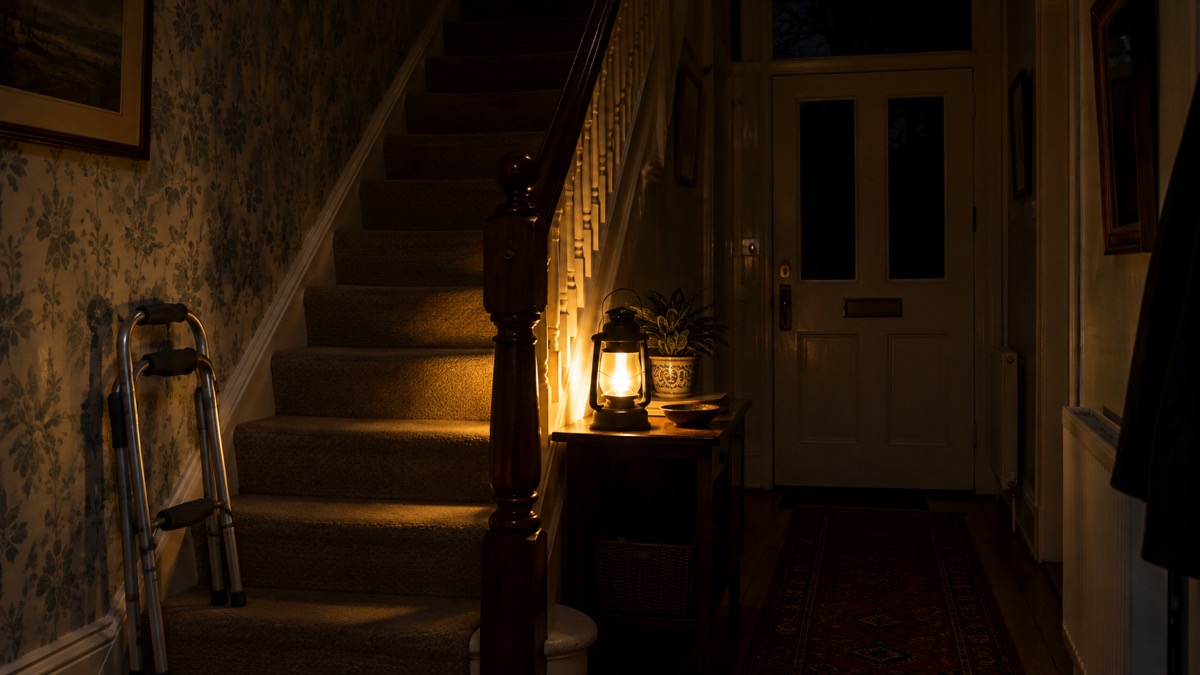
If a fall happens, the priorities are warmth, light and getting the right help. Do not move the person unnecessarily, and do not leave them in the dark or the cold while you fetch help: older adults are among those most likely to become ill if they get too cold1, so keep blankets and layers over them where they are.
For the power cut itself, call 105, the number to report a cut and get information and advice8. For health, Age UK's guidance distinguishes the two numbers: for non-emergency health advice, call 111, and in an emergency, call 99932. If the fall follows a storm, remember never to touch damaged electricity equipment, and be extra careful around fallen trees, as they often take electricity poles and wires with them as they fall16.
Afterwards, it is worth asking whether the fall points to something fixable. NHS falls prevention advice lists the household measures that reduce falls: cleaning up spillages, removing clutter, trailing wires and frayed carpets, non-slip mats especially in the bathroom, good lighting, slippers and shoes with a good grip, and an additional handrail at stairs or steps14. In Northern Ireland, you can speak to your GP to be referred to the Falls Prevention Team within your local Health Trust14. NHS Highland makes the encouraging point plainly: whilst there are many reasons that make falls more likely as we age, there are also many different things we can do to prevent them2.
Where to get help: Age UK, charities and your fire service
The Age UK Advice Line is the main national port of call for older people and their families. Call 0800 169 6565, open 8am to 7pm, every day of the year32. During winter, official guidance also directs people to call 0800 169 6565 and quote WINTER11. In Wales, Advicelink Cymru can be contacted on 0800 702 2020, Monday to Friday, 9am to 5pm32.
Your local fire and rescue service is the other source of help, and it is free. Fire services across the UK run home fire safety visits and produce resources aimed specifically at older and disabled people. The Northern Ireland Fire & Rescue Service's Safer Together Project has created a brochure, fire risk awareness videos, a Fire Risk Awareness Form, and leaflets addressing the issue of neighbours not responding to smoke alarms sounding and the main risks of fire for older people33. Our page on free home fire safety visits explains how to arrange one.
A summary of who to contact:
| Need | Who | Contact |
|---|---|---|
| Report a power cut, get information | Power cut helpline | 1058 |
| Non-emergency health advice | NHS | 11132 |
| Emergency | Emergency services | 99932 |
| Advice for older people, every day | Age UK Advice Line | 0800 169 6565, 8am to 7pm32 |
| Advice in Wales, weekdays | Advicelink Cymru | 0800 702 2020, 9am to 5pm32 |
| Fire safety at home, leaflets, visits | Your local fire and rescue service | Local service33 |
Finally, watch for the weather that precedes cuts. The UK Health Security Agency issues Cold-Health Alerts at yellow, amber or red levels10, and older people are at greater risk of falls during adverse cold weather, especially with snowfall or ice11. When an alert is issued, that is the moment to check the torches are where they should be, the blankets are within reach, and the older people in your street know you are nearby.
Sources (33)
- Power cuts: what to do, Be Ready campaign, 2026-10-21
- Preparing for winter, NHS Highland, 2026-08-14
- Cold weather advice, West Midlands Ambulance Service, 2026-05-20
- Keeping your home warm in winter, Met Office, 2026-10-26
- Caravans and camping safety, North Yorkshire Fire and Rescue Service, 2026-05-13
- Fire safety for people with sight difficulties, Devon and Somerset Fire and Rescue Service, 2026
- Power cuts: be informed about hazards, Prepare campaign, 2026-10-21
- Emergency plan, Ready Scotland, 2026-03-24
- Preventing falls, NHS North Cheshire and Mersey, 2024-12-12
- Supporting vulnerable people before and during cold weather: for adult social care managers, UK Health Security Agency, 2025-09-24
- Supporting vulnerable people before and during cold weather: for healthcare professionals, UK Health Security Agency, 2025-09-24
- Carers and support workers, London Fire Brigade, 2026-10-25
- How to prepare for the loss of electricity, Wiltshire and Swindon Prepared, 2026-10-25
- Home fire safety, Northern Ireland Fire & Rescue Service, 2026-10-14
- Digital easy read fire safety booklet, London Fire Brigade, 2026
- Strong winds weather warning: information and advice, nidirect, 2026-10-24
- Strong winds and heavy rain warning: information and advice, nidirect, 2026-01-27
- Hoarding disorder: advice for carers, London Fire Brigade, 2026-10-25
- Candle safety, Carmarthenshire County Council, 2026-06-26
- Safety in severe weather conditions, Devon and Somerset Fire and Rescue Service, 2026
- Get prepared, Carmarthenshire County Council, 2026-10-25
- Staying safe in the season, Devon and Somerset Fire and Rescue Service, 2025-12-01
- Hot weather, Ready Scotland, 2026-03-24
- Keeping warm, healthy and safe in cold weather, Greater London Authority, 2026-10-25
- What to do in a power cut, Met Office, 2026-10-25
- Preparing yourself for emergencies, London Resilience Partnership, 2026-10-25
- Community emergency planning guide: make a plan, Ready Scotland, 2026-03
- Sight loss resources, Scottish Fire and Rescue Service, 2024-08-08
- Deaf awareness, Scottish Fire and Rescue Service, 2024-08-08
- Fire escape hoods, Scottish Fire and Rescue Service, 2025-03-11
- Fire safety for people using mobility aids, Devon and Somerset Fire and Rescue Service, 2026
- England and Wales energy domestic consumer advice, Ofgem, 2024-11
- The Safer Together Project, Northern Ireland Fire & Rescue Service, 2026-07-16
 Spare Batteries for Lights
 Candle Safety Checklist
 Lighting Checks Before Winter
 Lighting Home in a Power Cut
 Choosing a Torch for Home
 Head Torches for Power Cuts
 Lanterns for Lighting a Room
 Emergency Bulbs
 Solar and Wind-Up Lamps
 Lumens and Beam Distance
 Torch Batteries Explained
 Charging and Storing Torches
 Candle Fire Safety at Home
 Torches, Candles and Children
 Recalled Torches and Chargers