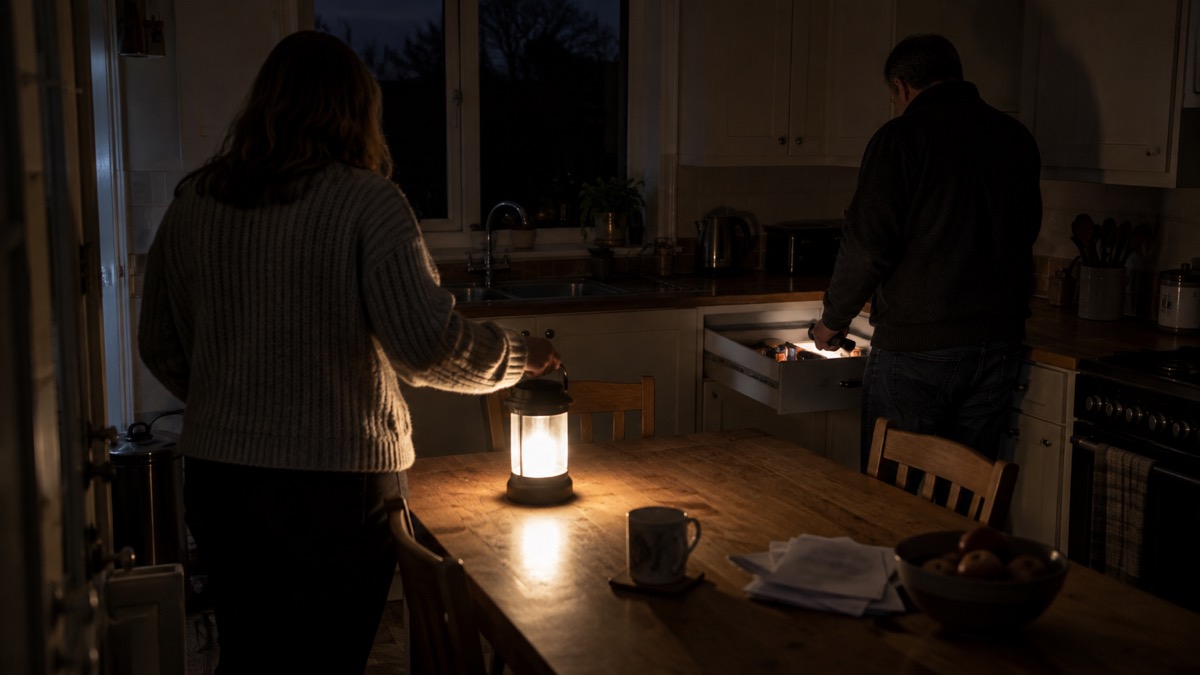
When the power goes off, reach for a torch, not a candle. Government guidance is to keep a battery or wind-up torch and spare batteries at home, because torches are safer than candles1. Fire and rescue services across the UK say the same: use battery-operated lights or torches as your alternative light source during a power cut2.
The reason is simple. Candles cause over 800 fires in UK homes every year3, and around 30% of fires started by candles and attended by fire and rescue services result in death or injury4. A torch gives you light with nothing to knock over, nothing to blow out and nothing to remember before bed.
This checklist sets out what to have ready before the lights go out, how to keep it working, and how to use a candle as safely as possible if you have no other choice. It takes about ten minutes to work through and covers the whole household.
Power cut lighting checklist: torches, spare batteries and LED lights
Work through this list before the next power cut, not during one. Each item is something an ordinary household can put in place in an afternoon.
A battery or wind-up torch is the safest light in a power cut
The case for a torch over a candle is not a matter of taste. It is the consistent position of every fire and rescue service in the UK. Use a standing electric torch or battery-powered lights in a power cut, because candles are a fire risk15. Keep a battery or wind-up torch and spare batteries at home, because torches are safer than candles1.
There are two broad choices, and they suit different households.
| Type | What it does for you | Who it suits |
|---|---|---|
| Battery torch | Gives light whenever you pick it up, as long as the batteries are good1 | Most households, as the main light |
| Wind-up torch or lantern | Requires no batteries at all7 | A backup for long outages, or for anyone who might forget to check batteries |
| LED candle or battery light | Lights a room or a table without a flame10 | Households with children or pets, or anyone who wants gentle light in the evening |
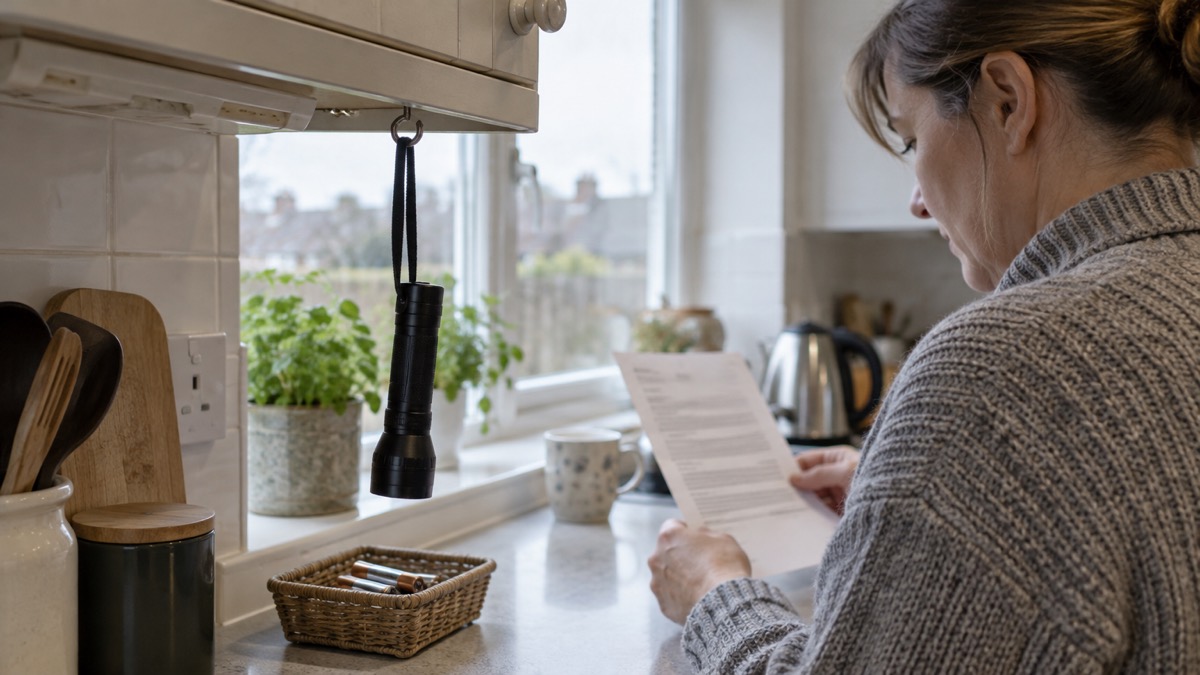
A wind-up torch is the one light that cannot fail for lack of power, because it needs no batteries at all7. It does need winding by hand, so it suits short bursts of light rather than a whole evening. The practical answer for most homes is a battery torch as the main light and a wind-up as the spare that always works.
For more on choosing between the main types, see torches, lanterns and solar and wind-up lamps that need no batteries. If you are deciding between a handheld and a head torch for jobs in the dark, torch or head torch for a power cut sets the two side by side.
Candles cause over 800 fires in UK homes every year
The figure is stark. Candles cause over 800 fires in UK homes every year3. Government fire statistics put the number of accidental fires in the home started by candles in England at 850 every year16. Candles are one of the most common causes of fires in the home17.
The harm is not only to property. Around 30% of fires started by candles and attended by fire and rescue services result in death or injury4. Individual services see the pattern locally: Devon and Somerset Fire and Rescue Service attends over 20 fires every year caused by candles18.
Candles are not the only household risk, and it helps to see them in context. Faulty electrical appliances cause thousands of fires in the home each year19, and smoking materials accidentally start almost 2,000 fires in the home every year20. But a candle is the one fire risk a household introduces deliberately, for light, in the dark, often when tired.
The safest course is not to rely on candles for power cut lighting at all. Use a torch or an LED candle instead10. If you want to understand the comparison in more detail, LED candles or real candles: which is safer? sets out the differences, and candle fire safety at home covers the wider rules.
Where and how to burn candles if you have to use them
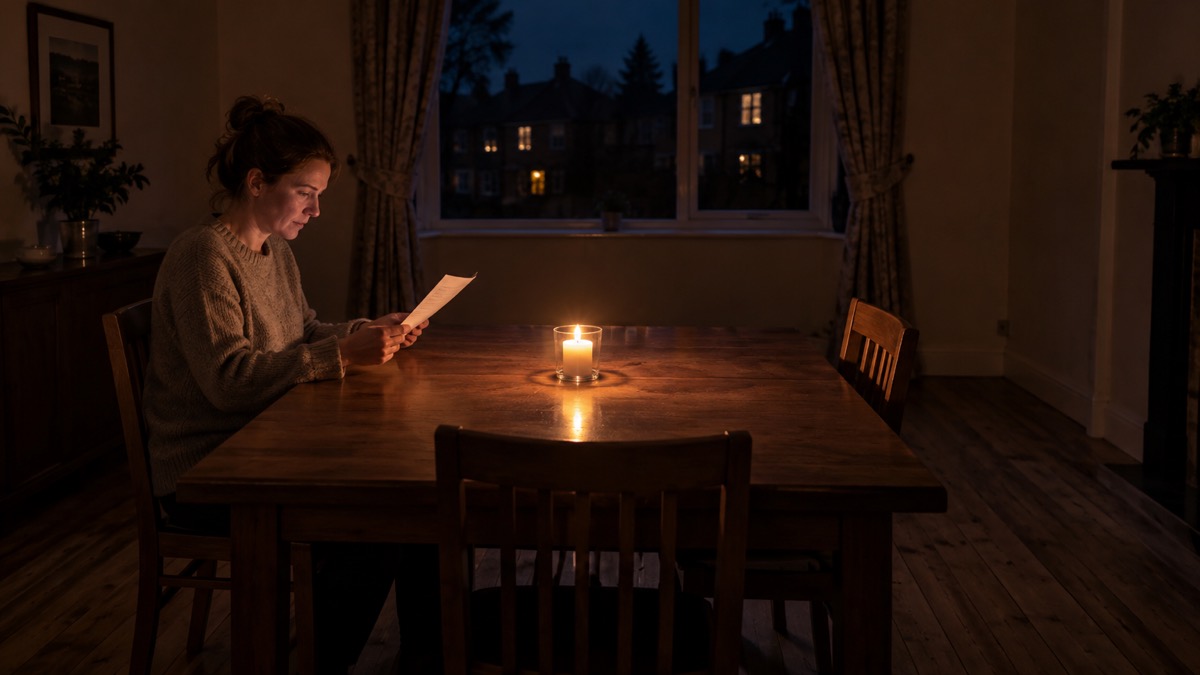
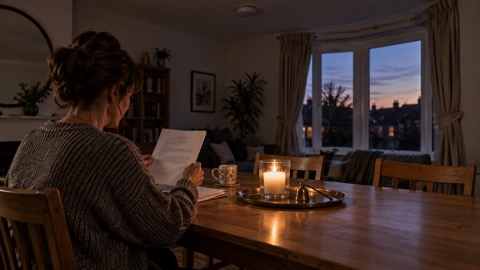
If you have no torch and no LED light, a candle is better than total darkness, but it has to be used with care. Fire services are clear: if you must use candles, make sure they are in a heat-proof candle holder, and keep them well away from anything that could catch fire, including furniture, curtains, books and shelves22.
The rules that matter most:
- Use a proper holder. Always make sure candles are in a suitable holder and away from anything flammable4. Tea lights should always be burned in or on a suitable, non-flammable holder on a heat resistant surface23.
- Keep them away from soft furnishings. Night lights and tea lights must always be placed away from soft furnishings and on a non-flammable surface such as a plate or tile, and wherever possible a proper candle or incense holder should be used6.
- Keep them away from decorations. Keep candles away from soft furnishings, decorations, Christmas trees and wrapping paper, and out of reach of pets and children14.
- Do not group them. Do not burn several candles close together, as this might cause the flame to flare6.
- Keep children and pets clear. Take extra care to keep candles out of reach of small children or pets24. Keep children away from any naked flame25.
- Put them out properly. If you have candles, make sure they are put out properly before you leave the room or go to bed26.
If you keep a written checklist by the candle tin, the candle safety checklist covers the same ground in tick-box form. For households with young children, torches, candles and children: keeping them safe goes further.
Never leave a candle burning when you might fall asleep
The single most important candle rule is the one most often broken. Never leave a lit candle alone2. Put candles, incense sticks and oil burners out, and never leave them unattended or burning when you are asleep21.
Fire services have seen what happens when this rule slips. In one incident, a resident was asleep upstairs with a gas fire and many candles left unattended downstairs22. The near-miss was recorded alongside a rise in carbon monoxide incidents during power cuts, a reminder that a power cut changes how a household uses heat and light at the same time22.
"Put candles, incense sticks and oil burners out and never leave them unattended or burning when you are asleep."
Make the candle check part of your bedtime routine. London Fire Brigade's bedtime checks include putting candles out along with the other nightly fire safety checks21. If you use candles in the evening, put them out at the same time every night, before anyone is tired enough to forget.
Keeping torches and batteries ready between power cuts
A torch is only useful if it works when you pick it up. The checklist items above are only as good as the routine that keeps them ready.
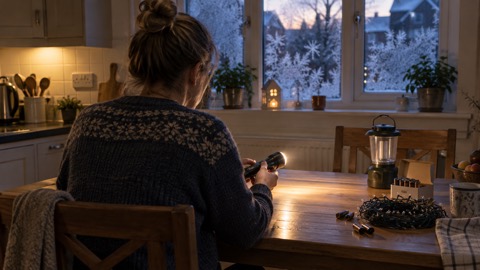
- Check the batteries. Make sure you have spare batteries if the torch is battery operated7, and check them at the start of winter, when power cuts are more likely.
- Test each torch. Press the switch on every torch in the house and confirm it lights. Replace anything that does not.
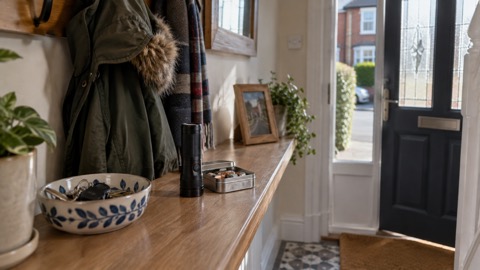
- Keep the torch where you can reach it. Store a battery or wind-up torch somewhere you can access easily, so you can use it to check the fuse box and make your way around the house safely8.
- Tell everyone. Make sure everyone in your home knows where the torches are kept9.
- Leave one light on. When the power goes, leave a light on so you know when it is restored12.
- Switch off what should not be left running. Switch off electrical appliances that should not be left unattended12.
- Do not touch damaged equipment. Never touch damaged electricity equipment27.
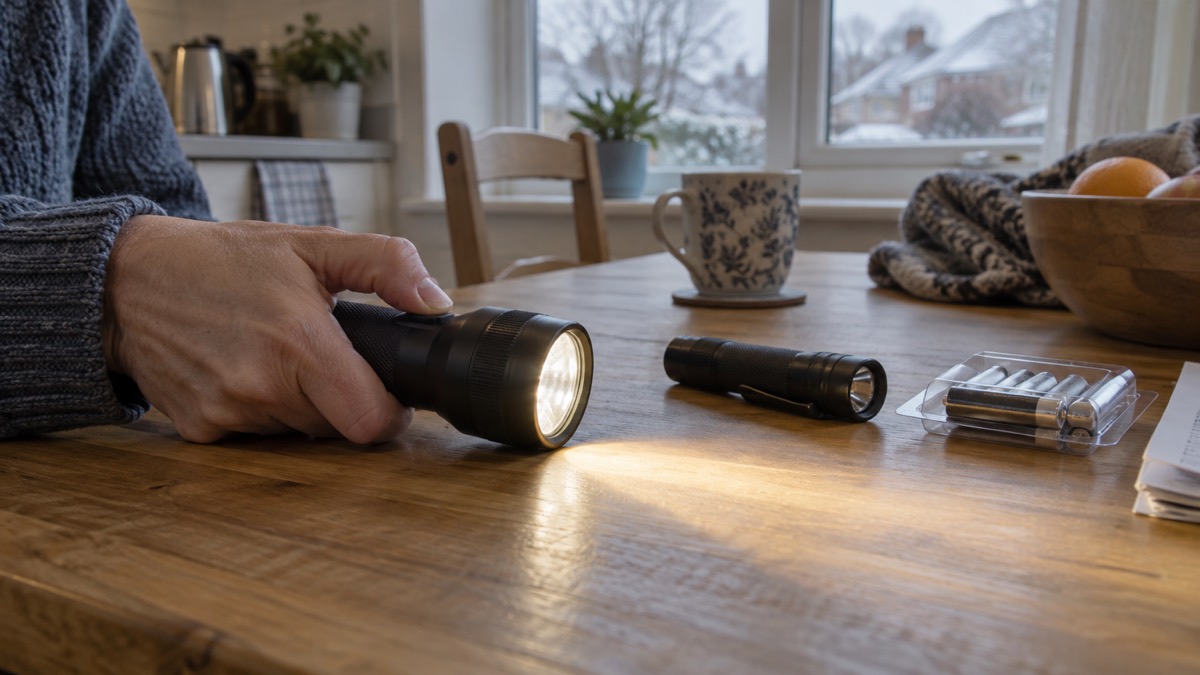
For more on matching batteries to torches, see torch batteries: AA, AAA, 18650 and built-in packs and spare batteries to keep for your lights. If you are storing rechargeable torches, charging and storing rechargeable torches safely covers the safety points.
Candles at Christmas, Halloween and around children
Candles cause more harm at celebrations, when there are more flames, more decorations and more people in the house. Candles, flying lanterns, decorations and decorative lights are a growing cause of fires23.
At Christmas, keep candles away from decorations, Christmas trees and wrapping paper, and out of reach of children and pets14. Check the condition of your festive lights before putting them up28. Never overload sockets, and always turn Christmas lights off before going to bed or if you are leaving the house, with one plug per socket29.
At Halloween, avoid using a naked flame or candle in pumpkins, and use a torch, glow stick or battery-operated candle instead25. Keep children away from any naked flame, including sparklers25.
For the seasonal detail, see using candles safely at Christmas and should you use battery tea lights in a pumpkin?. If you have pets, keeping pets away from lit candles covers the extra risks.
Where to get help and further reading
If a power cut lasts, or you are unsure how to light your home safely, there is help available.
- Your fire and rescue service offers free home fire safety visits, where staff can advise on candle use, smoke alarms and escape routes. See free home fire safety visits from your fire service.
- Older or disabled people may need a different lighting plan, with torches that are easy to switch on and reach. See lights for older and disabled people in a power cut.
- During the outage itself, lighting your home safely when the power goes off walks through the first hour.
- Before winter, lighting checks before winter is a short seasonal checklist.
The wider subject, including lanterns, emergency bulbs and head torches, is covered in emergency lighting at home. For the power cut itself, from what causes one to how to report it, see power cuts: a household guide.
Sources (29)
- Be informed about hazards: power cuts, UK Government Prepare campaign, 2026
- Power cuts, Scottish Fire and Rescue Service, 2026
- Candle safety, North Yorkshire Fire & Rescue Service, 2026
- Candles, Merseyside Fire & Rescue Service, 2026
- What to do in a power cut, Met Office, 2026
- Candle safety, Carmarthenshire County Council, 2026
- How to prepare for the loss of electricity, Wiltshire and Swindon Prepared, 2026
- Winter ready, Isle of Anglesey County Council, 2026
- 12 tips to prepare for a power cut, Horsted Keynes Parish Council, 2026
- Cost of living toolkit, National Fire Chiefs Council, 2022
- Stay safe in a thunderstorm, Met Office, 2026
- Met Office weather ready tips for snow and ice, Met Office, 2025
- Strong winds and heavy rain warning information and advice, nidirect, 2026
- NIFRS issues safety plea following two house fire fatalities in one day, Northern Ireland Fire & Rescue Service, 2025
- Safety in severe weather conditions, Devon and Somerset Fire and Rescue Service, 2026
- Fire safety when celebrating, UK Government, 2021
- Candle safety, Cumbria Fire and Rescue Service, 2026
- Candles, Devon and Somerset Fire and Rescue Service, 2026
- Domestic fire, UK Government Prepare campaign, 2026
- Smoking, North Yorkshire Fire & Rescue Service, 2026
- Bedtime checks, London Fire Brigade, 2026
- Fire service sees worrying increase in carbon monoxide incidents and fire risks due to power cuts, Devon and Somerset Fire and Rescue Service, 2022
- Celebrate safely, Humberside Fire and Rescue Service, 2026
- Other safety, Northern Ireland Fire & Rescue Service, 2026
- Don't let fire turn your Halloween into a nightmare, Northern Ireland Fire & Rescue Service, 2026
- Talk to your children about fire safety, Devon and Somerset Fire and Rescue Service, 2026
- Strong winds weather warning information and advice, nidirect, 2026
- Extreme weather winter guide, London Fire Brigade, 2025
- A safer Christmas starts at home, Northern Ireland Fire & Rescue Service, 2024
 Spare Batteries for Lights
 Candle Safety Checklist
 Lighting Checks Before Winter