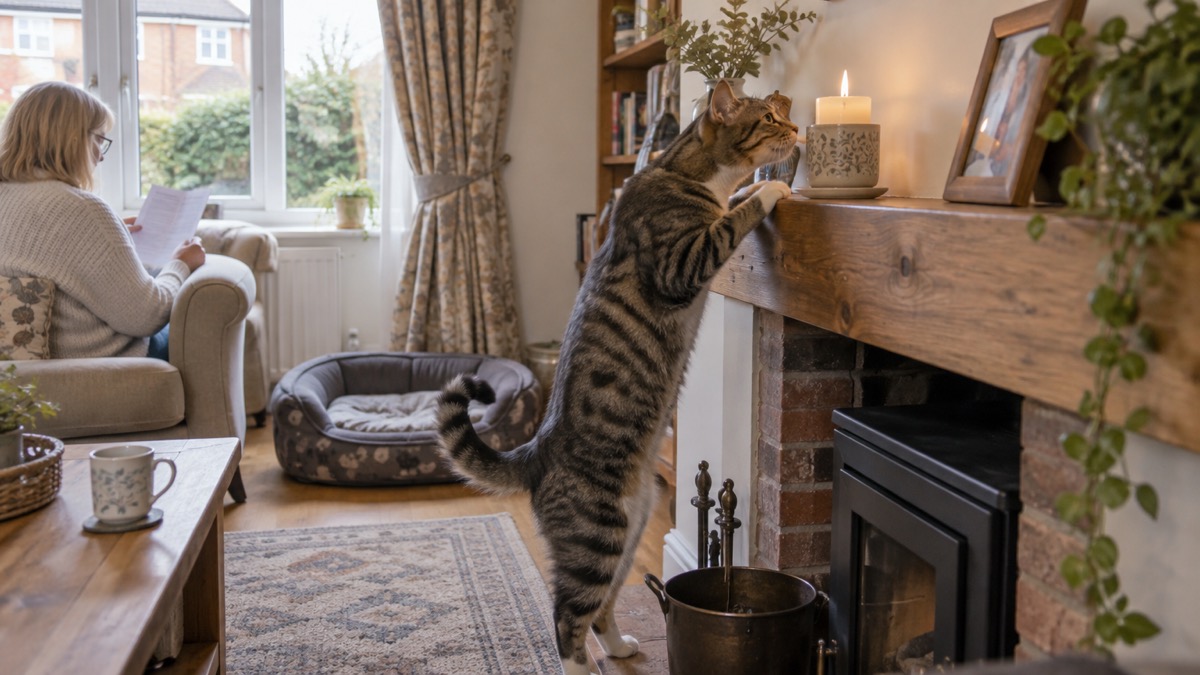
The single most important thing you can do is keep pets away from any lit flame, and never leave an animal alone in a room with a burning candle. Fire and rescue services are clear on this: never leave children or pets alone in a room with lit candles, and put candles and open fires out before you leave the house or go to bed1. If you want candlelight in a home with a cat or dog, the safest answer is a battery or LED candle, which fire services describe as having almost no fire risk3.
Candles are not a minor hazard. They cause over 800 fires in UK homes every year, according to fire service guidance2, and around 30% of fires started by candles and attended by fire and rescue services result in death or injury4. Pets make this worse in two ways: a tail or paw can knock a candle over, and an animal can carry a flame into furnishings without understanding what it has done. Fires pose a serious threat to pets, and pets sometimes cause them inadvertently1.
This page sets out why candles and pets are a bad combination, how to use LED candles instead, what to do if you insist on a real flame, and how to light your home safely with pets around when the power goes off.
Why candles and pets are a fire risk
Candles are one of the most common causes of fires in the home, and fire services treat them as a growing cause alongside decorations and decorative lights5. The national figure is stark: over 800 fires in UK homes every year are caused by candles2. Individual services see the same pattern locally. Devon and Somerset Fire and Rescue Service attends over 20 fires every year caused by candles7, and around 30% of candle fires it attends result in death or injury4.
Pets turn a manageable risk into an unpredictable one. A candle on a low table, a windowsill or the floor is exactly where a cat will jump or a dog's tail will sweep. Fire services advise keeping candles out of the reach of any animals who may knock them over8, and the pet safety campaign from North Yorkshire Fire & Rescue Service warns that fires pose a serious threat to pets and that pets sometimes cause them inadvertently1.
The danger is not only the flame itself. A candle knocked into curtains, soft furnishings, decorations, a Christmas tree or wrapping paper can spread in seconds. Fire services list all of these as things to keep candles away from, and add that candles should be out of reach of pets and children9.
"Fires can pose a serious threat to our pets and they sometimes inadvertently cause them too."
LED candles: the safe choice around pets
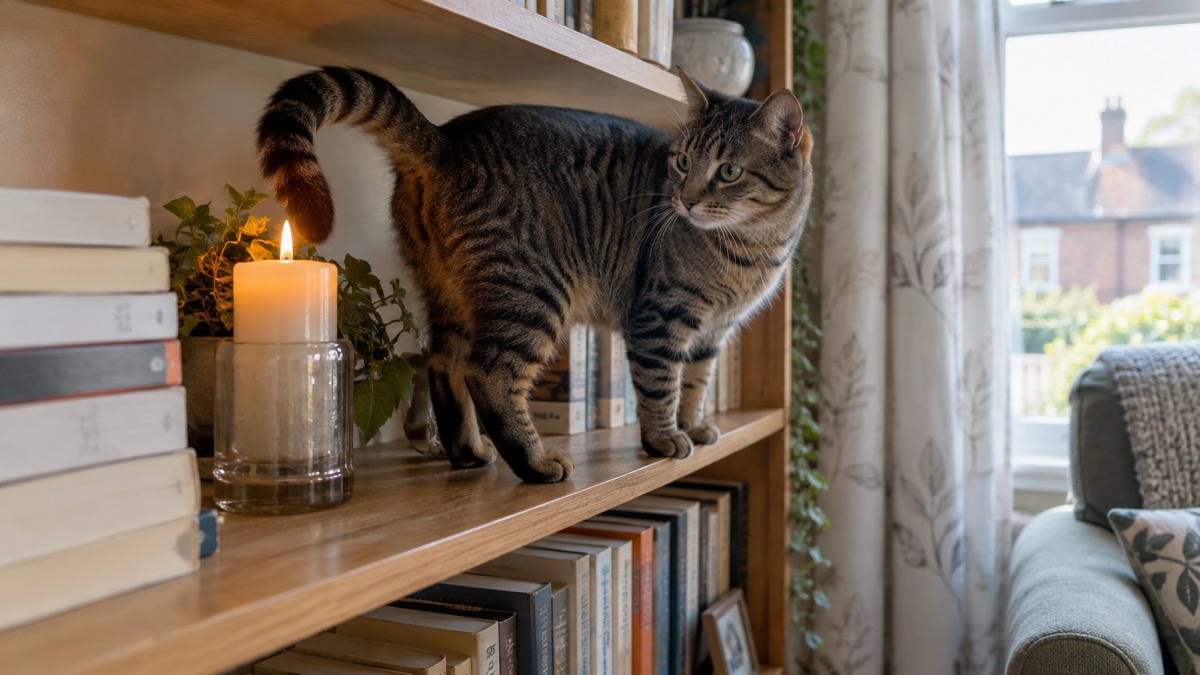
If you have pets, the simplest way to remove the risk is to remove the flame. Fire services repeatedly recommend LED or battery-operated candles as the safer alternative. North Yorkshire Fire & Rescue Service's pet safety campaign says to consider using LED candles, and if you do opt for a real flame, to ensure pets are never left unattended near it, to extinguish candles before leaving a room and never to sleep with a candle burning3. The National Fire Chiefs Council advises considering LED candles instead of candles with a naked flame10.
The reasons go beyond fire risk. Battery-powered candles have almost no fire risk, last longer and are better for the environment because you can replace, recycle or recharge the battery and reuse the candle, according to fire service guidance11. Flameless LED candles can be a safer alternative to tea lights12, and LED candles, battery or wind-up torches are among the products fire services describe as safer for lighting your home13.
| What you need it for | Real candle | LED or battery candle |
|---|---|---|
| General room lighting with pets about | Flame, needs watching2 | Almost no fire risk11 |
| Pumpkins and lanterns at Halloween | Fire services advise against a naked flame14 | Recommended instead of a flame15 |
| Bedroom or night light | Fire services say never use a candle as a nightlight2 | Safe alternative to a flame11 |
| Power cut | Needs a holder and constant supervision16 | Safer way to light your home13 |
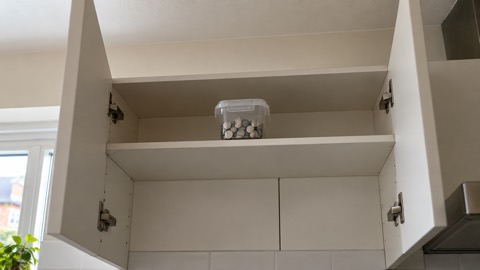
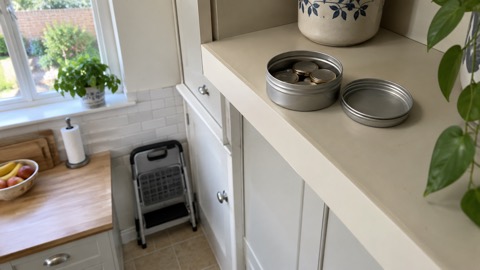
The one thing to watch with LED candles is the battery. Keep spare button and coin cells, and any candle whose battery compartment opens easily, away from pets and children. Check that the cover is secure before you put a candle down where a pet can reach it.
If you use a real flame: holders, placement and putting it out
If you choose to burn a real candle with pets in the house, the fire services' rules are not optional. Secure candles in a proper holder and keep them away from flammable materials like curtains15. Always use a candleholder specifically designed for candle use, heat resistant, sturdy and large enough to contain drips or melted wax, and burn tea lights in or on a suitable, non-flammable holder on a heat resistant surface2. Always make sure candles are in a suitable holder and away from anything flammable4.
Placement matters as much as the holder. Keep candles out of the reach of animals who may knock them over8, and away from soft furnishings, decorations, Christmas trees and wrapping paper9. Never burn a candle on or near anything that can catch fire, and never use a candle as a nightlight2. Do not burn several candles close together, as this might cause the flame to flare8.
Putting it out properly is part of using it safely. Never leave burning candles unattended, extinguish before going to sleep and be sure the wick ember is no longer glowing2. Make sure candles and open fires are out before you leave the house or go to bed1. London Fire Brigade's bedtime checks say to put candles, incense sticks and oil burners out and never leave them unattended or burning when you are asleep17.
If you have an open fire or log burner as well as candles, the same rules apply. Keep the fire guarded, keep pets back, and make sure it is out before you leave the house or go to bed1.
Power cuts: lighting your home safely with pets around
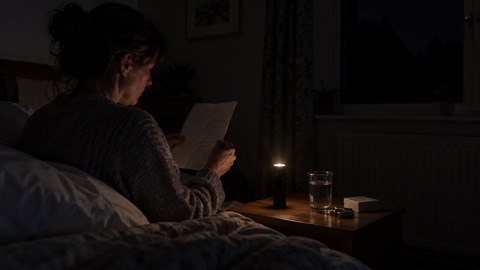
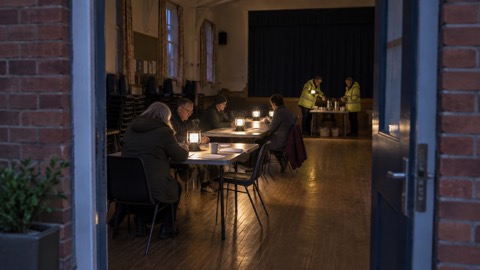
When the power goes off, the temptation is to reach for candles. Fire services in Scotland advise making sure lit candles are kept in candle holders16, and Northern Ireland guidance on preparing for a power cut includes keeping a supply of candles19. But a power cut is exactly when pets are most likely to be unsettled, and exactly when a naked flame is hardest to supervise.
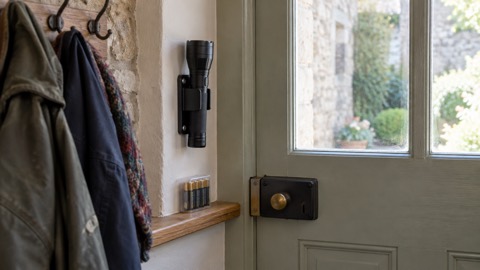
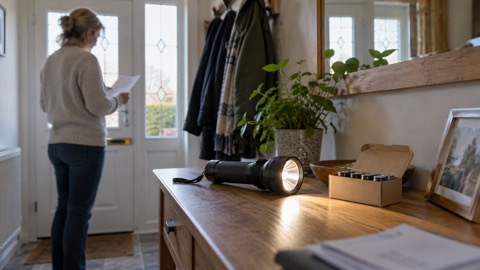
The safer approach is to plan for battery lighting before the power goes. LED candles and lights, battery or wind-up torches are safer products to light your home, and it is much safer to use an LED candle or torch to light your way13. Keep a torch or lantern where you can find it in the dark, and use it to move around the house rather than carrying a candle.
If you do use candles during a power cut, treat every one as a supervised flame. Keep them in holders16, out of reach of pets8, and put them out before you sleep17. Never use a candle in a bedroom or anywhere you might fall asleep4. For more on lighting a home without power, see Lighting Your Home Safely When the Power Goes Off and the power cut checklist.
Halloween and Christmas: the riskiest weeks for pets and candles
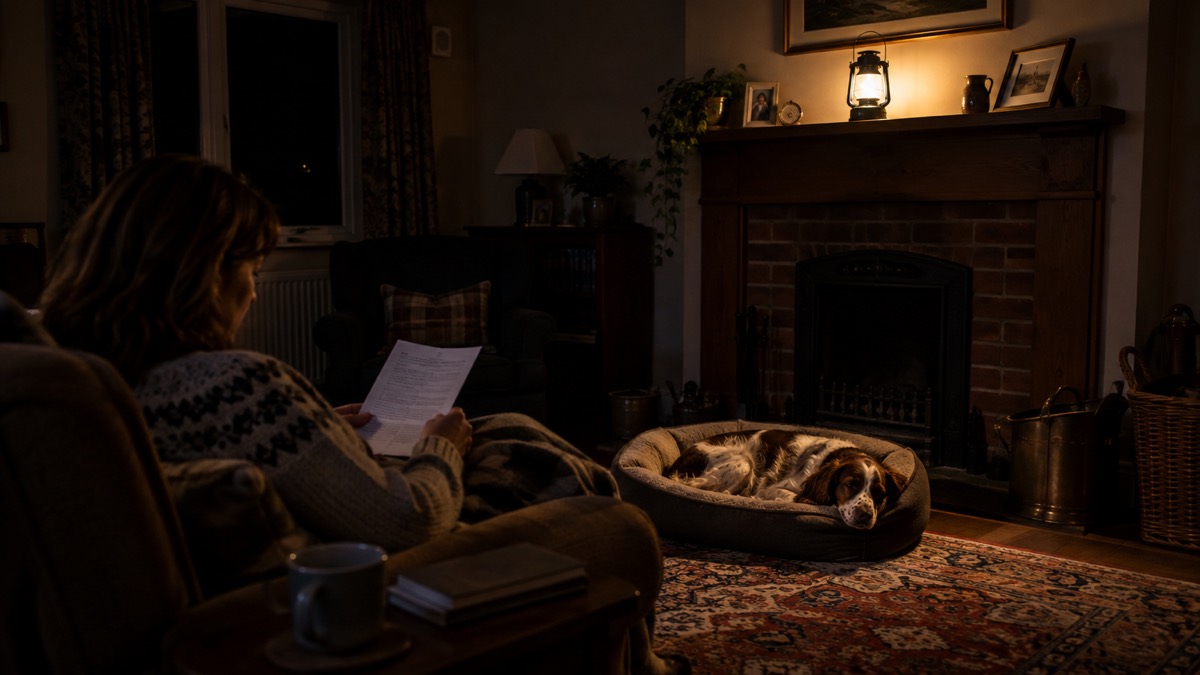
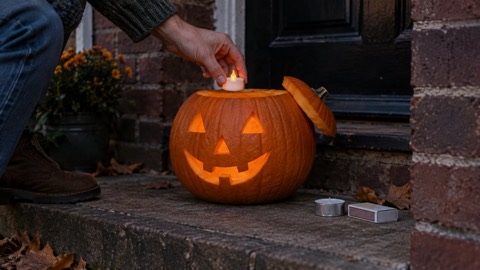
The festive season is when candles and pets are most often in the same room. Fire services issue warnings every year. At Halloween, use battery-operated candles in pumpkins and lanterns, which are much safer than traditional candles15. Avoid using a naked flame or candle in pumpkins and use a torch, glow stick or battery-operated candle instead14. Place candles, pumpkins or any flame out of the way of trick-or-treaters, doorways and paths20.
At Christmas, keep candles away from soft furnishings, decorations, Christmas trees and wrapping paper, and ensure they are out of reach from pets and children9. Keep all costumes and decorations well away from flames15. Fancy dress costumes can very easily catch fire, and fire services advise avoiding wearing them when near a naked flame or heat source6. If a pet is dressed up, keep the costume away from candles and check it does not trail near a flame.
| Season | The risk | What fire services advise |
|---|---|---|
| Halloween | Candles in pumpkins, costumes near flames | Battery-operated lights in pumpkins15; keep costumes away from flames15 |
| Christmas | Candles near trees, decorations and wrapping paper | Keep candles away from all of these and out of reach of pets9 |
| Bonfire Night | Pets hiding in bonfires | Ensure no animals are hiding in the bonfire before you light it21 |
For more on seasonal candle safety, see Using Candles Safely at Christmas and Should You Use Battery Tea Lights in a Pumpkin?.
Where to get help and what to check
If you are unsure whether your candle use is safe, your local fire and rescue service can help. Many offer free home fire safety visits, and fire services publish candle safety guidance for households2. The National Fire Chiefs Council also publishes advice on fire risk in the home10.
Check your smoke alarms work, and test them regularly. A working alarm gives you and your pets the warning you need to get out. If a fire does start, get out, stay out and call 999. For burns, the NHS advises cooling the burn under cool running water, but this page does not cover first aid beyond that; seek medical help for any burn that is more than superficial22.
For more on candle safety in general, see Candle Fire Safety at Home and the Candle Safety Checklist. For lighting your home without a flame, see Emergency Lighting at Home: Torches, Lanterns and Candles and LED Candles or Real Candles: Which Is Safer?.
Sources (22)
- Protect Your Pets, North Yorkshire Fire & Rescue Service, 2025-03-10
- Candle Safety, North Yorkshire Fire & Rescue Service, 2026-10-14
- Pet Safety Campaign, North Yorkshire Fire & Rescue Service, 2025-03-11
- Candles, Merseyside Fire & Rescue Service, 2026-10-26
- Candle Safety, Cumbria Fire & Rescue Service, 2026-10-26
- Celebrate Safely, Humberside Fire & Rescue Service, 2026-10-26
- Candles, Devon and Somerset Fire and Rescue Service, 2026
- Candle Safety, Carmarthenshire County Council, 2026-06-26
- NIFRS Home Fire Safety Appeal, Northern Ireland Fire & Rescue Service, 2025-12-12
- Know the Fire Risk, National Fire Chiefs Council, 2026-10-07
- Stay Warm Safely in Winter, Devon and Somerset Fire and Rescue Service, 2026
- LFB Extreme Weather Winter Guide, London Fire Brigade, 2025-01
- Cost of Living Toolkit, National Fire Chiefs Council, 2022
- Don't Let Fire Turn Your Halloween Into a Nightmare, Northern Ireland Fire & Rescue Service, 2026-10-21
- Halloween Safety Tips, North Yorkshire Fire & Rescue Service, 2025-10-24
- Power Cuts, Scottish Fire and Rescue Service, 2026-10-25
- Bedtime Checks, London Fire Brigade, 2026-10-25
- Chimney Fire Safety Week, North Yorkshire Fire & Rescue Service, 2026-09-08
- Strong Winds Weather Warning Information and Advice, nidirect, 2026-10-24
- Halloween Candle Safety, Scottish Fire and Rescue Service, 2023-10-17
- Fireworks and Bonfire Night, North Yorkshire Fire & Rescue Service, 2026-10-02
- Burns Prevention and Tips, Mid and South Essex NHS Foundation Trust, 2026-10-25
 Spare Batteries for Lights
 Candle Safety Checklist
 Lighting Checks Before Winter
 Can Jar Candles Shatter
 Battery Tea Lights in a Pumpkin
 Finding Torches in the Dark
 Red Light Mode on a Head Torch
 SOS and Strobe Modes
 IPX Ratings for Torches
 Torch Battery Runtime
 Camping Lantern Run Time
 Using a Torch While Charging
 Looking Into a Bright Torch
 Storing Spare Coin Cells
 Flat Button Battery Dangers