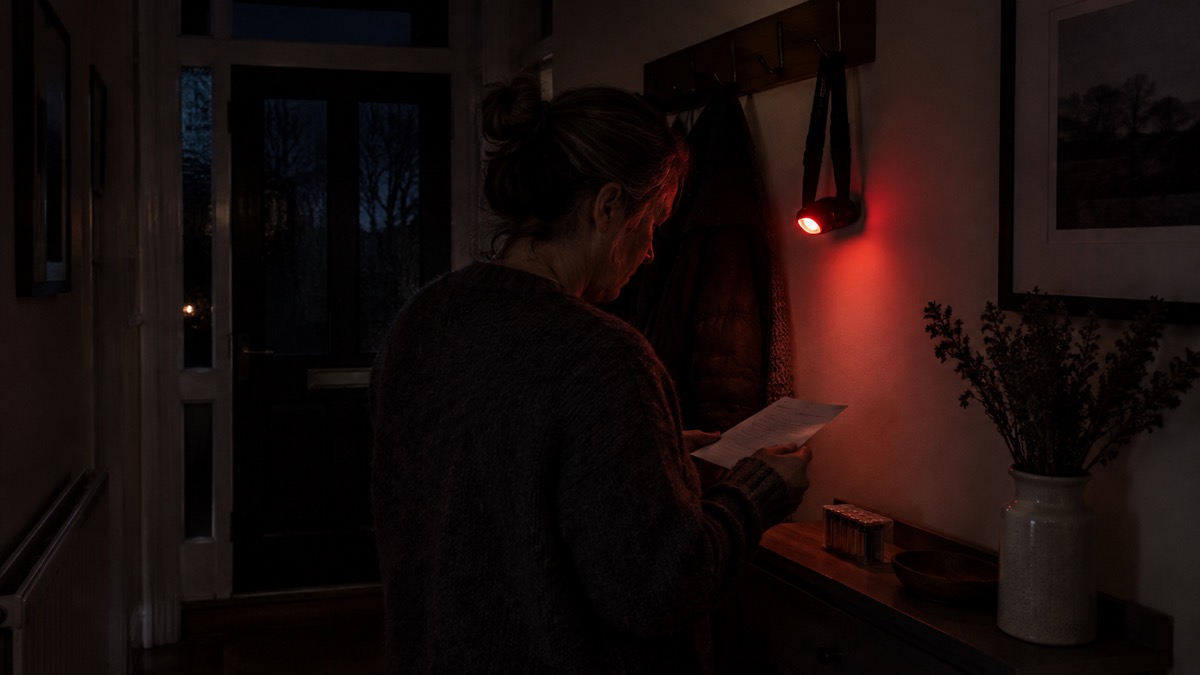
Red light mode on a head torch is there so you can see what you are doing without losing your night vision. The makers put it on the torch for exactly that reason: Ledlenser says red light helps preserve night vision1, and GP says its red LED lets you switch from white light to red to preserve your night vision2. In a power cut, that matters less than having any working torch at all. The official advice is simple: keep a battery or wind-up torch and spare batteries at home, because torches are safer than candles3.
So the practical answer has two parts. If you already own a head torch with a red mode, use it for moving about a dark house, checking on a child, or reading without waking anyone, and keep the white beam for when you need to see properly. If you do not own one, buy on the basics first: a torch you can find in the dark, with spare batteries beside it. Red light is a useful extra, not the reason to buy.
This page explains what red mode does, how to switch to it without fumbling, how to store spare batteries, and why a torch beats a candle when the power goes off.
What red light mode on a head torch is for
A head torch with a red mode gives you two kinds of light from one unit. The white beam is for seeing detail: a fuse box, a plug, a page. The red beam is dimmer and does not bleach your eyes, so when you switch it off you can still see the shapes around you rather than waiting for your pupils to adjust. Ledlenser describes red as helping to preserve night vision, and on its HF6R model says red "allows you to illuminate your immediate surroundings without disrupting your natural low-light vision"8. GP makes the same point about its Tough Work head torch, which has a red light option to preserve night vision2.
Some torches go further. The Ledlenser H21R and H9R Pro add green and blue modes: green for wildlife observation and blue for liquid and surface detection, according to the maker9. For a household preparing for power cuts, those are outdoor and specialist uses. Red is the one that earns its place indoors.
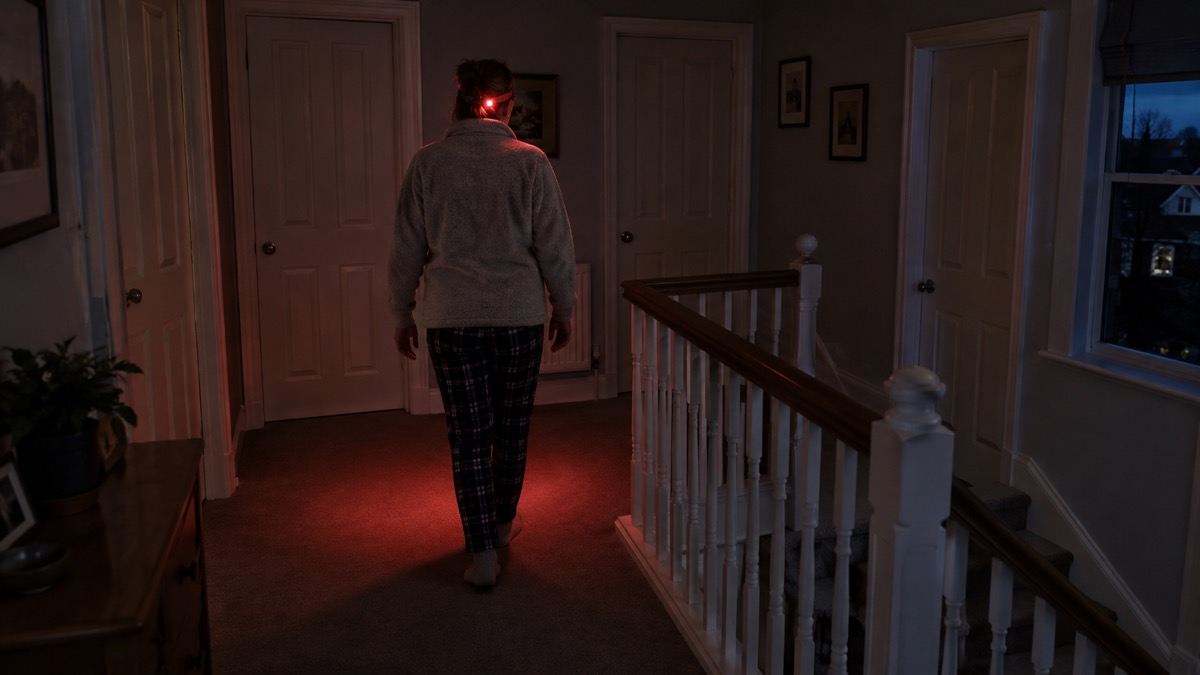
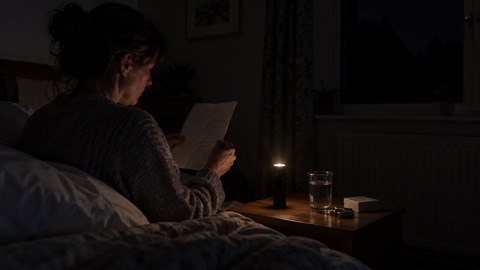
There is a second, quieter benefit. Red light is less disruptive at night. If you are checking on a sleeping child, finding the bathroom, or getting up in a cold house, a red beam lets you do it without switching on a room light or shining a white beam in someone's face. The same applies to a red rear light on some models, which Ledlenser says adds visibility to others in low-light conditions9.
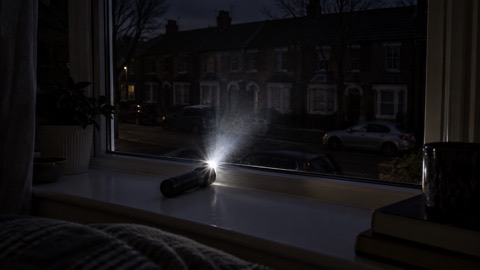
What red mode is not for is seeing fine detail or signalling for help over distance. For that, use the white beam, and if your torch has an SOS or beacon mode, learn where it sits in the cycle. The GP XPLOR PHR17, for example, has SOS and beacon modes alongside its red night vision mode10.
Keep a torch with spare batteries where you can reach it
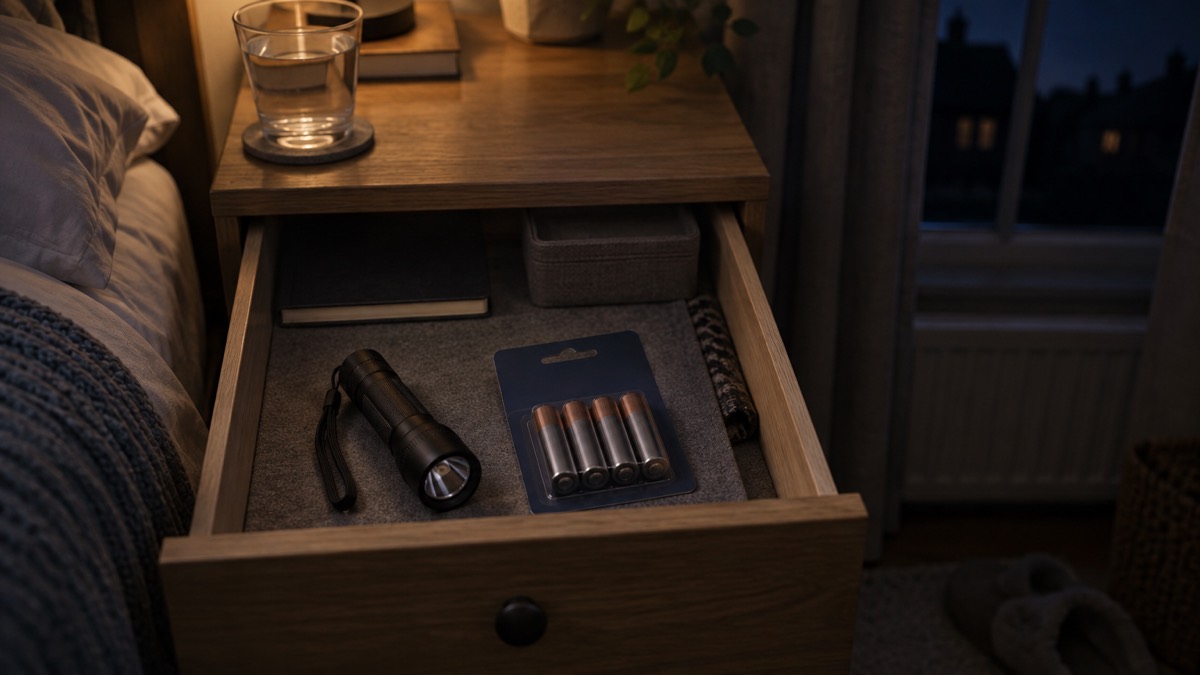
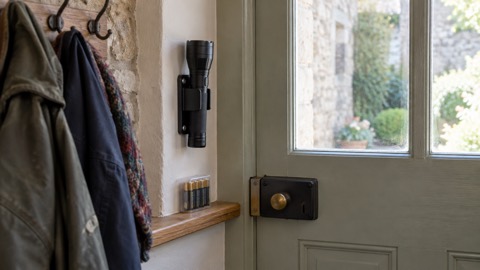
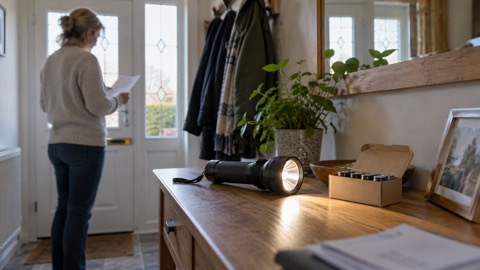
The single most useful thing you can do is decide where the torch lives and make sure everyone knows. Northern Power Grid's advice is to keep a torch with spare batteries in an accessible location4. Electricity North West says to keep a battery-operated or wind-up torch somewhere easy to find11. The parish guidance from Horsted Keynes puts it in terms of people rather than places: make sure everyone in your home knows where the torches are kept, so the nearest person can retrieve them and then safely help others5.
That last point is worth dwelling on. In a power cut the lights go out suddenly, often in the evening, and the person nearest the torch is not always the person who put it there. A torch in a drawer nobody else has opened is, for practical purposes, a torch you do not own.
- Keep the torch and its spare batteries together, in the same place4.
- Choose somewhere you can reach without a light: a bedside drawer, a hall shelf, a kitchen hook11.
- Tell everyone in the household where it is, including children old enough to fetch it5.
- Check the batteries regularly and replace them before they run flat12.
- If you have a car, keep a torch and spare batteries in it too13.
Wiltshire and Swindon Prepared adds the obvious follow-on: if the torch is battery operated, make sure you have spare batteries12. A torch with a flat battery is a torch-shaped object.
Battery-powered or wind-up: the safest torch options
Official guidance across the UK points the same way. The government's power cuts advice says to keep a battery or wind-up torch and spare batteries at home, and that torches are safer than candles3. The Scottish emergency kit list includes a battery-operated torch and spare batteries, or a wind-up torch13. Northern Power Grid simply says avoid using candles as they can pose a fire risk4.
The choice between the two comes down to what you want from the torch.
| Type | What it does for the household | What to watch |
|---|---|---|
| Battery torch or head torch | Works instantly; brightness and run time set by the batteries and the model10 | Needs spare batteries kept with it12 |
| Wind-up (dynamo) torch | No batteries to run out; appears in official kit lists as an alternative3 | Needs winding by hand; follow the maker's instructions for your model |
| Rechargeable torch | Recharged by cable, for example USB-C on the Ledlenser HF6R8 | Needs power to recharge, which a power cut may remove |
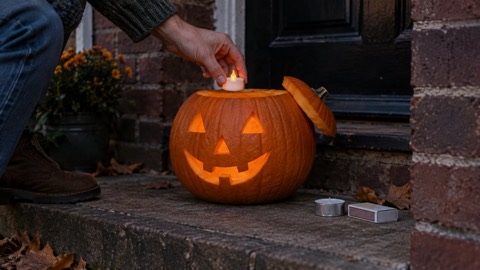
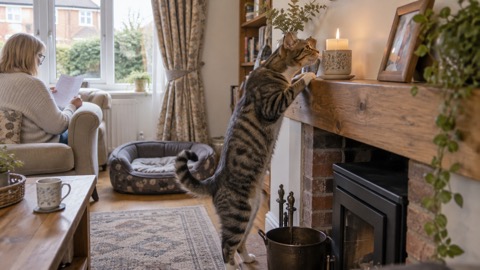
| Battery-powered candle or LED light | Fire services call these the safest way to have candlelight14 | Keep batteries away from children and pets7 |
A head torch has one practical advantage over a hand torch in a power cut: it leaves both hands free for carrying a child, holding a phone, or finding the fuse box. If you are choosing between the two, our page on torch or head torch for a power cut sets out the trade-offs, and head torches for power cuts and jobs in the dark covers the type in more detail.
For most households the sensible answer is one of each: a head torch for hands-free work and a hand torch or lantern for lighting a room. Our guide to torches: types and how to choose one for home explains the difference, and battery and rechargeable lanterns covers lights that fill a room rather than a beam.
Where a torch is better than a candle in a power cut
Every official and network source in this area says the same thing: use a torch, not a candle. Fire and rescue services, electricity network operators and the government all give the same reason, which is fire risk.
"Keep a battery or wind-up torch (and spare batteries) at home. Torches are safer than candles."
The detail varies slightly by nation and by source, but not the direction. Fire Scotland says to use battery-operated lights or torches as an alternative light source during a power cut6. Electricity North West advises a battery or wind-up operated torch or lantern instead of a candle, kept in an easily accessible location15. The Northern Ireland government's severe weather advice says preferably use a torch, oil or gas lamp as a source of light rather than candles16. National Grid's preparedness guidance says have a portable light such as a lantern or torch ready, and that it is best not to use candles or paraffin lights17. The British Red Cross says avoid using candles where possible as they increase the risk of fire18.
If you are weighing up the alternatives, our comparison of LED candles or real candles goes through the safety case, and candle fire safety at home covers what to do if you do use real ones. For the wider picture of lighting a home through an outage, start with lighting your home safely when the power goes off.
Switching modes in the dark, and storing spare batteries
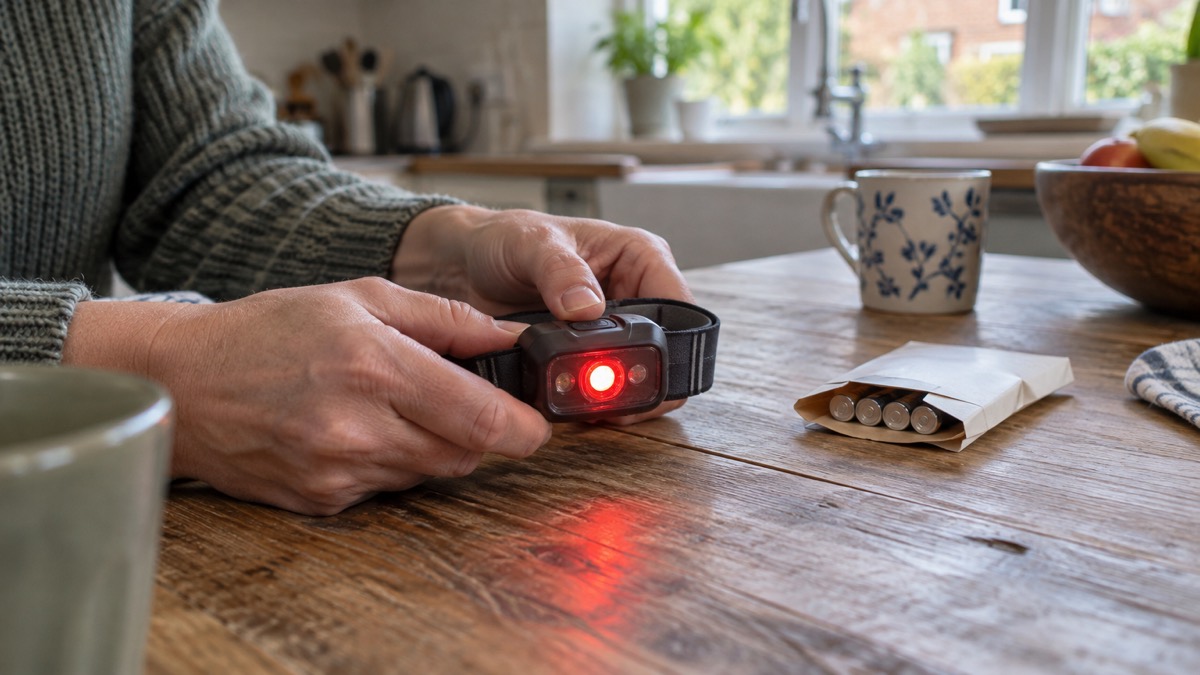
A red mode is only useful if you can find it without looking. Torches cycle through their modes in a fixed order, so the trick is to learn the sequence before you need it. The GP Discovery Tough Work CHW53 runs Turbo, High, Med, Low, Red and Red Flashing2. The CH43 runs High, Med, Low, Red and Red Flashing19. The CH44 adds an Eco setting before red20. Ledlenser's HF4R Signature RGB has Low, Mid, Standard and Boost power modes plus a Blink Mode to bring attention to yourself in an emergency21.
Practise with the torch held at arm's length and your eyes closed. Count the presses to red. Do it a few times and your thumb will remember.
Storage matters as much as switching. A torch that switches itself on in a drawer is flat when you need it. Ledlenser's HF4R Signature RGB and MH11 both have a transport lock mode, which the maker says prevents accidental battery drain and accidental activation during storage and carry22. Use it if your torch has one.
For spare batteries, the rules are simple:
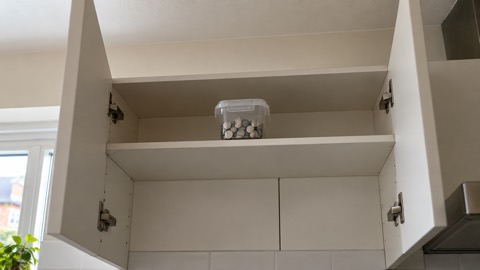
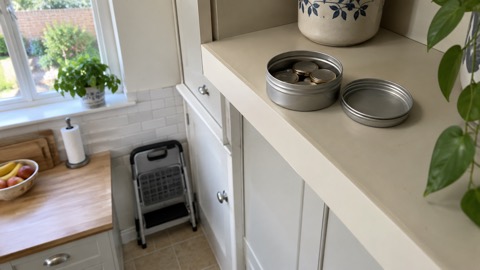
- Store them away from children and pets; fire services warn about battery access in LED candles for exactly this reason7.
- Avoid using candles where possible, as they increase the risk of fire12.
Our pages on torch batteries: AA, AAA, 18650 and built-in packs and charging and storing rechargeable torches safely go further, and spare batteries to keep for your lights is a checklist you can work through.
Torches for children, and other people in the household
A torch is one of the few pieces of emergency kit a child can be given and trusted with. It has no flame, no heat and no fuel. Fire services make the contrast directly: the safest way to have candlelight is an LED battery-operated candle, with the batteries kept where children and pets cannot reach them7. A torch avoids the question altogether.
Ledlenser makes a children's rechargeable head torch, the KidLED4R, in a Red Fire Service design24. Whether or not you buy a child-specific model, the principles are the same: give them a torch they can switch on themselves, show them where it lives, and keep the spare batteries out of reach. Our page on torches, candles and children covers this in more detail.
For older people and anyone with limited mobility, the priority is reach rather than mode. A torch on a bedside table, within arm's reach of the bed, is worth more than a brighter one in a cupboard. Our guide to lights for older and disabled people in a power cut sets out what helps, and Mersey Care's community equipment service has advice on what to do in a power cut for people who rely on equipment at home11.
Sources (25)
- Ledlenser H9R Pro Rechargeable Head Torch 2026, Ledlenser, 2026
- GP Discovery Tough Work Head Torch CHW53, GP Batteries, 2026-10-25
- Power cuts, UK government (Prepare), 2026-10-21
- Be prepared, Northern Power Grid, 2026-10-26
- 12 tips to prepare for a power cut, Horsted Keynes Parish Council, 2026
- Power cuts, Fire Scotland, 2026-10-25
- Candles, Merseyside Fire and Rescue Service, 2026-10-26
- Ledlenser HF6R RGB Rechargeable Head Torch 2026, Ledlenser, 2026-10-26
- Ledlenser H21R Rechargeable Head Torch 2026, Ledlenser, 2026-10-25
- GP XPLOR Compact Head Torch PHR17, GP Batteries, 2026-10-25
- What to do in a power cut, Mersey Care NHS, 2026-10-25
- How to prepare for the loss of electricity, Wiltshire and Swindon Prepared, 2026-10-25
- Emergency kit, Ready Scotland, 2026-10-22
- Stay warm safely this winter, Devon and Somerset Fire and Rescue Service, 2026
- Tips to prepare for a power cut, Electricity North West, 2026-10-26
- Strong winds and heavy rain warning: information and advice, nidirect, 2026-01-27
- Being prepared, National Grid, 2026
- Power cut, British Red Cross, 2026-10-25
- GP Discovery Multi-Purpose Head Torch CH43, GP Batteries, 2026-10-25
- GP Discovery Motion Sensor Head Torch CH44, GP Batteries, 2026-10-25
- Ledlenser HF4R SIGNATURE RGB Rechargeable Head Torch, Ledlenser UK
- Ledlenser HF4R Signature RGB Rechargeable Head Torch, Ledlenser, 2026-10-25
- Ledlenser MH11 RGB Rechargeable Head Torch, Ledlenser, 2026-10-25
- Ledlenser KidLED4R Rechargeable Head Torch, Ledlenser, 2026-10-26
- Get storm ready, NIE Networks, 2025-12-03
 Spare Batteries for Lights
 Candle Safety Checklist
 Lighting Checks Before Winter
 Can Jar Candles Shatter
 Battery Tea Lights in a Pumpkin
 Keeping Pets Away from Candles
 Finding Torches in the Dark
 SOS and Strobe Modes
 IPX Ratings for Torches
 Torch Battery Runtime
 Camping Lantern Run Time
 Using a Torch While Charging
 Looking Into a Bright Torch
 Storing Spare Coin Cells
 Flat Button Battery Dangers