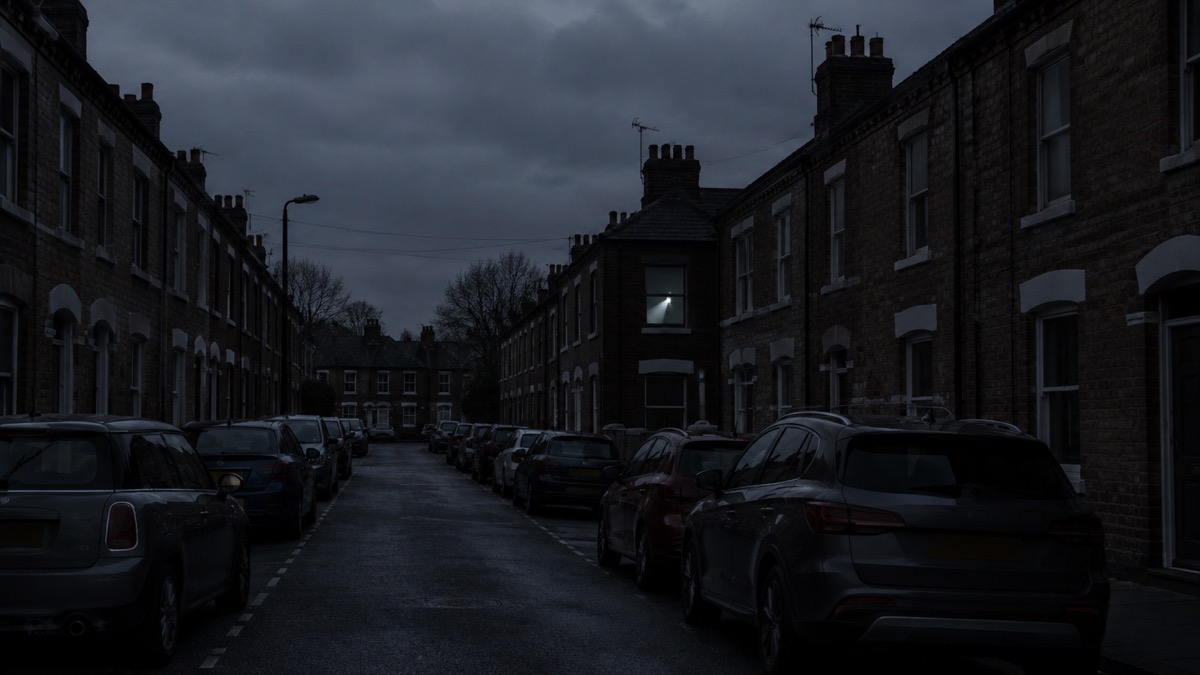
The Ledlenser HF6R is a rechargeable head torch that leaves both hands free, which is exactly what you want when the power goes off and you are finding the fuse box, checking on a neighbour or moving round a dark kitchen. The maker lists it in several versions, and the figures that matter for an emergency are these: up to 1,000 lumens and a 190 metre beam on the SIGNATURE, up to 60 hours on Low Power at 20 lumens, a full charge in 225 minutes, and a weight of around 130 g1.
For a household getting ready for a power cut, the useful setting is not the brightest one. On Low Power the torch gives 20 lumens and 25 metres for 60 hours, which is enough to cross a room, read by or find your way to the stairs, and it will last several evenings on a single charge2. The Boost mode is a short burst of maximum power for when you need it most, not something to leave running2.
This page sets out what each version does, how long it runs, how to charge and store it so it is ready when you need it, and how to use it safely. It is written for a household preparing for a power cut, storm, flood or other emergency, so it concentrates on the things that matter then rather than on everyday features.
Which HF6R version to choose
The HF6R family is not one torch. The maker lists a CORE, a WORK and a SIGNATURE, and the differences that matter in an emergency are brightness, run time, battery capacity and whether the battery can be swapped or backed up with disposable cells. The HF series page sets the family out side by side, and the maker's own Ledlenser brand page lists the range.
| Version | Boost brightness and beam | Low Power run time | Battery | Weight |
|---|---|---|---|---|
| HF6R CORE | 800 lumens, 160 m2 | 60 hrs at 20 lumens, 25 m2 | 2,000mAh, integrated, not user-replaceable2 | 126 g2 |
| HF6R WORK | 800 lumens, 160 m3 | 60 hrs at 20 lumens, 25 m3 | Not stated on the maker's page | 134 g3 |
| HF6R SIGNATURE | 1,000 lumens, 190 m4 | 60 hrs at 20 lumens, 25 m5 | 2,400mAh5 | 130 g1 |
| HF6R (2026) | 900 lumens, 180 m6 | 60 hrs at 20 lumens, 15 m6 | 2,400mAh, with Connect Adapter for disposable batteries6 | Not stated on the maker's page |
The CORE is the simplest choice for a household that wants one torch charged and ready. Its battery is integrated and not user-replaceable, so when the cell eventually wears out the torch is replaced rather than re-celled2. The WORK is the version the maker lists with a high colour rendering index of 80, which makes colours look truer under the beam, and a warmer colour temperature of 4600k to 5400k3. The SIGNATURE adds the higher 1,000 lumen output and the 190 metre beam, and the SIGNATURE RGB adds red, green and blue front light options4.
If you want the option of running the torch on ordinary disposable batteries when there is no power to recharge, the 2026 HF6R is the one the maker lists with a Connect Adapter that allows standard disposable batteries to be used as a backup power source6. That is a meaningful difference in a long outage, and it is worth checking which version you are buying before you rely on it.
Brightness and beam: up to 1,000 lumens and 190 metres
Brightness figures are easy to misread. A lumen is a measure of light output, and beam distance is how far the torch throws a usable amount of light. The maker lists the HF6R SIGNATURE at 1,000 lumens and 190 metres, the 2026 HF6R at 900 lumens and 180 metres, and the CORE and WORK at 800 lumens and 160 metres on Boost4. The guide to lumens and beam distance explains what those numbers mean in a room.
In a power cut, the brightest setting is rarely the one you want. A 1,000 lumen beam pointed at a wall will dazzle everyone in the room and ruin their night vision. The maker's own mode list is the better guide: Low Power, Mid Power, Standard Power and Boost, with Boost described as a short burst of maximum power for when you need it most2. Use Low Power indoors, Mid Power for moving around outside, and save Boost for checking a path, a garden or a distant building.
The beam distance figures also differ by mode. On Mid Power the WORK is listed at 80 metres2. Where the maker's own pages disagree, plan on the shorter figure.
The CORE and the 2026 HF6R share the maker's Digital Advanced Focus System, which lets you widen or narrow the beam by twisting the head. The 2026 HF6R adds Adaptive Light Beam, which adjusts brightness and focus automatically, and the maker states this is not available on the CORE2. For emergency use, a manual focus is perfectly adequate; the automatic system is a convenience rather than a necessity.
Run time: up to 60 hours on low power
The headline run time for the HF6R family is 60 hours on Low Power at 20 lumens, and the maker lists that figure for the CORE, the WORK, the SIGNATURE RGB and the 2026 HF6R2. That is the number to plan around. If a power cut lasts an evening, a single charge will cover it several times over on the low setting.
Mid Power is where the figures start to diverge, and where the maker's pages do not always agree:
- HF6R CORE: 250 lumens, 80 metres, 6 hours2
- HF6R WORK: 200 lumens, 80 metres, 8 hours3
- HF6R SIGNATURE RGB: 250 lumens, 70 metres, 8 hours on one page, and 250 lumens, 80 metres, 6 hours on another5
- HF6R WORK on Standard Power: 500 lumens, 140 metres, 3 hours3
Where two maker pages give different figures for the same torch, there is no ruling, so take the shorter run time for planning. The HF6R WORK is quoted at 8 hours on Mid Power at 200 lumens3, while the low power setting of 20 lumens gives 60 hours3. If you expect to use the torch on Mid Power for a whole evening, plan around the shorter figure and recharge before you need it rather than after.
The practical lesson is to match the setting to the job. A household moving around a dark house needs very little light. Leaving a torch on Boost or Standard Power will flatten it in a few hours, while Low Power will run for days of evenings. The guide to torch run time goes through how battery life changes with brightness.
Battery and charging: 225 minutes to full
The CORE, the WORK and the SIGNATURE RGB are each listed at 225 minutes to a full charge2. That is just under four hours, so a torch put on charge in the early evening will be ready before bed. The CORE comes with a magnetic charging cable, a Ledlenser Connect Adaptor and an adhesive headband comfort pad2.
Battery capacity differs across the range. The CORE has a 2,000mAh lithium-ion battery that is integrated and not user-replaceable2. The SIGNATURE RGB and the 2026 HF6R use a 2,400mAh battery, which the maker says is larger than the standard HF4R series, supporting the higher output and delivering up to 60 hours at low power from a single charge5. The maker also lists the SIGNATURE RGB as sharing a 2,400mAh battery with the HF6R Signature, with identical output levels8.
A larger battery means more run time at the same brightness, but it also means a longer wait if you have left it flat. The guide to charging and storing rechargeable torches covers how to keep a torch topped up without overcharging it, and the guide to torch batteries explains the difference between built-in packs and cells you can swap.
Weight and water protection: 130 g and IP68
A head torch is only useful if you forget you are wearing it. The maker's family page gives 130 g for the HF6R and the HF6R Signature1. The head can be tilted through 45 degrees on the CORE, the WORK and the SIGNATURE RGB, so you can point the beam at your hands or at the floor without moving your head2.
The water protection rating is IP68 on the WORK and the SIGNATURE RGB3. The maker spells out what that means: water resistant in fresh water to a maximum depth of 1.5 metres for up to 30 minutes3. That covers rain, splashes, a drop in a puddle and use in a damp loft or under a leaking roof. It does not cover swimming, diving or leaving the torch submerged. The guide to IP ratings explains what the numbers mean.
The SIGNATURE RGB is also listed with a drop test of 2 metres9. That is a useful figure for a torch that may be dropped on a dark staircase or a wet path, though it is a test result rather than a guarantee.
Red, green and blue light on the SIGNATURE
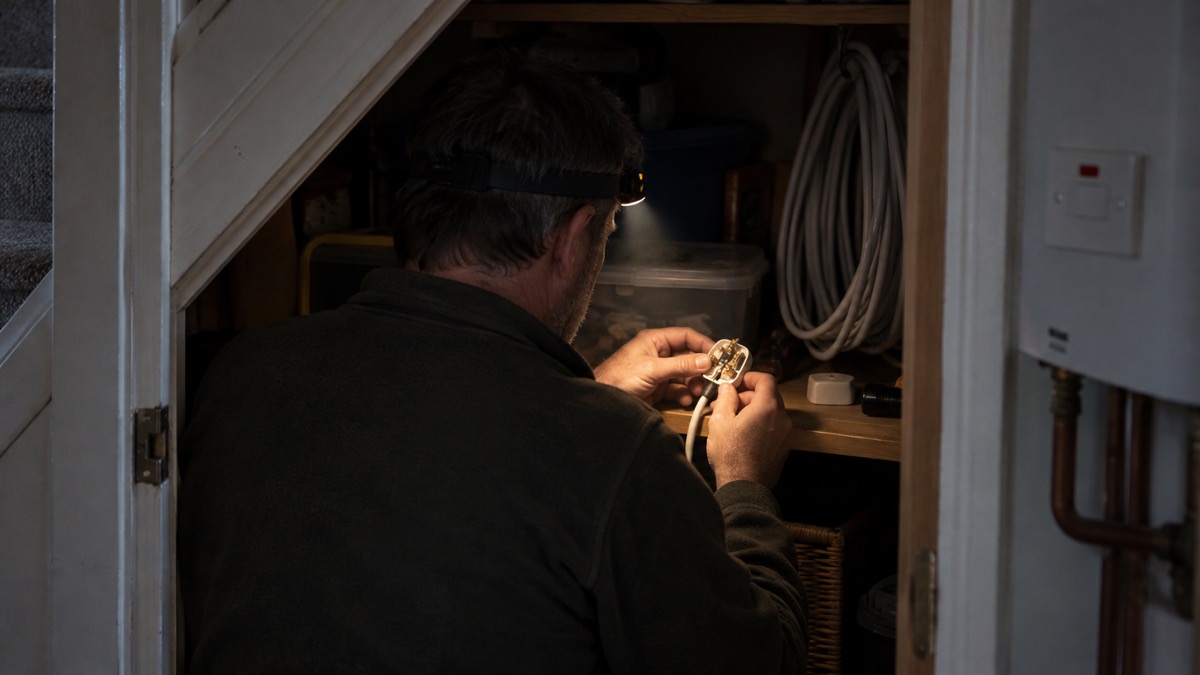
The colour modes are the clearest difference between the versions. The CORE has a red front light alongside its white modes, and the maker lists its LED colour as white and red2. It does not have green or blue modes8. The SIGNATURE RGB adds red, green and blue front light options alongside Low Power, Mid Power, Standard Power, Boost and Blink Mode5.
Each colour has a job, according to the maker:
- Red preserves night vision by avoiding the eye adjustment required after white light exposure6. It is the setting for moving around a dark house or checking on someone asleep without waking the whole household.
- Green reduces visibility to many animals, making it the preferred choice for wildlife observation and nature photography5.
- Blue enhances visibility of surfaces and objects in low light, useful for waterside activities and spotting wet terrain5.
For emergency use, red is the one most households will actually use. The guide to red light mode explains why it protects your night vision, and the guide to SOS and strobe modes covers the Blink Mode the SIGNATURE RGB includes for bringing attention to yourself in an emergency8.
Using the HF6R in a power cut or an emergency
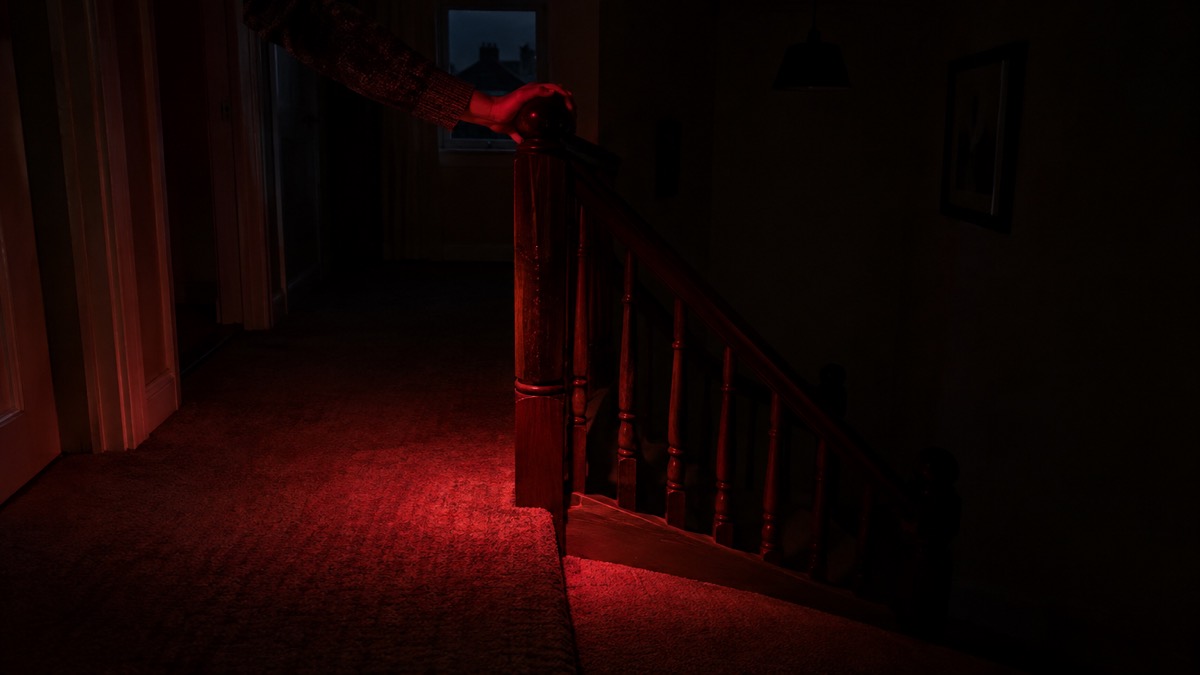
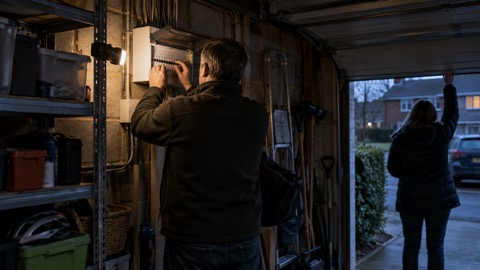
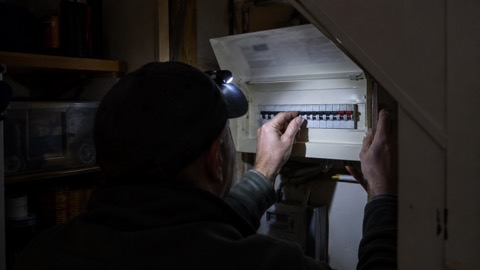
A head torch earns its place in an emergency kit because it does what a hand torch cannot: it lights the job while both hands are busy. That matters when you are finding the trip switch, lighting a candle, reading a meter, comforting a child or carrying a bowl of water. The head torches guide compares them with hand torches, and the torch or head torch comparison sets out which suits which job.
To keep the HF6R ready between emergencies:
- Charge it fully and check it every few months. The CORE, the WORK and the SIGNATURE RGB are each listed at 225 minutes to a full charge2. Put a reminder in with your other seasonal checks; the winter lighting checklist lists what to look at.
- Use the transport lock. The maker lists a transport lock on the CORE, the WORK and the SIGNATURE RGB to prevent accidental battery drain in storage2. A torch that switches itself on in a drawer is flat when you need it.
- Store it where you can find it in the dark. The guide to finding torches in the dark covers where to keep it, and the power cut checklist lists the lights a household should have ready.
- Keep the charging cable with the torch. The CORE comes with a magnetic charging cable2. A torch you cannot recharge is a torch with one charge left.
- Plan for a long outage. If the power may be off for more than a day, a torch that can take disposable batteries as a backup, like the 2026 HF6R with its Connect Adapter, gives you a second source of power6.
The HF6R is not a room light. A head torch lights the job in front of you, not the whole room, so pair it with a lantern or a ceiling light for general lighting. The lantern or torch comparison explains the difference, and the emergency lighting section covers the full range of options for a household.
Support and warranty
The HF6R is sold by Ledlenser, and the maker's product pages carry the specification for each version2. Keep the model name and, for the WORK, the model number 502798, so you can identify the torch if you need support3. The maker lists the CORE in five colourways, black, white, blue, red and limited edition teal, which helps you describe the exact torch you own2.
The maker's pages do not state a warranty period for the HF6R in the material available here, so check the terms that came with your torch or ask the seller. If a torch is recalled or found unsafe, stop using it and follow the recall notice; the recalls page explains how to check and report.
Sources (9)
- HF Series Head Torches, Ledlenser, 2026-10-25
- HF6R CORE Rechargeable Head Torch 800 Lumens, Ledlenser, 2026-10-25
- HF6R WORK Head Torch, Ledlenser, 2026-10-26
- HF7R Signature Rechargeable Head Torch 2026 1300 Lumens, Ledlenser, 2026-10-25
- HF6R Signature RGB Rechargeable Head Torch 2026 1000 Lumens, Ledlenser, 2026-10-25
- HF6R Rechargeable Head Torch 2026 900 Lumens, Ledlenser, 2026-10-26
- HF6R Signature Head Torch, Ledlenser, 2026-10-26
- HF8R CORE RGB Rechargeable Head Torch, Ledlenser, 2023
- Ledlenser HF6R SIGNATURE RGB Rechargeable Head Torch, Ledlenser UK

 NEBO Galileo Tempest 350
 NEBO Newton 500 Torch
 NEBO Davinci 800L
 NEBO Luxtreme SL25R
 NEBO Master Series SL25
 NEBO 8K Flood Light
 NEBO 5K Floodlight
 NEBO Torchy 2K Torch
 NEBO Torchy 600 Flex
 NEBO Tac Slyde Torch
 NEBO Slyde King 4K
 NEBO Mycro 900+ Headlamp