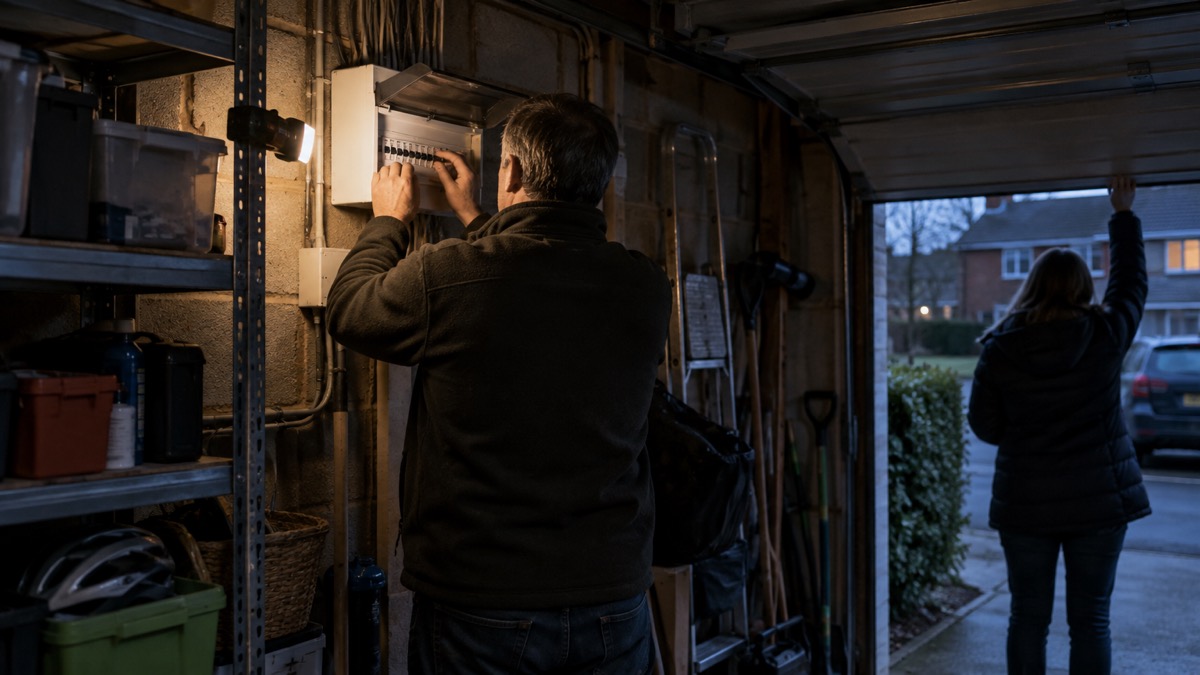
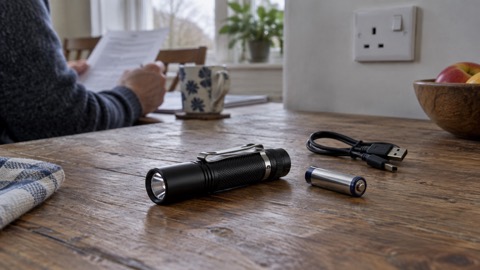
The NEBO Tac Slyde is a torch you can keep for the evening the power goes off. It is a 300 lumen LED torch with a 200 lumen work light built into the same body, and a magnetic base so it can be stuck to a metal surface and left to light a job while both your hands are free1. It runs on three AAA batteries, which the maker says are included, and it has a 12x adjustable zoom that takes the beam from a wide flood to a focused spot1.
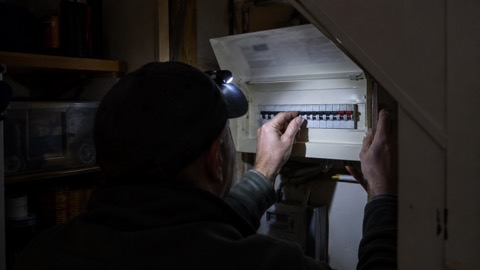
What makes it useful in a power cut is the range of settings rather than the headline brightness. On torch low it runs for 22 hours at 30 lumens, which is the setting you want for moving around the house or checking the fuse box2. On high it gives 300 lumens for 2.5 hours, and the work light gives 200 lumens for 3 hours or 100 lumens for 13 hours2. The maker's own instructions say to keep a torch handy and to use safe lighting rather than candles, and this is the kind of torch that advice is pointing at3.
This page sets out what the Tac Slyde is, what each mode does and for how long, how to use it safely, and what to do about batteries and storage. It is a named product page, so it sticks to the maker's own specifications and instructions for this model.
What the NEBO Tac Slyde is and what it suits
The Tac Slyde is a single torch that does two jobs. The torch end is a conventional torch with a zoom lens; the work light is a panel of LEDs that spreads light over a wider area, so you can stand it on a table or stick it to a fridge or a metal shelf and light a room or a task1. The maker describes it as a 300 lumen LED torch with a 200 lumen C•O•B work light and a powerful magnetic base2.
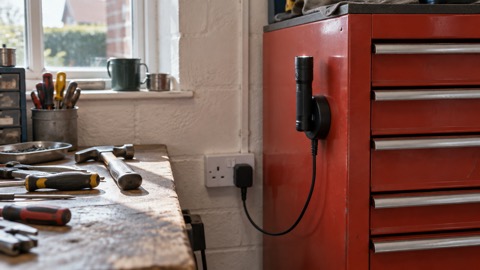
The magnetic base is the feature that matters most in a power cut. NEBO's own guidance on its magnetic bases says the light attaches securely to any metal surface for hands-free, directed light3. In practice that means you can stick it to the side of a boiler, a fuse box or a metal shelf and work with both hands. The body is anodised aircraft-grade aluminium and the maker lists it as water and impact resistant to IPX41.
It suits a household that wants one light that can be carried around the house, stood up to light a room, and stuck to metal when a job needs both hands. It is not a lantern and it is not a head torch: it lights a task or a small area well, but it will not fill a room the way a dedicated lantern does. If you want to compare the shapes, our pages on torches and lanterns set out what each does best.
Torch modes, brightness and beam distance
The torch has five modes: high, medium, low, strobe and S.O.S.1. The maker's manual gives the brightness, run time and beam distance for each of the steady settings, and those three figures together tell you what the mode is for2.
| Mode | Brightness | Run time | Beam distance |
|---|---|---|---|
| Torch high | 300 lumens | 2.5 hours | 135 metres |
| Torch medium | 150 lumens | 6 hours | 84 metres |
| Torch low | 30 lumens | 22 hours | 40 metres |
| Work light high | 200 lumens | 3 hours | 19 metres |
| Work light low | 100 lumens | 13 hours | Not given |
| Red flashing | 20 lumens | Not given | Not given |
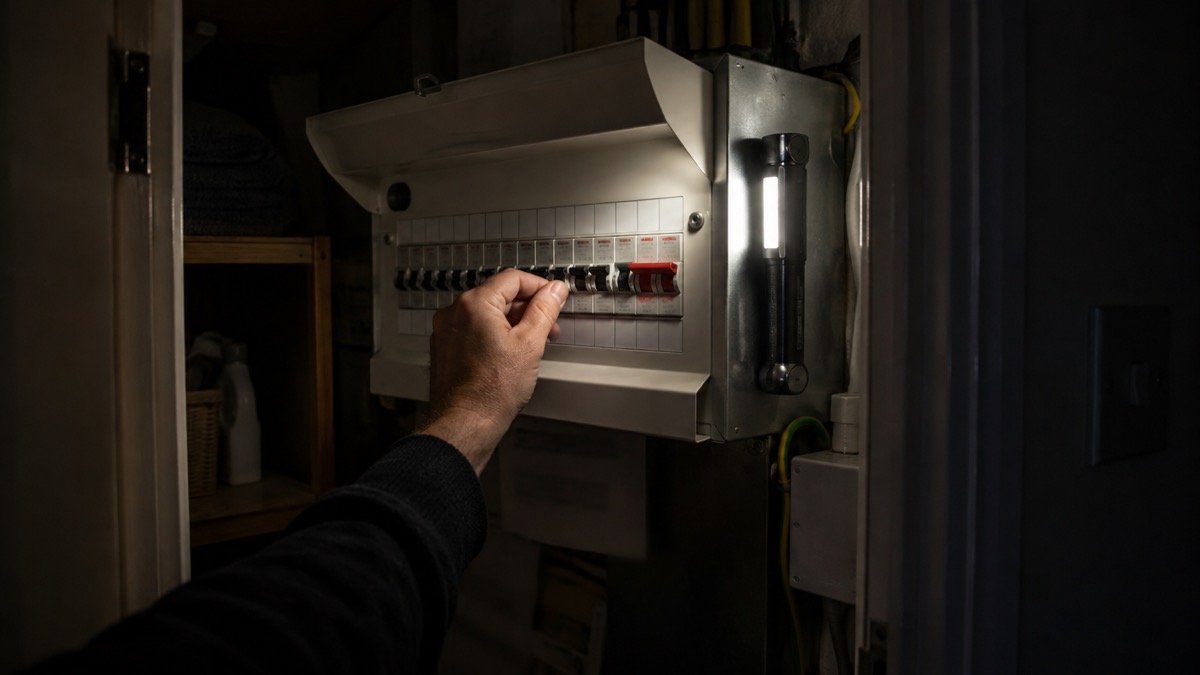
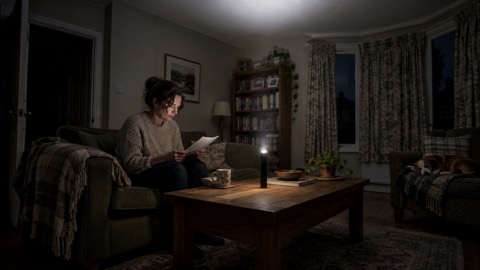
The pattern is the one you would expect: the brighter the setting, the shorter the run time and the further the beam carries2. High is for a quick sweep of the garden or a look down a dark path. Medium is a good compromise for walking around the house. Low is the setting to leave on for hours, because 22 hours at 30 lumens will get you through a long evening and into the next day on one set of cells2.
Beam distance is worth understanding before you rely on it. The maker's 135 metres on high is how far the light carries, not how far you can make out detail. Our page on lumens, beam distance and run time explains the difference. For a power cut indoors, the work light's 19 metres on high is the more relevant figure, because it describes light spread across a room rather than a spot thrown down a corridor2.
Run time: up to 22 hours on low
The longest run time the maker gives for the Tac Slyde is 22 hours, on torch low at 30 lumens2. That is the figure to plan around. A power cut that lasts an evening is comfortably covered; one that runs into a second day means you are changing batteries or moving to a lower setting.
The work light has its own run times: 3 hours on high at 200 lumens and 13 hours on low at 100 lumens2. The maker's product page lists the lantern low mode as 6 hours at 100 lumens with a 13 metre beam, which does not match the manual's 13 hours for the same setting1. The two documents disagree on this figure, so treat the manual's 13 hours as the maker's detailed specification and the product page's 6 hours as the shorter claim. Either way, the work light low setting is the one to use if you want the light to last an evening without changing batteries.
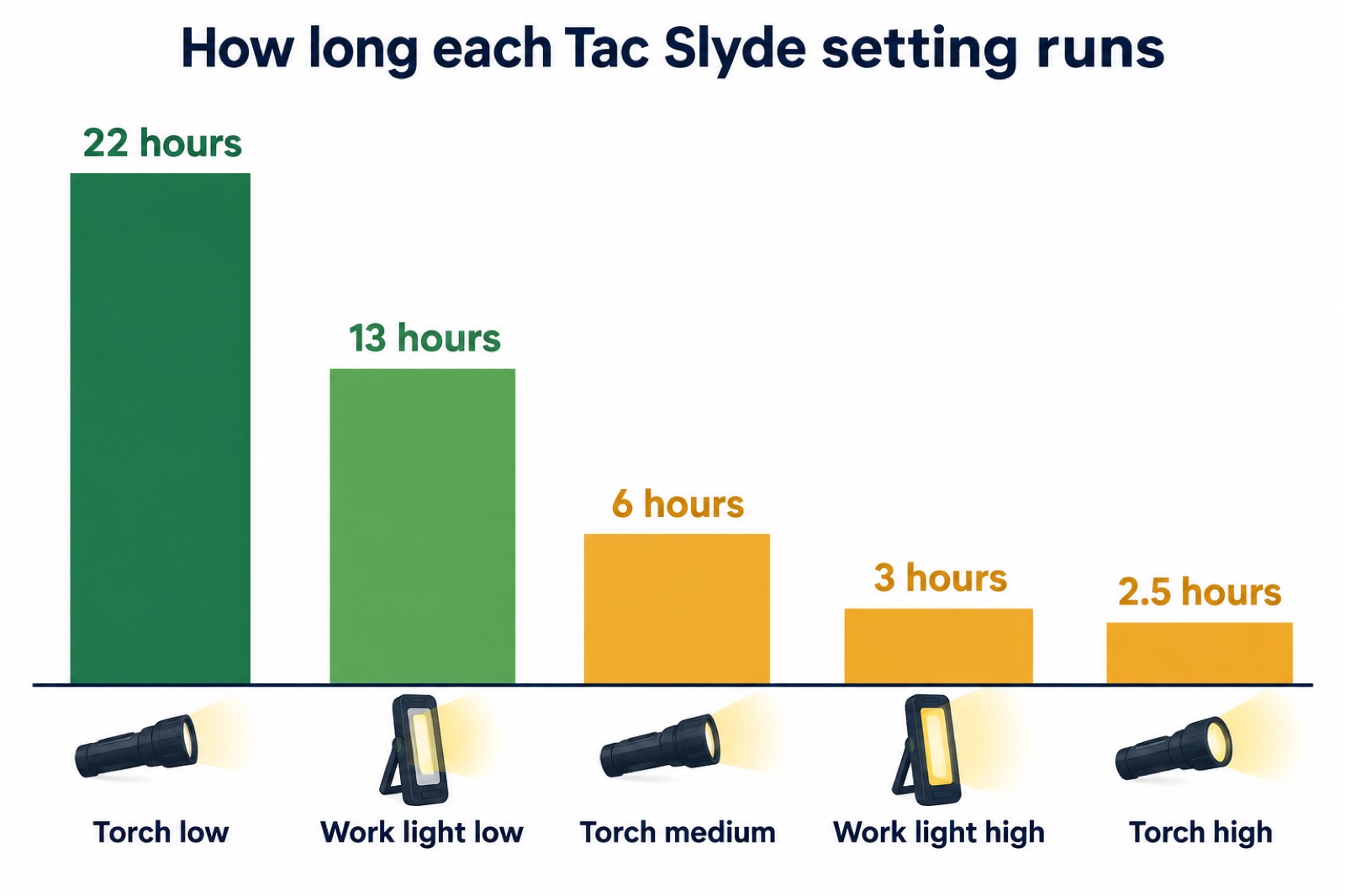
The practical lesson is to start low. Fire and rescue services and electricity network operators all advise keeping a torch handy for a power cut, and the reason a long run time matters is that you may not know how long the cut will last4. Starting on the lowest setting that does the job means you are not caught with a flat torch an hour in. Our page on how long a torch battery lasts on low goes into the general principle.
Work light, red flashing and the zoom
The work light is the mode that makes the Tac Slyde more than a torch. The maker's instructions say to slide the body open and press the light mode button to cycle through the work light modes2. Once open, the light spreads across a wider area, so it can light a table, a staircase or a room while you get on with something else. The maker lists three work light modes: high at 200 lumens, low at 100 lumens and red flash at 20 lumens1.
The red flashing mode is for being seen rather than for seeing. Use it if you need to be spotted, for example at the roadside or in a window, rather than as a light to work by. Our page on what red light mode is for explains where it helps and where it does not.
The zoom is adjusted by sliding the lens housing or twisting the lens sleeve, which the maker says takes the beam from a wide flood to a focused spot2. The maker lists it as a 12x adjustable zoom1. A wide flood is better for lighting a room or searching a drawer; a focused spot is better for looking down a garden or picking out a number on a meter. The torch also has strobe and S.O.S. modes among its five settings1. Our page on S.O.S. and strobe modes covers when to use them.
Using it safely in a power cut
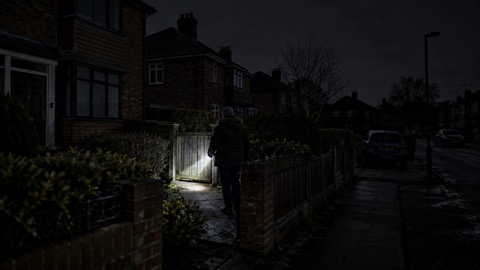
The Tac Slyde is a battery torch, and that is the point: official advice is to use a torch rather than candles in a power cut. The fire and rescue services and electricity network operators say to keep a torch handy and to avoid candles or paraffin heaters, because candles are a fire risk4. The maker's own instructions for this torch are about the light itself rather than the power cut, and they are worth following.
"Do not shine the light directly in someone's eyes."
The maker also says that if the beam does shine directly in your eye, you should look away immediately, and that you should not use magnifying instruments that could concentrate the beam1. At 300 lumens on high the light is bright enough to dazzle, so point it at the floor or the task and warn people before switching it on in a small room. Our page on looking into a torch beam covers the general question.
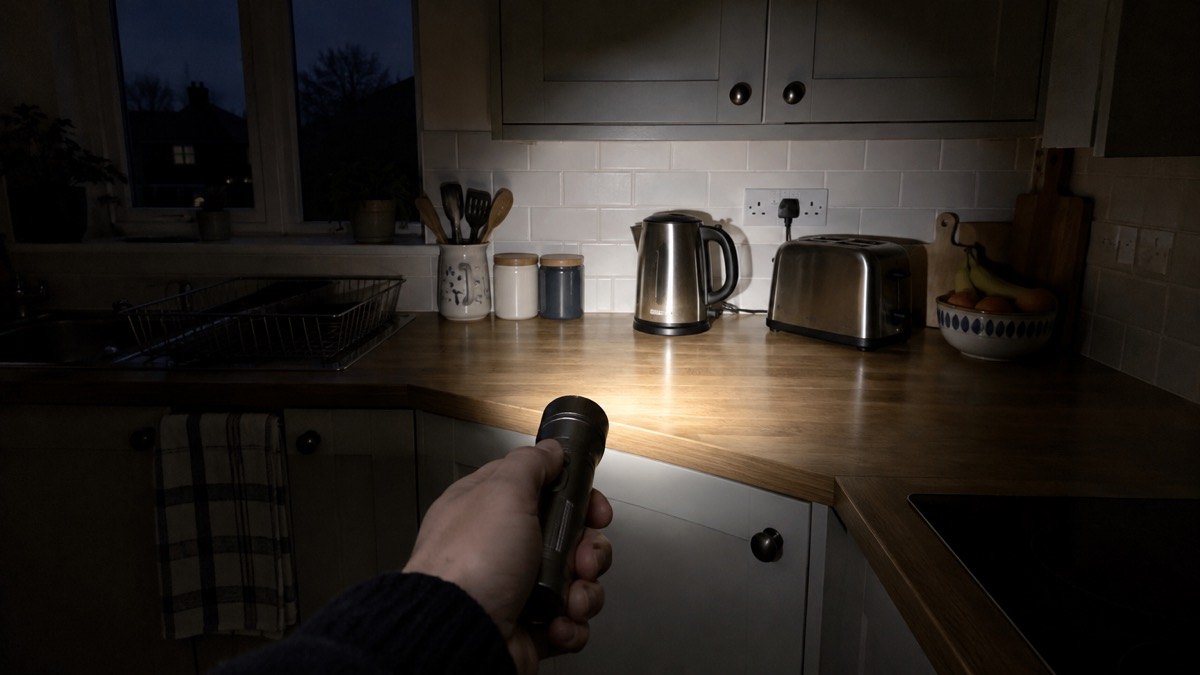
There are two other safety points that apply to any torch used in a power cut. The first is where you keep it: store it somewhere you can reach easily in the dark, so you can use it to check the fuse box and move around the house safely6. The second is what you do with the rest of the house. Network operators advise turning off electrical appliances at the socket during a power cut, particularly heating and cooking appliances, because power can be restored at any time and cause a safety hazard8. That is not about the torch, but it is the job you will be doing with it.
If you are using the torch while working, keep leads and cables out of the way so you do not trip over them, and take extra care with sharp tools9. And stay well clear of any fallen power lines or damaged equipment outdoors; a torch is for looking, not for approaching11.
Batteries, charging and storage
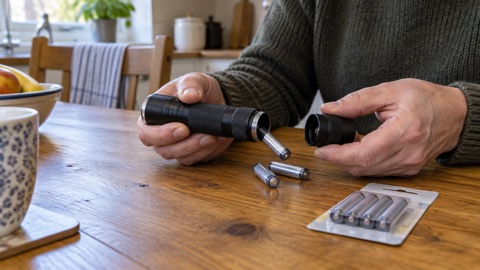
The Tac Slyde runs on three AAA batteries, which the maker says are included1. That is a simple arrangement with one clear advantage in a power cut: you can carry spare cells and swap them in seconds, with no charger and no mains supply needed. Keep a spare set of AAA batteries with the torch, and store them somewhere you will find them in the dark. Our page on spare batteries to keep for your lights sets out what to have.
There is no charging routine for this model, because it does not have a built-in rechargeable pack. That means no cable, no USB charger and no waiting for a charge before you can use it. It also means the run times in the table above are the run times you get from a fresh set of cells, so the quality of the batteries you put in matters. Our page on torch batteries explains the difference between AAA types.
For storage, keep the torch somewhere dry and easy to reach, and check it before winter. The maker lists the body as anodised aircraft-grade aluminium, water and impact resistant to IPX41. IPX4 means protection against water splashes from any direction, so it will cope with rain on the way to the shed but not with being dropped in a puddle or left out overnight2. Our page on what IPX ratings mean explains the scale.
Where it fits in a household lighting plan
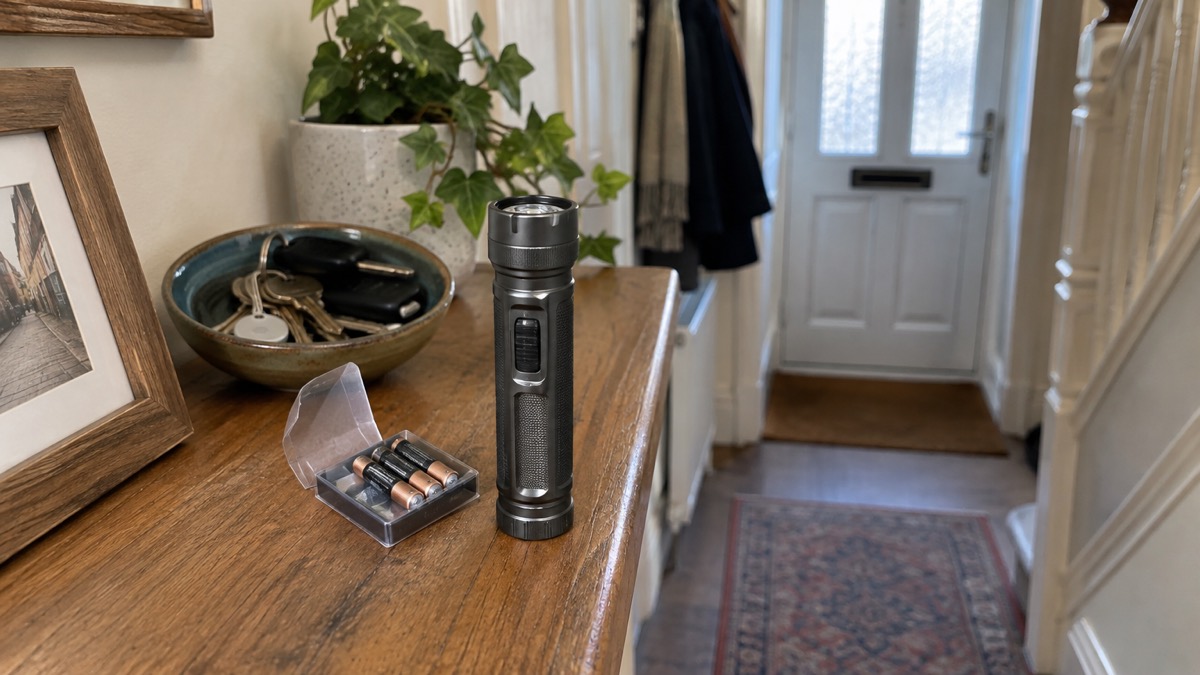
A torch like the Tac Slyde is one part of a lighting plan, not the whole of it. The advice from fire and rescue services and network operators is consistent: keep a torch handy, keep it where you can find it, and do not rely on candles4. A torch with a long low setting and a work light covers the jobs of moving around the house and lighting a task. A lantern covers lighting a room for a group of people, and a head torch covers jobs where both hands are needed and there is nothing metal to stick a light to.
| What you need it for | What does the job |
|---|---|
| Moving around the house, checking the fuse box | Torch low, 30 lumens for 22 hours2 |
| Lighting a table or a small room | Work light high or low, stood up or stuck to metal1 |
| A job with both hands and a metal surface | Magnetic base on a boiler, shelf or fuse box3 |
| Being seen at night | Red flashing, 20 lumens2 |
| Lighting a room for several people | A lantern rather than a torch |
The maker's wider range includes lanterns and head torches, and our NEBO brand page lists them. If you are deciding between shapes, our comparison of torch or head torch for a power cut and of lantern or torch will help. For the full picture of what to have ready, see lighting your home safely when the power goes off and the power cut checklist.
Support, spares and checking for recalls
The Tac Slyde is a battery torch with no charger and no built-in pack, so there is little to go wrong beyond the cells. Keep the maker's instructions with it, because they carry the safety warnings and the mode table you will want when the power is off. If the torch stops working, try a fresh set of AAA batteries before assuming it has failed.
Before you rely on any torch, check that it has not been recalled. Our page on recalled and unsafe torches and chargers explains how to check and how to report a problem. If you have concerns about the safety of a product, contact the retailer or the maker.
Sources (11)
- NEBO Tac Slyde product page, NEBO Tools, 2026-10-26
- NEBO Tac Slyde instructions, NEBO Tools, 2026-10-25
- NEBO lighting technology, NEBO Tools, 2026-10-25
- Repeat power cuts, SSEN, 2026-10-25
- Power cuts, Scottish Fire and Rescue Service, 2026-10-25
- Winter ready, Isle of Anglesey County Council, 2026-10-25
- Safety in severe weather conditions, Devon and Somerset Fire and Rescue Service, 2026
- Storm Bert | Northern Powergrid, Northern Powergrid
- DIY and garden safety, Electrical Safety First, 2026-10-25
- Preventing accidents in the home, RoSPA, 2026-10-26
- Power cut plan, Northern Powergrid, 2026-10-26

 NEBO Newton 500 Torch
 NEBO Davinci 800L
 NEBO Torchy 2K Torch
 NEBO Torchy 600 Flex
 NEBO Slyde King 4K
 NEBO Mycro 900+ Headlamp
 NEBO Edge 800
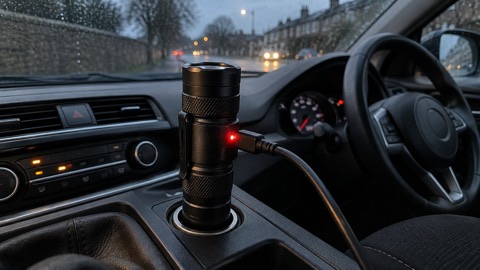 NEBO Transport 400
 Fenix E04R Keyring Torch
 Fenix E05R Keychain Torch
 Fenix E06R Pro Pocket Torch
 Fenix E09R Torch