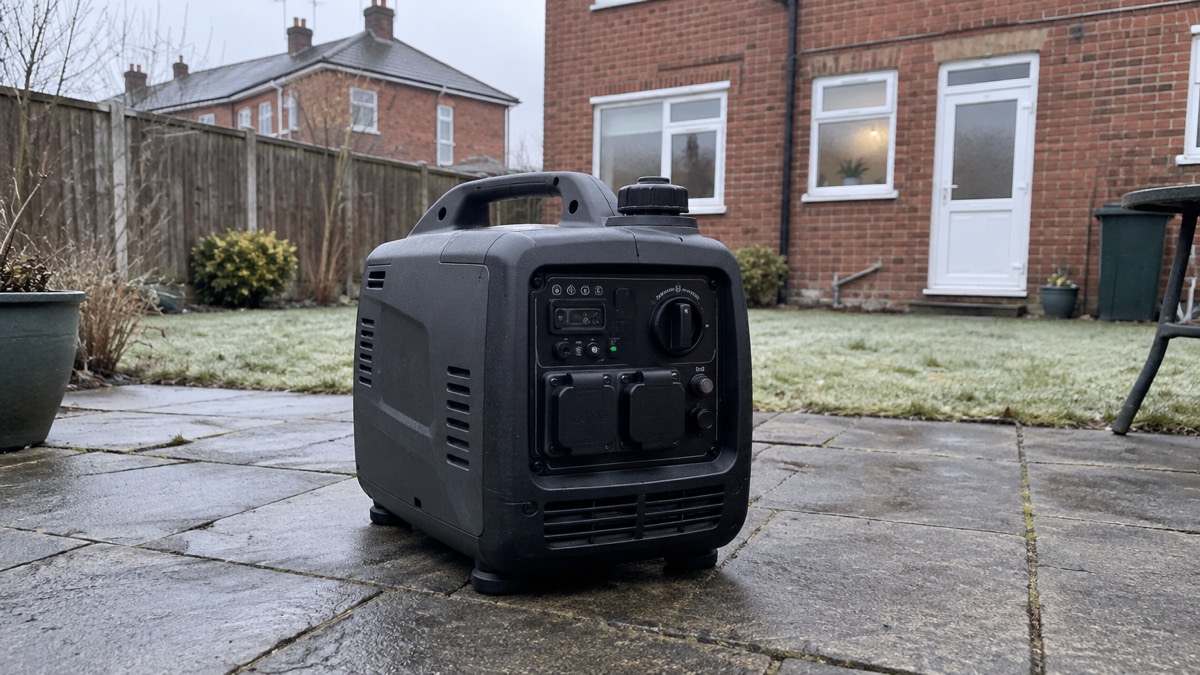
The Champion 2200W Mighty Atom is a small petrol inverter generator: a 79 cc engine driving a true sine wave inverter, with a rated output of 1900 W, a maximum of 2200 W and a 2500 W starting surge1. Champion launched it in July 2020 and says it was, at that time, lighter than the lightest 2000 Watt inverter generator on the market1. It is aimed at camping and at powering small household items such as fridges and freezers, power tools, lighting and garden equipment1.
For a household facing power cuts, the useful numbers are these. A 4.0 litre tank gives up to 10.5 hours at 25% load, and the maker quotes fuel consumption of 0.47 litres an hour at 25% load, 0.69 at 50%, 0.95 at 75% and 1.17 at 100%1. It weighs 17.6 kg excluding fuel and measures 445 x 440 x 285 mm1. Noise is 58 dBA at 7 metres1. It is E10 petrol compliant, EU Stage V and UKCA certified, and carries a 3 year warranty1.
The one thing that decides whether this machine is right for you is not its output but where it can stand. A petrol generator produces carbon monoxide, and it must never run indoors, in a garage or in any enclosed or partly enclosed space. Everything else on this page, the run times, the servicing, the sockets, assumes you have an outdoor spot that is secure, well ventilated and away from doors and windows.
What the Mighty Atom is and who it suits
This is an inverter generator, which means the engine drives electronics that produce a clean true sine wave rather than raw mains-like output. Champion says that true sine wave inverter technology makes the generator ideal for sensitive electronics such as computers, laptops and televisions1. That is the practical difference for a household: it is a machine you can plug a laptop or a router into, not just a drill.
The engine is 79.0 cc and produces 2.4 hp, running on petrol from a 4.0 litre tank, with automatic engine speed based on load1. Starting is by recoil, a pull cord, and there is automatic low oil shutoff, so the engine stops itself if the oil level drops too far1. It has two 240V 13 amp sockets, single phase, with a power factor of 1.01. The IP rating is IP23M1.
Who it suits is a household that wants a modest amount of mains power for a few hours at a time, has somewhere outdoors to run it, and is willing to keep petrol, check oil and follow a service schedule. It is not a whole-house solution and it is not a substitute for a battery system you can use indoors. If you are weighing the two approaches, our guide to portable power stations sets out what a battery can do without any fuel or exhaust, and the comparison of a portable power station or petrol generator for a power cut puts the trade-offs side by side.
Specifications
Champion's own figures for the Mighty Atom are set out below. Where a specification decides what you can plug in or how you store the machine, it is worth reading twice.
| Specification | Champion's figure |
|---|---|
| Fuel | Petrol1 |
| Engine | 79.0 cc, 2.4 hp1 |
| Rated output | 1900 W1 |
| Maximum output | 2200 W1 |
| Starting output | 2500 W1 |
| Sockets | 2 x 240V 13 amp, single phase1 |
| Power factor | 1.01 |
| Fuel tank | 4.0 L1 |
| Run time | Up to 10.5 hours at 25% load1 |
| Fuel consumption | 0.47 L/hour at 25%, 0.69 at 50%, 0.95 at 75%, 1.17 at 100%1 |
| Noise | 58 dBA at 7 m1 |
| Weight | 17.6 kg excluding fuel1 |
| Dimensions | 445 x 440 x 285 mm (HxLxW)1 |
| Oil tank | 500 ml1 |
| Start type | Recoil1 |
| Engine speed | Automatic, based on load1 |
| Low oil shutoff | Automatic1 |
| Cold start technology | Yes1 |
| Parallel connectivity | Yes1 |
| Overload protection | Yes1 |
| IP rating | IP23M1 |
| Certification | E10 Petrol Compliant, EU Stage V, UKCA1 |
| Warranty | 3 years1 |
If you are new to the difference between a rated figure and a surge, our explanation of watts, watt-hours and surge covers why a fridge or a power tool can ask for far more at the moment it starts than it draws once running.
What it can run in a power cut
The headline figures are 1900 W rated, 2200 W maximum and 2500 W starting1. In practice that means small household items: Champion names fridges and freezers, power tools, lighting units and garden equipment1. It also means sensitive electronics, because of the true sine wave output, so computers, laptops and televisions are within what the maker intends1.
The limit is the total you plug in at once. Two 13 amp sockets do not mean two full 13 amp loads; they mean the combined draw must stay within the machine's rating, with headroom for the surge when a motor-driven appliance starts. Plan what you will run, add up the figures on the appliances themselves, and leave a margin. Our guide to deciding what to keep running when the mains fails helps you put the essentials first, and what size generator do I need for a power cut takes the arithmetic further.
Some households have equipment that is not optional. Official Scottish guidance notes that some equipment may stop working during a power cut, for example ventilators, oxygen concentrators, electric wheelchairs, hoists, communication devices and feeding pumps2. If that applies to you, the generator is only part of the plan: you need to know the draw of each device, and you need to have told your network operator and supplier in advance. The NHS also advises charging fully any equipment with batteries for any planned power cut, and for unplanned cuts making sure any items not in use are charging or charged3.
Run time and fuel use
Champion quotes up to 10.5 hours of run time at 25% load1. That is the light-load figure, and it is the one to plan around if you are running a fridge, a few lights and a phone charger. Push the machine harder and the tank empties faster: the maker's own consumption figures are 0.47 litres an hour at 25% load, 0.69 at 50%, 0.95 at 75% and 1.17 at 100%1.
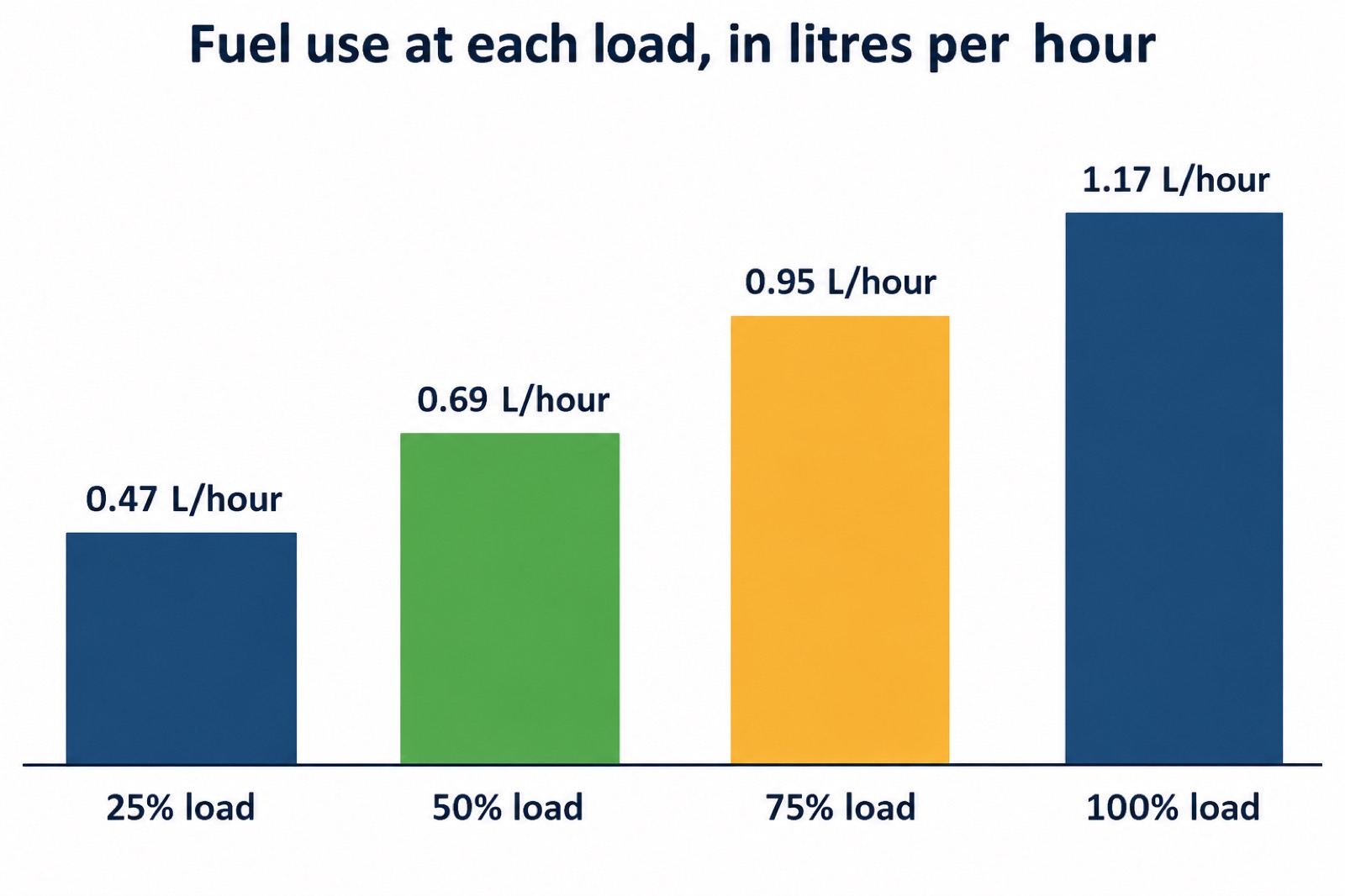
The practical consequence is that run time is a choice you make by what you plug in. Running the freezer and the fridge in rotation, rather than everything at once, stretches a tank further. It also keeps the load in the range where the engine is quieter, since engine speed adjusts automatically with load1. Our guide to how long a generator will run on a tank of fuel explains the relationship in more detail.
Fuel storage is the other half of the plan. Petrol is flammable and must be kept in a proper container, away from the running generator and away from anything that could ignite it. How much you may keep at home is a question in its own right, covered in how much petrol can I store at home safely. Do not fill the tank indoors, and do not refuel a hot engine.
Starting it and running it safely
The first safety rule is siting. Official preparedness guidance is blunt: a generator will need to be secure with good airflow7. That means outdoors, on stable ground, away from doors, windows and air vents, and sheltered from direct rain without being enclosed. If you want the detail on weather, read can you run a generator in the rain.
Before each start, check the oil. The engine has automatic low oil shutoff1, which protects it, but it will simply refuse to run if the level is too low, and that is a poor discovery in the middle of an outage. Champion supplies oil and an oil funnel in the box1. Starting is by recoil pull1, and the maker lists cold start technology for low temperatures1.
Connect appliances with the machine switched off, then start it, then switch on loads one at a time so the surge of a motor does not arrive alongside everything else. Keep extension leads short and rated for the job; our guide to extension leads and overloading with backup kit explains why a coiled drum lead is a fire risk under load. Never connect the generator to your home's wiring yourself. If you want to power circuits rather than plug appliances in directly, that is a job for a qualified electrician and a proper changeover arrangement, covered in connecting a generator or battery to your home's wiring.
Charging a car battery and other 12V jobs
Champion includes a 12V DC automotive battery charging cable and a 12V DC USB adapter in the box, so the maker intends the machine to be used for charging a car battery and for 12V accessories1. Follow the maker's operating manual for its own product on how the cable connects and what the machine should be doing while it charges.
Battery charging carries its own risks, and the fire services are clear about them. Do not cover the charger, battery or device while charging, because this can cause overheating or even a fire, according to the Scottish Fire and Rescue Service8. The same service advises not to overcharge batteries or leave them unattended while charging, to use the charger recommended by the manufacturer, to buy items from reputable retailers and to check batteries for damage before charging9. If a battery starts to swell, stop charging immediately, says London Fire Brigade10.
Those rules were written with lithium-ion batteries in mind, and they apply to anything you charge from the generator, including phones and power banks. Our guide to lithium-ion battery safety at home collects them in one place, and what to do if a battery starts swelling covers the moment it goes wrong.
Servicing and oil checks every 8 hours
Champion's service schedule is the part of ownership most people skip, and it is the part that decides whether the machine starts on the night you need it. The maker's intervals are set out below1.
| Interval | What Champion asks you to do |
|---|---|
| Every 8 hours or before each use | Check oil level; clean around air intake and muffler1 |
| First 5 hours (break in) | Change oil1 |
| Every 50 hours or annually | Clean air filter; change oil if operating under heavy load or in hot environments1 |
| Every 100 hours or annually | Clean and adjust spark plug; clean spark arrestor; clean fuel valve filter1 |
| Every 250 hours | Clean combustion chamber; check and adjust valve clearance1 |
| Every 3 years | Replace fuel line1 |
The eight hour check is the one that matters day to day, and it is short: oil level, and clear the area around the air intake and muffler1. The muffler gets hot, so clear debris away from it and let the machine cool before you touch it. The first oil change at five hours is easy to forget on a new machine, and it is the one that protects the engine long term.
Store the machine with the fuel dealt with as the manual directs, and keep it somewhere dry. Our guide to how to store a generator after a power cut covers the end-of-season routine, and backup power checks before winter is a checklist to run through each autumn.
Noise, neighbours and where it can stand
At 58 dBA at 7 metres, the Mighty Atom is a quiet machine by generator standards, and Champion markets it on that figure1. Quiet is relative. A generator running for hours is audible through a wall, and in a terrace or a flat the question of where it can stand is as much social as technical. Engine speed adjusts automatically with load1, so running fewer things at once keeps it at its quietest.
Our guide to how loud is a generator, noise and neighbours covers the practicalities, including timing and courtesy. If noise or the lack of an outdoor spot rules a petrol generator out, a battery system used indoors is the alternative, and our guide to portable power stations explains what they can and cannot do.
Warranty and support
Champion gives the Mighty Atom a 3 year warranty1. The maker states that all newly manufactured products are EU Stage V Compliant1, and the model is listed as UKCA certified and E10 petrol compliant1. Keep your proof of purchase and the operating manual, which Champion includes in the box1, because the service schedule in it is part of keeping the machine in good order.
For the wider Champion range, including the Mighty Atom LPG Dual Fuel and the larger Atom Fusion inverter, see the Champion brand page. If you are still deciding between an inverter machine like this and a conventional open-frame generator, our comparison of an inverter generator or open-frame generator sets out the difference in noise and output quality.
Where to get help and how to prepare
A generator is one part of a plan, not the plan. The Met Office lists the essentials that could help you cope with a power cut as battery candles, torches and batteries, and a mobile phone power pack11. Keep important documents safe and handy12. Our power cut backup power checklist turns that into a shopping and preparation list, and the power cuts section covers the household side in full.
If anyone in the household relies on electrical medical equipment or refrigerated medicines, a power cut has a significant impact, particularly in winter13. Tell your network operator and your supplier in advance, and ask about priority support. The NHS advises charging fully any equipment with batteries ahead of a planned cut, and keeping items not in use charged for unplanned ones3.
Weather is what usually causes the outage. The Met Office notes that the main hazard from rain is flooding14, and that heavy rain falling onto already saturated ground makes it worse15. Strong wind warnings advise staying indoors as much as possible and closing and securely fastening doors and windows16. In Northern Ireland the same advice applies during strong winds16, and in Scotland, Ready Scotland covers cold, snow and ice17. None of that changes what the generator does, but it changes when you can safely go outside to start it, refuel it or move it.
Sources (18)
- Champion 2200 Watt "Mighty Atom" Petrol Inverter Generator, Champion Power Equipment, 2026-10-25
- Disabled people and carers, Ready Scotland, 2026-10-25
- Parental letter re power shortages, NHS North West Children's Operational Delivery Network, 2022-11-25
- Plan for a power cut, Ofgem, 2026
- Energy outages, NESO, 2026
- Further snow and ice forecast following Storm Goretti, Met Office, 2026-01-09
- Generators, Wiltshire and Swindon Prepared, 2026-10-25
- Lithium-ion batteries, Scottish Fire and Rescue Service, 2025-11-27
- Careful around candles, cooking and charging, West Yorkshire Fire and Rescue Service, 2024-12-18
- Batteries and chargers, London Fire Brigade, 2026-10-25
- 5 tips for staying safe in a thunderstorm - Met Office, Met Office
- What to do in a power cut, Met Office, 2026-10-25
- Be prepared for winter emergencies, NHS Norfolk and Suffolk ICB, 2026-10-01
- Severe weather advice, Met Office, 2026-10-25
- Met Office Storm Chandra WeatherReady advice, Met Office, 2026-01-26
- Strong winds weather warning information and advice, nidirect, 2026-10-24
- Cold, snow and ice, Ready Scotland, 2026-03-25
- Flood water is coming into my home, London Fire Brigade, 2026-10-25

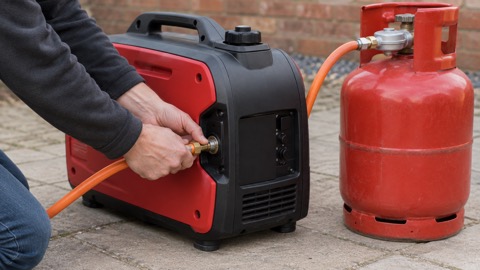 EcoFlow Dual Fuel Generator
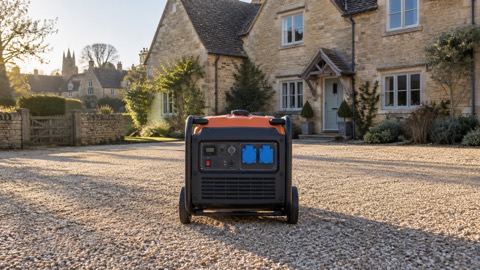 Honda EU70iS Generator
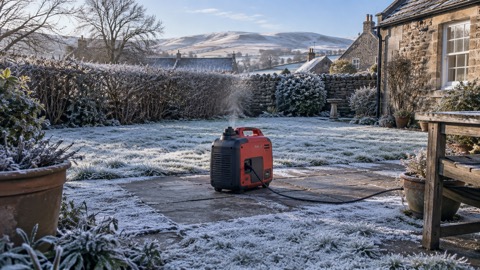 Honda EU32i Generator
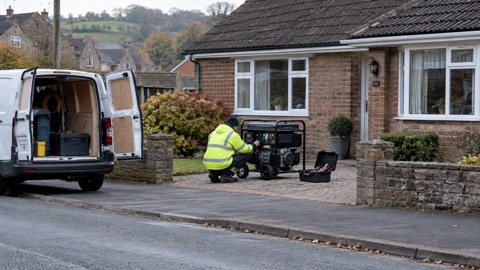 Honda EG3600 Generator
 Pramac P3500i Generator
 Senci SC6000-II Home Generator
 Senci SC10000-II Generator
 Senci SC6600iED Generator
 Gorilla Power GP3800iE
 Gorilla Power GP6500E-DF
 Gorilla Power GP3500i
 Hyundai HY2250Si Generator