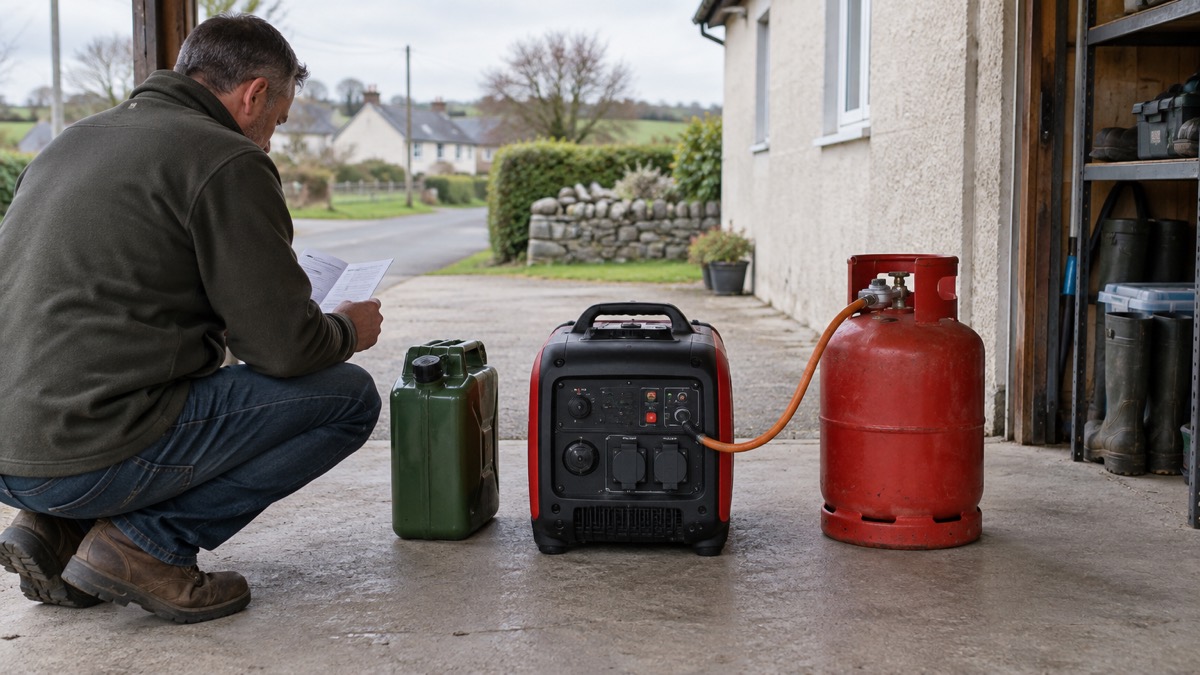
The Senci SC6600iED is a dual-fuel inverter generator: it runs on petrol or on LPG, and it is no longer sold new. The distributor's product page listed it as out of stock when checked on 13 October 20261. If you own one, or are considering a secondhand one, the figures that matter are these: 5.50kW continuous on petrol and 5.00kW on LPG, a 13.50 litre petrol tank, and about 16 hours from a 19kg propane bottle1.
It is a large, heavy machine at 59.00kg dry, built with a wheel kit and pull-out handle so it can be moved rather than carried1. That puts it in the class of generator you site outdoors, secure it, and leave in place for the duration of an outage, rather than something you lift out of a cupboard. It is designed for camping and caravan use as well as domestic and leisure use, and its smoothed output is listed at under 3% total harmonic distortion for running some sensitive appliances1.
This page sets out what the SC6600iED can run and for how long, how to start it and use ECO mode, how to handle the LPG side safely, and how to move and store it. It does not give a price, and it does not rank the machine against others. For the wider picture, start with Backup Power at Home: A Household Guide.
What the SC6600iED is, and who it suits
The SC6600iED is a dual-fuel inverter generator, part of Senci's range of lightweight inverter generators, and the distributor describes it as bringing increased power to that range1. Inverter generators produce a smoothed output rather than the rougher waveform of a traditional set, which is why the SC6600iED is listed at under 3% total harmonic distortion for running some sensitive appliances1. If you want the background on why that matters, see Inverter Generator or Open-Frame Generator.
The dual-fuel design is the practical heart of it. Petrol is easy to buy in small quantities and the tank is built in; LPG comes in cylinders that store indefinitely and can be swapped without pouring fuel. The trade is output: 5.50kW continuous on petrol falls to 5.00kW on LPG, and the maximum figures fall from 6.00kW to 5.50kW1. If you are weighing the two fuels for emergency use, LPG or Petrol Generator for Emergencies sets out the considerations.
Who it suits is a household with somewhere outdoors and secure to run it, a reason to want several kilowatts rather than a few hundred watts, and the willingness to manage fuel. It is designed for camping and caravan use as well as domestic and leisure use1, but at 59.00kg it is not a carry-to-the-tent machine. For a sense of where a generator of this size sits against battery alternatives, see Portable Power Station or Petrol Generator for a Power Cut.
Specifications
The distributor's product page is the source for the figures below, dated 13 October 20261. Where a specification decides whether the machine suits your household, the note explains why.
| Specification | Figure |
|---|---|
| Type | Dual fuel inverter generator, petrol or LPG1 |
| Continuous output | 5.50kW / 5.50kVA petrol; 5.00kW / 5.00kVA LPG1 |
| Maximum output | 6.00kW / 6.00kVA petrol; 5.50kW / 5.50kVA LPG1 |
| Output quality | Under 3% THD1 |
| Frequency | 50Hz1 |
| Fuel tank | 13.50 litres1 |
| LPG consumption | About 1.2kg/h1 |
| Noise | 64 dB(A) at 7 metres1 |
| Starting | Electric or recoil1 |
| Sockets | 1 x 32A 230V, 1 x 13A 230V, 1 x 12V 8A DC, 1 x 5V USB1 |
| Dimensions | 500 x 540 x 660mm (WxHxL)1 |
| Weight | 59.00kg dry1 |
| Safety features | Low oil and power overload shutdown; individual circuit breakers on each 230V socket1 |
| Included | Regulator connector and pipe1 |
| Warranty | 3 year limited warranty, subject to the manufacturer's terms and conditions1 |
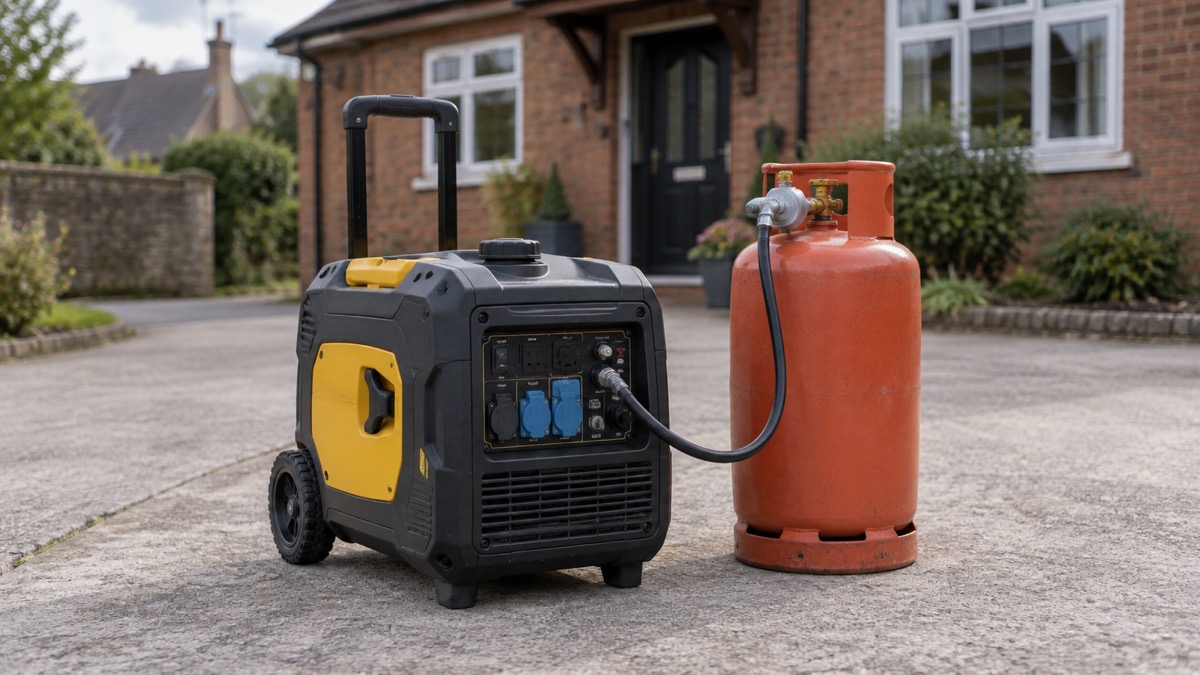
The 50Hz frequency is the UK standard, so ordinary British appliances are designed for it1. The individual circuit breakers on each 230V socket and the low oil and overload shutdown are the protections that stop a mistake turning into damage1. For how watts, kilowatts and surge relate to what you plug in, see Watts, Watt-Hours and Surge Explained.
What it can run, and for how long
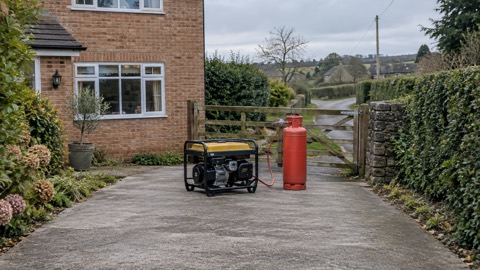
At 5.50kW continuous on petrol, the SC6600iED has more capacity than most households need for an outage. The question is not whether it can run a fridge, but what else you add alongside it. The distributor gives a run time of approximately 16 hours on a 19kg propane bottle1. That is the figure to plan around: a full bottle covers roughly two thirds of a day, and heavier loads shorten it.
On LPG the arithmetic is different and, for a long outage, often better. The generator uses about 1.2kg of gas an hour, so a 19kg propane bottle lasts approximately 16 hours1. A spare bottle therefore covers more than a day, and gas does not go stale in the way petrol does. For the general principles of working out run time from load, see How Long Will a Generator Run on a Tank of Fuel?.
What it can run is bounded by the sockets as much as the output. There is one 32A 230V outlet, one 13A 230V outlet, a 12V 8A DC outlet and a 5V USB outlet1. The 13A socket takes an ordinary UK plug; the 32A outlet is a high-current connection for matching leads and equipment, not a household plug. The 12V and USB outlets are for small devices. If you are deciding what to keep running first, Deciding What to Keep Running When the Mains Fails sets out the order.
Starting it and using ECO mode
The SC6600iED starts either electrically or by recoil pull1. Electric start is the easier of the two, particularly in cold or wet conditions; the recoil is the fallback if the battery side is flat. Before starting, the machine needs to be outdoors, secure and with good airflow, as official guidance on generator deployment puts it2. That is not a formality: a portable generator used while working is the setting of a documented fatal carbon monoxide case3.
ECO mode lets the engine speed drop when you are powering lower wattage appliances, which reduces noise and increases fuel efficiency1. In practice that means the generator is quieter and more economical when you are running a fridge and a few lights, and it speeds up when a heavier load switches on. Use it for light loads; for the safety side of running any generator, see Generator Safety: Carbon Monoxide, Fuel and Electric Shock.
The LPG side: regulator and pipe
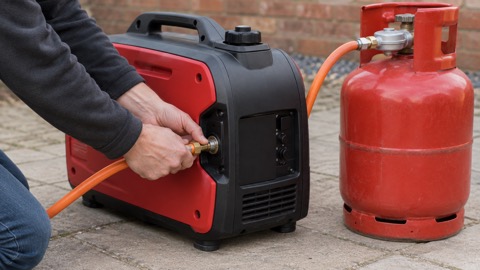
The generator comes with a regulator connector and pipe1, but the regulator is the part that most deserves your attention. LPG guidance is blunt about the risk: an unchecked LPG regulator can lead to an explosion4. The same guidance says that if in doubt, and the regulator has not been checked recently, you should obtain the service of a Gas Safe registered engineer qualified in LPG to check it as soon as possible4. If in doubt, contact your LPG supplier5.
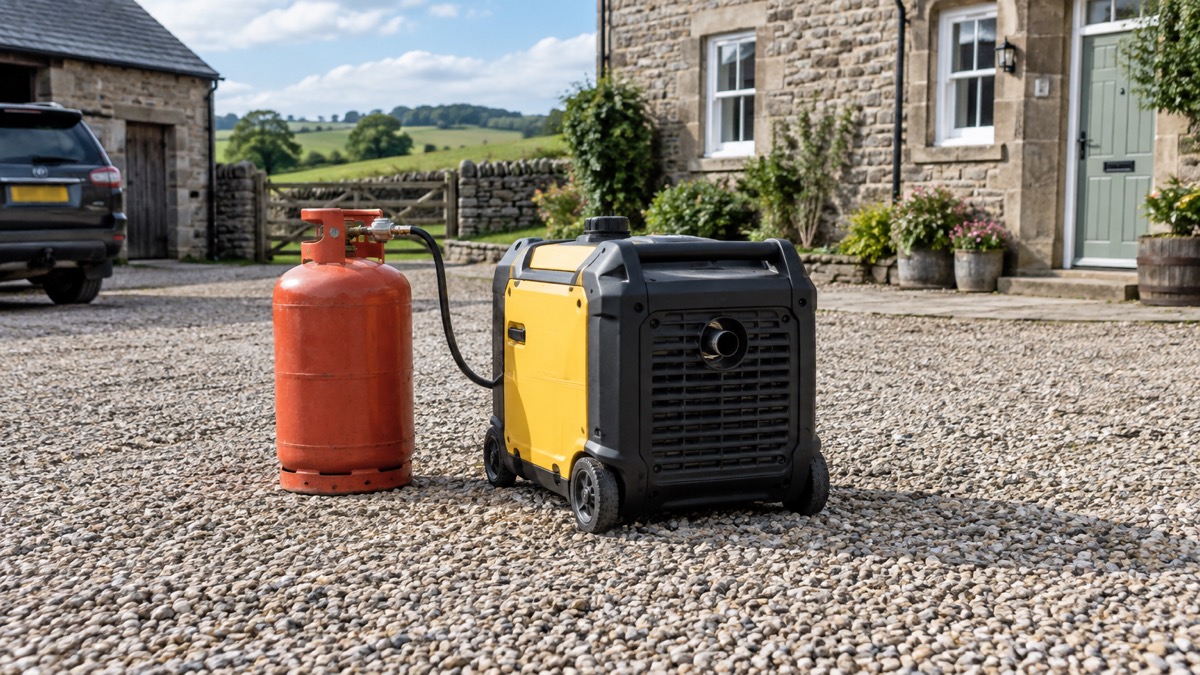
New regulators should be clearly marked BS EN 16129, a standard that has progressively replaced BS EN 12864, BS EN 13785 and BS EN 137866. Never tamper with regulators6. When buying a new one, check that it is less than 3 years old from the date of manufacture, and replace a regulator if it shows signs of wear, leakage or damage6. Regulators marked BS 3016 are now over 10 years old and it is recommended that they are replaced6. Connect regulators to cylinders in accordance with the manufacturer's instructions, and make sure the outlet pressure matches the appliance's inlet requirement and the regulator is the correct size for the cylinder valve, never forced onto one of the wrong size6.
For a butane cylinder, the valve will probably be clip-on or snap-on and must be compatible with the regulator connector7. For touring caravan and motorhome applications built to standard EN 1949, regulators are pre-set at 30 mbar for both butane and propane; in domestic applications in the UK a propane regulator is pre-set to 37 mbar6. Protect the regulator from sea water spray unless it is designed for that environment or suitably protected6. For gas installations covered by the Gas Safety (Installation and Use) Regulations, use a qualified and registered Gas Safe Installer6. The wider subject is covered in LPG Cylinders and Regulators for Dual-Fuel Generators.
"Basically if in doubt and your regulator hasn't been checked recently you should obtain the service of a Gas Safe Registered Engineer qualified in LPG to check it as soon as possible."
Moving and storing a generator
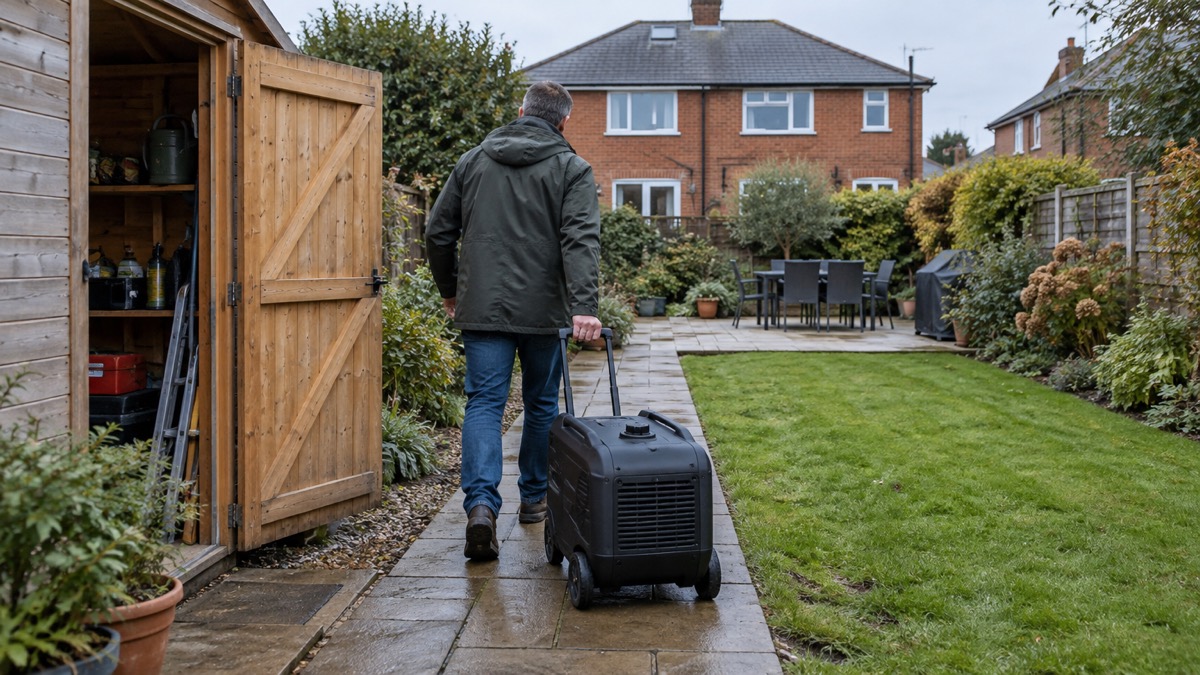
At 59.00kg dry, the SC6600iED is heavy but movable. It has a built-in wheel kit and a pull-out handle, and the distributor describes it as one of the lightest 6kW inverter generators on the market1. For comparison, the distributor's own guidance puts higher-output enclosed inverter generators at 30 to 45kg or more, and traditional generators at up to several hundred kg8. A maker of battery power stations describes fuel generators generally as 50 to 70kg, noisy, bulky and inconvenient for long-term use10; the SC6600iED sits within that weight band.
Moving it safely means planning the route before you need it. Wheel it rather than lift it where you can, keep the route clear, and have the outdoor running spot chosen in advance: secure, with good airflow2. Store it dry and out of the weather, with fuel handled according to the maker's instructions and official guidance. For the storage routine after an outage, see How to Store a Generator After a Power Cut, and for fuel quantities, How Much Petrol Can I Store at Home Safely?.
Noise, neighbours and where to put it
The distributor lists the noise level at 64 dB(A) at 7 metres1. That is a working figure for a generator of this size: audible at the boundary of a garden, and worth thinking about before you run it late at night or close to a neighbour's window. Siting it further from the house helps with noise and with carbon monoxide at the same time, since both point to the same answer: outdoors, away from openings, with good airflow2.
For the general subject of generator noise and what neighbours can expect, see How Loud Is a Generator? Noise and Neighbours. For running one in wet weather, Can You Run a Generator in the Rain? covers the precautions.
Caravan and camping use
The distributor describes the SC6600iED as designed for camping and caravan use, as well as domestic and leisure use and sensitive electrical equipment1. Its smoothed output at under 3% THD is the reason it can be considered for sensitive appliances1. At 59.00kg, though, it is a caravan or motorhome companion rather than a tent one: it wants to travel in or with the vehicle and be set up outside it.
The safety rules do not relax on a campsite. Run it outdoors, away from the caravan's windows, vents and awning, because carbon monoxide can enter through them3. Keep the LPG cylinder and regulator set up as the maker and LPG guidance require6. If you are comparing it with battery options for caravan life, Portable Power Stations: What They Do and How to Choose sets out the alternative.
Support, warranty and buying secondhand
The SC6600iED carries a 3 year limited warranty subject to the manufacturer's terms and conditions1. Because the distributor listed it as out of stock on 13 October 20261, a new one is unlikely to be available, and the practical route for most people is a current model. If you are buying secondhand, check the machine's history: whether it has been run indoors, how the LPG regulator has been stored, and whether the regulator is marked to a current standard6. Replace a regulator showing wear, leakage or damage6.
For the wider choice of machines, see Portable Generators: Petrol, Diesel, Dual-Fuel and Inverter Types and the Backup Power at Home: A Household Guide. If a power cut is happening now, Using Generators and Power Stations During an Outage is the page to open first.
Sources (10)
- Senci SC6600iED dual fuel inverter generator, Generators Direct, 13 October 2026
- Generators, Wiltshire and Swindon Prepared, 25 October 2026
- Carbon monoxide case study: portable generator, CO-Gas Safety, November 2020
- New warning about LPG regulators: preventing explosions, CO-Gas Safety, 24 May 2024
- I have an old regulator on my LP gas cylinder, when should it be replaced, Liquid Gas UK, 25 October 2026
- LPG regulator guidance, Liquid Gas UK, April 2022
- LPG patio heater guidance, Liquid Gas UK, 2022
- Inverter generators vs traditional generators, Generators Direct, 28 March 2025
- The ultimate guide to suitcase generators, Generators Direct, 4 September 2026
- BLUETTI Elite 400 portable power station, BLUETTI, 25 October 2026
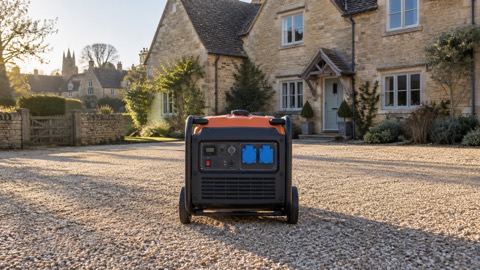
 EcoFlow Dual Fuel Generator
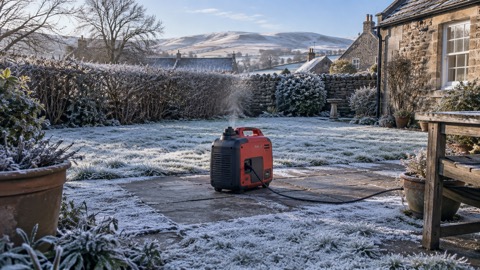
 Honda EU70iS Generator
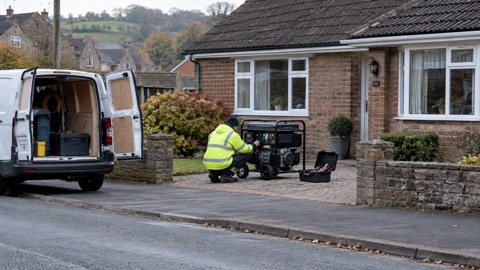
 Honda EU32i Generator
 Honda EG3600 Generator
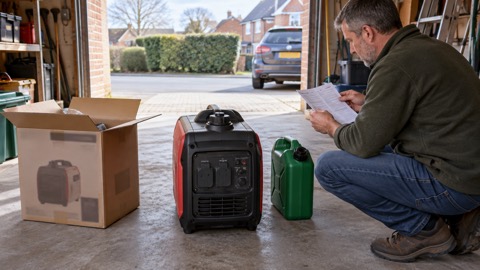 Pramac P3500i Generator
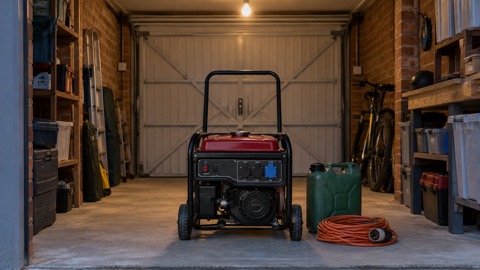 Senci SC6000-II Home Generator
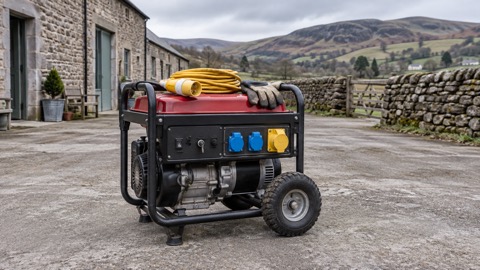 Senci SC10000-II Generator
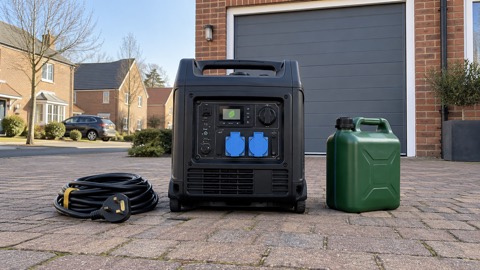 Gorilla Power GP3800iE
 Gorilla Power GP6500E-DF
 Gorilla Power GP3500i
 Hyundai HY2250Si Generator
 Hyundai HY1000Si Generator