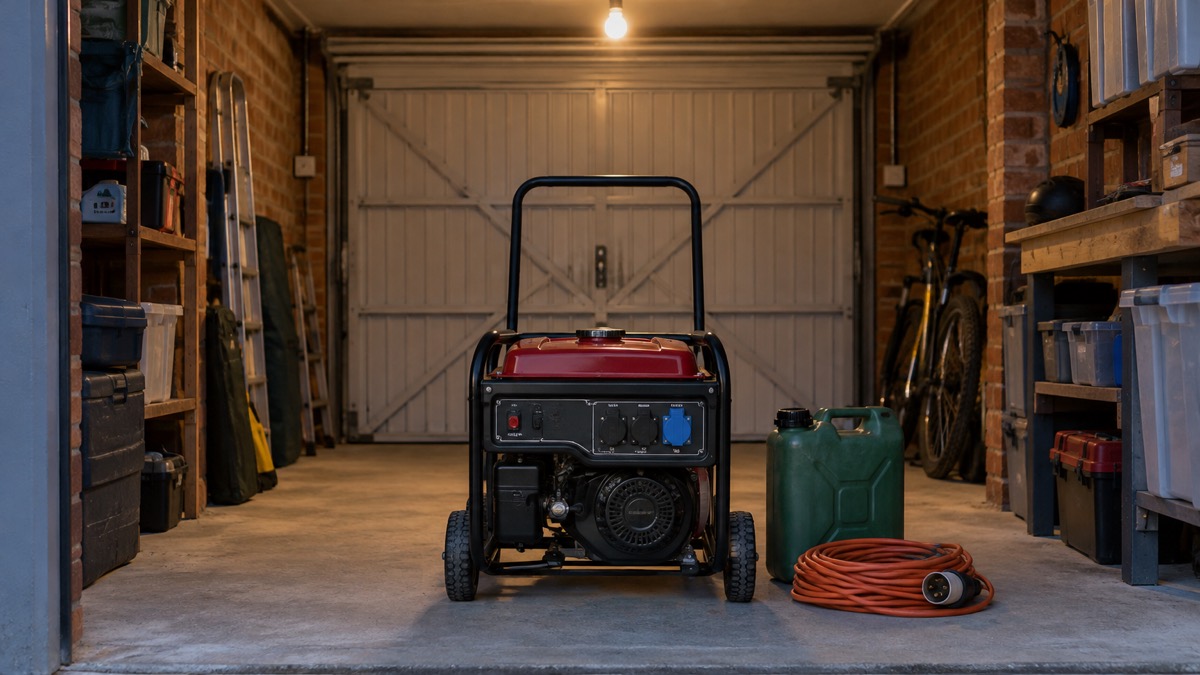
The Senci SC6000-II is a frame-mounted petrol generator with a continuous output of 5.00 kW and a maximum of 5.50 kW, sold in the UK by Generators Direct1. It is a substantial piece of kit: an 81.00kg machine on two 9-inch wheels with a fold-down handle, built around a 389cc engine and a 25.00 litre tank1. If you are considering one for power cuts, the first thing to understand is that it is a garden machine, not a household appliance. It must run outdoors, on firm, level ground away from combustible materials, standing water and areas where exhaust gases could accumulate2.
The second thing is what it will and will not do. Five kilowatts is enough to carry a serious load, but the distributor's run time figure of 12.00 hours is quoted at 50% load, and the same product page also describes running between 8 and 12 hours depending on the load applied1. Plan on the lower end if you are drawing heavily. The tank holds 25.00 litres1.
This page sets out the specifications as the distributor lists them, what they mean for a household, and the safety rules that decide whether this generator is right for your situation. It does not compare it with other machines, and it gives no prices.
What the Senci SC6000-II is and who it suits
The SC6000-II is a single-phase, frame-mounted petrol generator with a solid 28mm hollow frame, described by the distributor as built to work hard and provide reliable power1. It is not an inverter generator in the sense of a small suitcase unit: it is a conventional open-frame machine with a large engine and a large tank, and it is designed for sustained loads rather than for carrying to a campsite.
That shapes who it suits. A household that wants to keep a fridge, freezer, boiler, lights and a few small appliances running through a long outage is the natural user, provided the machine can stand outdoors on firm, level ground with somewhere safe to store fuel. A flat dweller, someone with a small yard, or anyone who needs to move the generator regularly will find 81.00kg and the noise output hard work. The distributor's own description of the machine's role is home or commercial use1.
It is worth being clear about the alternative. A battery power station is silent and can sit indoors, but a maker of those units describes fuel generators as noisy, bulky and inconvenient for long-term use, and quotes weights of 50 to 70 kg for the class3. That is a fair summary of the trade-off: the SC6000-II gives you more output and a longer run time per tank than a battery of comparable cost, at the price of noise, fumes and fuel handling. If you are still deciding between the two approaches, our guide to portable power stations and the comparison of a portable power station or petrol generator for a power cut set out the choice in full.
Output: 5.00 kW continuous, 5.50 kW peak
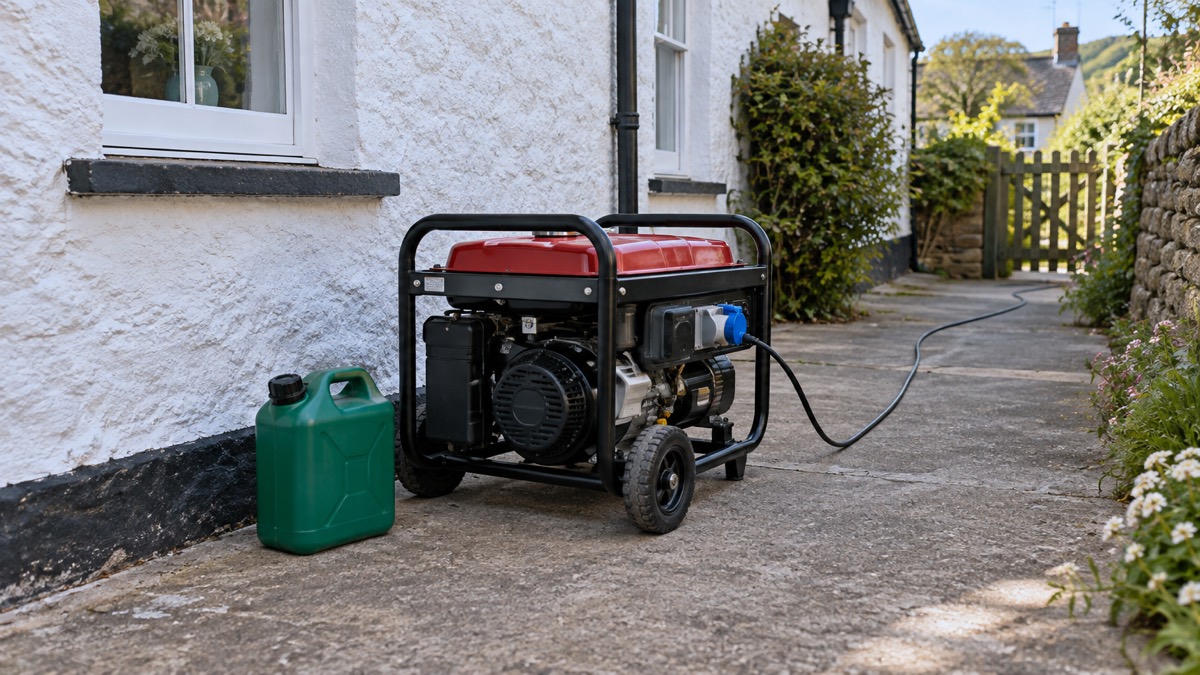
The headline figures are 5.00 kW continuous and 5.50 kW maximum, which the distributor also gives as 6.00 kVA continuous and 6.90 kVA maximum1. The difference between the two pairs is the power factor: kVA measures apparent power, kW measures the power that actually does work. For a household, the kW figures are the ones to plan with.
The gap between continuous and peak matters more than it looks. Motors in fridges, freezers and pumps draw a surge of several times their running current for a moment when they start. The 5.50 kW maximum is there to absorb that surge, but only briefly. If you load the machine to its continuous rating and then switch on a fridge, you may trip the breaker. The practical approach is to add up what you want to run, keep the total comfortably below 5.00 kW, and start the largest motor-driven appliance first, before the rest of the load is connected. Our explainer on watts, watt-hours and surge walks through the arithmetic, and what size generator do I need for a power cut helps you size the job.
| Specification | Figure |
|---|---|
| Continuous output | 5.00 kW (6.00 kVA)1 |
| Maximum output | 5.50 kW (6.90 kVA)1 |
| Frequency | 50Hz1 |
| Sockets | 1 x 115V 32A, 1 x 230V 32A1 |
| Alternator | Senci alternator with copper windings1 |
Note the sockets. There is one 230V 32A outlet and one 115V 32A outlet1. The 115V socket is not useful for standard UK household appliances, so in practice you are working from a single 230V outlet. That means a distribution board or a set of extension leads, and it means thinking about extension leads and overloading before you plug everything in at once.
Run time: up to 12 hours at half load on a 25-litre tank
The distributor states a run time of 12.00 hours and a fuel capacity of 25.00 litres, and describes stable running up to 12 hours at 50% load1. The same page also describes running between 8 and 12 hours depending on the load applied1. The two statements are not reconciled, so treat 12 hours as the best case at half load and the lower end of that range as realistic when you are drawing more.
Half load on this machine is a working figure rather than a token one: a fridge, a freezer, a boiler, lighting and a television can sit within it if you are disciplined. Push towards the full 5.00 kW and the tank will empty faster. For context on how fuel draw scales with load across generator types, see how long will a generator run on a tank of fuel.
Fuel storage is the constraint that catches people out. A 25.00 litre tank is a lot of petrol to have in the shed, and the rules on how much you may keep at home are worth reading before you buy. Our page on how much petrol can I store at home safely covers that, and how to store a generator after a power cut covers what to do with the machine and the fuel between events.
Moving and placing an 81.00kg generator
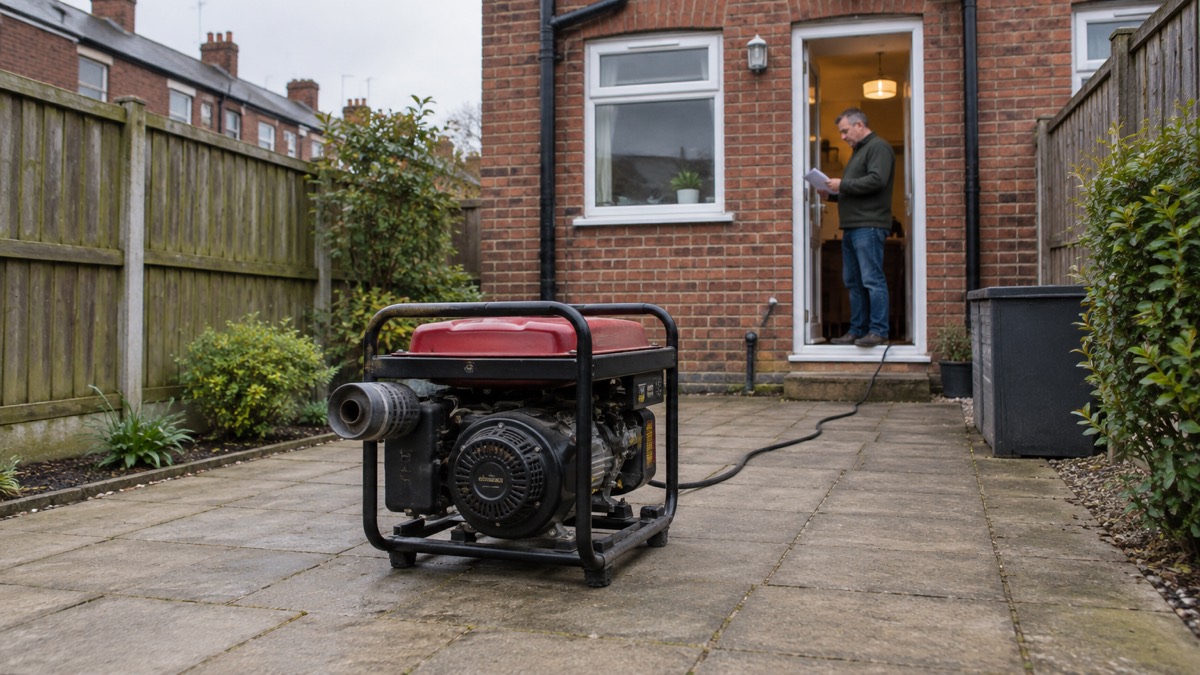
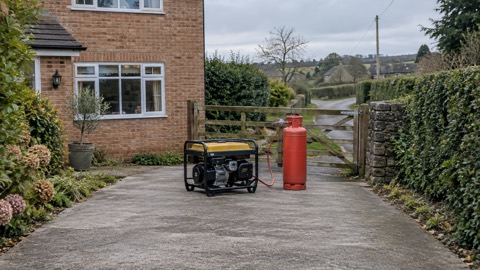
At 81.00kg the SC6000-II is a heavy machine, and the distributor points to two 9-inch wheels and a fold-down handle for positioning1. That works on a flat path or a driveway. It does not work on gravel, soft grass or a slope, and it certainly does not work on a balcony. Wherever you put it, the advice is firm, level ground away from combustible materials, standing water and areas where exhaust gases could accumulate2.
The generator maker's guidance is specific about where the machine should stand: on firm, level ground, away from combustible materials, standing water and areas where exhaust gases could accumulate2. Read that list as a set of exclusions. Not inside a garage with the door shut, not in a conservatory, not under a window that opens, not next to a fence or a stack of firewood, and not in a puddle.
Our guides on generator safety, can you run a generator indoors or in a garage and carbon monoxide from generators go through the detail. On noise, 65 dB(A) at 7m is the distributor's figure1; whether that is acceptable to your neighbours is a judgement for you, and how loud is a generator sets out what the numbers mean in practice.
Built-in protection: low oil alert, overload cut-out and AVR
The SC6000-II carries three protections worth understanding, because each one tells you something when it operates.
The low oil alert and overload protection are described by the distributor as features that ensure the lifespan of the machine1. The control panel includes an oil lamp to indicate the oil level for maintenance, alongside a three-pole key switch and a circuit breaker1. If the oil lamp comes on, stop the engine and check the oil before restarting: the alert is there to prevent damage, not to be ignored until the next service. If the circuit breaker trips, you have overloaded the machine. Switch off and unplug appliances before resetting it, then bring the load back on gradually.
The AVR, or automatic voltage regulator, is listed as fitted1. It holds the output voltage steady as the load changes, which matters for sensitive electronics. It is not the same as an inverter output, and it does not make the machine suitable for running indoors or for back-feeding a domestic circuit. On that last point, connecting a generator to your home's wiring is a job for a qualified electrician with the right transfer arrangement; our guide to connecting a generator or battery to your home's wiring explains why, and using generators and power stations during an outage covers the practical routine.
The panel itself is described as full closed, dustproof and water resistant1. That protects the controls. It does not license use in the wet.
Starting, monitoring and the 12V battery
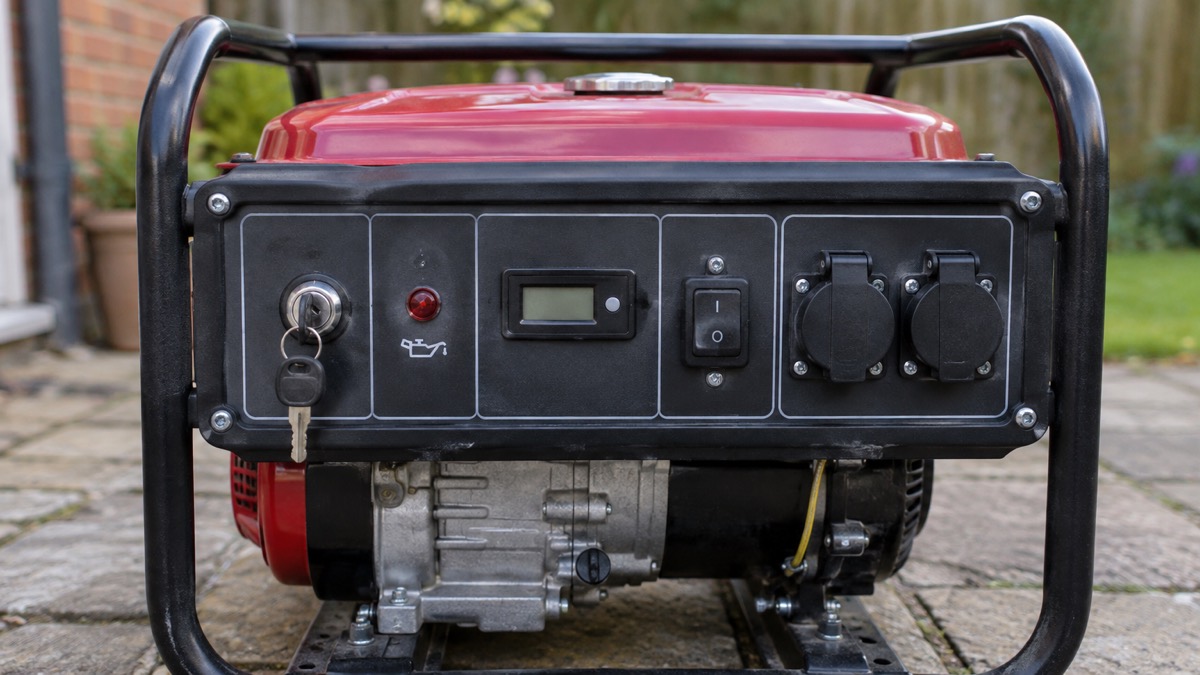
The SC6000-II starts either electrically by key or by recoil, and it has an onboard 12V battery to support the electric start1. In cold weather the recoil start is your fallback if the battery is flat, and it is worth knowing how to use it before you need it. Our page on will a generator start in cold weather covers the conditions that make starting harder.
The digital display on the panel lets the user keep an eye on generator usage1. The distributor does not list which readings it shows, so treat it as a monitoring aid rather than a full instrument panel. Watch it alongside the oil lamp and the breaker, and if something looks wrong, stop and check before adding load.
The distributor does not publish a charging routine for the 12V battery. As a matter of routine maintenance, check it before winter, keep the terminals clean, and if the electric start turns slowly, use the recoil start and have the battery tested rather than cranking repeatedly. Our backup power checks before winter checklist is a sensible place to build that habit in.
Warranty and support
The SC6000-II carries a 3 year limited warranty, subject to the manufacturer's terms and conditions1. Read the terms before you rely on them: limited warranties commonly exclude wear items, fuel system problems from stale petrol and damage from misuse, and the conditions are set by the manufacturer rather than the retailer.
Keep your proof of purchase, the serial number and a record of the service history somewhere you can find them. If the machine develops a fault, contact the retailer you bought it from in the first instance, and have the model, serial number and a description of the fault ready. The distributor listed the machine as in stock at the time of writing1.
For the wider picture on generator types, fuel choices and how they fit a household plan, start with portable generators: petrol, diesel, dual-fuel and inverter types and the backup power at home guide. If you are weighing up an open-frame machine against a quieter inverter unit, inverter generator or open-frame generator sets out the differences.
Sources (4)
- Senci SC6000-II Petrol Generator, Generators Direct, 2026-10-02
- Generators, Clarke International, 2026-10-25
- BLUETTI Elite 400 Portable Power Station, BLUETTI, 2026-10-25
- Electrical Safety for New Parents, Electrical Safety First, 2026-10-25
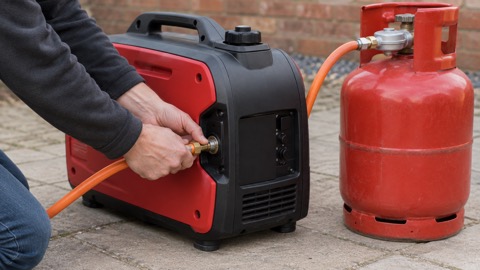 EcoFlow Dual Fuel Generator
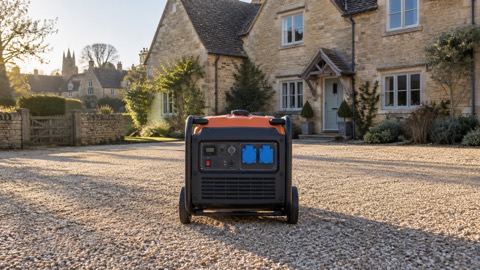 Honda EU70iS Generator
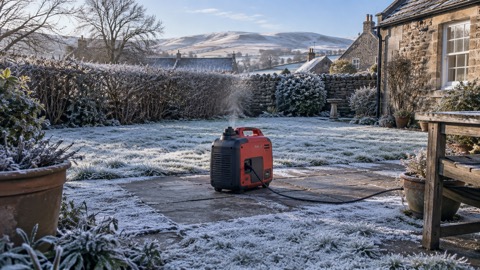 Honda EU32i Generator
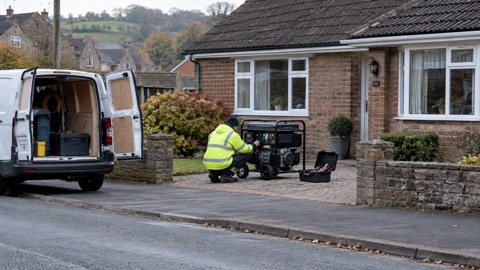 Honda EG3600 Generator
 Pramac P3500i Generator
 Senci SC10000-II Generator
 Senci SC6600iED Generator
 Gorilla Power GP3800iE
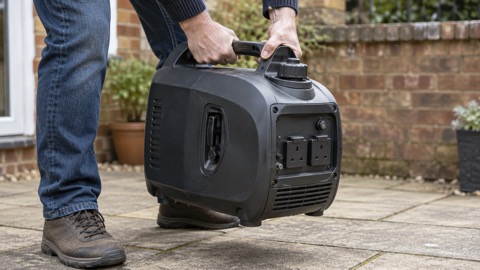
 Gorilla Power GP6500E-DF
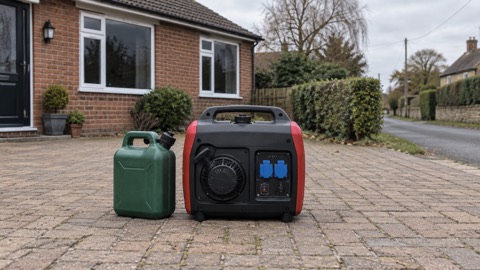
 Gorilla Power GP3500i
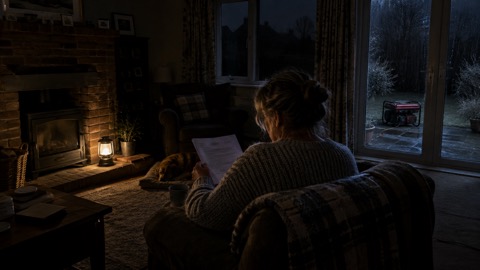
 Hyundai HY2250Si Generator
 Hyundai HY1000Si Generator