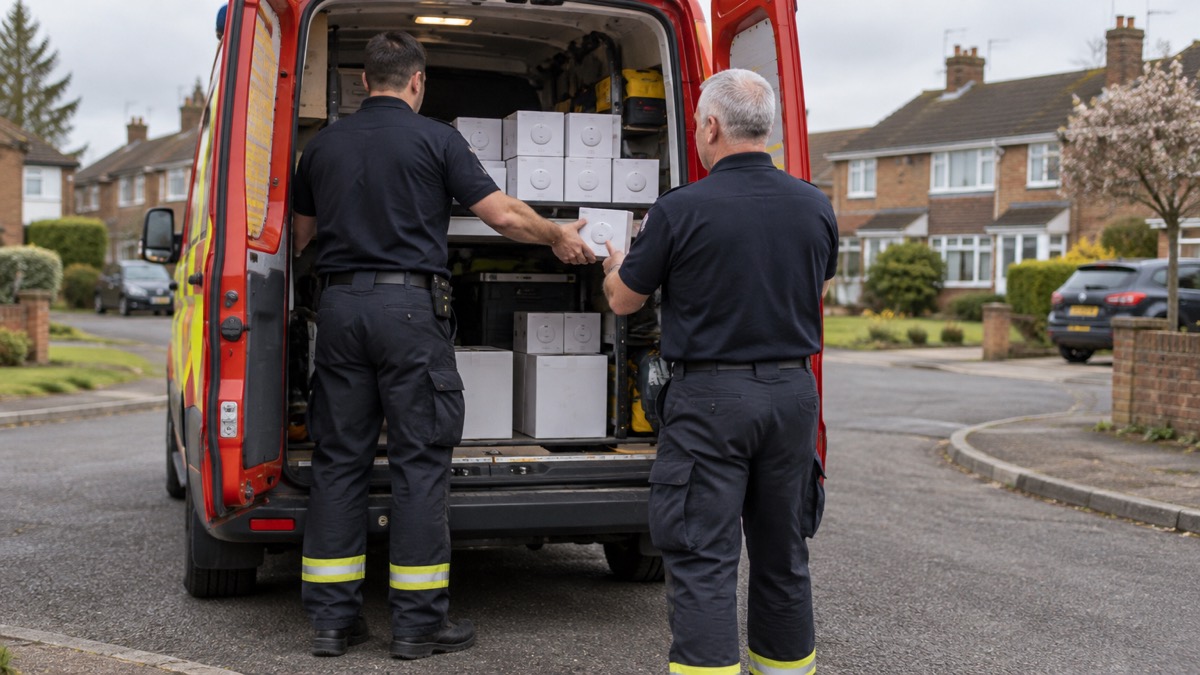
The Aico Ei650RF is a battery-powered optical smoke alarm that links wirelessly to compatible alarms in the same home. Fit one and a fire detected in the hallway sets every linked alarm sounding, including the one outside the bedroom, which buys the household time to get out. It runs on its own battery rather than mains wiring, so it keeps working in a power cut and can go where there is no ceiling wiring1.
For an ordinary household getting ready for emergencies, that combination matters more than any single feature. A power cut, a storm or a flood does not switch off a fire risk, and the moments when the mains is down are exactly when people reach for candles, portable heaters and other substitutes. A battery alarm that is already linked to the rest of the house carries on doing its job through all of it.
This page covers what the Ei650RF does, where to fit it, how to test the link, what to do when it sounds, and how to check it against the recall that affected a different Aico alarm. It is one alarm in a wider plan: the Home Emergencies: Fire, Carbon Monoxide, Gas Leaks and Burst Pipes section sets out the rest.
How radioLINK+ interlinking works in your home
RadioLINK+ is Aico's interconnection technology. It lets compatible alarms talk to each other by radio frequency, so that a fire detected by one unit sets the others sounding, and it does so without running cabling between them8. The maker describes the Ei650RF as a battery-powered optical alarm with built-in radio frequency technology for quick interconnection with an existing system1. The same technology sits alongside SmartLINK in the maker's range, and both can interconnect compatible alarms within an individual flat, so a lounge fire raises the alarm in the bedroom too9.
The practical point for a household is that linking is not a luxury for large houses. Fire and rescue services describe interlinked alarms as useful in larger properties and for people who are D/deaf or hard of hearing, and explain the behaviour plainly: when one alarm senses smoke, every alarm goes off10. Another service puts it in terms of time, saying linked alarms all go off together when one detects a fire, which is useful in a large house or over several levels11. The maker's own summary is that in connected systems, if one alarm detects smoke, all linked units will sound to alert the whole household12.
Two things follow for anyone preparing a home.
- No WiFi, no app, no broadband. Scottish Government guidance states that both types of alarm are interlinked by radio frequency and do not need WiFi3. The link is between the alarms themselves, so it survives a router failure, a broadband outage or a power cut.
- Pairing is a deliberate step. The maker's guidance is to follow the manufacturer pairing or wiring instructions to ensure all units communicate13. An alarm that has never been paired is a standalone alarm, and a standalone alarm in a closed bedroom door is easy to sleep through.
Interlinking is also recognised in the standards. The maker notes that interlinked alarms are considered a best practice enhancement under BS 5839-613, and that BS 5839-6 2019 + A1 2020 recommends interlinking smoke and carbon monoxide alarms to provide early warning throughout the home14. For a household, the message is simple: the value of the Ei650RF comes from the system it joins, not from the unit on its own.
Choosing the rooms for your alarms
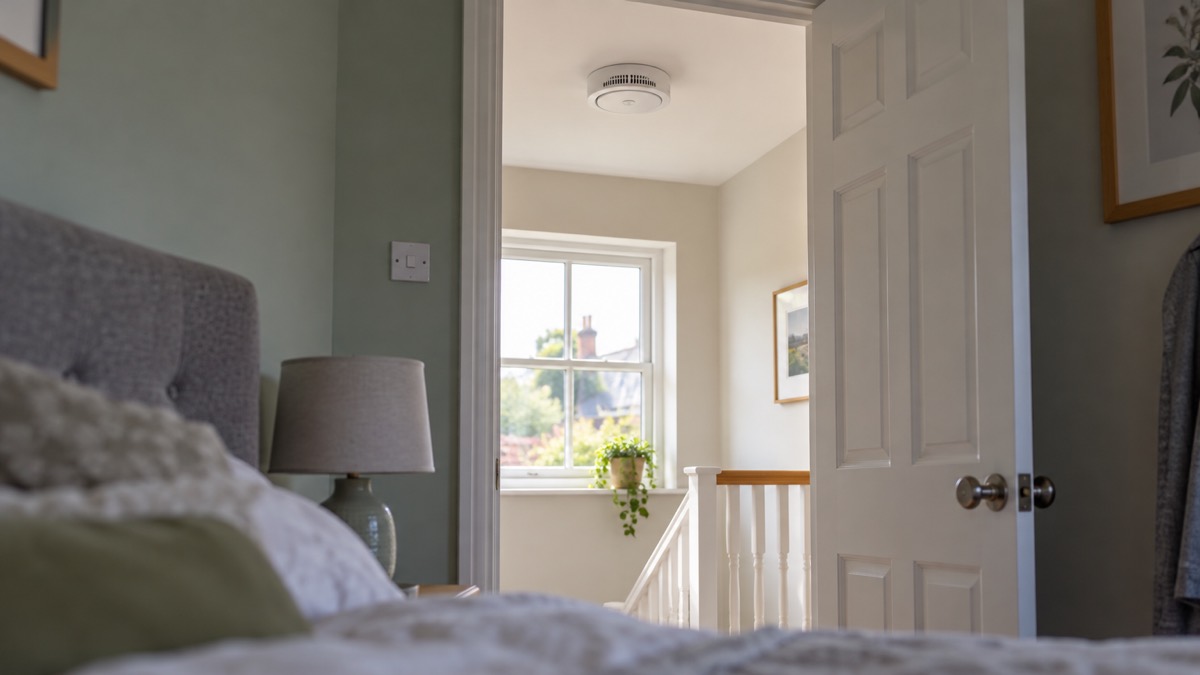
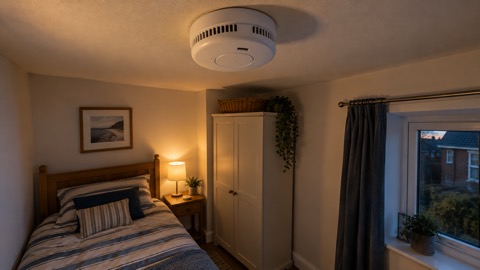
The Ei650RF is an optical smoke alarm, and optical sensing is suited to the slow, smouldering fires that produce visible smoke. Aico's own room guidance puts optical smoke alarms, naming the Ei3016, Ei650i, Ei146e and Ei650iRF, in hallways, landings, living rooms, bedrooms and dining rooms2. Fire and rescue services recommend both ionisation and optical smoke alarms for most areas such as living rooms, hallways, landings and dining rooms15, and advise fitting additional alarms in other rooms that are regularly inhabited and where there could be a risk of a fire starting16.
The National Fire Chiefs Council position statement goes further, recommending that smoke alarms are fitted in every room in the house which is regularly inhabited, such as bedrooms, living rooms and dining rooms, based on the fire risk to the occupants18. For a household planning ahead, that is the standard to aim at over time rather than all at once.
| Room | What suits it | Why |
|---|---|---|
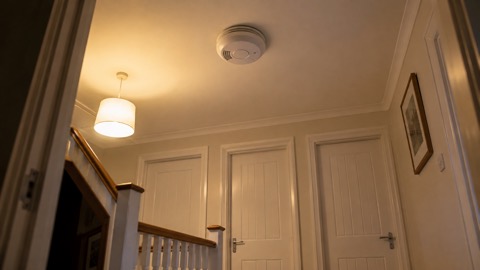
| Hallway, landing | Optical smoke alarm, such as the Ei650RF | The escape route, and the place a fire is most likely to be met on the way out2 |
| Living room, dining room | Optical smoke alarm | Regularly inhabited rooms where a fire can start2 |
| Bedroom | Optical smoke alarm | Gives warning while people are asleep2 |
| Kitchen, garage | Heat alarm | Rooms where a smoke alarm may falsely activate19 |
| Loft space, thatched or open-fire homes | Interlinked smoke alarm | Recommended where there is loft space20 |
A few rules of thumb help when you are deciding how many to buy. One official guide states that typically one smoke alarm is required on each level of the property and in the main living area5. Another service advises considering an interlinked alarm system to ensure smoke alarms are heard in all rooms of the house22. For a household with a carer or a telecare pendant, one service suggests fitting interlinked smoke alarms that connect to the telecare, carecall or lifeline system23.
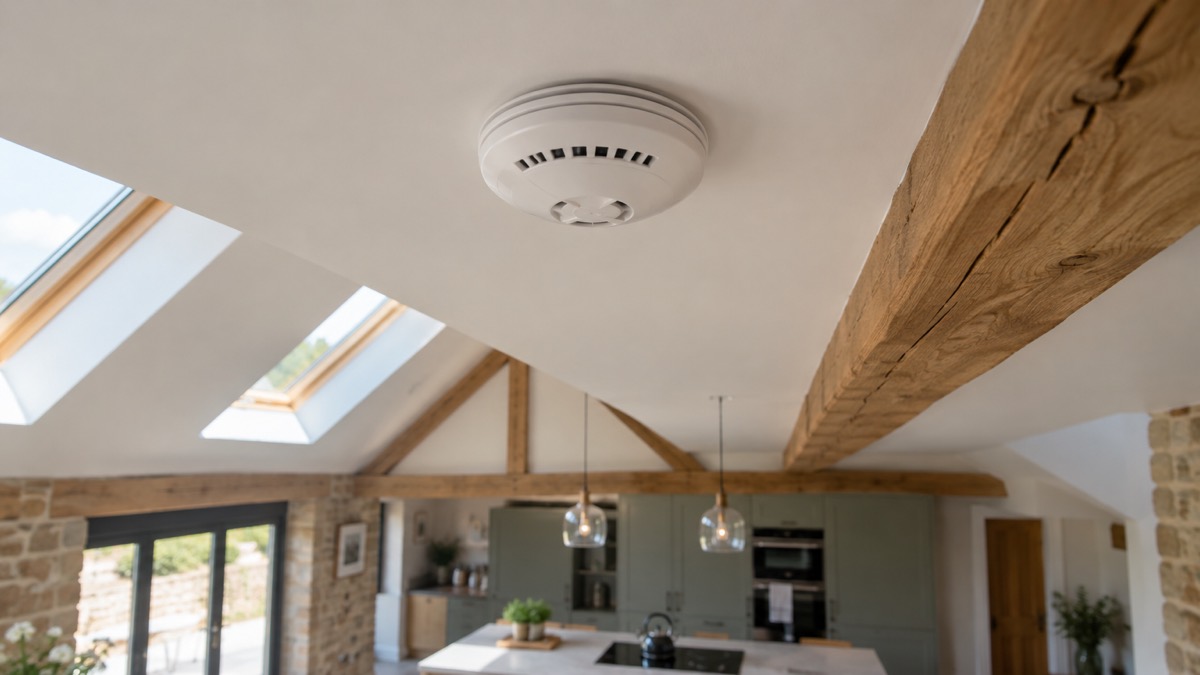
The kitchen is the room where the Ei650RF should not go. Aico recommends siting heat alarms in rooms which smoke alarms may falsely activate, in line with British Standard BS 5839-619. A heat alarm responds to the temperature rise of a real fire rather than to burnt toast, so it protects the room without the false alarms that lead people to disable a smoke alarm. The Heat Alarm or Smoke Alarm: Which Goes Where comparison sets the two side by side.
Fitting and testing your interlinked alarms
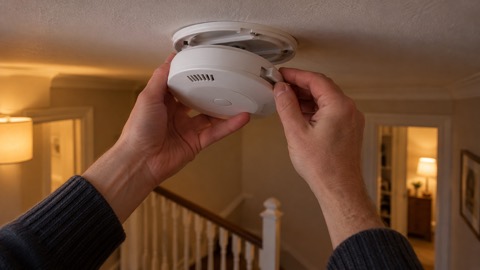
Fitting the Ei650RF is a battery job, not a wiring job, which is what makes it practical for a household that wants linked protection without an electrician. The maker's replacement guidance for hardwired alarms shows the contrast: isolate the electricity supply before removing the unit, attach the replacement to the base and click it into place, reinstate the power and carry out a full system test24. With a battery alarm there is no supply to isolate, but the final step is the same and it is the one people skip.
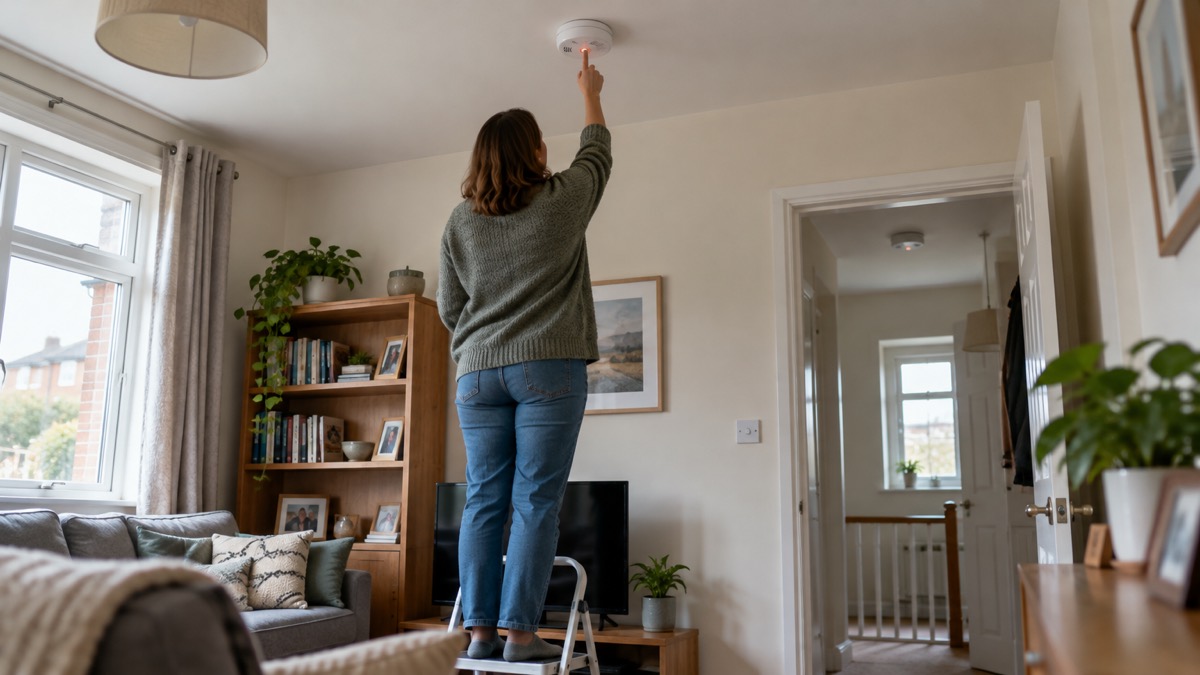
Testing is where a linked system earns its keep. Aico's testing guidance is to ensure all interconnected alarms sound1. FireAngel's homeowner guidance is more specific: as part of monthly checks, confirm that all smoke and heat alarms are interlinked so that when one is activated, all alarms sound, described as "one alarm, all sound"6. Northern Ireland Fire and Rescue Service advises fitting a smoke alarm and testing it once a week7.
- Press the test button on one alarm and listen. Every linked alarm in the house should sound, not just the one under your finger1.
- If only one sounds, the units are not communicating. Follow the manufacturer's pairing or wiring instructions to ensure all units communicate13.
- Test weekly, and note the date. Northern Ireland Fire and Rescue Service advises fitting a smoke alarm and testing it once a week7.
- If an alarm chirps, treat it as a battery warning and deal with it the same day rather than waiting for the weekend.
Where you cannot hear an alarm, linking is not the whole answer. For people who are deaf or have hearing loss, one fire and rescue service advises fitting a system of interlinked smoke and heat alarms together with an interlinked strobe light and vibrating pad, so that a vibrating and visual alert is given if any alarm activates, with the pad placed under the pillow at night25. The Smoke and CO Alarms for Deaf and Hard of Hearing People page covers the options. For a vulnerable person living alone, another service advises making sure alarms are interlinked so that when one detects a fire they all go off together, giving early warning26.
What to do when an alarm sounds
When the Ei650RF sounds, the first question is whether the whole system is sounding. Aico's guidance explains that if you have other alarms in the building they will most likely be linked as part of a safety system, so if one alarm sounds it sends a signal to trigger the others, and they should all be emitting sound at the same time2. That is the design working as intended, and it is why the alarm cannot be dismissed as "just the hallway one".
If there is no fire, the maker's advice for a false alarm is to find the alarm with the red light rapidly flashing, press its Hush button to silence it, and if that does not silence it, clean it with a vacuum and wait 10 minutes27. The How to Stop Smoke Alarm False Alarms page goes through the common causes.
If there is a fire, get out, stay out and call 999. The What to Do If a Fire Starts in Your House page sets out the sequence, and the How to Make a Fire Escape Plan page helps you rehearse it before you need it. If you live in a block of flats, the advice differs, and the What to Do If There Is a Fire in Your Block of Flats page covers it.
One more habit is worth building. If you hear a smoke alarm sounding at a neighbour's home, it is fine to take action and call 999, because it could save a life28. A linked system protects your household; a neighbour who acts protects theirs.
Where the Ei650RF fits a household emergency plan
The case for a battery interlinked alarm is strongest in the situations this site is built around. A power cut does not stop a fire, and it does raise the risks: candles, portable heaters and appliances used in unfamiliar ways. A battery alarm keeps working when the mains does not, and a linked one still wakes the household. The Power Cuts: A Household Guide and Emergency Lighting at Home: Torches, Lanterns and Candles pages cover the rest of that planning.
The same applies to a flood or a storm. When the electricity is off and the house is full of people moving around by torchlight, an alarm that needs no mains supply and no WiFi is one less thing to think about. Scottish Government guidance is explicit that interlinked alarms are linked by radio frequency and do not need WiFi3, which matters when the broadband has gone down with the power.
The Ei650RF is a smoke alarm, and a household plan needs more than smoke detection. Carbon monoxide is a separate hazard with a separate sensor. Aico makes battery-powered and wireless carbon monoxide alarms with electrochemical sensors29, and Which? notes that models or bundles can be found that are interlinked with smoke and carbon monoxide alarms30. One fire and rescue service describes wireless interlinked carbon monoxide alarms linking up to a hearing-impaired alarm system that uses a strobe light and vibrating pad31. The Carbon Monoxide Alarms: What They Do and How to Choose page and the Combined Smoke and CO Alarm or Separate Alarms comparison help you decide between combined and separate units.
For a household that wants a multi-sensor rather than an optical alarm in a particular room, Aico's multi-sensor alarms contain both an optical and heat sensor and detect both heat and smoke32. The Aico Ei3024 Multi-Sensor Alarm page covers that model, and the Aico brand page lists the wider range.
Checking for recalls and getting support
Before you rely on any alarm, check it against the recall notices. On 29 May 2025 a recall was issued for the Aico Ei3014 Heat Detector because a small production batch carried plastic coverings wrongly stating that the unit could also detect carbon monoxide, when it detects heat only, and the product was recalled from end users7.
For support with the Ei650RF itself, the maker publishes homeowner guidance on testing, replacing and choosing alarms, and the Aico brand page is the place to start. The When to Replace a Smoke, Heat or CO Alarm page covers how long alarms last and when to swap them, and the How Often to Test Smoke and CO Alarms page sets out the testing routine in more detail.
If you need help fitting or checking alarms, the fire and rescue service in your nation offers home safety visits. The arrangements differ: Scotland has its own alarm standard, set out by the Scottish Government4 and explained by the Scottish Fire and Rescue Service3, while the Wales and Northern Ireland: Alarm Rules and Fire Services page covers the position there. For a household that needs extra support, the Extra Help in an Emergency: Older, Disabled and Medically Dependent Households page explains the Priority Services Register and other routes to help.
Sources (32)
- How to test smoke alarms, Aico, 2026
- How to replace a fire alarm, Aico, 2026
- Smoke and heat alarms, Scottish Fire and Rescue Service, 2025
- Fire and smoke alarms in Scottish homes: where and what to buy, Scottish Government, 2024
- Sensory support, South Lanarkshire Council, 2026
- Important information for home occupiers, FireAngel, 2026
- As lockdown eases be safe this summer, Northern Ireland Fire and Rescue Service, 2020
- Alarm types, Aico, 2026
- Fire safety in flats and apartments, Aico, 2026
- Smoke alarms and heat alarms, London Fire Brigade, 2026
- Fire safety in the home, Suffolk County Council, 2021
- How long will a smoke alarm go off for?, FireAngel, 2026
- Are interconnected smoke alarms necessary?, FireAngel, 2025
- Chimney fire safety, Aico, 2026
- Detectors, Surrey County Council, 2026
- Celebrating safely: Hanukkah, Greater Manchester Fire and Rescue Service, 2026
- Smoke and heat alarms, Greater Manchester Fire and Rescue Service, 2026
- NFCC Home Detection Position Statement, National Fire Chiefs Council, 2019
- Beyond smoke: the role of heat alarms, Aico, 2026
- Thatched properties, Devon and Somerset Fire and Rescue Service, 2026
- Open fires, Devon and Somerset Fire and Rescue Service, 2026
- Fire safety for carers, Devon and Somerset Fire and Rescue Service, 2026
- Hearing and sight difficulties, Dorset and Wiltshire Fire and Rescue Service, 2025
- How do I replace my alarm?, Aico, 2026
- Additional advice for people who are deaf or have hearing loss, Greater Manchester Fire and Rescue Service, 2026
- Alarms for carers and support workers, London Fire Brigade, 2026
- Ei3024 Multi-Sensor Fire Alarm, Aico, 2026
- Extreme weather winter guide, London Fire Brigade, 2025
- Carbon Monoxide Alarms, Aico, 2026
- Fire safety essentials, Which?, 2026
- Gas Networks fund 25,000 carbon monoxide detectors, Dorset and Wiltshire Fire and Rescue Service, 2022
- Multi-sensor alarms, Aico, 2026

 FireAngel FA3313 CO Alarm
 FireAngel FA3322 CO Alarm
 FireAngel FA3820 CO Alarm
 FireAngel FA6812 CO Alarm
 FireAngel FA6813 CO Alarm
 FireAngel FA6829S CO Alarm
 FireAngel CW1-PF CO Alarm
 FireAngel W2-CO-10X CO Alarm
 FireAngel FP1820W2-R CO Alarm
 FireAngel FP2620W2-R Alarm
 FireAngel ST-632 Smoke Alarm
 FireAngel ST-750 Smoke Alarm