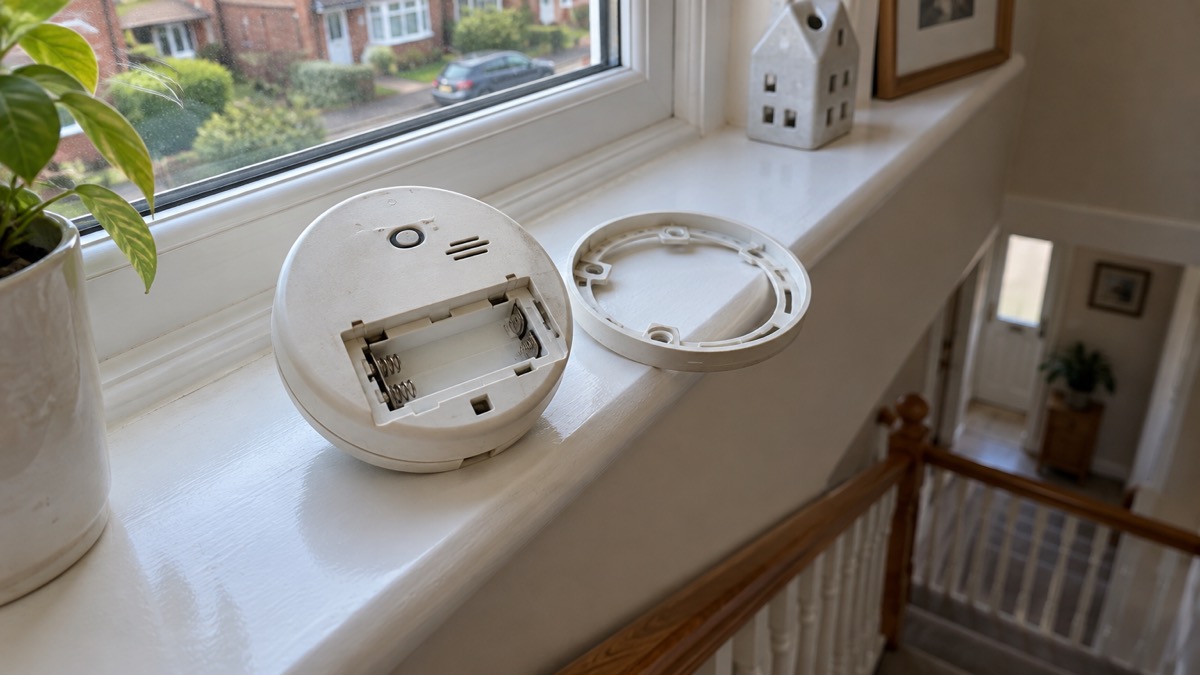
The FireAngel ST-620 is a 10 year Thermoptek optical smoke alarm1. If you already have one on your ceiling, it is still a certified smoke alarm and worth keeping in service while it works, but it is a sealed-battery unit that cannot be interlinked with any other alarm, and its replacement route runs through two current FireAngel models that fit the same baseplate2.
For a household preparing for emergencies, a smoke alarm is the piece of kit that matters most in the minutes after a fire starts, and it is the one that most often quietly stops working. The ST-620's job is simple: give you early warning so you can get out. What follows covers what the alarm is, what it can and cannot do, how to keep it ready, how to replace it when its life ends, and where to get help if you are unsure.
The ST-620 is discontinued: what owners should do
The ST-620 was a popular 10 year optical smoke alarm, and the retailer that listed it records that it was discontinued by the manufacturer in 20181. That date matters more than it might seem. A smoke alarm's sensing chamber and electronics age from the day it is manufactured, not the day it is fitted, so a unit that has been sitting in a box or on a shelf for years has already used part of its working life before it protects anyone.
If you have an ST-620 on your ceiling, the practical position is this:
- Keep it working while it is in date. Test it regularly and act on any beeping. FireAngel's own guidance for a beeping alarm is to deal with the cause, and if the alarm carries on sounding, to remove the alarm from its base plate5.
- Do not buy a new one. Any ST-620 you find now is old stock. The Electrical Safety First guidance is blunt about the habit that protects households: test your alarms and replace batteries when needed6.
- Plan the replacement before it fails. The maker gives a specific route, covered below, so you are not choosing a new alarm in a hurry.
If your alarm is beeping and you are not sure why, the general guidance on why a smoke alarm keeps chirping walks through the common causes, and how often to test smoke and CO alarms sets out a testing routine.
Replacing an end-of-life ST-620 on the same baseplate
This is the most useful thing on the page for an ST-620 owner. FireAngel's own replacement advice is that an end-of-life ST-620 should be replaced with either a FireAngel FA6615-R Optical Smoke Alarm with 5 year replaceable batteries or a FireAngel FA6620-R Optical Smoke Alarm with a 10 year sealed for life battery, without requiring a new base plate4. The same advice appears in the maker's product guidance, which describes swapping an end-of-life ST-622, ST-620 or ST-623E for a fit-and-go replacement that uses the same baseplate7.
The two replacement options differ in one way that matters for a household plan:
| Replacement | Battery | What it means for you |
|---|---|---|
| FireAngel FA6615-R | 5 year replaceable batteries | You change the batteries yourself every few years; the alarm body lasts longer4 |
| FireAngel FA6620-R | 10 year sealed for life battery | Nothing to change; replace the whole alarm at end of life4 |
Neither is a better alarm than the other; they suit different households. If you are comfortable keeping a note of when batteries are due, the replaceable route gives you a job you can do yourself. If you would rather not think about it, the sealed unit removes the task but commits you to replacing the alarm. The site's comparison of sealed 10 year or replaceable battery alarms sets out the trade-off in more detail.
Reusing the existing baseplate
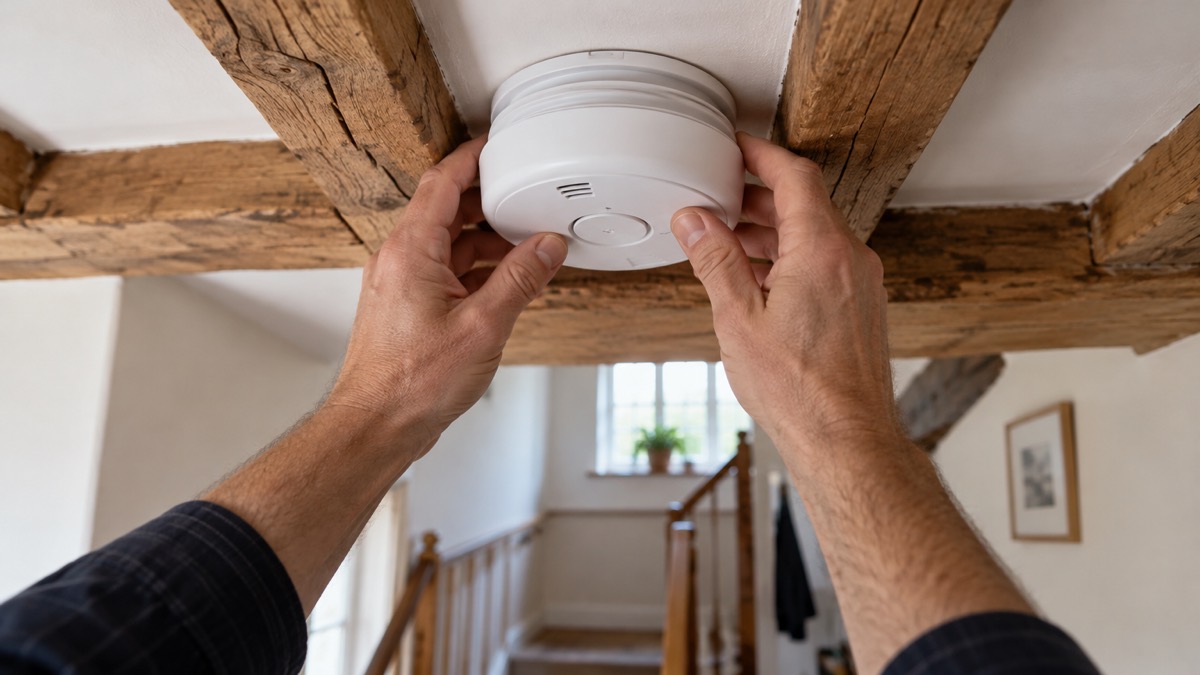
FireAngel states that its One range smoke, heat and Combi alarms use the same MP7 baseplate as many existing fire alarms, including the ST-622, FA6620-R or FP2620W2-R, provided the baseplate is in good condition and has been correctly installed4. That is the condition that decides whether you can simply twist the old alarm off and the new one on.
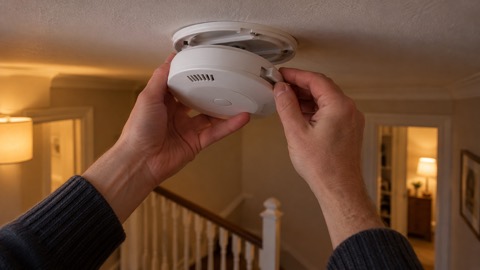
The maker's check is straightforward: if the lugs at the rear of the alarm can be seen once it is turned onto the baseplate, the alarm will be secure and can be installed. If you cannot turn the baseplate enough for the lugs to show, FireAngel offers an alternative baseplate4. If you are fitting a baseplate from scratch, the maker's installation steps are to secure the base plate to the ceiling or wall using the screws provided, breaking out tabs and using fixing slots to mark drill holes and inserting plastic fixing anchors if needed, then to position the alarm on the base plate and twist clockwise until locked8.
If your existing alarm is a different model and you are working out what you have, the pages on the FireAngel ST-622 and the FireAngel ST-750 cover those units, and when to replace a smoke, heat or CO alarm covers the general timing question.
Tested to BS EN 14604
The ST-620's datasheet records that it is certified to BS EN 14604:2005, with the notification body number 0086-CPD-557790 for smoke alarm devices2. That standard is the one official guidance points to when it tells households what a smoke alarm should be. The Scottish Government's guidance on fire and smoke alarms in Scottish homes specifies smoke alarms to BS EN14604:20059, and its tolerable standard guidance states that smoke alarms should conform to BS EN 1460410.
In other words, the ST-620 meets the benchmark that public guidance uses to judge whether a smoke alarm is fit for purpose. FireAngel states more broadly that its alarms are certified to meet British and European standards for safety including BS EN 14604, BS 5446-2, EN 50291 and carry the BSI Kitemark11.
What the certification does not tell you is how much life is left in a particular unit. A certified alarm that is fifteen years old is still a certified design, but it is past the service life its maker set. The standard is a floor for the design, not a guarantee for the individual device.
Where the ST-620 cannot be interlinked
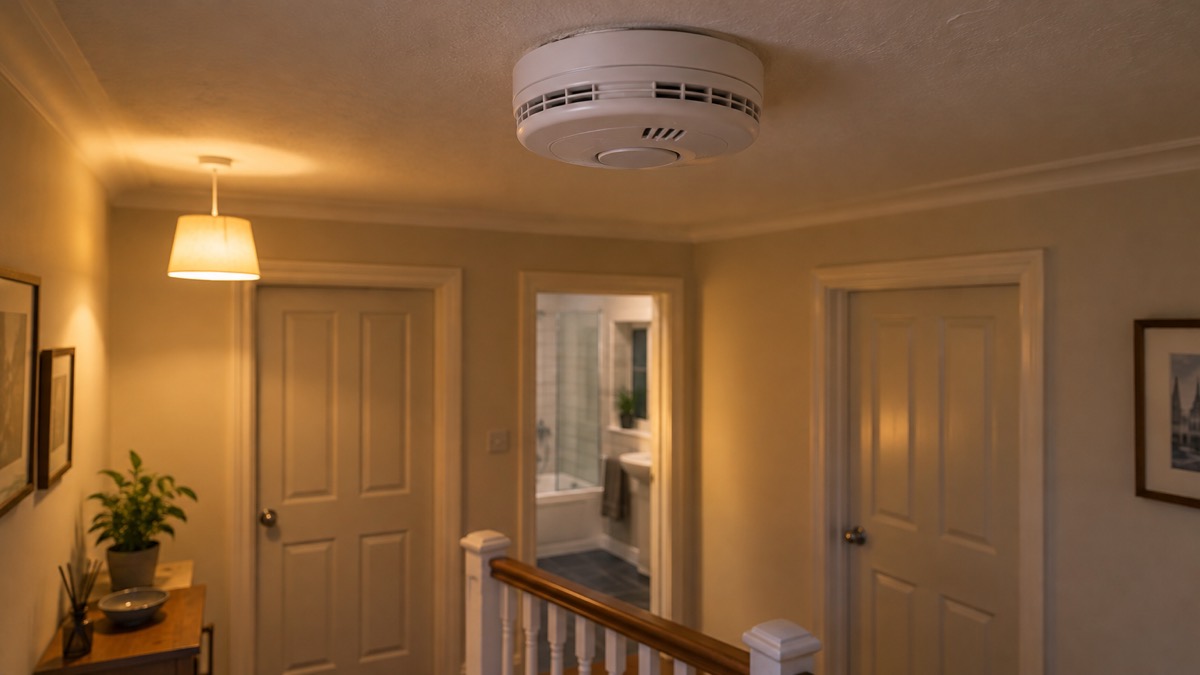
The ST-620 is a standalone alarm. FireAngel states plainly that the FireAngel HT-630 and ST-620 smoke alarm cannot be interlinked with any other alarm3. That is a limit you need to know before you plan a whole-house system, because it means an ST-620 will only ever warn you in the room it is in.
Interlinking matters in an emergency because it buys escape time. If a fire starts downstairs at night, a linked system sounds every alarm in the house, including the one outside your bedroom. A standalone alarm in a hallway may not wake a heavy sleeper behind a closed door. The site's guide to interlinked alarms explains how linking works and what it changes.
If you are building a linked system, two rules from the maker apply:
- Stay within one range. FireAngel states that while both its One and Pro Connected ranges feature interlinked alarms, they can only connect with other alarms within the same range5.
- Do not mix manufacturers. FireAngel advises that it is not recommended to mix alarms from different manufacturers as they may not be compatible in terms of interconnectivity or performance11.
For a household in Scotland, the expectations are set out in the Scottish Government's guidance on where and what to buy, and the site's page on Wales and Northern Ireland covers the arrangements there. In England, the general guide to smoke alarms: types and how to choose one is the place to start if you are fitting a system from scratch.
Keeping an ST-620 ready for an emergency
A smoke alarm is only useful if it is working on the night the emergency happens. The ST-620 has no battery to change, so keeping it ready is about testing, listening and knowing when to act.
FireAngel's guidance on a beeping alarm sets out the response: deal with the cause, and if the alarm carries on sounding, remove the alarm from its base plate5. Electrical Safety First's message to households is to test alarms and replace batteries when needed6. For a sealed unit like the ST-620, that translates into a simple routine:
- Test the alarm regularly using its test button, and note the result.
- Act on any beep or chirp rather than ignoring it; a beeping alarm is telling you something.
- Record the installation date so you know when the ten year service life runs out.
- Replace the whole unit at end of life, using the maker's replacement route above.
If you are checking a whole house before winter or before a trip away, the fire safety checklist for your home and the bedtime fire safety checks put the alarm test alongside the other checks that keep a household safe. For a flat, the fire safety checklist for flats covers the extra points that apply.
Where the ST-620 fits a household plan
The ST-620 is one part of a wider fire plan, and it is worth being clear about what it does and does not do. It gives early warning of smoke in the room it is fitted in. It does not detect carbon monoxide, it does not detect heat without smoke, and it does not warn other rooms. Those jobs belong to other alarms.
If you are building out a household's detection, the site's guides cover the choices: heat alarms: what they do and where they go for kitchens, carbon monoxide alarms for fuel-burning appliances, and combined smoke and CO alarm or separate alarms for the trade-off between the two. For a household with a deaf or hard of hearing member, smoke and CO alarms for deaf and hard of hearing people covers the alternatives.
The alarm is also only half of the plan. Knowing what to do when it sounds is the other half: the guide to what to do if a fire starts in your house and the guide to how to make a fire escape plan set out the steps. If you cannot get out, what to do if you cannot escape a fire covers the options.
Support, warranty and where to get help
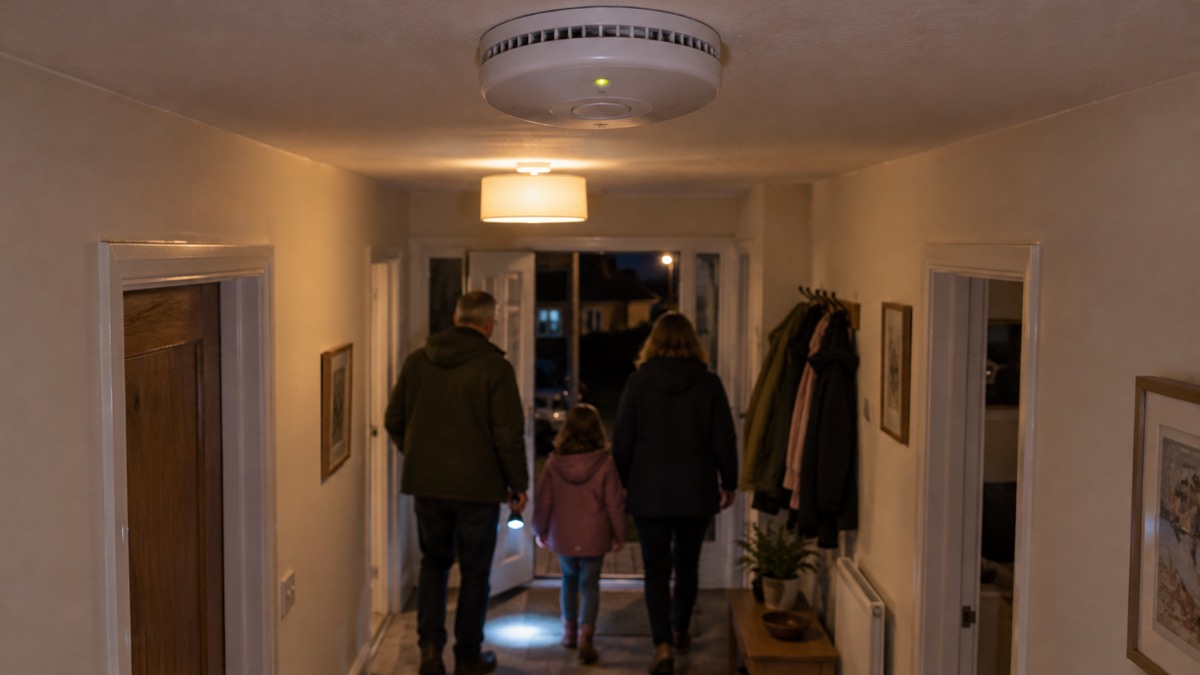
The ST-620 carries a 10 year warranty from FireAngel2. For a sealed alarm, the warranty period and the service life are the same figure, which is a useful thing to know when you are deciding whether to keep a unit in service.
For support, FireAngel publishes homeowner guidance on what a beeping alarm means5, on installing a battery powered smoke alarm8, and a set of frequently asked questions covering product and homeowner topics4. The maker's smoke alarm guide is a general starting point for choosing and fitting alarms.
If you are replacing an ST-620 and want to know what the current FireAngel range looks like, the FireAngel brand page gathers the models the site covers, including the FA6615 and the FA6620 named in the maker's replacement advice.
If you need help fitting or checking alarms, your local fire and rescue service may be able to help. Northamptonshire Fire and Rescue Service, for example, states that it can put up FireAngel smoke alarms with a 10 year sealed for life lithium battery during Home Fire Safety Checks where needed12. Arrangements vary by service, so check your own fire and rescue service's website. The site's guide to how fire and rescue services respond to a call explains what happens when you ring 999.
For households that need extra support, the site's guide to extra help in an emergency covers older, disabled and medically dependent households, and fire risk checks for a vulnerable person's home sets out what to look at.
Sources (12)
- FireAngel ST-620 Thermoptek Smoke Alarm product page, Safelincs, 2018
- ST-620 Data Sheet, FireAngel, 2024-09
- FireAngel HT-630 Kitchen Heat Alarm, FireAngel, 2026-08-21
- FireAngel FAQs: homeowner, FireAngel, 2026-11-02
- What does my smoke alarm beeping mean?, FireAngel, 2026-10-26
- Ipswich man escapes blaze with family thanks to life-saving smoke alarm, Electrical Safety First, 2026-10-25
- FireAngel smoke alarm guide, FireAngel, 2026-07-15
- Installing your battery powered smoke alarm, FireAngel, 2024-10-16
- Fire and smoke alarms in Scottish homes: where and what to buy, Scottish Government, 2024-08-14
- Tolerable standard guidance: satisfactory fire and carbon monoxide detection, Scottish Government, 2023-06-20
- FireAngel FAQs: general, FireAngel, 2026-11-02
- Smoke and carbon monoxide alarms, Northamptonshire Fire and Rescue Service, 2026

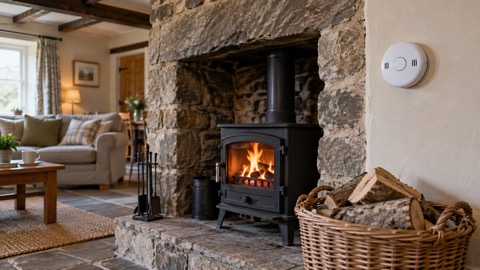 FireAngel FA3313 CO Alarm
 FireAngel FA3322 CO Alarm
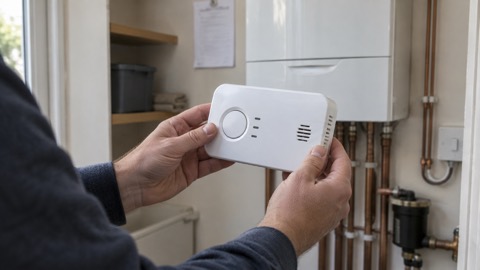 FireAngel FA3820 CO Alarm
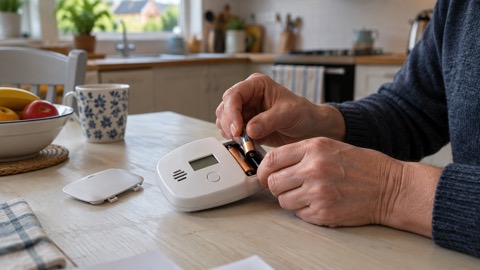 FireAngel FA6812 CO Alarm
 FireAngel FA6813 CO Alarm
 FireAngel FA6829S CO Alarm
 FireAngel CW1-PF CO Alarm
 FireAngel W2-CO-10X CO Alarm
 FireAngel FP1820W2-R CO Alarm
 FireAngel FP2620W2-R Alarm
 FireAngel ST-632 Smoke Alarm
 FireAngel ST-750 Smoke Alarm