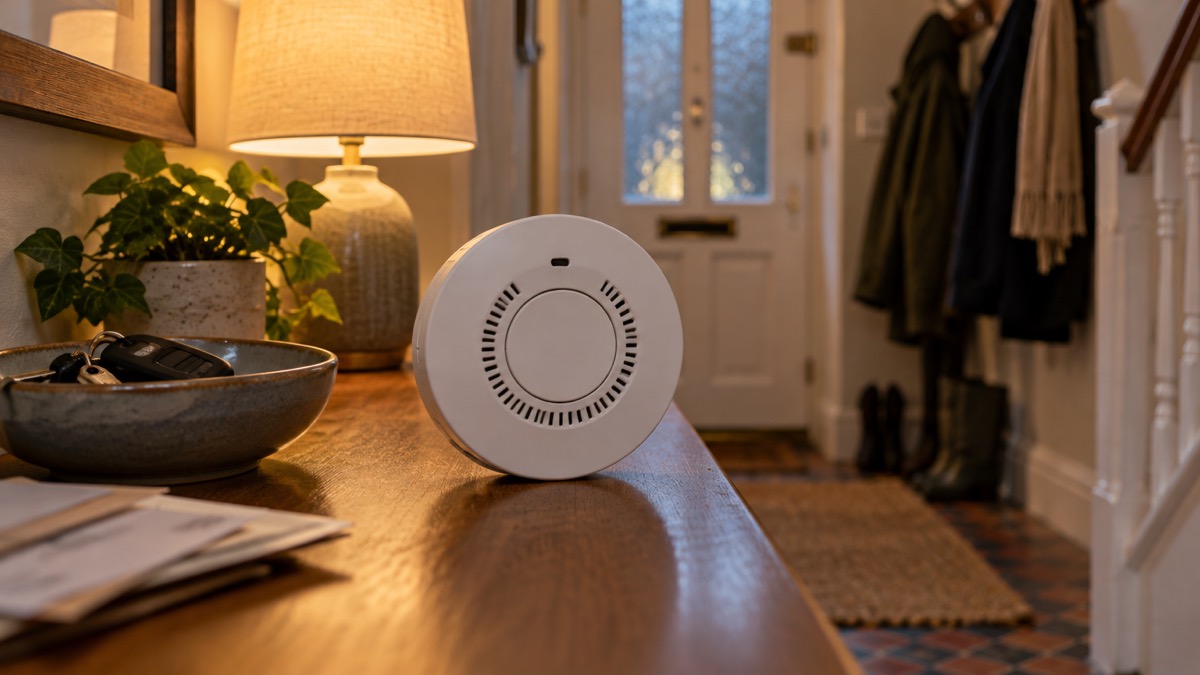
The FireAngel FA6620 is a battery powered optical smoke alarm with a sealed lithium battery that the maker says lasts the full 10 year lifespan, so there is nothing to replace until the alarm itself reaches the end of its life1. It sounds at 85 decibels and is designed to pick up slow-burning fires while cutting down nuisance alarms from cooking2. For a household getting ready for emergencies, that makes it the low-maintenance option for the ceilings that matter: hallways, landings, living rooms and bedrooms.
The FA6620-R is the same alarm sold under a slightly different model name, with the same optical sensor, the same sealed 10 year battery and the same 85dB(A) alert2. Both are certified to EN 14604, the standard for smoke alarm devices1.
What a household needs to know is simple. Fit it in the right rooms and not in the wrong ones. Test it with the button rather than by making smoke. When it starts chirping, treat that as a deadline, not an irritation: the maker's manual says to replace the alarm within 30 days3. And remember what it is not: it detects smoke, not carbon monoxide2.
What the FireAngel FA6620 is, and what it is not
The FA6620 is an optical smoke alarm. Its sensor uses scattered light to spot smoke, which the maker says makes it quick to react to slow-burning fires while reducing nuisance alarms from cooking fumes2. The datasheet describes it as a battery powered optical smoke alarm with a loud 85 decibel piezo electric alarm and fixings supplied for easy installation1. The FA6620-R product page describes the same unit: an optical smoke alarm with a 10 year sealed-for-life lithium battery that sounds a loud 85dB(A) alert2.
The distinction that matters most for a household plan is what it does not do. The maker answers the question directly: no, this is a smoke alarm only and does not detect carbon monoxide2. If your home burns gas, oil, wood or solid fuel, or has a flue or an attached garage, you need a separate carbon monoxide alarm as well. The maker's own guidance for its CO alarms carries a warning worth repeating here, because it explains why one alarm is never a whole-house guarantee:
"WARNING: This alarm will only indicate the presence of carbon monoxide gas at the sensor. Carbon monoxide gas may be pre"
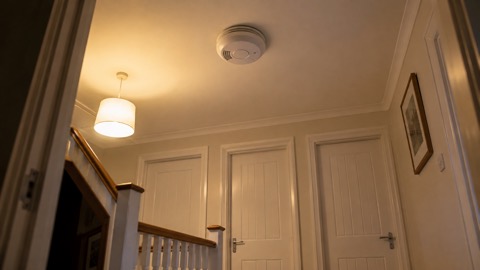
The same logic applies to smoke. A smoke alarm protects the space around it, which is why the maker advises fitting one on every level of the home, ideally in the circulation space on each floor such as the hallway and landing, plus bedrooms, living rooms and dining rooms2. If a single alarm cannot be heard from all bedrooms with the doors closed, fit an additional alarm closer to the sleeping area2.
Where to fit it: living rooms, hallways and bedrooms
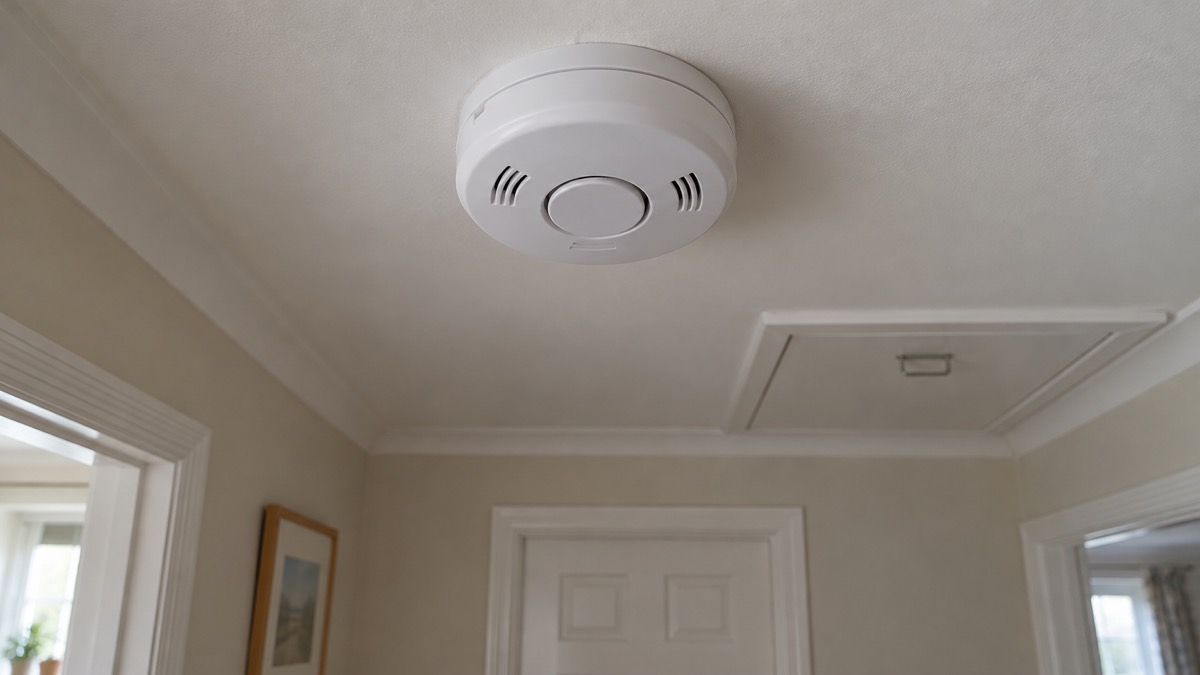
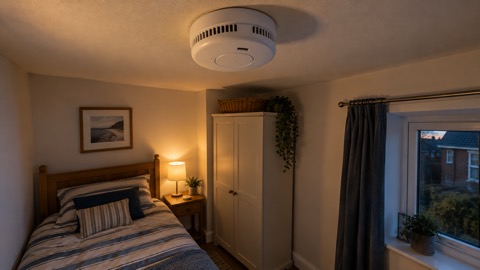
FireAngel's own electrical fire safety guidance names the FA6620 specifically: install optical smoke alarms like the FA6620 in living rooms, hallways and bedrooms4. The FA6620-R page adds landings and leisure vehicles to the list of suitable locations2. The maker's battery-powered installation guide gives the same set of rooms: living rooms, bedrooms, hallways, landings and dining rooms6.
Fire and rescue services go further than the minimum. Warwickshire's guidance says that if your home is on one level, you should fit the alarm in the hallway between the living and sleeping areas7. London Fire Brigade's advice is not to stop at the hall and landing but to fit alarms in any room where a fire can start, for example any room where you smoke or leave appliances plugged in8. The maker's own coverage advice points the same way: install a smoke alarm on every level of the home, in the circulation space on each floor, bedrooms, living rooms and dining rooms, and if a single alarm cannot be heard from all bedrooms with doors closed, fit an additional alarm closer to the sleeping area9. Those pieces of advice together explain why a household plan should count rooms, not just floors.
| Room | Fit the FA6620? | Why |
|---|---|---|
| Hallway and landing | Yes | Circulation space on each floor, where smoke from elsewhere arrives first2 |
| Living room | Yes | Named by the maker and by fire and rescue guidance4 |
| Bedroom | Yes | Named by the maker; keeps the alarm close to sleeping people2 |
| Dining room | Yes | Listed by the maker's installation guidance6 |
| Kitchen | No | Cooking fumes cause nuisance alarms; the maker says do not install there2 |
| Bathroom | No | Steam and condensation; the maker says do not install there2 |
| Garage | No | The maker says do not install there2 |
For a household preparing for disruption, the practical point is that smoke alarms are the one piece of kit that works through a power cut, a flood or a storm without any input from you. A sealed-battery alarm keeps watching the house on the night the power fails, when candles and torches come out and when a household is at its least careful. That is the case for fitting them properly now rather than after the event. If you are working out how many you need, the guide to how many smoke alarms a house or flat needs sets out the room-by-room count, and where to fit smoke alarms covers positions on the ceiling.
Fewer nuisance alarms from cooking
The FA6620's datasheet lists one benefit in plain terms: it reduces nuisance cooking alarms1. The FA6620-R page explains the mechanism and the limits. The optical sensor is designed to reduce false alarms from cooking while still detecting slow-burning fires, and nuisance alarms are often caused by cooking fumes, steam or dust near the sensor2. In other words, the design helps, but placement does most of the work. An alarm a metre from the kitchen door will still complain about toast.
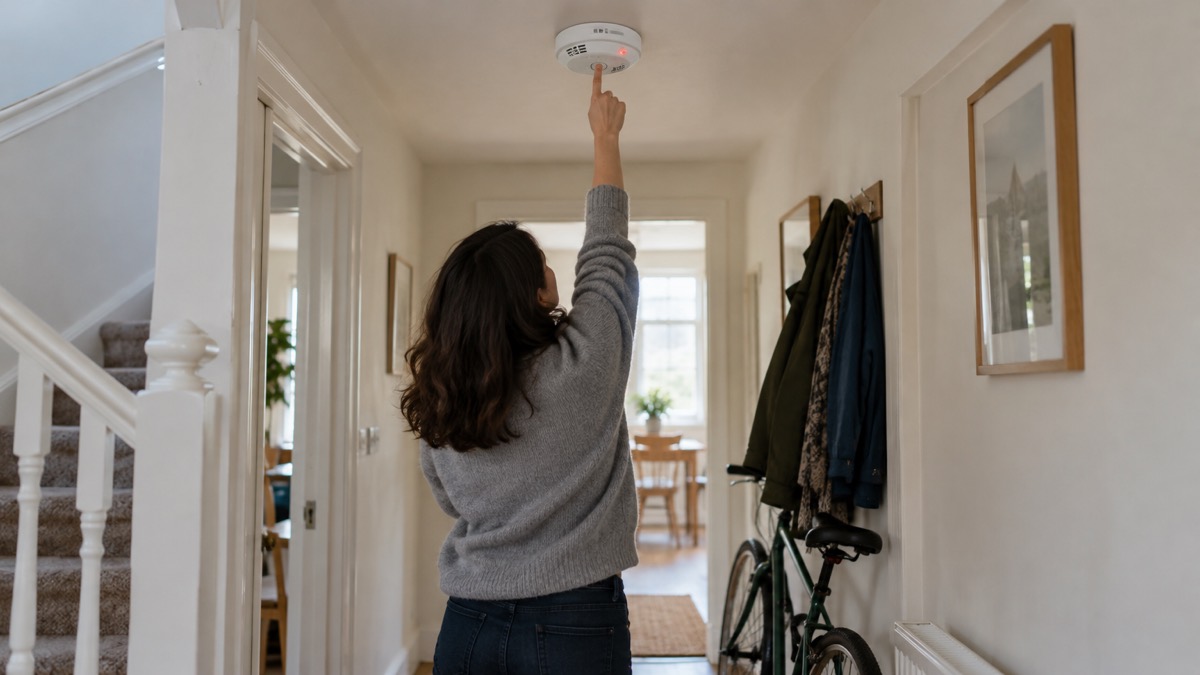
The FA6620-R adds a quiet test function, which checks the alarm at a lower volume than a full alarm so that testing will not disturb loved ones or wake the household9. Testing is done by pressing the large central test button9. That matters for preparedness because an alarm that is annoying to test is an alarm that stops being tested. A household that can check its alarms without waking a sleeping child or a night-shift worker is more likely to keep to a routine.
If an alarm does go off without a fire, the maker's advice is to press the test button to silence it temporarily and ventilate the room2. Do not assume a nuisance alarm is a nuisance until you have checked. The maker is explicit about the difference:
"A continuous loud alarm means smoke has been detected, evacuate immediately and call 999."
The false alarms guide covers what to check when an alarm keeps sounding, and the kitchen fires page explains why cooking is the room where a different kind of alarm belongs.
10 year sealed battery: no battery changes to plan for
The FA6620's battery is a 10 year sealed for life lithium cell1. The FA6620-R page describes it as sealed and tamperproof, lasting the full 10 year lifespan with nothing to replace2. For an emergency-preparedness household this is the quiet advantage of the design: there is no annual battery run to remember, no spare 9 volt cells to keep in the drawer, and no window in which the alarm is sitting on a table waiting for someone to get round to it.
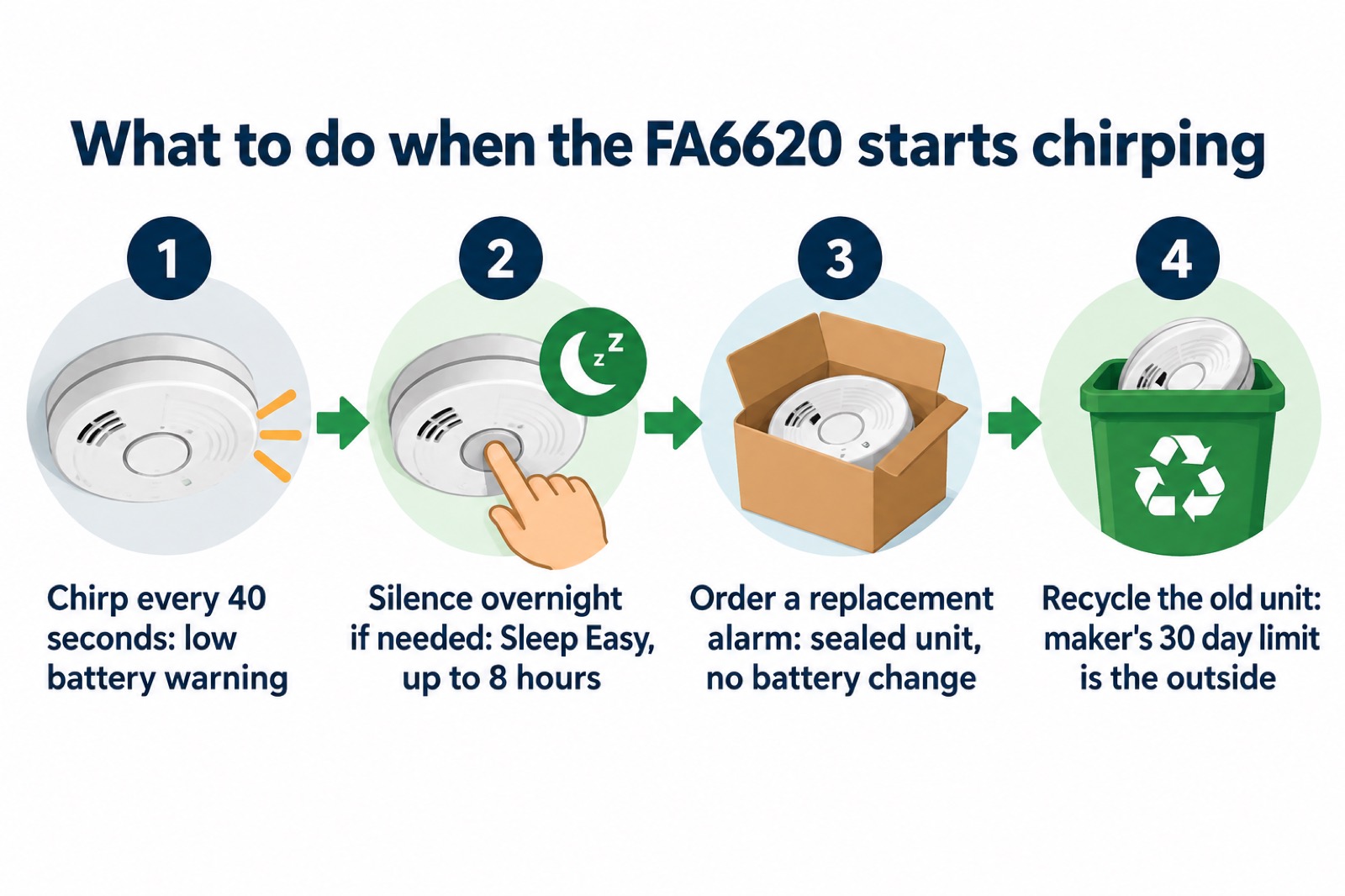
The trade-off is that the alarm and the battery retire together. When the battery reaches the end of its life, the whole unit is replaced. The maker's guidance for its sealed-battery models is consistent: replace the whole alarm within 30 days of the low battery warning10. For models with replaceable batteries the instruction is different, fit a new one straight away11. The FA6620 is in the first group.
Fire and rescue guidance sets a tighter outer limit. Derbyshire Fire and Rescue Service advises replacing your alarm or its battery immediately, and certainly within seven days, because after that time your alarm may not have enough power to warn you of a real fire12. The maker's 30 day window and the fire service's seven day limit are not the same figure, and the two documents give different deadlines. Treat the seven day figure as the safer target and the 30 day figure as the outside limit the maker allows. The sealed battery in this alarm is designed to last its full 10-year lifespan with nothing to replace2, and the maker lists a 5 year warranty1.
Low battery warning: replace the alarm within 30 days
The FA6620 tells you its battery is going by beeping. The datasheet says it beeps approximately every 40 seconds when the alarm needs replacing1. The manual's instruction for the FA6620 and FA6720 is to replace the alarm within 30 days3. The FA6620-R adds a Sleep Easy feature that silences low battery chirps for up to 8 hours, so a depleted battery will not disturb your rest2.
That feature is useful and easy to misuse. Silencing the chirp for the night is sensible. Silencing it every night for a month is how a household ends up with a dead alarm on the ceiling. The right sequence is: hear the chirp, press to silence it if it is the middle of the night, then order the replacement the next morning and fit it well inside the maker's 30 days and the fire service's seven3.
A chirping alarm is also a prompt to check the rest of the house. If one alarm has reached the end of its battery life, others fitted at the same time are close behind. The guide to when to replace a smoke, heat or CO alarm covers the wider timetable, and why your smoke alarm keeps chirping deals with the other causes of a beep that is not the battery.
Hearing the alarm through a closed door
An 85 decibel alarm is loud in the room it is in. Whether it wakes a sleeping child through a closed door depends on the layout of the house, the thickness of the door and whether other sounds are competing. The maker's answer is not a decibel calculation but a rule: install a smoke alarm on every level of the home, in the circulation space on each floor, and if a single alarm cannot be heard from all bedrooms with the doors closed, fit an additional alarm closer to the sleeping area2.
For a household plan, that means walking the landing with the doors shut and asking honestly whether the alarm at the far end would wake you. If the answer is no, the fix is another alarm, not a louder one. The interlinked alarms guide explains how alarms can be linked so that one sounding sets off the rest, which is the arrangement that solves the closed-door problem most completely.
Two groups need more than volume. People who are deaf or hard of hearing may not be woken by sound at all, and the guide to smoke and CO alarms for deaf and hard of hearing people sets out the alternatives. Households with a vulnerable person, whether through age, disability or medication, benefit from the fire risk checks for a vulnerable person's home, which put the alarm question alongside the other risks.
What EN 14604 means, and what the markings tell you
EN 14604 is the standard for smoke alarm devices. The FA6620's datasheet lists EN 14604:2005+AC:2008 under its technical specification and states that it is certified to that standard1. The FA6620-R page adds that the alarm is tested and certified by notified bodies 1116 for CE marking and 0832 for UKCA marking2. In plain terms, the alarm has been made and tested to a recognised standard and carries the marks that show it.
That matters because official guidance leans on the same standard. Scottish Government guidance on satisfactory fire and carbon monoxide detection says smoke alarms should conform to BS EN 1460413. A household buying an alarm for a plan should look for that marking rather than for a feature list. The alarm standards guide explains how EN 14604 sits alongside BS 5839-6 and the system grades used for larger installations, and the smoke alarms guide compares the types.
Arrangements differ across the UK. Scotland's guidance is published nationally and applies to Scottish homes13. In Wales and Northern Ireland the alarm rules and the fire and rescue service arrangements differ again, and the Wales and Northern Ireland guide sets out what applies where. In England, the fitting guidance above draws on the published home safety advice of individual fire and rescue services, such as Warwickshire's and London Fire Brigade's7.
Carbon monoxide: what this alarm will not do
The FA6620 does not detect carbon monoxide2. That single fact should shape a household's plan more than any other on this page, because carbon monoxide is the hazard a smoke alarm is most often assumed to cover and does not. The gas is produced by fuel-burning appliances, fires and flues, and a smoke alarm has no sensor for it.
The maker's CO alarm guidance explains the limit that applies even when you do have a CO alarm fitted:
"WARNING: This alarm will only indicate the presence of carbon monoxide gas at the sensor. Carbon monoxide gas may be pre"
A CO alarm protects the room its sensor is in. That is why the maker's installation guidance for CO alarms places them where the risk is, near the appliance or the flue, rather than relying on one alarm for the whole house9. If you are choosing one, the carbon monoxide alarms guide covers the types, and the combined or separate alarms comparison explains when a combined smoke and CO unit makes sense and when two separate alarms do the job better. FireAngel's own combined unit is covered on the SCB10-R page.
If a CO alarm sounds, or you suspect carbon monoxide, do not wait to finish reading. The suspected carbon monoxide guide sets out what to do, and the symptoms guide explains what to look for.
Support, warranty and keeping it ready
The FA6620 carries a 5 year warranty1. That is shorter than the 10 year battery life, so keep the purchase details somewhere you can find them; a warranty claim in year six is not possible, but a fault in year two is. FireAngel publishes support material for installation, testing and beeping alarms, and the FireAngel brand page gathers the maker's range and support pages in one place.
Keeping the alarm ready is mostly a matter of routine rather than kit:
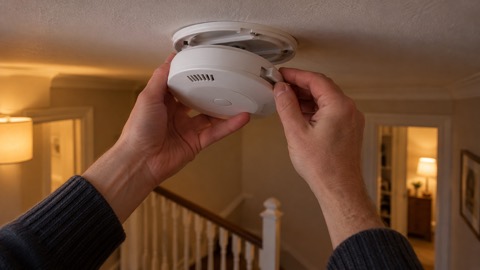
- Test it with the button rather than with smoke, using the quiet test function on the FA6620-R so the household is not disturbed9.
- Check the fitting is still firm and the alarm is free of dust and cobwebs, since dust near the sensor is a common cause of nuisance alarms2.
- Note the install date somewhere you will see it, so the 10 year replacement is planned rather than discovered1.
- Replace within the deadline when the low battery warning starts: seven days per fire and rescue advice, 30 days per the maker12.
- Keep a CO alarm wherever fuel is burned, because this unit will not warn you2.
For the wider picture, the smoke alarms guide covers the types and how to choose between them, the sealed or replaceable battery comparison weighs the two battery approaches, and the battery or mains comparison covers the wiring question. The fire safety checklist and the bedtime checks put the alarm routine alongside the other checks a household should run, and the home emergencies section is the place to start for everything else.
Sources (13)
- FA6620 datasheet, FireAngel, 2024-09
- FA6620-R Optical Smoke Alarm, FireAngel, 2026-10-28
- FA6611, FA6615, FA6620, FA6720-R smoke and heat alarm manual, FireAngel, 2024-09
- Top 10 electrical fire safety tips every UK household should know, FireAngel, 2025-11-10
- Installing your carbon monoxide detector, FireAngel, 2024-10-14
- Installing your battery powered smoke alarm, FireAngel, 2024-10-16
- Smoke alarms, Warwickshire County Council, 2026-10-29
- Smoke alarms and heat alarms, London Fire Brigade, 2026-10-25
- Product FAQs, FireAngel, 2026-10-29
- Why your CO alarm is beeping, FireAngel, 2026-10-26
- How do I stop my smoke alarm from beeping?, FireAngel, 2026-10-26
- Smoke alarms, Derbyshire Fire and Rescue Service, 2026-02-17
- Tolerable standard guidance: satisfactory fire and carbon monoxide detection, Scottish Government, 2023-06-20

 FireAngel FA3313 CO Alarm
 FireAngel FA3322 CO Alarm
 FireAngel FA3820 CO Alarm
 FireAngel FA6812 CO Alarm
 FireAngel FA6813 CO Alarm
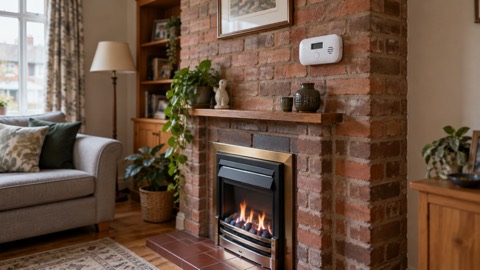 FireAngel FA6829S CO Alarm
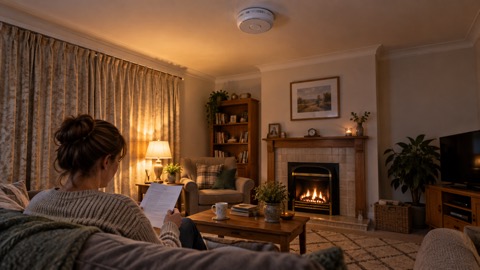 FireAngel CW1-PF CO Alarm
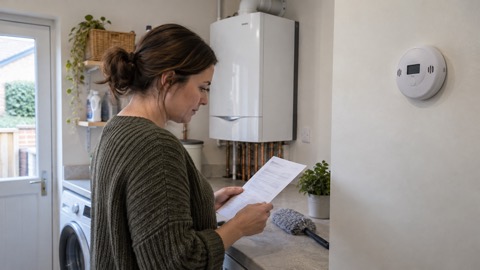 FireAngel W2-CO-10X CO Alarm
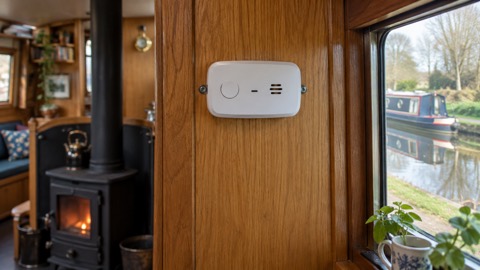 FireAngel FP1820W2-R CO Alarm
 FireAngel FP2620W2-R Alarm
 FireAngel ST-632 Smoke Alarm
 FireAngel ST-750 Smoke Alarm