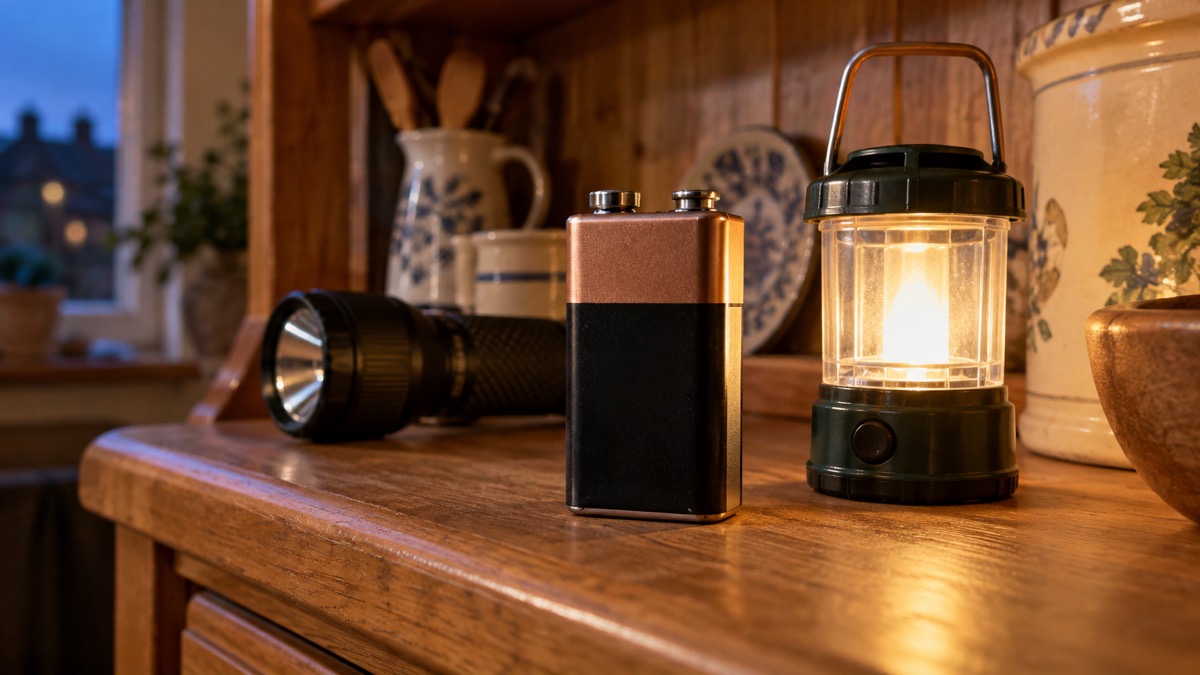
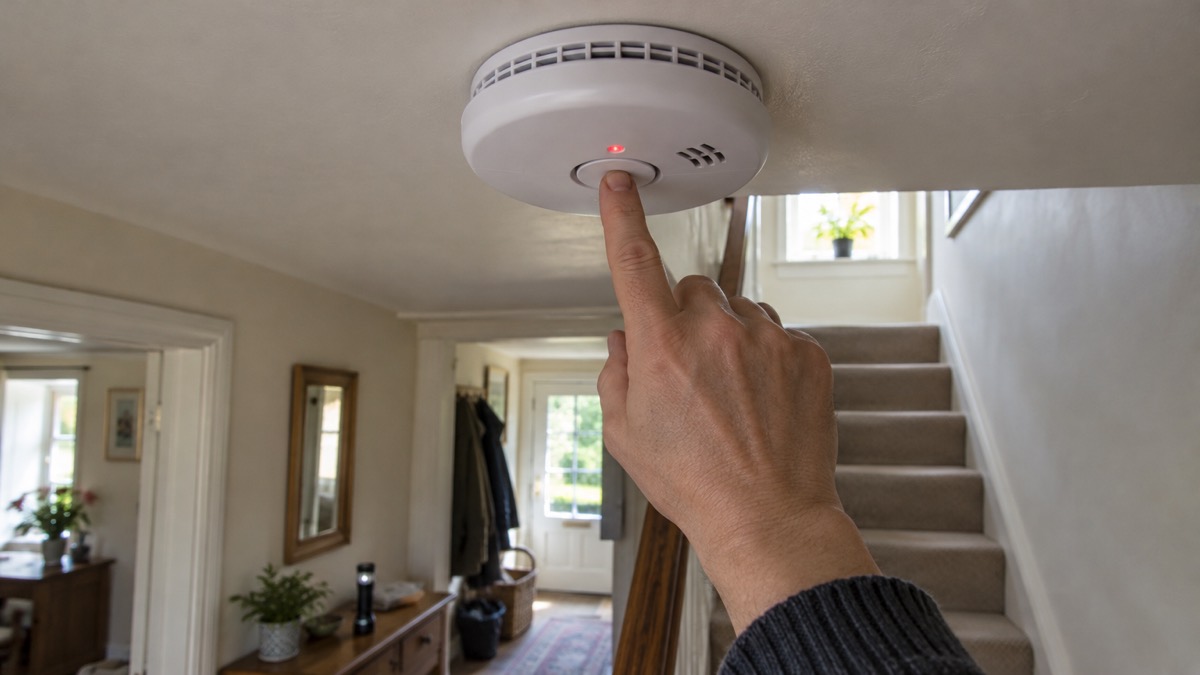
A 9V alkaline battery is the rectangular block with two terminals on top, and in most UK homes its job is a serious one: it keeps a smoke alarm or a carbon monoxide alarm working. If you have a battery smoke alarm, the battery inside it needs replacing every 12 months, and the alarm will start to chirp when it is running down1. That chirp is not a nuisance to be silenced. Fire and rescue services say to replace the alarm or its battery immediately, and certainly within seven days, because after that the alarm may not have enough power to warn you of a real fire2.
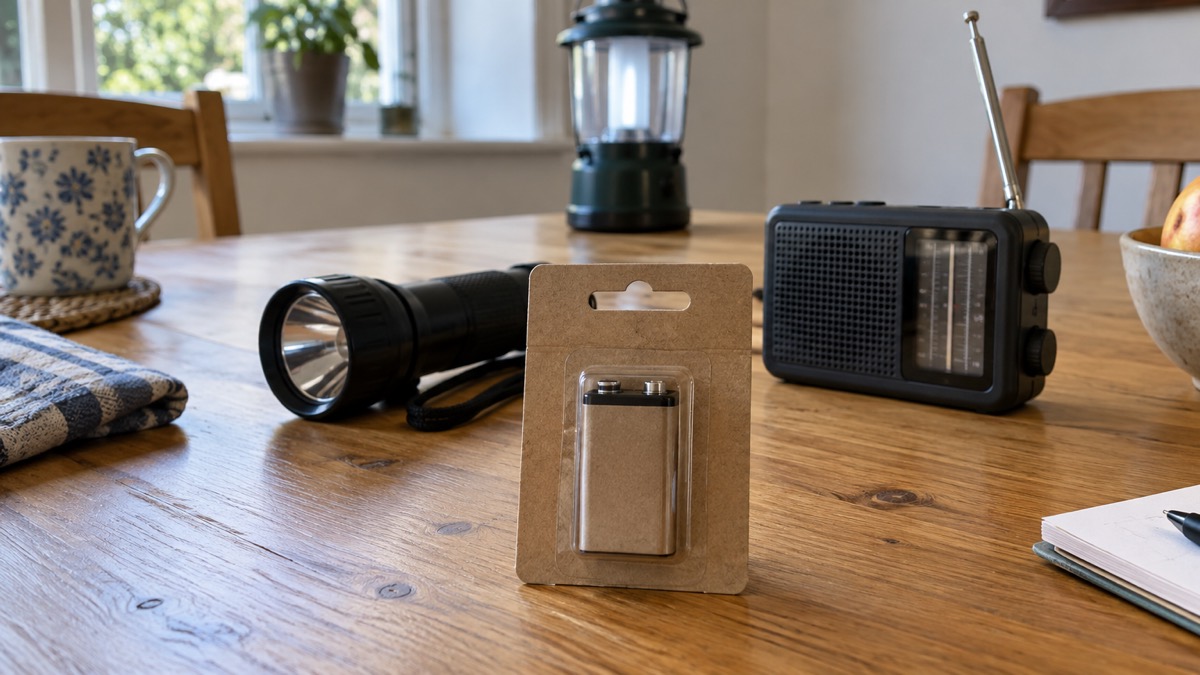
For a household getting ready for a power cut, storm or flood, a small stock of 9V batteries is a simple piece of resilience to hold. Councils across the UK list spare batteries among the basics of a household emergency kit, alongside a battery torch and a battery or wind-up radio3. The battery itself is simple; what matters is knowing which devices take it, how long it lasts, how to store spares without risk and what to do with the dead ones.
Run time in a battery-powered fire alarm: 12 to 18 months
The headline figure for a 9V alkaline battery in a smoke alarm is a year. Staffordshire Fire and Rescue Service states that in a standard smoke alarm the battery will need to be replaced every 12 months1. Greater Manchester Fire and Rescue Service puts it the same way: if any of your smoke alarms have a one-year battery, you must change them every year, and you should only take the battery out when you need to replace it9. Somerset Council advises changing the battery every year unless it is a ten-year alarm, or whenever the alarm tells you it needs one10.
The "12 to 18 months" figure people often quote is best treated as a ceiling, not a target. A fresh alkaline battery may hold useful charge beyond the 12-month mark, but the alarm's own low-battery warning is the signal that matters, and the official advice is to act on it at once rather than wait for a convenient moment2. The practical rule for a household is to change the battery on a fixed date each year, so that the change happens before the chirp rather than after it.
How long a battery actually lasts depends on the alarm and on the battery. A basic alarm running on a nine volt battery will draw it down over the year2. A sealed alarm with a long-life battery is a different proposition: fire and rescue services suggest that if you are buying a battery alarm you consider one with a sealed long-life (10 year) battery, and some services supply sealed units with a 10-year battery life12. Sealed units are tamper-proof and are not designed for the householder to change the battery at all15.
Carbon monoxide alarms follow their own timetables. Bedfordshire Fire and Rescue Service notes that most CO alarms last between five and seven years, with some lasting as long as 10 years16. The Health and Safety Executive Northern Ireland advises paying attention to the life span of the unit, which can range from one to six years depending on the manufacturer and the expected life of the batteries, and notes that some have replaceable units while others are sealed for the life of the alarm17. Where a CO alarm is supplied by a fire and rescue service it is typically a sealed unit, with a seven-year battery life in the case of Hampshire and Isle of Wight Fire and Rescue Service14.
| Alarm type | Battery arrangement | What the household does |
|---|---|---|
| Standard battery smoke alarm | 9V battery, replaceable | Change every 12 months, or as soon as it chirps1 |
| Mains-linked smoke alarm | Nine volt back-up battery | Change according to the manufacturer's instructions5 |
| Sealed long-life smoke alarm | Sealed lithium, up to 10 years | Replace the whole alarm at end of life12 |
| CO alarm | Sealed or replaceable, one to six years | Check the unit's stated life and replace as instructed17 |
522 and 9V alkaline battery: how the names differ
The 9V battery goes by several names, and they all describe the same shape and voltage. You will see it sold as a 9V battery, a PP3, a 6LR61 or a 6F22, and the "522" in a product listing is simply another catalogue reference for the same size. What matters when you buy is that the battery is described as 9V alkaline and is the right shape for your device; the label on the packet is less important than the voltage and the chemistry.
Alkaline is the chemistry to look for in a household emergency kit. Alkaline batteries are the general-purpose type found in shops, and the major makers have removed mercury from them: Duracell states that all versions of its batteries are mercury-free, and that it voluntarily stopped using mercury in its general purpose batteries, including the 9V size, in 199318. That matters for storage and disposal, because it means a spent 9V can go into an ordinary shop recycling bin rather than needing special handling.
One rule applies whatever the label says: do not mix different battery types or different brands within a device. Duracell's own guidance is that doing so reduces overall performance and may damage the device or cause leakage or rupture18. If you are changing the battery in a smoke alarm, fit a new one of the same type rather than pairing an old battery with a new one.
What a 9V alkaline battery does in a household emergency kit
In an emergency kit, the 9V battery is a supporting player rather than the star. The devices it powers are the ones that matter when the power goes off: a battery torch, a battery or wind-up radio, and the alarms on the ceiling. Carmarthenshire Council's list of the top ten things to include in a household emergency kit puts a battery torch with spare batteries, or a wind-up torch, near the top, alongside a first aid kit, bottled water, ready-to-eat food and important documents19. North Hertfordshire's list includes a battery or dynamo powered torch and spare batteries among its basics20.
A 9V battery is not usually the one that runs a torch; most torches take AA or AAA cells. Where the 9V earns its place is in the alarms, and in any device you already own that takes that shape. The wider lesson from the official kit lists is to think in terms of the devices you actually have. One council's emergency kit guidance includes a charged portable power bank and charging cables, and chargers for any other phones you would want with you21. Another lists a torch (wind up or battery powered), a radio (wind up or battery powered), and a power bank and phone chargers4. The pattern is the same everywhere: light, information and communication, each with a way of powering it that does not depend on the mains.
For a household putting a kit together, the sensible approach is to walk round the home and note every device that takes a 9V battery. Smoke alarms and CO alarms are the usual answers. Then keep one spare per device in the kit, in its packaging, and add a note of the change date to your household emergency plan. The emergency kit guide sets out the full list of what a UK household should keep ready, and the smoke alarms guide explains which alarm types take which batteries.
When to replace the battery in a fire alarm
The trigger to act is the alarm's own warning. A regular chirp every 30 to 60 seconds means it is time to replace the battery, according to FireAngel's guidance22. Fire and rescue services are clear that this is urgent: replace your alarm or its battery immediately, and certainly within seven days, as your alarm may not have enough power to warn you of a real fire after this time2. Warwickshire Fire and Rescue Service advises replacing expired batteries with new ones annually, or whenever the low battery warning sounds13. Suffolk Fire and Rescue Service puts it plainly: if a smoke alarm starts to beep on a regular basis, you need to replace the battery immediately19.
The annual change is the habit that stops the chirp happening at three in the morning. Manchester Fire and Rescue Service advises changing the battery every year, and only taking it out when you need to replace it9. The same service notes that when an alarm is misbehaving you should check whether the battery needs replacing, or whether the guarantee on the alarm has expired and you need to replace the whole unit23. That second point matters: a 9V battery will not fix an alarm that has reached the end of its life.
The arrangements are broadly the same across the four nations, with one Scottish difference worth knowing. The Scottish Government advises that any alarm you buy will carry information on how long it lasts, which can be up to 10 years, and that sealed battery alarms must be sealed tamper-proof units with long-life lithium batteries lasting up to 10 years15. In Scotland the standard requires interlinked alarms, and the practical effect for a household is that you are less likely to be changing a 9V battery yourself and more likely to be replacing a sealed unit at the end of its life. The guide to alarm rules in Wales and Northern Ireland sets out the differences in more detail.
If your alarm is mains-powered, do not assume it has no battery. The Northern Ireland government's fire safety guidance notes that smoke alarms linked to home mains electrics contain a nine volt back-up battery that needs to be changed according to the manufacturer's instructions5. North Wales Fire and Rescue Service explains that mains-powered alarms are powered by your home power supply, generally do not need replacement batteries, but need to be installed by a qualified electrician24. The two statements are not in conflict: a mains alarm with a back-up cell still has a battery to change, while a purely mains alarm without one does not.
Storing spare 9V batteries safely
A spare 9V battery is only useful if it is still good when you need it, and only safe if it is stored properly. The risks are real but easy to manage. Fire and rescue services warn that single-use batteries should always be stored in their original packaging and away from metal objects, because contact with metal can cause overheating and a fire6. The same principle applies to any spare batteries you keep for vaping devices: store them safely to avoid contact with other metal objects that may cause a short circuit13. West Yorkshire Fire and Rescue Service adds the practical detail: keep batteries in a cool, dry place and away from metal objects like keys or coins7.
The 9V shape makes this more important than for other batteries, because its two terminals sit close together on the same face. A loose 9V rolling around in a drawer with keys or coins is the classic short-circuit risk. The NHS advice for households with children is to store all spare batteries in a sealed container out of reach, to make sure battery compartments on toys and devices are securely closed, and to recycle used batteries safely so they are out of reach of children21.
The maker's own storage advice is consistent with this. Energizer advises storing batteries in a cool, dry place at normal room temperature, and removing batteries from devices that will be stored for extended periods25. Duracell advises removing batteries from a device when it is not expected to be in use for several months, when the batteries are worn out, or when the device is being powered by household AC current18. For a household kit, that means a sealed tub or the original packaging in a cupboard, not a loose handful in the kitchen drawer.
| Do | Do not |
|---|---|
| Keep spares in original packaging or a sealed container6 | Leave loose batteries in a drawer with keys or coins7 |
| Store in a cool, dry place at room temperature25 | Store near a radiator, hob or in direct sun |
| Keep out of reach of children21 | Mix old and new batteries, or different brands, in one device18 |
| Remove batteries from devices stored for months18 | Leave a dead battery in a device to leak |
Support and where to get help
If a battery has leaked inside a device, the maker's clean-up advice is specific. Duracell advises working in a well-ventilated area, wearing household gloves and glasses, and using a toothbrush or cotton swab to remove the leakage from the contacts, then making sure the device is completely dry before trying a new battery18. For alkaline leakage the maker suggests a mix of one tablespoon of boric acid in one gallon of water, or a 50/50 mix of diluted vinegar or lemon juice with water18. If the leakage has reached the electronics rather than the contacts, the device may not be recoverable, and the battery should be removed and disposed of properly.
Disposal is straightforward but should never go in the household bin. Retail battery recycling bins accept AA, AAA, 9V, button cells, rechargeable batteries and battery packs from devices where they are removable8. Before recycling anything, check items for hidden batteries, as Manchester Fire and Rescue Service advises27. A damaged, swollen or overheating battery is a different matter: Tower Hamlets Council advises taking it directly to the Reuse and Recycling Centre28. If a lithium-ion battery in a device shows signs of a problem, West Sussex Fire and Rescue Service advises moving the device away from anything combustible and calling 999 and asking for the Fire and Rescue Service29.
For product support, Energizer publishes its alkaline battery application manual, which covers storage and handling25. Duracell's support pages list where its batteries are sold, including e-retailers on each product page and common stores such as drug stores, supermarkets and department stores18. The Energizer brand page gathers the maker's product information in one place.
Where to get help depends on what has gone wrong. For a fire or a battery that is overheating or smoking, move the device away from anything combustible, call 999 and ask for the Fire and Rescue Service29. If you are unsure whether your alarm is working, the guide to testing alarms explains how often to test, and the guide to replacing alarms covers when a whole unit, rather than a battery, needs changing. Households that need extra help, including older or disabled residents, can ask their council or fire service about a home safety visit; the extra help guide explains what is available.
Sources (29)
- Smoke alarms, Staffordshire Fire and Rescue Service, 2026-10-29
- Problems with smoke alarms, Devon and Somerset Fire and Rescue Service, 2026
- Prepare for emergencies, Dumfries and Galloway Council, 2026
- Community Risk Register, West Yorkshire Prepared, 2025
- Fire safety and prevention, nidirect, 2025-06-09
- Battery safety, Greater Manchester Fire and Rescue Service, 2026-10-29
- Battery safety, West Yorkshire Fire and Rescue Service, 2026-10-29
- Lithium battery fire safety, Mid and West Wales Fire and Rescue Service, 2026-10-29
- Fire safety advice in your flat, Greater Manchester Fire and Rescue Service, 2026-10-29
- Household fire safety, Somerset Council, 2025-01-30
- Other safety, Northern Ireland Fire and Rescue Service, 2026-10-22
- Home fire safety, Northern Ireland Fire and Rescue Service, 2026-10-14
- Smoke alarms and CO detectors, Warwickshire County Council, 2026-10-29
- Home fire safety visit booklet, Hampshire and Isle of Wight Fire and Rescue Service, 2023
- Where and what to buy, Scottish Government, 2024-08-14
- Carbon monoxide leaflet, Bedfordshire Fire and Rescue Service, 2026
- Carbon monoxide alarms, Health and Safety Executive Northern Ireland, 2026
- Batteries affected by temperature, Duracell, 2026-10-26
- Get prepared, Carmarthenshire County Council, 2026-10-25
- Preparing for emergencies, North Hertfordshire District Council, 2015-01-12
- Child safety, Berkshire Healthcare NHS Foundation Trust, 2026-10-29
- How many carbon monoxide alarms do I need? - FireAngel, FireAngel (Fireangel Safety Technology)
- Problem with your Smoke or Heat Alarm - Greater Manchester Fire Rescue Service, Greater Manchester Fire Rescue Service
- stay-sfe-in-the-home-english.pdf, Mid and West Wales Fire and Rescue Service
- Alkaline battery application manual, Energizer, 2018
- Lithium battery fire safety, North Wales Fire and Rescue Service, 2026-10-29
- Be battery aware, Greater Manchester Fire and Rescue Service, 2026-10-29
- Battery safety, Tower Hamlets Council, 2026-10-29
- Lithium-ion batteries safety, West Sussex County Council, 2023-07

 FireAngel FA3313 CO Alarm
 FireAngel FA3322 CO Alarm
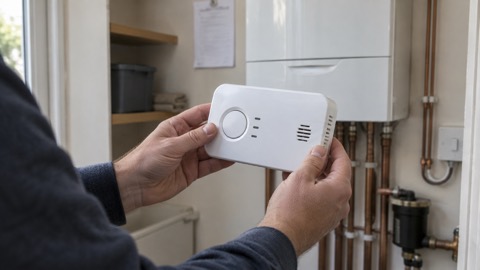 FireAngel FA3820 CO Alarm
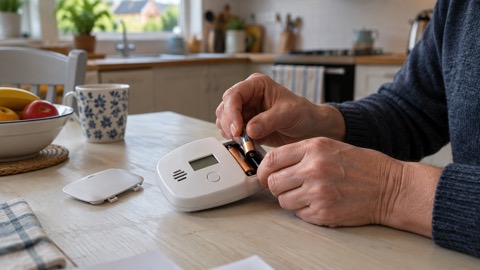 FireAngel FA6812 CO Alarm
 FireAngel FA6813 CO Alarm
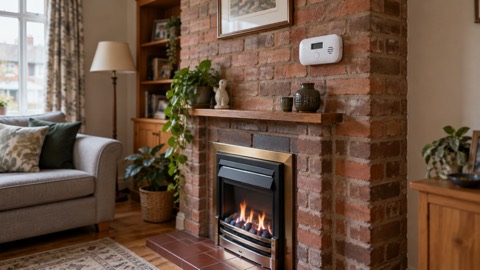 FireAngel FA6829S CO Alarm
 FireAngel CW1-PF CO Alarm
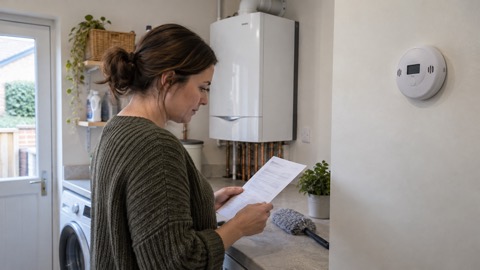 FireAngel W2-CO-10X CO Alarm
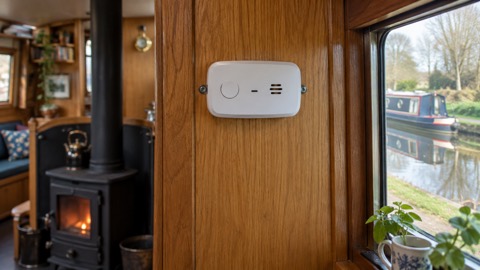 FireAngel FP1820W2-R CO Alarm
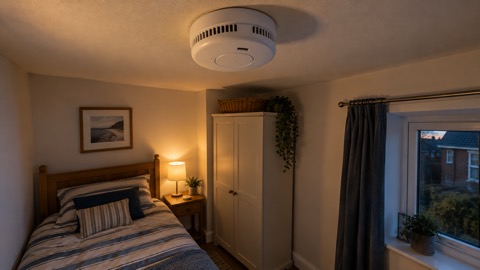 FireAngel FP2620W2-R Alarm
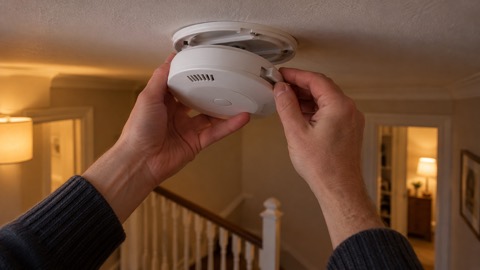 FireAngel ST-632 Smoke Alarm
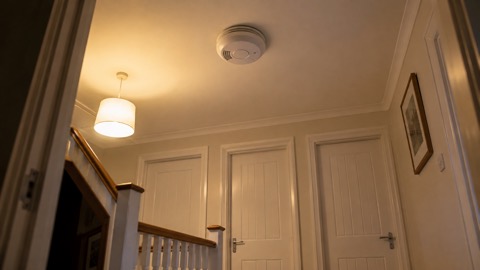 FireAngel ST-750 Smoke Alarm