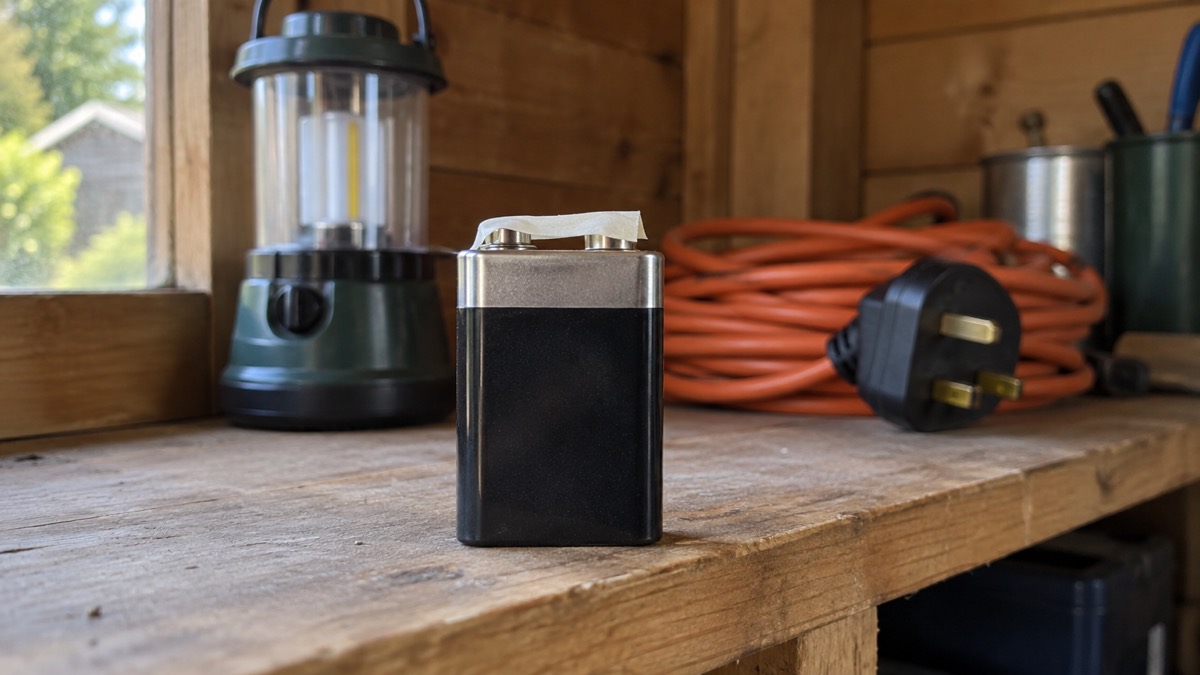
A 9V lithium battery is the small rectangular block that keeps a smoke alarm, a carbon monoxide alarm or a mains-powered alarm's backup circuit alive when the power fails. In a household emergency that is its job: it is the cell that lets an alarm keep working through a power cut, a storm or a cold snap, when a fire or a faulty heater is most likely and when you least want a silent alarm. Keep a spare at home as part of your emergency kit, alongside your other batteries1.
It is not a battery for charging, and it is not a battery to leave loose in a drawer. A 9V lithium cell is a long-storage, low-drain battery for alarms and small devices, and treating it that way keeps it useful. Keep batteries in a cool, dry place and away from metal objects like keys or coins2. Store spare batteries safely to avoid contact with other metal objects that may cause a short circuit3.
This page covers what the cell does for a household, which alarms take it, how to fit and test it, how to store it with the terminals covered, what can go wrong, and how to dispose of it. It is written for an ordinary UK household getting ready for a power cut or a winter storm, not for a technician.
What a 9V lithium battery does in a household emergency
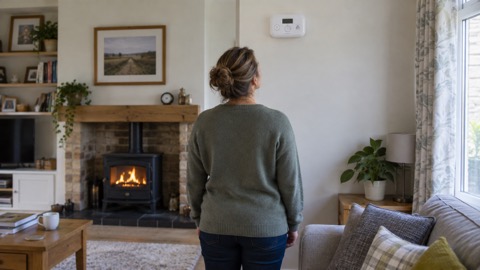
The case for keeping one is simple: the emergencies that knock out your power are the same ones that raise your fire risk. A storm takes down the overhead line, the heating goes off, and out come the portable heaters and candles. To help prevent carbon monoxide poisoning, install and test smoke alarms and carbon monoxide detectors with battery backups9. Install a battery-operated carbon monoxide detector and smoke alarms and test them every week, especially if using portable heaters, open fires or stoves10. A 9V lithium cell in the alarm is what keeps that protection running when the mains supply is not.
Lithium cells suit this role because they hold their charge for a long time and cope with the low, steady drain of an alarm. The clearest official figure is for sealed alarms: Scottish Government guidance says sealed battery alarms must be sealed tamper-proof units with long-life lithium batteries which can last up to 10 years6. That is the standard to aim for in an alarm you are buying, and it is why a lithium cell is the sensible spare to hold for the alarms you already have.
It is worth being clear about what the cell is not. It is not a power source for your home, your phone or a torch that takes AA cells. The rechargeable lithium-ion batteries that fire services spend most of their time warning about are a different family of product, found in mobile phones, laptops, e-cigarettes, e-bikes and e-scooters11. Those need charging care and a fire-aware routine. A 9V lithium alarm battery is a fit-and-forget item, and the main risks are storage and disposal rather than charging.
For a household plan, the cell sits in the same drawer as your torch batteries and your first aid kit. Check it before each winter, keep one spare per alarm, and know where it is in the dark.
Smoke and carbon monoxide alarms: when to use lithium 9V
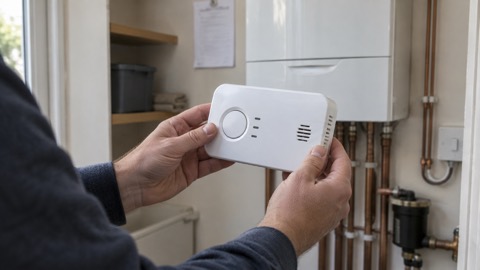
Not every alarm takes a 9V battery, so check before you buy a spare. Basic smoke alarms run off nine volt batteries, and these should be replaced on a regular basis, according to Devon and Somerset Fire and Rescue Service13. Ionisation alarms are one type that runs on 9-volt batteries14. The most important case is the mains-powered alarm: electric alarms normally have a 9V backup battery in them in case you have a power cut, South Wales Fire and Rescue Service advises4. That backup is exactly the cell a household should keep spare.
| Alarm type | Battery arrangement | What it means for you |
|---|---|---|
| Basic battery smoke alarm | Runs off nine volt batteries, which should be replaced on a regular basis13 | Keep one spare 9V cell per alarm |
| Ionisation smoke alarm | Runs on 9-volt batteries14 | Check the manual before buying a replacement |
| Mains-powered alarm | Normally has a 9V backup battery in case of a power cut4 | The backup is what covers a power cut |
| Sealed long-life alarm | Sealed tamper-proof unit with a long-life lithium battery, up to 10 years6 | No spare needed, replace the whole alarm at end of life |
| Battery carbon monoxide alarm | Must have a sealed battery for the duration of its lifespan6 | Buy sealed rather than replaceable where you can |
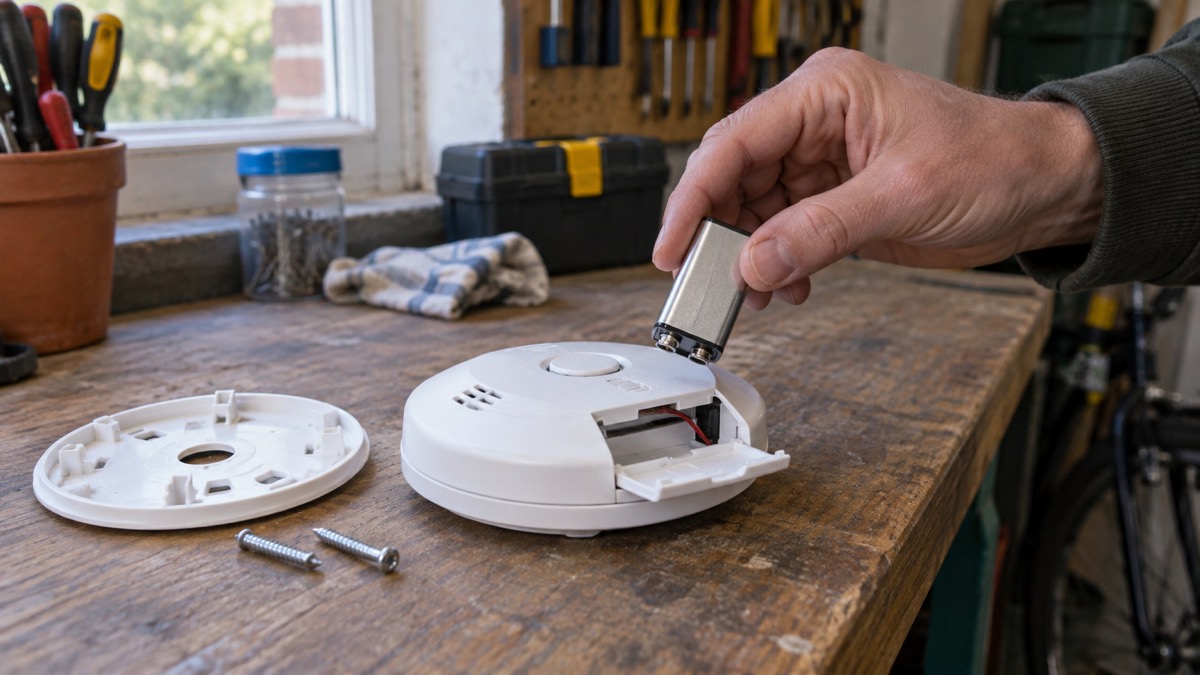
For carbon monoxide, the Scottish Government's guidance is stricter: if you also need a carbon monoxide alarm and it is battery-operated, it must have a sealed battery for the duration of its lifespan6. Northern Ireland's fire service points households buying a battery alarm towards one with a sealed long life (10yr) battery15. If you are choosing between a sealed unit and one that takes a replaceable 9V cell, the trade-off is straightforward: a sealed alarm removes the annual battery change and the risk of a flat cell, while a replaceable cell lets you keep an alarm going through a long power cut with a spare from the drawer. Our comparison of sealed and replaceable battery alarms sets the two out side by side, and Smoke Alarms: Types and How to Choose One covers the alarm types themselves.
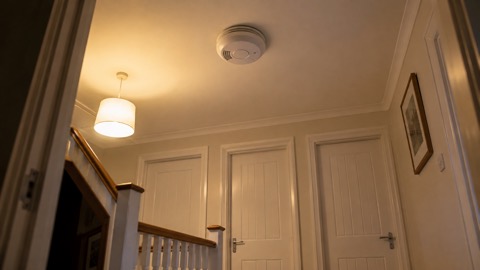
Whichever you have, the routine is the same. Derbyshire County Council advises installing a battery-operated carbon monoxide detector and smoke alarms and testing them every week, especially if using portable heaters, open fires or stoves5. Warwickshire Fire and Rescue Service adds: test the alarms regularly and replace batteries as needed16. Fit alarms in the areas where you charge batteries, Surrey Fire and Rescue Service advises, and always ensure you have working smoke alarms, especially in the area where you are charging a lithium battery3.
Fitting and testing a 9V battery
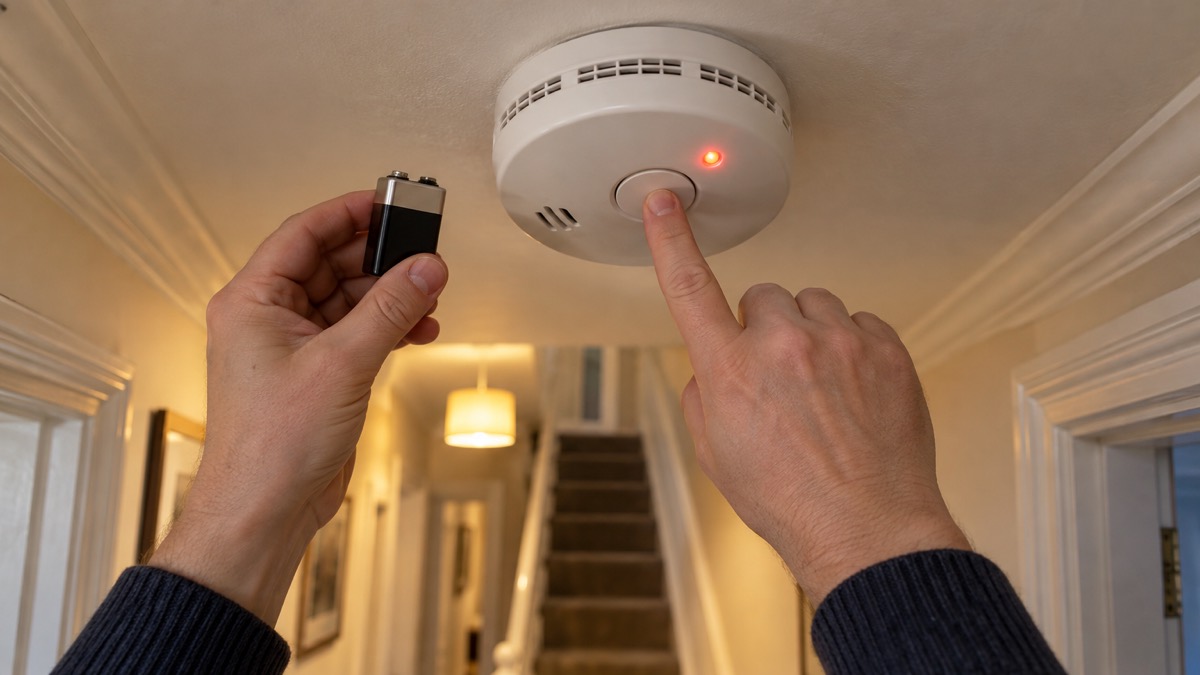
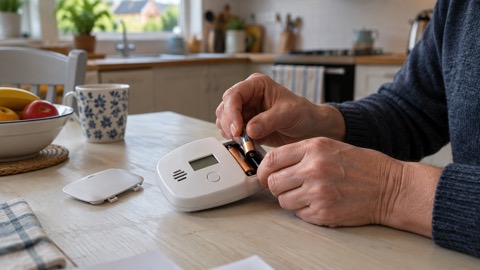
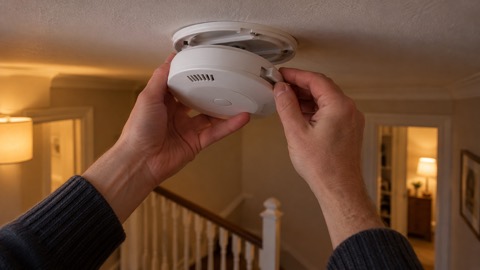
Fitting a 9V cell is a two-minute job, but do it deliberately. The cell clips onto two press studs in the alarm's battery compartment, and the alarm will usually chirp or refuse to close if it is not seated. Before you start, read the alarm manual for the battery type it specifies, and check the old cell for damage as you take it out.
- Test the alarm first. Press the test button so you know the alarm was working before you touched it. Test weekly, as Derbyshire County Council advises5.
- Open the battery compartment and note how the old cell sits. The larger terminal is the negative one on most 9V cells.
- Check the new cell for swelling, leaks or a strange smell before fitting. Stop using any battery that is swollen, damaged or overheating17.
- Clip the new cell in, tuck the leads clear of the cover, and close the compartment.
- Test again and confirm the alarm sounds. Replace the battery as needed, Warwickshire Fire and Rescue Service advises16.
- Write the date on the cell or the alarm so you know when it went in.
If the alarm keeps chirping after a fresh cell, the fault may be the alarm rather than the battery. Our page on why your smoke alarm keeps chirping walks through the causes, and How Often to Test Smoke and CO Alarms sets out the testing routine in full.
Safe storage: keep the terminals covered
A loose 9V battery in a drawer is a small fire risk. Its two terminals sit close together on the top face, and a bunch of keys, a paperclip or a coin across them will short the cell. Fire services give consistent advice on this. Store spare batteries safely to avoid contact with other metal objects that may cause a short circuit, Warwickshire Fire and Rescue Service advises18. Tape over terminals with electrical tape to prevent short circuits and fire risk, and store in a cool, dry place until disposal, Tower Hamlets Council adds19.
The storage conditions matter as much as the terminals. Keep batteries in a cool, dry place away from flammable materials and direct sunlight, Dublin Fire Service advises7. Avoid storing, using, or charging batteries at very high or low temperatures, Essex County Fire and Rescue Service says2. Staffordshire Fire and Rescue Service recommends storing devices in cool areas, making sure nothing is covering them or blocking their vents20. Never cover chargers or battery packs, as this could lead to overheating and result in a fire, the Isles of Scilly Council warns21.
For a household, that translates into a few habits:
- Keep spare 9V cells in their original packaging, or with the terminals taped, in a cool cupboard rather than a shed or garage.
- Keep them out of the kitchen drawer with the cutlery and out of reach of young children.
- Check them before each winter and replace any that show damage.
- Do not store them next to a radiator, a boiler or a window in full sun.
What can go wrong with a 9V battery
Most 9V lithium cells give years of quiet service, but the failure modes are worth knowing because they are the same ones fire services see across the battery family. Occasionally, if a lithium-ion battery is improperly charged, handled, stored or disposed of there is a risk of overheating, catching fire or explosion, Tandridge District Council advises19. Where a battery fails badly, it can explode and lead to a rapidly developing fire, the Scottish Fire and Rescue Service says23. A damaged battery can overheat and catch fire without warning, and should be replaced rather than used or charged8.
The warning signs are consistent across fire services. Check regularly for swelling, leaks or strange smells, and stop using damaged batteries immediately, Manchester Fire and Rescue Service advises24. Cheshire Fire and Rescue Service lists the signs to watch for: charging problems, feeling unusually hot, a bulging or swelling shape, a strong or unusual smell, hissing or cracking sounds, or smoke coming from the device25. If a battery is very hot to the touch there is a chance it is defective and could start a fire, Surrey Fire and Rescue Service warns3. Getting batteries wet is another cause of damage25.
If a device shows signs of swelling, overheating or smoke, safely remove it and report the incident to the appropriate authorities, Dublin Fire Service advises7. Stop charging immediately if a battery is swelling26. If a battery shows signs of overheating, swelling or other forms of damage, do not use it, dispose of it appropriately and report the defect to the manufacturer27. Our page on what to do if an electrical fire starts covers the response in the home, and E-bikes and E-scooters: Charging and Storing Them Safely covers the larger rechargeable batteries.
Disposal and recycling
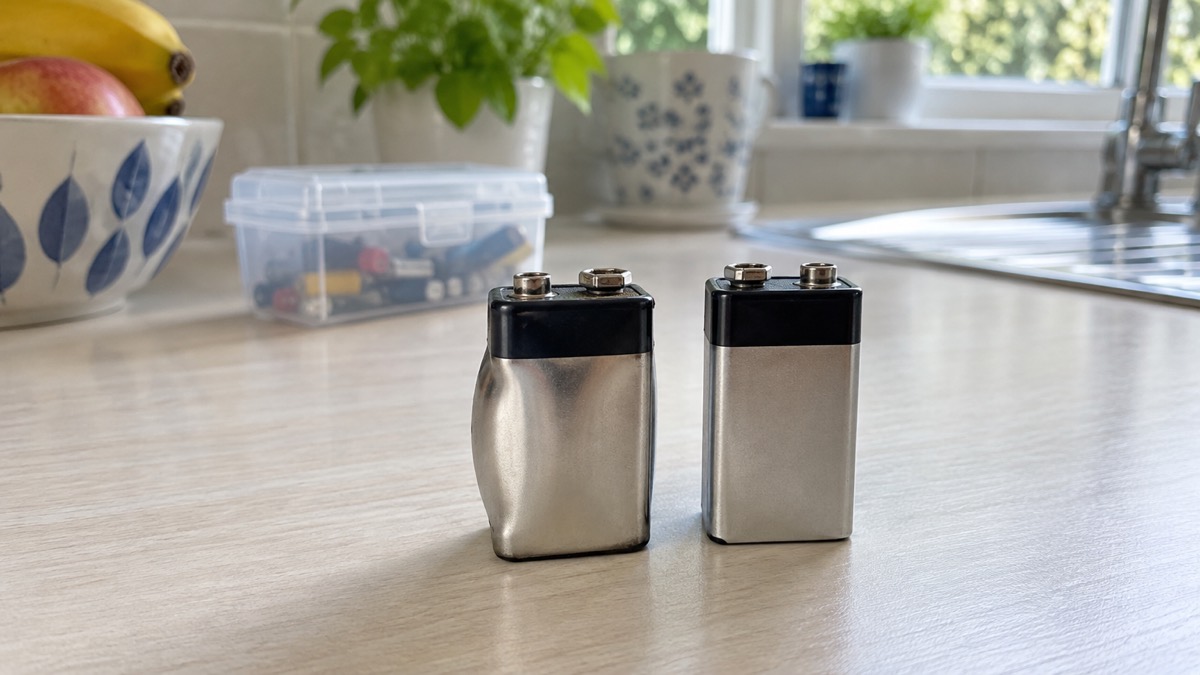
A 9V lithium battery must never go in the household bin or the kerbside recycling. When disposing of a lithium battery, this cannot be done in your household waste: you must take the battery to a household refuse and recycling plant or contact your local authority for more information, North Yorkshire Fire and Rescue Service advises8. The disposal of lithium-ion batteries, such as incorrectly placing them in general household and recycling waste, can lead to significant waste fires, the Scottish Fire and Rescue Service warns28. When put into general household waste, these batteries can get crushed or punctured as they are taken to recycling centres, releasing flammable electrolytes into the air which can trigger explosions and result in rapidly spreading fires7.
The practical route is a battery recycling point or a household waste recycling centre. Removable batteries should be recycled separately from the device and can be disposed of at a battery recycling point or household waste recycling centre, Lincolnshire County Council advises29. Most local recycling centres accept lithium-ion batteries, and they should be disposed of alongside Waste Electrical and Electronic Equipment items, with a check on your local authority's specific guidelines23. Retailer battery recycling bins accept AA, AAA, 9V, button cells, rechargeable batteries and battery packs from devices if removable17. Dublin Fire Service points households to the Recycle Your Electricals website to find the nearest recycling centre27.
A damaged or swollen cell needs a little more care. Take it directly to the Reuse and Recycling Centre rather than storing it at home, Tower Hamlets Council advises17. Recycle damaged or swollen batteries at designated recycling points7. If you cannot remove a battery from an electronic product that no longer works, the product and the battery should be recycled together using a waste electricals recycling service, Humberside Fire and Rescue Service advises30.
Where to get help and support
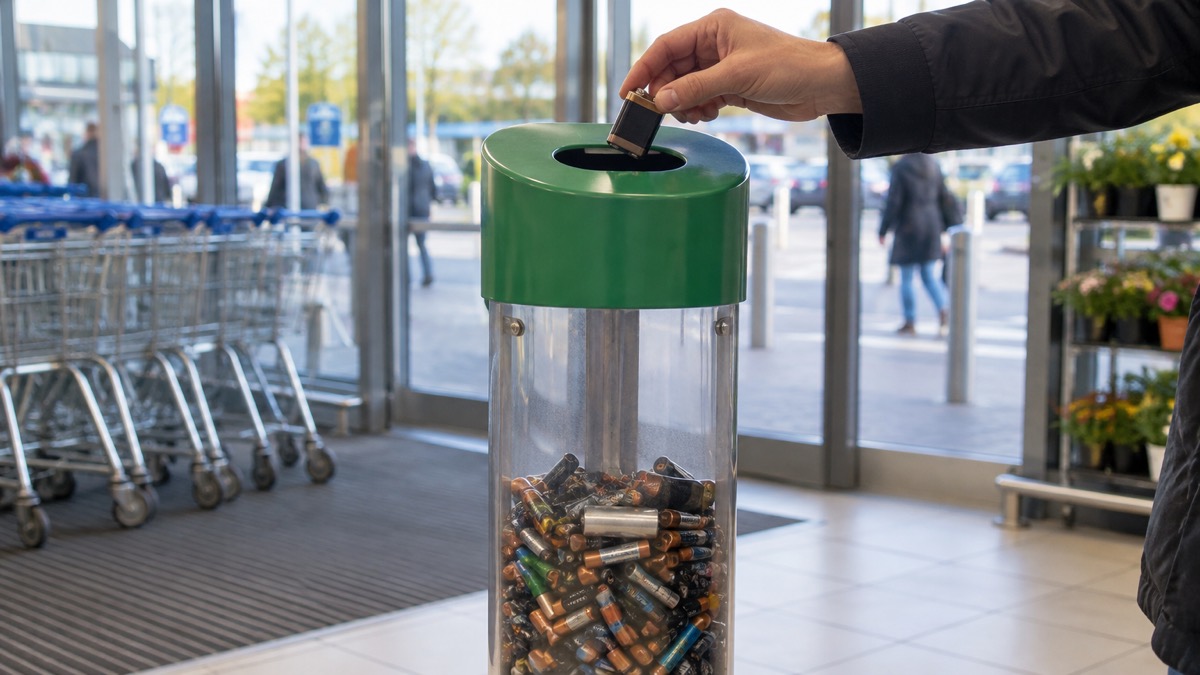
If you are unsure which battery your alarm takes, the alarm maker's manual is the first place to look, and you can tell whether a device uses a lithium battery by reading the manual or finding the Li symbol on it31. If an alarm is chirping or failing, your local fire and rescue service's home safety pages set out the testing routine, and many offer a home safety visit. For households where someone is older, disabled or medically dependent, our guide to extra help in an emergency explains the support available, and Smoke and CO Alarms for Deaf and Hard of Hearing People covers alarms that use vibration and strobe.
If a battery or device shows signs of damage, report the defect to the manufacturer27. If you are checking whether a batch has been recalled, our page on how to check if an electrical product has been recalled explains the process. For the wider household kit that a 9V spare belongs in, see Emergency Kit: What a UK Household Should Keep Ready, and for the maker's own range, see Energizer.
Sources (31)
- Emergency Kit Checklist, Neath Port Talbot Council
- Batteries and Charging Safety, Essex County Fire and Rescue Service
- Lithium Batteries, Surrey County Council
- Smoke Alarms, South Wales Fire and Rescue Service
- Keep Warm in Winter, Derbyshire County Council
- Fire and Smoke Alarms in Scottish Homes: Where and What to Buy, Scottish Government, 2024
- Recycle Your Batteries to Prevent Fires, Dublin Fire Brigade, 2024
- Batteries, Humberside Fire and Rescue Service
- Snow and Ice, Essex Prepared
- Winter Preparedness, Essex Prepared
- Causes of Fires: Batteries, Devon and Somerset Fire and Rescue Service, 2025
- E-scooter, E-bike and Mobility Scooter Fire Safety Advice, North Yorkshire Fire and Rescue Service
- Smoke Alarms, Devon and Somerset Fire and Rescue Service
- Smoke Alarms, Oxfordshire County Council
- Other Safety, Northern Ireland Fire and Rescue Service
- Safe Home Heating, Warwickshire County Council
- Battery Safety, Tower Hamlets Council
- Fire Safety Tips: Smoking, Vaping and E-cigarettes, Warwickshire County Council
- Lithium Battery Fire Safety, Tandridge District Council
- Lithium-ion Batteries, Staffordshire Fire and Rescue Service
- Lithium Battery Safety Warning, Isles of Scilly Council, 2025
- Product Safety Campaigns, Peterborough City Council
- Lithium-ion Batteries, Scottish Fire and Rescue Service, 2025
- Battery Safety, Greater Manchester Fire and Rescue Service
- Rechargeable Lithium-ion Battery Safety Advice, Cheshire Fire and Rescue Service
- Batteries and Chargers, London Fire Brigade
- Battery Fires, Dublin Fire Brigade
- E-bike and E-scooters, Scottish Fire and Rescue Service
- Electrical Safety, Lincolnshire County Council
- Lithium-ion Batteries Safety, West Sussex County Council, 2023
- Battery Safety, Portsmouth City Council

 FireAngel FA3313 CO Alarm
 FireAngel FA3322 CO Alarm
 FireAngel FA3820 CO Alarm
 FireAngel FA6812 CO Alarm
 FireAngel FA6813 CO Alarm
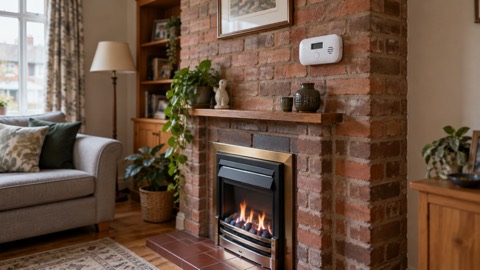 FireAngel FA6829S CO Alarm
 FireAngel CW1-PF CO Alarm
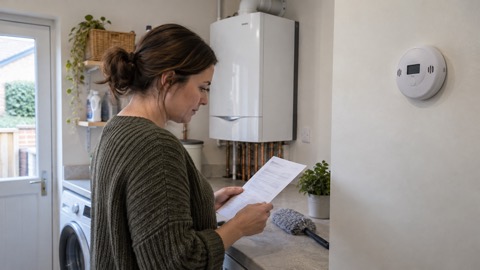 FireAngel W2-CO-10X CO Alarm
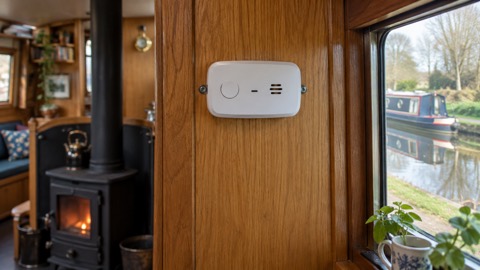 FireAngel FP1820W2-R CO Alarm
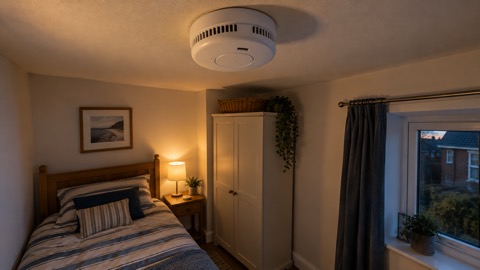 FireAngel FP2620W2-R Alarm
 FireAngel ST-632 Smoke Alarm
 FireAngel ST-750 Smoke Alarm