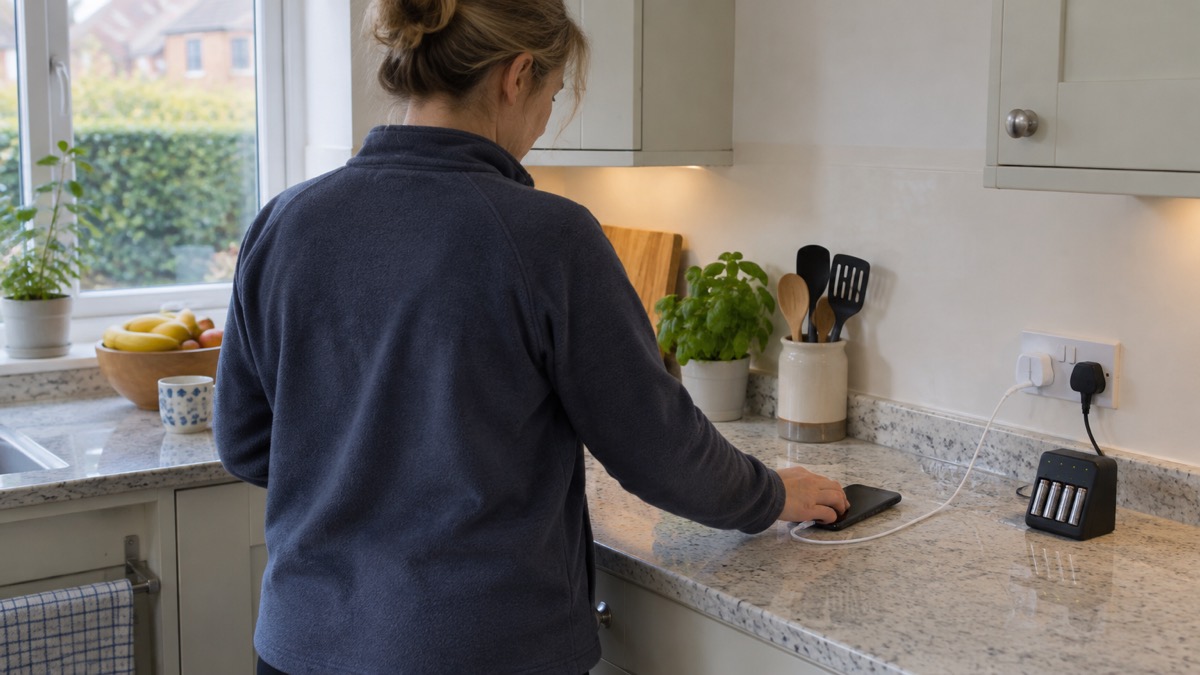
Most fires linked to phone chargers, power banks and vapes start with something small and avoidable: the wrong charger, a device left charging overnight, or a battery that was already damaged. Fire and rescue services across the UK give the same core advice. Charge in a safe, visible place, use the charger that came with the device, do not cover it, and unplug when it is full1.
The single most useful habit is to charge while you are awake and in the room. London Fire Brigade's bedtime checks say not to leave phones, laptops or other devices with lithium batteries charging overnight, and Staffordshire Fire and Rescue Service says to make sure mobile phones, tablets or e-cigarettes are not charging overnight1. Charging devices overnight or using a dodgy charger poses risks4.
A second habit is to know what a failing battery looks like. Stop charging immediately if a battery produces smoke, feels extremely hot to touch, looks swollen or has a lump or leak, makes a hissing or cracking sound, smells unusual, or takes longer to charge or does not fully charge5. If you see any of these, unplug it and do not use it again6.
Safe charging checklist for phones, power banks and other lithium-ion batteries
Work through this list once, then keep it as a routine. Each item is there because a fire service has seen what happens when it is skipped.
Why charging only with the right charger and adaptor matters
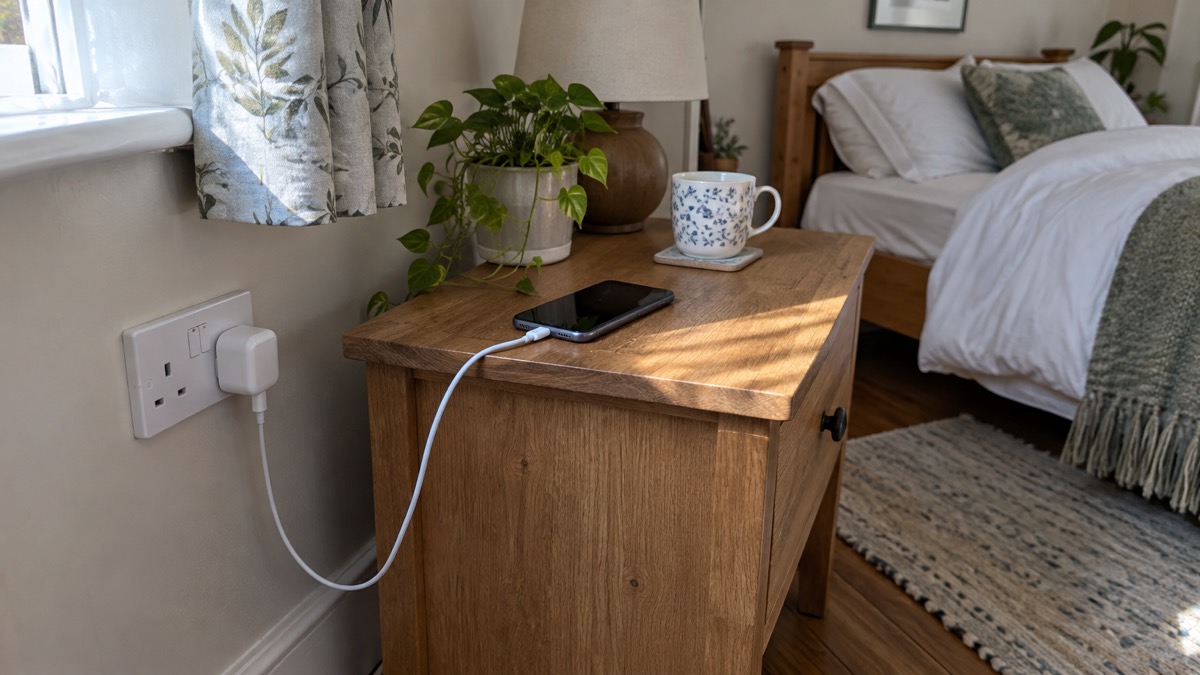
Using the wrong charger can overload the battery and increase the risk of overheating and fire16. Connecting the wrong charger to a battery can pose serious fire risks, because not all batteries and chargers are safe when used together13. The safest rule is simple: only use the charger that came with the device, and if you need a new one, get it from the maker of the device7.
This matters most where the charger and the battery were never sold as a pair. With e-bike conversion kits, the battery and charger may be purchased separately, sometimes from different sellers, which increases the risk of incompatible equipment being used17. Replacement chargers should only be bought from reputable sellers16.
Counterfeit and substandard chargers are a separate problem. Counterfeit electrical chargers can be deadly, and many fail to meet UK safety regulations, leading to fires and injury18. Cheap chargers and batteries may not meet UK safety standards and can be dangerous3. Official guidance is to make sure the battery and charger meet UK safety standards, and to only buy items from the right shops7. Only purchase your device and charging equipment from a trusted seller and check product reviews12.
Vapes follow the same rule with an extra caution. Battery capacities and charging voltages may differ, so check you are using the correct charger, only buy from reputable suppliers with the appropriate safety marking, and do not charge on flammable surfaces or for long periods19. If your device came with a charger, only use that charger20.
Overloaded plug sockets and extension leads
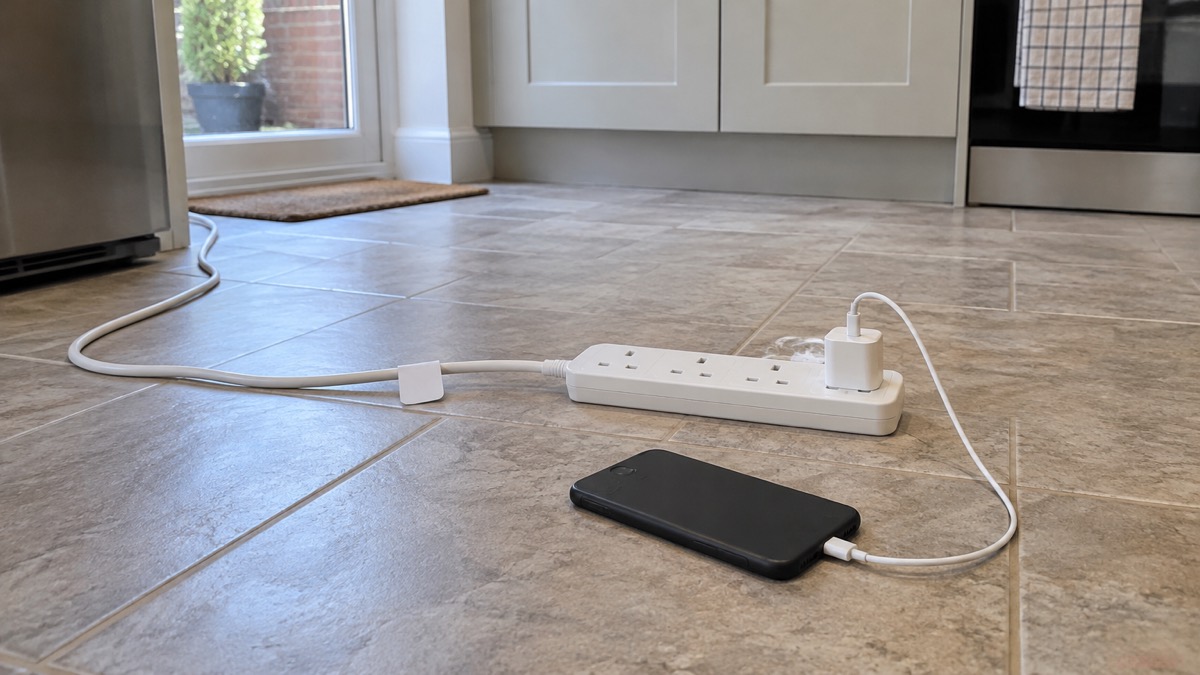
Overloading an extension lead is a fire risk4. Extension leads and adapters have a limit on how many amps they can take, so be careful not to overload them, to reduce the risk of fire22. The practical rules are short:
- Only one extension lead should be used per socket, and be careful not to overload it with many high wattage items23.
- Where possible use a surge protection extension cable and only have one item per plug socket to avoid overloading9.
- Use uncoiled extensions and make sure the lead is suitably rated for what you are plugging in24.
- Do not overload socket outlets or use inappropriate extension leads when charging e-bikes and e-scooters26.
The kitchen is a common trouble spot, where don't overload extension leads, this can cause fire is standard advice28. Parents and guardians are told never to overload sockets or extension leads29, and the same message goes to students and to people living alone4.
Check whether your power bank has been recalled
Recalls are not rare, and a recalled battery can fail while it is charging. The most important thing you can do is to regularly check if your appliances have been recalled, using the government's product recall site, the manufacturer's website or Electrical Safety First's recall register30. You can also check the list of recalled items on the Electrical Safety First website, which explains what to do with your recalled appliance24.
A worked example shows why it matters. On 8 December 2025 the Office for Product Safety and Standards recalled two Belkin power bank models, the BoostCharge USB-C BPB002 and the Playa USB-C PB0003. The product presents a risk of fire as the lithium-ion batteries can overheat whilst in use, which can lead to localised smoking, melting and/or a risk of fire10. The notice told consumers to stop using the product immediately and complete the recall form on the Belkin website to receive a full refund or replacement10.
Signs a battery is failing, and what to do
Keep an eye out for warning signs that the battery might be failing and becoming a fire risk7. Fire and rescue services list the same set of signals. Stop using or charging your battery immediately if you notice overheating, deformation, noise, smell, performance problems or smoke25. In detail, do not use or charge your device if the battery is producing smoke, feeling extremely hot to touch, looking swollen or having any type of lump or leak, making a hissing or cracking sound, smelling unusual, or taking longer to charge or not fully charging5.
If you notice warning signs, stop charging immediately and unplug the device if it is charging6. If the battery gets unusually hot, starts to bulge or starts hissing, stop using it immediately and leave it in a safe place until you can dispose of it properly20. A swollen battery should never be pressed back into shape or kept in use.
| Warning sign | What it can mean | What to do |
|---|---|---|
| Smoke, hissing or cracking | The battery is failing and may ignite | Stop charging, unplug, leave it in a safe place and call 999 if it catches fire5 |
| Extremely hot to touch | Overheating | Stop charging immediately6 |
| Swollen, lumpy or leaking | Cell damage | Stop charging immediately and do not use it again6 |
| Unusual smell | Venting or overheating | Stop using or charging it5 |
| Slow or incomplete charging | Performance failing | Stop using or charging it5 |
Disposing of used batteries and vapes safely
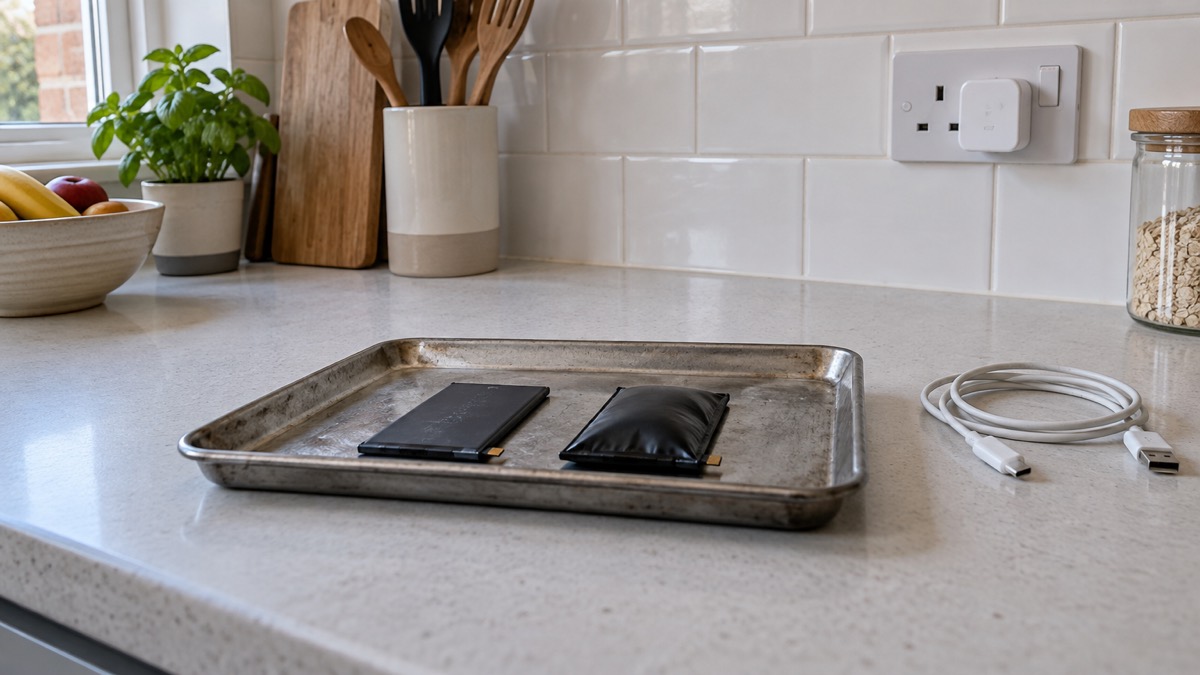
Vapes and e-cigarettes cannot go into your regular rubbish or recycling bin, because the battery could be damaged and start a fire20. The lithium-ion batteries found in vapes are a known fire risk when disposed of incorrectly, and the chemicals inside can contaminate water sources and soil14. Avoid disposing of e-cigarettes, vapes or batteries in your household waste11.
Use designated battery and vape recycling points, often available in supermarkets, or place them in a small, clear tied bag and leave them on top of recycling boxes for kerbside collection11. Retail battery recycling bins accept AA, AAA, 9V and button cells, rechargeable batteries, and battery packs from devices if removable3. Check your council's rules for kerbside collection, as arrangements differ.
For a damaged or swollen battery, do not put it in a bin at all. Leave it in a safe place until you can dispose of it properly20, and take it to a recycling point rather than storing it indoors long term.
Keeping the setup ready for a power cut
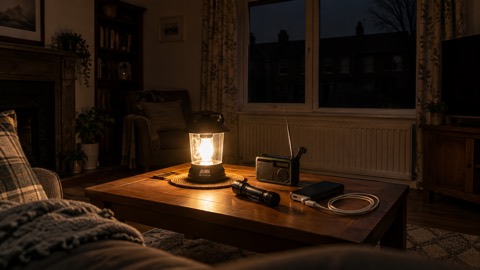
A safe charging routine is also a preparedness routine. The government's Be Ready checklist suggests keeping a charged power bank to charge phones or compatible medical devices15, and a torch with spare batteries is on the Met Office winter checklist31. Charge your power bank during the day, in the open, and unplug it when full, so it is ready when the mains fails.
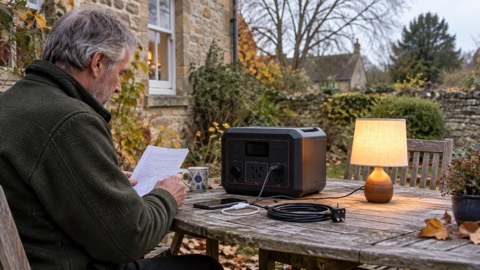
If you rely on a larger battery, such as a portable power station, the same charging rules apply: keep it in a safe, visible place, away from flammable materials and escape routes3. For more on choosing and using backup power, see Backup Power at Home: A Household Guide and Power Banks: Keeping Phones Charged in an Emergency. If you are charging an e-bike or e-scooter, the dedicated guidance is in Lithium-Ion Battery Safety at Home.
Sources (32)
- Bedtime checks, London Fire Brigade, 2026-10-25
- Living alone, Staffordshire Fire and Rescue Service, 2026-10-26
- Lithium battery fire safety, Mid and West Wales Fire and Rescue Service, 2026-10-26
- Student fire safety, London Fire Brigade, 2026-10-25
- Lithium-ion batteries, Scottish Fire and Rescue Service, 2025-11-27
- Charging safety, Oxfordshire County Council, 2026
- Digital easy read fire safety booklet, London Fire Brigade, 2026
- Fire safety checklist, Devon and Somerset Fire and Rescue Service, 2026
- Celebrate safely, Humberside Fire and Rescue Service, 2026-10-26
- Product recall: Belkin BoostCharge and Playa power banks, London Borough of Bromley, 2025-12-08
- Residents urged to think before binning batteries, Devon and Somerset Fire and Rescue Service, 2026
- Battery fires, Devon and Somerset Fire and Rescue Service, 2026
- Buy safe, be safe: avoid e-bike and e-scooter fires, GOV.UK, 2024-10-24
- Smoking and vaping safety, Devon and Somerset Fire and Rescue Service, 2026-10-14
- Get prepared for emergencies, GOV.UK, 2026-10-21
- How to charge e-bikes and e-scooters safely, London Fire Brigade, 2026-10-25
- E-bike conversion kits: fire risks and safety advice, London Fire Brigade, 2026-10-25
- Batteries and chargers, London Fire Brigade, 2026-10-25
- Home Fire Safety - Northern Ireland Fire & Rescue Service, Northern Ireland Fire & Rescue Service
- Vaping and e-cigarettes, London Fire Brigade, 2026-10-25
- Electrical safety, North Yorkshire Fire and Rescue Service, 2026-09-14
- Looking after the electrics, North Wales Fire and Rescue Service, 2026-10-25
- Fire safety for carers, Devon and Somerset Fire and Rescue Service, 2026
- Electrical safety, Scottish Fire and Rescue Service, 2025-02-27
- Charge safe campaign, North Yorkshire Fire and Rescue Service, 2026-08-18
- E-bikes and e-scooters, Scottish Fire and Rescue Service, 2026-10-25
- E-bikes and e-scooters, South Wales Fire and Rescue Service, 2026-07-29
- Kitchen safety, Devon and Somerset Fire and Rescue Service, 2026
- Advice for parents and guardians, Devon and Somerset Fire and Rescue Service, 2026
- Registering your e-bike or e-scooter for safety alerts and product recalls, London Fire Brigade, 2026-10-25
- WeatherReady winter checklist, Met Office, 2026
- How to stay safe during a heatwave, Devon and Somerset Fire and Rescue Service, 2026-06-23
 Power Cut Backup Power Checklist
 Backup Power Before Winter
 30-Day Household Checklist