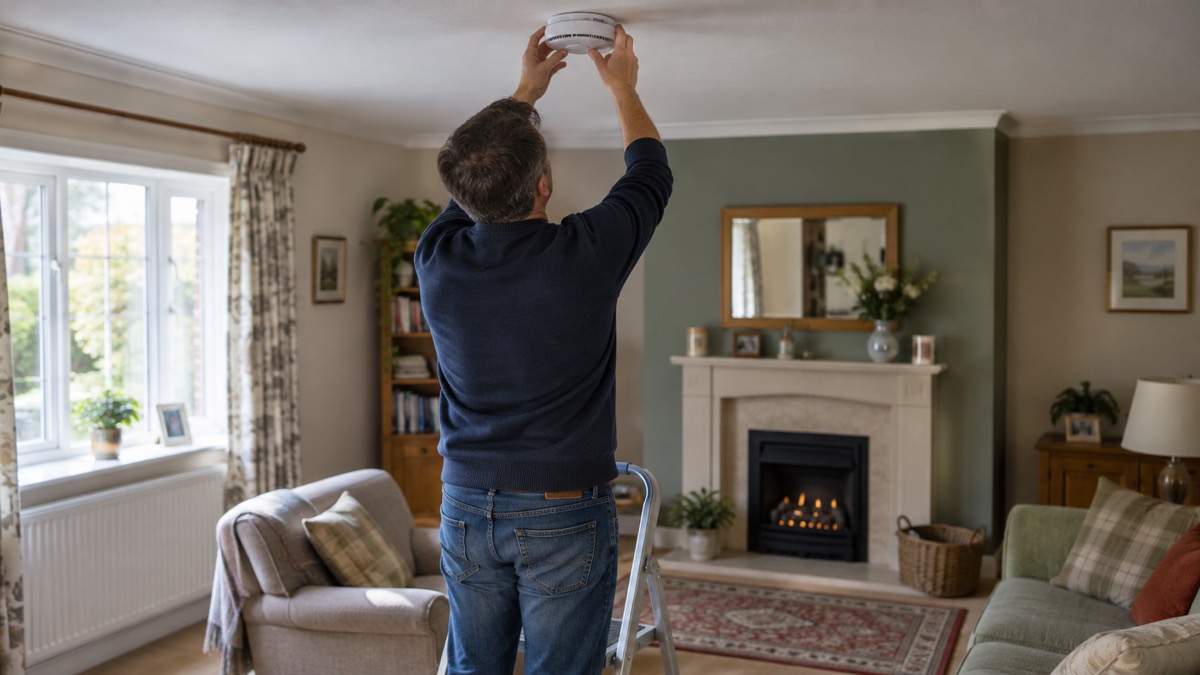
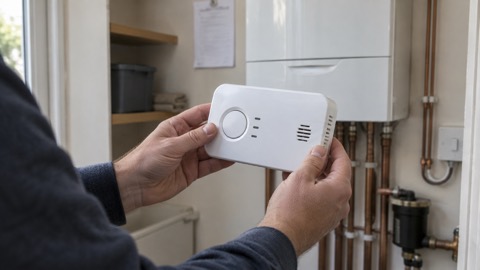
The FireAngel SCB10-R is a single alarm that watches for two different dangers at once: smoke from a fire and carbon monoxide, the colourless gas that comes from faulty or badly ventilated fuel-burning appliances. FireAngel describes it as a combination smoke and carbon monoxide alarm that protects against both fire and carbon monoxide in one device1. For a household putting together an emergency plan, that matters because it covers two of the most common home emergencies with one unit and one battery to keep an eye on.
The practical details are simple. It runs on a sealed battery rated for 10 years, so there is nothing to change each year, and it carries a three-year warranty2. It is a standalone alarm, meaning it is not linked to other alarms in the house, and it is designed for ordinary homes rather than commercial premises2. It is not a substitute for a full alarm system: FireAngel's own advice is to install it alongside further units and a kitchen heat alarm for complete protection1.
This page sets out what the SCB10-R does, how to tell its two alarms apart when it sounds, what its sensors and battery mean for a household getting ready for a power cut, flood or other emergency, and how to test it and claim on the warranty.
What the SCB10-R does, and what it cannot do
The SCB10-R is a domestic combined alarm. FireAngel's product pages describe it as a combination smoke and carbon monoxide alarm, and the maker says it has been designed to make protecting your home simple1. In an emergency, that means one device on the ceiling or wall that will sound whether the danger is a fire starting or carbon monoxide building up from a boiler, cooker or fire.
It is worth being clear about the limits, because they decide how you use it in a plan.
- It is standalone. Which? lists the SCB10-R as a standalone alarm, not one that talks to other units7. If a fire starts in the kitchen, this alarm sounds where it is fitted; it will not set off alarms elsewhere in the house.
- It is a domestic product. The maker's manual states plainly that the alarm is not intended for any non-residential, commercial or industrial application2.
- It is one part of a plan. FireAngel advises installing it alongside further units and a kitchen heat alarm for complete protection1. A heat alarm is the right choice for a kitchen because it responds to heat rather than smoke, so cooking does not set it off. Our guide to heat alarms explains where they go.
- It does not replace a dedicated CO alarm everywhere. FireAngel's own guidance for its Pro Connected range says that for combined protection in a single unit you can consider the SCB10-R, or fit a dedicated CO alarm such as the FA6829S8. If you want CO cover in a room where smoke detection is not needed, a dedicated unit may suit better.
For a household preparing for emergencies, the value is in the overlap. A power cut, a flooded boiler or a storm that damages a flue can all create carbon monoxide risk at the same time as fire risk, and one alarm that covers both means fewer devices to test, fewer batteries to track and less to remember when you are tired or under stress.
Telling smoke from carbon monoxide when the alarm sounds
The most important thing to know about a combined alarm is which danger it is warning you about. The SCB10-R uses different sound patterns for each, and FireAngel's guidance is consistent across its range: for smoke or fire detection the alarm sounds three beeps, and if carbon monoxide is detected there are four beeps4. The maker's manual for the SCB10 sets out the CO pattern in full: a repeated cycle of four quick beeps followed by five seconds of silence, with the red LED flashing the same pattern2.
| What you hear | What it means | What to do |
|---|---|---|
| Three beeps, repeated | Smoke or fire | Get everyone out, call 999, stay out |
| Four quick beeps, then five seconds of silence, repeating | Carbon monoxide | Open windows and doors, turn off fuel-burning appliances, get outside into fresh air, call the gas emergency line or 999 if anyone is unwell |
The maker's support pages add two points that matter in the moment. First, the CO alarm continues until the sensor is clear of carbon monoxide gas, so it will not stop just because you have opened a window4. Second, a smoke alarm does not detect carbon monoxide at all; a dedicated or combined CO alarm is needed for that6. The SCB10-R is the combined type, so it covers both, but the same rule applies to any other alarm you own: check what each one actually detects.
Sensors: optical smoke detection and an electrochemical CO sensor
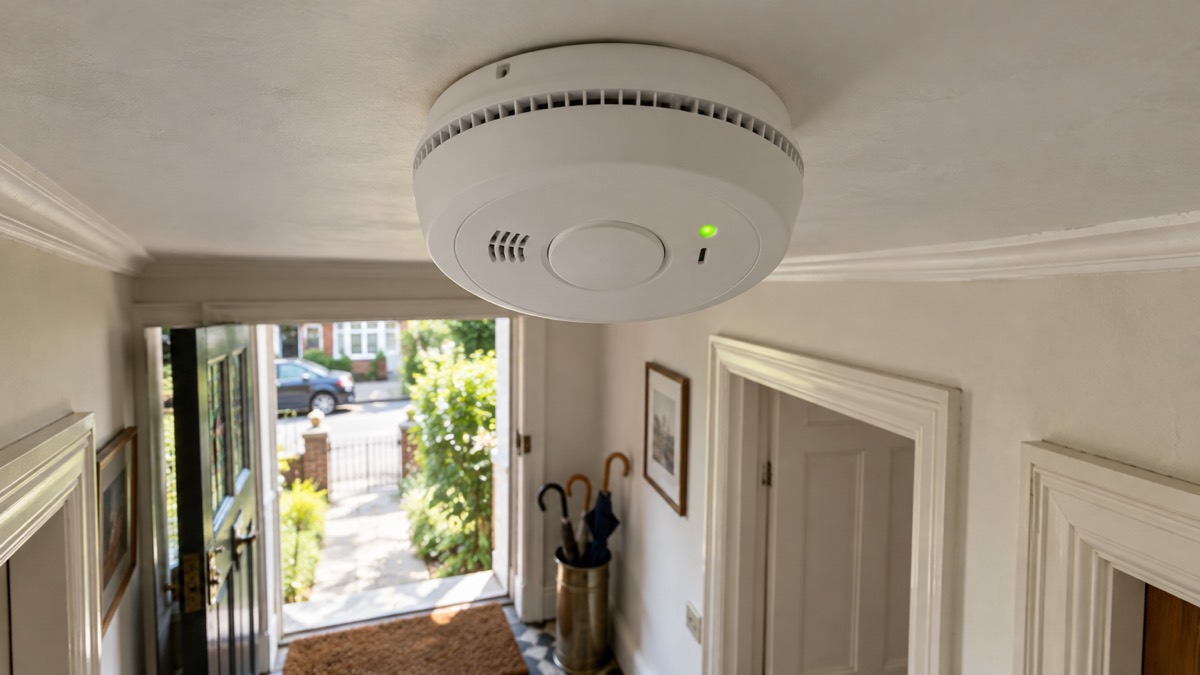
Inside the SCB10-R are two separate sensing systems. The smoke side uses an optical sensor, which looks for smoke particles scattering light inside the chamber; the carbon monoxide side uses an electrochemical sensor, which reacts to the gas itself2. FireAngel describes the unit as featuring both smoke and carbon monoxide sensors for detection of both dangers1.
That combination is what the standards expect. Scottish Government guidance on private rented properties says combined smoke and CO detectors may be installed provided they meet the appropriate requirements of BS EN 50291 for CO detection and alarm activation and BS EN 14604 for smoke detection and alarm activation10. The same guidance, in its chapter on satisfactory fire detection, repeats the point: combined smoke and CO detectors may be installed providing they meet the appropriate requirements of BS EN 50291 with regard to CO detection and alarm activation and the requirements of BS EN 14604 with regard to smoke detection and alarm activation11. In plain terms, a combined unit has to do both jobs to the same standard as two separate alarms.
The maker's datasheet for the earlier SCB10 gives the sensor types directly: optical for smoke and electrochemical for CO, certified to EN 50291-1:20189. The SCB10-R is the current model in the same line, and FireAngel lists it as featuring both sensors1.
For a household plan, the sensor type affects where you put the alarm. Optical smoke sensors are the type the fire service recommends for homes: Staffordshire Fire and Rescue Service advises fitting an optical multi sensor smoke alarm with a ten-year life span, with a sealed battery compartment and a British Standard Kitemark symbol12. The electrochemical CO sensor is the standard type for domestic CO detection. Neither sensor needs servicing by you; the sealed unit is designed to run for its rated life and then be replaced.
Power: a sealed battery rated for 10 years
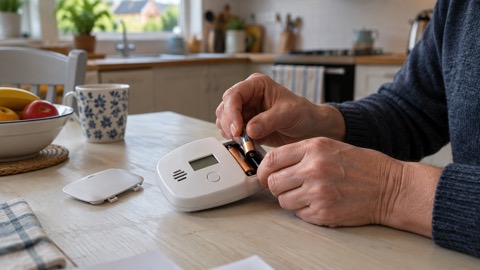
The SCB10-R has a sealed battery rated for 10 years, so there is no annual battery change and no drawer of spare cells to keep for it2. Which? lists it as having a sealed battery and 10-year battery life7, and FireAngel's own support article confirms that the SCB10-R is among its smoke alarms with a sealed 10 year battery2.
That design choice has real advantages in an emergency. A power cut does not affect it, because it does not rely on mains electricity. A flood that takes out the electrics does not silence it. And because there is no user-replaceable battery, there is no temptation to borrow the battery for something else and forget to replace it. The Scottish Government's guidance on fire and smoke alarms in Scottish homes notes that sealed alarms have long-life lithium batteries which can last up to 10 years13.
The trade-off is that when the battery reaches the end of its life, the whole alarm is replaced. FireAngel's guidance is explicit: with a replaceable battery, fit a new one straight away; with a sealed 10 year battery, replace the whole alarm2. The low battery warning is the signal to act, not a prompt to open the casing.
| Feature | What it means for your household |
|---|---|
| Sealed 10 year battery | No annual battery buying or fitting; works through power cuts2 |
| Low battery warning | Replace the whole alarm, not the battery2 |
| Standalone | No wiring or linking to other alarms7 |
| Three-year warranty | Cover for the unit itself2 |
One alarm is not complete protection
A single SCB10-R is a good start, not a finished job. FireAngel's product page carries the same advice on both its listings: install alongside further units and a kitchen heat alarm for complete protection1. The fire service is just as direct. Dorset and Wiltshire Fire and Rescue Service states that a single smoke alarm is not enough and advises installing at least one smoke alarm on every level of your home15.
For a household building an emergency plan, that means thinking in layers:
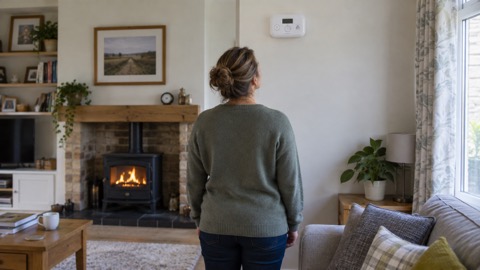
- Every level. At least one alarm on each floor, including the hall and landing15.
- Bedrooms and living areas. The SCB10-R is described in the maker's datasheet as ideal for bedrooms and living areas, because those are the rooms where people sleep and spend their time9.
- The kitchen. A heat alarm rather than a smoke or combined alarm, so cooking does not trigger it. FireAngel's Pro Connected heat alarm is one option in its range16; our guide to heat alarms explains the principle.
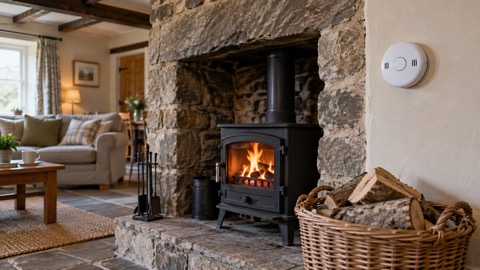
- Near fuel-burning appliances. A CO alarm in any room with a boiler, gas fire, wood burner or similar. A combined unit covers this where you also want smoke detection; otherwise a dedicated CO alarm is the maker's recommendation8.
If you are deciding between one combined unit and separate alarms, our comparison of combined smoke and CO alarms or separate alarms sets out the trade-offs. If you are working out how many units you need in total, how many smoke alarms a house or flat needs does the arithmetic.
The SCB10-R is also a sensible choice for a second home, a caravan or a holiday let, because it needs no wiring and no annual battery change. FireAngel's own guidance on campervan safety and holiday protection makes the case for combined alarms in those settings17. For a new home, the maker's checklist recommends a carbon monoxide alarm as essential from the day you move in19.
Testing, the Kitemark and three years of cover
The SCB10-R carries the BSI Kitemark. FireAngel states that the device has been rigorously tested by independent parties such as BSI Kitemark to ensure quality and longevity1. The Kitemark is not a marketing badge: it shows the alarm has been independently certified to the relevant standard. CO-Gas Safety, the carbon monoxide awareness charity, notes that there are three fully compliant combined smoke and CO alarms on the market, Kitemarked by BSI to both EN 50291 for the CO function and EN 14604 for the smoke function20.
The fire service treats the mark as a buying signal. Staffordshire Fire and Rescue Service advises that 10 year sealed battery smoke alarms are the best option and to look out for the British Standard Kitemark12. The same service's guidance on choosing an alarm recommends an optical multi sensor smoke alarm with a ten-year life span, a sealed battery compartment and a British Standard Kitemark symbol12. The SCB10-R meets those criteria on the smoke side and adds CO detection.
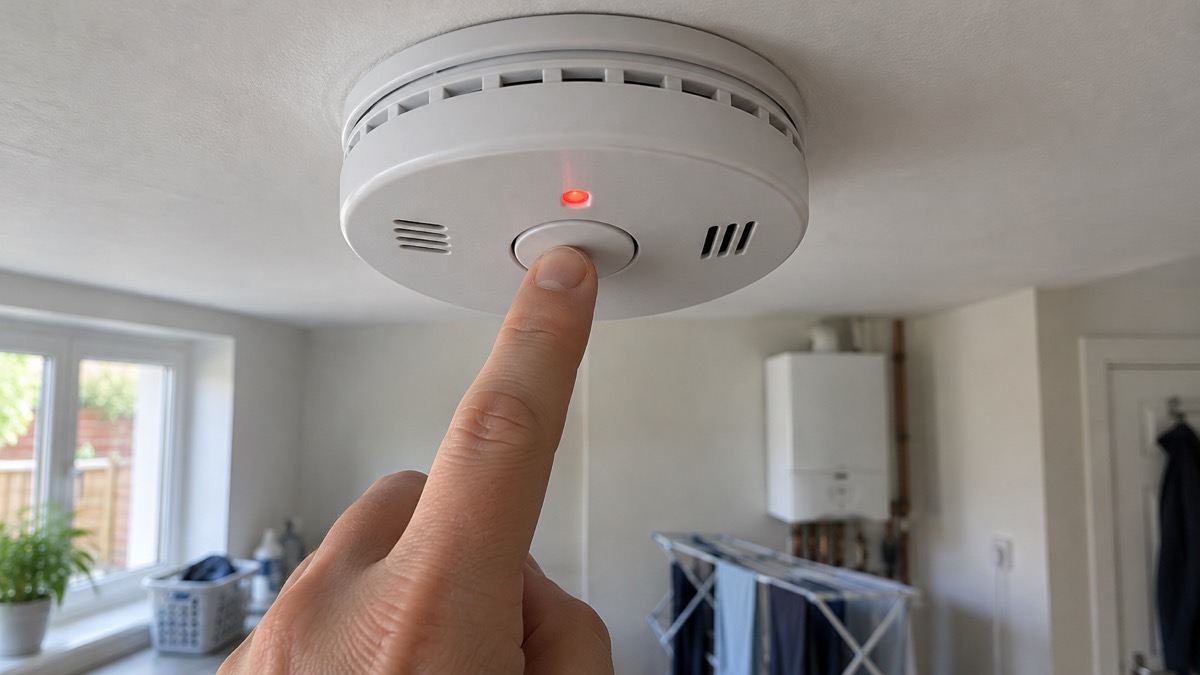
Testing is straightforward. Use the test button, which Which? describes as large7, and check that the alarm sounds. FireAngel's support pages cover what different beeps mean if the alarm chirps outside a test2. If you need to silence a false alarm, the SCB10's manual gives a smoke alarm silence period of 10 minutes2; the same hush function is a feature of the SCB10-R's large button7.
The warranty runs for three years2. Keep the receipt or order confirmation with your household paperwork, because a warranty claim will need proof of purchase and the date of installation. FireAngel's support site carries the manuals and FAQs for its products21, and the maker's guidance on replacement cycles explains when an alarm has reached the end of its working life22.
Where it fits in a household emergency plan
The SCB10-R earns its place in a prepping plan because it keeps working when other things fail. A power cut does not silence it. A flood that takes out the boiler does not disable it. A storm that brings down a chimney pot and blocks a flue is exactly the situation its CO sensor is there for. And because the battery is sealed for 10 years, it is one less thing to remember in a year when you are dealing with everything else.
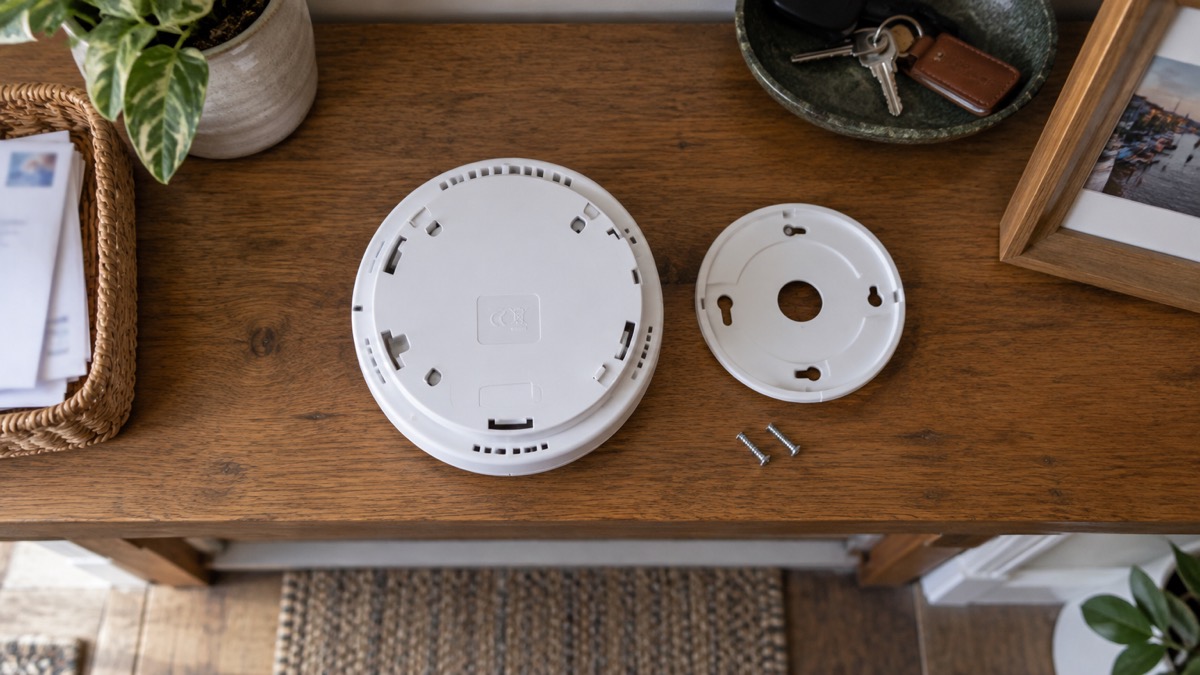
Think of it as part of a layered plan rather than a single purchase. Fit one where people sleep, add a heat alarm in the kitchen, add CO cover near any fuel-burning appliance, and test the lot on a routine. Our fire safety checklist and bedtime fire safety checks turn that into a routine you can actually keep. If someone in the house is deaf or hard of hearing, our guide to alarms for deaf and hard of hearing people explains the vibrating and strobe options that work alongside an alarm like this.
For the wider picture, the Home Emergencies section covers fire, carbon monoxide, gas leaks and burst pipes, and Smoke Alarms: Types and How to Choose One sets the SCB10-R alongside the other alarm types. FireAngel's own brand page is at FireAngel.
Sources (22)
- SCB10-R Combination Smoke and Carbon Monoxide Alarm, FireAngel, 2026
- SCB10-R User Manual, FireAngel, 2024
- How do I stop my smoke alarm from beeping?, FireAngel, 2026
- FireAngel FAQs: product, FireAngel, 2026
- FireAngel FAQs: homeowner, FireAngel, 2026
- FireAngel FAQs: general, FireAngel, 2026
- How we test carbon monoxide detectors, Which?, 2026
- Five ways to avoid a carbon monoxide build-up, Which?, 2026
- SCB10 Data Sheet, FireAngel, 2024
- What alarms to install and where, FireAngel, 2026
- FP1740W2-R Pro Connected Heat Alarm, FireAngel, 2026
- How many smoke alarms do you have?, Dorset and Wiltshire Fire and Rescue Service, 2019
- Replacement cycle: when should you upgrade your fire alarms?, FireAngel, 2026
- Carbon monoxide alarms in private rented properties: guidance, Scottish Government, 2026
- Tolerable Standard guidance: satisfactory fire and carbon monoxide detection, Scottish Government, 2023
- About CO: alarms, CO-Gas Safety, 2024
- Smoke alarms, Staffordshire Fire and Rescue Service, 2026
- Home fire safety visits, Staffordshire Fire and Rescue Service, 2026
- Fire and smoke alarms in Scottish homes: where and what to buy, Scottish Government, 2024
- Smoke and carbon monoxide alarms, Northamptonshire Fire and Rescue Service, 2026
- Campervan safety: the importance of smoke and carbon monoxide alarms, FireAngel, 2026
- How to stay safe on bonfire night, FireAngel, 2025

 FireAngel FA3313 CO Alarm
 FireAngel FA3322 CO Alarm
 FireAngel FA3820 CO Alarm
 FireAngel FA6812 CO Alarm
 FireAngel FA6813 CO Alarm
 FireAngel FA6829S CO Alarm
 FireAngel CW1-PF CO Alarm
 FireAngel W2-CO-10X CO Alarm
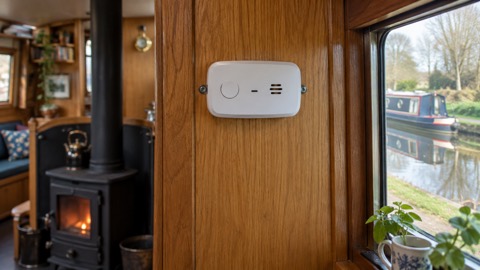 FireAngel FP1820W2-R CO Alarm
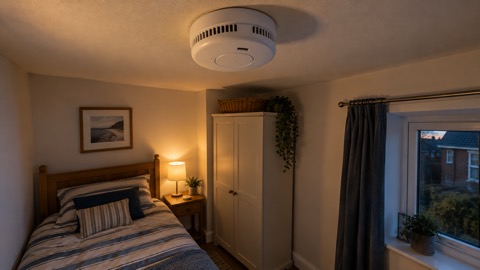 FireAngel FP2620W2-R Alarm
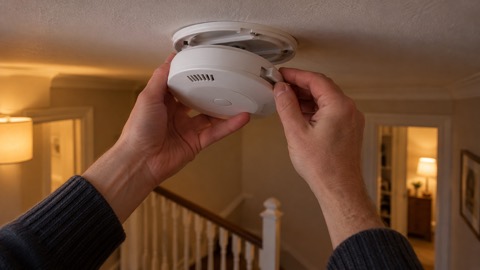 FireAngel ST-632 Smoke Alarm
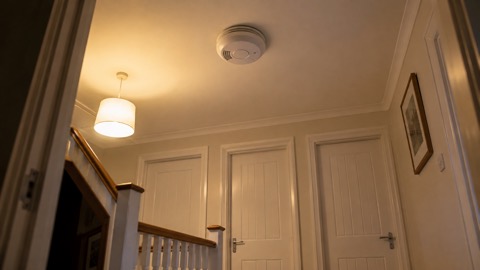 FireAngel ST-750 Smoke Alarm