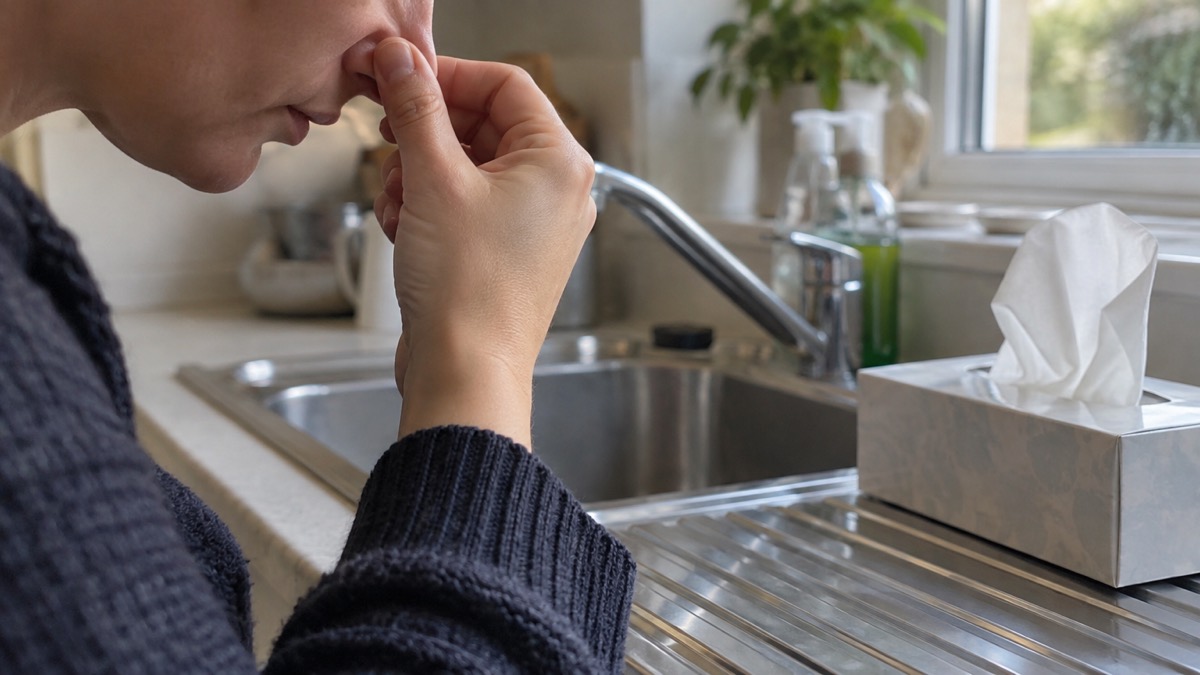
Most nosebleeds stop with simple first aid at home. Sit down, lean forward and pinch the soft part of your nose firmly without letting go to check. Breathe through your mouth. Do not tip your head back, because that sends blood down your throat and can make you feel sick.
If the nosebleed followed a fall or a blow to the head, or will not stop, get medical help. A nosebleed after a knock can be a sign of a more serious injury, and it is always worth checking for other damage. Call 111 for advice, or 999 if the person is unresponsive, struggling to breathe or bleeding heavily.
Nosebleeds are one of the most common home injuries, and they often come with the everyday accidents that happen in every household: a child falling off a chair, an older adult slipping on the stairs, a knock in the kitchen. Knowing what to do in the first few minutes, and what to keep ready, makes the difference between a minor upset and a trip to hospital.
Most home injuries are falls, and nosebleeds often come with them
Falls are the most common accident at home, and a nosebleed is a frequent companion to them. A child who trips over a toy, an adult who slips on a wet kitchen floor, an older person who misses a stair: all can end with a knock to the face and a bleeding nose. The nose has a rich blood supply close to the surface, so even a light bump can produce a lot of blood, which often looks worse than it is.
The practical response is the same whatever caused the fall. First, make sure the person is safe and not at risk of further injury. Then deal with the nosebleed: sit them up, lean them forward and pinch the soft part of the nose. Once the bleeding is controlled, check for other injuries. Minor bumps and sprains can be treated at home with rest, ice, compression and elevation (RICE), which can help reduce swelling and pain6.
Preventing the fall in the first place is the better approach. Official guidance for households is to mop up spillages immediately, remove clutter, trailing wires and frayed carpet, use non-slip mats and rugs, and make sure all rooms, passages and staircases are well lit7. It also advises organising your home so that climbing, stretching and bending are kept to a minimum, getting help for jobs you cannot do safely on your own, and not walking on slippery floors in socks or tights7. Wearing well-fitting shoes that support the ankle, and taking care of your feet, also reduces the risk7.
Many falls happen at home during everyday activities, and small changes can reduce slips and trips, make it easier to move around and help you stay confident and independent8. That is worth remembering when a nosebleed follows a tumble: the injury is a prompt to look at the hazard that caused it.
Children under five and adults over 65: who is most at risk at home
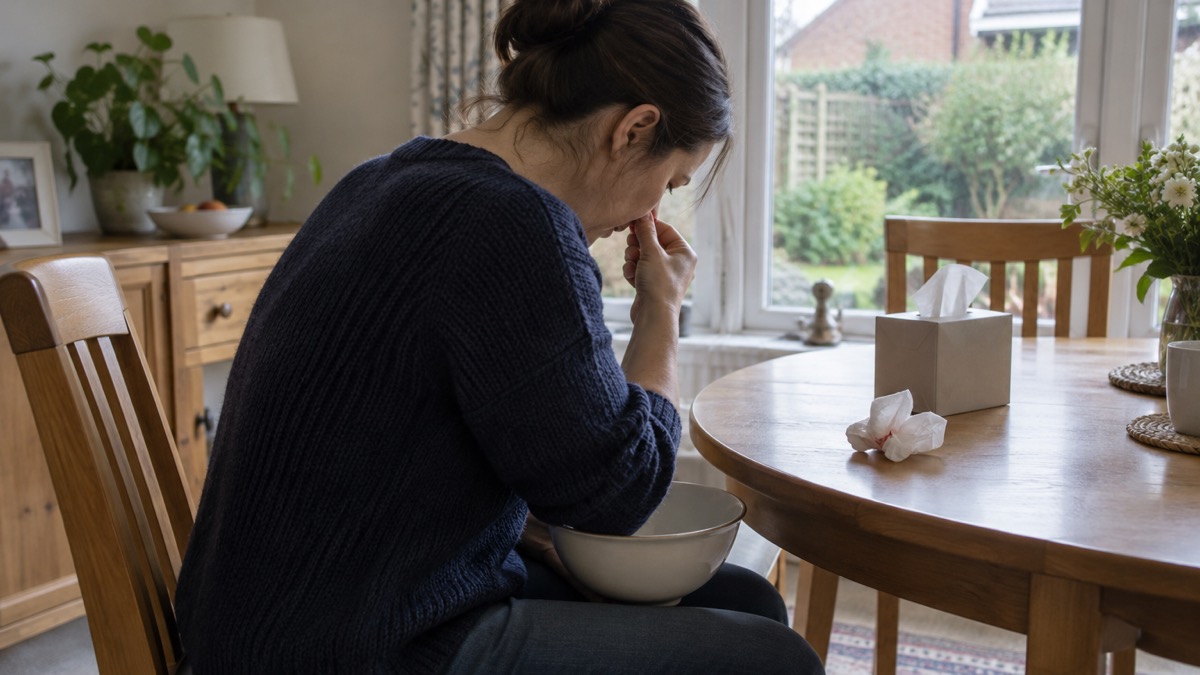
Some people are more likely to have accidents at home, and more likely to need help when they do. Children under five, older people and vulnerable adults are at increased risk, but many accidents can be prevented through simple safety measures and greater awareness of hazards in and around the home3. For a nosebleed, that means watching young children closely during play and checking that older relatives can move around their home safely.
Young children get nosebleeds for ordinary reasons: they run, climb, tumble and put things near their faces. Their small size and developing coordination make knocks more likely. The same first aid applies, but a child may be frightened by the sight of blood, so stay calm, sit them upright and explain what you are doing. If a child's nosebleed follows a fall from a height or a blow to the head, or will not stop, get medical advice.
Older adults face a different set of risks. They are more likely to fall, and a fall can cause injuries that take longer to recover from. Older people are also more vulnerable to temperature extremes: people over 65, children under 5 and those with pre-existing health conditions are more vulnerable to cold temperatures and should take extra care to make sure they are warm enough9. In hot weather, people aged 65 or over are among those at higher risk of becoming seriously unwell10. Keeping the home at a comfortable temperature is part of preventing the accidents that lead to nosebleeds and other injuries.
| Group | Why they are more at risk | What helps |
|---|---|---|
| Children under five | Small, active and prone to tumbles; at increased risk of home accidents3 | Supervise play, clear clutter, use stair gates and non-slip mats7 |
| Adults over 65 | More likely to fall; more vulnerable to heat and cold11 | Keep rooms warm in winter and cool in summer, improve lighting, remove trip hazards7 |
| Vulnerable adults | At increased risk of home accidents3 | A home safety check and help with jobs that need climbing or stretching7 |
Where injuries happen: the kitchen leads at 60%
The kitchen is the most dangerous room in the house. Around 60% of fires in the home start in the kitchen5, and cooking is the leading cause of fires in the home, responsible for around half of all accidental dwelling fires13. The fire and rescue services put it plainly: keep a fire blanket in the kitchen, because over half of the fires they attend start there14. Accidents while cooking account for over half of fires in homes15.
A nosebleed is not usually a fire injury, but the kitchen is also where many everyday knocks happen: hot pans, sharp knives, wet floors and crowded worktops. The same care that prevents fires prevents cuts, burns and falls. Never leave cooking unattended, and take extra care with hot oil15. Keep the floor dry, keep knives away from the edge of the worktop, and keep children out of the cooking zone while pans are hot.
If a fire does start, get out and stay out. A blocked escape route is a danger in itself: use bedding to cushion your fall and lower yourself down carefully if you are trapped upstairs, and do not jump17. Make sure everyone in the household knows the escape route, and keep it clear.
A first aid kit for home and car
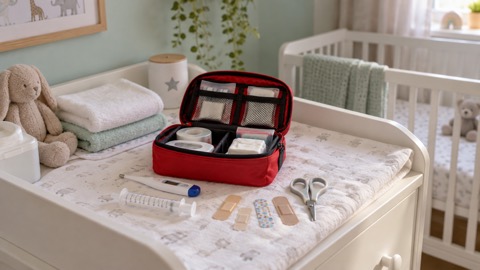
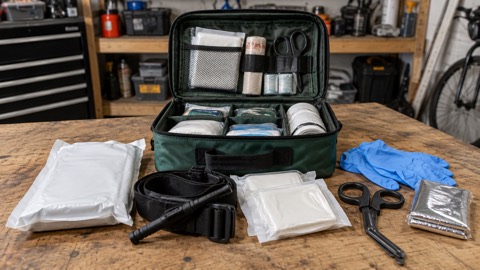
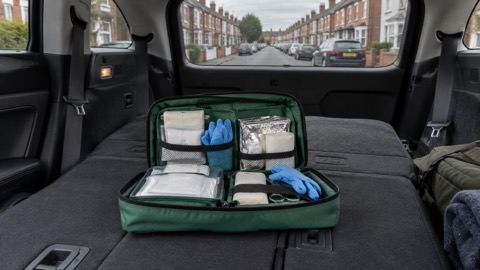
Every household should have a first aid kit, and official guidance is consistent on this point. Have a first aid kit in your home and car and learn first aid4. Include a first aid kit in your household emergency pack18, and in your car emergency kit16. A home emergency kit should include a first aid kit and face masks16.
A kit is only useful if it is complete, in date and somewhere you can reach quickly. Check it regularly, replace anything you use, and keep it where everyone in the household knows to find it. Pair it with knowledge: a first aid course, or free online learning, means you can use what is in the box when it matters.
| Where to keep it | What it is for | What to check |
|---|---|---|
| Home | Everyday cuts, grazes, nosebleeds, burns and sprains4 | Restock after use; check dates on sterile items |
| Car | Injuries on the road or away from home16 | Keep it in the boot or glovebox, out of direct heat |
| Emergency pack | Sustaining the household during a disruption16 | Include face masks and a notepad and pencil16 |
A notepad and pencil are worth adding to an emergency kit, so you can write down information or instructions when power or phone signal is down19. For more on what to keep and how to choose it, see First Aid Kits for the Home: Contents and How to Choose and Ready-Made Kit or Building Your Own: Which Suits a Household?.
When an injury at home needs medical help
Many common illnesses and injuries can be treated at home with rest, painkillers such as paracetamol or ibuprofen, and basic first aid20. Most minor sprains and strains can be treated at home with self-care techniques, such as paracetamol or PRICE therapy11. But some injuries need more than a plaster, and a nosebleed is one of them when it comes after a fall or will not stop.
Call 999 if someone is unresponsive, not breathing normally, bleeding heavily and continuously, or has had a serious fall or blow to the head. Call 111 for advice if you are unsure, if the nosebleed keeps returning, or if the person is frail, elderly or very young. The NHS 111 service can direct you to the right care, including urgent treatment centres and out-of-hours services20.
Watch for signs that the body is struggling. If the casualty shows signs of shock, treat any injuries you can see that could be causing it, for example severe bleeding, and reassure them that you will help1. Severe breathlessness is a sign of sepsis in adults21, and a high temperature is less common in older adults22, so do not rely on a fever alone. If someone is deteriorating, get help.
How to treat a burn, an electric shock or a stair injury
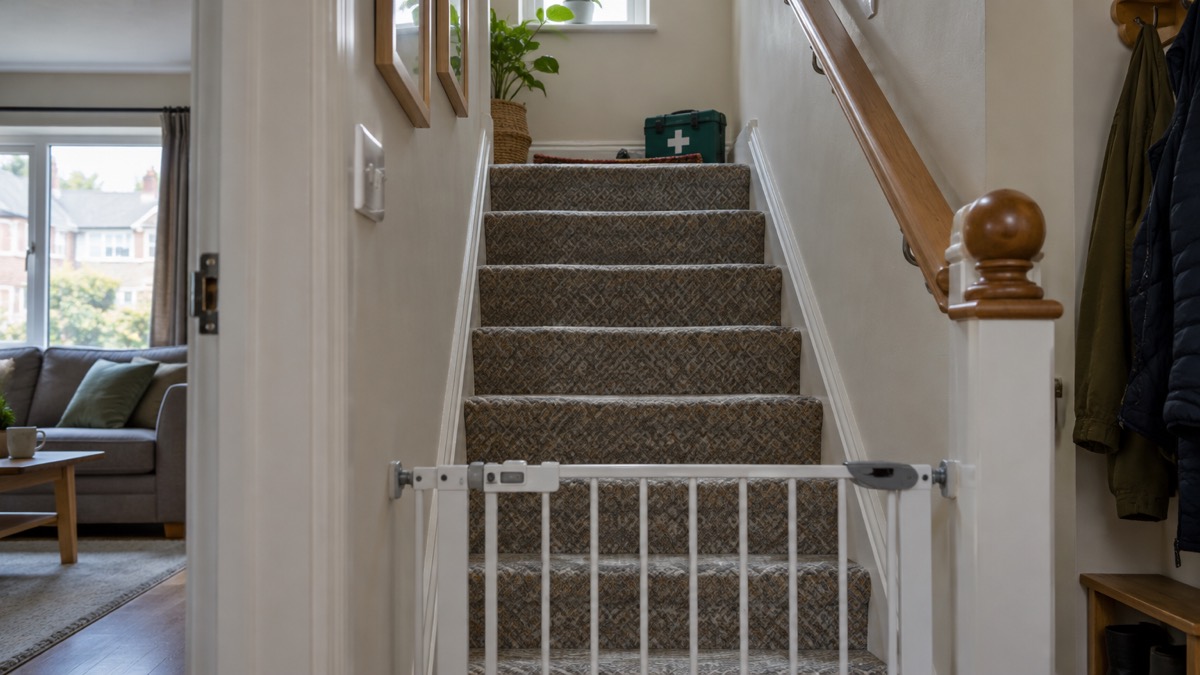
The same household accidents that cause nosebleeds can cause burns, electric shocks and injuries on the stairs. Knowing the first aid for each means you can act quickly and safely.
Burns. Stop the burning process first23. Remove clothing near the burn unless it is stuck to the skin19. Cool the burn with cool running water for 20 minutes, then cover it lightly. Do not put butter or ice on a burn. If the burn is on the face, hands or genitals, is large or deep, or affects a child, get medical help. For more detail, see Burns and Scalds: How to Cool, Cover and Get Help.
Electric shock. Do not touch the person until the power is switched off. If the source cannot be switched off, stand on dry insulating material such as a wooden box or plastic mat and use a wooden pole or broom to push the electrical source away from the casualty24. An electric shock can stun the casualty as it passes through their body, causing breathing and heartbeat to stop24. Call 999 and be ready to start CPR. For more, see What to Do if Someone Gets an Electric Shock.
Stairs. Most falls happen at home during everyday activities, and stairs are a common place for them8. Keep stairs well lit, remove clutter and trailing wires, fix loose or frayed carpet, and use non-slip mats7. If you are unsteady, ask for help with jobs that need climbing or stretching7. A home safety check can identify the hazards you have stopped noticing8.
Sources (24)
- Severe bleeding first aid, NHS inform, 2026
- Accident hazards, Somerset Council, 2026
- Home accident prevention, Public Health Agency Northern Ireland, 2026
- Homes prepared, Surrey County Council, 2026
- Cooking safety, London Fire Brigade, 2026
- Self-care at home advice, South Western Ambulance Service NHS Foundation Trust, 2026
- Winter preparedness, South East Coast Ambulance Service NHS Foundation Trust, 2025
- Stay Steady and Safe Home Safety Checklist, NHS Norfolk and Suffolk Integrated Care Board, 2026
- Home improvements - Met Office, Met Office
- Beat the heat: staying safe in hot weather, UK Health Security Agency, 2026
- Hot weather advice, NHS Central East Integrated Care Board, 2026
- Flu, Derbyshire County Council, 2026
- Fire prevention, Fire Kills, 2026
- Fire safety equipment, Devon and Somerset Fire and Rescue Service, 2026
- Home safety advice, Essex Prepared, 2026
- Emergency kit, Ready Scotland, 2026
- Escape plan - Cornwall Council, Cornwall Council
- Prepare for emergencies, Dumfries and Galloway Council, 2026
- Burns and scalds prevention, Healthier Together, 2026
- Alternatives to 999, South Central Ambulance Service NHS Foundation Trust, 2026
- Sepsis, Mid and South Essex NHS Foundation Trust, 2026
- Sepsis, NHS, 2026
- Burns first aid, NHS London Shared Business Network, 2026
- Electric shock first aid, NHS inform, 2026
 Baby and Child Kit Checklist
 Bleeding Control Kit Checklist
 Car Kit Checklist
 CPR on a Baby
 CPR on a Child
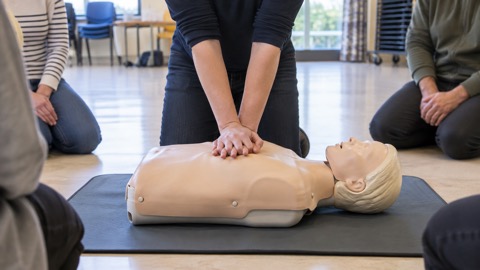 Chest Compression Rate and Depth
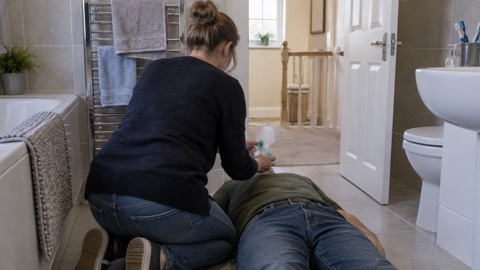 Rescue Breaths or Hands-Only CPR
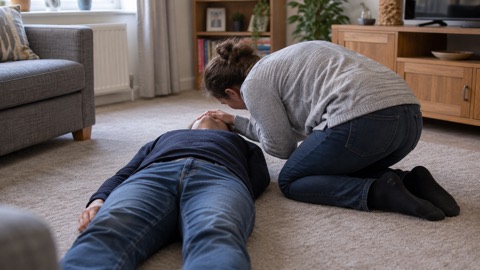 Checking Breathing
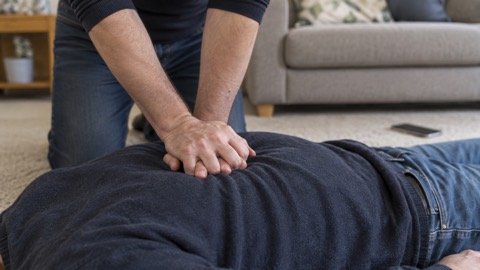 Agonal Breathing and CPR
 Breathing During CPR
 Recovery Position and Spine
 Cardiac Arrest vs Heart Attack
 Heart Attack First Aid
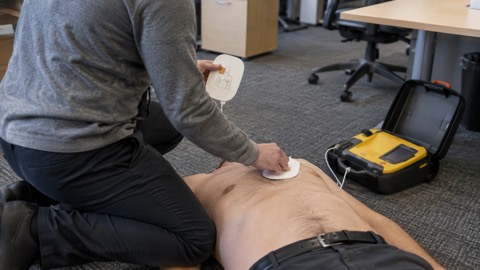 Defibrillator Pad Placement
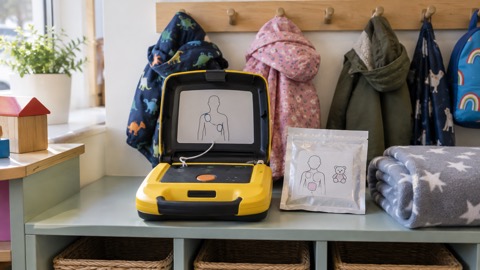 Defibrillator on a Child