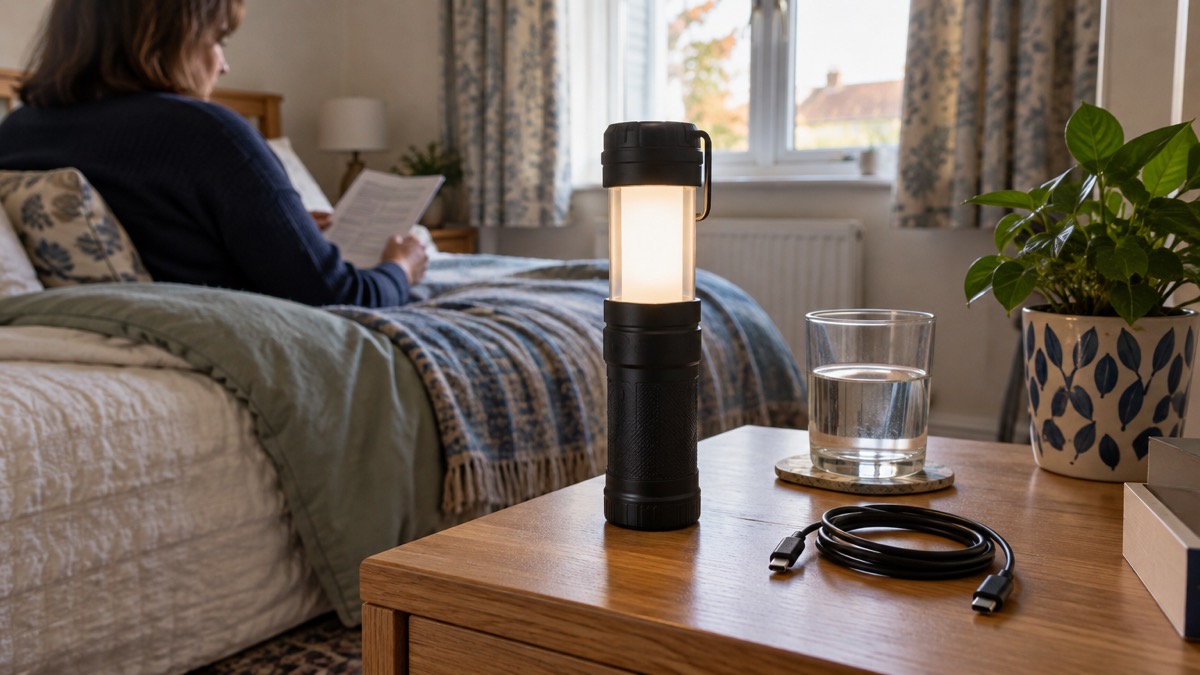
The Nitecore LR70 is a rechargeable 3-in-1 light: a torch, a lantern and a power bank in one body, with two built-in lithium-ion batteries and no loose cells to buy1. The distributor gives it a maximum output of 3000 lumens in torch mode, a beam distance of 300 metres and a built-in 10,000mAh battery, with a lantern mode that spreads 360 degree light around a room1. For a household preparing for power cuts, the useful part is the run time at the bottom end: up to 600 hours on the lowest torch setting, and 200 hours from the lantern on its low setting1.
That combination suits a home that wants one light to do several jobs: a bright beam for checking outside after a storm, a soft room light for an evening without mains power, and a USB-C port that can top up a phone or a smart watch when the power is off1. It is not a substitute for a full emergency kit, and it is not a whole-home backup system. It is one well-specified light that covers the lighting and a little of the charging.
This page sets out what the LR70 can do, how long each setting lasts, how to charge it and use it as a power bank, how to look after it, and how to store it so it works when you reach for it. Every specification here comes from the distributor's product page for the LR701.
What the LR70 is and who it suits
The LR70 is a single unit with two light sources and a charging port. The distributor describes it as a 3-in-1 light with torch, lantern and power bank functions, built around two Luminus SST40 LEDs and 20 high CRI LEDs1. High CRI means the light renders colours more naturally, which matters for reading a map, judging a fuse box or sorting paperwork by lamplight1. It measures 113mm by 60mm by 34mm and weighs 271g, so it sits in a drawer or a grab bag without taking much space1.
It suits three kinds of household. The first is a home that wants one light for the kitchen table during a power cut, where the lantern mode does the work and the torch is there for checking the garden or the meter box. The second is a household that wants a light it can also use to top up a phone, since the LR70 can be used as a power bank with USB-C input and output1. The third is a car or caravan kit, where a compact light of 113mm x 60mm x 34mm and 271g is easy to store1.
It does not suit everyone. A household that wants several simple lights, one per room, will get more coverage from a set of basic torches and a couple of lanterns than from one premium unit. A household with young children should think about where a 3000 lumen light is stored and who can reach it, in the same way as any bright torch. And anyone who wants a light that runs on ordinary AA batteries should look at battery torches instead, because the LR70 is powered by 2 x built-in li-ion 21700 batteries1.
If you are still deciding what kind of light your home needs, the guide to torches and the guide to battery and rechargeable lanterns set out the options side by side.
Specifications: 3000 lumens, 300 metres and a built-in 10,000mAh battery
The headline figures are a 3000 lumen turbo in torch mode, a 300 metre beam and a built-in 10,000mAh battery1. The distributor's own product description also refers to a maximum output of 400 lumens from the lantern mode and 3000 lumens from the torch, so the two figures describe different modes rather than a contradiction1. Read the 3000 lumens as the torch beam at its brightest and the 400 lumens as the lantern at its brightest.
| Specification | Figure |
|---|---|
| Type | 3-in-1 light: torch, lantern, power bank1 |
| Maximum output | 3000 lumens, torch mode1 |
| Lantern maximum | 400 lumens1 |
| Beam distance | 300 metres1 |
| Beam intensity | 23,100cd1 |
| LEDs | 2 x Luminus SST40 plus 20 x high CRI1 |
| Beam colour | high CRI white light and red light1 |
| Battery | built-in 10,000mAh lithium-ion, 2 x 21700 cells1 |
| Charging | USB-C input and output1 |
| Dimensions | 113mm x 60mm x 34mm1 |
| Weight | 271g1 |
| Water and impact | IP67, impacts up to 1 metre1 |
Two things are worth knowing before you buy. First, the 3000 lumen figure is a turbo setting, not a setting you can leave running for hours; the sustained settings are much lower and last far longer1. Second, the battery is built in, so the light's working life is tied to the cells inside it. That is normal for this class of light, but it means you cannot carry a spare set of cells the way you can with a torch that takes 18650 batteries. The guide to torch batteries explains the difference between built-in packs and removable cells.
Run time: up to 600 hours on the lowest setting
The LR70's run times vary enormously by setting, and the lowest settings are the ones that matter in a long power cut. The distributor gives 600 hours on torch low at 1 lumen, and 200 hours on lantern low at 5 lumens1. Those are the settings to use when the power has been off for a day and you do not know when it is coming back.
| Mode | Setting | Output | Run time |
|---|---|---|---|
| Torch | Turbo | 3000 lumens | not stated1 |
| Torch | Higher | 1000 lumens | 10 hrs1 |
| Torch | High | 300 lumens | 21 hrs1 |
| Torch | Mid | 35 lumens | 100 hrs1 |
| Torch | Low | 1 lumen | 600 hrs1 |
| Lantern | High | 400 lumens | 7 hrs1 |
| Lantern | Mid | 55 lumens | 60 hrs1 |
| Lantern | Low | 5 lumens | 200 hrs1 |
| Lantern red | Red High | 10 lumens | 80 hrs1 |
| Lantern red | Red Low | 2 lumens | 260 hrs1 |
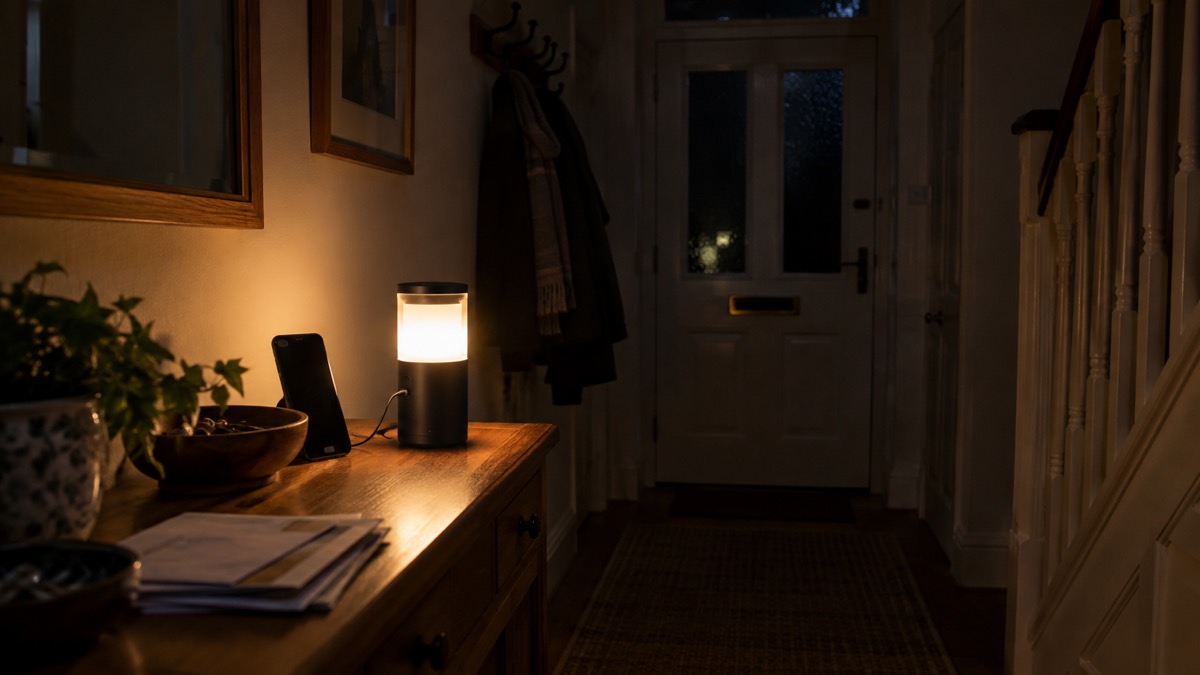
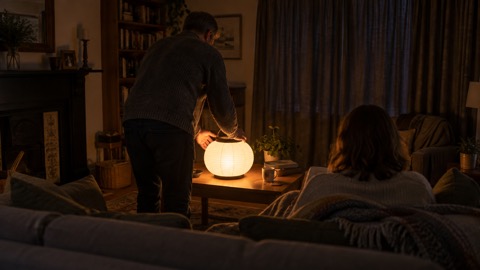
The pattern is the one you would expect: every step up in brightness costs a disproportionate amount of run time. Dropping the lantern from high to mid takes it from 7 hours to 60 hours, and dropping again to low takes it to 200 hours1. In a power cut, the mid and low lantern settings are usually enough to eat a meal, read or move around a room safely, and they stretch the battery across several evenings.
The distributor states that the quoted run times include output at reduced levels, because the light's temperature regulation steps the output down as it warms up1. That means the hours quoted are realistic for the setting rather than a figure measured only at the first minute. The guide to how long a camping lantern runs in a power cut puts these figures in context against other lanterns.
Red light, SOS and beacon modes
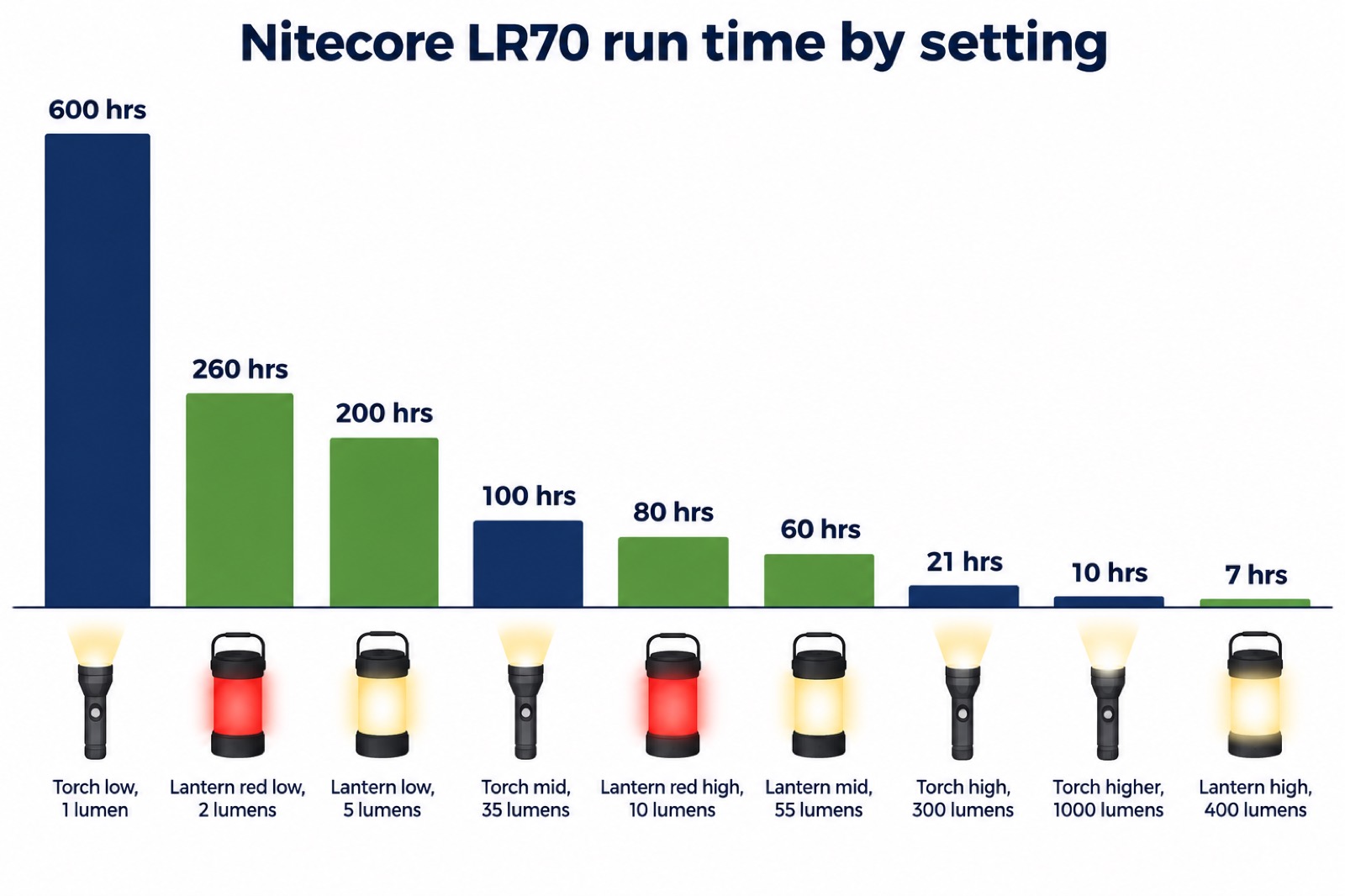
The LR70 has a red light mode with beacon and SOS outputs, which the distributor describes as ideal for map reading, emergency response, stargazing and night photography1. The red high setting gives 10 lumens for 80 hours, and red low gives 2 lumens for 260 hours1. The red beacon and red SOS outputs each give 10 lumens1.
The SOS and beacon outputs are both 10 lumens in lantern mode1. An SOS flash is a recognised distress signal, and a beacon is a repeating flash that helps someone find you or your vehicle. Use them when you actually need to be found: a light flashing SOS on a roadside at night is a signal, and it should not be left running in a room where it will simply drain the battery. The guide to how to use SOS and strobe modes explains when each is appropriate, and the guide to what red light mode is for covers the night vision side in more detail.
Charging the LR70 and using it as a power bank
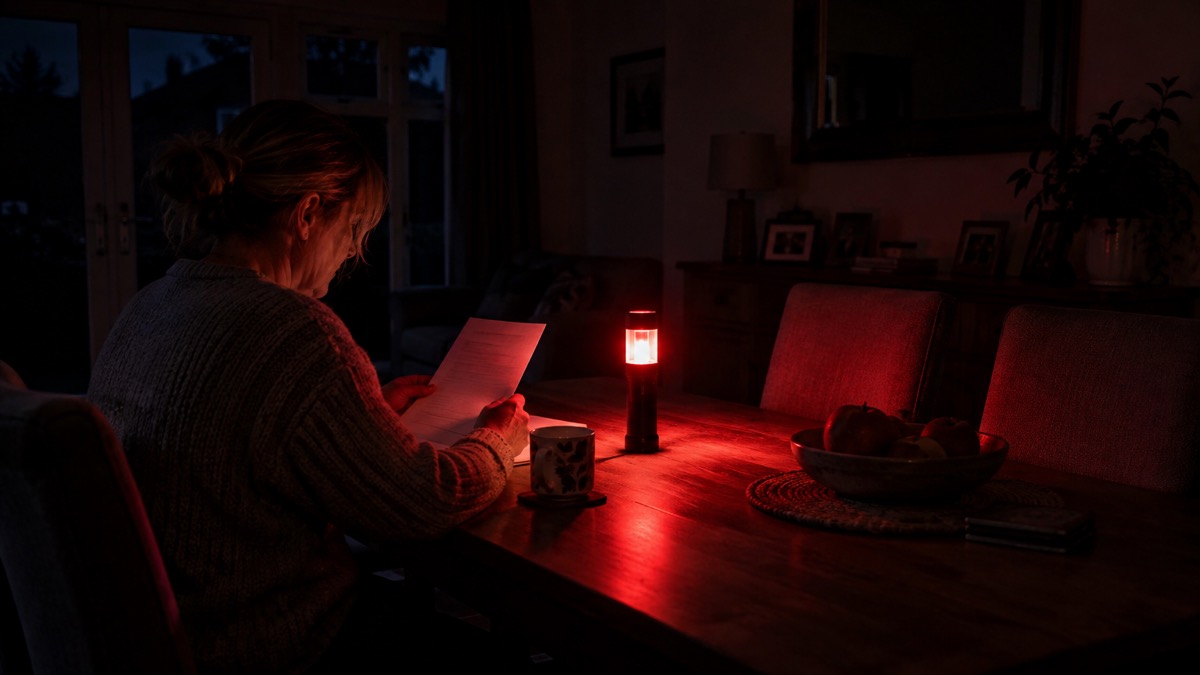
The LR70 recharges by USB-C and can also send power out through the same port, so it works as a power bank with high speed charging and a low current mode for smaller devices such as smart watches1. The distributor lists a USB-C to USB-C charging cable in the box1. You will need a USB-C charger or a powered USB port to charge the light itself, and that is not listed as included.
To charge the light, connect a USB-C charger to the light's USB-C port; the LR70 is rechargeable via USB-C, with USB-C input and output1. To use it as a power bank, connect your phone or watch to the light with a suitable cable and start the charge. The low current mode is there for devices that draw very little, such as a smart watch, which some power banks will not recognise1.
Charging any lithium-ion device carries a fire risk if the charger or cable is faulty or the battery is damaged. The Northern Ireland Fire & Rescue Service advises that you never leave any cooking unattended and keep the cooking area clean, and its wider home safety advice stresses switching off appliances when done2. The same principle applies to charging: use a charger and cable in good condition, charge on a hard surface rather than a bed or sofa, and unplug when the light is full. The guide to charging and storing rechargeable torches safely covers this in full, and the guide to whether the wrong USB charger can damage a torch battery answers the common question about mismatched chargers.
Built for rough use: IP67 waterproofing and 1 metre drop resistance
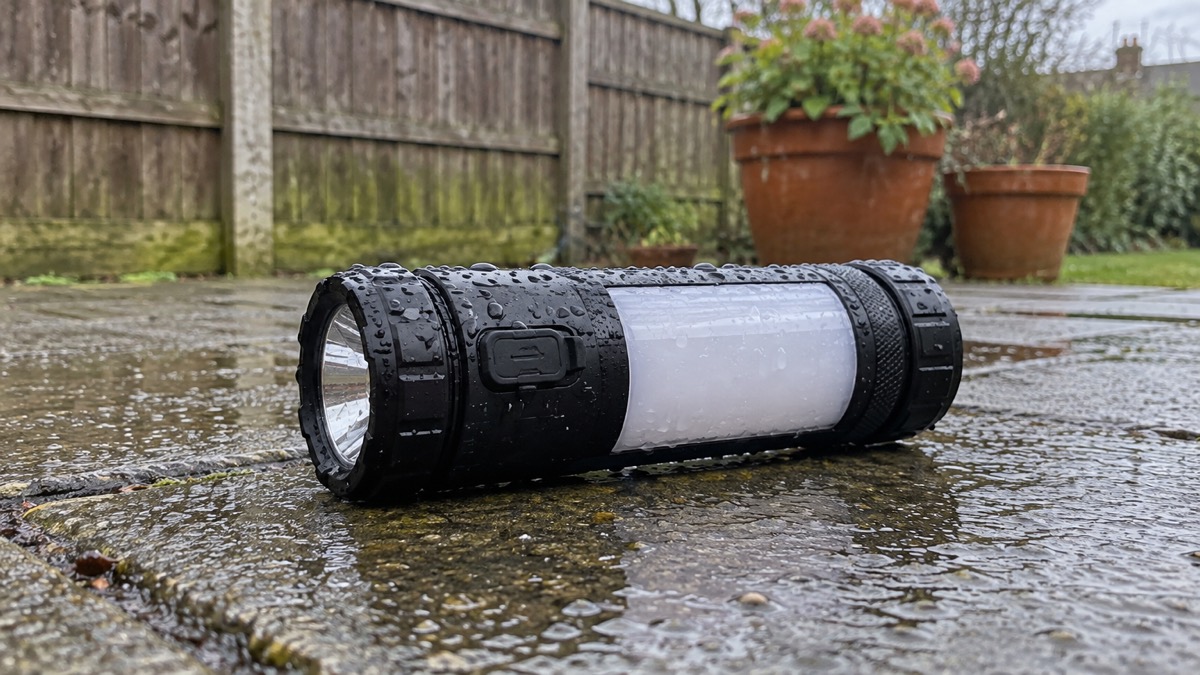
The distributor states the LR70 is waterproof to IP67 and resistant to impacts up to 1 metre1. IP67 means the light is protected against dust and against temporary immersion in water, which covers rain, splashes and a drop into a puddle. It does not mean you can use it underwater or leave it submerged. For comparison, the BioLite range series is rated IP67 submersible to 1 metre for up to 30 minutes, which shows how a maker can spell out the same rating in more detail3. The LR70's page gives the rating without that time limit, so treat it as splash and short immersion protection rather than a diving light.
The 1 metre drop resistance matters more than it sounds. A light that gets knocked off a table in a dark room, or dropped on a path while you are checking the garden after a storm, needs to keep working. The rating is a test figure, not a guarantee, so avoid deliberate drops and check the body and port cover after any fall.
Before charging after the light has been out in the rain, dry the port and check the cover seal is clean and closed. Water in a USB-C port can cause a short or corrosion. The guide to what IPX ratings mean for torches and lanterns explains the scale, and the guide to torches covers what to look for in a light that will be used outdoors.
Storing it ready for an emergency
A light is only useful if you can find it and it is charged. Official guidance is consistent on this point: the London Resilience Partnership advises packing a grab bag of essential items you might need if you have to leave home at short notice4, and the Met Office suggests a grab bag with bottled water, medicines, a torch, radio and batteries, copies of important documents and a change of clothes5. The Northern Ireland household emergency kit guidance says that if you are at home when an emergency happens, you should try to gather essential items before you leave, and keep such items in the same place within the home6. The Ready Scotland kit list includes blankets and, for a car kit, a phone charger7.
For the LR70, that translates into a few practical habits:
- Keep it in the same place within the home, so essential items can be gathered quickly if an emergency happens while you are at home6.
- Keep it charged, since the LR70 is rechargeable via USB-C1.
- Store a USB-C cable with it, because the light charges and works as a power bank through its USB-C input and output1.
- Keep a copy of your household emergency plan somewhere visible, such as near the fuse box, the fridge or the emergency kit8.
- If you have a grab bag, pack it with the essential items you might need if you have to leave home at short notice4.
The Northern Powergrid home emergency plan advice is to keep a copy somewhere visible, like near your fuse box, fridge or emergency kit8. That is a good place to note where the LR70 lives and how to check its battery, so that anyone in the house can use it. The guide to where to keep torches so you can find them in the dark has more on placement, and the power cut checklist is a printable list for the whole house.
Using it safely in a power cut
The LR70 is a light, not a heater or a cooker, so the main risks are the ones that come with any bright torch and any lithium battery. Do not look into the beam at close range, especially on turbo, and keep it out of the reach of young children when it is not in use. The guide to whether it is safe to look into a bright torch beam explains why, and the guide to torches, candles and children covers household safety more broadly.
In a power cut, the safest pattern is to use the lantern on a low or mid setting for general room light and keep the torch beam for specific tasks. That preserves the battery and avoids shining a 3000 lumen beam around a room where people are trying to rest. If you are using the light outdoors, keep it away from wet ground where it might be kicked, and bring it in before the port gets wet.
The fire and rescue service advises keeping a charged mobile phone with you in case of emergency9. The LR70's power bank function supports that, but it is not a substitute for a charged phone. Charge the phone while the power is on, and use the LR70 to top it up only if needed.
Support, warranty and where to get help
The LR70 is sold in the UK by Nitecore's UK distributor, whose product page carries the specifications and the included items1. If your light develops a fault, the first step is the retailer or distributor you bought it from, with your proof of purchase. Keep the box and the cable, and note the date you bought it.
For help in an emergency, the usual UK numbers apply: 999 for the emergency services, and 101 for the police non-emergency line. If you have a power cut, contact your network operator; the Northern Powergrid home emergency plan is one example of the guidance network operators publish8. For households that need extra support in a power cut, ask your network operator about the Priority Services Register, which is the route for people who depend on electricity for medical equipment or who need extra help.
If you are worried about fire risk in your home, your local fire and rescue service offers a free home fire safety visit. The guide to free home fire safety visits from your fire service explains how to arrange one. For the wider picture on preparing a household for power cuts and other emergencies, see the guide to power cuts and the guide to emergency lighting at home.
Sources (9)
- Nitecore LR70 product page, Nitecore UK, 2026-10-26
- Student fire safety week sparks practising safe charging, Northern Ireland Fire & Rescue Service, 2025-09-22
- BioLite Range Series Kit, BioLite, 2026-10-25
- Preparing yourself for emergencies, London Resilience Partnership, 2026-10-25
- Top tips to be weather ready, Met Office, 2026-10-25
- Household emergency kit, nidirect, 2026-07-06
- Emergency kit, Ready Scotland, 2026-10-22
- Power cut plan, Northern Powergrid, 2026-10-26
- NIFRS urges community to stay safe this summer, Northern Ireland Fire & Rescue Service, 2023-06-26
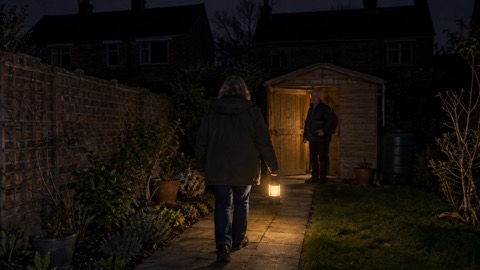 NEBO Galileo Tempest 350
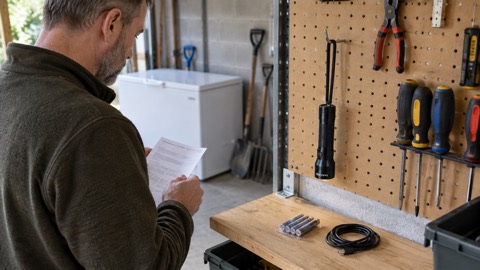 NEBO Leo 800 Flex
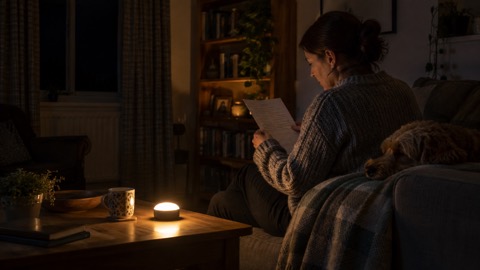 NEBO Poppy Puck Light
 Fenix CL20R V2.0 Lantern
 Fenix CL26R Pro Lantern
 Fenix CL28R Lantern
 Fenix CL30R Power Lantern
 Ledlenser ML4
 Ledlenser ML6
 BioLite AlpenGlow Mini
 MPOWERD Luci Emergency
 MPOWERD Luci Original