
BioLite is a maker of rechargeable lighting and charging gear aimed at people who spend time outdoors and at households that want light and power when the mains is unreliable. For a UK household preparing for power cuts, storms and the odd long winter evening, its most relevant kit sits in two of our sections: lighting, where its Range headlamps and its lanterns such as the BioLite AlpenGlow Mini live, and backup power, where its charging products sit. Everything it makes runs on rechargeable lithium-ion batteries, charged over USB, which is what makes the kit practical for emergency use: you top it up from the wall, a power bank or a car socket before you need it.
The Range series is the maker's headlamp family, with three models in the current line-up: the Range 300, an all-purpose white spot headlamp the maker describes as being at an affordable price, with a maximum output of 300 lumens and a 75 metre beam; the Range 400, a 400 lumen model whose bigger battery, the maker states, doubles run time on low and adds a red mode for night vision; and the Range 500, the top model, at 500 lumens with a 1634 mAh lithium-ion battery, USB-C fast charging and an IP67 water and dust rating1.
One thing marks the brand out beyond the products themselves. BioLite says that for every product sold, a person living in energy poverty gains access to safe lighting and charging, and that it has impacted the lives of over 14 million people to date1. If that matters to you when choosing kit, the section below explains how the programme is described.
What BioLite makes for UK households
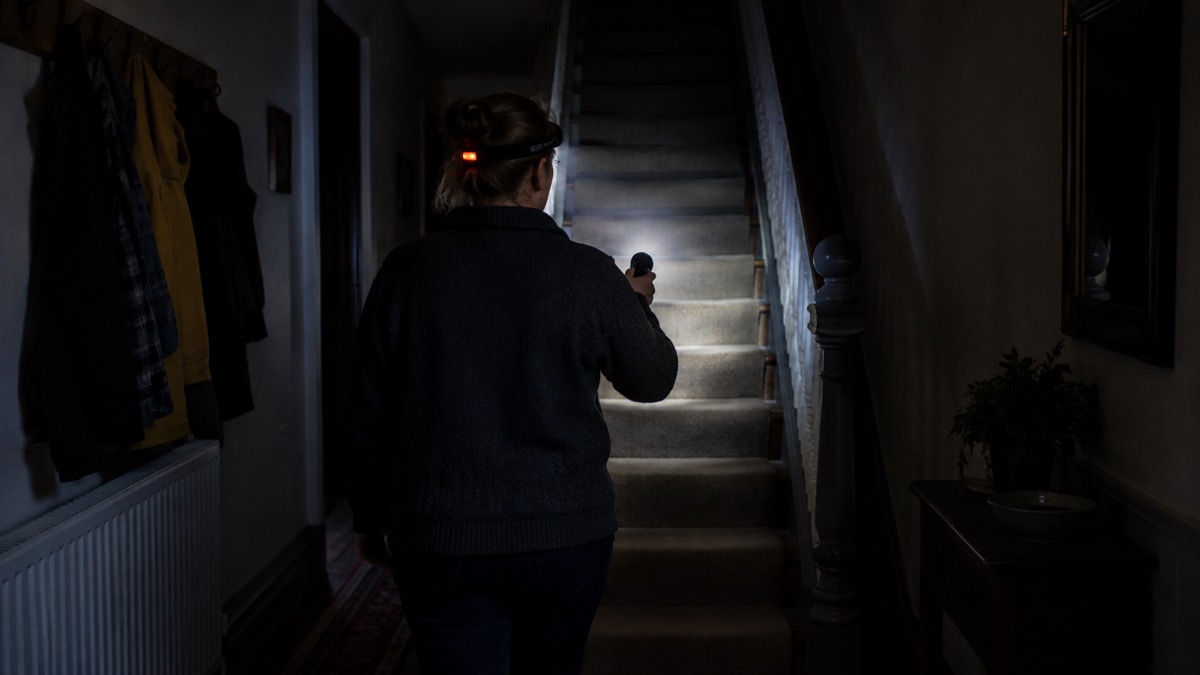
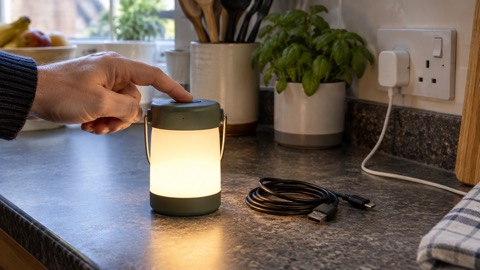
BioLite's range for households falls into the two kit types this site covers most often when preparing for emergencies. The first is lighting. A headlamp is the single most useful light for a household in a power cut or a storm, because it leaves both hands free to carry things, cook, check a fuse box or deal with a leak, and the Range series is BioLite's current headlamp line-up. Alongside the headlamps, the maker produces lanterns, including the BioLite AlpenGlow Mini, which suits sitting-room lighting, table light during a power cut and camping use where a headlamp is the wrong shape of light. Our emergency lighting guide explains how to combine headlamps, lanterns and torches so that every room and every job is covered.
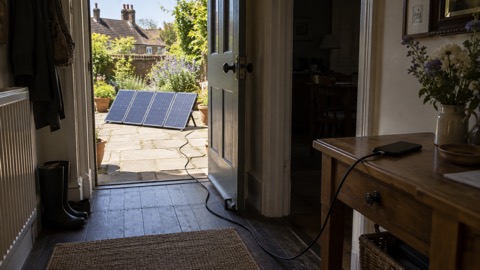
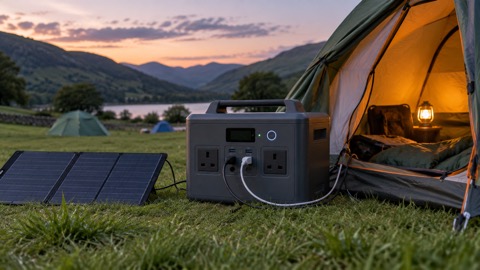
The second kit type is charging and backup power. BioLite's products are built around rechargeable lithium-ion cells charged over USB, and the same family of products includes charging gear for keeping phones and other small devices alive when the mains is down. That places the brand squarely in our backup power section: a charged headlamp and a charged power source together cover the two things a household most wants within the first hour of a power cut, light and a working phone. If you are starting from nothing, our emergency kit guide sets out the order to buy things in, and lighting is always near the top of the list.
All of this kit shares one characteristic worth understanding before you buy: it contains lithium-ion batteries, the same battery type as in mobile phones, vaping devices, e-bikes and scooters, vacuum cleaners, tablets and ear pods, as South Wales Fire and Rescue Service notes when listing the devices households commonly own4. That is not a reason to avoid the kit, but it does mean charging and end-of-life disposal both deserve a little care, and the sections below cover the official advice on both.
The Range series: three headlamps side by side
The Range series covers three models that share a family design and differ mainly in brightness, battery size and run time. The maker's own product page describes the Range 300 as an "all-purpose white spot headlamp at an affordable price" with a 300 lumen maximum and a 75 metre beam distance, making it the model for general jobs about the house and garden1. The Range 400 steps up to 400 lumens and, in the maker's words, has a "bigger battery doubles run time on low + red mode for night vision", which is the model to look at if long run time matters more than maximum brightness, for example for overnight use during an extended power cut1. The Range 500 is the top of the range at 500 lumens, with the largest battery of the three at 1634 mAh lithium-ion, USB-C fast charging and the full IP67 rating1.
| Model | Max brightness | Battery | Charge time | What the maker says it suits |
|---|---|---|---|---|
| Range 300 | 300 lumens | Li-ion | 70 minutes, empty to full | All-purpose white spot headlamp at an affordable price; 75 m beam1 |
| Range 400 | 400 lumens | 817 mAh Li-ion | 80 minutes, empty to full | Bigger battery doubles run time on low, plus red mode for night vision1 |
| Range 500 | 500 lumens | 1634 mAh lithium-ion | 30 minutes, 0 to 80 percent | Fast USB-C charging, IP67, full mode set1 |
The Range 500's light modes give a good picture of what the whole series can do. The maker lists White Spot Dimmable, White Strobe, Red Flood, Red Strobe and White Flood Dimmable1. In practice that means a focused beam for walking and checking things at distance, a wide flood for lighting a room or a work surface, dimming on both so you are not dazzling yourself indoors at night, red light for moving around a dark house without wrecking everyone's night vision, and strobe modes for signalling in an emergency. The red modes are the ones households tend to discover late and then use constantly: a dim red light is enough to navigate a landing or find something in a bag without waking the whole house.
In the box with the Range 500, the maker includes the headlamp itself, a USB-C to USB-C charging cable and a quick start guide1, so the only extra you need is a USB power source, whether that is a wall plug, a power bank or a laptop.
Fast recharging: the Range series' headline feature
The feature BioLite pushes hardest on the Range series is recharge speed, and it is genuinely the specification that matters for emergency use. The Range 500 charges over USB-C Fast Charge In, and the maker's figures are 30 minutes to go from empty to 80 percent, with an 8 minute charge adding a full hour of brightness1. That changes how you use the headlamp: instead of waiting the best part of an hour and a half for a full charge, you can put it on charge while you make a cup of tea during a power cut's first minutes and have a usable light before you have finished it.
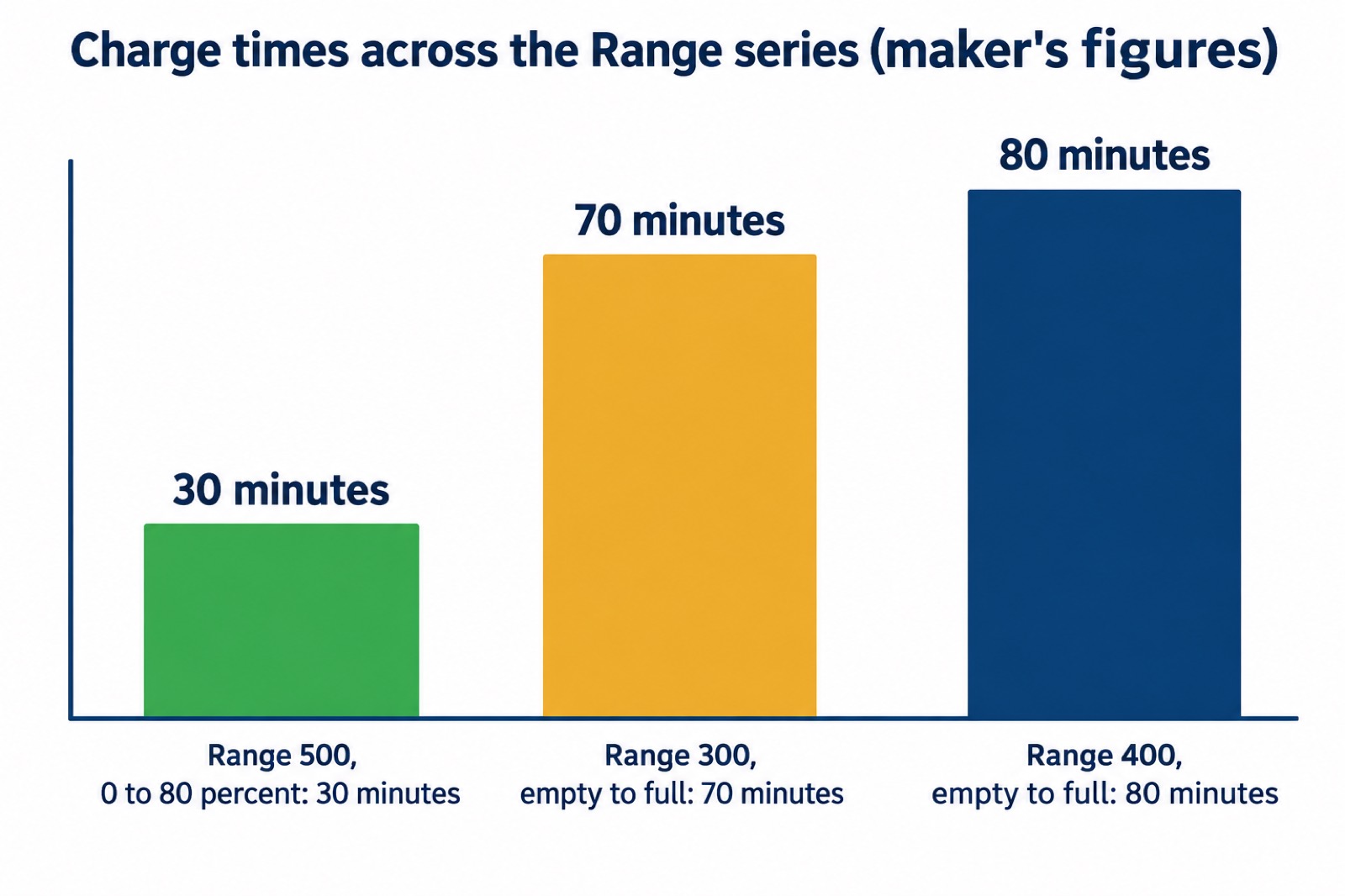
The Range 500's fast-charge input is the specification that separates it from the rest of the series for emergency use. The Range 400's larger battery means that a full charge buys you more run time on low, which the maker states is doubled compared with the rest of the series1. If your plan is "keep one headlamp topped up and ready", any of the three works; if your plan is "grab whatever is flat when the power goes and charge it from a power bank", the Range 500's fast charge is the specification that decides it.
Because everything charges over USB-C, the same cable and the same power bank that runs your phone will run these headlamps, which keeps your backup power arrangements simple: one charger standard across the household's kit means fewer cables to store and fewer points of failure.
IP67: what the water and dust rating actually promises
The Range 500 carries an IP67 rating, which the maker defines as "submersible to 1 meter for up to 30 minutes"1. IP ratings have two digits: the first covers solids and the second covers liquids. A 6 for solids means the housing is dust-tight, and a 7 for liquids means it survives temporary immersion at the depth and duration stated. For a UK household, that rating covers every realistic weather scenario short of dropping the headlamp in a river and leaving it there: heavy rain, storms, being dropped in a puddle or a water butt, hosing mud off the outside, and the general wet that comes with British winters and storms and snow.
The dust half of the rating matters more than it first appears. Dust-tight means grit, sand and fine particles cannot work their way into the housing and the switchgear, which is what kills cheap lights used outdoors over a few seasons. Official guidance on drought notes that "drought conditions can increase the amount of dust in the environment, which can potentially affect people with pre-existing respiratory conditions"5, and the same dry, dusty conditions are hard on unsealed equipment. A sealed headlamp keeps working through the dusty end of a dry summer as well as through the wet end of a stormy winter, which is exactly the spread of conditions UK households now plan around in our heatwaves and drought and storm guides.
Two practical points follow from the rating. First, water resistance applies to the headlamp, not to its charging port while a cable is plugged in: dry the outside before charging, and charge indoors on a hard surface. Second, the rating is defined by the maker for its own product, so treat the stated depth and time as the limit, not a target.
Two-button controls, lock mode and fit
A headlamp that lives in a kit bag, a drawer or the glovebox can be switched on by something pressing against it, which is the classic way a stored light greets you flat when you finally need it. A lock mode, where a headlamp has one, stops that happening by disabling the buttons until you unlock it. If your headlamp has one, get into the habit of locking it when it goes back in the kit bag and unlocking it when you take it out, and check the maker's instructions for the exact press sequence.
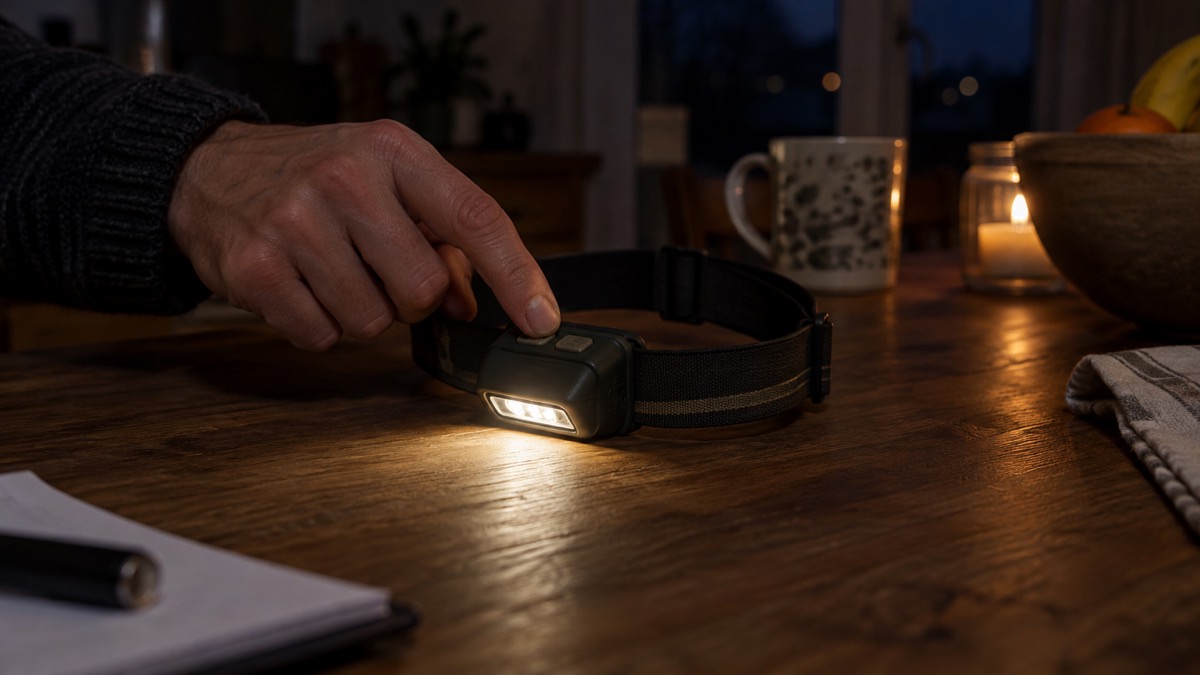
The Range 500 also has 4-point tilting1, so you can angle the beam down at your feet for walking or up at a loft hatch or fuse box while keeping the band comfortable. On fit, the maker says the band "adjusts to fit over a hat or beanie and fits helmets"1, which covers the realistic winter cases: a headlamp worn over a woolly hat during a power cut, or over a helmet if you are using it for cycling or work. Being able to throw a headlamp over whatever you are already wearing is half the reason it beats a handheld torch for household jobs.
Where to see a Range headlamp in person
If you like to handle kit before buying it, the maker's position is blunt: "REI has a first to market retail exclusive through October 2025, making it the only game in town to go see it in person"1. REI is a United States outdoor retailer, so that exclusive is of no direct use to a UK household, and no UK viewing arrangement for the Range series has been announced. In practice, UK buyers are choosing from the maker's published specifications and photographs rather than a shop counter demonstration.
That makes the specifications table above the thing to read carefully before ordering, and it makes the buying rules in the next section more important, since you cannot inspect the product before paying. The Highway Code's rule that you "MUST use headlights when visibility is seriously reduced, generally when you cannot see for more than 100 metres (328 feet)"6 gives a useful benchmark for the driving equivalent, and South Wales Fire and Rescue Service similarly advises using headlights whenever visibility is reduced7; for a walker or a householder, the same logic applies to carrying a light in gloom, and a 75 to 100 metre-class beam is ample for household and path use.
Getting BioLite gear in the UK, and buying it safely
No UK stockists for BioLite are named, so the practical guidance is the official advice on buying any battery-powered device. West Yorkshire Fire and Rescue Service's advice is to "buy batteries, devices and chargers from trusted, well-known retailers to reduce the risk of counterfeit or low-quality products"2. Counterfeit rechargeable lights are a real category, and a fake headlamp differs from a genuine one mainly in the battery and charging electronics, which is precisely where the fire risk sits. Portsmouth City Council's battery safety advice makes the same point from the standards side: "Buy from retailers that mark the product with CE or UKCA (UK safety standards)"3. When your BioLite gear arrives, check for that mark and keep the packaging until you are satisfied the product is genuine and working.
Charging is where the official safety advice concentrates. When buying any rechargeable device, ensure the products you buy are genuine and meet UK safety standards, and buy from retailers that mark the product with CE or UKCA. Applied to a headlamp, that means using the cable the maker supplies rather than an odd one from a drawer, and not mixing in cheap chargers of unknown origin.
End of life matters too. London Fire Brigade advises taking devices to your local recycling centre for household waste, where "they all have dedicated bins for small electrical items and lithium-ion batteries"8. In Wales, all local authorities provide battery recycling facilities at their household waste recycling centres, and some councils also offer kerbside collection for small portable batteries, so check your local authority's website9. Never put a lithium-ion battery in general waste or a scrap bin: a crushed battery is a fire risk in a bin lorry or a sorting plant.
Each sale funds safe lighting and charging
BioLite's best-known commitment sits alongside its products rather than in them. The maker states that for every BioLite product sold, a person living in energy poverty gains access to safe lighting and charging, and that "to date we've impacted the lives of over 14 million people"1. The programme is directed at households without safe, reliable electricity, for whom the alternative lighting and charging methods, typically kerosene lamps and paid phone charging, carry fire, health and cost burdens that a household preparing for the odd power cut rarely has to think about.
"To date we've impacted the lives of over 14 million people."
For a UK buyer, the practical reading is straightforward: the headlamp you buy for your emergency kit is paired, by the maker's own commitment, with access to safe light and charging for someone in energy poverty. The maker's figure is its own, dated to its product page, and there is no independent verification of it in the pack, so treat it as the company's stated impact rather than an audited number. If a purchase doing something beyond your household is part of what you want from your kit, this is how BioLite describes that part.
Sources (9)
- BioLite Range 500 product page, BioLite, 2026
- Battery safety advice, West Yorkshire Fire and Rescue Service
- Battery safety flyer, January 2026, Portsmouth City Council, January 2026
- Lithium-ion batteries guidance, South Wales Fire and Rescue Service
- Public health impact of drought: advice for the public, UK Government, 28 July 2022
- Driving in adverse weather conditions (rules 226 to 237), The Highway Code, UK Government
- Adverse driving conditions, South Wales Fire and Rescue Service
- Vaping and e-cigarettes, London Fire Brigade
- Lithium battery fire safety, Mid and West Wales Fire and Rescue Service, 29 October 2026
 BioLite SolarPanel 100
 BioLite BaseCharge
 BioLite AlpenGlow Mini