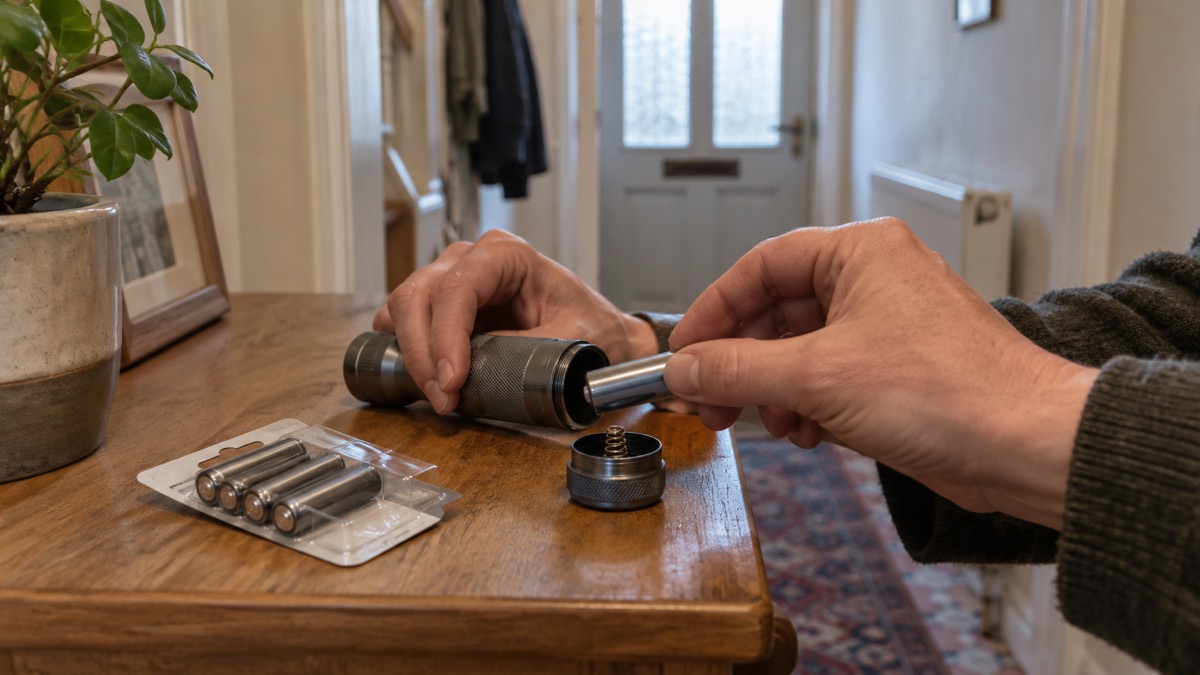
GP Lithium AA batteries are single-use AA cells with a 10 year shelf life, made for the small devices a household reaches for when the power goes: torches, LED lights, home security sensors and toys. They are not rechargeable, they are not the same thing as the lithium-ion packs inside phones and e-bikes, and they are not a substitute for a power station. What they are is a cheap, long-keeping way to make sure the battery-powered things in your emergency kit still work in two, five or ten years' time. Lithium AAs last 10 to 20 years in storage and work in the cold1.
For a household getting ready, the practical case is simple. GP states a shelf life of 10 years, so a pack bought now and stored properly should still be usable long after most of us have forgotten where we put it1. The maker also states these cells are 40% lighter than GP Alkaline AA batteries, and that they last longer than any average alkaline batteries1. They are designed to work across a wide temperature range, from -30°C to +60°C, which matters for a torch kept in a car or a shed1.
The safety side is just as simple, and it is the part to get right. Lithium batteries carry a risk of explosion or fire if they are damaged or misused, and the maker's own advice is to use the correct charger, store and dispose of batteries properly, and avoid extreme temperatures1. Fire and rescue services add that lithium batteries should never be mixed with other types, and should never go in the household bin2. This page sets out what the batteries suit, how to keep them ready, and how to use and dispose of them safely.
Which household devices GP Lithium AA batteries suit
GP lists the devices these batteries are made for as game consoles, home security devices, LED lights and electronic toys, describing them as suited to smart gadgets and any important or critical devices1. Read that list through the lens of an emergency and it maps closely onto what a household wants working when the mains fails: a torch or lantern, a head torch, a battery radio, a carbon monoxide alarm that takes AA cells, and the small sensors that make up a home security set-up.
It is worth being clear about what these batteries are not for. They are not the rechargeable lithium-ion packs found in mobile phones, laptops, e-bikes, e-scooters, hoverboards, vapes and electric toothbrushes4. Those are built into their devices, are recharged from the mains, and carry the fire risks that fire and rescue services spend most of their battery advice on. A GP Lithium AA is a different product with a different job: it sits in a drawer or a kit bag until a small device needs it.
The table below sets the two apart, because the confusion is common and the safety advice differs.
| GP Lithium AA (single-use) | Lithium-ion pack (rechargeable) | |
|---|---|---|
| Where it is found | Torches, LED lights, toys, security devices1 | Phones, laptops, e-bikes, e-scooters, vapes, toothbrushes4 |
| Recharged? | No1 | Yes, from the mains |
| Typical fire concern | Damage or misuse1 | Charging, damage and disposal6 |
| Disposal | Battery recycling point3 | Household waste recycling centre or WEEE point6 |
For the wider question of what to keep running in an outage, and which devices are worth spending battery power on, see Deciding What to Keep Running When the Mains Fails. If you want cells you can recharge again and again for high-use items such as a torch you use every evening, Rechargeable AA and AAA Batteries and Chargers covers that route; lithium AAs are the low-maintenance option for kit that sits waiting.
Shelf life: 10 years from GP, and what that means for a kit
GP gives these batteries a shelf life of 10 years1. That is the figure to plan around. It means a pack bought this year and stored as the maker advises should still hold its power into the 2030s, which is longer than most households keep any single piece of emergency kit. For a family putting together a kit for the first time, it removes the annual battery-shopping chore that alkaline cells impose.
The maker's storage instruction is specific: to keep the power in unused batteries, store them in a cool and dry place away from direct sunlight1. GP also states the cells have an ultra-secured structure that prevents leakage1. Those two points together are the whole of the storage regime: cool, dry, dark, and left alone until needed.
Some sources quote longer figures for lithium AAs in general. Planning to the shorter, maker-stated figure means you replace stock before it fails rather than after.
It helps to compare that with the other batteries in a household emergency kit. Sealed long-life smoke alarms can have lithium batteries built in that last up to 10 years7, and the batteries and pads in a public defibrillator have a shelf life of between 2 and 5 years depending on the model8. Ten years is at the generous end, which is why lithium AAs suit kit that is stored and rarely touched.
Keeping lithium AAs in your emergency kit
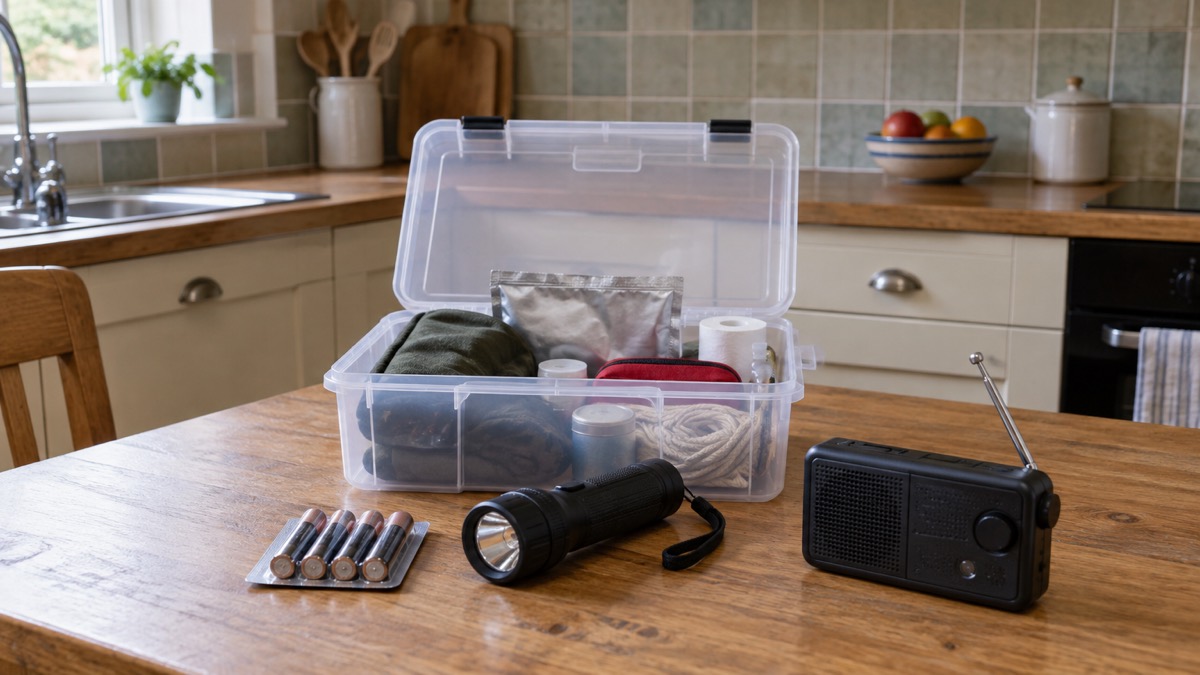
Official preparedness guidance across the UK is consistent on one point: spare batteries belong in the household emergency kit. Emergency planning advice lists spare batteries among the things to include1, and household guidance specifies a waterproof torch with spare batteries, checked regularly2. Winter advice puts torches and spare batteries in the grab bag3. A pack of lithium AAs is the easiest way to satisfy that line on the list: lithium AAs last 10 to 20 years in storage and work in the cold4.
The same principle runs through the rest of the official guidance, and it is worth knowing where batteries are named specifically:
- Hearing and communication devices: people who are D/deaf or use British Sign Language are advised to keep spare batteries for hearing and assisted communication devices, and a spare battery pack fully charged if their device relies on one9.
- Home emergency kits in Scotland: Ready Scotland's kit list includes spare hearing aids with batteries10.
- Car kits: NHS Lanarkshire's winter advice includes battery jump leads in a car emergency kit11.
- Phones: North Devon's emergency kit advice includes a charged portable power bank and charging cables12.
The pattern is that batteries are treated as consumables to be stocked, not as something to buy on the day. Fire and rescue services make the same point from the other direction: stock up on extra batteries so that important things like smoke alarms can keep working13.
A workable routine for a household is to keep one unopened pack of lithium AAs in the kit, one set fitted in the torch, and a note of the date. The Power Cut Backup Power Checklist sets this alongside the other checks worth doing, and the Emergency Kit section covers the wider contents of a household kit.
Using lithium AA batteries in the cold
GP states that these batteries operate reliably and discharge with exceptional energy-efficient performance even under extreme temperatures, and gives the operating range as -30°C to +60°C1. For a UK household the useful end of that is the cold one. A torch kept in a car, a shed or a garage through a winter, or a set of batteries in a kit bag left in an unheated porch, will still work when called on.
That matters because cold is exactly when a power cut is most likely and least welcome. Winter storms and snow are among the events that take the mains down, and a torch that has sat in a cold car boot for months is no use if its cells have faded. Lithium AAs are chosen for this reason over alkaline cells, which is also why the maker's weight and performance claims are framed against alkaline1.
There is a limit to how far the cold advice stretches. Fire and rescue guidance for lithium-ion batteries is not to charge or store batteries in very hot or cold environments2. That advice is written for rechargeable packs, but the principle of keeping batteries within sensible conditions applies to any lithium cell, and it sits alongside GP's own instruction to store unused batteries in a cool, dry place away from direct sunlight1. Cool and dry is the target; a freezer, a radiator top or a south-facing windowsill are not.
If you keep a torch in the car, check it at the start of winter rather than in the middle of a storm. The Backup Power Checks Before Winter checklist covers the seasonal routine, and What Temperature Should Batteries Be Stored At? goes into the storage question in more detail.
Safe use and storage of lithium AA batteries
GP's own safety statement is the place to start, and it is worth quoting exactly:
The maker also states that GP lithium batteries are tested by the global safety science authority UL and by the United Nations, and comply with international safety standards1. That is the maker's own account of its testing, and it is the kind of assurance to look for on any battery pack you buy for emergency use.
Fire and rescue services add rules that apply to lithium cells generally, and they are worth following with these batteries too:
- Do not mix types. Fire and rescue guidance states that lithium batteries should not be mixed with other types, such as alkaline or NiMH2. Fit a full set of the same type at once.
- Store them out of the way. Guidance on lithium batteries suggests storing them in a shed or garage where possible15. For a household kit, that means not keeping a large stock in a bedroom drawer.
- Keep them out of escape routes. Fire services advise against storing lithium battery products in escape routes or communal areas, because in a fire they could block people from leaving safely6. The same logic applies to a box of spare cells: keep it where it will not be in the way of a quick exit.
- Watch for damage. A cell that is dented, leaking or swollen should not be used. GP states the cells have a structure that prevents leakage1, but a damaged battery is a different matter, and fire services treat damaged lithium batteries as a fire risk16.
For the broader picture on battery fires, including what to do if one starts, see Lithium-Ion Battery Safety at Home and What to Do If a Lithium Battery Catches Fire. The Safe Battery Charging at Home Checklist is the companion for anything you do recharge.
Smoke alarms, torches and the devices that matter most
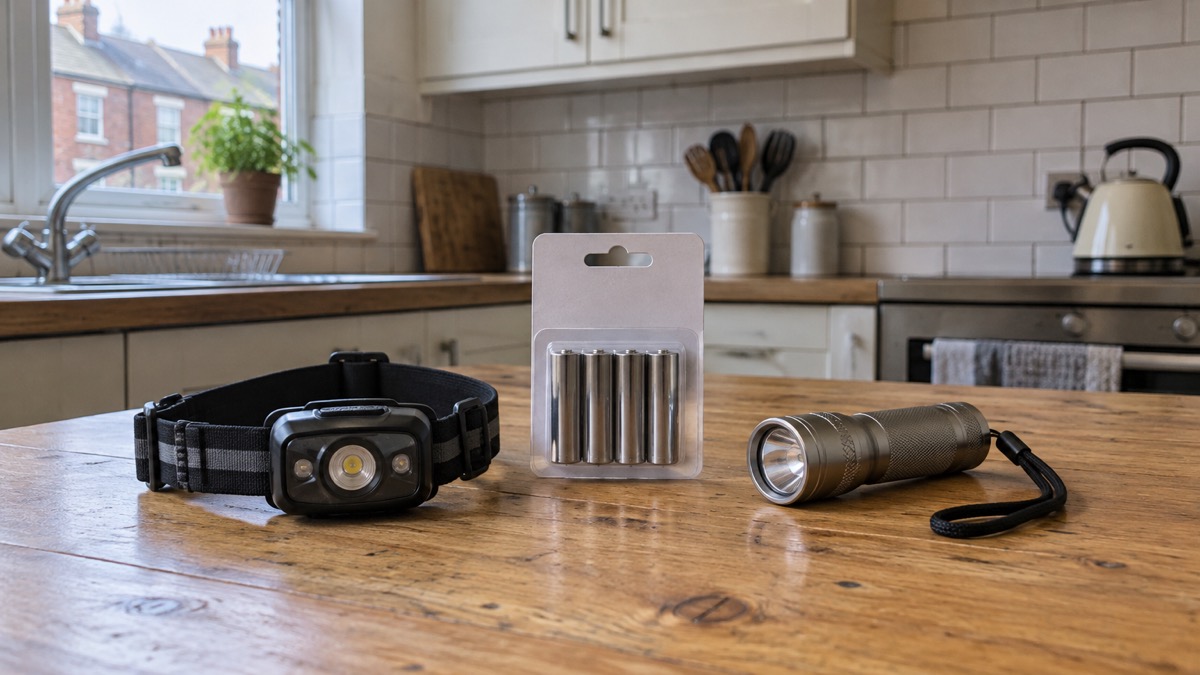
Two devices come up again and again in official advice, and both are worth thinking about when you buy batteries.
Smoke alarms. Basic smoke alarms run off nine volt batteries, which should be replaced on a regular basis17. That is a different size from AA, so a pack of lithium AAs will not fit a standard nine volt alarm. Some alarms have long-life lithium batteries built in that can last up to 10 years7, and fire services note that longer life batteries are better because a lot of people forget to test the batteries18. Whatever your alarm takes, test the battery every week19, and keep the right size of spare so the alarm keeps working13. If you are in Scotland, the guidance on where and what to buy for smoke alarms is set out by the Scottish Government7.
Torches and headlamps. Torches and spare batteries are a standard part of a grab bag20, and a torch is one of the first things a household reaches for in a power cut. GP lists LED lights among the devices these batteries suit1. A head torch leaves your hands free for cooking or checking a fuse box, and a hand torch is easier to pass to a child. Keep one of each if you can, both fed from the same pack of lithium AAs, and check them when you check the rest of the kit.
For the wider question of lighting a home without mains power, including candles and their risks, see Emergency Lighting at Home.
Disposal and recycling of lithium AA batteries
Used lithium AAs do not go in the household bin. Fire and rescue services warn that disposing of lithium batteries in general household and recycling waste can lead to significant waste fires6, and that when these batteries are crushed or punctured they can cause fires in bin lorries and at recycling and waste centres16. The same warning applies whether the cell is a single-use AA or a rechargeable pack.
The route for a household is straightforward. Guidance is to drop batteries at designated collection points in shops and supermarkets, or to check with your local authority1. Many local recycling centres accept lithium batteries, and they should be handed in alongside waste electrical and electronic equipment2. Check with your local authority for what is accepted in your area2.
A few practical points:
- Keep used cells separate. Store spent batteries in a small tub away from the rest of your rubbish until you can take them to a collection point.
- Check for hidden batteries. Before recycling an item, check it for hidden batteries3.
- Do not bin a damaged cell. A damaged or end-of-life battery should not go in household waste or the usual recycling; ask the manufacturer about a recycling service or the local authority about battery recycling arrangements16.
- Non-removable batteries go with the device. If a battery cannot be removed, the product and battery should be recycled together through a waste electricals service14.
For damaged cells specifically, How to Dispose of a Damaged Lithium Battery sets out the steps.
Where GP Lithium AA batteries fit a household plan
These batteries are a small, low-cost part of a wider plan, and they do one job well: they keep the small, battery-powered devices in a household working through a power cut, a storm or a winter outage, and they keep working after years in storage. They are not a power source for a fridge, a boiler or a phone, and they are not rechargeable. For those jobs, the Backup Power at Home section covers power banks, power stations and generators, and Power Banks: Keeping Phones Charged in an Emergency deals with keeping a phone alive.
The household routine is short. Buy a pack, write the year on it, store it cool and dry, keep it with the torch it feeds, check the torch when you check the kit, and take spent cells to a recycling point rather than the bin. That is the whole of it, and it is enough to make sure the light comes on when the mains does not.
For the maker's wider range, see GP Batteries.
Sources (20)
- GP Lithium AA battery product page, GP Batteries, 2026-10-25
- Lithium battery fire safety, Mid and West Wales Fire and Rescue Service, 2026-10-29
- Be battery aware, Greater Manchester Fire and Rescue Service, 2026-10-29
- Stay safe with lithium batteries, Suffolk Fire and Rescue Service, 2026-10-29
- Lithium-ion batteries safety, West Sussex County Council, 2023-07
- Lithium-ion batteries, Scottish Fire and Rescue Service, 2025-11-27
- Fire and smoke alarms in Scottish homes: where and what to buy, Scottish Government, 2024-08-14
- PAD information pack, South Central Ambulance Service, 2026-08
- Advice for disabled persons and carers, UK Government Be Ready campaign, 2026-10-20
- Emergency kit, Ready Scotland, 2026-10-22
- Winter preparedness, NHS Lanarkshire, 2023-11-23
- Be prepared for emergencies, North Devon Council, 2026-10-29
- Staying safe this season, Devon and Somerset Fire and Rescue Service, 2025-12-01
- Batteries safety advice, Humberside Fire and Rescue Service, 2026-10-29
- Lithium batteries fire safety, Surrey County Council, 2026-10-28
- Lithium battery fire safety, Mid and West Wales Fire and Rescue Service, 2026-10-29
- Smoke alarms, Dorset and Wiltshire Fire and Rescue Service, 2026-02-17
- Fire alarms and carbon monoxide detectors, Lincolnshire County Council, 2026-10-29
- Home safety advice, Essex Prepared, 2026-10-29
- Are you ready for big coat weather, Northern Powergrid, 2024-11-08

 BLUETTI Apex 300 Power Station
 BLUETTI Elite 100 V2
 Anker SOLIX C2000 Gen 2
 Anker SOLIX C1000 Power Station
 EcoFlow DELTA Pro
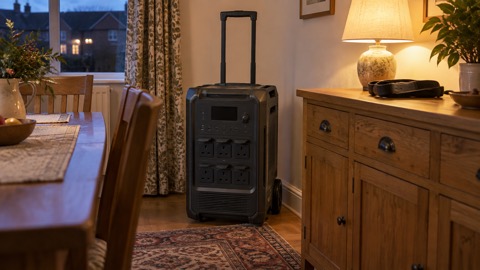 BLUETTI Elite 400
 Anker SOLIX C300 Power Station
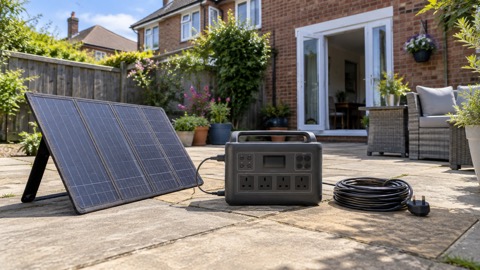 EcoFlow DELTA 3
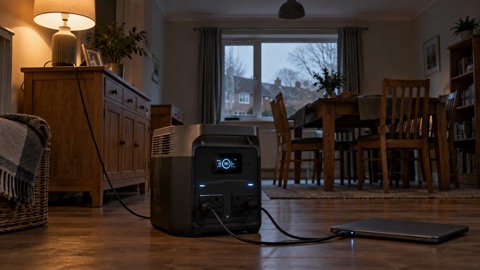 EcoFlow DELTA 2 and DELTA 2 Max
 EcoFlow DELTA and DELTA Max
 EcoFlow RIVER 3 and RIVER 3 Plus
 EcoFlow RIVER 2 and RIVER 2 Max