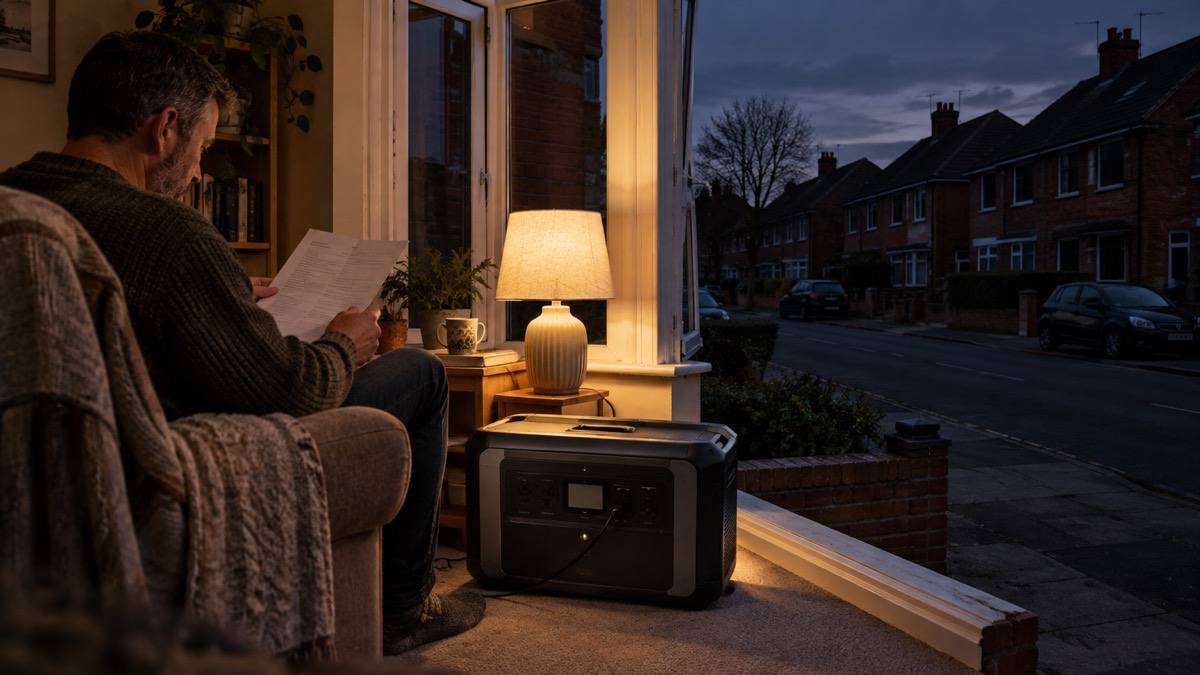
The Anker SOLIX C2000 Gen 2 is a portable power station with a 2,048Wh lithium iron phosphate (LFP) battery, a 2,400W continuous AC output and a 4,000W surge1. In a power cut it will run a dual-door fridge for up to 32 hours, or up to 64 hours if you add the BP2000 expansion battery to reach 4kWh1. It recharges from the mains in about an hour, from an 800W solar array in about three hours, and from a car alternator in 2.6 hours3.
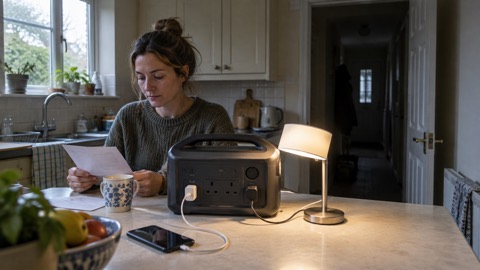
For an ordinary household, that makes it a quiet, fume-free way to keep the fridge, the router, a few lights and phone chargers going through an outage, without petrol, an engine or a carbon monoxide risk. It weighs 18.9kg, so it is a two-person lift or a wheeled trolley job rather than something you carry up the stairs1. It is not a whole-house backup: it cannot be wired into your consumer unit, and it will not run an electric shower or a heat pump.
This page sets out what the maker says it can do, how to charge it, how to use and store it safely, and what to check before you buy, including the delivery limit for Northern Ireland.
What the Anker SOLIX C2000 Gen 2 is
The C2000 Gen 2 is a battery in a box with an inverter inside it. The battery stores 2,048Wh, which Anker also gives as 40,000mAh, and it uses LFP chemistry rather than the older nickel-based types1. LFP is the chemistry most portable power stations now use because it is stable and long-lived. Anker rates this one at 4,000 cycles to 80% capacity and describes a 10-year lifespan1.
The inverter turns that stored DC power into 230V mains power at 50Hz, delivered through four AC outlets, rated at 2,400W continuous with a peak of 4,000W1. There is also a TT-30 port on some listings, though Anker's own specification for the UK model lists it as not present, so check the model you are buying6. For low-power kit there are USB ports: two USB-C at 140W maximum, one USB-C at 15W and one USB-A at 12W3.
Physically it measures 459 × 250 × 257mm and weighs 18.9kg1. It has Wi-Fi and Bluetooth connectivity, which is how the app reaches the working modes6. Anker describes it as suitable for 99% of appliances, which is a maker's claim rather than a tested figure for your kitchen, so check the wattage of anything you plan to run6.
A fridge runs for up to 32 hours, or 64 with the expansion battery
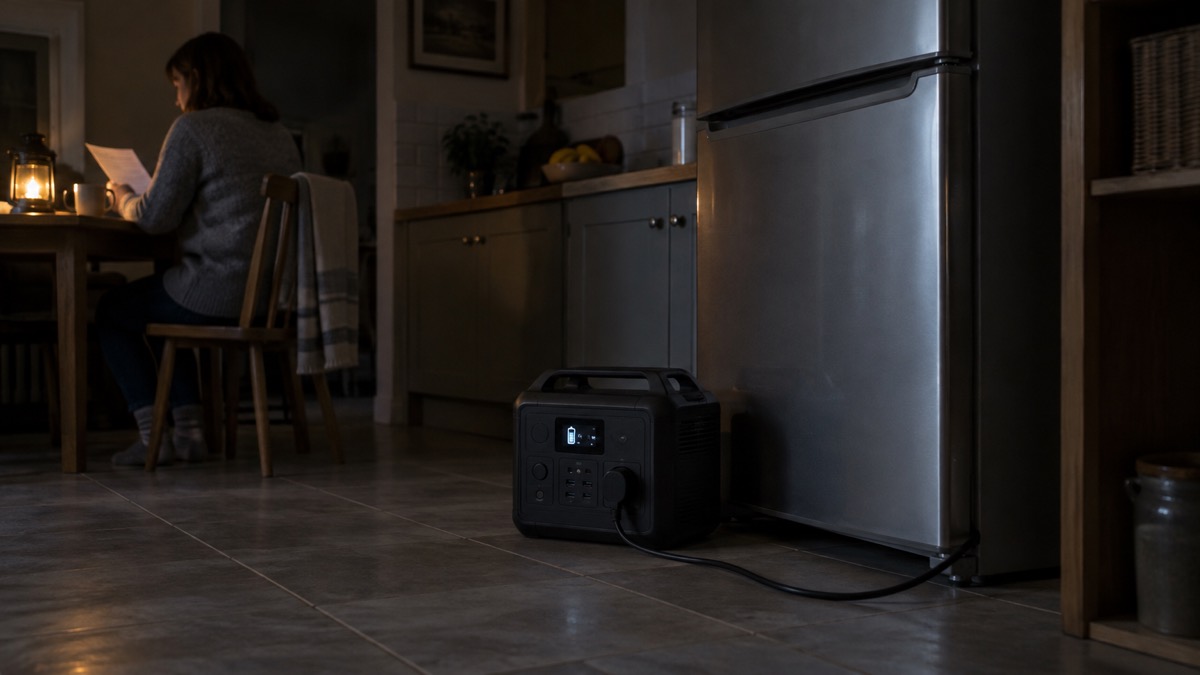
The headline use in a power cut is the fridge. Anker states that the C2000 Gen 2 powers a dual-door fridge for up to 32 hours, and that adding the BP2000 (Gen 2) expansion battery to reach 4kWh extends that to up to 64 hours1. Those are the maker's figures for a dual-door fridge, and they are the ones to plan around.
Anker also publishes a more detailed test. Refrigerators of 10 to 28 cubic feet, unloaded and with the ice-making function disabled, at an ambient temperature of 25°C, achieved a battery life of 15 to 32 hours3. That range is the honest one to hold in your head: a full fridge, a warm kitchen or an ice maker running will land you nearer the bottom of it. Anker's own product page for the UK also quotes a 30 to 64 hour fridge runtime with the expansion battery fitted3.
| What you are running | Anker's stated wattage | What that means in practice |
|---|---|---|
| Dual-door fridge | not stated | Up to 32 hours, or up to 64 with the expansion battery1 |
| Fridge, 10 to 28 cu.ft, unloaded, no ice maker, 25°C | not stated | 15 to 32 hours in Anker's test3 |
| Sump pump | 300W | Short bursts, so runtime depends on how often it runs3 |
| Wi-Fi router | 10W | Days of continuous use3 |
| Laptop | 60W | Many charges3 |
| Television | 100W | Many hours3 |
The lesson for a household is to decide what matters before the power goes. A fridge, a router and a couple of lamps will run for a long time. A fan heater, a kettle or a microwave will not: at 2,400W continuous, a kettle that draws more than that exceeds the inverter's rating. Our guide to deciding what to keep running when the mains fails walks through how to make that list, and watts, watt-hours and surge explained covers why a motor starting up needs more than its label says.
Running household kit in a power cut: 2,400W continuous, 4,000W surge
The 2,400W continuous rating is the figure that decides what you can plug in. Anything that draws more than that for more than a moment will trip the unit or fail to start. The 4,000W surge rating is there for appliances with motors, which pull a brief spike when they start: a fridge compressor, a freezer, a pump1.
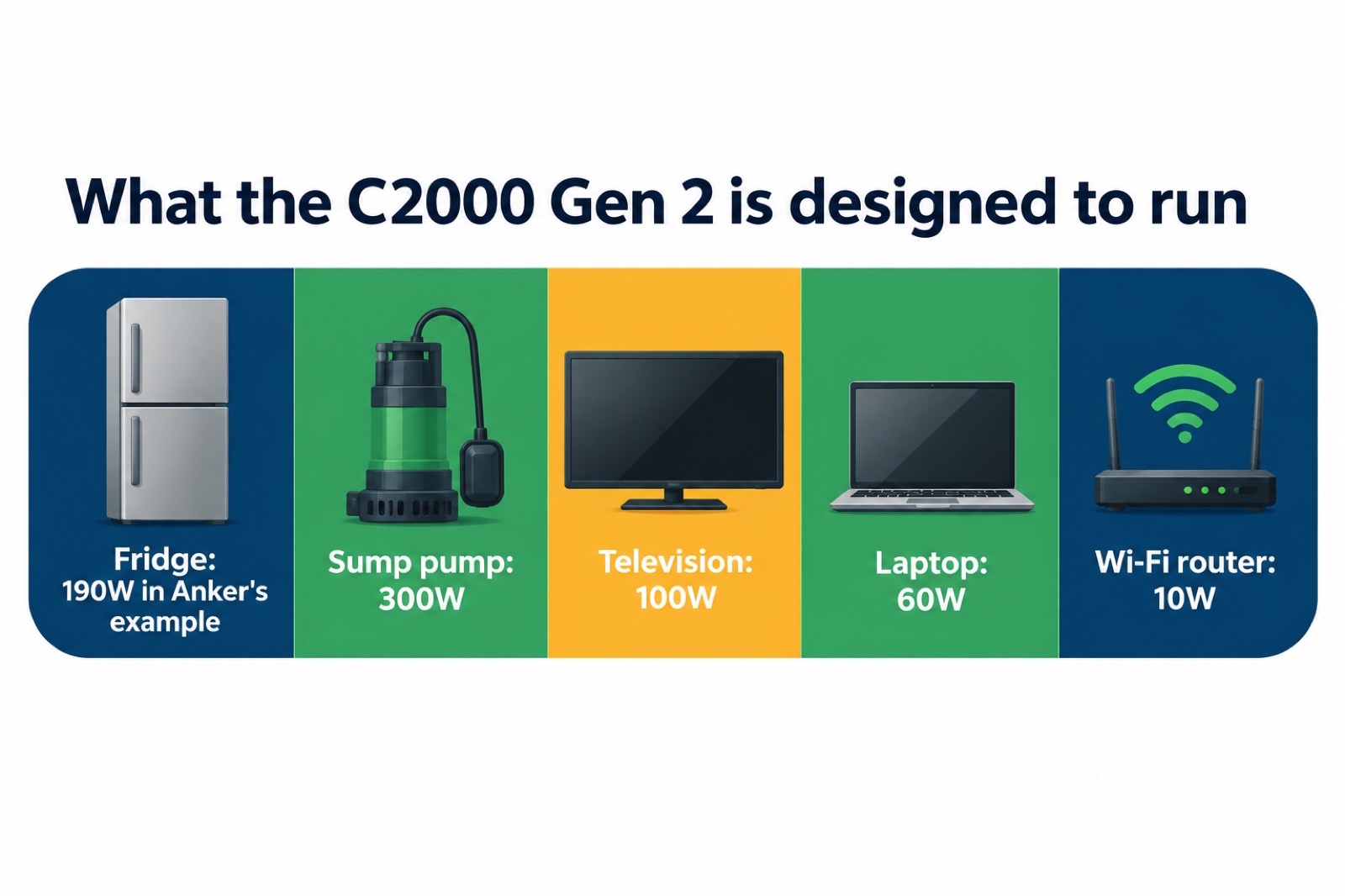
Anker's own examples of what it will run are a fridge at 190W, a sump pump at 300W, a Wi-Fi router at 10W, a laptop at 60W and a television at 100W3. Add those up and you are well inside the continuous rating, which is the point: the C2000 Gen 2 is sized for the ordinary loads of a household outage, not for heating or cooking.
Two practical points follow. First, spread the load: plugging a fridge, a freezer and a microwave into the four outlets at once may exceed 2,400W even if each one alone is fine. Second, use the right leads. Our page on extension leads and overloading with backup kit explains why a cheap reel extension is a poor match for a high-draw appliance.
Charging: 100% in about an hour from the mains, 3 hours from 800W solar
Anker gives several charging routes, and the times differ a lot. From the mains, the AC input is rated at 2,300W maximum, and Anker states 100% in 1 hour 3 minutes3. From an 800W solar array into the XT-60i input, Anker states 100% in 3 hours3. From the alternator charger at 800W, Anker states 100% in 2 hours 36 minutes, or 2.6 hours on its marketing pages3. Combining mains and solar at 2,600W, Anker states 100% in 58 minutes3.
| Charging route | Anker's stated input | Anker's stated time to 100% |
|---|---|---|
| Mains AC | 2,300W maximum3 | 1 hour 3 minutes3 |
| Solar via XT-60i | 800W maximum3 | 3 hours3 |
| Alternator charger | 800W maximum4 | 2 hours 36 minutes3 |
| Mains and solar together | 2,600W maximum3 | 58 minutes3 |
| Car 12V socket | 100W3 | 23 hours3 |
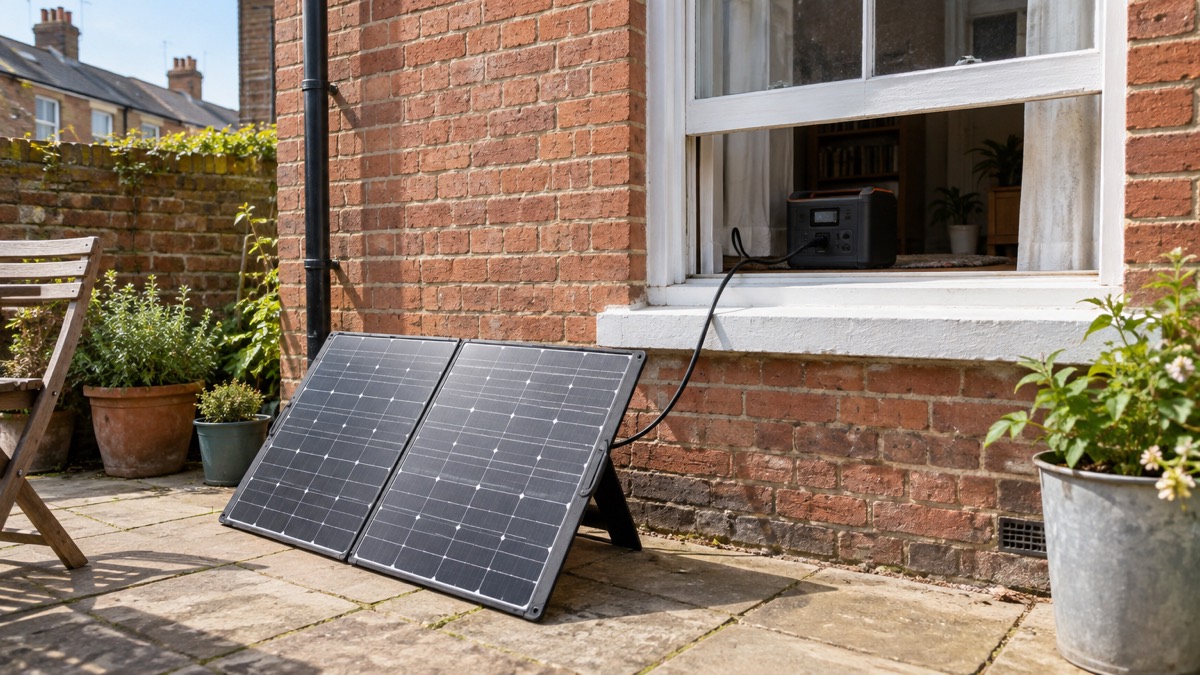
The car socket figure is the one that surprises people. A standard 12V socket charges slowly, which is why Anker sells a separate alternator charger for faster charging from a vehicle. Anker says the C2000 Gen 2 can be charged from the grid and solar panels at the same time, with solar power prioritised and the remaining capacity supplied by AC charging1.
For UK households, solar charging is seasonal. Anker's three-hour figure assumes 800W of panels in good conditions. Our page on how long solar charging takes in the UK sets out what to expect in winter, and what size solar panel do I need helps you match panels to the input.
Storm Guard, UPS switchover and the other working modes
The C2000 Gen 2 has four working modes: Standard, Time-of-Use (TOU), Storm Guard and Fast Charging Plan6. Anker describes TOU as optimising charging and discharging by electricity prices, while Storm Guard and the Fast Charging Plan store backup power for outages and storms10. In plain terms, Storm Guard is the mode to set when a named storm is forecast: it keeps the battery topped up so it is ready if the power fails.
The unit also has a UPS mode with a 10ms switchover1. That means it can sit between the mains and a device and take over almost instantly when the power drops, which suits a router, a desktop computer or a piece of medical kit that cannot tolerate a gap. Ten milliseconds is fast enough for most household electronics, but check with the equipment maker if the device is sensitive. Our page on using a power station as a UPS explains switchover times in more detail.
Anker also states that the unit uses 9W on standby, measured in its own laboratory at 25°C with the unit fully charged and the Never Turn Off mode enabled, within the first 9 hours1. One Anker page gives as low as 15W on standby, so the two figures differ; either way it is a small but real drain if you leave it connected for weeks8.
Safe charging, use and storage between 0°C and 40°C
Anker's temperature limits are the most important safety fact on this page. Charging is rated for 0°C to 40°C1. Discharging is rated for -20°C to 40°C on the UK and EU pages, though one Anker page gives 0°C to 40°C for discharging, so the two figures differ on the cold end1. Treat 0°C to 40°C as the safe band for both charging and use, and do not charge the unit in a freezing garage or shed in winter.
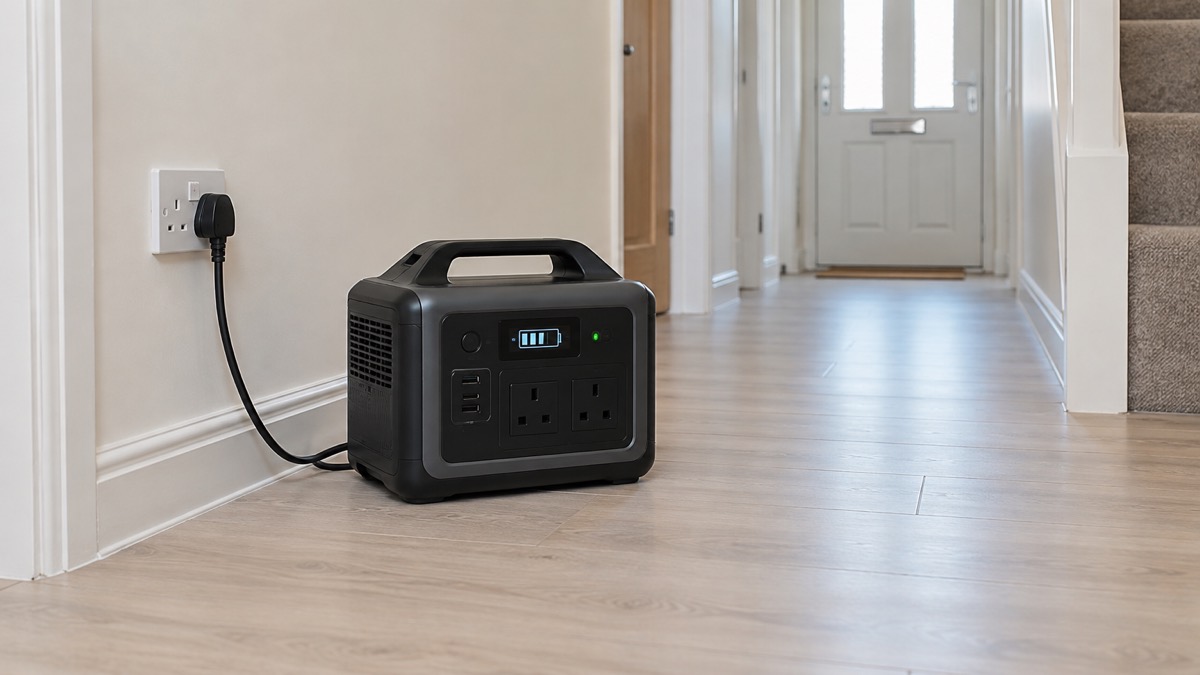
The maker's own instructions and the safety manual in the box are the authority for use. Read the safety manual before first use. Store the unit in a dry place, away from damp and away from anything flammable, and switch it off if you are leaving it for months. Our page on how to store a power station when not in use covers the routine, and lithium-ion battery safety at home covers warning signs such as swelling or heat.
Anker's own recall history is worth knowing about, though it concerns power banks rather than this power station. Anker recalled the A1647 power bank in October 2024, and in June 2025 expanded the recall to models A1647 and A1652, asking customers who had received 2024 recall information to re-check all their power banks using the 2025 submission form. If you own an Anker power bank, check the model number against Anker's recall pages.
Warranty, returns and support in the UK
Anker's UK and EU pages state that the C2000 Gen 2 is in stock and ships within 1 to 2 business days3. The UK page adds that the C2000 Gen 2 starts shipping on November 21, and that, due to courier limitations, the product cannot be shipped to Northern Ireland (BT postcodes)1. If you are in Northern Ireland, check with Anker before ordering, and look at the wider choice in our guide to portable power stations.
On support, Anker's Belgian page lists a 30-day money-back guarantee, a factory warranty and lifetime technical support, without giving the warranty length12. The UK page does not state a warranty period, so ask Anker directly before you buy if the warranty term matters to you. The box contains the power station, an AC charging cable, a quick start guide, a safety manual and a warranty card1. A solar panel is not included, and Anker says the power station and a solar panel ship separately6.
If you are weighing this against other options, our comparison of a portable power station or petrol generator for a power cut sets out the trade-offs, and the Anker brand page covers the maker's wider range. For a full household plan, start with backup power at home.
Sources (12)
- Anker SOLIX C2000 Gen 2 (UK product page), Anker SOLIX, 2026-10-25
- Anker SOLIX C2000 Gen 2 (UK landing page), Anker SOLIX, 2026-10-25
- Anker SOLIX C2000 Gen 2 (EU product page), Anker SOLIX, 2026-10-25
- Anker SOLIX C2000 Gen 2 Expansion Battery (UK), Anker SOLIX, 2026-10-25
- Anker SOLIX C2000 Gen 2 Expansion Battery (UK, alternate), Anker SOLIX, 2026-10-25
- Anker SOLIX C2000 Gen 2 Alternator Charger (UK), Anker SOLIX, 2026-10-25
- Anker SOLIX C2000 Gen 2 (Belgium product page), Anker SOLIX, 2026-10-25
- Anker SOLIX C1000 and C2000 Gen 2 (Australia), Anker SOLIX, 2026-10-25
- Anker SOLIX C2000 Gen 2 Expansion Battery (EU), Anker SOLIX, 2026-10-25
- Anker SOLIX Alternator Charger (UK), Anker SOLIX, 2026-10-25
- Anker SOLIX C2000 Gen 2 with Expansion Battery (Belgium), Anker SOLIX, 2026-10-25
- Anker SOLIX Alternator Charger (EU), Anker SOLIX, 2026-10-25

 BLUETTI Apex 300 Power Station
 BLUETTI Elite 100 V2
 Anker SOLIX C1000 Power Station
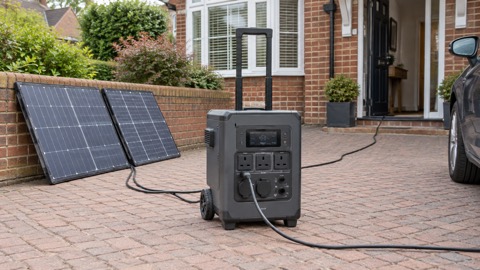 EcoFlow DELTA Pro
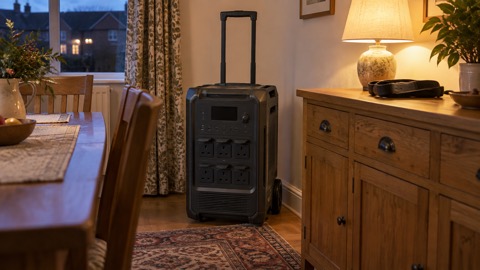 BLUETTI Elite 400
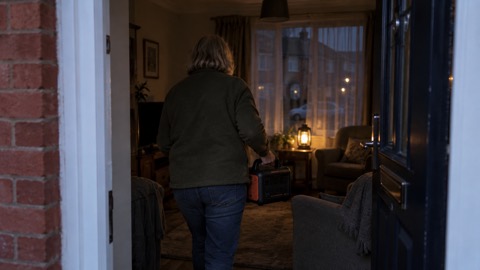 Anker SOLIX C300 Power Station
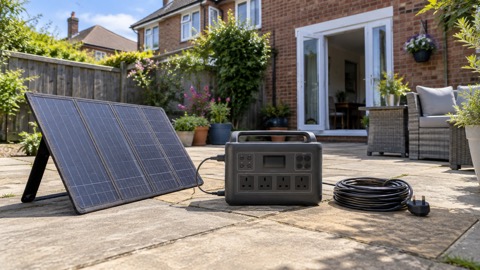 EcoFlow DELTA 3
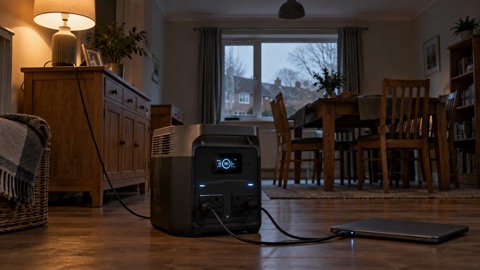 EcoFlow DELTA 2 and DELTA 2 Max
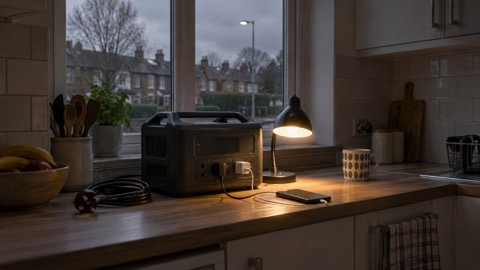 EcoFlow DELTA and DELTA Max
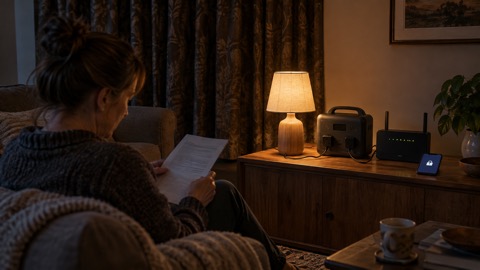 EcoFlow RIVER 3 and RIVER 3 Plus
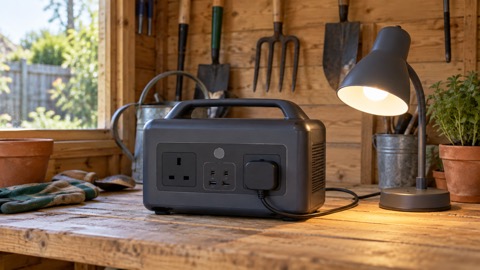 EcoFlow RIVER 2 and RIVER 2 Max
 BLUETTI Elite 30 V2