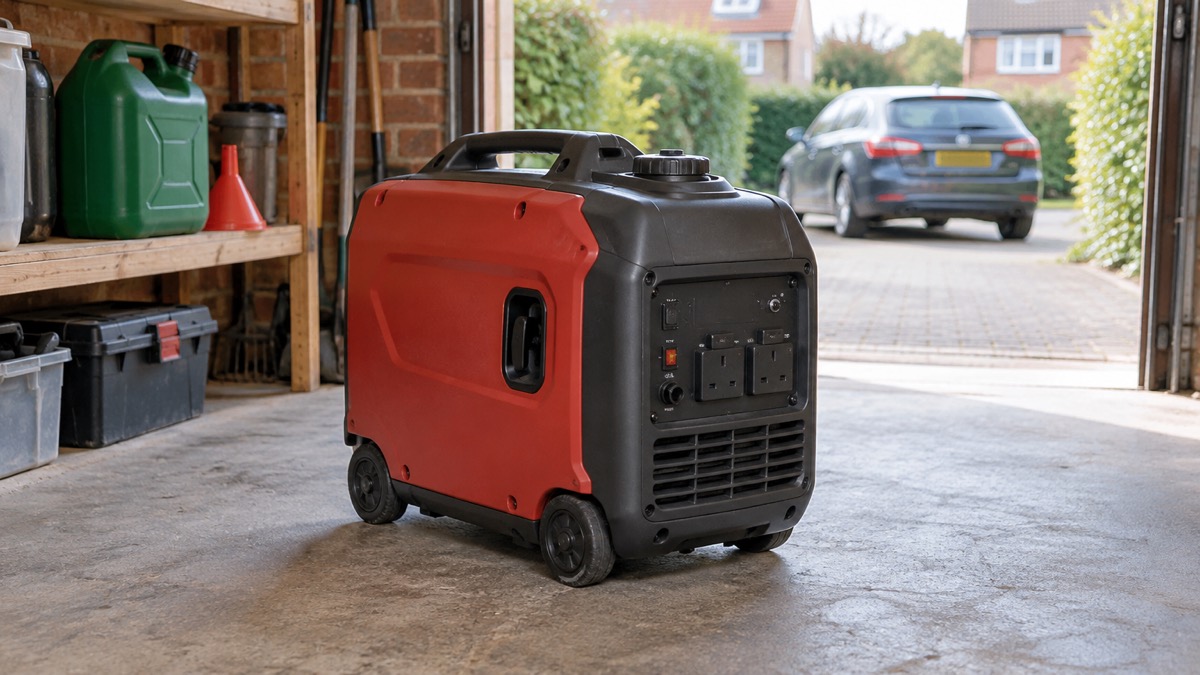
The Briggs & Stratton Q6500 QuietPower Series is a petrol inverter generator built for exactly the situation a household prepares for: the mains has failed and you need to keep a few essential things running. It delivers 5,000 watts running and 6,500 watts starting from a 306cc Briggs & Stratton engine, runs on a 19 litre tank of petrol for up to 14 hours at a quarter load, and is listed at 66dB measured at 7 metres1.
For a prepping household, the useful way to think about it is as a short term bridge. It will carry a fridge, freezer, lights, phone charging and perhaps a boiler or a small heater for a working day at a time, then it needs refuelling, an oil check and a rest. It is not a whole house solution and it must never be run indoors. What follows covers what it does, what it needs from you before an emergency, and how to run and store it so that it starts when the power is already off.
What the Q6500 QuietPower Series is, and what it suits
Briggs & Stratton describes the Q6500 QuietPower Series as an inverter generator designed to give quiet confidence during power outages3. The inverter part matters more than it sounds. Rather than feeding raw alternating current straight from the alternator, an inverter generator produces smoother power, which the maker says means you can safely recharge and power sensitive electronics such as laptops, smartphones and gaming systems1. For a household, that is the difference between a generator you can plug a phone charger or a laptop into and one you would hesitate to.
The engine is a Briggs & Stratton unit of 306cc, and the alternator is listed as Power Surge with AVR, automatic voltage regulation1. The machine has a telescopic handle and integrated wheels, so one adult can move it out of a shed and into position outdoors1. It is a petrol machine: Briggs & Stratton lists it among its portable petrol generators4.
Where it fits a household plan is as the heavier end of backup power. A battery power station suits lights, phones and a router; a generator of this size suits the loads a battery cannot carry for long, such as a fridge, a freezer or heating appliances. If you are still deciding which route to take, the comparison of a portable power station or petrol generator for a power cut sets the two side by side, and the guide to portable generators: petrol, diesel, dual-fuel and inverter types explains the categories.
Key specifications: 230V, 50Hz and a 306cc engine
The headline figures are the ones that decide whether the machine suits your household: the voltage and frequency must match UK mains, the outlets must take your plugs, and the engine size tells you what it will and will not carry.
| Specification | Figure |
|---|---|
| Engine | Briggs & Stratton, 306cc1 |
| Voltage and frequency | 230V, 50Hz1 |
| Running output | 5,000W1 |
| Starting output | 6,500W1 |
| Outlets | 2x 230V/16A household, 1x 230V/32A, 2x USB2 |
| Fuel | Petrol1 |
| Fuel tank | 19 litres1 |
| Run time | Up to 14 hours at 25% load1 |
| Sound level | 66dB at quarter load, 7 metres from control panel side1 |
| Starter | Recoil1 |
| Alternator | Power Surge / AVR1 |
| Width | 53cm1 |
| Portability | Telescopic handle and integrated wheels1 |
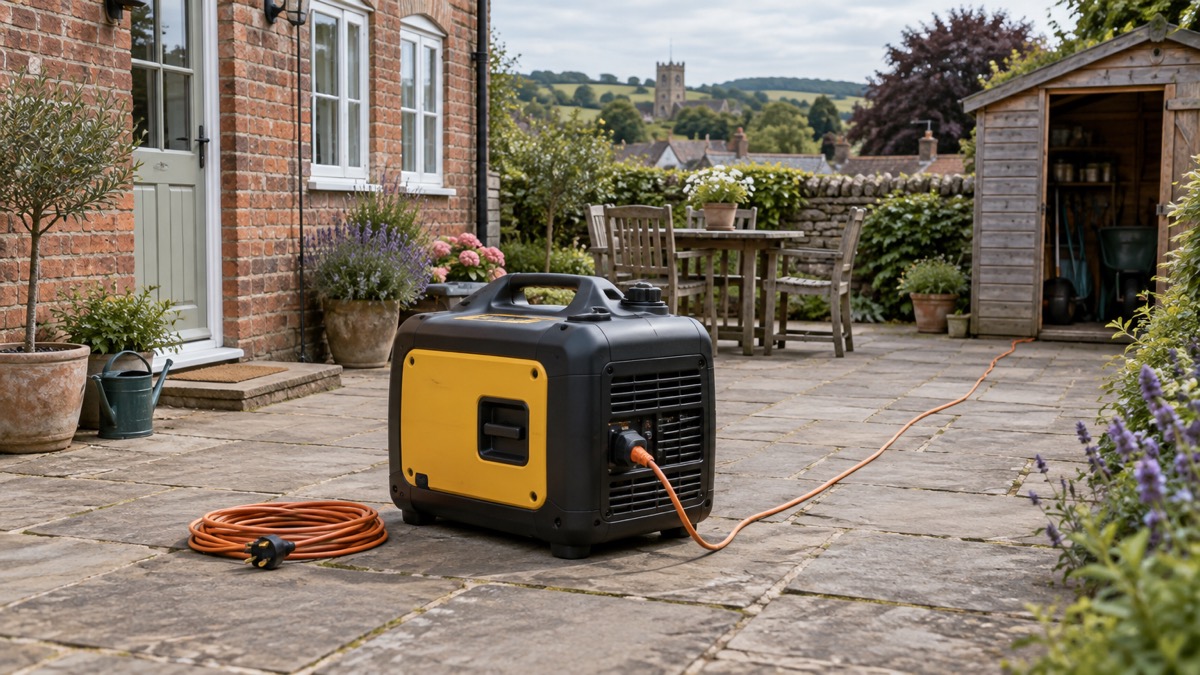
The maker lists the Q6500's engine at 306 cc and its voltage at 230V1. It gives the outlets as two 230V / 16 amp household sockets, one 230V / 32 amp household socket and two 5V USB ports, which the maker says offer enough flexibility1. A second listing gives the same outlets as 2x 230V/16A, 1x 230V/32A and 2x USB2.
If you are working out whether 5,000 watts covers your essentials, the guide to watts, watt-hours and surge explains why a fridge or freezer needs a starting surge well above its running figure, and the page on what size generator you need for a power cut walks through the sums.
Power output: 5,000W rated and 6,500W starting
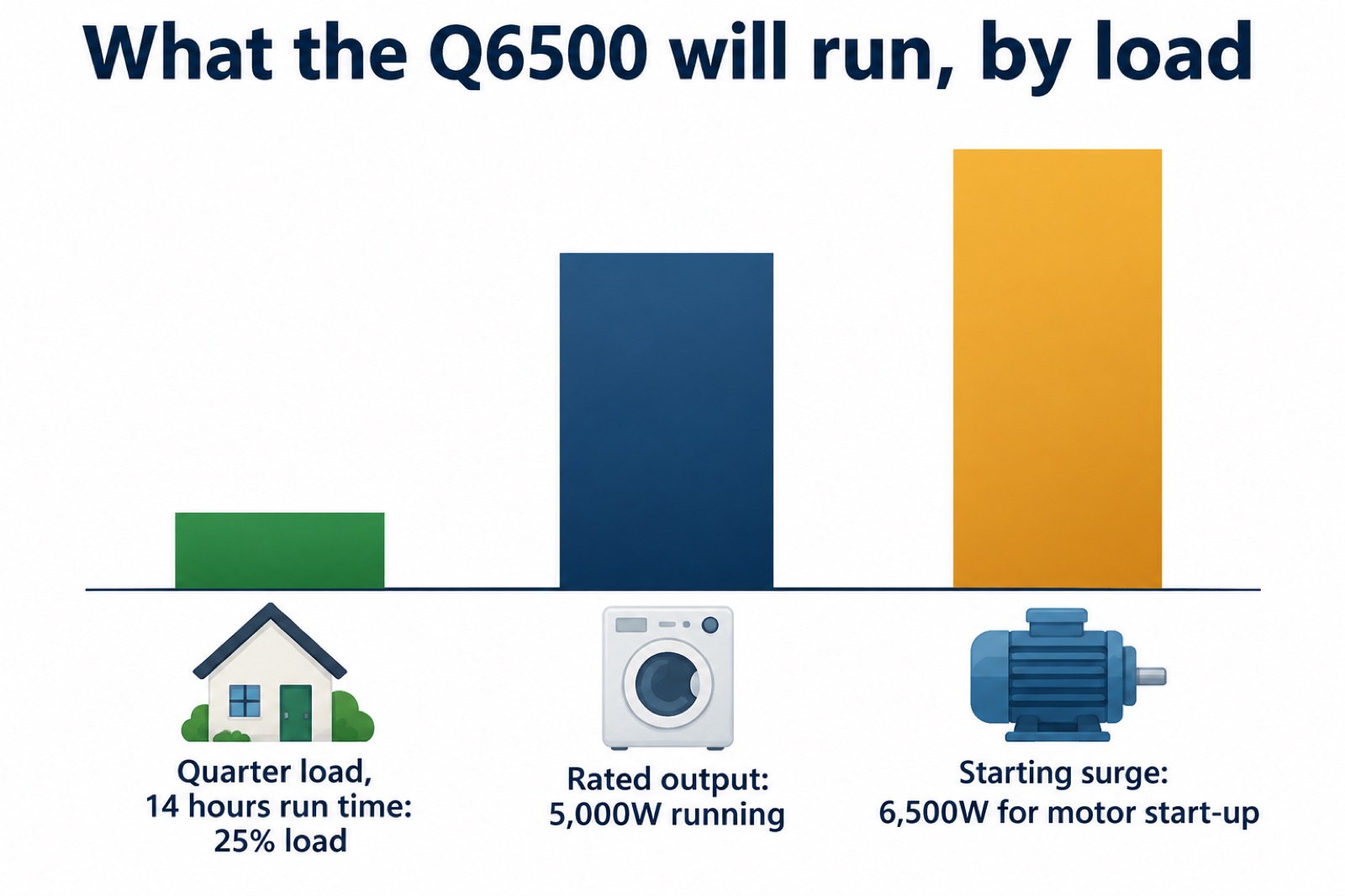
The two output figures do different jobs. The 5,000 watts running figure is the load the generator can carry continuously; the 6,500 watts starting figure is the brief extra it can supply when a motor driven appliance, such as a fridge compressor or a pump, first kicks in1. Briggs & Stratton states plainly that the machine delivers 6,500 starting watts and 5,000 running watts1.
That headroom is what makes the Q6500 usable for a household rather than a single appliance. In practice it means you can run a modest set of essentials at once, but you should still add up what you plan to plug in and keep the total running load comfortably below 5,000 watts, leaving room for the surge when a compressor starts. The maker's automatic idle control helps here: the variable RPM engine automatically adjusts to wattage needs, which the maker describes as extending refuelling intervals1. In plain terms, the engine settles to a lower speed when the load is light and works harder when you plug more in.
A few practical points follow from the output figures:
- Plan the load before the outage. Decide which appliances are essential and which can wait, using the guide to deciding what to keep running when the mains fails.
- Start the biggest motor first. Let the generator settle before adding smaller loads, so the starting surge has headroom.
- Use the right leads. Extension leads must be rated for the current; the guide to extension leads and overloading with backup kit explains the limits.
- Do not back-feed the house. Connecting a generator to your home's wiring needs a proper changeover arrangement installed by a competent person; the page on connecting a generator or battery to your home's wiring covers this.
Run time: up to 14 hours from a 19-litre tank
Briggs & Stratton gives the Q6500 a 19 litre fuel tank and a run time of up to 14 hours at 25% load1. That 14 hours is a light-load figure: the heavier the load, the sooner the tank empties. At a quarter load you are drawing a fraction of the 5,000 watt rating, enough for a fridge, a freezer, lights and charging, but not for heating appliances.
For planning, treat the 14 hours as a best case for gentle use. If you intend to run the generator through a long outage, work out how much fuel a day of your intended load will take, and store petrol safely and legally. The page on how much petrol you can store at home safely sets out the limits and the storage rules, and how long a generator will run on a tank of fuel explains how load changes the answer.
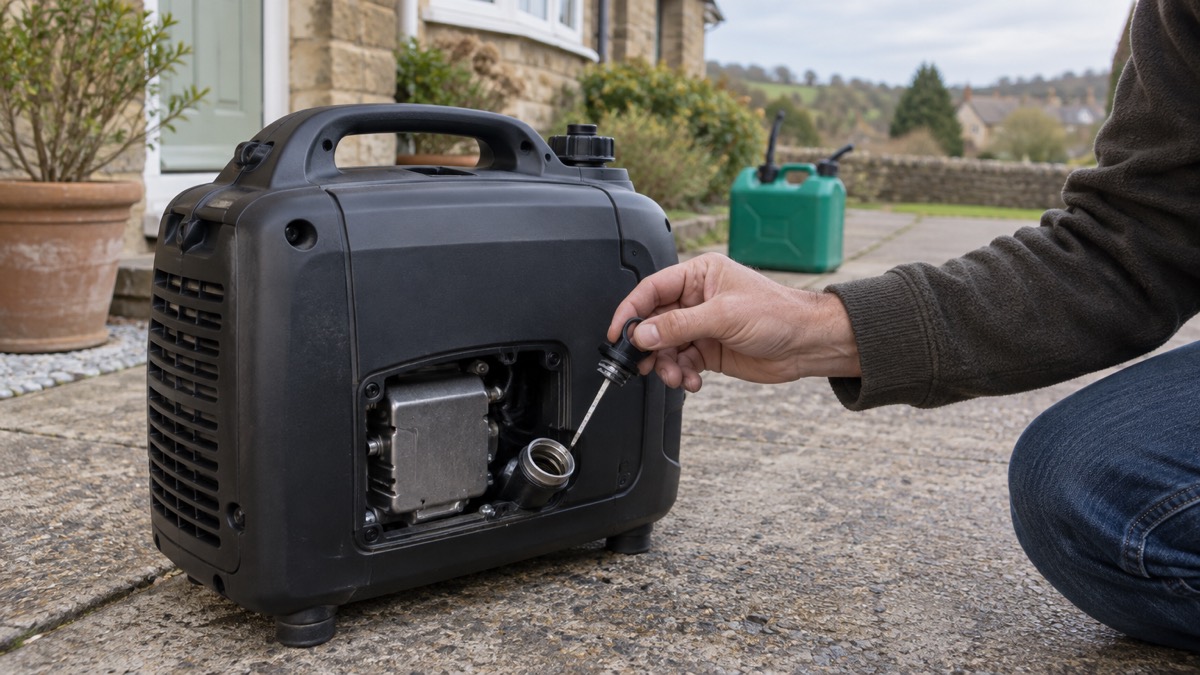
Refuelling is where many generator incidents happen. Switch the engine off and let it cool before opening the fuel cap, refuel outdoors, and never smoke or use a naked flame nearby. Store petrol in a suitable container, away from the house and out of reach of children, following your local authority's advice.
Keeping it ready between emergencies
A generator that has sat untouched for a year is a generator that may not start when you need it. The Q6500 rewards a simple routine, and the maker's own features help: the automatic low-oil shutdown stops the engine if the oil level becomes too low, protecting it from damage1.
- Check the oil before every run. Top up to the maker's level and keep a spare bottle with the machine.
- Run it under load every few months. Start it, let it warm up and plug in a load for a short period, so the fuel system and alternator are exercised.
- Treat petrol with respect for time. Petrol does not keep indefinitely; rotate your stored fuel and use fresh fuel when you expect to need the generator.
- Keep the machine dry and covered. Store it in a dry shed or garage, not in the house, and keep the manual with it.
- Service it to the maker's schedule. Briggs & Stratton's manual gives the intervals for oil, air filter and spark plug; follow them.
The page on how to store a generator after a power cut covers the end-of-outage routine in detail, and will a generator start in cold weather explains what to expect in a winter outage. If you keep the generator for winter storms, the backup power checks before winter checklist is a sensible annual prompt.
Running it safely: carbon monoxide, fuel and electricity
The Q6500 carries three safety systems worth knowing about. The first is CO Guard carbon monoxide shutdown, which the maker says shuts down the generator when harmful levels of carbon monoxide accumulate in the generator's operating area1. The second is the automatic low-oil shutdown1. The third is a circuit breaker, listed among the machine's safety features1.
None of these replaces the basic rules. Carbon monoxide is invisible and has no smell, and the fire and rescue service's advice is unambiguous: petrol generators must only be run outdoors, well away from windows, doors and vents, and never in a garage, shed, conservatory or any enclosed or partly enclosed space. CO Guard is a backstop for the rare occasion when fumes build up despite good positioning; it is not a reason to run the machine indoors. The page on whether you can run a generator indoors or in a garage answers that question directly, and carbon monoxide from generators: warning signs explains what to watch for.
Keep the generator dry, use leads and plugs in good condition, and never handle it with wet hands. The full set of rules is in generator safety: carbon monoxide, fuel and electric shock, and can you run a generator in the rain covers wet weather.
On noise, the maker lists 66dB at a quarter load, measured 7 metres from the control panel side to EN ISO 8528-13:2016, and notes that sound levels may vary with proximity and location1. Briggs & Stratton also describes the QuietPower range as 60% quieter than standard generators1. In a quiet residential street at night, that is still audible to neighbours, so tell them what you are doing and when you expect to stop. The page on how loud a generator is, and neighbours has more.
Support, warranty and where to get help
Keep your proof of purchase and the manual with the generator, and register the machine if the maker asks you to, so that any safety notice reaches you.
If you are choosing between generator types, the Briggs & Stratton brand page lists the models the site covers, including the P2400 PowerSmart Series inverter generator for lighter loads. For the wider picture, start at backup power at home: a household guide, and for the outage itself, using generators and power stations during an outage.
If anyone in the household depends on powered medical equipment, plan that separately: the page on powering CPAP, oxygen and other medical devices from a battery explains the options, and the extra help in an emergency guide covers the Priority Services Register and other support. For a full list of what to have ready before the power goes off, work through the power cut backup power checklist.
Sources (5)
- Q6500 QuietPower Series, Briggs & Stratton, 2026
- Portable Inverter Generators, Briggs & Stratton, 2026
- How to Operate the Q6500 QuietPower Series Inverter Generator, Briggs & Stratton, 2026
- Generators, Briggs & Stratton, 2026
- Home Backup Guide, Champion Power Equipment, 2026
 BLUETTI Apex 300 Power Station
 BLUETTI Elite 100 V2
 Anker SOLIX C2000 Gen 2
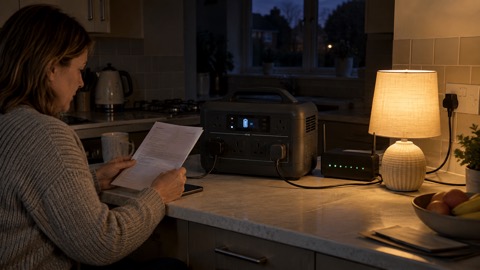 Anker SOLIX C1000 Power Station
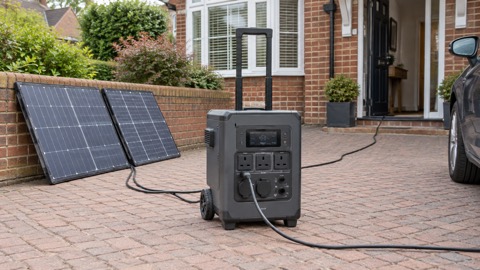 EcoFlow DELTA Pro
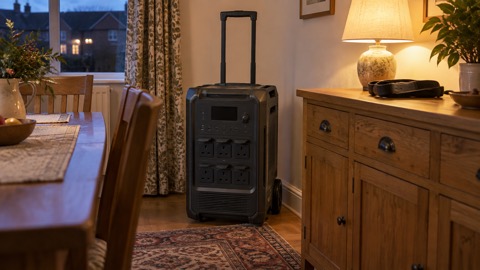 BLUETTI Elite 400
 Anker SOLIX C300 Power Station
 EcoFlow DELTA 3
 EcoFlow DELTA 2 and DELTA 2 Max
 EcoFlow DELTA and DELTA Max
 EcoFlow RIVER 3 and RIVER 3 Plus
 EcoFlow RIVER 2 and RIVER 2 Max