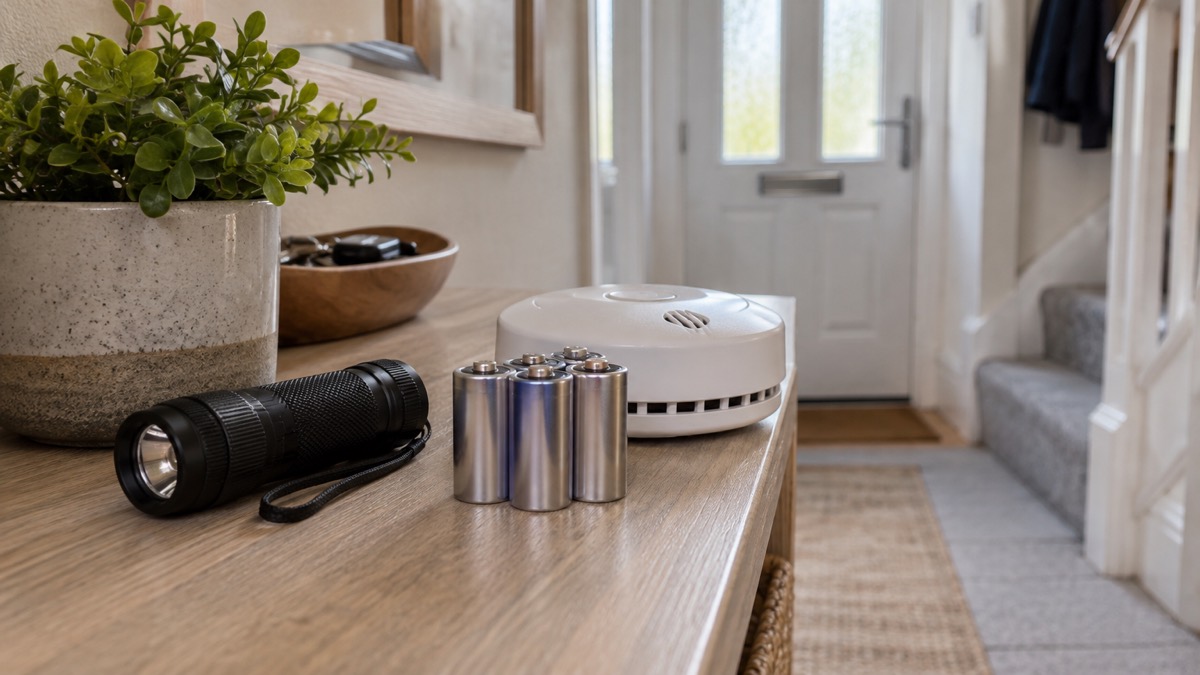
A 123A lithium battery is a small, single-cell primary battery, and in a UK household it earns its place in the emergency kit for one reason: it keeps a torch or a radio working when the mains has gone off. Duracell lists the 123 among the sizes in its Specialty High Power lithium range, alongside CR2, 28L and 1/3N1. It is not a rechargeable cell, so the way to stay ready is to hold a small stock of fresh ones, store them properly and know which devices in your home take that size.
If you are building or refreshing a household kit, the practical answer is straightforward. Check the label inside each torch, lantern and radio you rely on, note which ones take a 123, and keep a spare set for each. Store spares cool and dry, away from heat and out of reach of children, and never put one in a charger. Then test the devices themselves, because a battery in a drawer is only useful if the torch it belongs to still works.
This page covers what the 123 is, what it powers in a UK home, how to fit and store it safely, where a lithium battery must never go, and how to recycle used cells and get support. It is written for a household getting ready for a power cut, storm or flood, not for a specialist.
Specifications: size, voltage and chemistry
The 123 is a lithium chemistry cell in a compact cylindrical format, sold by Duracell within its Specialty High Power lithium line. The maker's product page lists the range as available in CR2, 123, 28L and 1/3N sizes1. That is the specification that matters most when you are buying spares: match the size printed inside the device, not the size you remember.
| Attribute | What the maker states |
|---|---|
| Range | Duracell Specialty High Power lithium batteries1 |
| Sizes in the range | CR2, 123, 28L, 1/3N1 |
| Chemistry | Lithium (Specialty High Power lithium range)1 |
| Rechargeable | No: Duracell's rechargeable cells are NiMH2 |
| Where to buy | Duracell.co.uk via e-retailers listed on each product page, and in common stores including drug stores, markets, department stores, warehouse stores and office supply stores8 |
Two points follow from that table for a household. First, the 123 is a primary cell, so it is used once and then recycled; the maker's rechargeable range is nickel metal hydride, and its charger troubleshooting advice is to check that you are attempting to charge Duracell NiMH rechargeable batteries2. Second, availability is broad rather than specialist: Duracell states that its products can be found on Duracell.co.uk through e-retailers listed on each product detail page, and in common stores such as drug stores, markets, department stores, warehouse stores and office supply stores8. For a household, that means you can top up a spare set without hunting for a specialist supplier.
The maker's own figures for voltage and capacity are not given here, so check the pack in your hand against the device label. What the maker does say about its wider range is that its premium alkaline batteries perform much better than zinc carbon batteries under extreme temperature conditions2, which is the reason a lithium cell is often chosen for a torch that lives in a car or a cold shed.
What 123A batteries power in a UK home
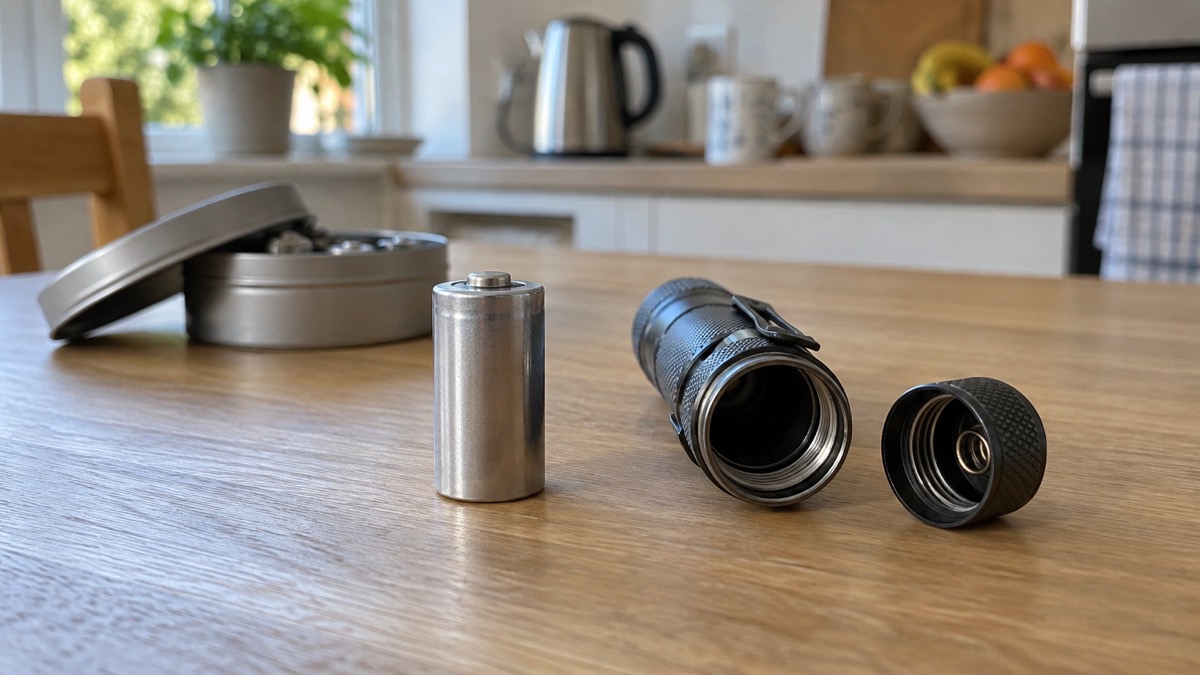
In an emergency, the 123 earns its keep in small, high-drain devices: a hand torch, a head torch, a compact lantern, a bike light, a laser measure, a camera or a small radio accessory. The size is common in tactical-style torches and in some security and outdoor equipment, which is why it turns up in household kits that were bought for camping or dog walking.
Official emergency kit lists do not name battery sizes, but they are consistent about what needs power. Dumfries and Galloway Council's emergency pack advice includes spare batteries9. The Scottish Government's Ready Scotland kit list includes a torch and spare batteries, and spare hearing aids with batteries10. Nottinghamshire Council lists a radio with spare batteries if it is not a wind-up model11, and Lincolnshire County Council lists a torch and extra batteries, or a wind-up type12. Wiltshire Council's kit list includes a spare mobile phone with charger and credit13.
The independent picture is the same. Which? advises a torch and spare batteries, or a wind-up torch, in a storm kit3, and Devon Communities Together advises keeping spare batteries for torches and radio and a backup battery for any medical equipment you rely on14. A household plan built on those lists will have a torch, a radio and possibly a phone backup, and the 123 is one of the sizes that keeps the first two going.
| Device in a household kit | Why it matters in an emergency | What to check |
|---|---|---|
| Hand torch or head torch | Light without mains power, and safer than a candle | Size of cell, and that a spare set is stored with it12 |
| Battery radio | Local news and official updates if the internet drops | Whether it is wind-up, or needs spare batteries11 |
| Medical equipment backup | Keeps a device running if power is interrupted | A backup battery for equipment you rely on14 |
| Hearing aids | Communication and safety | Spare hearing aids with batteries10 |
A word on phone torches. Wiltshire and Swindon Prepared advises using the torch on your mobile only in emergencies and for short periods, because it drains the battery heavily15. A separate torch with a fresh 123 in it leaves your phone free for calls and updates, which is the point of keeping one in the kit.
Fitting and replacing the batteries safely
Fitting a 123 is simple, but the maker gives specific instructions that are worth following, because a wrongly inserted cell can do damage. Duracell advises replacing the battery or batteries with the size and type specified by the manufacturer, and changing all batteries in a unit at the same time, as a partially used battery will drain energy from a new one2. It also warns that some equipment using three or more batteries may appear to work properly even if one battery is inserted incorrectly, and that such usage may lead to battery leakage or rupture that could result in equipment damage2.
- Check the device label for the size and type, and fit only that2.
- Match the polarity markings on the cell to those in the compartment.
- Replace every cell in the device at the same time, not one at a time2.
- Test the device before you put it back in the kit.
- Note the date you fitted the cells so you know when to rotate them.
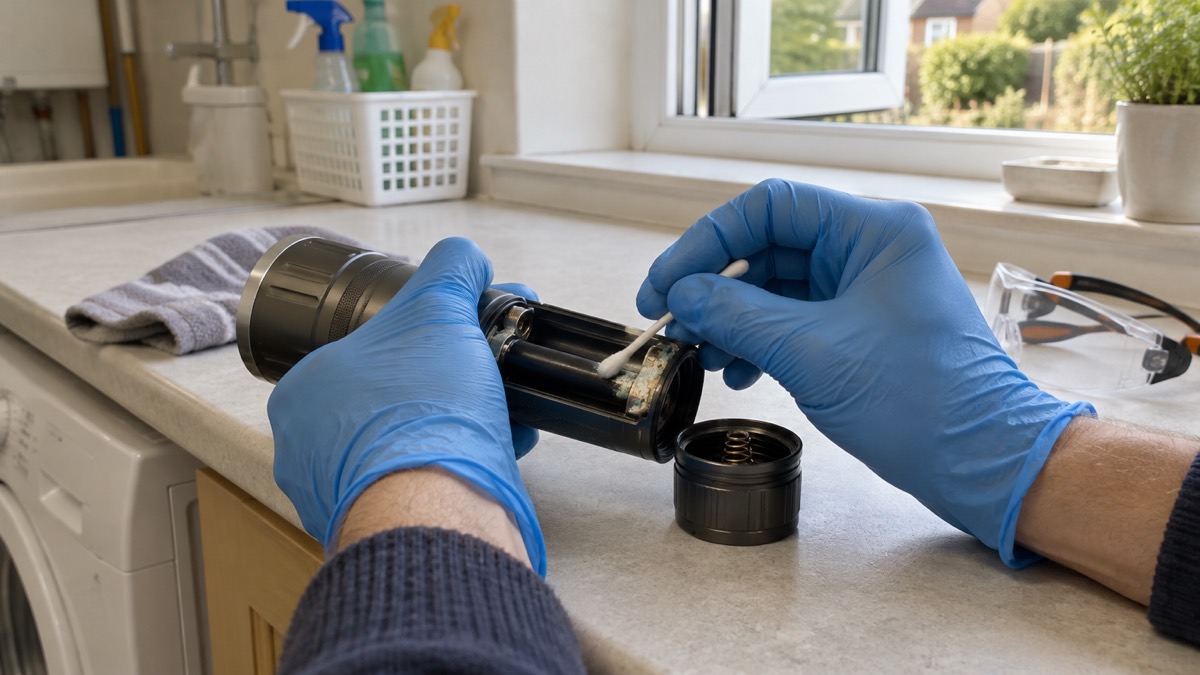
If a cell has leaked inside a device, the maker's clean-up advice is to work in a well-ventilated area, wear household gloves and glasses, and, using a toothbrush or cotton swab, remove battery leakage from the electrical contacts, making sure the electronic device is completely dry before trying a new battery2. If any leaked material reaches your eyes, Duracell advises flushing the eyes with running water for at least 15 minutes and then seeking immediate medical assistance2.
Storing spare batteries in your emergency kit
Storage is where a spare battery earns or loses its value. The fire and rescue services are consistent: Surrey County Council advises storing lithium batteries in a shed or garage where possible5, and Warwickshire's electrical fire safety guidance for e-bikes advises storing spare batteries in a cool, dry place away from flammable materials and following the storage guidelines provided by the manufacturer4. West Yorkshire Fire and Rescue Service adds that batteries and devices should be kept away from radiators, heaters, direct sunlight and cookers, because extreme temperature, even when not in use, can increase the risk of fire16.
For a household kit, that translates into a short set of habits:
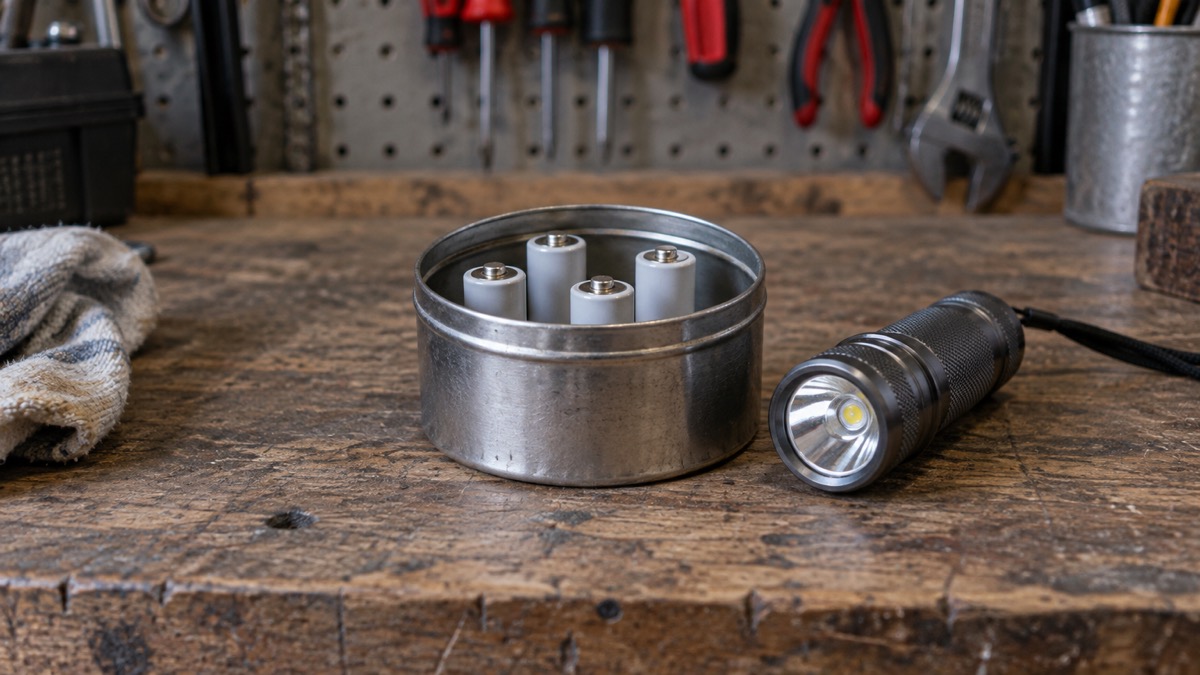
- Keep spares in their original packaging or a sealed container, so the terminals cannot touch metal objects17.
- Store them cool and dry, away from heat sources and direct sun4.
- Keep them out of reach of children, in a sealed container18.
- Keep the spares with the device they belong to, so you are not searching in the dark.
- Rotate stock: use the oldest first and replace before the printed date passes.
The child safety point is not a formality. Berkshire Healthcare NHS Foundation Trust advises storing all spare batteries in a sealed container out of reach, making sure battery compartments on toys and devices are securely closed, and recycling used batteries safely so they are out of reach to children18. Peterborough City Council gives the same advice for button cells: make sure spare batteries are securely stored and battery compartments are secured before placing an item within a young child's reach19. A 123 is larger than a button cell, but the habit is the same, and a kit tin with a lid is the simplest way to keep it.
Where a lithium battery must never go: heat, charging and damage
The fire risks around lithium batteries are well documented by the fire and rescue services, and the rules are short. Staffordshire Fire and Rescue Service advises never storing electronic devices in hot vehicles or areas prone to high temperatures20. Manchester Fire and Rescue Service advises charging on a hard, flat, heat-resistant surface, away from extreme heat, cold, direct sunlight and flammable materials21, and never charging batteries near exits, hallways or sleeping areas, which must remain clear for evacuation21. Humberside Fire and Rescue Service says never charge lithium-ion batteries on your escape route, and if possible charge and store them away from your living areas22. Tandridge District Council advises charging in a safe, visible location, away from flammable materials or escape routes23.
West Yorkshire Fire and Rescue Service adds two rules that apply to any lithium cell you own: keep batteries and devices away from radiators, heaters, direct sunlight and cookers, and never use damaged or faulty batteries, avoiding batteries or devices that are swollen, punctured or show signs of damage, because they can fail without warning and pose a serious fire risk16. The Isles of Scilly's warning is blunt: never cover chargers or battery packs, as this could lead to overheating and result in a fire24. Cumbria Fire and Rescue Service repeats the temperature point: avoid storing, using or charging batteries at very high or low temperatures25.
For a 123 in a household kit, the practical rules are these. Keep spares out of the car in summer and away from radiators and cookers20. Do not carry loose cells in a pocket with keys or coins, because metal can bridge the terminals; Warwickshire's vaping guidance makes the same point about spare batteries and other metal objects that may cause a short circuit17. Do not use a cell that is dented, corroded or has leaked. And never put a primary lithium cell on a charger, because it is not designed to be recharged2.
Recycling used batteries and getting support
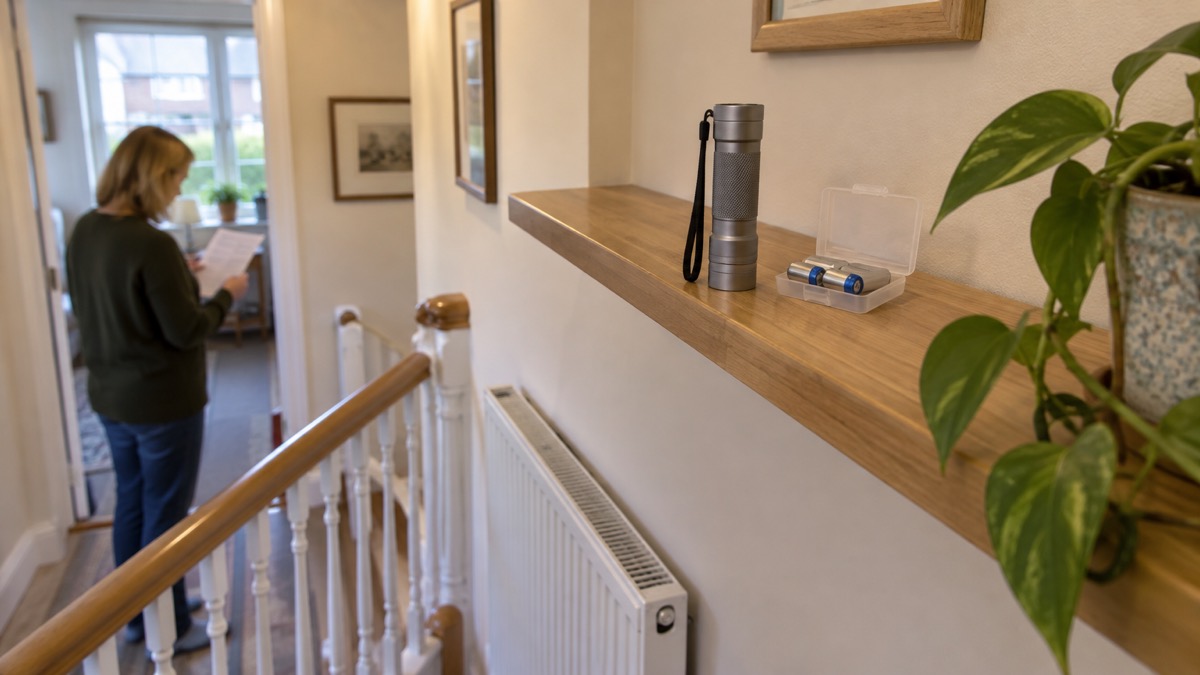
When a 123 is flat, it does not go in the bin. The government's battery safety guidance for e-cycle users is explicit that a damaged or end-of-life battery should not be disposed of in household waste or normal recycling, because these batteries can cause fires in bin lorries and at recycling and waste centres6. Most supermarkets and many council recycling centres take used household batteries, so keep a small container for spent cells and take them with you on the next shopping trip.
Duracell states that it participates in the Call2Recycle program to ensure the safe and proper recycling or disposing of batteries8. If you are unsure where to take a cell, the maker's support pages are the place to start, and your local council's waste pages will list household battery recycling points.
On support and warranty, the maker's help pages are the route for product questions, including charger troubleshooting and battery care2. Keep your receipt or order confirmation with your household paperwork, so that if a device or a pack fails you have the record to hand.
If someone swallows a battery, the advice is urgent and simple. Whittington Health NHS Trust's safety notice says: do not delay, take them straight to A&E or call 999 for an ambulance7. Great Ormond Street Hospital advises not giving them anything to eat or drink and not trying to make them sick, as this could cause damage as the battery is vomited back up as well as the damage it caused when swallowed27. For any first aid question beyond that, start with the First Aid at Home: A Household Guide, and for a suspected swallowed battery in a child, the What to Do if a Child Swallows Pills or Chemicals page covers the same urgency.
Smoke alarms, torches and cold weather: getting the most from a spare cell
A 123 is not usually the cell in a UK smoke alarm, and it should only be fitted where the alarm's manufacturer specifies that size and type. Lincolnshire County Council notes that longer life batteries are better for smoke alarms because a lot of people forget to test the batteries28, and Northern Ireland Direct advises that mains-linked smoke alarms contain a nine volt back-up battery that needs to be changed according to the manufacturer's instructions29. Essex Prepared advises testing the batteries in your smoke detector every week30, and Dorset and Wiltshire Fire and Rescue Service advises stocking up on extra batteries so that important things like smoke alarms can continue to keep you safe31.
For torches, the case for a dedicated light is strong. Hampshire Fire and Rescue Service lists a battery-powered torch in its grab bag32, and Northern Powergrid's winter advice lists torches and spare batteries33. A torch with a fresh 123 and a spare set beside it will see you through an evening power cut without touching your phone battery15.
On cold weather, the maker's position is that its premium alkaline batteries perform much better than zinc carbon batteries under extreme temperature conditions2. That is the comparison the maker draws, and it is the reason a lithium cell is often chosen for a torch kept in a car or an unheated shed. Store the torch where you can reach it in the dark, and check it before winter.
Where to get help and what to do next
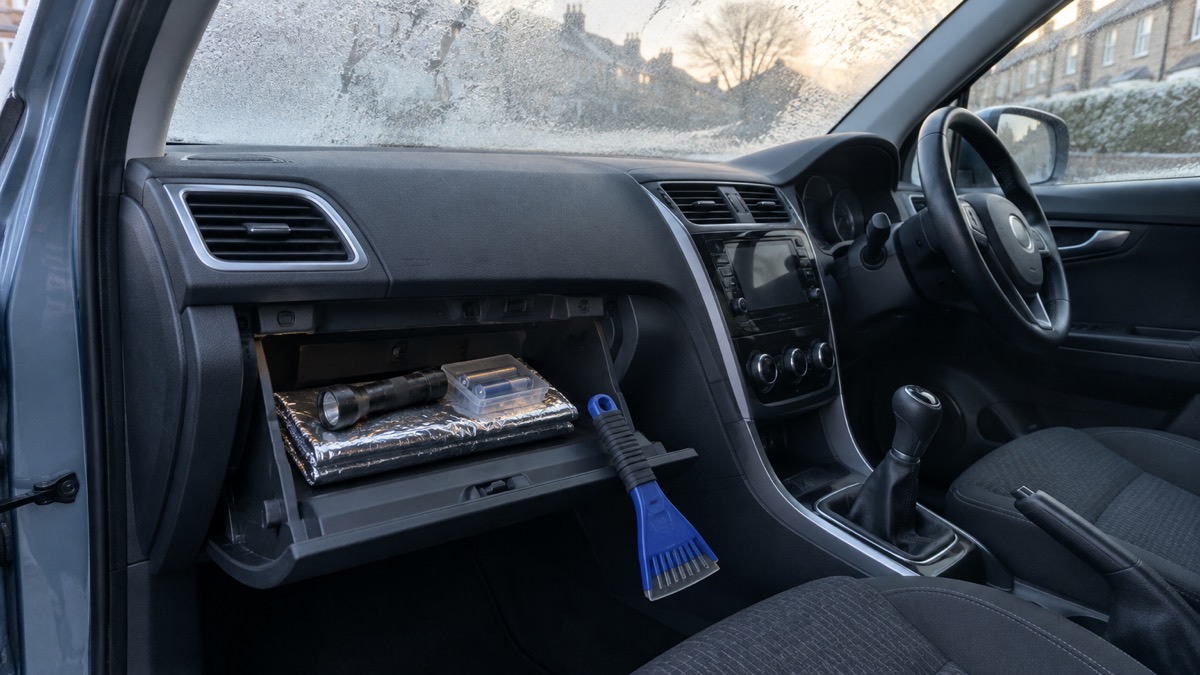
If you are building a kit from scratch, the Emergency Kit: What a UK Household Should Keep Ready section sets out the full list, and Emergency Lighting at Home: Torches, Lanterns and Candles covers how to light a room safely without mains power. For the wider picture on outages, see Power Cuts: A Household Guide, and for the maker's own range, the Duracell page.
A short plan for a 123-owning household:
- Check every torch, lantern and radio in the house and note which take a 1231.
- Buy one spare set per device, plus one extra, and store them cool, dry and sealed4.
- Write the date on the tin and rotate the oldest cells first.
- Test the torch and radio now, and again at the start of winter30.
- Keep spent cells in a separate container and recycle them at a supermarket or council site6.
- Teach everyone in the house where the kit lives and how to change a cell2.
Sources (33)
- Duracell Specialty High Power lithium batteries, Duracell, 2025-12-10
- Duracell battery care and replacement advice, Duracell, 2026-10-26
- Storm damage: how to protect your home from a thunderstorm, Which?, 2026-10-21
- Electrical fire safety, Warwickshire County Council, 2026-10-29
- Lithium batteries fire safety, Surrey County Council, 2026-10-28
- Battery safety for e-cycle users, GOV.UK, 2024-02-01
- Button batteries: using them safely, Whittington Health NHS Trust, 2026-10-25
- Duracell battery help: where to buy, Duracell, 2026-10-26
- Prepare for emergencies, Dumfries and Galloway Council, 2026
- Emergency kit, Ready Scotland, 2026-10-22
- Preparing for an emergency, Nottinghamshire County Council, 2026-10-29
- Get help and advice in an emergency, Lincolnshire County Council, 2026-10-29
- Planning for an emergency kit, Wiltshire Council, 2026-10-29
- Household emergency planning, Devon Communities Together, 2026-10-29
- How to prepare for the loss of electricity, Wiltshire and Swindon Prepared, 2026-10-25
- Battery safety, West Yorkshire Fire and Rescue Service, 2026-10-29
- Fire safety tips: smoking, vaping and e-cigarettes, Warwickshire County Council, 2026-10-29
- Child safety, Berkshire Healthcare NHS Foundation Trust, 2026-10-29
- Product safety campaigns, Peterborough City Council, 2026-10-29
- Lithium-ion batteries, Staffordshire Fire and Rescue Service, 2026-10-29
- Battery safety, Manchester Fire and Rescue Service, 2026-10-29
- Batteries, Humberside Fire and Rescue Service, 2026-10-29
- Lithium battery fire safety, Tandridge District Council, 2026-10-29
- Lithium battery safety warning, Council of the Isles of Scilly, 2025-03-19
- Chargers, e-batteries and fire safety, Cumbria Fire and Rescue Service, 2026-10-29
- Duracell rechargeable battery help, Duracell, 2026-10-26
- Button batteries: using them safely, Great Ormond Street Hospital, 2018-10-01
- Fire alarms and carbon monoxide detectors, Lincolnshire County Council, 2026-10-29
- Fire safety and prevention, nidirect, 2025-06-09
- Home safety advice, Essex Prepared, 2026-10-29
- Staying safe this season, Dorset and Wiltshire Fire and Rescue Service, 2025-12-01
- Reduce the risk of wildfire damage to your property, Hampshire Fire and Rescue Service, 2026-08-27
- Are you ready for big coat weather?, Northern Powergrid, 2024-11-08

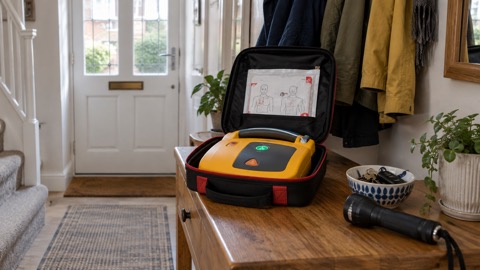 HeartSine samaritan PAD 350P
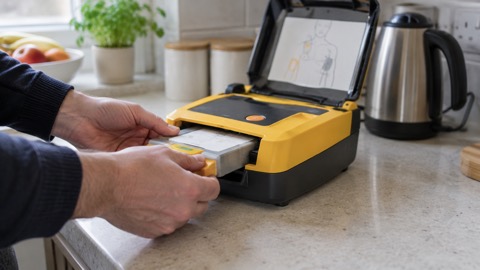 HeartSine Pad-Pak
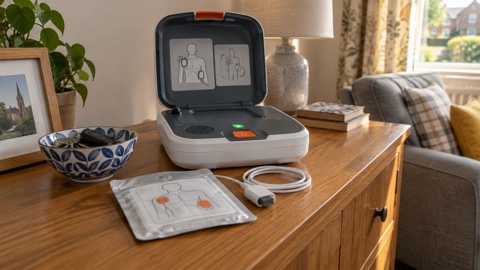 Stryker LIFEPAK CR2
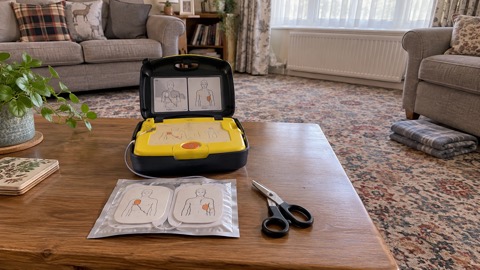 ZOLL AED 3 Defibrillator
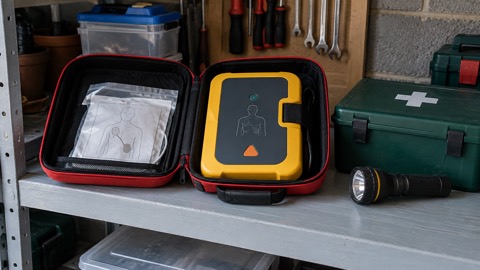 ZOLL AED Plus Defibrillator
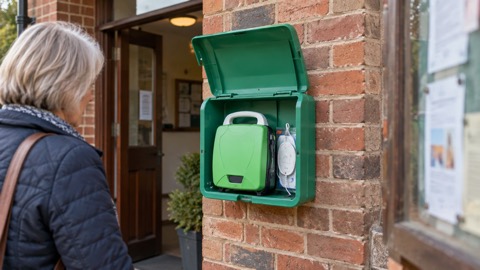 Cardiac Science Powerheart G5
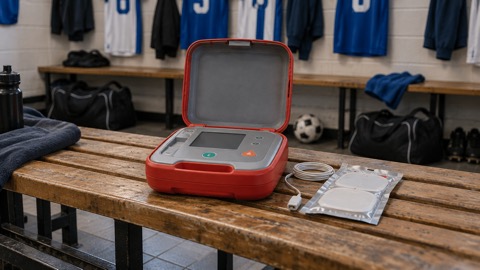 Philips HeartStart FRx AED
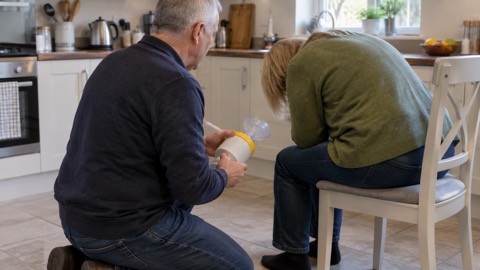 LifeVac Anti-Choking Travel Kit
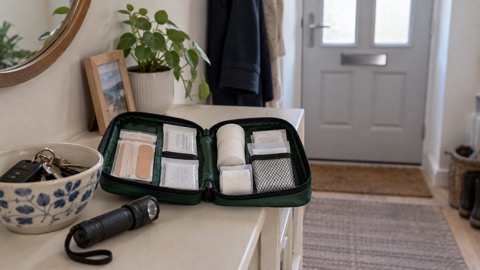 Wallace Cameron Family Kit
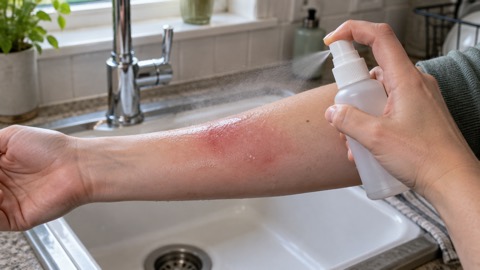 Burnshield Hydrogel Spray 125ml
 Burnshield Hydrogel Gel 50ml
 EpiPen Adrenaline Auto-Injector