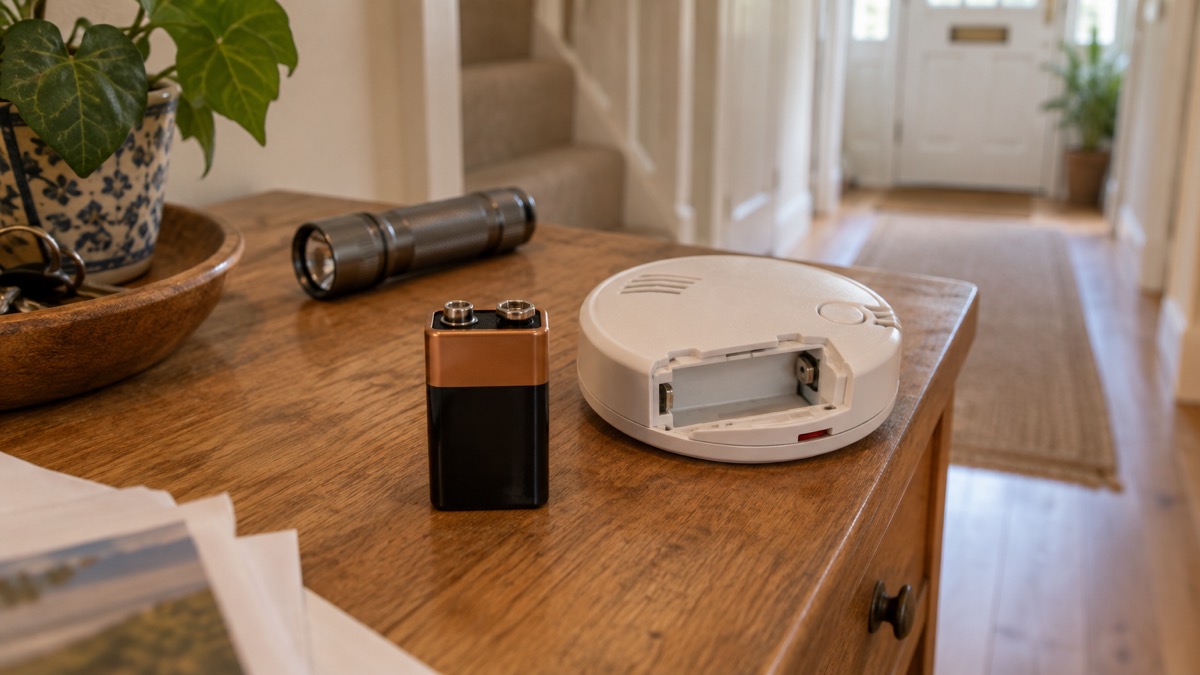
The Duracell MN1604 is a 9V alkaline battery, the rectangular block with two terminals on top that most basic UK smoke alarms run on. For a household getting ready for a power cut, a storm or a night-time fire, it does two jobs: it keeps the smoke alarm working when the mains has gone, and it sits in a drawer as the spare you fit the moment an alarm starts chirping. Fire and rescue services advise replacing the battery once a year, or whenever the low battery warning sounds1.
What matters most is not the brand on the wrapper but the routine around it. Fit a fresh one in every alarm you have, keep a spare where you can find it in the dark, store it so the terminals cannot touch metal, and never put it in a charger. Duracell states plainly that any attempt to recharge a non-rechargeable battery could result in rupture or leakage3. When it is spent, it goes to a battery recycling point, not the bin4.
This page covers what the battery is, what it will and will not do in an emergency, how to store and carry spares safely, and where a used or damaged one has to go. It does not give a price, and it does not set this battery against any other.
What the MN1604 is, and what it does for a household
The MN1604 is Duracell's 9V alkaline battery. It is a general purpose battery, the same family as the AA, AAA, C and D sizes, and Duracell states that it voluntarily stopped using mercury in its general purpose batteries, including the 9V size, in 19933. The battery is made mainly from common metals, steel, zinc and manganese, and Duracell says these do not pose a risk to health or the environment if the battery is used and disposed of appropriately7.
In a household plan its role is narrow and important. Basic smoke alarms run off nine volt batteries, and these should be replaced on a regular basis1. Mains-linked alarms are not exempt: Northern Ireland's official fire safety guidance notes that smoke alarms linked to home mains electrics contain a nine volt back up battery that needs to be changed according to the manufacturer's instructions8. So even a hard-wired alarm in a house that never loses power still depends on a 9V cell to keep working in a power cut, which is exactly when a fire is more likely and harder to escape.
Beyond alarms, a 9V battery is the size that fits a range of small household devices, and Duracell's general position is that its alkaline batteries suit the devices they are sold for. The Duracell brand page sets out the wider range if you are working out what your own devices take.
| What it is | Detail |
|---|---|
| Size and shape | 9V block, two terminals on top |
| Chemistry | Alkaline, made mainly from steel, zinc and manganese7 |
| Mercury | Mercury-free; mercury stopped in general purpose batteries including 9V in 19933 |
| Rechargeable | No. Only batteries labelled "rechargeable" should be recharged3 |
| Typical household use | Smoke alarms, including the back-up cell in mains-linked alarms1 |
| Other names you may see | 6LR61, 6F22, PP3 |
Smoke alarms: when to fit a fresh battery
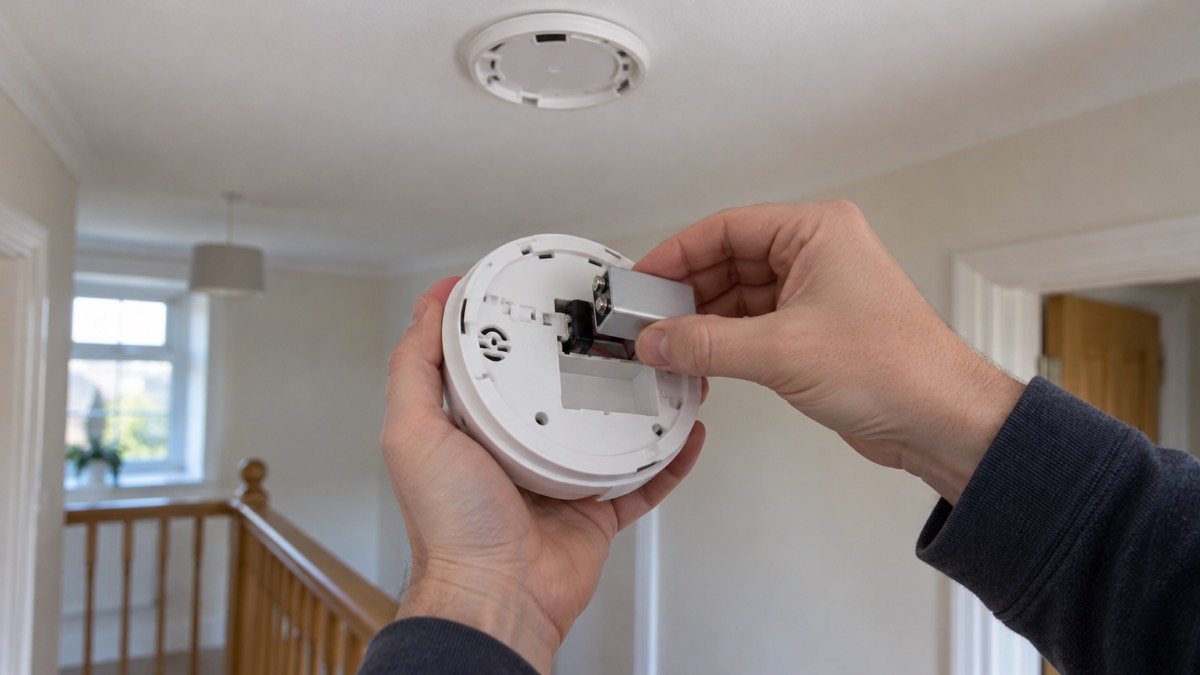
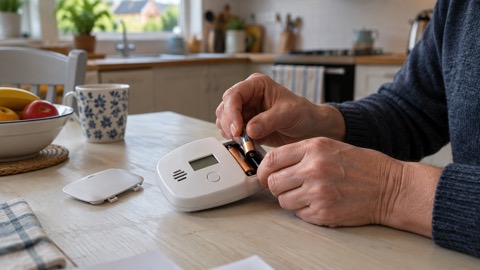
Fit a fresh battery at least once a year, and again the moment the alarm chirps. That is the advice from both the maker and the fire and rescue services, and they agree. Duracell recommends changing the battery in a smoke alarm a minimum of once a year, even where disposable batteries are used3. Warwickshire Fire and Rescue Service advises replacing expired batteries with new ones annually, or whenever the low battery warning sounds2. Somerset's fire safety guidance puts it the same way: change the battery every year, unless it is a ten-year alarm, or when you need to10. Suffolk Fire and Rescue Service's alarm factsheet lists it as a yearly task: replace the battery11.
A few practical points follow from that.
- Do it on a date you will remember. A birthday, the clock change, the first of a month. The advice is annual, so the routine needs an anchor.
- Do every alarm on the same day. If you have several, work through them together so none is missed.
- Test after fitting. Press the test button and confirm the alarm sounds. Electrical Safety First urges residents to test their alarms, and reports the case of a man who escaped a blaze with his family thanks to a working smoke alarm12.
- Do not use a standard rechargeable in an alarm. Duracell states that, because of its safety nature, the smoke alarm is not an ideal device for standard rechargeable batteries13.
"Basic smoke alarms run off nine volt batteries, and these should be replaced on a regular basis."
If your alarm keeps chirping after a fresh battery, the fault may be the alarm rather than the cell. Why Does My Smoke Alarm Keep Chirping? walks through the causes, and When to Replace a Smoke, Heat or CO Alarm covers when the unit itself has reached the end of its life. If you are choosing alarms in the first place, Smoke Alarms: Types and How to Choose One and Sealed 10-Year or Replaceable Battery Alarms set out the choice between an alarm you battery yourself and one you throw away at the end of its life.
Storing spare 9V batteries safely
A spare battery is only useful if it is still good and has not damaged anything in the drawer. Duracell's storage advice is simple: store batteries in a dry place at normal room temperature without the contacts touching5. Its wider advice for getting the most from a battery is to turn off battery-operated radios and appliances when they are not in use, remove batteries from devices that will not be used for a while, and store them dry at room temperature with the contacts not touching14.
The most common mistake is the loose battery in a drawer of odds and ends. Duracell prints a caution on its packaging warning consumers not to carry or store batteries loose in a pocket or purse, because they can be shorted by contact with metal objects and leak or rupture and cause personal injury6. A 9V battery is particularly exposed here: its two terminals sit close together on the same face, so a bunch of keys or a paperclip across them is all it takes.
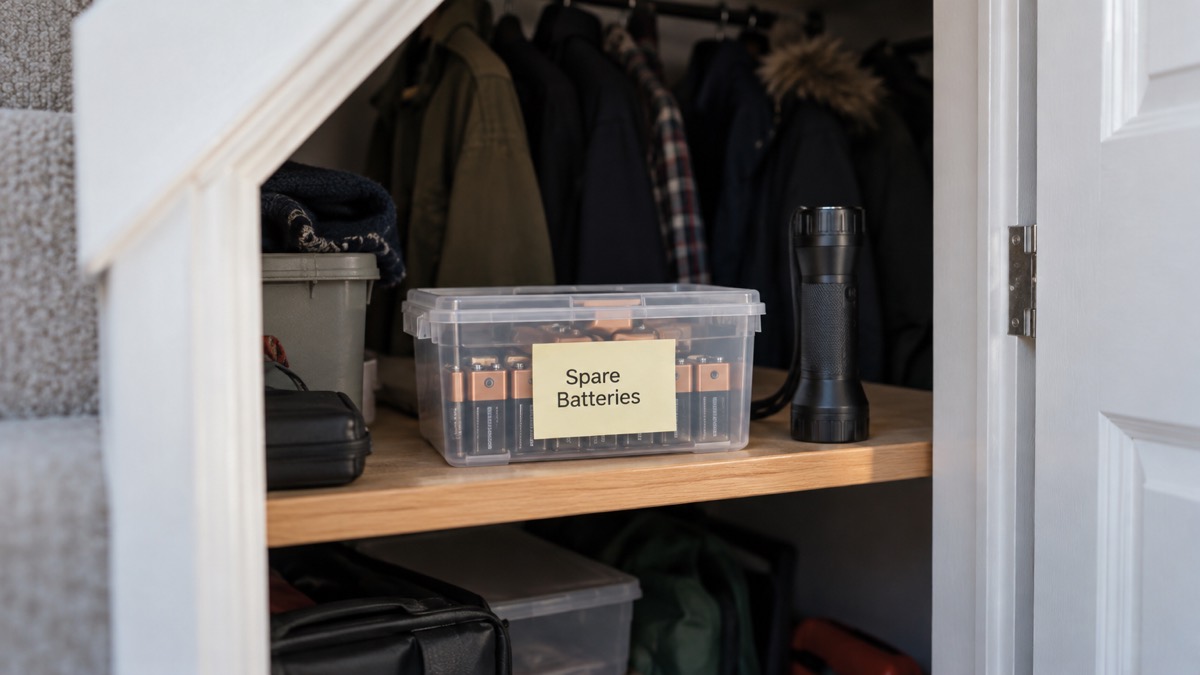
For a household emergency kit, the sensible arrangement is a small labelled box or bag holding the spares you need, kept somewhere you can reach in the dark. Guidance for disabled people and carers is to have spare batteries for your hearing and assisted communications devices, and if you rely on a battery pack for your device, to keep a spare battery fully charged15. The Emergency Kit section covers what else belongs alongside them, and Extra Help in an Emergency covers planning for a household that depends on powered equipment.
Why a 9V battery must never be recharged
An alkaline 9V battery is not rechargeable, and putting one in a charger is dangerous. Duracell's instruction is unambiguous: only batteries that are specifically labelled "rechargeable" should be recharged, and any attempt to recharge a non-rechargeable battery could result in rupture or leakage3. The same warning appears across Duracell's safety guidance16.
This matters in an emergency because a power cut is exactly when people look for ways to make things last. A charger that has no mains power is useless anyway, and a battery forced through one can leak into the device or rupture. If you want a battery you can recharge, the answer is to buy one designed for it: Duracell states that you can use rechargeable batteries in absolutely any device where you would normally use an alkaline battery, unless the device manufacturer states otherwise18. It also advises that all rechargeable batteries should be recycled, and that other batteries can and should be recycled as well19.
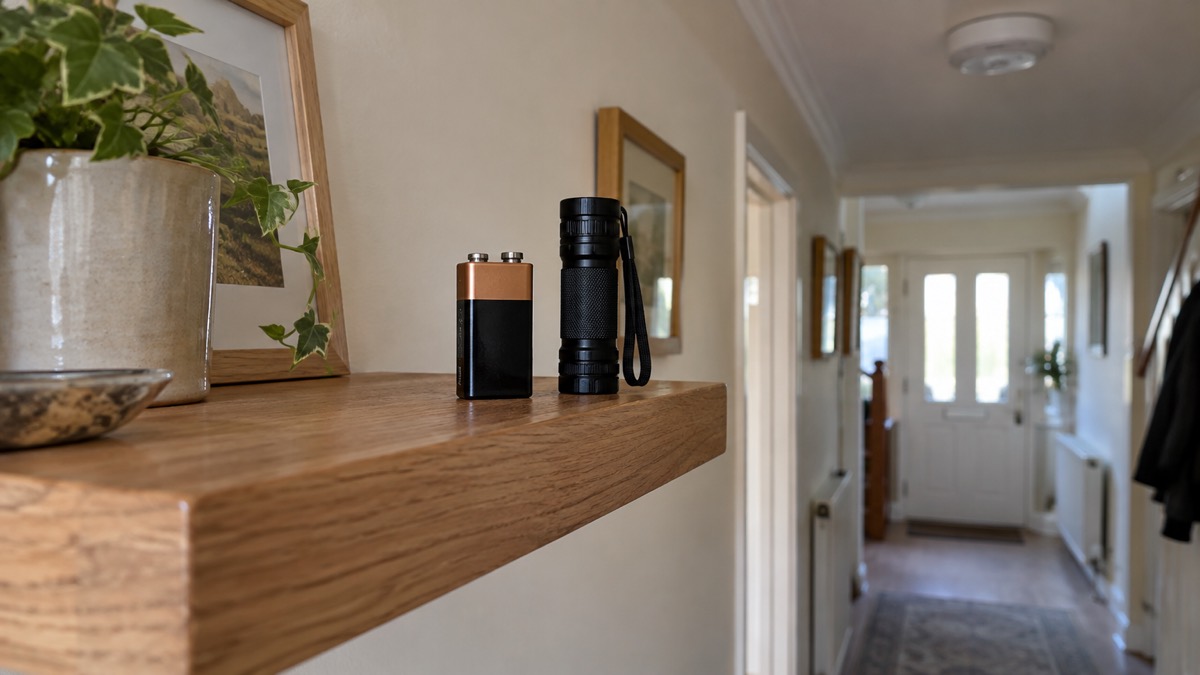
For a household preparing for power cuts, the practical answer is a stock of disposable 9V cells plus a torch or lantern that takes the same size, rather than a charging routine. The Backup Power at Home section covers the wider question of what to run and how, and Emergency Lighting at Home covers torches and lanterns.
Cold weather, hot cars and where the battery should live
Temperature is the main thing that shortens a battery's useful life in storage. Duracell recommends storing batteries at room temperature in a dry environment, states that extreme heat or cold reduces battery performance, and says refrigeration is not necessary or recommended16. Its cells are designed to be used under normal atmospheric conditions and in fairly constant temperatures of approximately 21 °C, and are not designed for use underwater or in vacuum conditions16.
That has a few consequences for a household plan.
- Do not keep spares in a shed, garage or loft where they will freeze in winter or bake in summer. A kitchen drawer or hall cupboard is better.
- Do not refrigerate them in the belief it preserves them. The maker says it is not necessary or recommended16.
- If a device must work in the cold, Duracell recommends premium alkaline batteries, which it says perform much better than zinc carbon batteries under such conditions16.
A battery that has turned warm in a pocket is not necessarily faulty. Duracell's caution is about batteries becoming warm when not in use, which points to a short circuit rather than body heat6. If a spare is hot to the touch with nothing connected to it, treat that as a fault and stop using it.
Where a damaged or used battery must go
A spent 9V battery does not go in the household bin or the normal recycling. Duracell advises that all rechargeable batteries should be recycled, and that other batteries can and should be recycled as well19. The fire and rescue services are firmer still, because of what happens when batteries are crushed in a bin lorry or at a waste centre. If you need to dispose of a damaged or end of life battery, do not dispose of it in your household waste or normal recycling: punctured or crushed, these batteries can cause fires in bin lorries, recycling and waste centres21.
The routes are straightforward.
- Take it to a battery recycling point at your local recycling centre, or to local shops that collect them4.
- Take damaged or end of life batteries to your local household waste recycling centre, the tip, if in doubt23.
- If a battery is damaged, swollen or overheating, take it directly to the Reuse and Recycling Centre24.
- If the battery cannot be removed from a device, treat the whole item as electrical waste and take it to a household waste recycling centre or return it to a retailer when buying a replacement25.
Support, safety and where to get help
Duracell publishes its own safety and disposal guidance online, including what to do if a battery leaks. Its clean-up instructions are to work in a well-ventilated area, wear household gloves and glasses, remove the leakage from the electrical contacts with a toothbrush or cotton swab, and make sure the device is completely dry before trying a new battery27. For alkaline leakage, it advises one tablespoon of boric acid in one gallon of water, or a 50/50 mix of diluted vinegar or lemon juice with water27. The Duracell brand page is the place to start for the maker's own support material.
For fire safety questions closer to home, your local fire and rescue service is the right first call, and the Home Emergencies section covers what to do in a fire, a carbon monoxide alarm and a gas leak. If you are deaf or hard of hearing, Smoke and CO Alarms for Deaf and Hard of Hearing People covers alarms that use other methods. The Priority Services Register is how a household that depends on powered medical or communications equipment can ask for help during a power cut.
Sources (27)
- Smoke alarms, Derbyshire Fire and Rescue Service, 2026-02-17
- Smoke alarms and CO detectors, Warwickshire County Council, 2026-10-29
- Can alkaline batteries be recharged, Duracell, 2026-10-26
- Hidden batteries could spark Christmas chaos, Suffolk County Council, 2025-12-04
- Does it matter what type of battery I use, Duracell, 2026-10-26
- Battery turned warm in pocket, Duracell, 2026-10-26
- Can I use rechargeable batteries in a device, Duracell, 2026-10-26
- Fire safety and prevention, nidirect, 2025-06-09
- Lithium-ion batteries, National Fire Chiefs Council, 2026-10-09
- Household fire safety, Somerset Council
- Smoke alarms factsheet, Suffolk Fire and Rescue Service, 2014-01-09
- Ipswich man escapes blaze thanks to life-saving smoke alarm, Electrical Safety First, 2026-10-25
- Can I use Plus Power batteries in devices, Duracell, 2026-10-26
- Batteries affected by temperature, Duracell, 2026-10-26
- Create a household emergency plan, Dumfries and Galloway Council, 2026
- I dispose of batteries, Duracell, 2026-10-26
- Help, Duracell, 2026-11-02
- Can I recharge any battery, Duracell, 2026-10-26
- I light a battery fire, Duracell, 2026-10-26
- How long do batteries last, Duracell, 2026-10-26
- E-bikes and e-scooters, Scottish Fire and Rescue Service, 2026-10-25
- NFCC guidance on e-bikes and scooters, National Fire Chiefs Council, 2022-01
- E-bikes, e-scooters and mobility scooters, Greater Manchester Fire and Rescue Service, 2026-10-29
- Battery safety, Tower Hamlets Council, 2026-10-29
- Lithium battery fire safety, Tandridge District Council, 2026-10-29
- Laptops and notebooks, Electrical Safety First, 2026-10-25
- Batteries removed from devices, Duracell, 2026-10-26

 FireAngel FA3313 CO Alarm
 FireAngel FA3322 CO Alarm
 FireAngel FA3820 CO Alarm
 FireAngel FA6812 CO Alarm
 FireAngel FA6813 CO Alarm
 FireAngel FA6829S CO Alarm
 FireAngel CW1-PF CO Alarm
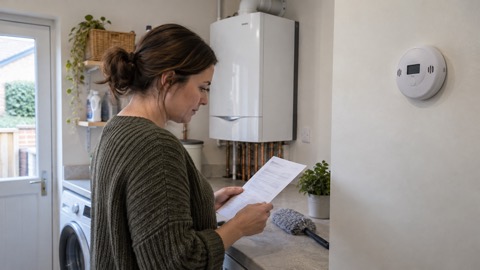 FireAngel W2-CO-10X CO Alarm
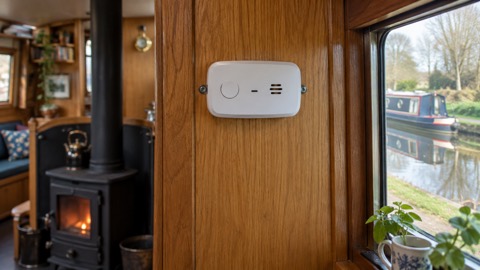 FireAngel FP1820W2-R CO Alarm
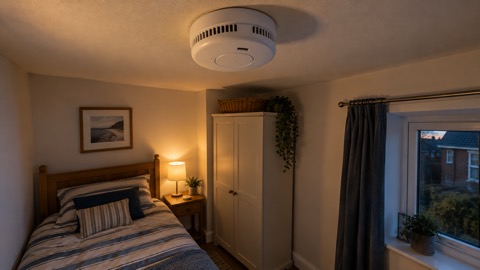 FireAngel FP2620W2-R Alarm
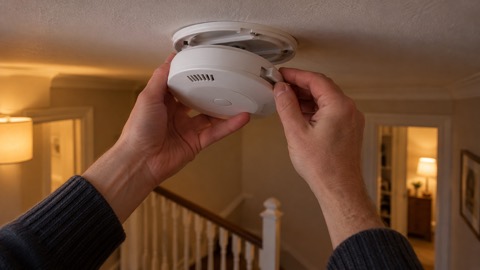 FireAngel ST-632 Smoke Alarm
 FireAngel ST-750 Smoke Alarm