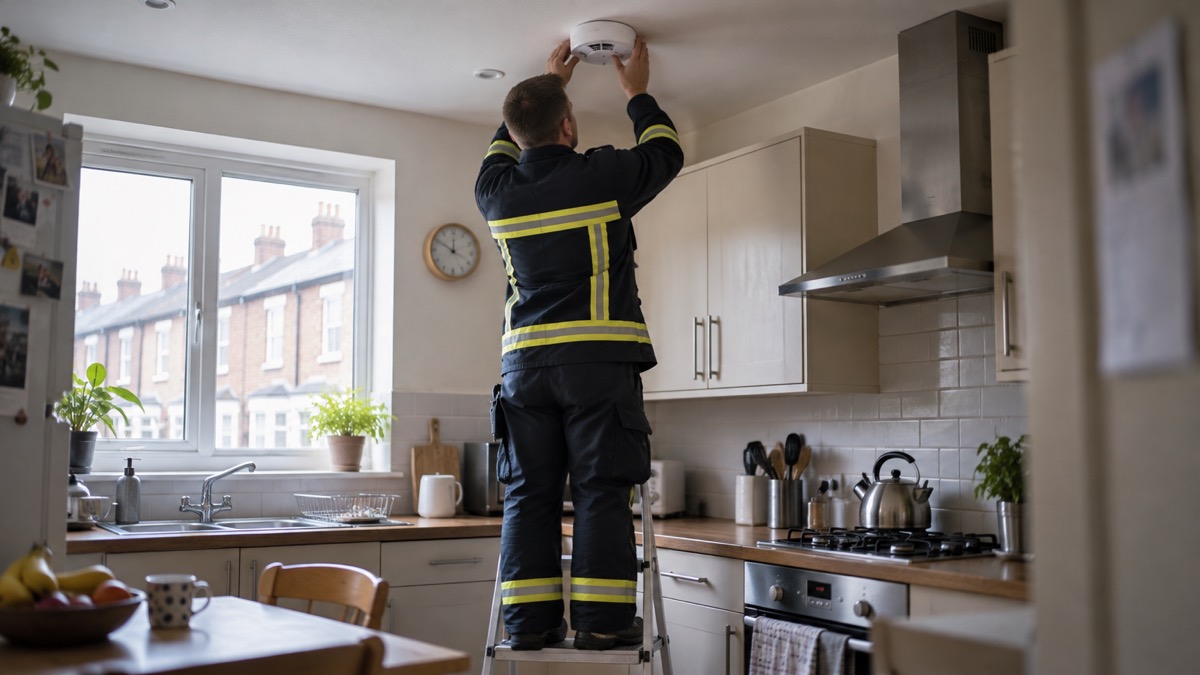
The Firehawk FHH10-RF is a battery-powered heat alarm that links wirelessly to other Firehawk alarms, so a fire in the kitchen can set off the smoke alarms upstairs. It senses heat rather than smoke, which makes it the alarm for places where a smoke alarm would keep going off: kitchens, garages and unconverted loft spaces1. For a household getting ready for emergencies, its value is that it keeps working when the mains power fails, and that it can be tied into one alarm network across the house.
It is a sealed-battery unit with a ten-year lithium battery, and the battery activates automatically when the alarm is fitted to its mounting plate3. The maker's specification sheet gives a maximum of 20 interlinked RF-Link alarms, or 15 if the hard of hearing alarm is included1. No heat alarm should be further than 5.3 metres from other heat or smoke alarms4.
This page covers what the alarm does, where it goes, how the radio linking works, how the mounting plate switches it on and off, and how to keep it ready for the day you need it.
What the FHH10-RF is and what it does for a household
The maker describes the FHH10-RF as a battery radio interlinked heat alarm1. In plain terms it is a heat alarm that runs on its own sealed battery and talks to the other alarms in the Firehawk RF-Link range without any wiring between them. The FHH10, the same alarm without the radio link, is listed as a heat alarm with a sealed-in 10 year lithium battery6.
For emergency planning, three things follow from that description. First, because it is battery powered and not wired to the mains, a power cut does not silence it. That matters in the kind of event where the electricity goes off and a household is relying on candles, a camping stove or a portable heater, all of which raise the fire risk at exactly the moment the mains alarms in some homes would be running on backup only. Second, because it is interlinked, an alarm in the kitchen can warn people asleep upstairs. Third, because it is a heat alarm rather than a smoke alarm, it will not be set off by steam, cooking fumes or dust in the way a smoke alarm can.
The maker lists the FHH10-RF as suitable for use as part of a Grade F1 system, which its guidance describes as a system of one or more battery powered detectors powered by a tamper proof primary battery or batteries7. If you are working out how your alarms fit together, the page on alarm standards and system grades explains the grades in full.
Heat detection: a thermistor, not a smoke sensor
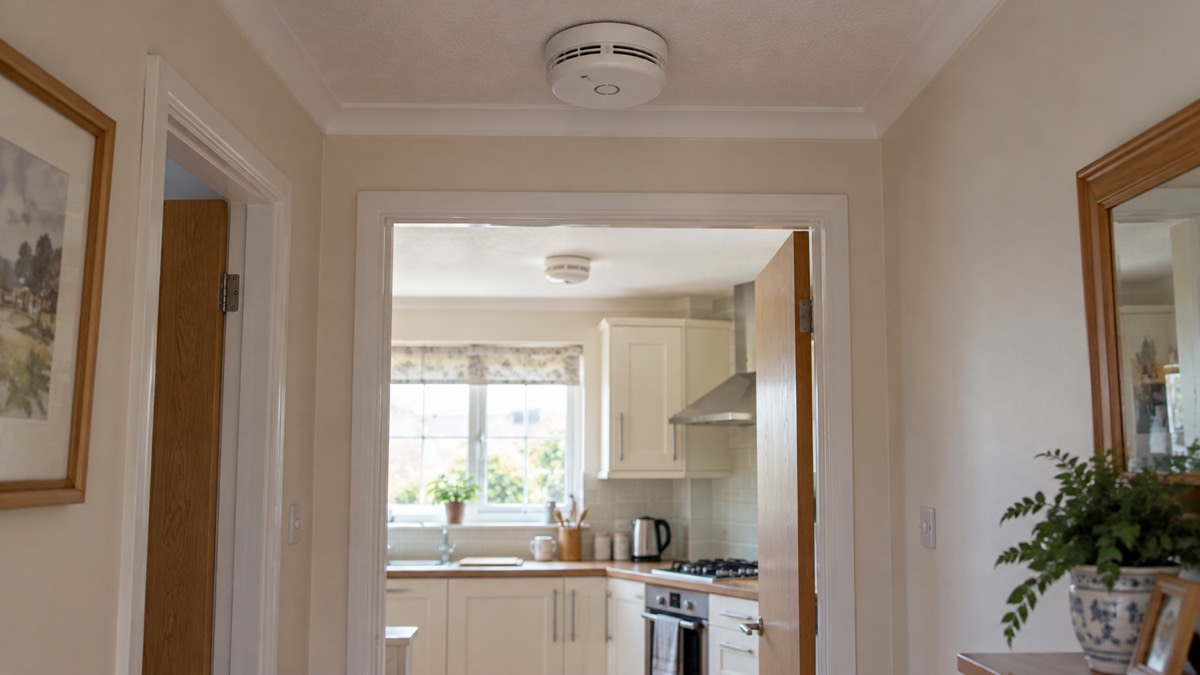
The FHH10-RF uses advanced thermistor detection controlled by bespoke software5. A thermistor is a component whose electrical resistance changes with temperature, and the alarm's software watches it for the rapid rise that means a fire. The same thermistor approach runs through the maker's mains heat alarms, which Firehawk describes as using advanced thermistor based detection and being used where smoke alarms are unsuitable8.
The difference between the two alarm types is worth understanding, because it decides where each one goes. FireAngel, another alarm maker, explains that a smoke alarm detects smoke particles using an optical or ionisation sensor, while a heat alarm detects temperature changes using a thermistor9. A heat alarm therefore responds later than a smoke alarm to a slow, smouldering fire, because it waits for heat to build. That is the trade: fewer false alarms in a kitchen, at the cost of a slower response to some fires. It is why heat alarms are fitted alongside smoke alarms rather than instead of them. The comparison page on heat alarms or smoke alarms sets out which goes where.
The distributor listing for the FHH10 describes the heat sensor as ideal for kitchens, garages and unconverted loft spaces2. Those are the rooms where cooking, dust, exhaust fumes or stored clutter would otherwise trip a smoke alarm repeatedly, and where a household may be tempted to disconnect an alarm that keeps going off. A heat alarm removes that temptation.
Radio interlink with the Firehawk RF-Link range
The FHH10-RF is compatible with the Firehawk RF-Link range of smoke alarms (FHB10-RF), heat alarms (FHH10-RF), carbon monoxide alarms (CO10-RF), the RF-Link module for mains alarms (FHN600RF) and the hard of hearing alarm (FHN800HIA)1. Firehawk describes the system as easy setup RF-Link interconnectivity for all smoke, heat, carbon monoxide and hard of hearing alarms10.
| Device | What it adds to the network |
|---|---|
| FHB10-RF smoke alarm | Smoke detection on escape routes and landings1 |
| FHH10-RF heat alarm | Heat detection in kitchens, garages and lofts1 |
| CO10-RF carbon monoxide alarm | Warning of carbon monoxide from fuel-burning appliances1 |
| FHN600RF RF-Link module | Brings RF-Link equipped mains smoke and heat alarms into the network1 |
| FHN800HIA hard of hearing alarm | A control unit for people who need more than sound1 |
The maker's limit is 20 interlinked RF-Link alarms, or a maximum of 15 if the FHN800HIA is used1. That ceiling is generous for a typical house, but it is worth counting if you are fitting out a large or extended property, because an alarm beyond the limit will not join the group.
Linking matters most in an emergency at night. A heat alarm in a kitchen that sounds only in the kitchen gives little warning to someone asleep at the far end of the house. Once linked, the whole network sounds together, which buys the minutes needed to get out. The page on interlinked alarms explains how linking works across alarm types. The FireHawk RF-Link range is compatible with the Smoke Alarms (FHB10-RF), Heat Alarms (FHH10-RF), CO Alarms (CO10-RF), RF-Link Module for Mains Alarms (FHN600RF) and the Hard of Hearing Alarm (FHN800HIA)11.
The Auto Switch Mounting Plate: how power turns on and off
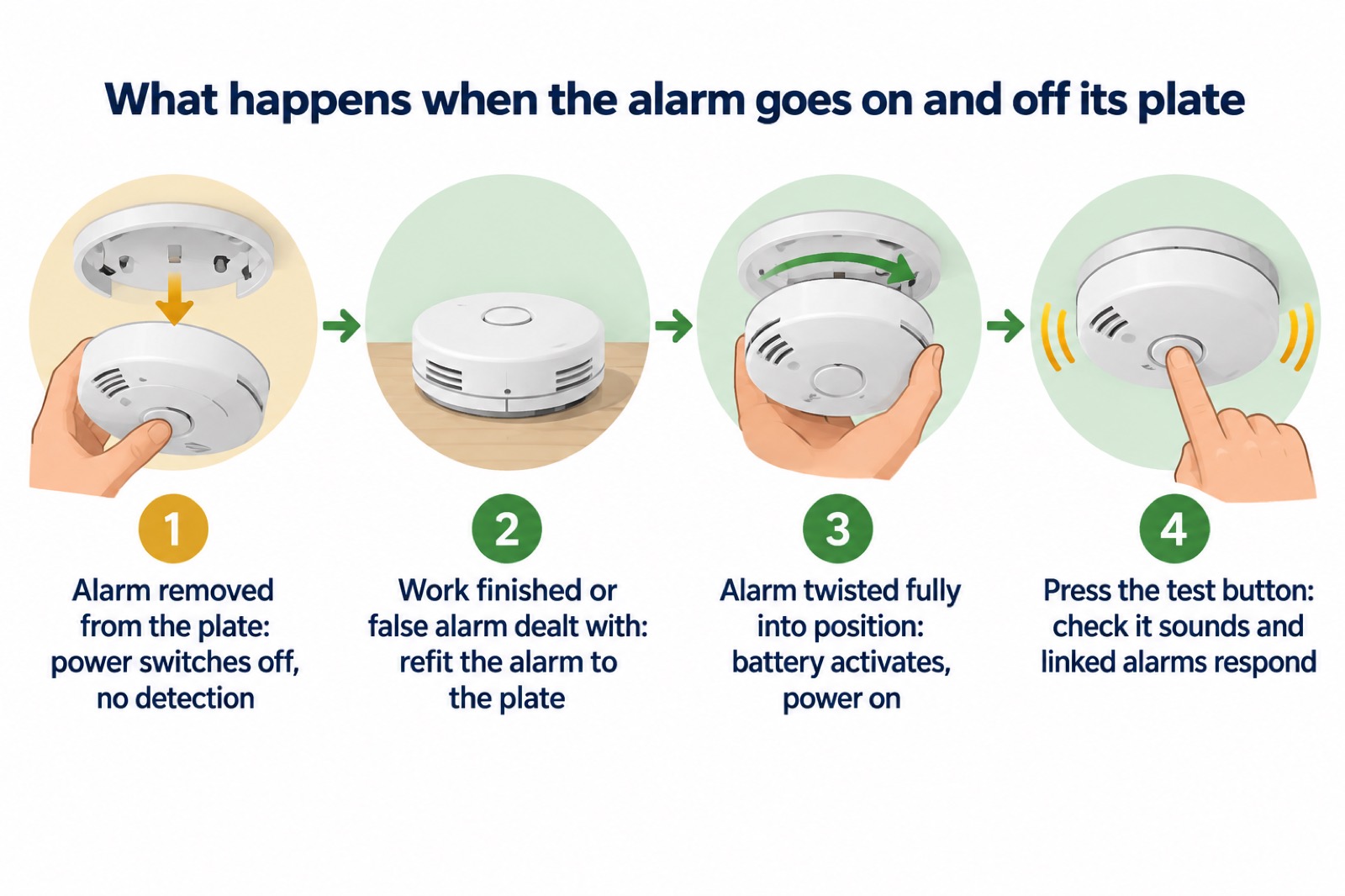
The FHH10-RF uses an Auto Switch Mounting Plate. Power is automatically switched on when the alarm is attached to its mounting plate and off when it is removed5. The distributor describes the same behaviour: the sealed, tamper-proof lithium battery activates automatically when the alarm is fitted to the mounting plate, and the alarm powers on and off when attached to or removed from the base plate2.
That design has two consequences for a household. The good one is that the battery is not draining on a shelf before installation, and there is no tab to pull or battery to fit. The one to watch is that an alarm taken down for decorating, or left on a worktop after a false alarm, is not protecting anyone.
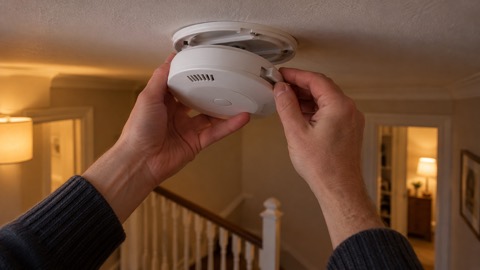
FireAngel's installation guidance for its own battery powered heat alarm describes the fitting action: position the alarm on the plate, then turn clockwise until the alarm is locked into position, making sure it is twisted fully, which activates the battery installation12. The principle carries across: the alarm must be fully seated and locked for the plate to switch it on.
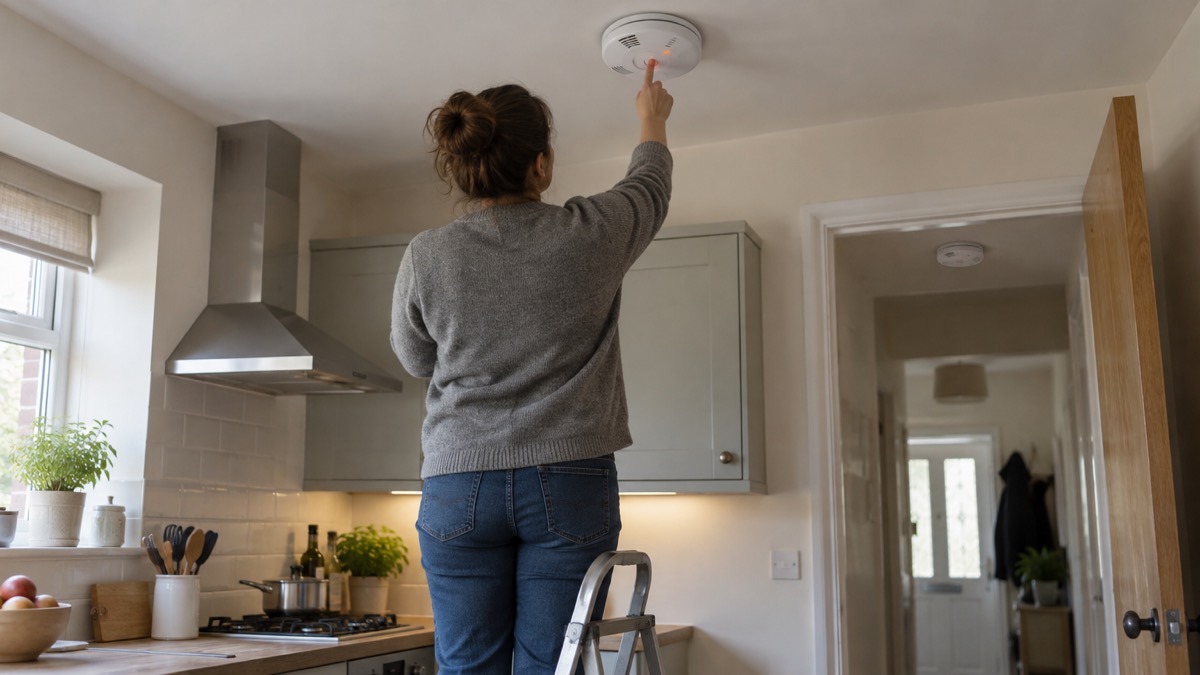
Where the alarm goes matters as much as how it is fixed. The detection element of the heat alarm should be between 25mm and 150mm below the ceiling4. Do not locate it near fans or extractors, because these can pull smoke and heat away from the alarm4. In a kitchen that means thinking about the extractor hood and any ceiling fan before you choose the spot. The page on heat alarms covers siting in more detail.
Keeping it ready through a power cut or an emergency
A heat alarm earns its place in an emergency plan because it does not depend on the mains. The sealed-in 10 year lithium battery power supply means the alarm keeps watch when the electricity is off6. That is the scenario a household preparing for power cuts should picture: the lights are out, someone is using a camping stove or a candle, and the alarms are still working.
There are still things that can go wrong, and most of them are about the alarm being out of service rather than the battery failing.
- It has been taken off its plate. As above, a removed alarm is off. Check every alarm is seated after decorating, a false alarm or any work near the ceiling5.
- It has been silenced and forgotten. FireAngel's guidance for its own alarms says that if an alarm carries on sounding, remove it from its base plate13. If you follow that step with the FHH10-RF, remember the plate switches it off, so refit it once the cause is dealt with.
- It is too far from the next alarm. Keep to the 5.3 metre spacing so the network covers the house4.
- It is next to an extractor or fan. Move it if heat is being pulled away4.
For the wider picture of what to fit and where, the fire safety checklist and the guide to smoke alarms set out the rest of a household system. If you are choosing between a sealed battery alarm and one with a replaceable battery, the comparison of sealed 10-year or replaceable battery alarms covers the trade-offs.
Where it fits in a household alarm plan
A heat alarm is one part of a system, not a substitute for it. The usual arrangement is smoke alarms on escape routes and landings, a heat alarm where smoke alarms would be unsuitable, and a carbon monoxide alarm wherever there is a fuel-burning appliance or flue. The FHH10-RF fills the middle role and can be linked to the other two through the RF-Link range1.
| If your home has | The FHH10-RF's part |
|---|---|
| No alarms at all | Start with smoke alarms on escape routes, then add a heat alarm in the kitchen9 |
| Mains-wired alarms already | Check whether they can join RF-Link through the FHN600RF module before adding battery alarms1 |
| A hard of hearing household member | The network can include the FHN800HIA, within the 15 alarm limit1 |
| A solid fuel stove or boiler | Pair the heat alarm with a CO10-RF carbon monoxide alarm on the same network1 |
Firehawk also lists an interlinkable version, the FHH10W, for interlinking to smoke alarms6. If you are buying for a new system, check which version your existing alarms will talk to. The page on wireless or wired interlinked alarms compares the two approaches.
For households in Wales and Northern Ireland, where alarm rules differ from England, the guide to Wales and Northern Ireland alarm rules sets out what applies. In every nation the principle is the same: the alarm must be fitted, working and able to warn the whole household.
Support, warranty and where to get help
Firehawk publishes support material for its heat alarms, including installation and maintenance guidance14. The maker's product pages and manuals are the place to check the model, the pairing steps and the fitting instructions for your own alarm5. The Firehawk brand page gathers the maker's range in one place.
If an alarm is beeping or chirping and you are not sure why, the guides to why a smoke alarm keeps chirping and how often to test alarms cover the common causes. When an alarm reaches the end of its service life, the page on when to replace an alarm explains what to do.
For the wider emergency plan this alarm belongs to, start with Home Emergencies and the fire safety checklist. If a fire does start, the guide to what to do if a fire starts in your house and the fire escape plan tell you what to do next.
Sources (14)
- Firehawk FHH10-RF Spec Sheet, Fireblitz, 2025
- 10 Year Sealed Lithium Battery Heat Alarm Firehawk FHH10, Safelincs, 2026
- Battery Powered Heat Alarm product page, Fireblitz, 2026
- Firehawk FHH10-RF Manual, Fireblitz, 2025
- Battery RF-Link Heat Alarm product page, Fireblitz, 2026
- FRS Heat Alarm, Fireblitz, 2026
- Fire Alarms and British Standards, Fireblitz, 2026
- Firehawk Mains Heat Alarms, Fireblitz, 2026
- FireAngel Homeowner FAQs, FireAngel, 2026
- Why Choose Firehawk Alarms, Fireblitz, 2026
- RF-Link Pairing Guide, Fireblitz
- Installing Your Battery Powered Heat Alarm, FireAngel, 2024
- What Does My Smoke Alarm Beeping Mean?, FireAngel, 2026
- FRS Support: Heat Alarms, Fireblitz

 FireAngel FA3313 CO Alarm
 FireAngel FA3322 CO Alarm
 FireAngel FA3820 CO Alarm
 FireAngel FA6812 CO Alarm
 FireAngel FA6813 CO Alarm
 FireAngel FA6829S CO Alarm
 FireAngel CW1-PF CO Alarm
 FireAngel W2-CO-10X CO Alarm
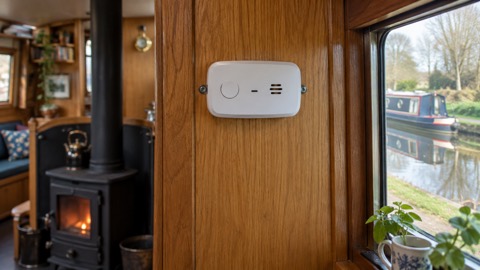 FireAngel FP1820W2-R CO Alarm
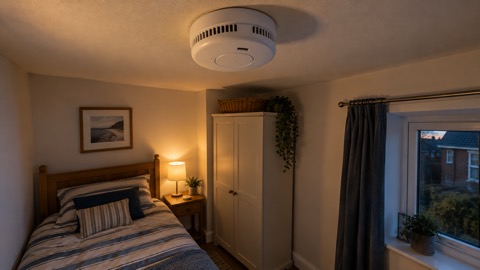 FireAngel FP2620W2-R Alarm
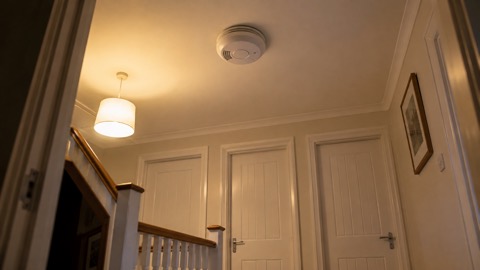
 FireAngel ST-632 Smoke Alarm
 FireAngel ST-750 Smoke Alarm