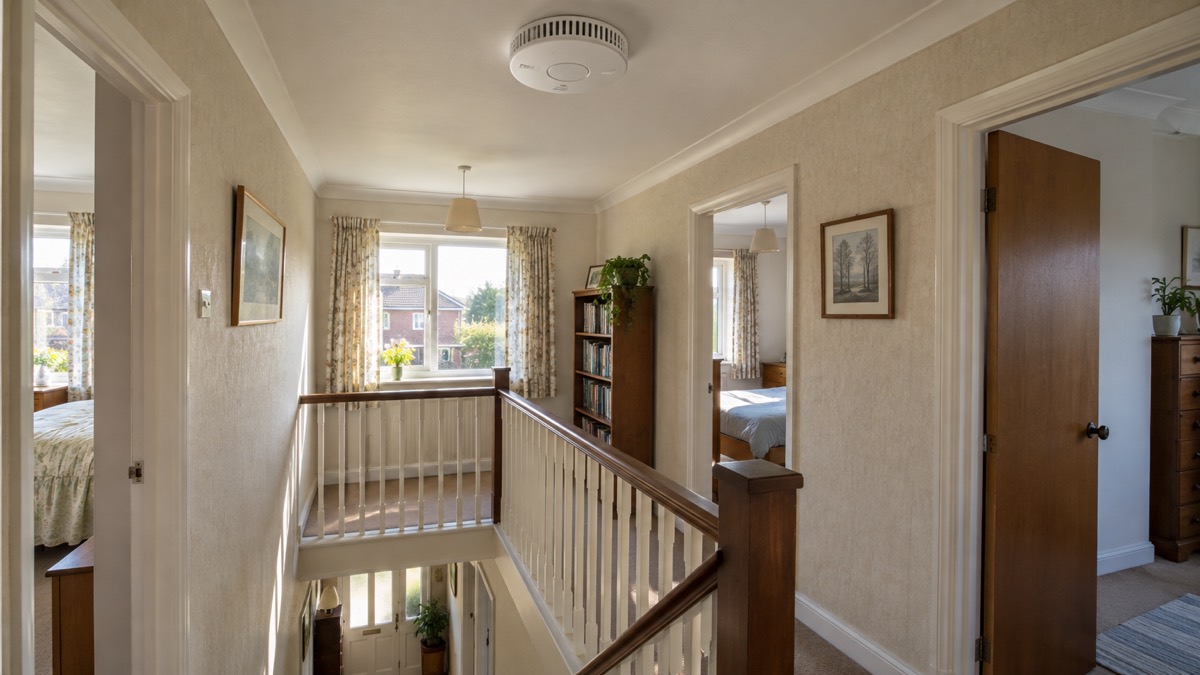
The FireAngel FA8922BW-R is a combined smoke and heat alarm: one unit that watches for both the smoke of a slow, smouldering fire and the sudden heat of a fast, flaming one. FireAngel's datasheet lists it as certified to EN 14604:2005/AC:2008 and BS 5446-2:2003, the European smoke alarm standard and the British heat alarm standard, and it carries Bluetooth wireless linking on the 2.4GHz band so it can be joined to other compatible FireAngel alarms1.
For a household getting ready for emergencies, that combination matters most at the point where a fire starts while everyone is asleep or the power is out. A combined unit covers two fire types in one ceiling position, and the wireless link means an alarm sounding in one room can raise the others. It is not a carbon monoxide alarm, so it does not replace a CO alarm near a boiler, fire or cooker.
This page sets out what the FA8922BW-R detects, what its certifications mean, how it sits among the other FireAngel alarms you might link it to, and where to go when it needs support.
What the FA8922BW-R does: smoke and heat in one unit
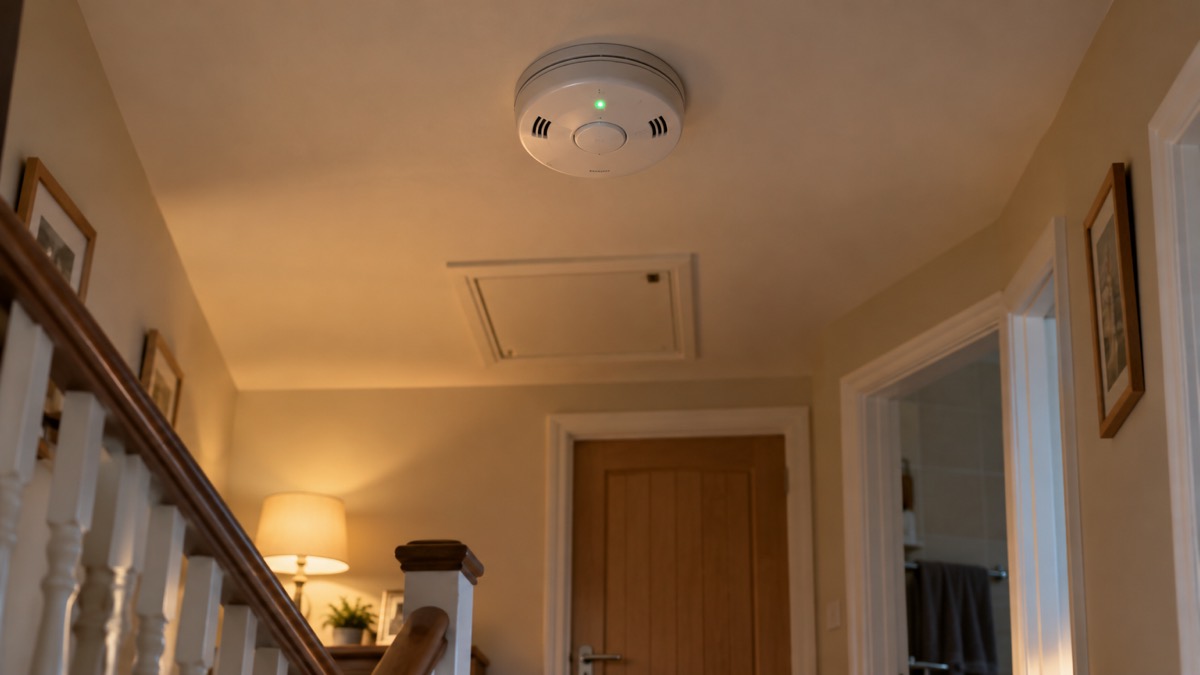
A conventional smoke alarm responds to smoke particles. A heat alarm responds to a rapid rise in temperature. The FA8922BW-R does both jobs in a single fitting, which FireAngel's product page describes as dual-sensor fire detection3. In practice that means the unit is intended to react to a slow, smouldering fire that fills a room with smoke before it flames, and to a fast fire that throws out heat quickly with little smoke, such as one involving soft furnishings or a build-up of clutter.
For an ordinary household, the value is in coverage. Rather than choosing between a smoke alarm and a heat alarm for a hallway, landing or living room, one unit covers both signatures. That is useful in the rooms where a fire could begin either way, and it simplifies what you have to test and maintain.
The wireless side is what makes it a preparedness item rather than just a detector. The datasheet gives the wireless protocol as Bluetooth on 2.4GHz1, and FireAngel's manual covers the FA8922BW alongside the FA8620BW and FA8720BW as a family of smoke, heat and combination alarms with Bluetooth information2. Linked alarms mean that a fire detected in the kitchen can sound a warning on the landing above, which is the difference between waking in time and not.
What it does not do is detect carbon monoxide. If your home has a gas boiler, a gas fire, a wood burner or an open fire, you need a separate CO alarm as well; the site's guide to carbon monoxide alarms sets out what they do and where they go. The FA8922BW-R is a fire alarm, and its job is to give the household time to get out.
Certifications: what EN 14604 and BS 5446-2 mean for you
The two standard numbers on the box are the reason you can trust the unit to do what it claims. EN 14604 is the European standard for smoke alarms, and BS 5446-2 is the British standard for heat alarms. The FA8922BW-R is listed as a wireless interlink smoke and heat alarm, so it covers both functions in one unit1.
| Standard | What it covers | Where it appears on this alarm |
|---|---|---|
| EN 14604:2005/AC:2008 | Smoke alarms | Datasheet and manual1 |
| BS 5446-2:2003 | Heat alarms | Datasheet and manual1 |
| RED 2014/53/EU | Radio equipment, covering the wireless link | Datasheet1 |
The RED entry is the one that covers the Bluetooth radio rather than the sensing, and it is the reason the wireless linking can be sold in the UK and EU. FireAngel states more broadly that its alarms are certified to meet British and European safety standards including BS EN 14604 and BS 5446-2, and that they carry the BSI Kitemark6. Scotland's fire service guidance names BS EN14604:2005 as the standard a smoke alarm should meet7, so a unit carrying this mark is built and tested to a recognised standard rather than an unknown one.
Why this matters for a household preparing for emergencies: an alarm is only useful if it works when the moment comes, and certification is the evidence that it has been tested to a published standard rather than to a maker's own specification. When you are buying for a home you may have to rely on in a power cut, a storm or a night-time fire, that evidence is the thing to check on the box. The site's guide to alarm standards explains how these standards fit with the building regulations system grades.
Where the FA8922BW-R fits in a household plan
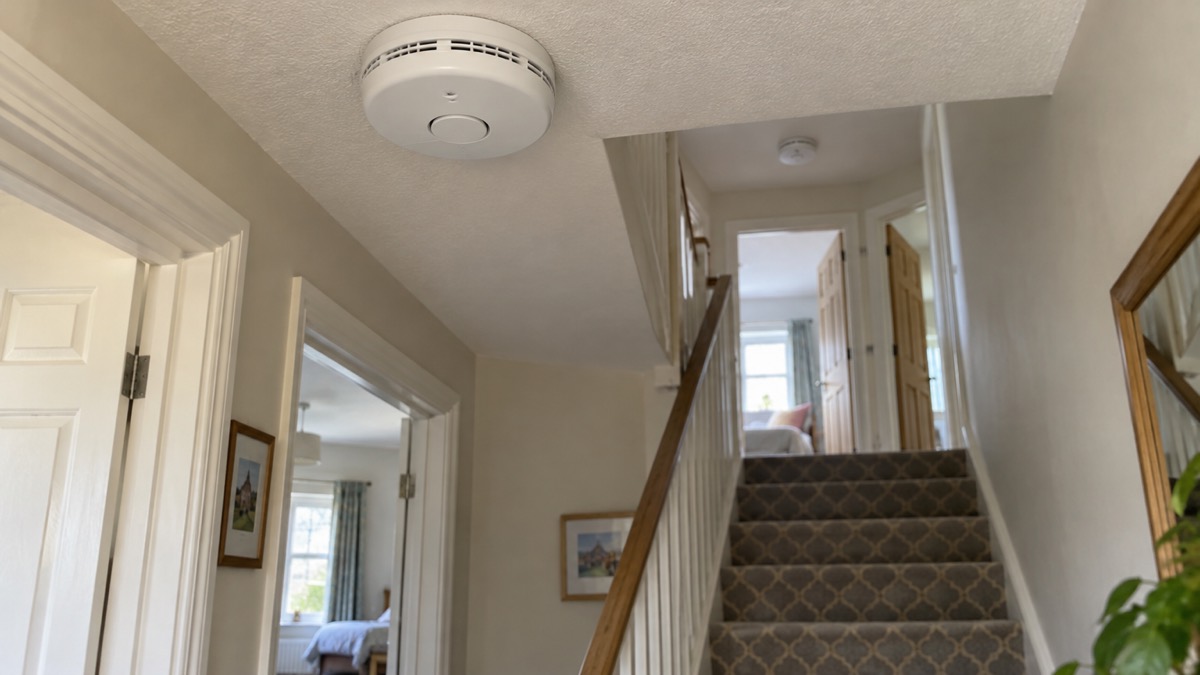
A fire alarm is the one piece of emergency kit that has to work without you doing anything. In a power cut, a flood or a storm, when the household is tired, distracted or asleep, the alarm is what buys the minutes to get out. That is why it belongs in the same planning conversation as the escape route and the meeting point, not just the shopping list.
The FA8922BW-R suits a household that wants one unit to cover both fire types in a key room, and that may later want to link alarms across the home. It is less suited to a household that only wants a basic smoke alarm in a hallway, where a single-sensor unit will do the job. The site's comparison of heat alarms and smoke alarms sets out which goes where, and the guide to smoke alarms covers the types available.
Where it earns its place in a preparedness plan is in the rooms where a fire could start either way: a living room with soft furnishings and electrical equipment, a hallway with a cupboard of coats, a landing above a kitchen. A combined unit there covers the smouldering start and the fast flame from one fitting.
Pair it with the rest of the plan. The site's guide to making a fire escape plan covers the route and the meeting point, and what to do if a fire starts in your house covers the moment itself. For flats, the guide to fire in a block of flats explains why the advice differs. If someone in the household is deaf or hard of hearing, the guide to alarms for deaf and hard of hearing people covers the alternatives that use vibration or flashing lights.
Related alarms in the FireAngel range
The FA8922BW-R is one of a family of wireless interlink alarms. FireAngel's datasheet lists the range as the FA8615BD wireless diagnostic smoke alarm, the FA8720BW wireless interlink heat alarm, the FA8922BW wireless interlink smoke and heat alarm, the FA8827BW wireless interlink CO alarm and the FA4557BW wireless gateway4. The same datasheet names the FA8620BW alongside them1.
| Alarm | What it detects | Why you might link it |
|---|---|---|
| FA8615BD | Smoke, with diagnostics | A wireless diagnostic smoke alarm in the same range4 |
| FA8720BW | Heat | A wireless interlink heat alarm in the same range4 |
| FA8922BW-R | Smoke and heat | Hallways, landings and living rooms1 |
| FA8827BW | Carbon monoxide | A wireless interlink CO alarm in the same range4 |
| FA4557BW | None: a gateway | A wireless gateway in the same range4 |
Linking is the point of the range. FireAngel states that Pro Connected alarms are backwards compatible with the FireAngel Wi-Safe2 range5, and that the Pro Connected range and the Specification range are all compatible with the FireAngel Gateway8. The Specification range includes the FS2126-T battery multi-sensor smoke alarm, the FS1226-T battery heat alarm and the FS1326-T battery CO alarm8. The gateway itself is the FP1000W2-R Smart Gateway9, and the maker's app pages cover the FireAngel Pro Connected app10 and the Angel Connect app3.
For a household building up alarms over time, that compatibility is what stops you having to start again. You can add a heat alarm for the kitchen, a CO alarm for the boiler room and a gateway for the app, and have them all raise the same warning. The site's guide to interlinked alarms explains how linking works, and the comparison of wireless and wired interlinked alarms covers the trade-offs. If you are choosing between a combined unit and separate alarms, the guide to combined or separate alarms sets out the cases for each.
Keeping it ready: testing, batteries and replacement
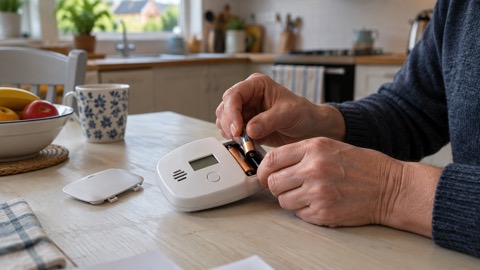
An alarm that has never been tested is an assumption, not a safeguard. The maker's support guidance for its alarms sets out what to do when the indicator light does not show: first check that the alarm is correctly fitted and securely attached to its baseplate; if it is within its warranty period, contact FireAngel Technical Support; if it is outside the warranty period, it may have reached the end of its service life and should be replaced immediately11.
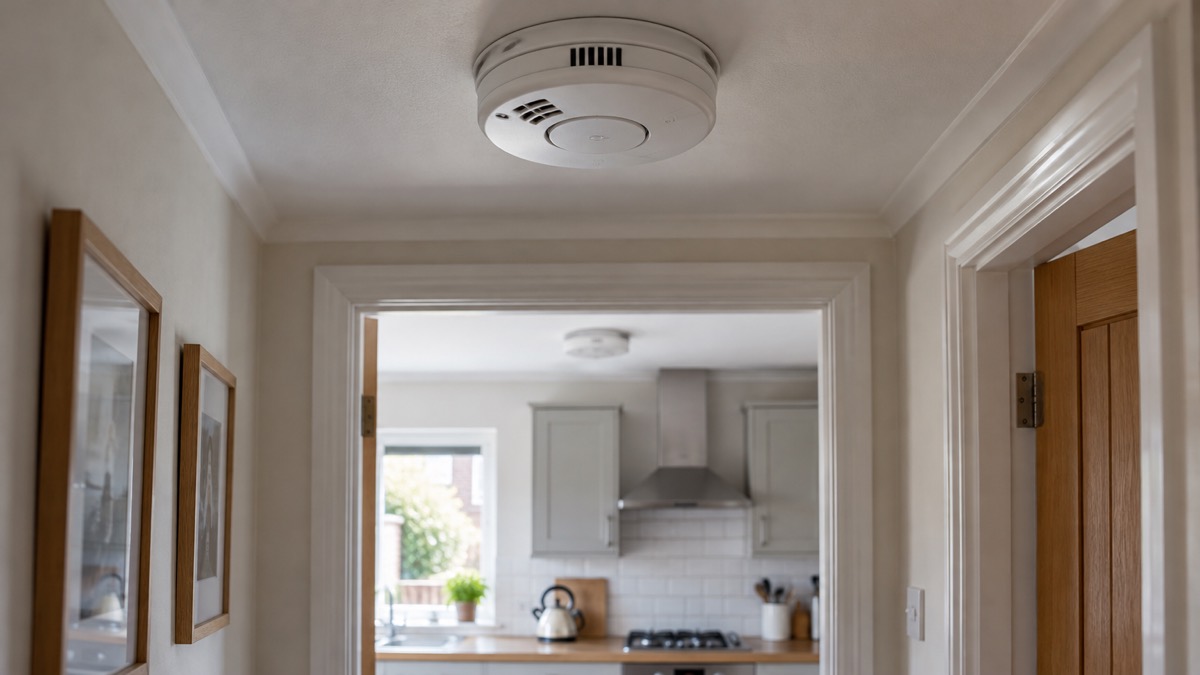
That sequence is worth knowing before an emergency, not during one. A unit that has quietly stopped working is the most common way a household discovers its alarm was not ready. The site's guide to how often to test smoke and CO alarms covers the routine, and when to replace a smoke, heat or CO alarm covers the end of life.
For the mains-powered side of an alarm, FireAngel's troubleshooting advice is to make sure the alarm is correctly located on the base plate and that the mains power supply is on, then to inspect the circuit breaker or fuse, and then to call a qualified electrician5. That order matters: check the simple things first, and do not open up wiring yourself.
Where to get help with your alarm
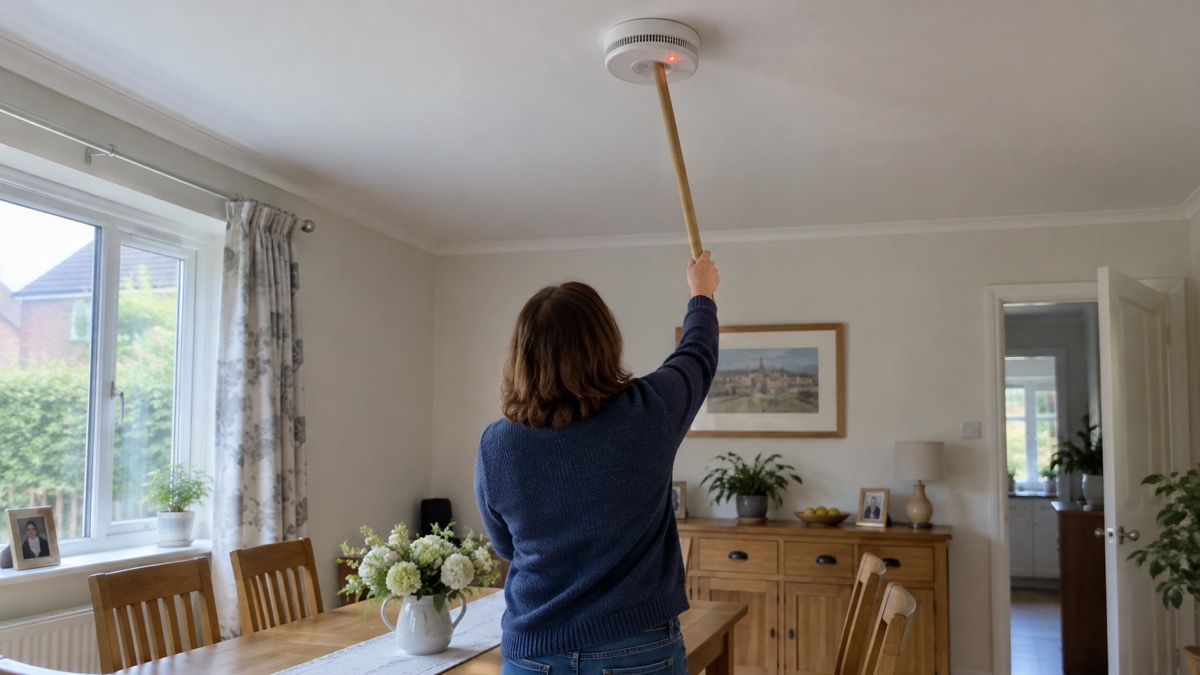
FireAngel's support routes are the first place to go for a fault, a warranty question or help linking alarms. The maker's manual gives the technical support number as 0330 094 583012, and its support article gives the same number for Customer Support5. The product page for the Pro Connected Gateway gives 03300 945 830 for help linking alarms into the network after plugging the gateway in10.
Fire and rescue services also point households to the maker. Staffordshire Fire and Rescue Service advises that residents with issues relating to current smoke alarms can contact 0800 141 2561 or email technicalsupport@fireangeltech.com13. Greater Manchester Fire and Rescue Service gives the same freephone number, 0800 141 2561, for alarms it has fitted that are still covered by its guarantee14. FireAngel's own manual lists 0800 141 2561 for fire and rescue customers alongside the technical support line12.
| Route | Number or address | When to use it |
|---|---|---|
| FireAngel Technical Support | 0330 094 583012 | Faults, warranty, replacement advice |
| FireAngel Customer Support | 0330 094 58305 | General product support |
| Gateway linking help | 03300 945 83010 | Linking alarms after plugging in the gateway |
| Fire and rescue line | 0800 141 256113 | Alarms fitted by a fire service, or general alarm issues |
| technicalsupport@fireangeltech.com13 | Written support requests |
FireAngel's manual also gives a postal address, Vanguard Centre, Coventry CV4 7EZ, and states that the manual is available in large print and other formats on request12. If you need the instructions in another format, that is the route to ask.
For a home fire safety visit, which is how many households get their alarms checked and fitted in the first place, contact your local fire and rescue service; Staffordshire's page on home fire safety visits explains what they involve. The site's guide to how fire and rescue services respond to a call covers what happens when you dial 999. For the wider picture of alarm rules across the UK, the guide to Wales and Northern Ireland sets out where the arrangements differ from England.
FireAngel is the maker of this alarm, and the site's FireAngel page gathers the other models covered.
Sources (14)
- FA8922BW-R Smoke and Heat Datasheet, FireAngel, 2026-07
- FA8620BW, FA8720BW and FA8922BW Smoke, Heat and Combo Manual, FireAngel, 2026-05-08
- Angel Connect App, FireAngel
- FA8620BW-R Smoke Datasheet, FireAngel, 2026-07
- FireAngel FAQs: Product, FireAngel, 2026-10-29
- FireAngel FAQs: General, FireAngel, 2026-11-02
- Alarms, Scottish Fire and Rescue Service, 2025-04-14
- FireAngel FAQs, FireAngel, 2026-11-02
- FP1000W2 Pro Connected Smart Gateway, FireAngel, 2026-10-28
- FireAngel Pro Connected App, FireAngel, 2025-09-18
- FireAngel FAQs: Homeowner, FireAngel, 2026-11-02
- FA3313, FA3322, FA3328 and FA3820 EU Manual, FireAngel, 2024-09
- Home Fire Safety Visits, Staffordshire Fire and Rescue Service, 2026-10-29
- Problem with your smoke or heat alarm, Greater Manchester Fire and Rescue Service, 2026-10-29

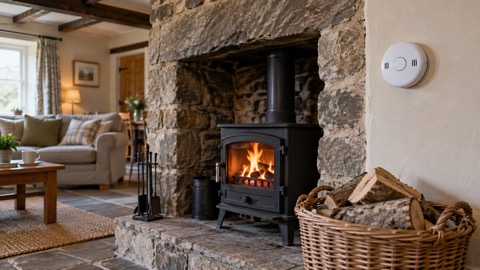 FireAngel FA3313 CO Alarm
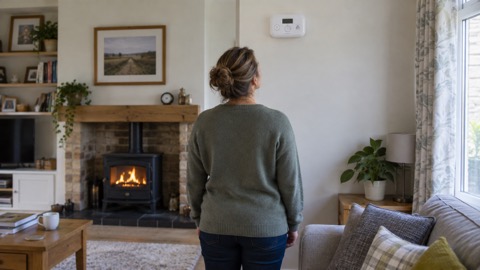 FireAngel FA3322 CO Alarm
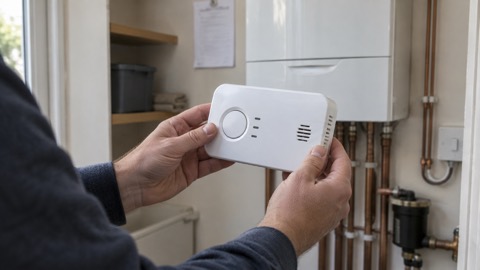 FireAngel FA3820 CO Alarm
 FireAngel FA6812 CO Alarm
 FireAngel FA6813 CO Alarm
 FireAngel FA6829S CO Alarm
 FireAngel CW1-PF CO Alarm
 FireAngel W2-CO-10X CO Alarm
 FireAngel FP1820W2-R CO Alarm
 FireAngel FP2620W2-R Alarm
 FireAngel ST-632 Smoke Alarm
 FireAngel ST-750 Smoke Alarm