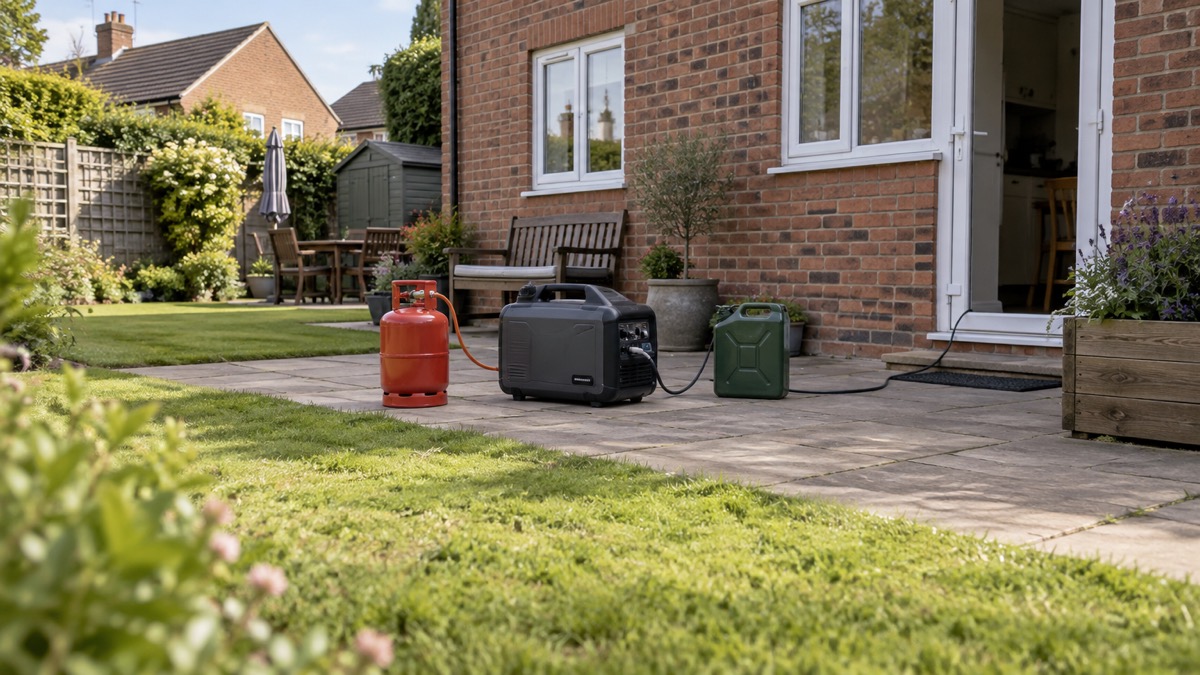
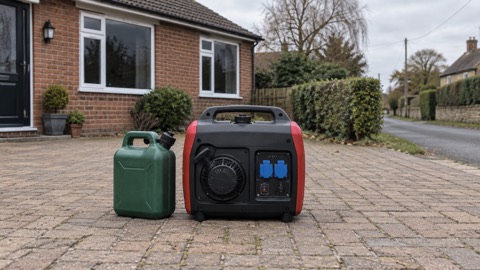
The Champion 82001i-E-DF is a small dual-fuel inverter generator: it runs on petrol or on LPG from a gas cylinder, and it is built to sit in a shed or garage until a power cut and then keep a few essentials going. Champion rates it at 1600W on petrol and 1440W on LPG, with starting outputs of 2200W and 2000W respectively, and says it will run for up to 11 hours at 25% load on its 4.1 litre petrol tank1. It weighs 22.1 kg and measures 430 x 520 x 320 mm, so it is a two-person lift for many households1.
What it is not is a whole-house machine. At 1600W rated it will run a fridge, lights, a router and a phone charger, but not an electric shower, an oven or a heat pump. The maker's figures are the ones to plan from, and the difference between rated and starting output matters: anything with a motor draws a surge when it starts, which is why the starting figure is higher than the rated one1. If you are working out what your own household needs, start with what to keep running when the mains fails and watts, watt-hours and surge explained.
The machine is a dual-fuel inverter, which means two things for a household. Inverter output is a cleaner waveform, which Champion describes as true sine wave technology, so it is suited to electronics as well as motors1. And the dual-fuel design means you can run it from a gas cylinder when petrol is awkward to store, using the 37mBar regulator that comes in the box1. Before you buy or first run one, read the safety sections below: a generator is an outdoor machine, and the risks are carbon monoxide, fuel and electricity.
What the 82001i-E-DF is, and who it suits
This is a suitcase-style inverter generator with a factory-fitted dual-fuel system and what Champion calls a patented easy changeover switch, engineered in the USA at the maker's research facility1. The engine is a 4-stroke OHV unit of 80cc and 1.4 hp, started by recoil pull, with automatic engine speed based on load1. Champion lists an IP23M rating, an economy mode that saves fuel and reduces noise, and a noise level of 53 dBA at 7 metres1.
In household terms, that set of features points to a particular kind of buyer. The low noise figure and the inverter output suit a household that wants to run a fridge, freezer, broadband router, lights and device chargers through an evening outage without the machine dominating the garden. The dual-fuel option suits someone who would rather keep a gas cylinder than store petrol, or who wants a fallback if petrol runs short. The 22.1 kg weight and suitcase format suit someone who can lift it in and out of a shed, but not someone who needs to carry it up stairs.
It does not suit a household expecting to run heavy loads. If you need to run an electric cooker, an immersion heater or a whole house, this is the wrong size of machine, and the generator sizing page explains how to work out what you need. Nor is it a substitute for a battery: a portable power station runs silently indoors and needs no fuel, while a generator needs outdoor siting, fuel and servicing. The comparison of power stations and petrol generators sets the two side by side.
Specifications
Champion's product page gives the full specification. Where a figure is given for both fuels, both are shown.
| Specification | Figure |
|---|---|
| Rated watts | 1600 (petrol), 1440 (LPG)1 |
| Starting watts | 2200 (petrol), 2000 (LPG)1 |
| Max watts | 2000 (petrol), 1800 (LPG)1 |
| Engine | 4-stroke OHV, 80cc, 1.4 hp1 |
| Start type | Recoil1 |
| Fuel | Dual fuel, petrol or LPG1 |
| Fuel capacity | 4.1 litres1 |
| Fuel consumption at 25% load | 0.38 L/hour (petrol)1 |
| Run time | Up to 11 hours at 25% load1 |
| Oil tank | 380 ml1 |
| AC outlets | 2 x 240V1 |
| DC output | 12 / 8.31 |
| USB connection | Yes1 |
| Inverter output | True sine wave1 |
| Parallel connectivity | Yes1 |
| Low oil shutoff | Automatic1 |
| Overload protection | Yes1 |
| Regulator type | 37mBar, included1 |
| Noise level | 53 dBA at 7m1 |
| IP rating | IP23M1 |
| Weight | 22.1 kg1 |
| Dimensions | 430 x 520 x 320 mm (HxLxW)1 |
| Certifications | E10 Petrol Compliant, EU Stage V, UKCA1 |
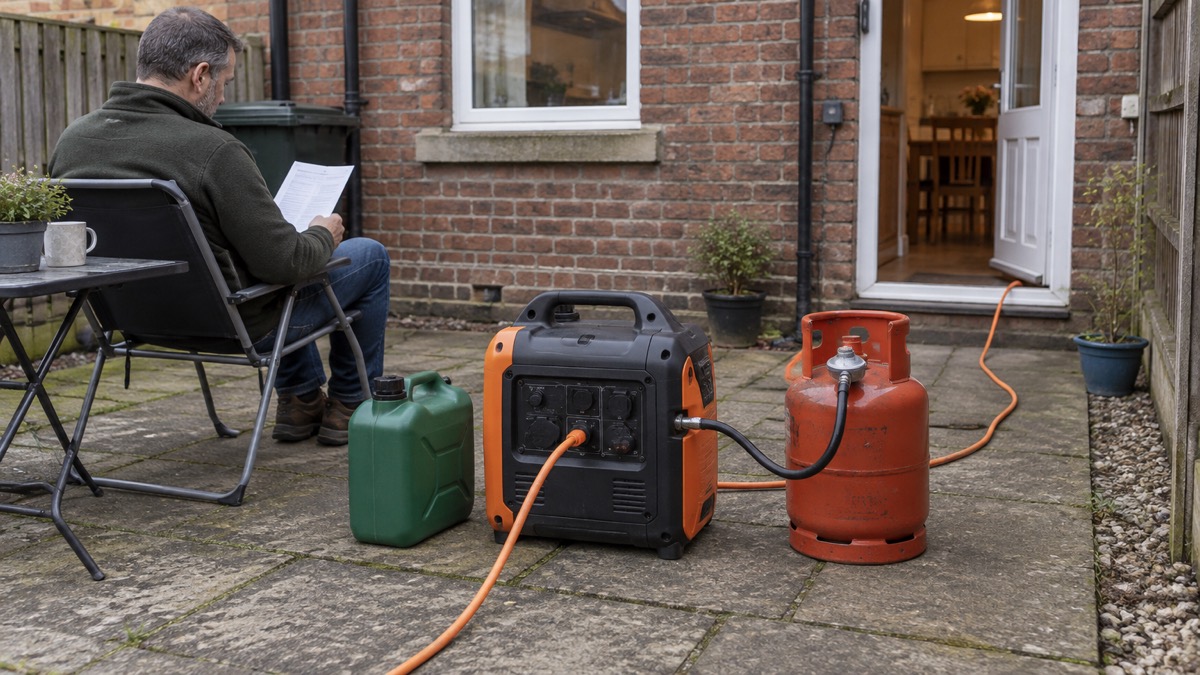
Two of these deserve a note. The IP23M rating is a weather protection rating, not a licence to run the machine in heavy rain; the generator in rain page covers what is and is not safe. And the DC output is listed only as "12 / 8.3", so do not assume a particular socket type or a particular device will work from it without checking the manual1.
What it can power, and for how long
The rated output is the figure to plan from: 1600W on petrol and 1440W on LPG1. In practice that covers a domestic fridge or freezer, a few LED lights, a broadband router, a phone or laptop charger and a television, provided the total running load stays under the rated figure and you allow for the surge when a motor starts. It will not cover an electric kettle, an electric shower, an oven or any form of electric heating alongside those loads.
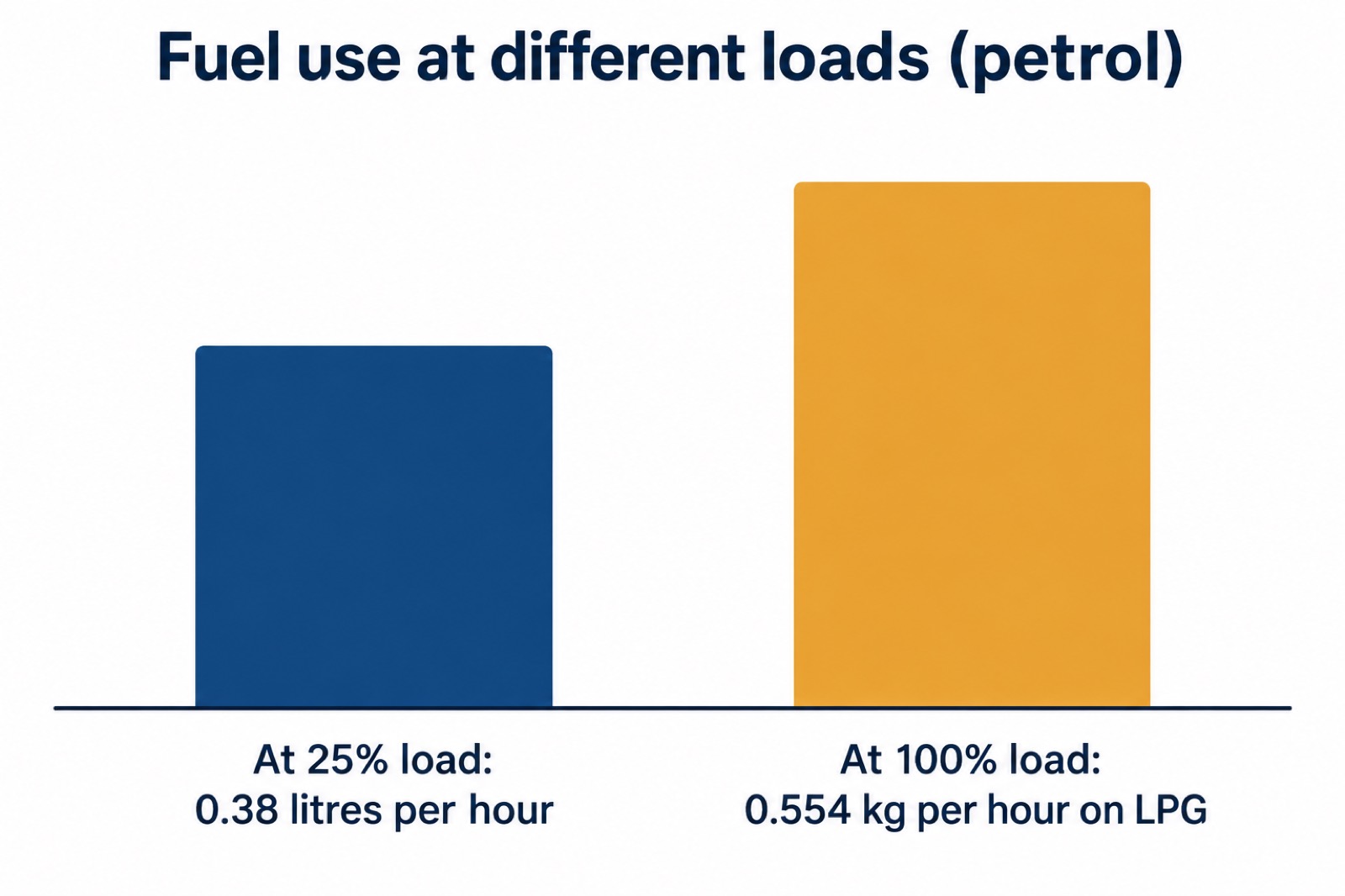
Run time is quoted as up to 11 hours at 25% load on the 4.1 litre tank1. That is a light load, roughly a quarter of the rated output, so a household running a fridge and a few lights should expect to be nearer that figure than a household running close to the rated output. Champion also gives fuel consumption of 0.38 litres per hour at 25% load on petrol1. The maker's page also quotes consumption at full load, 0.554 kg per hour on LPG, which shows how much faster a heavily loaded machine drinks fuel; the two sets of figures are for different loads and should not be read as a contradiction1. Champion notes that bottled gas is about 30% to 50% cheaper to run currently than petrol, and that the larger the cylinder the cheaper the gas becomes1. For the general arithmetic, see how long a generator runs on a tank of fuel.
On LPG there is no tank figure to quote, because run time depends on the cylinder you connect, not on the machine. Champion states that bottled gas is about 30% to 50% cheaper to run currently than petrol, and that the larger the cylinder the cheaper the gas becomes1. That is the maker's own claim about running cost, and it is the reason many households choose the dual-fuel version. The LPG or petrol generator comparison sets out the trade-offs.
Running it on LPG: regulator, changeover switch and cylinder
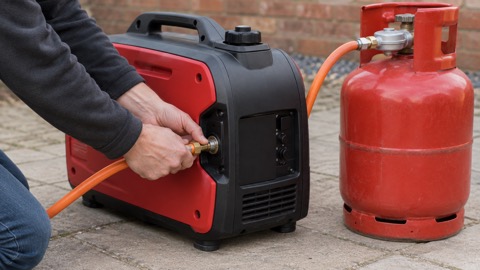
The machine comes with a 37mBar regulator1, and Champion describes the changeover switch as patented and easy to use, with the dual-fuel system factory fitted1. The practical sequence is: connect the regulator to the cylinder in line with the maker's instructions, connect the hose to the machine, check the hose for leaks as part of the pre-use check, then start the engine and switch to gas.
The regulator and hose are where independent safety guidance matters most. Liquid Gas UK, the trade body for the LPG industry, advises that regulators should be connected to cylinders in accordance with the manufacturer's instructions, that a regulator not fitted directly to the cylinder outlet and any changeover valve should be secured higher than the cylinder outlet so the hose slopes down to the cylinder valve, and that you should never tamper with regulators2. It also advises replacing a regulator if it shows signs of wear, leakage or damage, and checking that a new regulator is clearly marked BS EN 161292.
On the age of a regulator, Liquid Gas UK says that if the instructions have been lost or do not give replacement information, the regulator should be replaced not more than 10 years after manufacture3. Most LPG cylinders in the UK are the property of the gas company, which owns, fills, maintains and inspects them under UKLPG Code of Practice 12, so treat the cylinder as the supplier's equipment and return or exchange it through them rather than modifying anything4. Champion's warranty for this machine is voided if it is modified, including by exhaust extension and filtration, or installed improperly in any outbuilding, shed, garage, confined space or vehicle1. The LPG cylinders and regulators page covers cylinder handling in more detail.
Checks every 8 hours or before each use
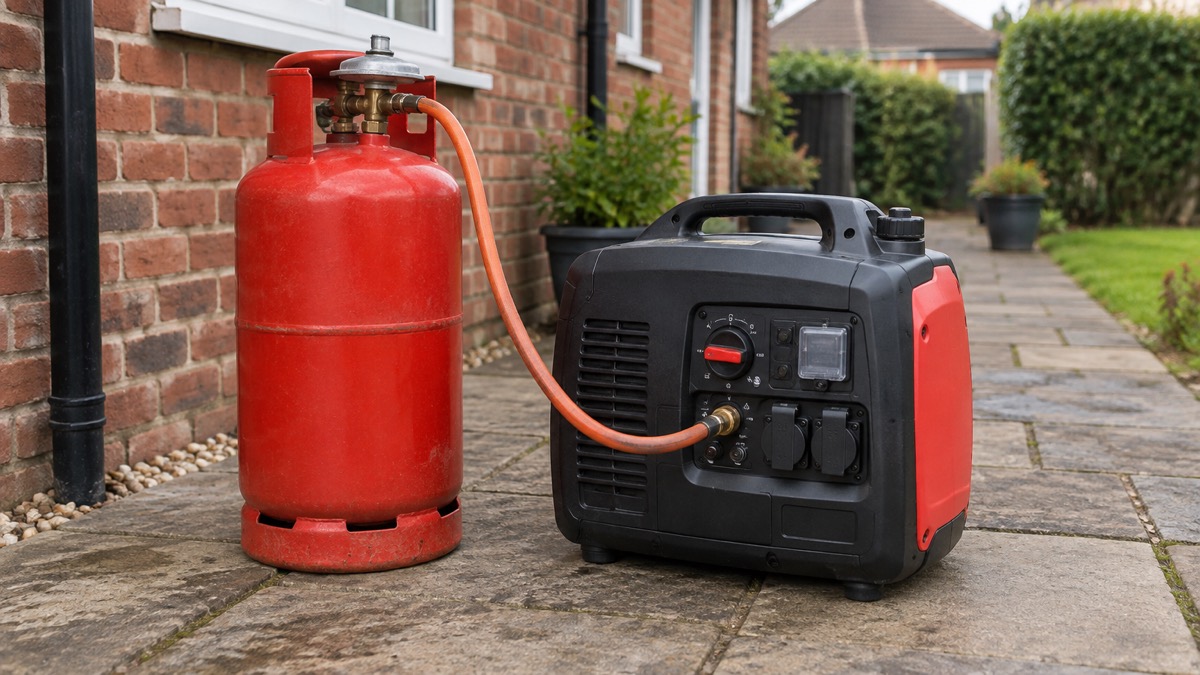
Champion's service schedule for this model is short and specific: every 8 hours or prior to each use, check the oil level, clean around the air intake and muffler, and check the propane (LPG) hose for leaks1. The same 8-hour interval for oil and for cleaning around the air intake and muffler appears across Champion's generator range and its inverter and dual-fuel service guides, so it is the maker's standard routine rather than something specific to this model5.
In practice, that means a short check each time you wheel the machine out:
- Oil: check the level before starting. The oil tank holds 380 ml, and the low oil shutoff is automatic, so the machine will protect itself, but a check is still the maker's instruction1.
- Air intake and muffler: clean around both, so cooling air can flow and debris does not sit against a hot surface1.
- LPG hose: check for leaks before every use if you run on gas1.
The manual is in the box, along with the LPG regulator, a funnel and USB charger1. Read it before the first start, because the warranty assumes the machine has been used as the maker sets out.
Safety: carbon monoxide, fuel and electricity
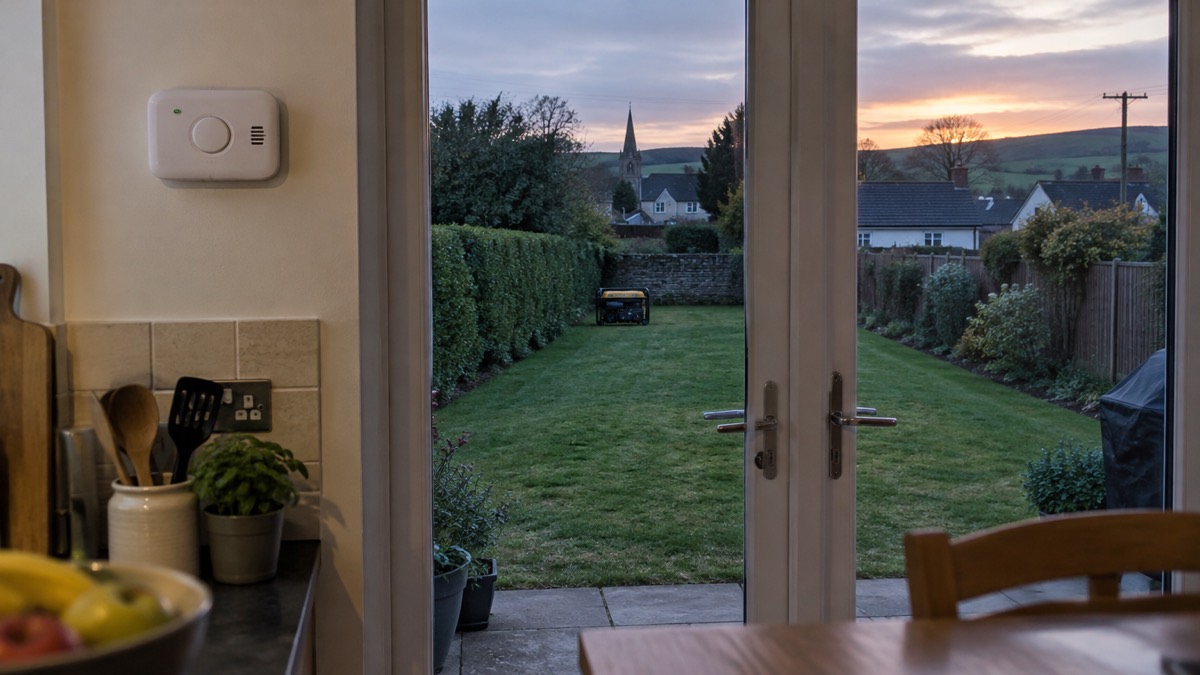
A generator is an outdoor machine. Champion's warranty is voided if the product is installed improperly, including in any outbuilding, shed, garage, confined space or vehicle1. That is a warranty condition, but it reflects the same hazard the fire and rescue service and the Health and Safety Executive warn about: carbon monoxide from a generator is colourless and can kill. Run the machine outdoors, away from doors, windows and vents, and never in a garage even with the door open. The generator safety page and carbon monoxide from generators page set out the warning signs and what to do.
Fuel brings its own rules. Petrol must be stored in a suitable container and in a quantity you can use, and the petrol storage page covers the limits. LPG brings the regulator and hose checks above. On electricity, the machine has two 240V outlets and overload protection1. Never connect the generator to your home's wiring yourself: the connecting to the home's wiring page explains what a proper connection involves and why it is not a DIY job.
Linking two generators, and the outputs
Champion states that the 82001i-E-DF has parallel connectivity, and that connecting it with another Champion 2000-watt inverter gives 30 amps of power through an optional ParaLINK Parallel Kit, which is not included1. That is the maker's own figure for the paired set-up. Linking two generators is not something to improvise with leads: use the maker's kit and follow its instructions. For most households, a single machine running the essentials is simpler than two.
The outputs themselves are two 240V AC outlets, a USB connection and a DC output listed as 12 / 8.31. The inverter output is true sine wave, which Champion presents as suitable for electronics1. For phones and small devices, a power bank is a simpler answer than running a generator for a single charger, and the USB charging page explains what the different sockets and cables do.
Cold weather starting, storage and support
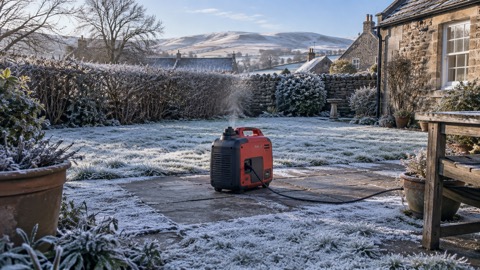
Champion lists Cold Start Technology as a feature of this model1, so the maker has designed it to start in cold conditions. Cold weather still affects fuel, oil and any machine left outside, so keep it under cover, check the oil before each use, and follow the manual's starting procedure. The generator cold weather page covers the general points.
For storage, the maker's warranty conditions are the guide: the machine must not be installed in a shed, garage or other outbuilding, and it must not be modified, including with exhaust extensions or filtration1. Store it under cover, dry, with the fuel and oil handled as the manual sets out, and run the checks above before the next use. The generator storage page covers longer-term storage.
Champion states that the machine comes with free lifetime technical support from its Customer Service Team1. The product page is the place to start for current contact details, and have your proof of purchase ready.
Warranty: three years for domestic use, with conditions
Champion warrants the 82001i-E-DF for up to 3 years for domestic usage: year 1 parts and labour, years 2 and 3 parts only, from the original date of purchase or 1000 hours, whichever comes first1. The same domestic terms appear across Champion's generator range7. For industrial and commercial use the terms are shorter: year 1 parts and labour and year 2 parts only, or 1000 hours, whichever comes first1.
The conditions matter as much as the length. The warranty is voided if the product is misused, neglected, involved in an accident, abused, overloaded beyond the generator's limits, modified (including exhaust extension and filtration), installed improperly (any outbuilding, shed, garage, confined space or vehicle), connected incorrectly to any electrical component, or used for hire purposes1. In other words, the safe way to run the machine is also the way that keeps the warranty intact.
Champion also states a standard 2 year warranty on Warrior Diesel and selected Champion products, with the 3 year cover applying to Champion generator models only1. If you are comparing Champion models, check which warranty applies to the one you are considering. The Champion brand page lists the range.
Sources (8)
- Champion 2000 Watt LPG Dual Fuel Inverter Generator 82001i-E-DF, Champion Power Equipment, 2026
- LPG regulator guidance, Liquid Gas UK, 2022
- I have an old regulator on my LPG cylinder, when should it be replaced?, Liquid Gas UK
- LPG cylinders and cartridges guidance, Liquid Gas UK, 2022
- Service guide: inverters, Champion Power Equipment, 2026
- Service guide: dual fuel generators, Champion Power Equipment, 2026
- Champion 2200 Watt LPG Dual Fuel Inverter Generator 92001i-DF, Champion Power Equipment, 2026
- Champion 2200 Watt Inverter Generator 92001i, Champion Power Equipment, 2026

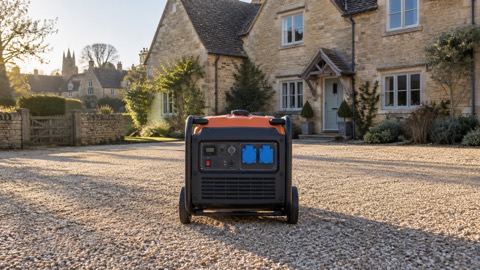
 EcoFlow Dual Fuel Generator
 Honda EU70iS Generator
 Honda EU32i Generator
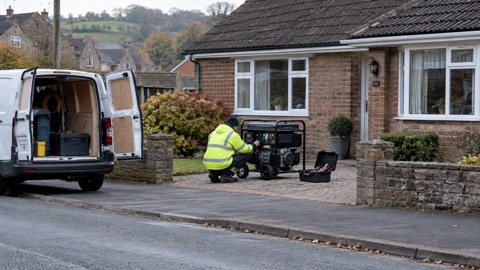 Honda EG3600 Generator
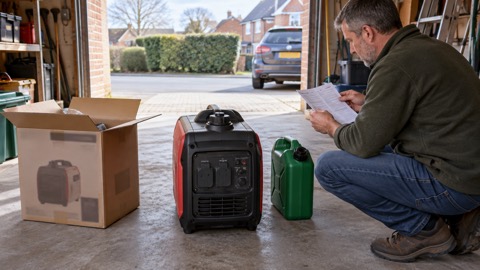 Pramac P3500i Generator
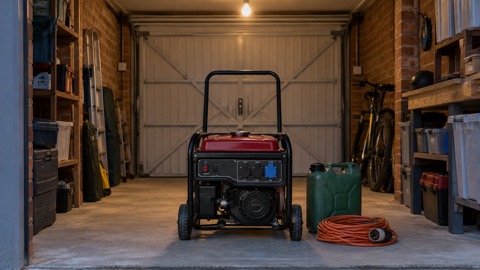 Senci SC6000-II Home Generator
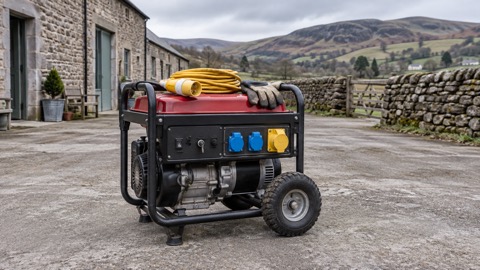 Senci SC10000-II Generator
 Senci SC6600iED Generator
 Gorilla Power GP3800iE
 Gorilla Power GP6500E-DF
 Gorilla Power GP3500i
 Hyundai HY2250Si Generator