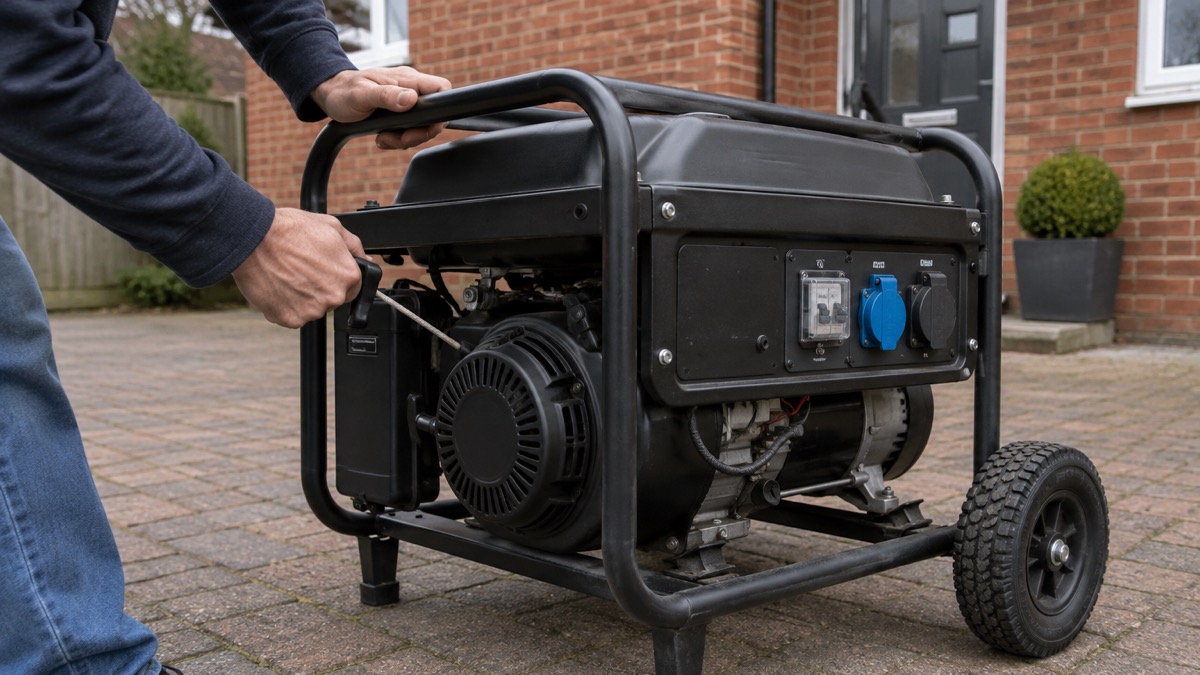
The Champion CPG9000E2 is a large petrol generator built for serious loads: the maker rates it at 7500 watts running and 9375 watts starting, with a 25 litre tank that it says will run up to 10 hours at half load1. It is aimed at building sites, power tools and jobs around the house as well as home backup during emergencies, and it starts by recoil, by electric push-button or by wireless remote1. At 97.5 kg it is not a machine you carry; it is one you wheel into position and leave there1.
For a household, the question is not whether it can make enough power, because it can make far more than most homes need in a cut. The question is whether a petrol generator of this size, which must run outdoors because of carbon monoxide, fits how you live. This page sets out what the machine does, what it can run, how long it runs for, and the safety rules that come with it.
What the Champion CPG9000E2 is and who it suits
This is a portable electric start petrol generator from Champion, a single-phase machine running at 50Hz with a 459cc engine1. The maker describes it as ideal for construction work and building sites, power tools, jobs around the house, trailers, travelling, or home backup power during emergencies1. The distributor uses similar words, adding motorhomes and caravans to the list2.
That range of uses tells you what kind of machine it is. It is an open-frame, wheeled generator with a 3.1cm tubular steel frame and an integrated U-shaped handle, designed to be moved around a site or a garden rather than carried2. It is not a quiet inverter unit for a flat, and it is not a battery. It is a petrol engine driving an alternator, and it needs fuel, oil, ventilation and an outdoor spot to run in.
For a household, it suits someone with a genuine need for several kilowatts at once: a large property, outbuildings, power tools, or a home with electric heating or a heat pump that they want to keep running in a long outage. It does not suit anyone who cannot run it outdoors, away from windows and doors, or who cannot store petrol safely. If you are weighing up the two approaches, our comparison of a portable power station or petrol generator for a power cut sets out the trade-offs, and the portable generators guide explains the different types.
Output: 7500W running, 9375W starting
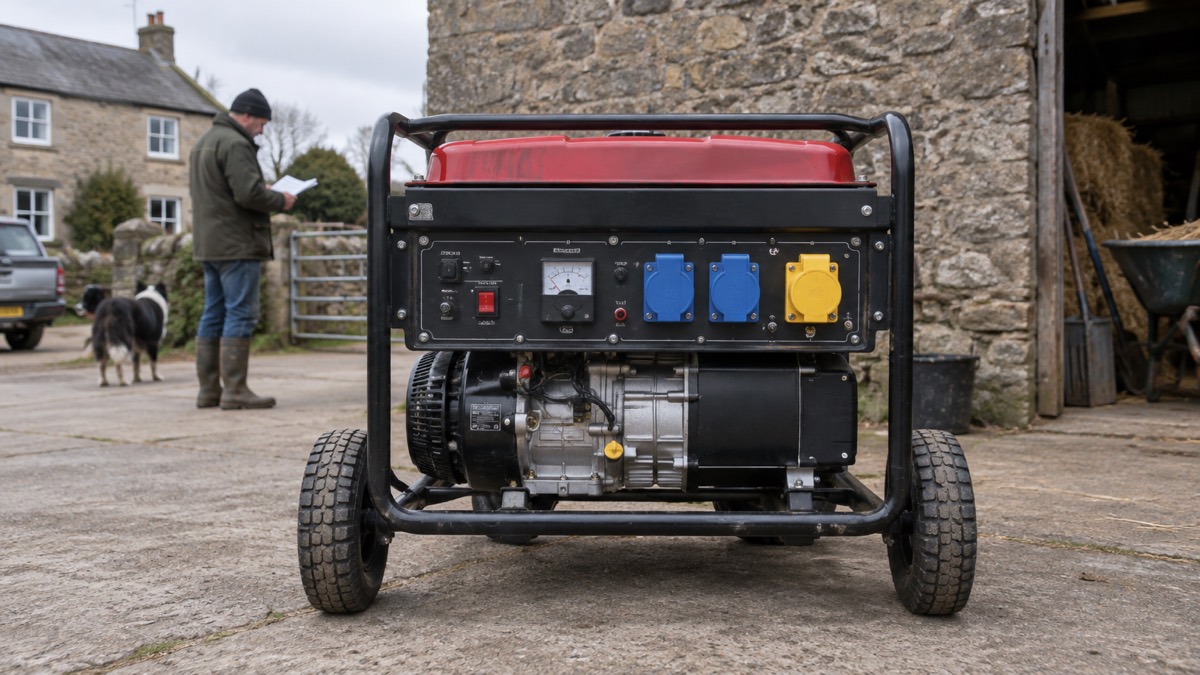
The headline figures are 7500 watts rated and 9375 watts starting1. The distributor gives the same machine as 7.50 kW continuous and 8.00 kW maximum, with a maximum of 8.00 kVA2. The maker's own product page also lists a maximum of 8000 watts1. The two documents describe the same machine in slightly different terms: the maker's rated figure of 7500 watts is the one to plan around for continuous loads, and the higher starting figure is what the machine can deliver briefly when a motor or compressor kicks in.
That distinction matters in a power cut. A fridge or freezer compressor, a pump or a power tool draws a surge when it starts, then settles to a lower running load. The 9375 watt starting rating gives headroom for those surges, but only one at a time and only briefly. If you are working out what your own appliances need, our guide to watts, watt-hours and surge explains how to add them up, and what size generator you need walks through the sizing question.
The machine has a voltmeter, automatic voltage regulation and overload protection, so it will warn you and cut out rather than let a fault run away1. It also has a fuel gauge, which matters more than it sounds on a machine that may run for hours in the dark1.
| Specification | Maker's figure | Distributor's figure |
|---|---|---|
| Rated output | 7500 watts1 | 7.50 kW continuous2 |
| Starting output | 9375 watts1 | 8.00 kW maximum2 |
| Maximum watts | 8000 watts1 | 8.00 kVA2 |
| Engine | 459cc, 14.2 hp1 | 15hp 459cc single cylinder, 4-stroke OHV2 |
| Speed | 3000 rpm1 | 50Hz2 |
| Fuel tank | 25.0 litres1 | not stated |
| Oil capacity | 1100 ml1 | 1100ML2 |
| Weight | 97.5 kg1 | not stated |
| Dimensions | 560 x 680 x 550 mm (HxLxW)1 | not stated |
| Noise | 74 dBA at 7 m1 | not stated |
| IP rating | IP23M1 | not stated |
| Warranty | 3 years1 | not stated |
Where the two documents differ on horsepower, the maker's figure is 14.2 hp and the distributor lists 15hp. Plan on the maker's numbers.
Run time: up to 10 hours at half load from a 25-litre tank
The maker states that with a 25 litre fuel tank the unit can run up to 10 hours at 50% load1. That is the figure to hold on to: half load, not full. Fuel consumption rises steeply as you load the machine up. The maker gives 2.8 litres per hour at 50% load, 3.53 litres per hour at 75% load and 4.14 litres per hour at 100% load1.
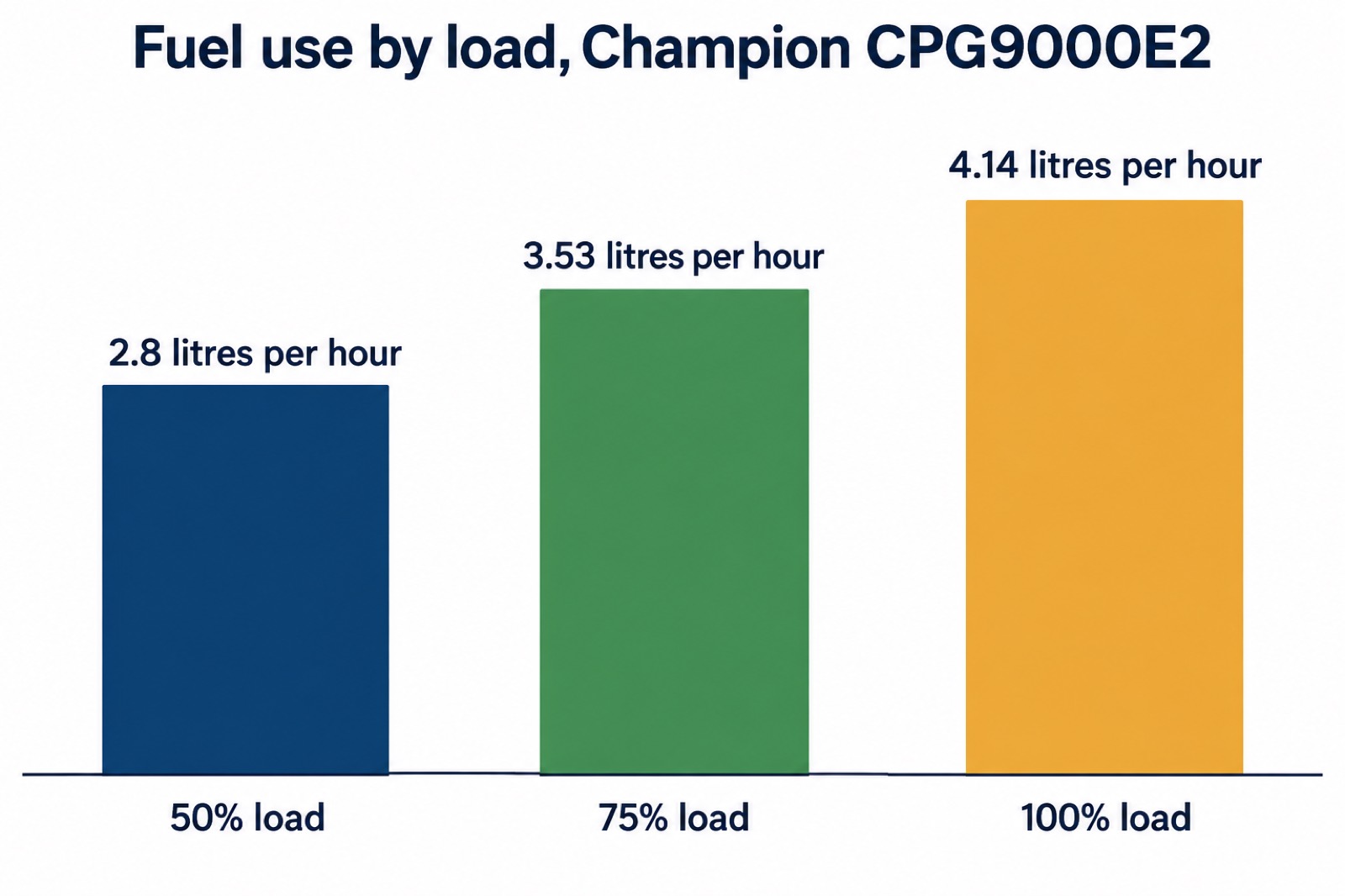
The practical consequence is that the more you ask of it, the sooner you have to refuel, and refuelling means shutting the machine down and letting it cool first. A household running a few lights, a fridge and a router is nowhere near half load on a machine this size, so the tank will stretch further than the headline figure suggests. A household running electric heating or a large pump will get much closer to the full-load figure. Our guide to how long a generator runs on a tank covers the general arithmetic.
For comparison, a small portable power station with a 5 litre-equivalent fuel generator is quoted by its maker at about 6 hours at 500W from a 1000W unit with a 5L tank3. That is a different class of machine entirely, and the point is simply that run time depends on load and tank size together, not on one number alone.
Starting it: recoil, electric button or wireless remote
The maker lists three start types: recoil, electric and remote1. The distributor describes the same as electric or recoil, with a push-button electric start and a wireless key fob2. A general generator buyer's guide notes that start method is a choice between electric and recoil with a pull cord, which is the same distinction in plainer words4.
The remote is the feature that most people ask about. Champion's own support guidance for its wireless remote control says to push and release the START button, and that the red light blinks once to program the remote; if you have an additional remote, press the START button on it as well5. That is the maker's instruction for pairing a fob, and it is worth doing at home, in daylight, before you need it in a storm.
"Push and release the START button. The red light blinks once to program the remote."
The recoil cord is the fallback if the battery for the electric start is flat or the fob is lost. Keep the manual with the machine, because the starting sequence, choke and fuel tap positions are specific to this model, and the maker supplies an operating manual in the box1. The maker also lists Cold Start Technology, so the machine is designed to start in cold conditions1; our page on starting a generator in cold weather covers the general approach.
What it can run, and the limits of the 110V sockets
The control panel has three 110V 32amp sockets and one 240V 32amp socket1. For a UK household, the 240V socket is the one that matters, because domestic appliances run on 230V nominal mains. The 110V outlets are site-voltage sockets, intended for power tools and site equipment, and they are not what you plug a fridge into.
The maker adds an important limit: dual voltage generators will only give approximately 50 to 60% of the rated output wattage on 120V per socket1. In other words, you cannot expect the full rated output from a single 110V outlet. Spread the load across sockets, and keep the total within the rated output of the machine.
For most households, the realistic use is extension leads to individual appliances, kept short and not daisy-chained. Our page on extension leads and overloading covers how to do that without overloading a lead. If you are deciding what to keep running first, deciding what to keep running when the mains fails is the place to start.
Safety: carbon monoxide, fuel and weather
A petrol generator produces carbon monoxide, a gas you cannot see, smell or taste, and it can kill. The machine must run outdoors, well away from doors, windows and vents, and never in a house, garage, shed, conservatory or any enclosed space, even with the door open. Our pages on whether you can run a generator indoors or in a garage and on carbon monoxide from generators set out the warning signs and what to do. The general generator safety guide covers fuel, electric shock and siting.
The Champion CPG9000E2 is rated at 74 dBA at 7 metres, so position it with noise in mind as well as fumes1. It has a low oil shut-off sensor, which stops the engine before the oil level drops far enough to damage it2. The maker lists it for home back-up power during emergencies, as well as for power tools and jobs around the house2. Our page on running a generator in the rain covers the practicalities.
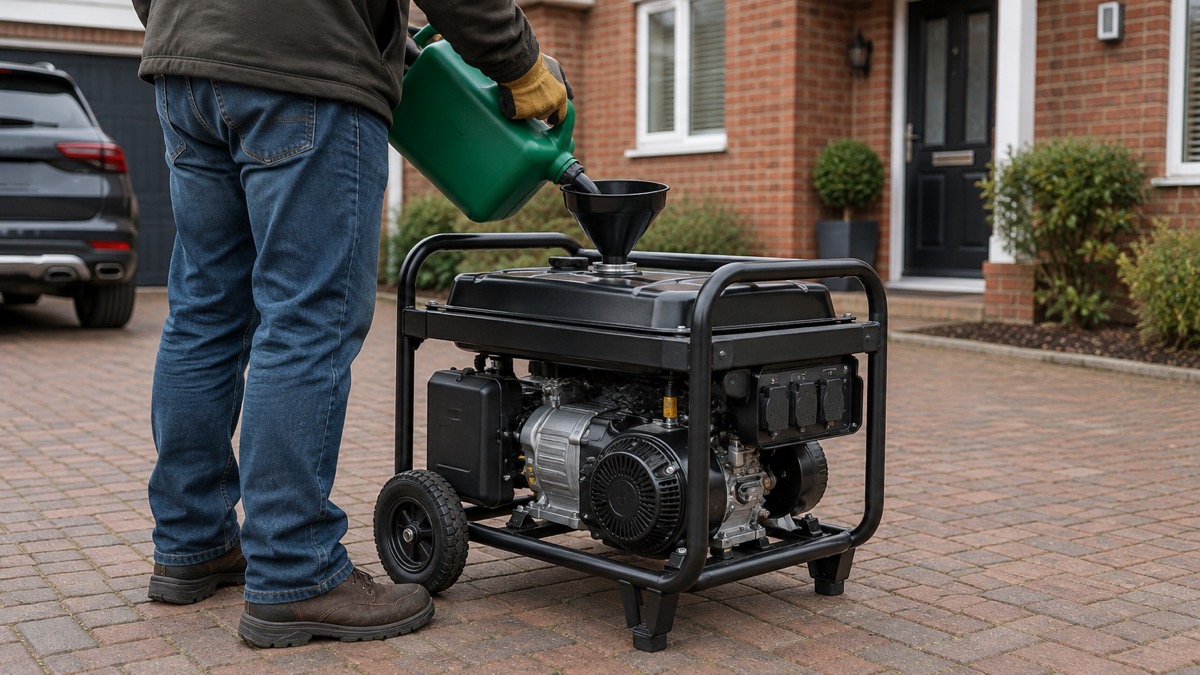
Petrol is the fuel, and the machine is E10 Petrol Compliant1. Store petrol only in a suitable container, away from the house and any ignition source, and never refuel a hot or running generator. Our guide to how much petrol you can store at home safely covers the limits. The machine has an automatic low oil shutoff, so it will stop itself rather than run dry, but check the oil level before each use and top up to the mark1.
Specifications, warranty and certifications
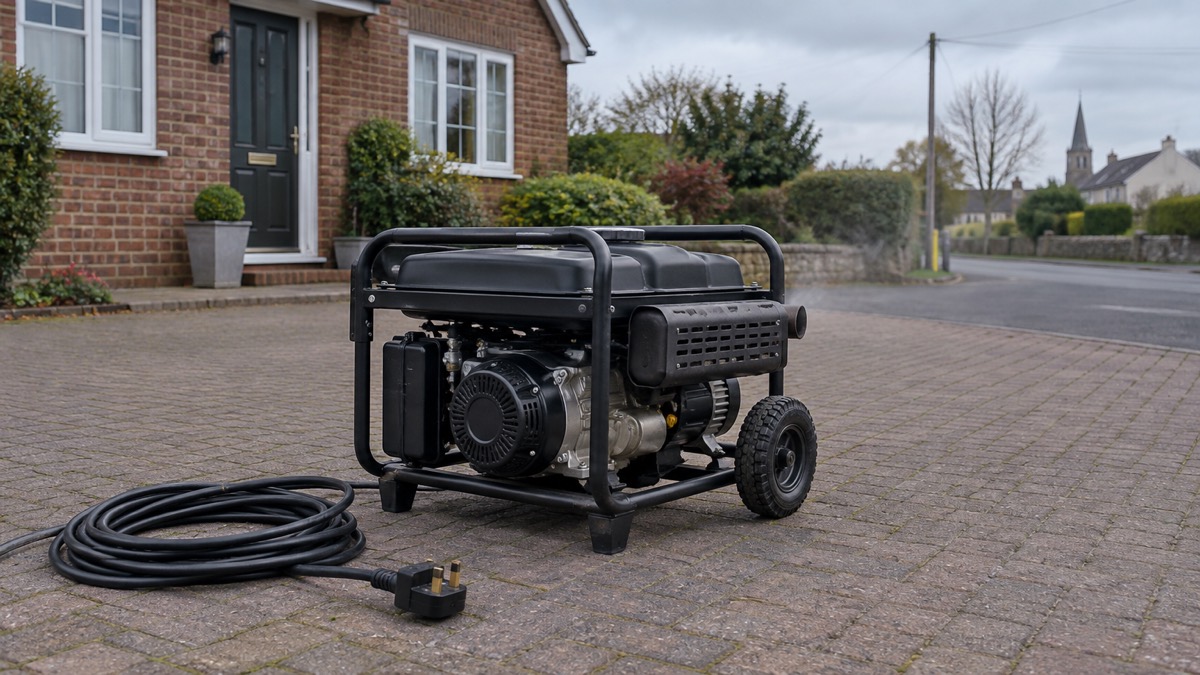
The maker lists a 3 year warranty on the CPG9000E21. The machine carries E10 Petrol Compliant, EU Stage V, RED and UKCA certifications1. UKCA is the UK conformity marking, and our page on UKCA, CE and battery safety markings explains what the markings mean.
The box contains the Champion 8000 Watt Petrol Generator, a remote key and the operating manual1. The distributor states that a wheel kit is included, and the maker lists never-flat wheels1. The machine has a fuel gauge, a voltmeter, overload protection, automatic voltage regulation and a wireless remote1. It is single phase and runs at 50Hz1.
The maker's product page shows a review rating based on 2 reviews, with 50% five-star1. That is a very small sample, so treat it as a handful of opinions rather than a guide to reliability. The distributor lists the machine as in stock2.
Storing it between outages
A generator that sits unused for months can be hard to start when you need it. Store it under cover, dry, with the fuel tap off and the machine cool, and follow the maker's operating manual for long-term storage and fuel treatment. Our guide to storing a generator after a power cut covers the routine, and backup power checks before winter is a good seasonal checklist. If you are building a wider plan, the power cut backup power checklist lists what a household needs, and the backup power section is the place to start.
Sources (5)
- Champion 8000 Watt Petrol Generator CPG9000E2, Champion Power Equipment, 2026-10-25
- Champion CPG9000E2 Remote Start Petrol Generator, Generators Direct, 2026-01-09
- BLUETTI Elite 400 Portable Power Station, BLUETTI, 2026-10-25
- Generators Buyer's Guide, Machine Mart, 2026-10-25
- Champion FAQ, Champion Power Equipment, 2026-10-25

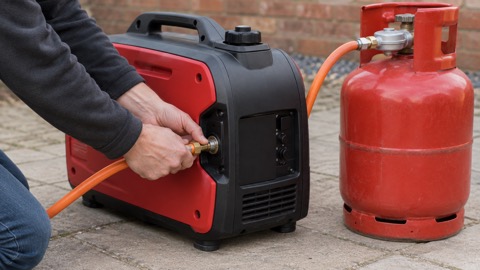 EcoFlow Dual Fuel Generator
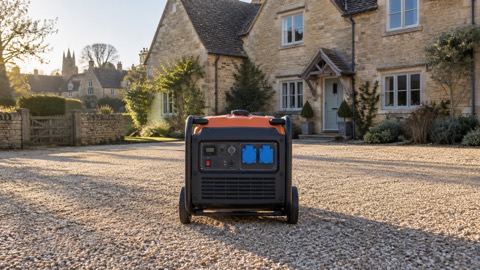 Honda EU70iS Generator
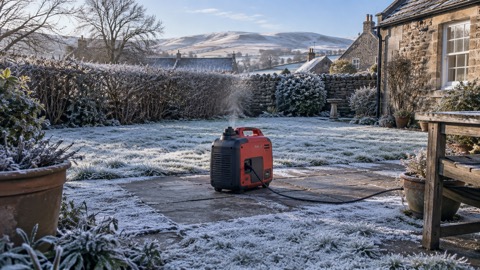 Honda EU32i Generator
 Honda EG3600 Generator
 Pramac P3500i Generator
 Senci SC6000-II Home Generator
 Senci SC10000-II Generator
 Senci SC6600iED Generator
 Gorilla Power GP3800iE
 Gorilla Power GP6500E-DF
 Gorilla Power GP3500i
 Hyundai HY2250Si Generator