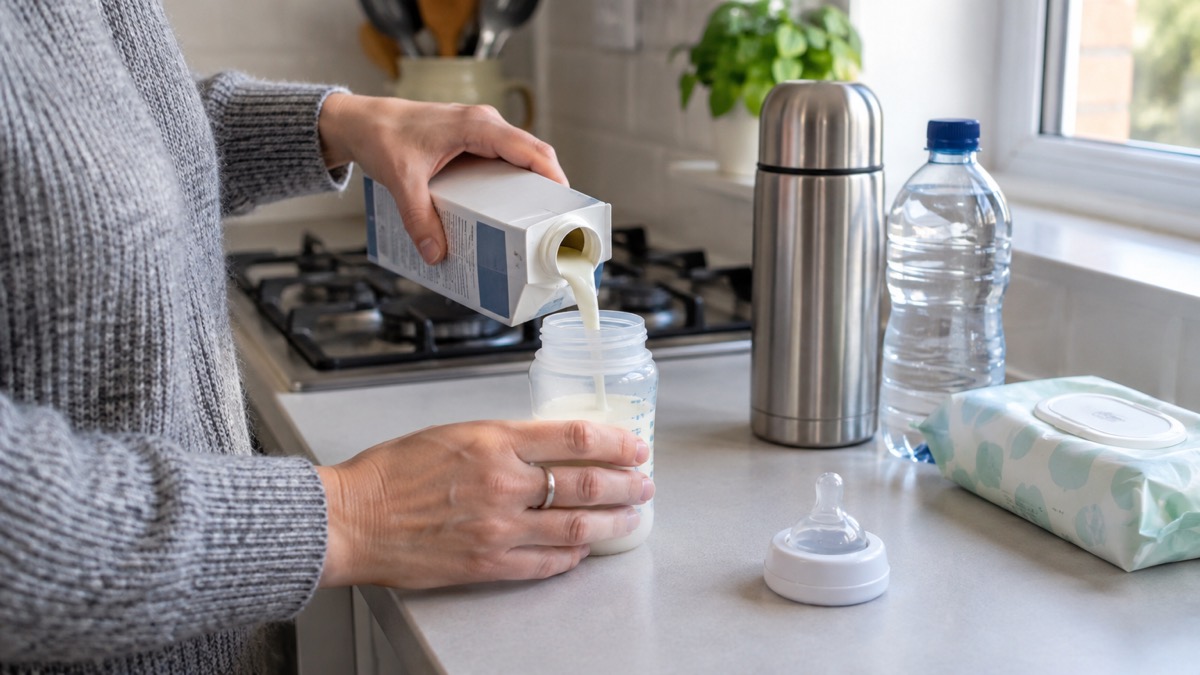
When an emergency takes out the power, the water or your ability to shop, a baby or a family member on a prescribed diet changes what you need to have ready. The single most important item for a bottle-fed baby is ready-made, ready-to-feed formula: official UK guidance is unanimous that it is the safest option in an emergency because you may not be able to boil water or sterilise bottles1. For someone on a medically prescribed diet, there is a dedicated route to expert advice: in the Southern Health and Social Care Trust area of Northern Ireland, the Community Nutrition and Dietetic Service will check the person's records and tell volunteers and organisations exactly what a food parcel should contain2.
This page sets out what to pack for babies and young children, how to make up formula feeds safely when the water supply is off, and how the dietetic service works for people on prescribed diets. It also covers the wider help available, from the Priority Services Register to food bank referrals, for households that need more than a well-stocked cupboard.
What to pack for babies and young children
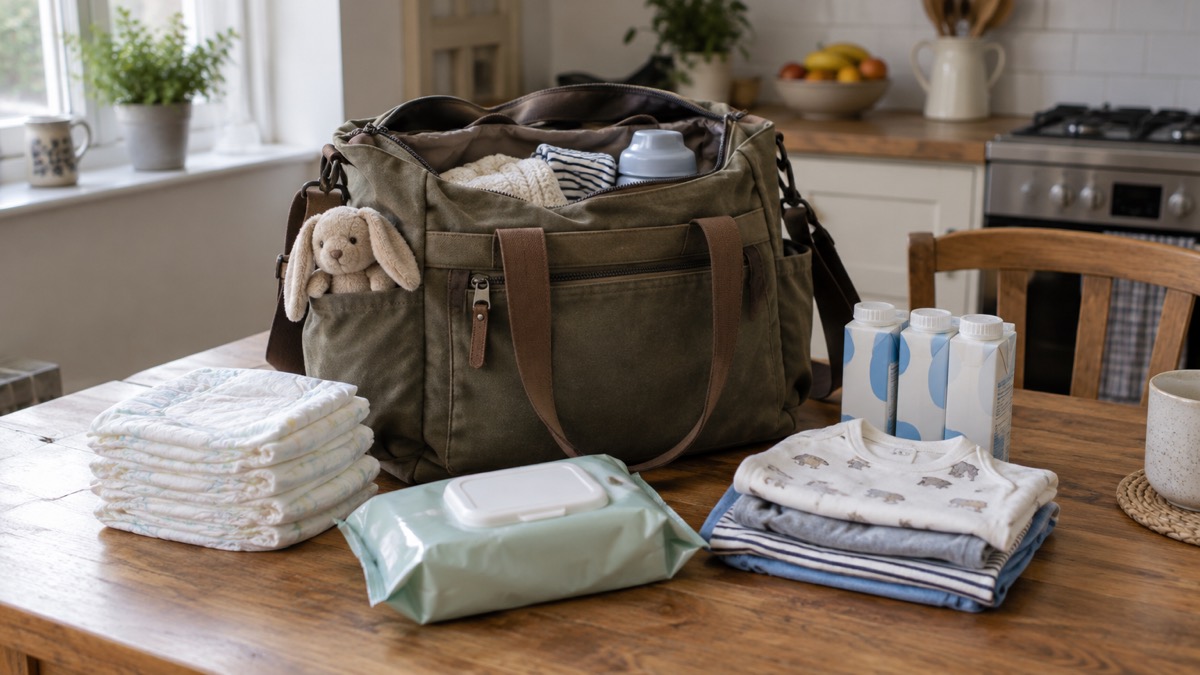
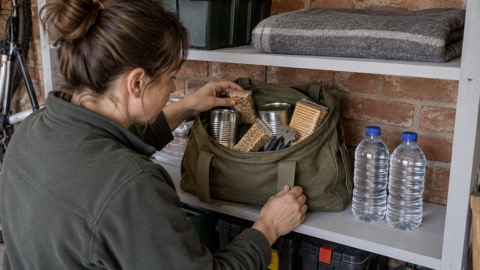
Every UK emergency kit list that addresses families says the same thing: baby supplies are not an afterthought, they are a category of their own. Essex Prepared's grab bag guidance lists supplies for babies and children as flood protection, formula and drink, a change of clothing, nappies, and toys, books and activities5. Lancashire's emergency pack advice adds toiletries, baby supplies such as formula and nappies, toys, books and activities, anti-bacterial hand wipes or gel, and rubbish bags6. Lincolnshire's council advice is specific about the form the formula should take: infant formula milk, plus disposable nappies and nappy sacks if required7.
The Scottish Government's Ready campaign puts it most plainly: include baby supplies such as nappies and ready-made infant formula8. The UK-wide Be Ready checklist agrees, stating that ready-made or ready-to-feed formula is best "as you may not be able to boil water to make up powdered formula safely", alongside nappies and wipes9. Dorset Prepared's grab bag list extends to snacks, baby food, nappies, clothes and bottled water10, and North Hertfordshire's kit list includes baby supplies, a change of clothes, eating utensils, paper cups and plates, and books and games for children11.
A practical way to think about it is in three groups:
- Feeding: ready-made formula (the safest option), plus baby food and snacks a young child will actually eat8
- Changing and hygiene: nappies, nappy sacks, wipes, anti-bacterial hand gel, rubbish bags and toilet paper6
- Comfort and practicality: a change of clothing, toys, books and activities, and paper cups, plates and utensils so you can eat without washing up5
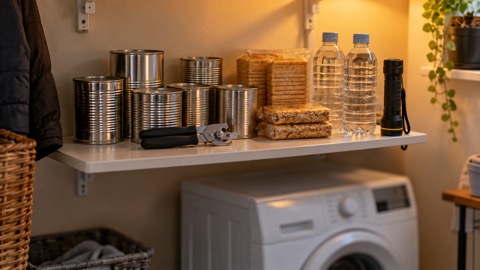
Birmingham's household emergency supplies guidance is a reminder that the baby kit sits inside a wider household kit: long-life food such as canned food, dried food and energy bars, a manual can opener, a torch, a camping stove and lantern, medication and a first aid kit, a sleeping bag or warm blanket for each person, toiletries, rubbish sacks and toilet rolls12. Windsor and Maidenhead's home emergency plan adds non-perishable foods including baby food and pet food to the grab bag essentials13. For the food side of the household store, see what to keep in an emergency store cupboard and the wider emergency kit guidance.
One point worth planning for: children can be frightened and bored in an emergency, especially if you are evacuated or waiting somewhere unfamiliar. Several official lists make a point of including toys, books and games5. It costs nothing to add a small activity bag to your grab bag, and it is the item most often forgotten.
Making up formula when the water supply is off
This is the situation where preparation really matters. Formula feeding normally needs boiled water and sterilised bottles, and an emergency can take away both at once. The advice below comes from the UK government's Be Ready and Prepare campaigns, nidirect in Northern Ireland, and council and local resilience guidance.
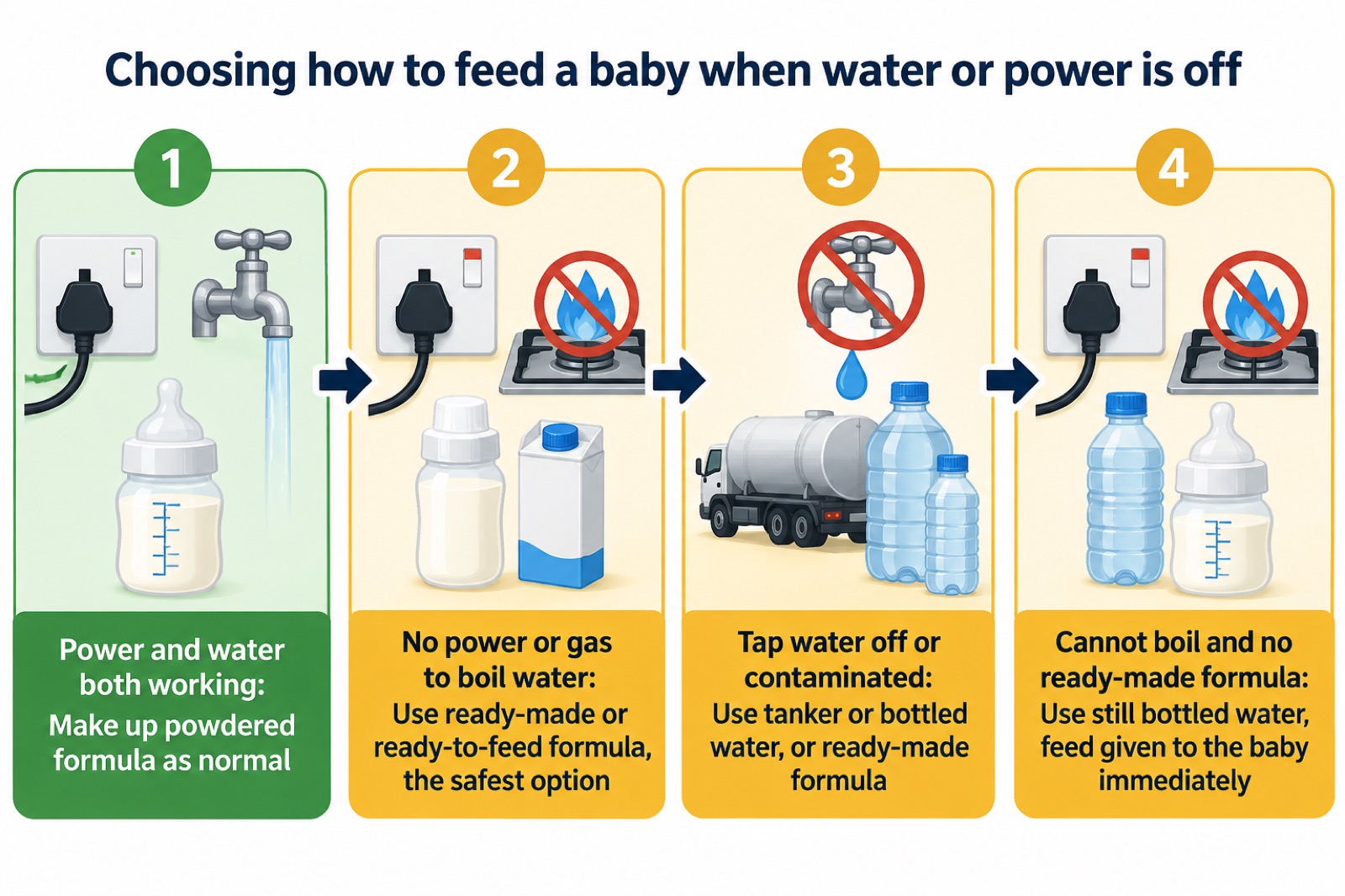
The first choice, every time, is ready-made formula. The government's water supply interruption guidance states that "ready-made or ready-to-feed formula is the safest option, as you may not be able to boil water or sterilise bottles during an interruption"1. The Prepare campaign's power cut guidance says the same: "If you have no tap water, using ready-made or ready-to-feed formula is the safest option"14. Greater Manchester's guidance on loss of essential services adds that if you are not able to boil water to prepare baby formula safely, you should try to use ready-to-use baby formula15. nidirect's advice on keeping children safe during a flood puts it as a simple alternative: use ready-made formula milk instead of powdered feeds3.
If you have no ready-made formula and cannot boil water, bottled water can be used, but only with care. The government's guidance is that "in rare circumstances, such as when drinking water is unavailable or has been contaminated, you can use still bottled water to make up formula feeds"16. nidirect's flood advice for households without gas or electricity goes further on the detail: use unboiled bottled water, meaning table, spring or mineral water, to make a baby feed, but you must give the feed to the baby immediately3. Runnymede's flooding aftercare advice matches this: if boiling is not possible and ready-to-feed liquid formula is not available, bottled water of those types can be used without boiling, but the prepared feed should then be used immediately17.
The table below sets out the choices in order of safety:
| Situation | Safest option | Source of advice |
|---|---|---|
| No power or no gas to boil water | Ready-made or ready-to-feed formula | UK government water supply guidance1, power cut guidance14, Greater Manchester15 |
| Drinking water interrupted or contaminated | Tanker or bottled water, or ready-made formula | nidirect flood advice3 |
| Cannot boil, no ready-made formula available | Still bottled water (table, spring or mineral), feed given immediately | UK government16, nidirect3, Runnymede17 |
| Planning ahead | Store ready-made formula and extra water in the household kit | Be Ready checklist9, Greater Manchester15 |
Two planning points follow from this. First, store water with formula in mind. Wiltshire and Swindon Prepared notes that "keeping some water readily available is essential for those families that may be feeding a baby formula milk"18. Greater Manchester's guidance makes the same point from the other direction: additional water might be needed to make up baby formula, for medical devices and for pets, over and above what a household without those needs would store15. Second, keep the formula itself in the kit: the government's power cut guidance says to store non-perishable food that does not need cooking, plus a tin opener, ready-made baby formula and pet food if needed19, and the water interruption guidance says the same1. For more detail on the process itself, see how to make up baby formula in a power cut and the wider water in an emergency guidance.
Medically prescribed diets: who the dietetic service helps
If someone in your household is on a medically prescribed diet, an emergency food parcel or an improvised store carries an extra risk: the wrong contents can do real harm. In the Southern Health and Social Care Trust (SHSCT) area of Northern Ireland, there is a defined route to expert advice, set out in guidance the trust's Cook it! Team published in April 2020 for community groups preparing and delivering food parcels to vulnerable individuals during the COVID-19 response2.
The service the guidance describes is the SHSCT Community Nutrition and Dietetic Service. Its role in an emergency food parcel is precise. When a volunteer or community organisation is preparing a parcel for a client who may be on a prescribed diet, they contact the service. The service will then check to confirm the client is on a medically prescribed diet, verify any specific dietetic instruction in its records, and then ring the volunteer or organisation back with advice on the contents of the food parcel for that client2. In other words, the expert checks the medical record before anyone decides what goes in the box.
The guidance defines the threshold clearly. A medically prescribed diet is one that has been prescribed by a doctor, meaning a general practitioner (GP) or a hospital doctor. The examples it gives are diabetes, coeliac, low fat and low salt diets2. These are diets where the wrong food can cause immediate illness or undermine treatment, which is why the dietetic service exists as a check on community food support.
For anyone planning their own household store around a prescribed diet, the same principle applies: build the store around what the person can actually eat, and take advice from the professionals who know the diet. Your GP practice or hospital dietitian is the equivalent route outside an organised food parcel scheme. For the food side of planning around allergies, religious and medical diets generally, see emergency food for medical, religious and allergy diets.
Only prescribed diets qualify, not diets people choose
The dietetic service's help is deliberately narrow. It exists for medically prescribed diets, prescribed by a GP or hospital doctor, with diabetes, coeliac, low fat and low salt given as the examples2. A diet someone has chosen for themselves does not qualify. Vegetarian and vegan diets, weight-loss diets, diets followed for religious reasons, or foods avoided because of preference or intolerance that has not been diagnosed and prescribed, all fall outside this route.
That is not a judgement about those diets; it is about where clinical responsibility lies. A prescribed diet is part of medical treatment, so a health service checks it. A chosen diet is a household decision, so the household plans for it.
The practical implication is that if someone in your home follows a chosen or self-restricted diet, you must plan for it in your own store, because a generic emergency parcel or food bank bag may not suit. The Be Ready checklist's general advice on the household food store is the right starting point: food with a long shelf life that does not need refrigeration or cooking, such as tinned meat, fish or vegetables, dried fruit and nuts, and it is best to buy food you would usually eat9. Buying what you normally eat is exactly how a self-restricted diet is covered: your store simply mirrors your ordinary shopping, in tinned and long-life form. The store cupboard checklist and how much emergency food to store per person pages cover the general quantities.
The same logic applies to children. Standard emergency rations and long-life foods are made for the general adult diet, so for a young child the baby and child supplies described earlier in this page, ready-made formula, baby food and snacks they will eat, are the reliable answer rather than assuming adult rations will do.
Registering a client and contacting the service
For volunteers and community organisations in the SHSCT area, the process is straightforward. You contact the Community Nutrition and Dietetic Service for your locality with the client's details. The service checks its records to confirm the client is on a medically prescribed diet and to verify any specific dietetic instruction, then rings you back with advice on what the parcel should contain2.
The guidance gives locality contact numbers. The one published in the document is:
| Locality | Contact number |
|---|---|
| Armagh and Dungannon | 028 375653082 |
The guidance describes locality-based contacts across the trust's area; if you are supporting someone in Craigavon and Banbridge or Newry and Mourne, ring the Armagh and Dungannon number and ask to be directed to the right locality team, or go through the trust's main contact route. The checking process is the same whichever locality team handles it.
If you are outside the Southern Trust area, this specific service does not apply to you. The equivalent first stop elsewhere in the UK is the person's GP practice or hospital dietitian, and for emergency food generally your GP, housing association or Citizens Advice can assess you for a food voucher and signpost help towards your crisis20. Cumberland Council's cost of living support guidance sets out that referral route, and the getting emergency food help page covers food banks, councils and local support in more detail.
Wider help for households that need more than a store
Some households should not be left to manage an emergency on kit alone. If you are pregnant or have young children, you can join your energy supplier's Priority Services Register4. Derbyshire's guidance on the register explains what it offers in practice, including arranging a password or picture cards if callers need to visit or contact you, so you can feel confident they are genuine4. Households with a baby should register before an emergency, not during one.
Keep a written record of the contacts you would need. The Are You Ready booklet advises keeping contact details for work, your doctor, schools, your water supplier, electricity network operator, gas supplier, telephone and internet provider, home insurance company, home breakdown services and an emergency friend21. For a household with a baby or someone on a prescribed diet, add the health visitor, the GP practice, and any dietitian or specialist nurse involved in the diet.
Food support exists beyond the dietetic service. In the Western Isles, the Stornoway Eilean Siar Foodbank provides food, toiletries, baby supplies and cleaning products, and referral bags can be collected by a social worker or health visitor who takes food parcels to designated homes, with families identified by numbers for anonymity22. That model, where a professional who already knows the family collects on their behalf, is worth asking about at your own local food bank. For food bank vouchers generally, your GP, housing association or Citizens Advice can assess you and refer you20.
If you are evacuated, rest centres provide for basic needs. Lewisham Council's rest centre guidance states that light meals are provided where possible, and that the council will not allow anyone except trained and qualified staff to help with children23. If you are supporting a vulnerable neighbour, the Are You Ready booklet advises supporting them and alerting the local council if further help is needed, such as transport, medication, temporary accommodation and medical attention21. The extra help in an emergency page covers this in full for older, disabled and medically dependent households.
Two health points complete the picture. If someone falls ill after eating food during an emergency, Northumberland Council's food poisoning advice is to consult your doctor immediately if the person affected is a baby, elderly or has an existing illness or condition, or if symptoms are prolonged or severe, such as bloody diarrhoea24. Babies are in the highest-risk group, so do not wait it out. The health emergencies page covers medicine supplies in more detail.
Sources (24)
- Water supply interruptions or outages, Be Ready campaign, UK government, 2026-10-12
- SHSCT Guidance for those preparing and delivering food parcels in the community, Southern Health and Social Care Trust, April 2020
- Keeping children safe during a flood, nidirect, Northern Ireland government, 2025-12-09
- Priority Services Register, Derbyshire County Council, 2026-10-29
- Step 1: Preparation, Essex Prepared, Essex Prepared, 2026-10-29
- Emergency pack, Lancashire Prepared, Lancashire Resilience Forum, 2026-10-29
- Get help and advice in an emergency, Lincolnshire County Council, Lincolnshire County Council, 2026-10-29
- Emergency kit, Ready Scotland, Scottish Government, 2026-10-22
- Be Ready Checklist, UK government, 2026
- Protect yourself and your family, Dorset Prepared, Dorset Local Resilience Forum, 2026-04-21
- Preparing for emergencies, North Hertfordshire District Council, North Hertfordshire District Council, 2015-01-12
- Are you ready, Birmingham City Council, Birmingham City Council, 2026-05-06
- Emergency home emergency plan, Royal Borough of Windsor and Maidenhead, Royal Borough of Windsor and Maidenhead, 2025-10
- Power cuts, Prepare campaign, UK government, 2026-10-21
- Loss of essential services, Greater Manchester Combined Authority, Greater Manchester Combined Authority, 2026-10-29
- Water supply interruptions or outages, Prepare campaign, UK government, 2026-10-21
- Flooding aftercare, Runnymede Borough Council, Runnymede Borough Council, 2026-10-26
- Failure of water infrastructure or loss of drinking water, Wiltshire and Swindon Prepared, Wiltshire and Swindon Local Resilience Forum, 2026-10-25
- Power cuts, Be Ready campaign, UK government, 2026-10-21
- Emergency food, essential items and support, Cumberland Council, Cumberland Council, 2026
- Are You Ready booklet, Culham Parish Council, Culham Parish Council, 2025-09
- Keep Safe Keep Well winter safety campaign, Western Isles Health Board, NHS Western Isles, 2024-12
- What to do if you are evacuated, Lewisham Council, Lewisham Council, 2023-10-31
- Food poisoning advice, Northumberland County Council, Northumberland County Council, 2026-08-11
 Long-Term Storage Kit Checklist
 Store Cupboard Checklist
 30-Day Household Checklist
 How Much Emergency Food to Store
 What to Store in an Emergency
 Starting a Store Cupboard
 Shelf Life and Date Labels
 Rotating Your Food Store
 Long-Term Storage Conditions
 Meals Without Power
 Self-Heating Meals
 Tinned Food Guide
 Rice, Pasta and Pulses Storage
 Freeze-Dried Meals
 Emergency Ration Packs