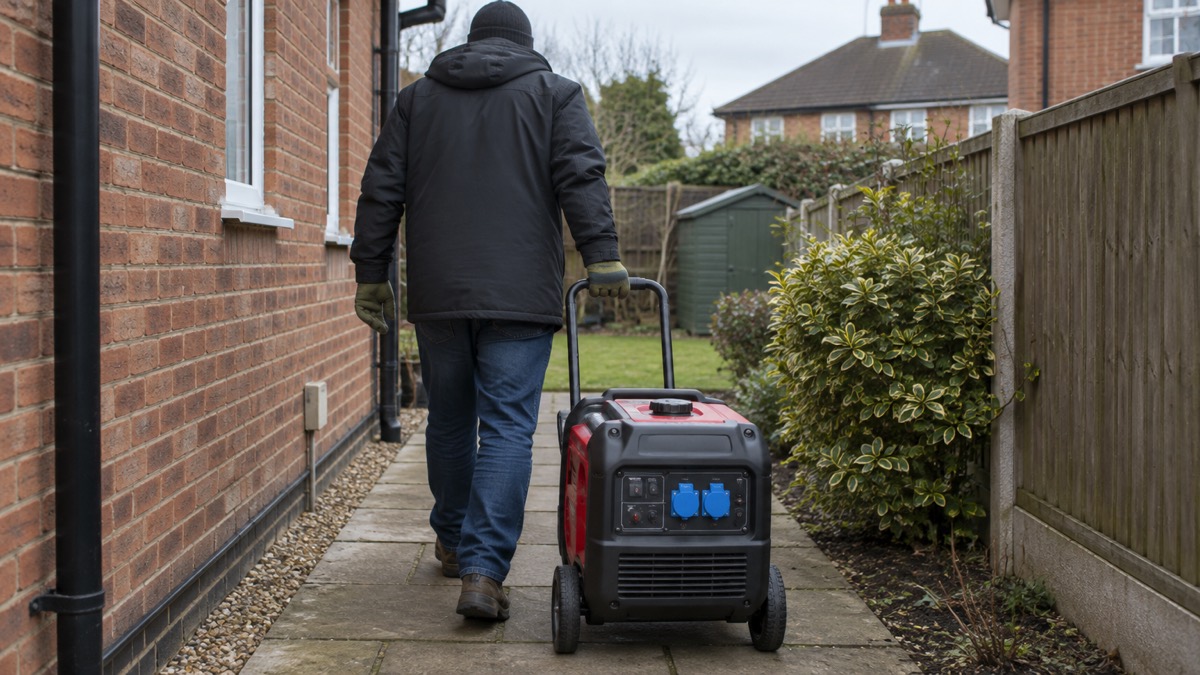
The Hyundai HY2250SEi is a petrol inverter generator with a 2.2kW maximum output and a 2000W continuous output, built for weekend trips, holidays and emergency standby use at home1. It produces a pure sine wave, which is the waveform household electronics expect, and it has two standard UK 3-pin 13A sockets plus a 12V DC outlet1. On a full 6-litre tank Hyundai quotes a run time of 7.5 hours at 50% load1.
If you are considering one for power cuts, the important points are these. It is a petrol machine, so it must run outdoors, away from windows and doors, because of carbon monoxide. It weighs 22.6 kg, so plan where it will sit before you need it1. And Hyundai describes it as a standby and leisure machine, not something to run continuously every day1.
This page sets out what the HY2250SEi is, its specifications, what it can run and for how long, how to start it, and how to use and store it safely. For the wider picture, see our guide to portable generators and to using generators and power stations during an outage.
What the HY2250SEi is, and what it is for
The HY2250SEi is an inverter generator, a type that converts the engine's output electronically to give a steady, clean supply1. That matters for a household because laptops, televisions and boiler controls are happier on a clean waveform than on the rougher output of a simple open-frame set. Hyundai lists the output as pure sine wave1. Our explainer on inverter and open-frame generators sets out the difference in more detail.
Hyundai is clear about the intended use. Its inverter generators are "specially designed for leisure use - for weekend getaways, holidays or emergency standby use", and the maker states they are not suitable for continuous daily use or as an off-grid power supply1. In practice that means the HY2250SEi suits a household that wants a machine to carry them through a power cut, or to take away in a caravan or motorhome, rather than one looking to replace mains electricity permanently.
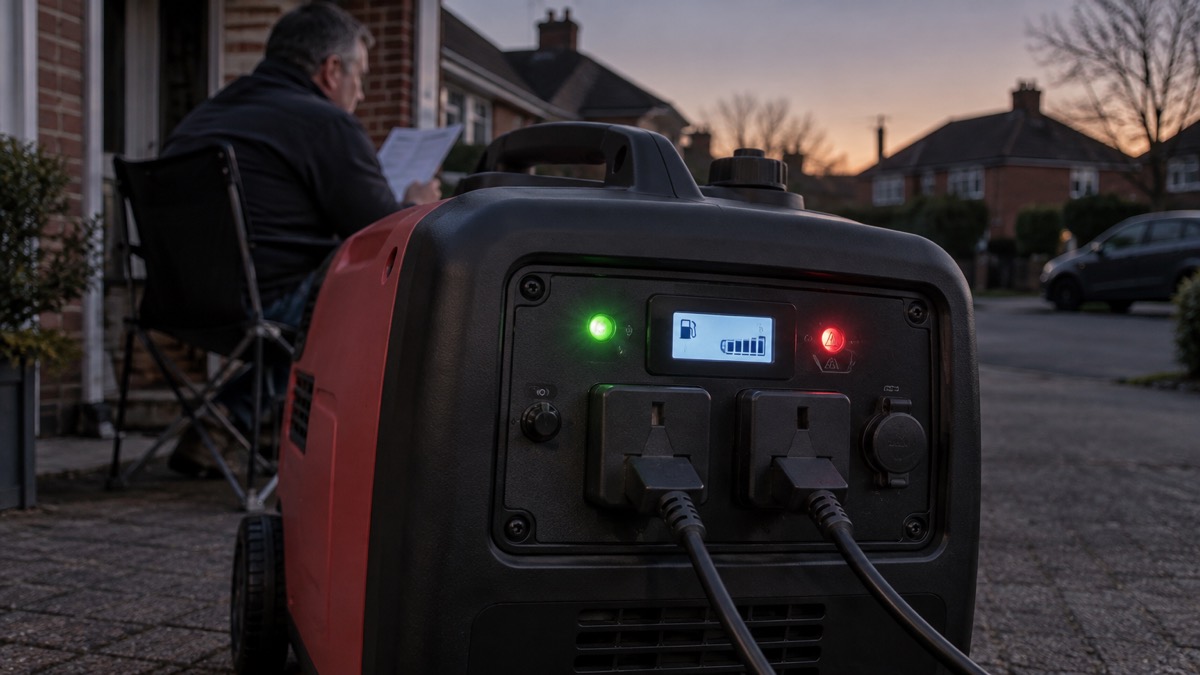
The control panel has an LCD display that shows performance data such as voltage, frequency, run time and fuel level, so you can see what the generator is doing while it runs1. It has two standard UK 3-pin 13A mains sockets and a 12V DC outlet1. The engine is a 79 cc four-stroke air-cooled single-cylinder unit, model IC80i, running at 50 Hz single phase1.
Specifications at a glance
The table below sets out the figures Hyundai publishes for the HY2250SEi. Where a retailer lists a different figure, the maker's or importer's figure is the one to rely on.
| Specification | Figure |
|---|---|
| Product type | Inverter generator1 |
| Maximum output | 2.2 kW / 2200W1 |
| Continuous output | 2.0 kW / 2000W1 |
| Output waveform | Pure sine wave1 |
| Voltage and frequency | 230 V, 50 Hz, single phase1 |
| Engine | IC80i, 79 cc, four-stroke air-cooled, one cylinder1 |
| Start method | Electric and recoil1 |
| Fuel | Unleaded petrol1 |
| Fuel tank | 6 litres1 |
| Fuel consumption at 100% load | 1.25 L/hr1 |
| Run time at 50% load | 7.5 hours1 |
| Engine oil | SAE 30 or 15w401 |
| Engine oil capacity | 410 ml1 |
| Noise level | 61 dB(A) at 7 m1 |
| Net weight | 22.6 kg1 |
| Dimensions, assembled (H x W x L) | 485 x 310 x 470 mm1 |
| Package dimensions (H x W x L) | 485 x 340 x 520 mm1 |
| Outlets | Two UK 3-pin 13A sockets, one 12V DC outlet1 |
| Warranty | 3 years home use, 1 year commercial, 90 days hire, max 1,000 hours1 |
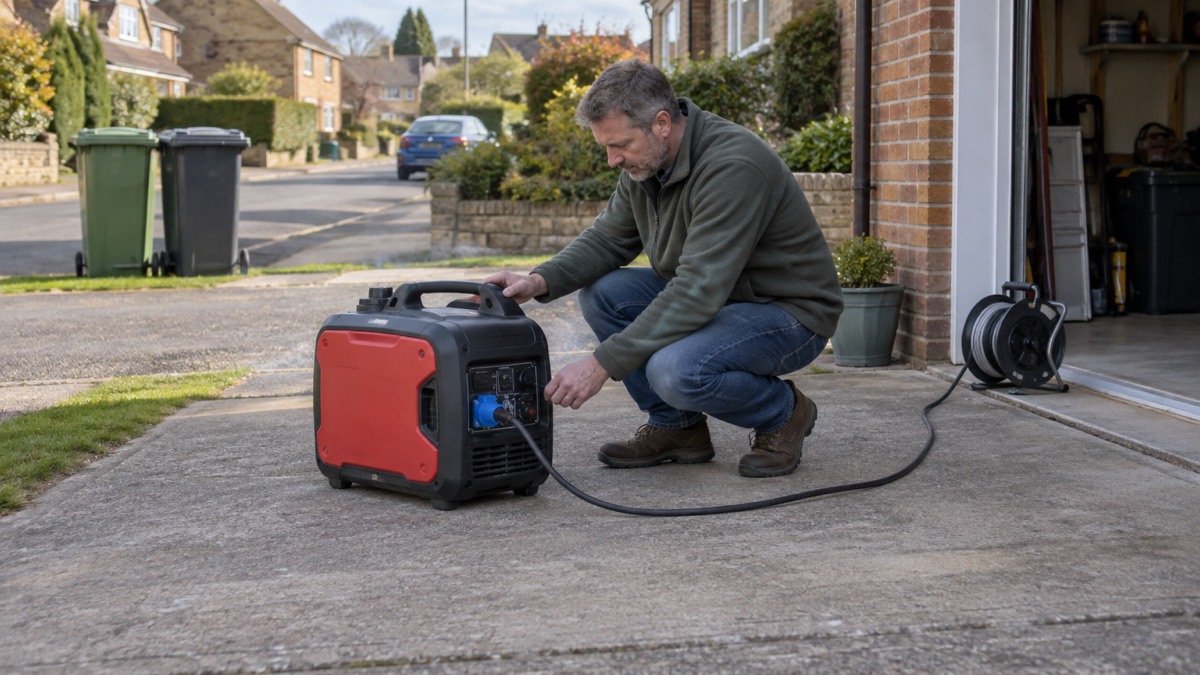
The maker's specification sheet gives the engine as a single-cylinder, single-phase 4-stroke air-cooled unit running at 50 Hz, with two standard UK 3-pin 13A mains plug sockets on the control panel1.
Output: 2000W continuous, 2200W rated, pure sine wave
The headline numbers are a 2000W continuous output and a 2200W maximum1. The continuous figure is the one that matters for a power cut: it is the load the generator is built to carry for a stretch of time. The maximum figure is a short-term ceiling, not a target to run at.
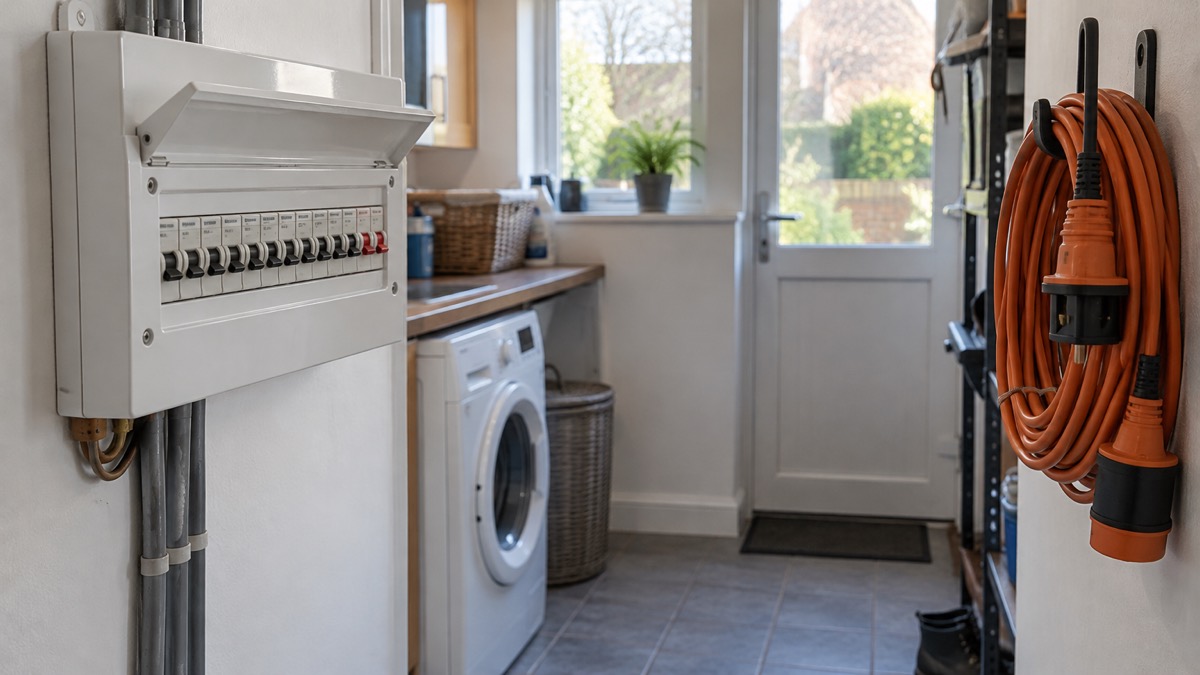
What that means in the home is a modest but useful supply. It will run a fridge, a freezer, some lights, a router and a phone charger together, provided the total stays within 2000W. It will not run an electric shower, an immersion heater or an electric cooker at the same time as everything else. Working out what you actually need is the first step, and our guide to deciding what to keep running when the mains fails walks through it. Our explainer on watts, watt-hours and surge explains why appliances with motors, such as fridges, draw a surge at start-up that is higher than their running figure.
The pure sine wave output is the reason the HY2250SEi suits sensitive electronics1. For comparison, a 12V inverter of the kind sold for car and leisure battery use is also offered in pure sine wave form, in 1000W, 2000W and 3000W versions2, but that is a different kind of kit: it needs a battery bank to draw from. If you are weighing up the two approaches, see our page on 12V inverters.
Run time: up to 7.5 hours on a 6-litre tank
Hyundai quotes 7.5 hours at 50% load from the 6-litre tank1. At 100% load the maker gives fuel consumption of 1.25 L/hr1. The gap between those two figures is the point: the harder you work the generator, the faster the tank empties. Running a lighter load, and using ECO mode, stretches the fuel.
ECO mode lowers the engine revs to match only the load being applied, which Hyundai says reduces fuel usage, lowers noise levels and extends the lifespan of the engine1. For a household running a fridge and a few lights, that is the setting to use. For a heavier load, such as a power tool or a microwave, the engine will need to rev harder.
How long a tank lasts in practice depends on what you plug in. A smaller petrol generator with a 5-litre tank is quoted at about 6 hours at a 500W load3, which gives a sense of how load and tank size interact across machines. Our page on how long a generator will run on a tank of fuel goes through the arithmetic.
One owner review on the product page reports using 5 litres of fuel over a long weekend running the generator almost constantly while camping with a caravan, with an oil change after 10 hours of use on the first day1. That is one household's experience, not a guarantee, but it illustrates that a light camping load is gentle on fuel.
Built-in protection: overload and low oil shutdown
The HY2250SEi has two automatic protections that matter for a household using it for the first time.
Digital overload protection shuts the generator down before it is overloaded1. That protects the machine, but it also means an unexpected shutdown if you plug in too much at once. Plan your loads so the total stays within the continuous output, and add appliances one at a time rather than all at once.
The built-in low oil shutdown turns the machine off if the oil level drops below the minimum1. That protects the engine from running dry, but it can catch you out mid-outage. Check the oil before you start, and check it again during long runs.
Both features are listed together as the machine's safety features4. They are engine protections, not a substitute for the safety rules that apply to any petrol generator: run it outdoors, keep it away from combustible material, and let it cool before refuelling.
Starting it: electric start with recoil backup
The HY2250SEi offers two starting methods: electric and recoil1. The electric start is described as bringing the generator ready in seconds4. The recoil pull start is the fallback if the battery for the electric start is flat or the machine has been stored for a long time.
Site the generator outdoors, on firm level ground, with the exhaust pointing away from the house and away from any openable window or door. Then start it, let it settle, and plug appliances in one at a time.
If the generator will not start after storage, the usual culprits are stale fuel, a flat starter battery or a low oil cut-out. Our page on storing a generator after a power cut covers the checks. In cold weather, starting can be harder; see will a generator start in cold weather.
Noise, weight and moving it safely
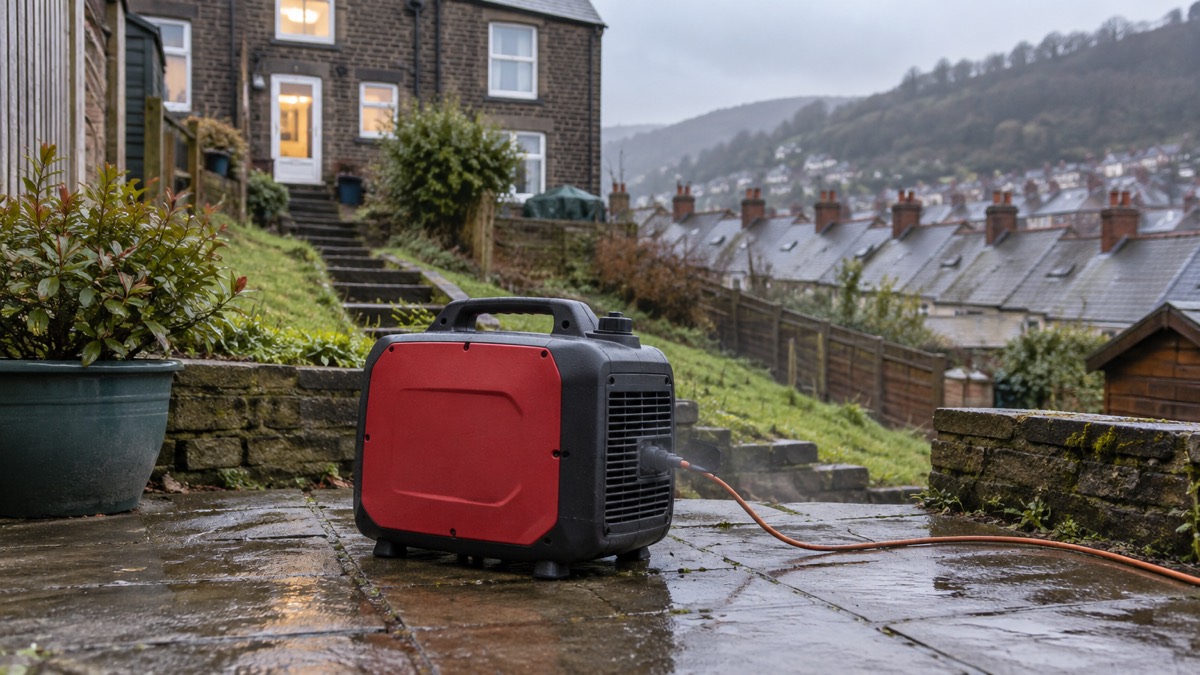
At 61 dB(A) at 7 metres1, the HY2250SEi is a working machine rather than a silent one. That is roughly the level of a lively conversation or a domestic appliance heard from a few metres away, and it will be audible to neighbours in a quiet street. Site it as far from neighbouring windows as your garden allows, and run it during the day where you can. Our page on generator noise and neighbours has more.
Decide where it will live before a power cut: a shed or outbuilding with ventilation, or a spot in the garden where the exhaust will not drift into the house. The assembled dimensions of 485 x 310 x 470 mm1 tell you how much floor space it needs.
Charging from the 12V outlet and the mains sockets
The control panel has two standard UK 3-pin 13A sockets and a 12V DC outlet1. The mains sockets are what most households will use: plug in an extension lead and run the fridge, lights and chargers from it. Keep the total load within the continuous output, and use a lead rated for the current. Our guide to extension leads and overloading with backup kit explains the limits.
The 12V DC outlet is a low-power supply for small 12V accessories. It is not a fast charger for a power station or a car battery, and it will not run anything that needs mains voltage. If you want to keep phones and small devices topped up without running the generator, a power bank is often the simpler answer; see our guide to power banks.
For a household that wants a battery to bridge short outages without the noise and fuel of a generator, a portable power station is the alternative. Our comparison of a portable power station or a petrol generator for a power cut sets out the trade-offs. The HY2250SEi's role is the longer outage, where you need to run appliances that draw more than a battery can supply for hours.
Oil, fuel and routine checks
Hyundai specifies SAE 30 or 15w40 engine oil, with a capacity of 410 ml1. Check the level before each use, and follow the maker's schedule for changes. The low oil shutdown will protect the engine if the level falls too far, but it is better not to rely on it.
Use unleaded petrol1. Do not overfill the tank, and allow the machine to cool before refuelling. If you are storing the generator between outages, run the carburettor dry or follow the maker's storage instructions, and keep the machine under cover but not in a living space.
The warranty is 3 years for home use, 1 year for commercial use and 90 days for hire, with a maximum of 1,000 hours1. Keep your proof of purchase and note the hours you run, because the warranty terms depend on how the machine is used.
Support, importer and warranty in the UK
Hyundai Power Equipment in the UK is handled by Genpower, which was awarded the contract to become the sole importer for Hyundai Power Equipment for the United Kingdom in January 2007, after Hyundai Corporation, Korea approached the company a year after its 2006 founding5. That means warranty claims and spare parts for a UK-bought Hyundai generator run through that importer network.
Keep the receipt, register the product if the maker asks you to, and check the warranty terms that apply to your use. If you buy secondhand, ask for the original proof of purchase, because the warranty may not transfer.
For the wider context on choosing and using backup power, start with our backup power at home guide, and for the safety essentials see generator safety: carbon monoxide, fuel and electric shock.
Sources (5)
- Hyundai HY2250SEi product page, Hyundai Power Equipment, 2026-10-25
- HORNET pure sine inverters, Sterling Power, 2026-10-25
- BLUETTI Elite 400 portable power station, BLUETTI, 2026-10-25
- What is an electric start generator?, Generators Direct, 2025-12-19
- Hyundai HY9000LEK generator page, Just Generators
 EcoFlow Dual Fuel Generator
 Honda EU70iS Generator
 Honda EU32i Generator
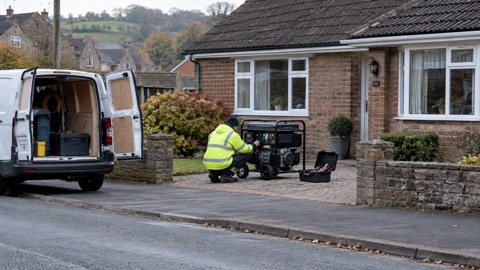 Honda EG3600 Generator
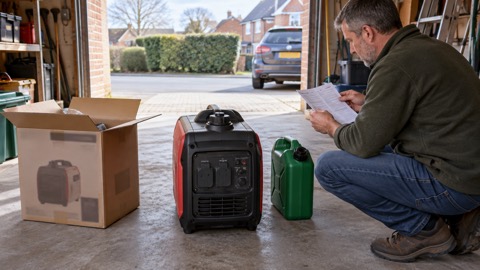 Pramac P3500i Generator
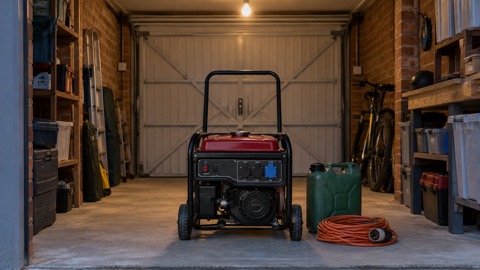 Senci SC6000-II Home Generator
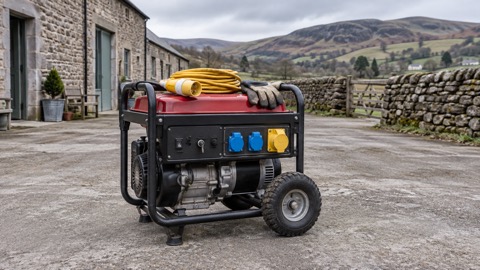 Senci SC10000-II Generator
 Senci SC6600iED Generator
 Gorilla Power GP3800iE
 Gorilla Power GP6500E-DF
 Gorilla Power GP3500i
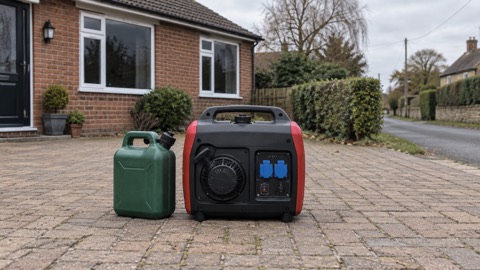 Hyundai HY2250Si Generator