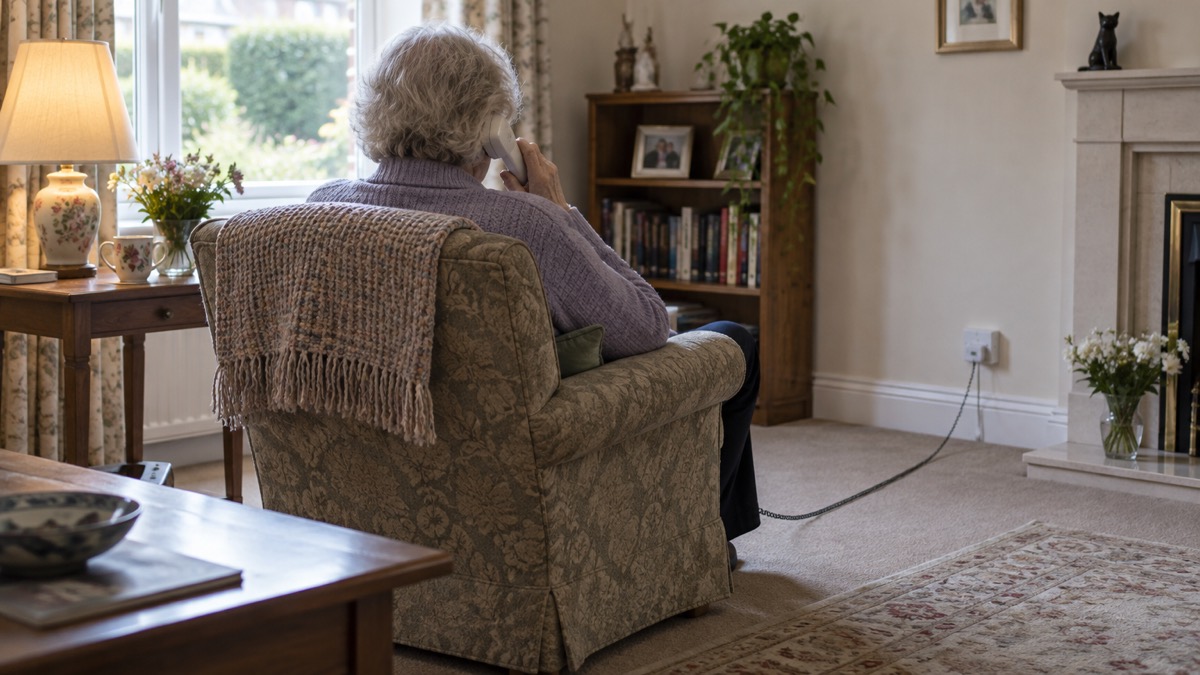
Yes, you can keep a home phone without broadband. Nobody will have to lose their landline service because of the digital switchover, your phone number will not change, and most handsets will work fine with the new system1. If you do not have an internet connection, your phone company will ensure that there is still a landline only service offered2.
What does change is how the phone works. Most providers are moving customers from old analogue copper landlines to digital phone services, and the switch is being carried out by the telecoms industry, not by National Grid2. On a digital line your phone plugs into your broadband router instead of the wall socket2. The catch for every household is power: digital landlines need mains electricity and will not work in a power cut unless there is a battery back-up4.
So the practical answer has two parts. Tell your provider before your line changes, especially if you have no mobile, poor signal or a telecare alarm, because that is what triggers extra help and, where you qualify, a free back-up unit5. And know now how you would call 999 if the phone went dead: with a mobile, because emergency calls automatically roam onto any available network6.
Keeping a home phone after the digital switchover
The switchover is a change of network, not the end of the home phone. Telephone landlines will still exist and you can still have a landline telephone at home, but the network the phone uses will be different8. Across the UK, telephone providers are moving customers from the old analogue system to digital phone lines, and the work is being done by the telecoms companies rather than by the electricity network operators2.
The timetable runs to January 2027, by which point most telephone providers will have moved their customers from old analogue landlines over to digital services9. The old analogue network is described by the regulator as increasingly unreliable and as being upgraded to a digital network, so if you still have one of these connections and have not yet migrated, contact your landline provider5.
For a household with no internet connection, the important reassurance is written into official guidance: if you do not have an internet connection, your phone company will ensure that there is still a landline only service offered2. You do not have to buy broadband to keep a phone. What you should do is tell your provider how you use the line, so the right option is set up for you.
- No mobile phone, weak signal, or you rely on the landline for everyday contact: tell your service provider so they can make sure you get the right support10.
- You have a phone line but no broadband: your service provider will help you find the most suitable digital option for your needs10.
- You have a telecare device: contact your telephone provider to discuss the changes and make sure your equipment will continue to work after the switchover11.
The arrangements are UK-wide, so the same rules apply in England, Scotland, Wales and Northern Ireland2. What differs is who you speak to: your own phone company, whether that is a national provider or a smaller one. If you are not sure where to start, our guide to the digital landline switchover sets out the whole process, and the switchover checklist lists what to do before your date.
Phone lines that need broadband: what changes for your household
On a digital line the phone connects to the router rather than the wall socket: you will need to plug your phone into your broadband router, rather than directly into the wall socket7. That single change explains most of what follows. The phone now depends on two things it did not depend on before, the router and the mains power that runs it.
If you have a phone line but no broadband, your service provider will help you find the most suitable digital option for your needs10. Providers can supply a dedicated landline service that lets you use your home phone in the same way you do today, so a household that only wants a phone for calls is not forced into a broadband package12.
| What you have now | What changes | What to do |
|---|---|---|
| Phone line, no broadband | A landline only service is still offered2 | Tell your provider you have no internet10 |
| Phone and broadband on the old network | Phone moves onto the digital service13 | Ask whether your phone plugs into the router7 |
| Telecare or personal alarm on the line | Equipment may be affected14 | Tell your provider and the device supplier7 |
| Old handset | Most handsets work fine1 | Try it before assuming you need a new one |
You will be affected if your home phone service still uses the traditional landline network, whether that is a phone-only line or a landline and broadband package that still runs on the old system13. The change is not something you opt into at a time of your choosing, which is why the preparation matters more than the technology.
Keeping a landline working during a power cut
This is the part that catches households out. Digital landlines need mains electricity and will not work in a power cut unless there is a battery back-up4. The same point is made plainly by local authority guidance: digital landlines cannot carry an electrical power connection, so in the event of a power cut they will not work9. In short, the line will stop during a power cut unless you have a backup2.
The old system behaved differently, which is why many people are surprised. If you have a corded landline phone, this might still be working in a power cut6. A cordless phone usually will not: its base station needs power to operate and may not have a back-up battery, whereas a telephone that does not depend on mains power will help you stay in touch during disruptions to your supply15. That is the difference between a phone that draws its power down the line and one that needs a socket.
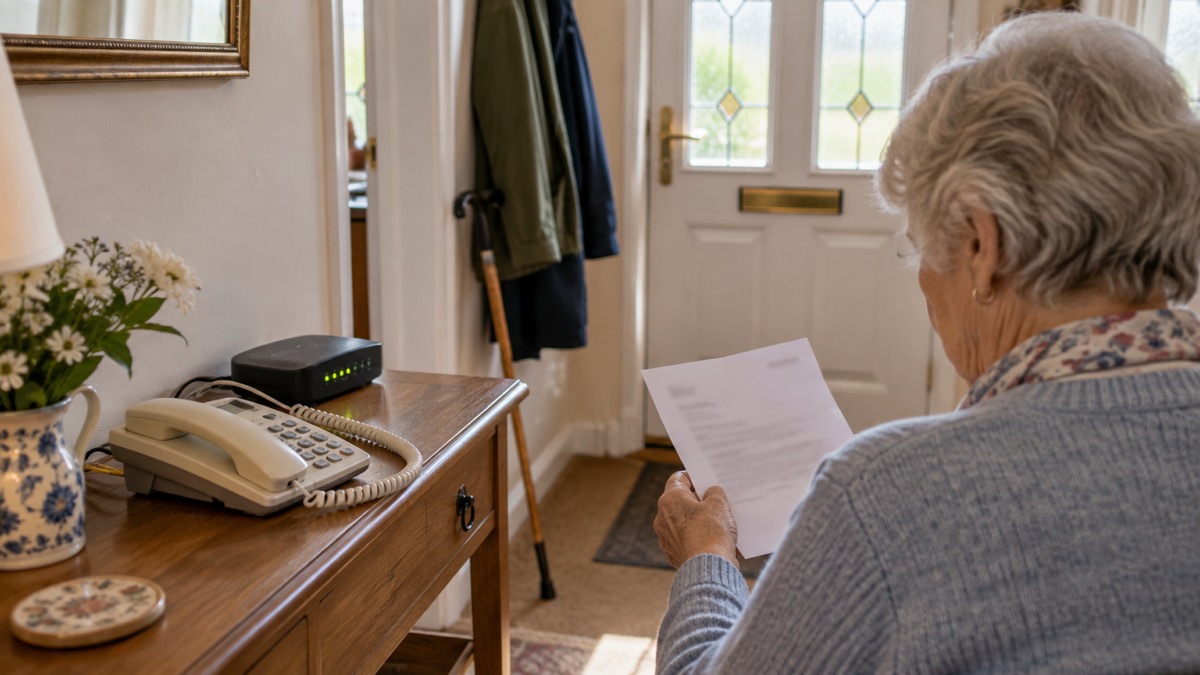
The first step is a question to your provider: contact your landline provider and they can let you know if your phone would work during a power cut16. The second is to know what you would do instead. If you have a power cut, no back-up power to your landline and a life-threatening emergency, you should attempt to call 999 or 112 using a mobile6. You might receive signal from a nearby area that is unaffected, because emergency calls automatically roam onto all available networks6. Even if you have no signal on your usual mobile network, calling 999 will automatically connect through another network if one is available4.
Back-up power for your home phone
There are two routes to a phone that survives a power cut: a back-up unit from your provider, or your own arrangements. The provider route is the one with rules attached, and many households qualify without realising it.
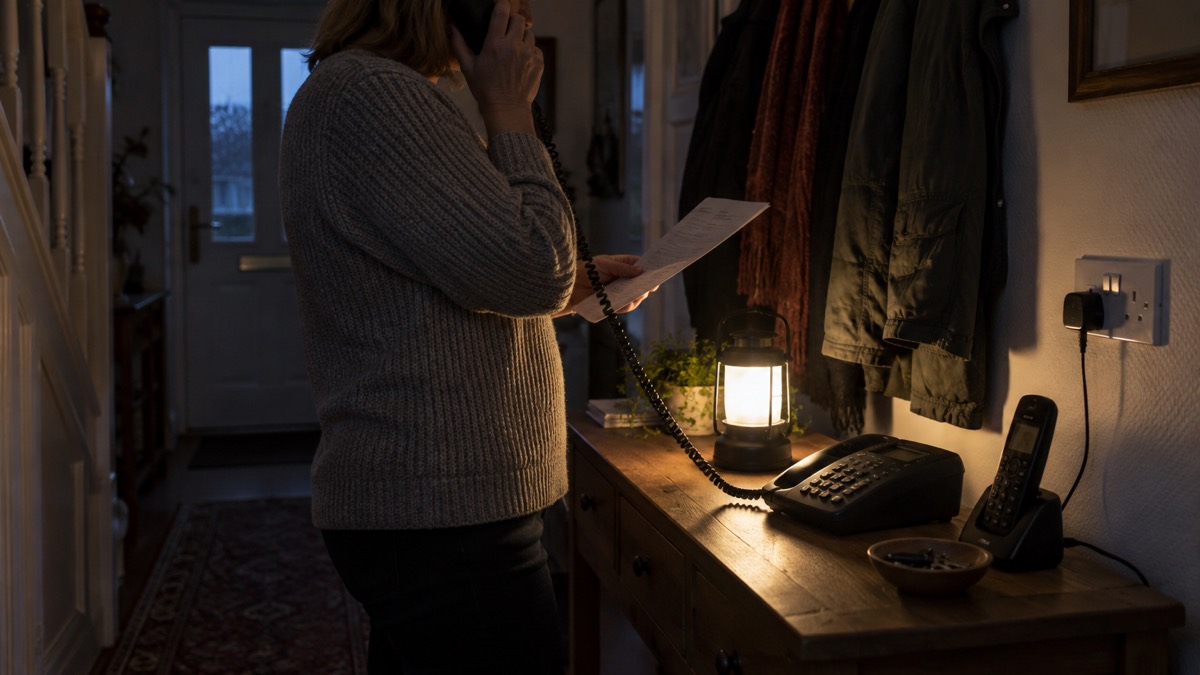
If you do not have a working mobile phone or a reliable mobile signal, your landline provider must offer you, for free, a back-up solution such as a battery back-up unit for your home7. The same requirement appears in official guidance for vulnerable customers: your communication provider must provide a free back-up battery unit, meaning your landline would work for at least an hour during a power cut, and many batteries now last much longer5. Where a provider offers a unit because your landline will not work in a power cut, it is for a minimum of one hour, enough to call the emergency services if you needed to6.
The trigger is not age or a medical condition on its own. It is the practical test of whether you can call for help another way: no working mobile, or no reliable signal where you live7. If that describes your household, ask for it directly rather than waiting to be offered.
- Tell your provider if you rely on your landline, have poor mobile signal, or use telecare or health devices, so they can make sure you get the right support and can provide battery back-up support3.
- Ask what the unit covers: a back-up source of power makes sure your home phone stays on, so your telecare can make an emergency call, and your provider will suggest the best backup options for your situation17.
- Check the run time you are being given, since the minimum is one hour and some last much longer5.
- Keep a charged mobile phone or an old-fashioned analogue telephone at hand, because landline phones which require a power source will not work during a power cut16.
If you would rather not depend on the provider's box, a charged mobile is the simplest second line, and our guide to backup power at home covers keeping a router and phone running through an outage. For the provider side in detail, see getting a free battery backup for a digital landline.
Who to contact if you rely on a landline
The households that need to act first are those where the phone is the safety line, not a convenience. Tell your provider before your landline is changed to digital if you rely on your landline and you do not have a working mobile phone or reliable mobile signal7. For people using a digital landline who do not have a mobile phone, or who live in an area with poor or no mobile signal, the advice is to speak to your communications provider about additional support they can offer you in advance18.
Telecare and personal alarms deserve their own conversation, because the phone company cannot see the alarm and the alarm supplier cannot see the line. Landlines across the UK are being switched to a new digital system, which may affect telecare devices and personal alarms14. Tell your landline provider and your device supplier before your landline is changed to digital if you, or someone in your household, has a telecare alarm, health pendant, personal alarm or any other device that uses your phone line7. Your provider will give additional support for the switchover and check whether your existing equipment is digital ready2.
| Who you are | Who to contact | What to ask |
|---|---|---|
| No mobile or no reliable signal | Your landline provider7 | A free back-up unit, and what it covers |
| Telecare or personal alarm user | Provider and device supplier7 | Whether the equipment is digital ready2 |
| Carer for someone who relies on the line | The provider, with the user's details | Extra support before the switch18 |
| Anyone unsure about power cuts | Your landline provider16 | Whether the phone works in a power cut |
There is also help beyond the phone company. The electricity network's Priority Services Register supports households that need extra help during a power cut, and our guide to extra help in an emergency covers older, disabled and medically dependent households. If speaking on the phone is difficult, the emergency services have arrangements for calls where no one can speak: landline callers who give no request for an emergency, no answers to questions or only background noise will be connected to a police call handler, as doubt exists19. Our page on silent 999 calls explains how that works.
What Virgin Media customers should know
Virgin Media's fibre landline, also known as digital voice, runs over its broadband network, so it does not have its own backup power source20. That is the same power-cut limitation as other digital lines, stated by the provider itself.
The provider asks certain customers to get in touch before their switch: if you have telecare devices connected to your landline, accessibility needs, are over 75, have no mobile for emergencies, wired telephone extensions or text relay, contact Virgin Media for support during your switch, and it will make sure you get the support you need or carry out your switch differently at a later date21. Customers with an older Hub (Super Hub 1, Super Hub 2 or Super Hub 2ac) will have a new Hub installed at no extra cost22.
If you are a Virgin Media customer in any of those groups, treat the switch date as a deadline for a phone call, not a date to react to afterwards. Our guide to keeping your router and hub running in a power cut covers the equipment side, and extra help from phone and broadband providers explains what providers are expected to offer.
If the phone fails: calling 999 and other ways to reach help
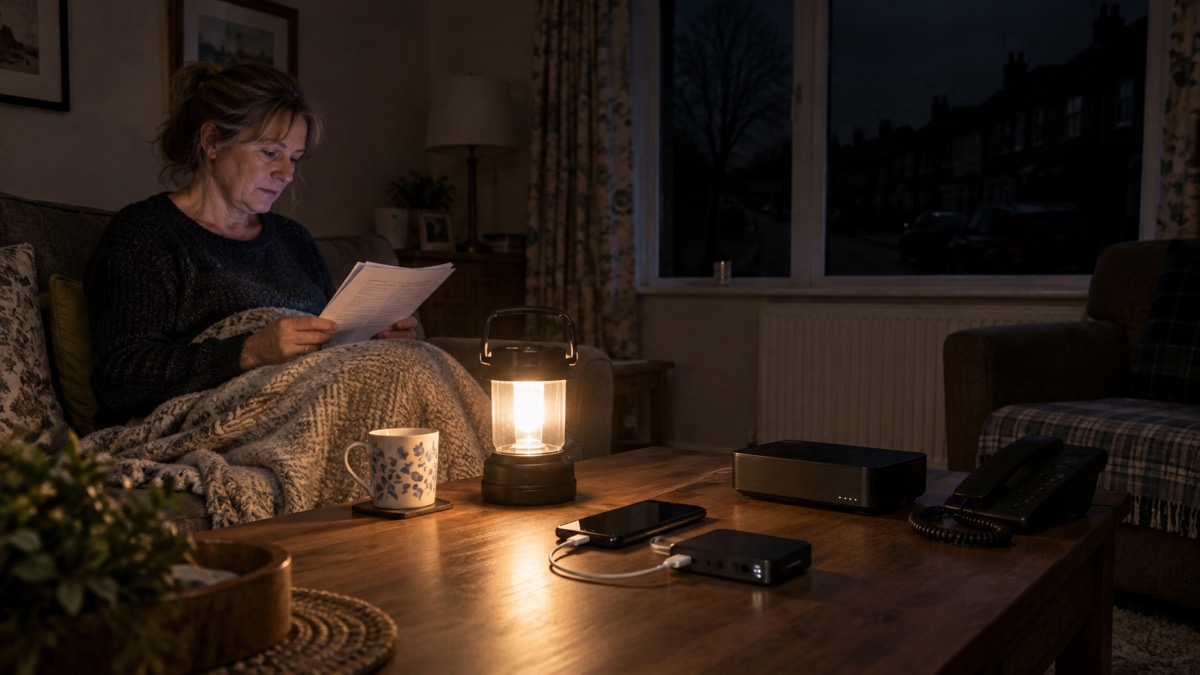
The single most useful thing to rehearse is the emergency call. If you have a power cut and no back-up power to your landline, and a life-threatening emergency, attempt to call 999 or 112 using a mobile6. You might receive overlapping signal from a nearby area that is unaffected, because emergency calls automatically roam onto all available networks6. This is not a trick or a setting: the call finds another network if one is there4.
Mobile signal is only a back-up if it works where you live. If you do not have a mobile phone, have weak mobile signal, or rely on your landline for everyday contact, tell your service provider so they can make sure you get the right support10. That conversation is also what unlocks a free back-up unit7.
Beyond the phone, plan for how you would hear warnings and reach people if the line stayed down. Our guides to what to do when phones and the internet go down and to mobile networks in a power cut cover the wider picture, and corded or cordless phones in a power cut compares the two handset types directly. If you want the short version of the power-cut question, see will your landline work in a power cut.
Sources (22)
- The digital switchover, Suffolk County Council, 2026
- Switchover to digital landlines, South Gloucestershire Council, 2026
- The landline switchover, National Grid, 2026
- Power cuts, UK Government Prepare campaign, 2026
- Stay connected in severe weather, Ofcom, 2026
- Loss of essential services, Greater Manchester Combined Authority, 2026
- The future of landline calls, Ofcom, 2026
- Digital phone lines, Openreach, 2026
- Digital phone switchover, Argyll and Bute Council, 2026
- Analogue phone lines, Openreach, 2026
- Telecare, Staffordshire County Council, 2025
- Your landline is going digital: here's how to stay connected, RNID, 2025
- Digital phonelines for homes, Openreach, 2026
- Telecare, Age UK, 2026
- Keep Safe Keep Well Winter Safety Campaign 2024-2025, NHS Western Isles, 2024
- Preparing for a power cut, Centre for Sustainable Energy, 2026
- Check your personal alarm will work after the landline switch off, Citizens Advice, 2026
- What to do in a power cut, Met Office, 2026
- If you can't speak when you call 999, Bath and North East Somerset Council, 2026
- Emergency backup, Virgin Media, 2026
- Digital voice switchover, Virgin Media, 2026
- Landline switch off, Virgin Media, 2025
 Free Alert Services
 Emergency Apps
 Digital Switchover Checklist
 Silent 999 Calls
 Giving Your Exact Location
 When to Call 999
 Calling 999 With No Signal
 999 by Wi-Fi Calling
 When You Get an Alert
 Alerts While Driving
 Spotting a Genuine Alert
 Phones That Get Alerts
 Emergency Alerts On or Off
 Emergency Alert Privacy
 Emergency Alert Tests