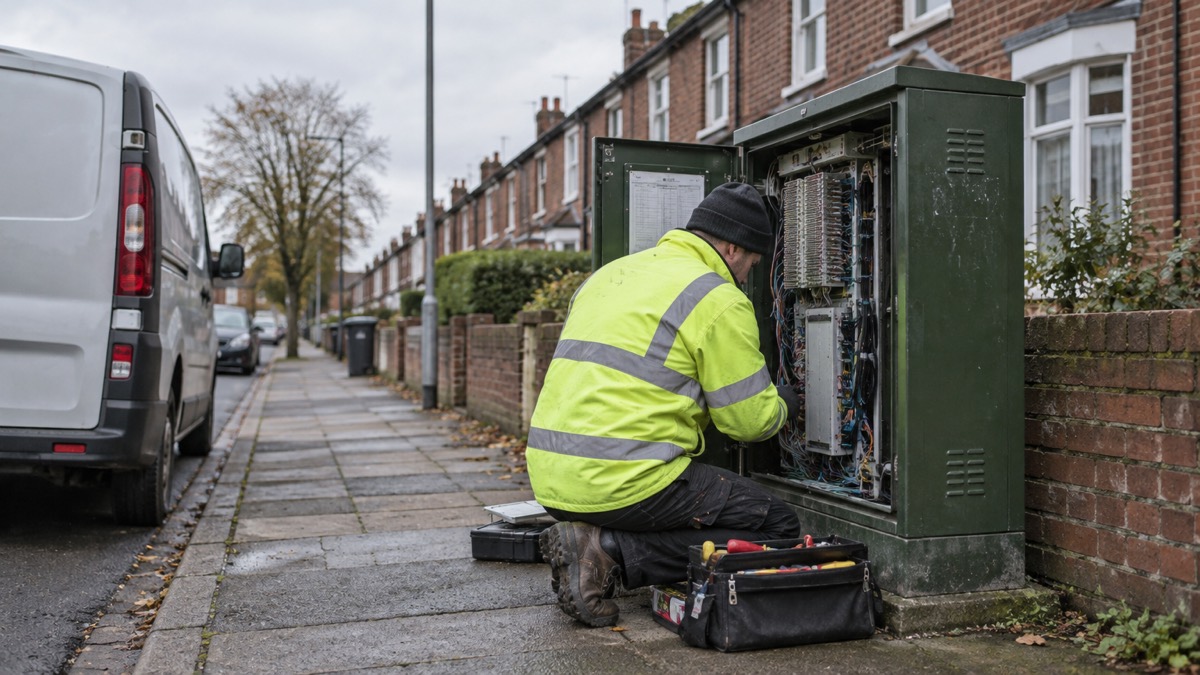
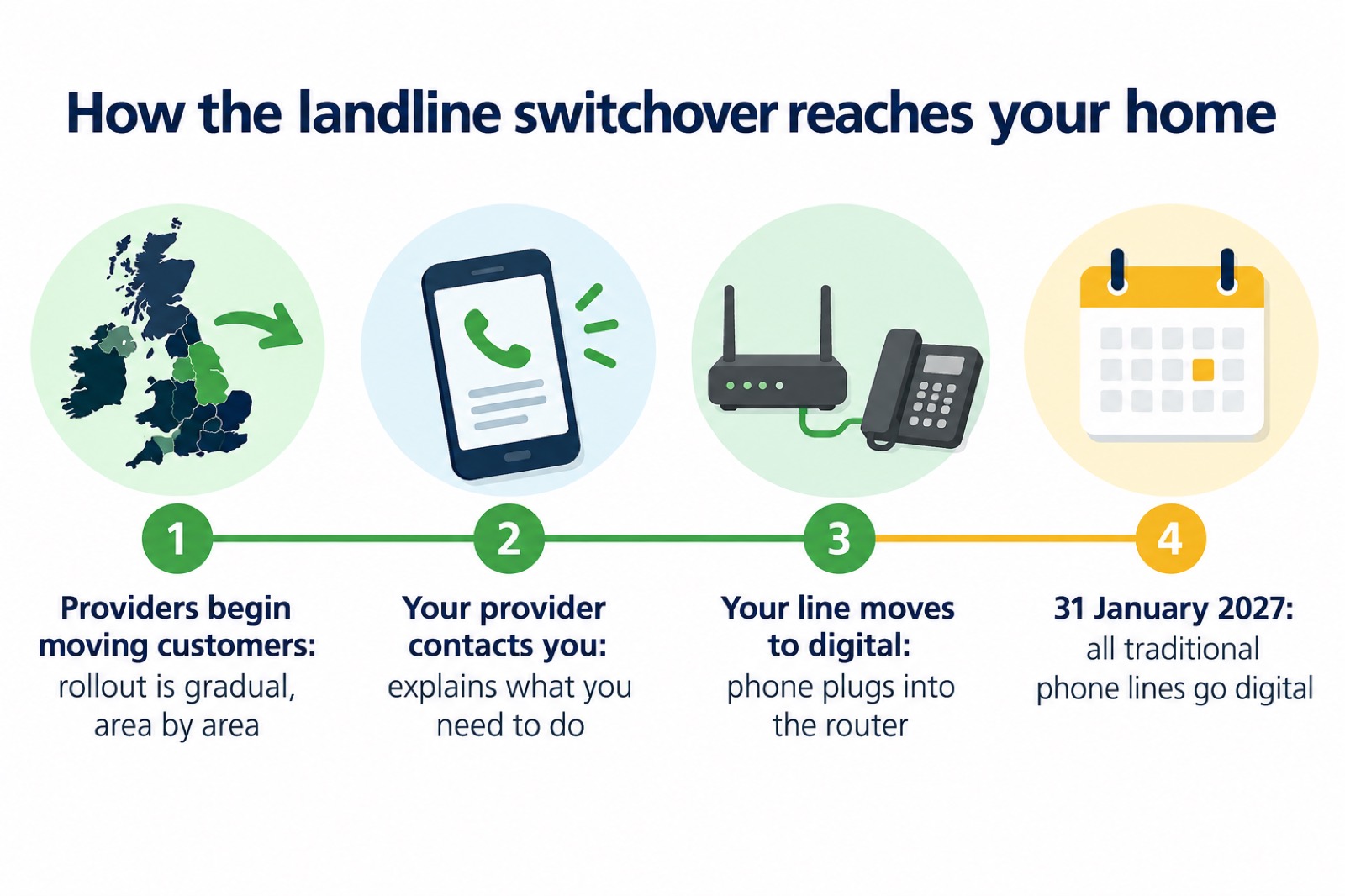
The old analogue phone network, the copper system that has carried landline calls for decades, is being switched off. The date to know is 31 January 2027: by then all traditional phone lines will be going digital1. Most customers can expect their telephone lines to have made the switch by the end of January 20272, and Ofcom says consumers on the BT Openreach network should have been moved to a digital landline, or to another phone service that lets them keep using a landline in the same way as today, by that date3.
You do not have to do anything on the day. The change is happening gradually, provider by provider, and your phone company will contact you before your line is changed to explain what you need to do4. What you should do now is check whether anything in your household depends on the old line working in a particular way: a telecare alarm, a personal pendant, a phone you rely on because mobile signal is poor where you live, or a landline that is your only way of calling for help.
The practical difference is that a digital landline connects over your internet service and needs mains electricity. It will not work in a power cut unless there is a battery back-up3. That single change is behind most of the advice on this page.
The analogue network switches off by the end of January 2027
The deadline is stated consistently across official and independent guidance. Openreach, which runs the network most UK providers use, says that on 31 January 2027 all traditional phone lines will be going digital1. Ofcom, the communications regulator, sets out the same date for consumers on the Openreach network3. The Telecare National Action Plan, published by the government, says most customers can expect their telephone lines to have made the switch by the end of January 20272.
Not every document agrees. Some council guidance gives a later date: Hinckley and Bosworth Borough Council says that by December 2027 phone lines across the country will be upgraded from analogue to a digital service9. Treat December 2027 as an outer limit at best, not a date to plan around.
The rollout is gradual rather than a single event. Carers UK describes the switchover as happening gradually and expected to be completed by the end of January 202710. Age UK says the process will be complete by January 202711. In practice this means your area and your provider will move at different times, and the deadline is the end point of a process already under way, not the day everything changes at once.
The change is being made by the telecoms companies, not by National Grid or your electricity supplier12. If you receive a letter about your phone line, it will come from your phone or broadband provider.
What the switchover means for your phone
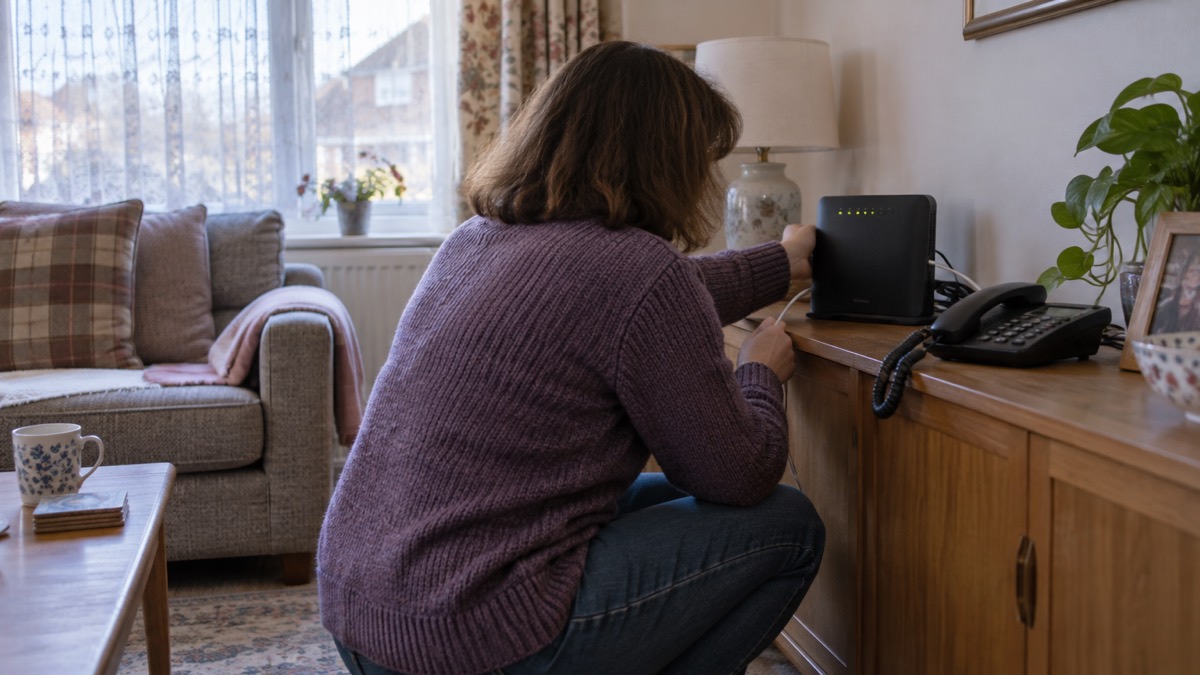
The digital switchover means most providers will move customers from old analogue copper landlines to new digital phone services8. In the home, the visible change is small: instead of plugging into the phone socket on your wall, your landline will plug into your broadband router5. Digital phone lines use your internet connection to make calls13.
The reason given is reliability. Suffolk County Council describes the switchover as upgrading home phone services across the UK, changing from older, less reliable copper wires to fibre ones14. The old system is being retired: the old phone system will be retired in 202712.
| What you have now | What changes | What stays the same |
|---|---|---|
| Phone plugged into wall socket | Plugs into the broadband router instead5 | Your phone number7 |
| Calls carried over copper | Calls carried over your internet connection13 | Most existing handsets work fine14 |
| Line powered by the exchange | Needs mains electricity, plus a battery back-up for power cuts3 | Your provider contacts you before the change4 |
Your provider will contact you before the change to explain what you need to do4. Providers named in council guidance include BT, Virgin Media and O28. If you have not heard from your provider and you are unsure whether your line has already moved, ring them and ask.
Every UK household is being moved, gradually
All households in the UK are being moved from the old analogue landline service to a new digital, internet-based voice service by January 202715. The switchover is happening gradually and should be completed by the end of January in 202712.
The move affects more than the phone on the hall table. Services that rely on the old landline system, such as home phones, telecare and health devices, will need to be upgraded4. That is why the advice to act early is aimed particularly at households with an alarm or a health device connected to the line.
If you want to know what to check before your own line changes, the digital landline switchover guide walks through it, and there is a step by step checklist you can work through in an evening.
A digital landline will not work in a power cut without a battery back-up
This is the change that matters most for safety. Digital landlines need mains electricity and will not work in a power cut unless there is a battery back-up3. National Grid puts it plainly: if your power goes off, so does your router, and so does your phone line12. South Gloucestershire Council states that digital landlines do not work during power cuts8.
Help is available. The government's emergency advice says that if your landline will not work during a power cut, your landline provider might offer you a free solution, such as a back-up battery unit, for a minimum of one hour, that enables emergency calls during a power cut6. Ofcom advises people using a digital landline who do not have a mobile phone, or who live in an area with poor or no mobile signal, to speak to their communications provider about additional support in advance16.
The Centre for Sustainable Energy advises contacting your landline provider, who can let you know if your phone would work during a power cut17. The Met Office gives the same advice for anyone whose landline is their only way of making emergency calls, or who has a telecare kit connected18. Greater Manchester Combined Authority adds the same point for households where the landline is the only route to emergency services19.
If you want to understand the options in more detail, see will your landline work in a power cut and getting a free battery backup for a digital landline.
Telecare alarms and personal alarms need checking before the switch
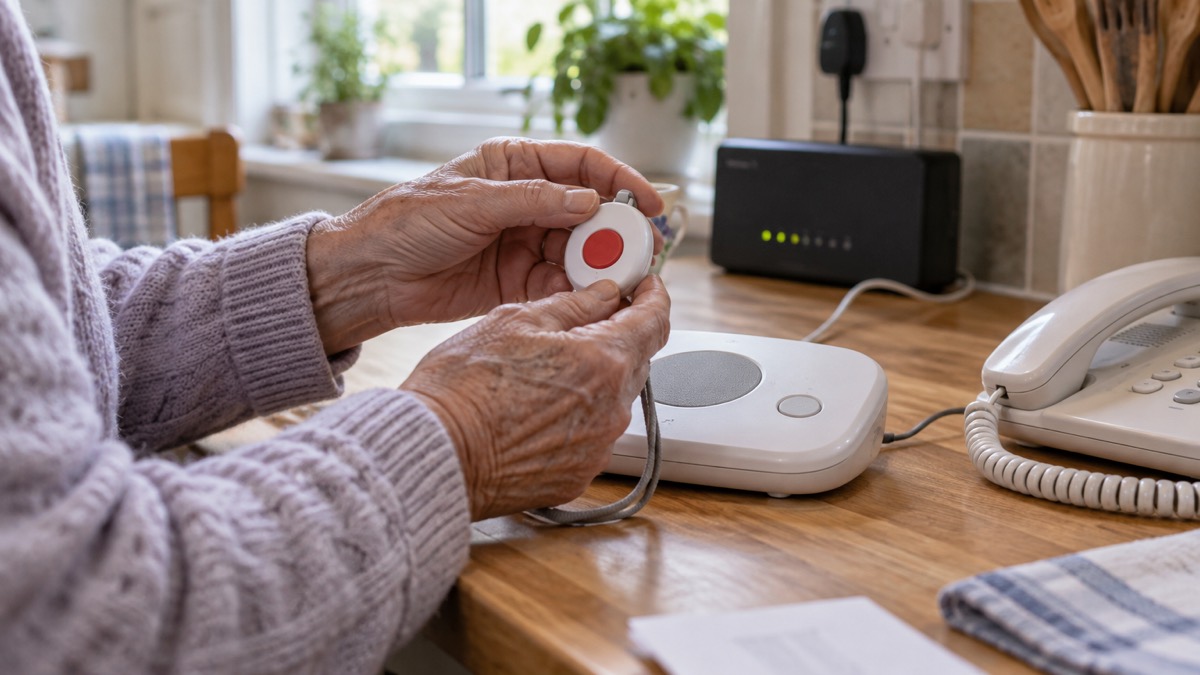
Landlines across the UK are being switched to a new digital system, which may affect telecare devices and personal alarms11. Carers UK says the transition could impact telecare devices and personal alarms20. Age UK notes that most telecare alarm providers will have upgrade plans, and advises letting your communications provider know if your phone line has been or is due to be upgraded4.
The official advice is specific. Tell your landline provider and your device supplier before your landline is changed to digital if you, or someone in your household, has a telecare alarm, health pendant, personal alarm or any other device that uses your phone line3. National Grid adds a direct warning: do not assume a personal alarm, fall detector or medical pendant will keep working after the switch to digital phone lines, or during a power cut12.
When you contact the alarm supplier, ask them to confirm two things: that the device is compatible with the new digital phone network, and what happens if the power goes off12. Independent Age explains how technology to keep you safe at home works, which is useful background if you are choosing or reviewing a device21.
Households supporting an older or disabled relative can find more in the telecare and personal alarms guide and the wider extra help in an emergency section.
If you have no broadband, or rely on your landline
You will not be left without a phone. If you do not have an internet connection, your phone company will ensure that there is still a landline only service offered8. Nobody will have to lose their landline service because of this change14.
Tell your provider before your landline is changed to digital if you rely on your landline and you do not have a working mobile phone or reliable mobile signal3. The Met Office gives the same advice: speak to your communications provider about additional support they can offer you in advance18.
There is also help for people who need priority treatment during a power cut. National Grid runs a Priority Services Register for customers who need extra support, and you can ask to be added22. You can read more about extra help from phone and broadband providers.
Keeping your number, and what happens after the deadline
You can usually keep your existing number when you switch7. Your phone number will not change, and most handsets will work fine with the new system14. If you have an old handset you are fond of, there is guidance on whether an old phone handset will work on a digital line.
After 31 January 2027, the old copper network is retired12. Consumers on the Openreach network should by then have been moved to a digital landline, or to another phone service that lets them keep using a landline in the same way as today3. If your line has not moved by then, contact your provider rather than assuming the old line will keep working.
The change is being rolled out gradually and is expected to be completed by January 202720. RNID, the hearing loss charity, has published guidance on staying connected as landlines go digital, which is useful if you use a textphone or a hearing aid compatible handset23.
Sources (23)
- The Big Switch Off, Openreach, 2026-10-29
- Telecare National Action Plan, GOV.UK, 2025-02-11
- Future of landline calls, Ofcom, 2026-08-26
- Digital phone switchover, Argyll and Bute Council, 2026
- Analogue phone lines, Openreach, 2026-10-25
- Advice for disabled persons and carers, UK Government Be Ready campaign, 2026-10-20
- Digital phone lines, Openreach, 2026-10-29
- Switchover to digital landlines, South Gloucestershire Council, 2026
- Home safety and personal security system, Hinckley and Bosworth Borough Council, 2026-06-30
- Technology and equipment, Carers UK, 2026-10-25
- Telecare, Age UK, 2026-08-11
- The landline switchover, National Grid, 2026-10-25
- Support for vulnerable customers, Openreach, 2026-10-29
- The digital switchover, Suffolk County Council, 2026-10-29
- Find a telecare provider, GOV.UK, 2025-05-13
- Stay connected in severe weather, Ofcom, 2026-10-13
- Preparing for a power cut, Centre for Sustainable Energy, 2026-08
- What to do in a power cut, Met Office, 2026-10-25
- Loss of essential services, Greater Manchester Combined Authority, 2026-10-29
- Emergencies, adaptations and telecare, Carers UK, 2026-10-29
- Technology to keep you safe at home, Independent Age, 2026
- Priority Services Register, National Grid, 2026
- Your landline is going digital, RNID, 2025-11
 Free Alert Services
 Emergency Apps
 Digital Switchover Checklist
 Silent 999 Calls
 Giving Your Exact Location
 When to Call 999
 Calling 999 With No Signal
 999 by Wi-Fi Calling
 When You Get an Alert
 Alerts While Driving
 Spotting a Genuine Alert
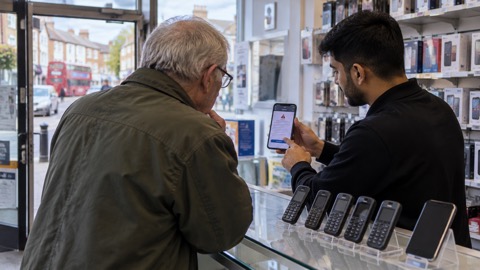 Phones That Get Alerts
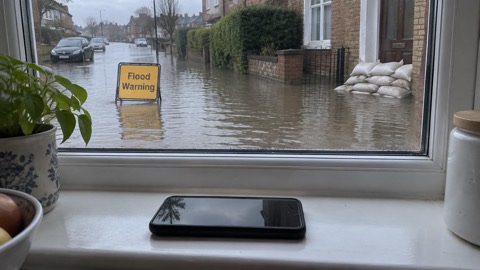 Emergency Alerts On or Off
 Emergency Alert Privacy
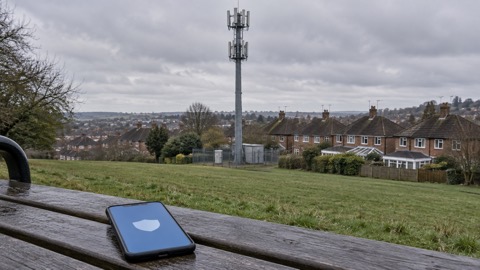 Emergency Alert Tests