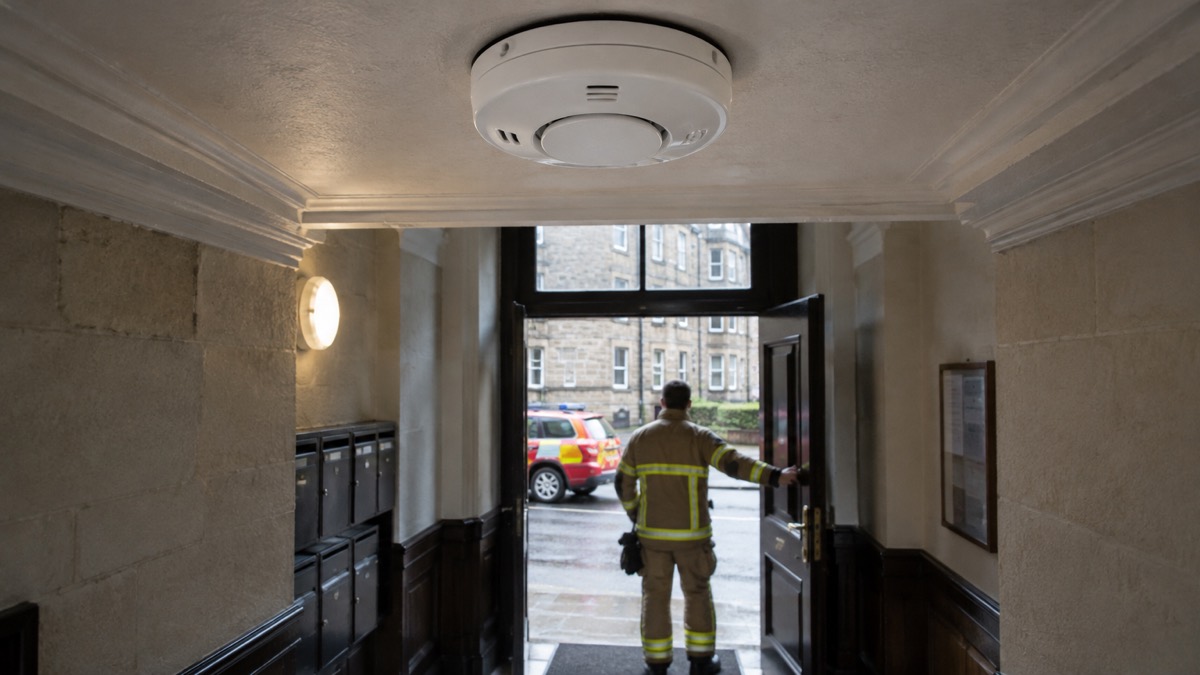
The FireAngel SP500 is a mains powered smoke alarm that sounds at more than 85 dB at 3m and carries a 10 year warranty1. For a household getting ready for emergencies, its job is simple and important: it gives you early warning of a fire at night or during a power cut, when you have least time to react. The maker's range also includes heat and carbon monoxide alarms, so the first thing to establish is which alarm you actually have2.
Getting the most from it comes down to three things. Fit it where you will hear it, which means hallways, landings and inside or directly outside bedrooms, on every level of the home5. Test it regularly and know what its beeps mean, because a chirping alarm is telling you something rather than malfunctioning for no reason6. And keep the model code and FireAngel's support number to hand, so that if it faults you can get advice rather than leaving a dead alarm on the ceiling8.
FireAngel SP500: a smoke alarm for the home
The SP500 is a smoke alarm, not a heat alarm and not a carbon monoxide alarm2. That distinction matters more than it sounds. A smoke alarm responds to smoke and is the right device for hallways, landings, living rooms and bedrooms, where a fire would produce smoke before it produced much heat. A heat alarm is for kitchens, garages and attics, where cooking and dust would set a smoke alarm off constantly. A carbon monoxide alarm is for rooms with a fuel-burning appliance. Fitting the wrong type in the wrong place either leaves you unprotected or leaves you with an alarm you keep silencing.
The SP500 is mains powered, running on AC 230V / 50Hz1. That means it draws its power from the home's wiring rather than a battery you change, which suits a household that wants an alarm it does not have to think about. It also means it is only as reliable as the circuit it sits on. During a power cut the alarm will not have mains power, so it is worth knowing how your particular unit behaves and checking it once the power returns. If you want an alarm that keeps working through an outage without any wiring at all, a battery powered model is the alternative, and the choice between the two is set out in our guide to battery or mains smoke alarms.
The SP500 also has an end of life indication, a clear reminder to replace the alarm rather than a silent failure1. Combined with the 10 year warranty, that gives a household a predictable replacement cycle: fit it, test it, and when it tells you it has reached the end of its life, replace it1. The maker's wider range includes wireless interlinkable alarms and a wireless gateway, so a household extending its system later has somewhere to go, but the SP500 itself is a standalone smoke alarm10.
Model code FA4150BW and what the specifications tell you
The quick reference code FA4150BW identifies your alarm as the SP500, a mains powered smoke alarm1. It is worth writing down and keeping with your household paperwork, because when an alarm starts misbehaving the first question any support line will ask is which model you have.
| Specification | FireAngel SP500 (FA4150BW) |
|---|---|
| Product type | Smoke alarm1 |
| Quick reference code | FA4150BW1 |
| Supply voltage | AC 230V / 50Hz1 |
| Alarm sound level | more than 85 dB at 3m1 |
| Low battery warning | Yes1 |
| End of life indication | Yes, a clear reminder to replace the alarm1 |
| Night sensing | Dims the green power LED in low light to avoid sleep disturbance1 |
| Plastic material | PC/ABS1 |
| Warranty | 10 years1 |
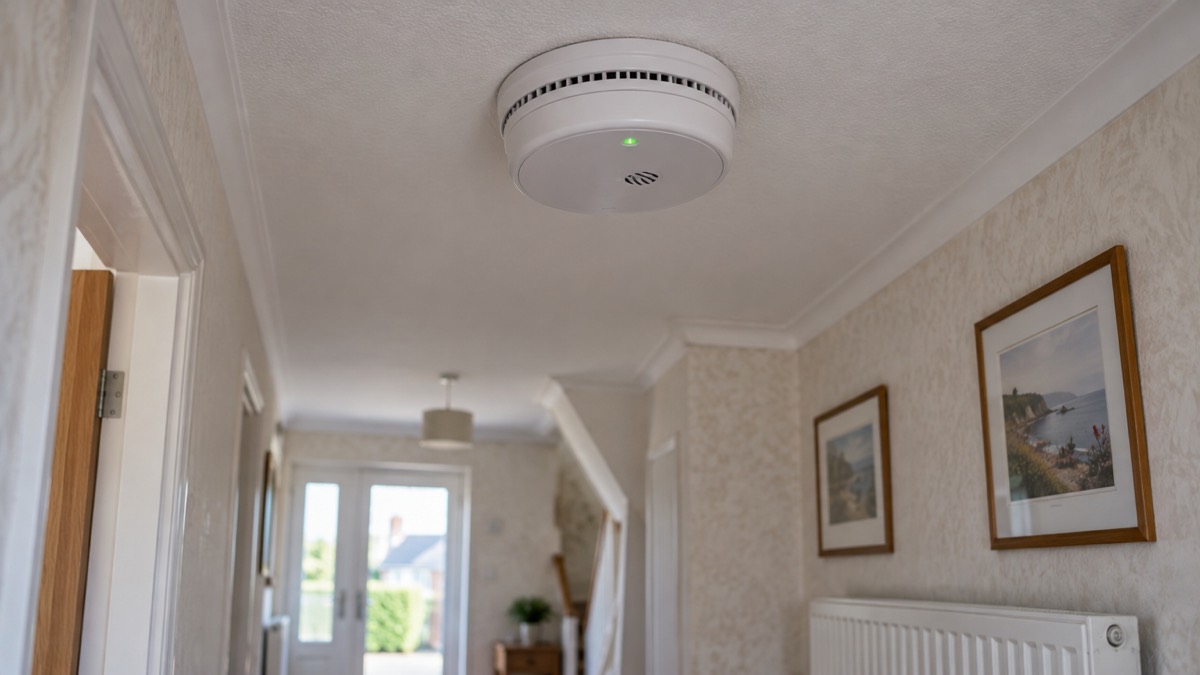
Two of these specifications bear directly on emergency planning. The first is the sound level: more than 85 dB at 3m is loud, roughly the level of a busy road or a power tool, and it is the figure that decides whether the alarm will wake you1. The second is night sensing, which senses ambient light and reduces the brightness of the green power LED so it does not disturb sleep1. That sounds like a small comfort feature, but it matters for preparedness: an alarm whose light keeps you awake is an alarm you unplug or move, and a moved alarm protects nothing.
The low battery warning is the one to learn. On a mains alarm it may rarely sound, but if it does it is telling you the backup has gone, and the maker's advice is to consult the manual if the alarm beeps when it is not being tested, because the battery could be running low or the alarm could be coming to the end of its life7. Our guide to why a smoke alarm keeps chirping covers the general causes.
Where a smoke alarm needs to be heard
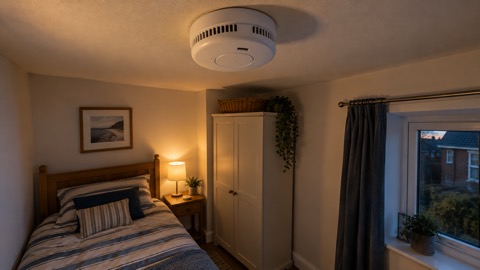
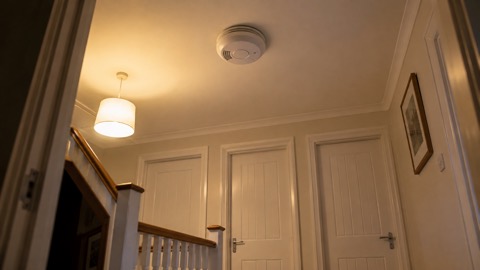
A smoke alarm earns its place by being heard, and that is a question of position rather than specification. FireAngel's advice is that smoke alarms should be installed in hallways, landing areas, lounge areas where people gather, inside or directly outside bedrooms, and on each level of your home5. The reasoning is straightforward: fires start in living spaces and kitchens, people sleep in bedrooms, and the route between the two is the hallway and landing. An alarm in a closed-off spare room protects the spare room.
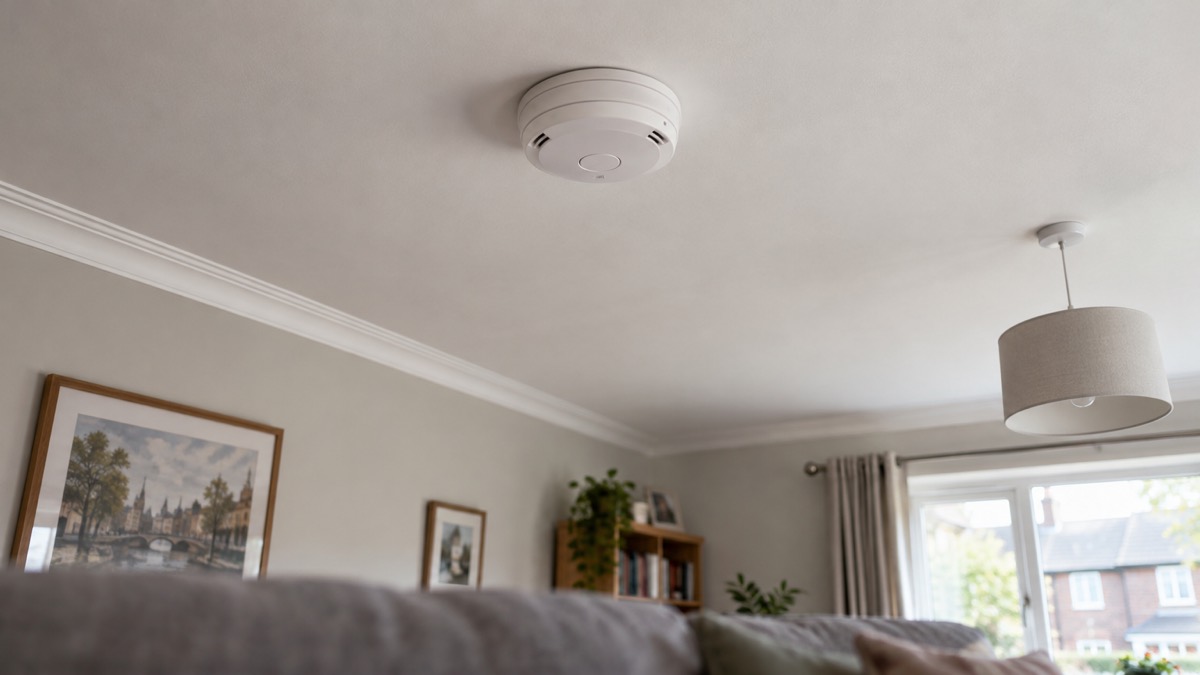
For a fuller system, the maker recommends a smoke alarm in the circulation space on each level of the home, the hallway and landing, as well as in living spaces and bedrooms, alongside heat alarms in the kitchen, garage and attic, with the alarms interlinked so that if one sounds they all sound11. Interlinking is what turns a collection of alarms into a system: a fire in the kitchen sets off every alarm in the house, including the one outside your bedroom door. Our guide to interlinked alarms explains how linking works.
Position on the wall or ceiling matters too. For a mains powered alarm, the maker's guidance is to ensure the alarm is 300mm from the nearest wall and between 100mm and 300mm below the ceiling13. For a battery powered smoke alarm the maker gives 300mm from the nearest wall and between 150mm and 300mm below the ceiling11. Lincolnshire's fire and rescue service puts the general rule plainly: make sure the alarm is in a location where you can hear it when asleep and at least 30cm away from walls and light fittings14. The SP500 can be fitted in living rooms, bedrooms, hallways, landings and dining rooms13.
What to do when the alarm sounds
If the SP500 sounds and there is no fire, the maker's reset sequence is worth knowing before you need it. Wait for the alarm to stop sounding; if it carries on, remove the alarm from its base plate6. Refit the battery or reconnect the power, then reattach the alarm to its base plate and press the test button to check the alarm is working6. If it carries on sounding, clean it gently with a vacuum cleaner and a soft brush attachment15.
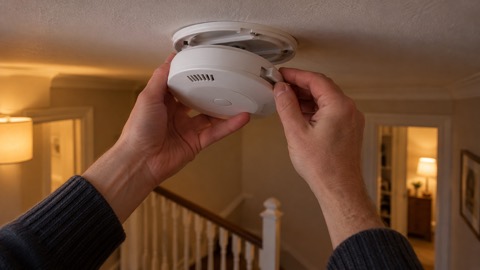
For mains powered alarms the maker adds a useful check. Remove the alarm from the base plate, reattach it, then test it twice: if you hear three beeps it is now fitted correctly and the amber light should stop; if it does not sound, or keeps flashing amber or chirping, replace it, or contact customer support if it is under warranty16.
A real alarm is a different matter. Get everyone out, stay out, and call 999. Our guide to what to do if a fire starts in your house sets out the order of actions, and how to make a fire escape plan covers practising the route before you need it. If you cannot get out, what to do if you cannot escape a fire explains how to protect yourself while you wait.
Hearing it while asleep, and when someone cannot hear it
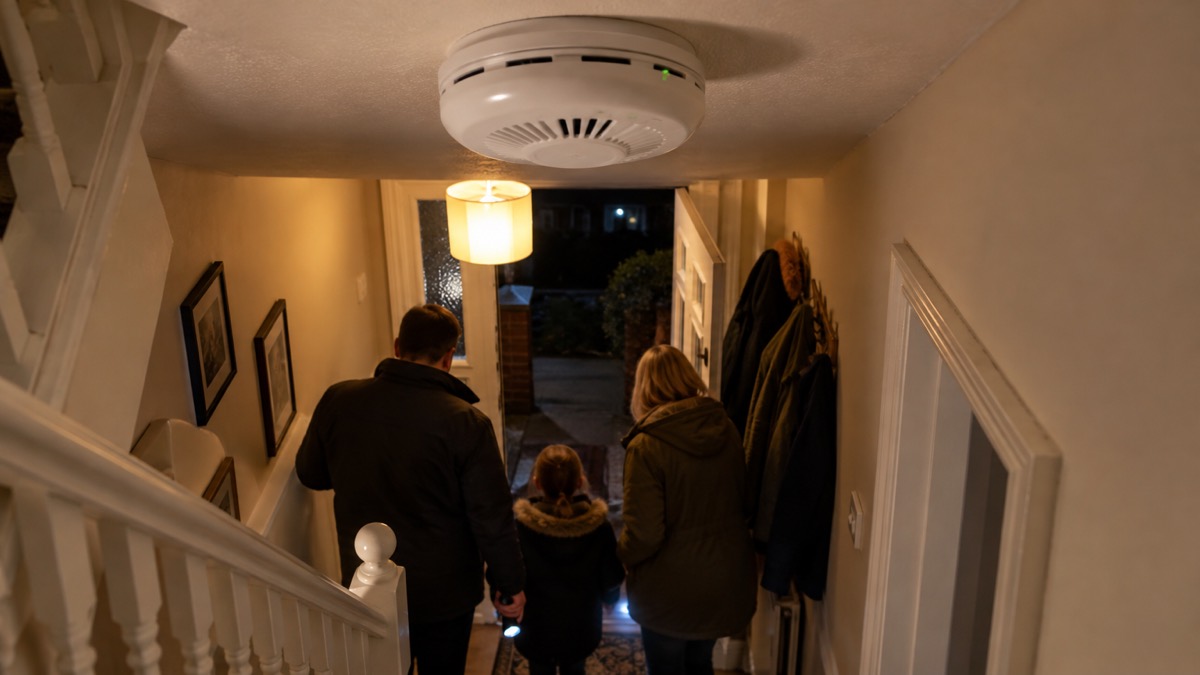
The SP500's night sensing dims the green power LED in low light so it does not disturb sleep1, and its sound level of more than 85 dB at 3m is designed to wake a sleeping household1. But sound is reduced by closed doors and by distance, which is why the maker's placement advice puts an alarm inside or directly outside each bedroom rather than relying on one alarm downstairs5.
For anyone who is deaf or hard of hearing, sound alone is not enough. Specialist smoke alarms use a vibrating pad placed under a mattress or pillow at night; when smoke is detected the pad vibrates and the strobe light flashes to alert the sleeper17. Fire Scotland's deaf awareness guidance describes this setup, and it is the arrangement to ask about if a member of your household would not wake to an audible alarm17. Our guide to smoke and CO alarms for deaf and hard of hearing people covers the options.
There is one reassurance worth knowing if you ever have to silence an alarm to clear smoke from burnt toast. The smoke alarm will still detect smoke during this time18. Silencing buys you quiet, not blindness, but it is not a substitute for finding out why the alarm sounded.
Support, warranty and checking for notices
The SP500 carries a 10 year warranty1. If it faults, the maker's advice is to contact the FireAngel Customer Support Team if the alarm is under warranty, and otherwise to replace it6. FireAngel customer support can be reached on 0800 141 2561 or by email at technicalsupport@fireangeltech.com for issues with current smoke alarms9. Lincolnshire County Council, which fits FireAngel alarms in some homes, directs residents to the same number, 0800 141 2561, or to the FireAngel website for advice14. The maker's fax line is +44 (0)2476 69361019.
Before you call, have the model code FA4150BW to hand, so support can identify your alarm as the SP5001. It lets support match your alarm to the right datasheet and tell you quickly whether the fault is a battery, an end of life indication or something else. If you are checking whether a notice applies to your alarm, check the maker's own support pages and any paperwork that came with it, and ask support directly if you are unsure. Our guide to how to check if an electrical product has been recalled sets out the general approach.
Fire and rescue services also offer home fire safety visits, which Staffordshire Fire and Rescue Service describes on its site, and these can help if you are unsure where alarms should go or how to test them9. If your alarm is faulty, Buckinghamshire Fire and Rescue Service has guidance on faulty smoke alarms and what to do about them18. For the wider picture of alarm types and how to choose between them, see our guide to smoke alarms, and for the maker's full range, the FireAngel page.
Sources (19)
- SP500 FA4150BW Spec Datasheet, FireAngel, 2026-06
- SP530 FA4451BW Spec Datasheet, FireAngel, 2026-06
- SP520 FA4452BW Spec Datasheet, FireAngel, 2026-06
- SP510 FA4250BW Spec Datasheet, FireAngel, 2026-06
- Homeowner FAQs, FireAngel, 2026-11-02
- What does my smoke alarm beeping mean?, FireAngel, 2026-10-26
- Maintaining and testing your FireAngel smoke alarm, FireAngel, 2024-08-27
- FireAngel FAQs, FireAngel, 2026-11-02
- Home fire safety visits, Staffordshire Fire and Rescue Service
- FA8620BW-R Smoke Datasheet, FireAngel, 2026-07
- Installing your battery powered smoke alarm, FireAngel, 2024-10-16
- Installing your battery powered heat alarm, FireAngel, 2024-10-17
- Installing a mains powered smoke alarm, FireAngel, 2024-08-27
- Fire alarms and carbon monoxide detectors, Lincolnshire County Council, 2026-10-29
- How do I stop my smoke alarm from beeping?, FireAngel, 2026-10-26
- How to stop a FireAngel alarm beeping, FireAngel, 2024-08-27
- Deaf awareness, Scottish Fire and Rescue Service, 2024-08-08
- Faulty smoke alarms, Buckinghamshire Fire and Rescue Service
- ST-620 Data Sheet, FireAngel, 2024-09

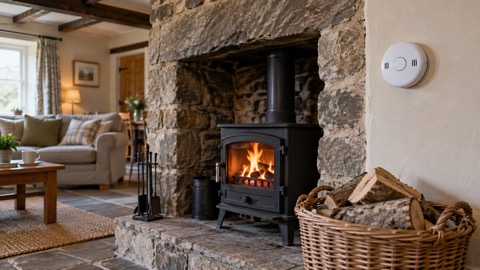 FireAngel FA3313 CO Alarm
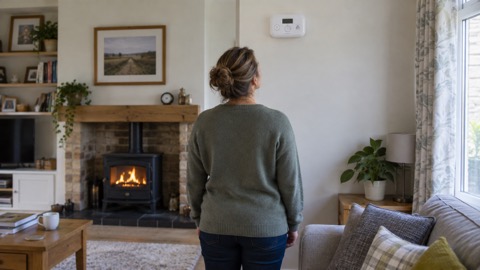 FireAngel FA3322 CO Alarm
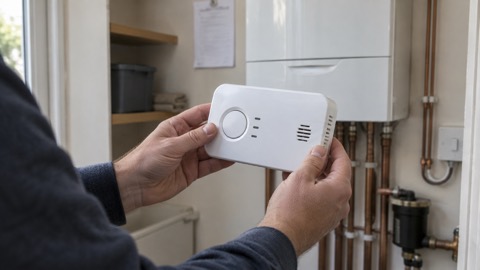 FireAngel FA3820 CO Alarm
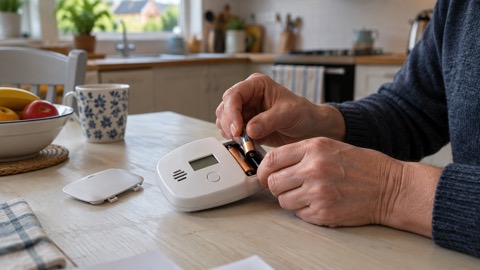 FireAngel FA6812 CO Alarm
 FireAngel FA6813 CO Alarm
 FireAngel FA6829S CO Alarm
 FireAngel CW1-PF CO Alarm
 FireAngel W2-CO-10X CO Alarm
 FireAngel FP1820W2-R CO Alarm
 FireAngel FP2620W2-R Alarm
 FireAngel ST-632 Smoke Alarm
 FireAngel ST-750 Smoke Alarm