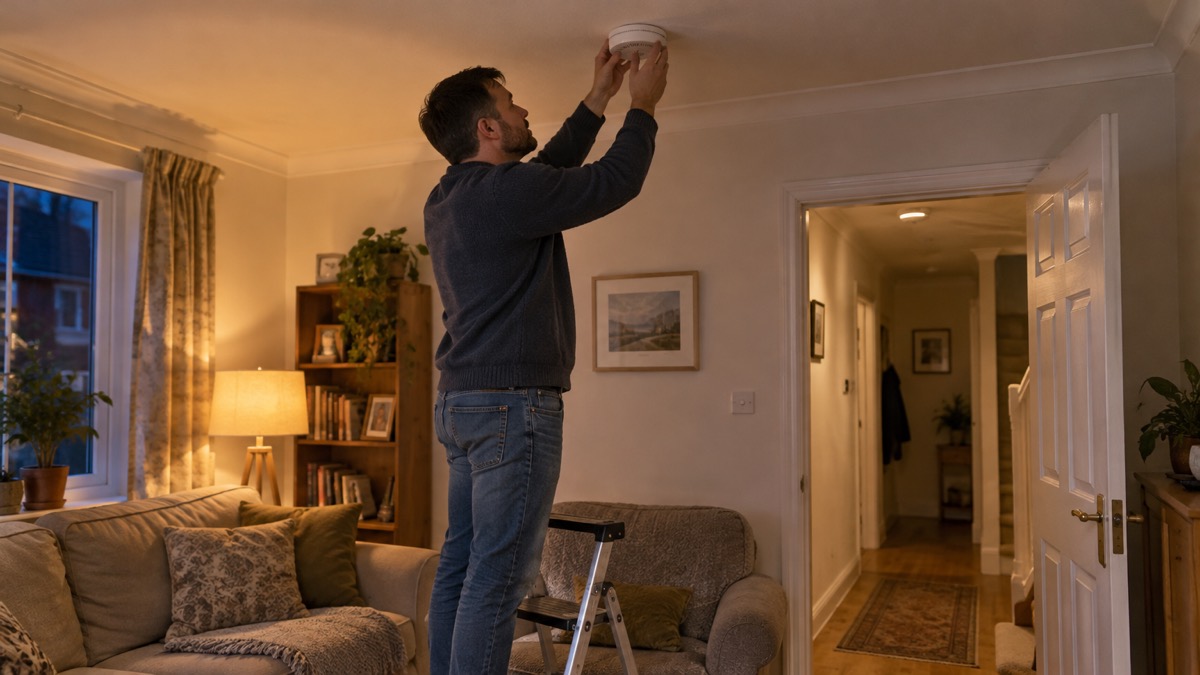
The FireAngel SW10 is a mains-powered optical smoke alarm with a 9V lithium battery back-up. It is wired into the household electricity supply, so it runs without ever needing a battery change in normal use, and the back-up keeps it working if the power fails. It is a smoke alarm only: FireAngel states that it does not detect carbon monoxide1.
If you are deciding whether it suits your home, the short answer is that it is built for ceilings on escape routes and in living rooms, it can be linked with up to 12 alarms on one wired network, and it needs a qualified electrician to install the wiring. Once it is up, the routine is simple: test it every month, vacuum it every 3 months, and replace the whole alarm every 10 years1.
This page sets out what the SW10 does, where to fit it, how the wiring and interlinking work, how to look after it, and what to do when the green light, a chirp or a false alarm tells you something is wrong. It covers the maker's own instructions for this model; for the wider picture on choosing alarms, see Smoke Alarms: Types and How to Choose One.
What the FireAngel SW10 is and what it suits
The SW10 is a ceiling-mounted optical smoke alarm that runs from the mains at 220 to 240V AC, 50 to 60Hz, drawing a maximum of 100mA, with a replaceable non-rechargeable 9V lithium battery as back-up1. The back-up matters: a mains alarm with a flat or missing battery is a plastic disc on the ceiling. FireAngel says that under normal use the battery should last the lifetime of the alarm1.
The sensing chamber is optical, working by "seeing" smoke as it enters the alarm4. FireAngel describes this as making it suited to slow burning fires where there is thick white smoke4. In practice that means the smouldering fires that can fill a room with smoke while people are asleep, which is why optical alarms are the usual choice for landings and hallways. For a fuller comparison of sensor types, see Optical or Ionisation Smoke Alarms.
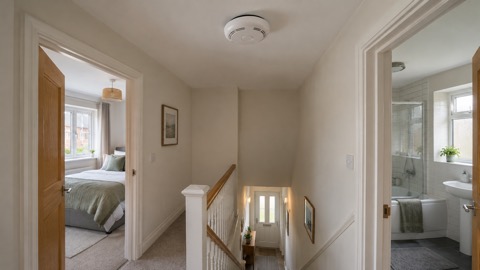
FireAngel lists the SW10 as suitable for the landing, hallway, bedroom, living room and dining room1. It is certified to EN 14604:2005 +AC:2008 and carries third-party certification1. FireAngel's wider range carries the BSI Kitemark and is described as a compliant range for England, Wales and Scotland5. Alarm rules differ in Northern Ireland; see Wales and Northern Ireland: Alarm Rules and Fire Services.
| Specification | FireAngel SW10 figure |
|---|---|
| Type | Mains-powered optical smoke alarm with battery back-up1 |
| Mains supply | 220 to 240V AC, 50 to 60Hz; 100mA maximum current1 |
| Back-up battery | 1 x 9V lithium (PP3); EVE CR9V/P Lithium or Energizer L5221 |
| Sound level | 85dB at 3 metres2 |
| Dimensions | 126mm diameter x 49mm depth2 |
| Operating temperature | 5°C to 38°C2 |
| Operating humidity | 10% to 85% relative2 |
| Interlinking | Up to 12 FireAngel mains smoke, heat or CO alarms1 |
| Warranty | 5 years2 |
Where to fit it: at least 300mm from walls and lights
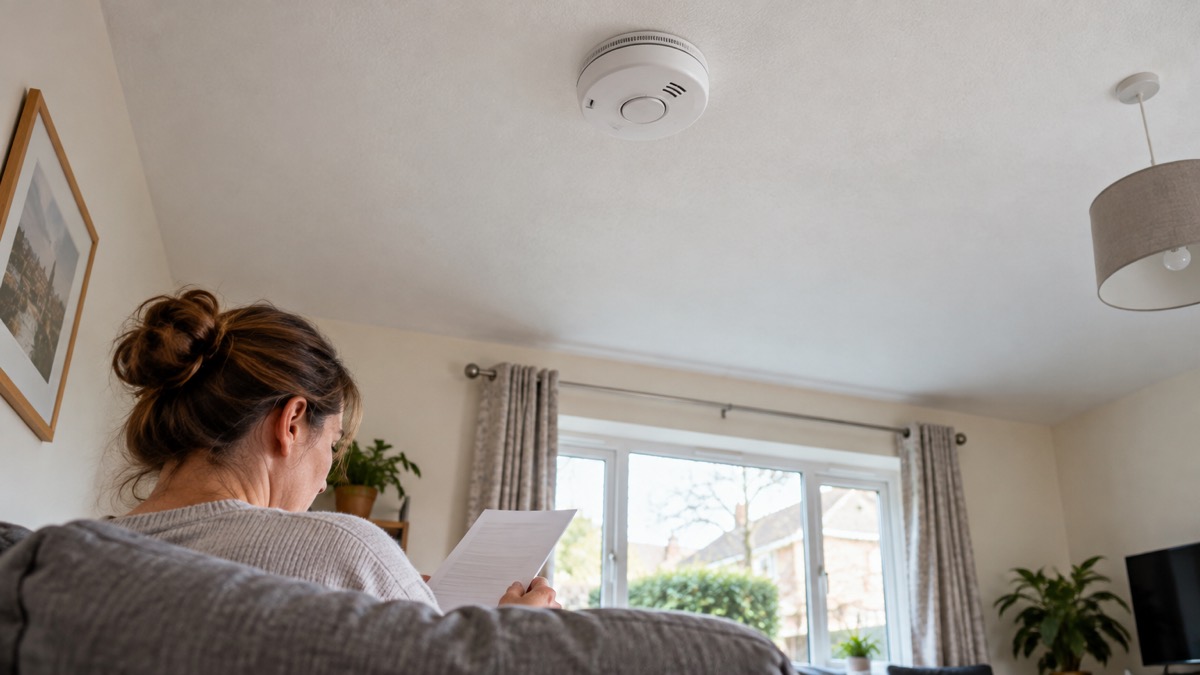
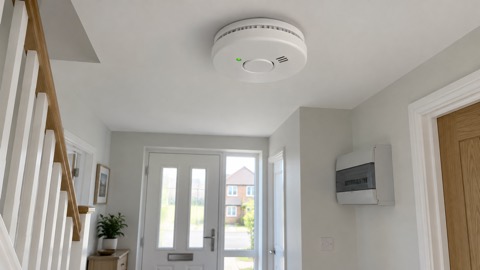
FireAngel's siting rule is straightforward: smoke alarms should be sited at least 300mm from light fittings and walls, and ideally as central as possible in the room1. The same 300mm clearance from a light fitting or nearby wall appears in FireAngel's guidance for its mains-powered heat alarm, so it is a consistent rule across the range6.
The ceiling is the mounting position: the datasheet lists ceiling as the installation position2. Where the ceiling is pitched, FireAngel's French-language instructions for the same alarm give the detail: place the alarm no more than 60cm vertically below the highest point of the room, and if wall-mounting, put the top of the unit between 15 and 30cm from the ceiling1.
The one place FireAngel says to keep it away from is the bathroom. Alarms near bathrooms "can be subject to nuisance alarms from steam and should not be placed near bathrooms"1. Steam is not smoke, but an optical chamber cannot always tell the difference, and a alarm that goes off every time someone showers is an alarm someone disconnects.
A few practical points follow from the same instructions:
- Keep the 300mm clearance from light fittings, so the alarm is not shadowed or affected by heat from the lamp1.
- Site it as centrally as the room allows, where smoke will reach it1.
- Keep it out of the bathroom and away from the bathroom door where steam escapes1.
- Do not test it with burning materials or open flames, which FireAngel warns can be dangerous4.
For the room-by-room picture across a whole house, see Where to Fit Smoke Alarms and How Many Smoke Alarms Does a House or Flat Need?.
Wiring and interlinking up to 12 alarms
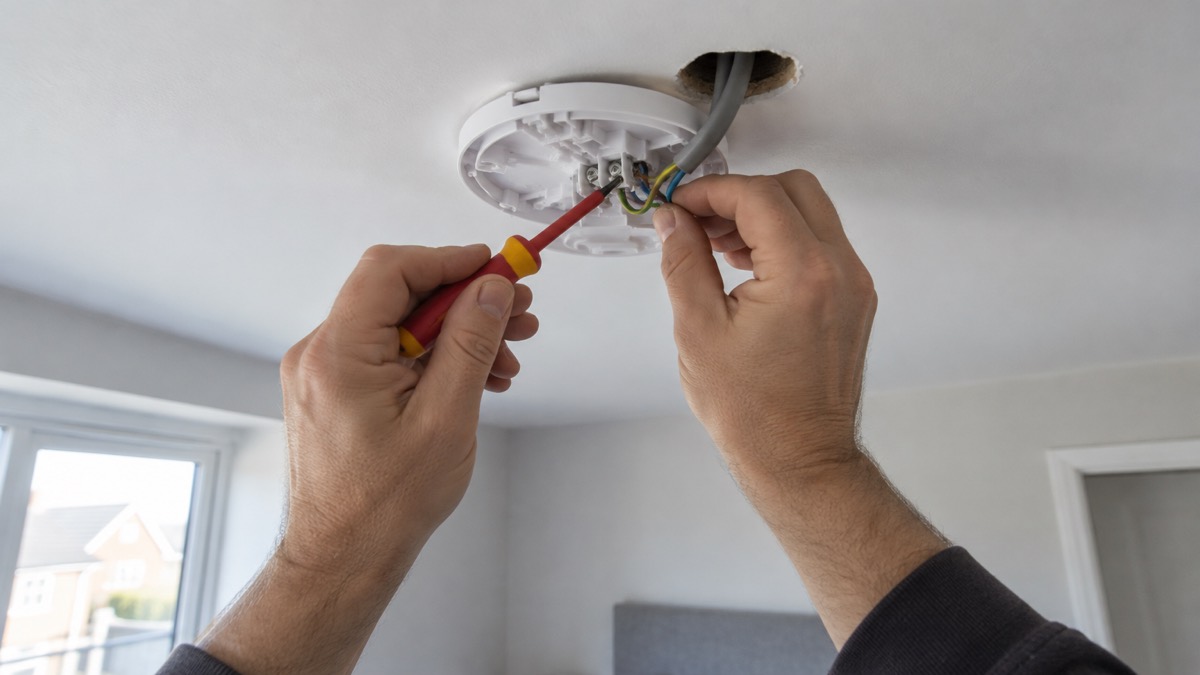
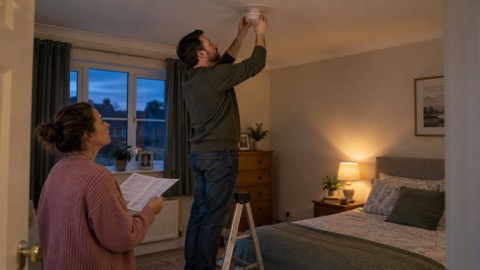
The SW10 is a wired alarm, and FireAngel is clear that the wiring is not a household job: "Wiring should be installed by a qualified electrician in accordance with either BS 7671 or local building standards"1. Book an electrician rather than attempting the fixed wiring yourself.
The connections are standard three-core and earth: brown for live, blue for neutral, and black or grey for the interlink1. One detail catches people out: no connection should be made to the mains electricity supply earth terminal1. The earth is terminated in a spare connector instead.
Interlinking is the feature that makes a wired system worth having. The SW10 can be interconnected with up to 11 other smoke, heat or carbon monoxide alarms from the FireAngel range through the "I" connector, giving a network of up to 12 devices1. The datasheet puts it the same way: up to 12 smoke (SW1 or SW10), heat (HW1) and CO (CW1) units, and when one sounds they all sound2. FireAngel's manual for its CW1 carbon monoxide alarm repeats the same 12-device limit, so the ceiling holds across the range7.
Two practical consequences follow. First, a smoke alarm in an upstairs bedroom will sound when smoke is detected downstairs, which is the point of interlinking. Second, a carbon monoxide alarm on the same network can trigger the smoke alarms, so the whole household is warned. FireAngel sells CO alarms that join this network; see Carbon Monoxide Alarms: What They Do and How to Choose and Interlinked Alarms: How Linking Works.
When you test an interlinked system, FireAngel advises holding the test button down until all the connected units sound, because a few seconds can pass before every alarm responds1.
Monthly test, vacuum every 3 months, replace every 10 years
The maintenance routine for the SW10 is short enough to remember and worth doing properly. FireAngel's manual gives three intervals: test the alarm every month, vacuum it every 3 months, and replace the alarm every 10 years1.
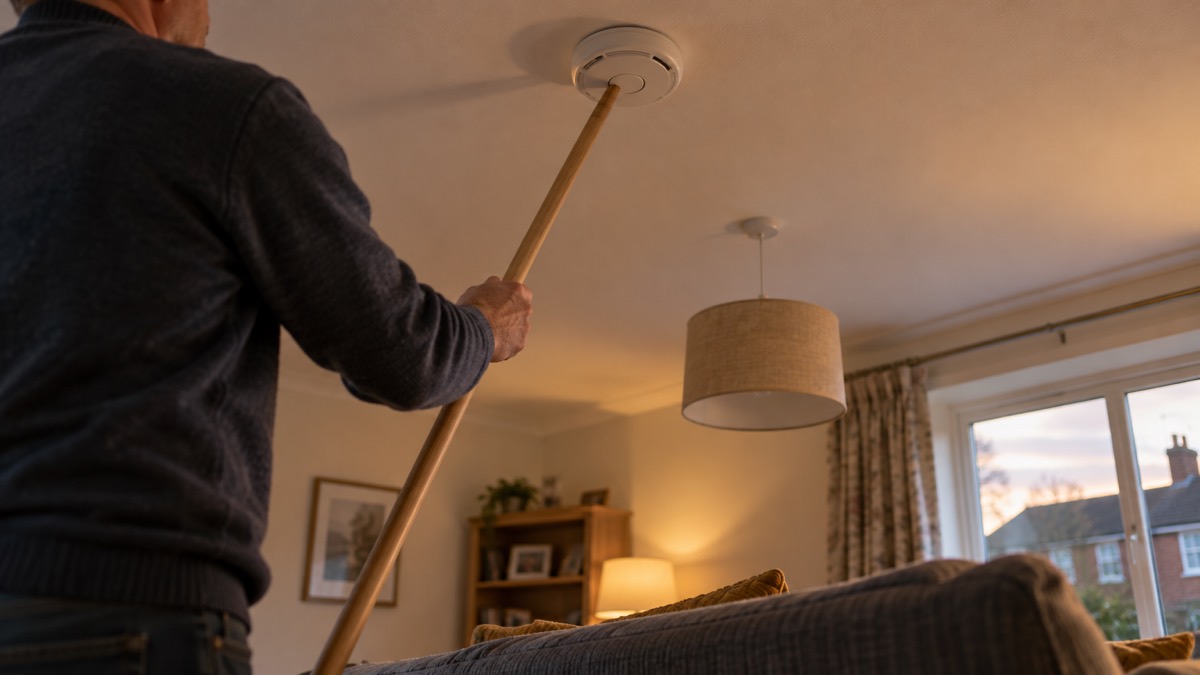
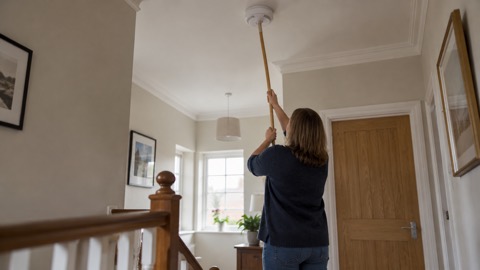
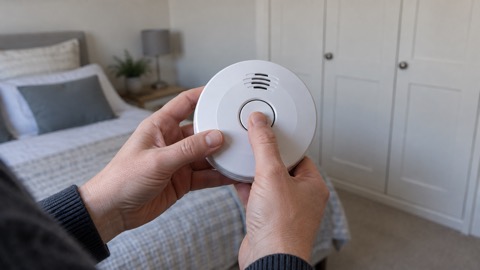
To test, press the Test button for 5 seconds and the alarm will sound1. FireAngel's product page describes the simpler version: press the circular button on the front once, and the alarm should beep and the LED should flash4. The large button is designed so you can reach it with a sweeping brush from the floor below, which means no stepladder for a routine monthly check4. When the test button is pressed, the alarm flashes once every 8 seconds for 8 minutes1.
Cleaning is a vacuum, not a wipe: vacuum your alarm every 3 months1. Dust and cobwebs in the sensing chamber are a common cause of nuisance alarms, and the vacuum is the maker's answer.
The 10-year replacement is not a sales tactic. Smoke sensors degrade, and FireAngel's own guidance says that if an alarm does not sound or beeps when it is not being tested, the battery could be running low or the alarm could be coming to the end of its life and need replacing8. The maker lists a 5-year warranty on the SW102.
| Task | How often | What to do |
|---|---|---|
| Test | Every month | Press the Test button for 5 seconds; the alarm sounds1 |
| Clean | Every 3 months | Vacuum the alarm1 |
| Replace battery | When it chirps | Fit a 9V lithium (PP3), then test1 |
| Replace the alarm | Every 10 years | Fit a new unit1 |
For the wider routine, see How Often to Test Smoke and CO Alarms and When to Replace a Smoke, Heat or CO Alarm.
When it will not work: the green light, false alarms and faults
The SW10 has LED indicators for power and for fault or alarm2. When the green light does not show with the power on, work through the checks in order. FireAngel's support guidance says to make sure the alarm is correctly located on the base plate and that the mains power supply is on; if there is still no light, inspect the circuit breaker or fuse, and then call a qualified electrician9. The manual's own version is to check that the alarm is connected to the power supply and that the battery is correctly installed1.
If the alarm will not sound when you test it, the manual says to check the alarm is connected to the power supply and the battery is correctly positioned, press firmly in the middle of the Test button for 5 seconds, and check the alarm is properly connected to the mains1.
A chirp every 32 seconds with a red LED flash means the battery is low: replace it and re-install, and always test after replacing1. A chirp every 32 seconds without a red LED flash is different: FireAngel says a fault is indicated, and you should contact Technical Support1.
False alarms have their own short checklist. If the alarm activates with no visible smoke, FireAngel says to check the alarm's location and clean the alarm1. Steam from a bathroom, dust, and cooking are the usual culprits. If it is a cooking alarm rather than a fault, the silence feature helps: press and hold the Test button for 5 seconds and the alarm will silence for 8 minutes, then return automatically to full sensitivity1. While silenced, the red LED flashes once every 8 seconds1. For more on nuisance alarms, see How to Stop Smoke Alarm False Alarms.
Changing the back-up battery and stopping night-time chirps
The back-up battery is replaceable, and FireAngel gives the sequence. Isolate the power supply, twist the detector anticlockwise to remove it from the mounting plate, unplug the power adapter, replace the battery, refit the detector, and always test after replacement1. The battery is a 9V lithium (PP3); FireAngel specifies the EVE CR9V/P Lithium or Energizer L522, and warns that using a battery other than the recommended ones could have a harmful effect on the detector1.
The night-time chirp is the complaint every alarm owner recognises. The SW10 has a Sleep Easy function that silences low battery chirps for 8 hours, so you can change the battery in daylight4. FireAngel's datasheets for its Spec+ alarms describe the same function as usable up to 10 times10. Removing the battery stops the chirp altogether, and FireAngel says the battery should always be removed before disposal1.
When the alarm reaches the end of its life, do not put it in the household bin. FireAngel says waste electrical equipment should not be disposed of with household waste, that the alarm is suited to WEEE recycling, that the battery should be removed first, and that you should not attempt to open it or burn it1.
Carbon monoxide, support and warranty
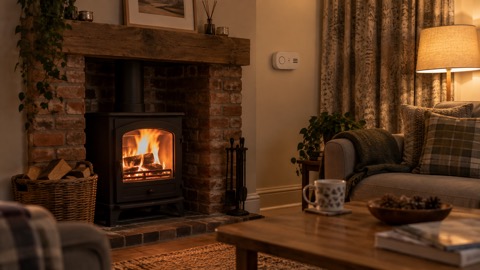
The SW10 does not detect carbon monoxide. FireAngel's product page answers the question directly: "No, this is a smoke alarm only and does not detect carbon monoxide"4. If your home has a gas boiler, gas fire, wood burner, oil boiler or any other fuel-burning appliance, you need a separate CO alarm. FireAngel makes CO alarms that can join the same wired network, and its CW1 manual confirms the 12-device interlink limit7. For the difference between the two alarm types, see Combined Smoke and CO Alarm or Separate Alarms and Do I Need a Carbon Monoxide Alarm?.
Support is UK-based. FireAngel says its customer support specialists are based in the UK and can help with product advice, installation queries and troubleshooting by phone, email or live chat11. The manual is available in large text and other formats: email technicalsupport@fireangeltech.com or call 0330 094 58301. If a FireAngel alarm was fitted by Greater Manchester Fire and Rescue Service and is still covered by its guarantee, the fire service directs owners to call freephone 0800 141 256112.
The SW10 carries a 5-year warranty2. FireAngel as a brand has been established in the UK since 1998 and is based in Coventry5.
Sources (12)
- SW10-EUT-1 User Manual, FireAngel, 2026
- SW10 Datasheet, FireAngel, 2024
- SW10-EUT Optical Smoke Alarm product page, FireAngel, 2026
- SW10-EUT Mains Powered Optical Smoke Alarm, FireAngel, 2026
- Smoke Alarm Guide, FireAngel, 2026
- Installing Your FireAngel Mains Powered Heat Alarm, FireAngel, 2024
- CW1 User Manual, FireAngel, 2019
- Maintaining and Testing Your FireAngel Smoke Alarm, FireAngel, 2024
- FireAngel Product FAQs, FireAngel, 2026
- SP510 FA4250BW Spec Datasheet, FireAngel, 2026
- Carbon Monoxide Safety, FireAngel, 2026
- Problem With Your Smoke or Heat Alarm, Greater Manchester Fire and Rescue Service, 2026
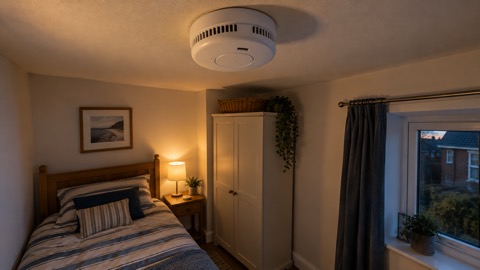 FireAngel FP2620W2-R Alarm
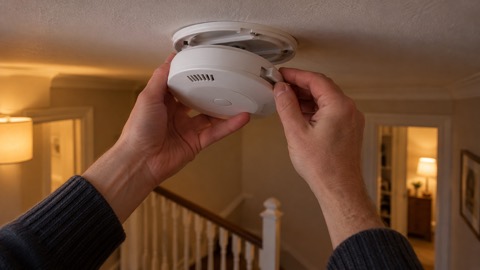 FireAngel ST-632 Smoke Alarm
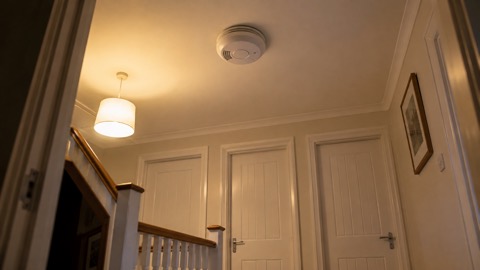 FireAngel ST-750 Smoke Alarm
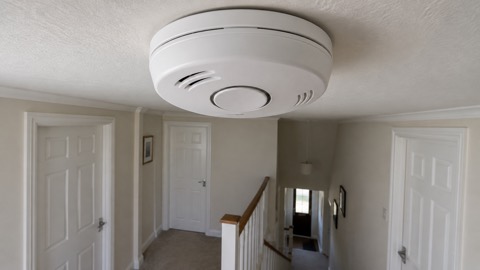 FireAngel SW1 Smoke Alarm
 FireAngel SB1 Smoke Alarm
 FireAngel SM-SN-1 Smoke Alarm
 FireAngel FA6611 Smoke Alarm
 FireAngel FA6615 Smoke Alarm
 FireAngel FA8620BW Alarm
 Kidde 2030-DSR Smoke Alarm
 Kidde 2030-DCR CO Alarm
 Kidde 10Y29 Smoke Alarm