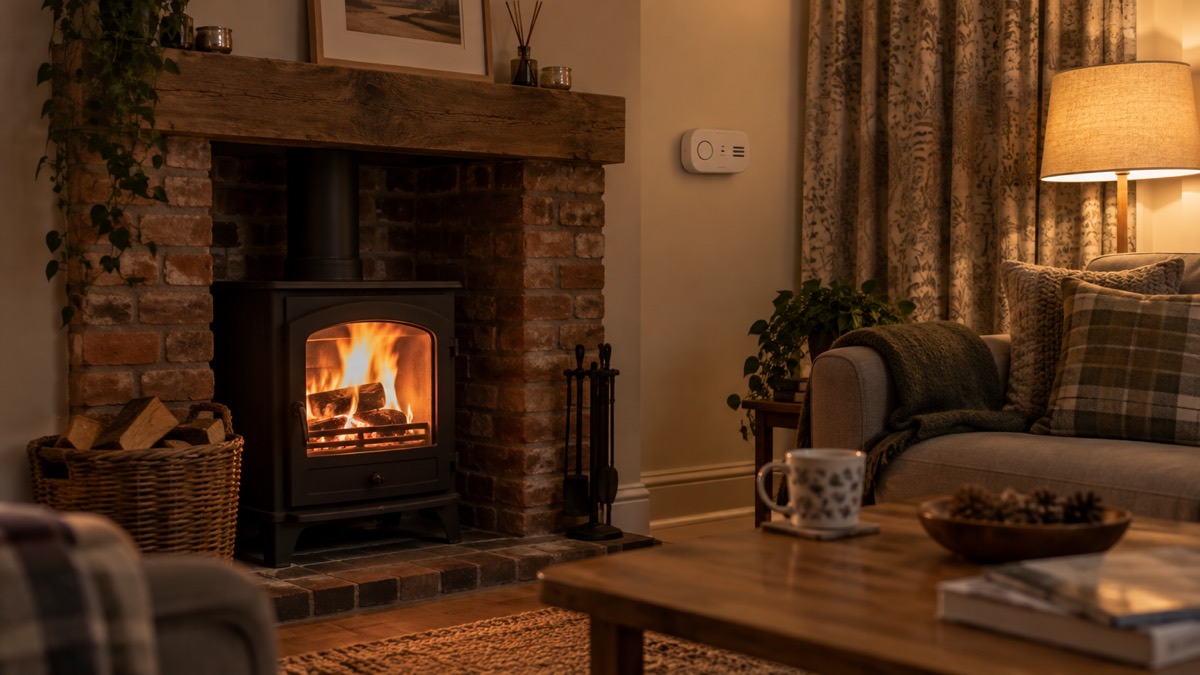
The Kidde 2030-DCR is a battery-powered carbon monoxide alarm for the home. It runs on two AA alkaline batteries, uses an electro-chemical sensor, and the retailer gives it a lifespan of 10 years with a five year warranty1. It sounds at 85dB and is designed to alert you to carbon monoxide from 50ppm1. It is a standalone unit: it cannot be linked to other alarms, and it can be wall mounted or stood freestanding2.
If you are thinking of buying one, the things that decide it are these. It is a carbon monoxide alarm only, so it will not warn you about smoke or a gas leak. It is battery powered with replaceable AA batteries rather than a sealed unit, so you can change the batteries yourself. And it is certified to BS EN 50291-1: 2018, the domestic standard for carbon monoxide alarms1.
This page sets out what the alarm does, its specifications, how to fit and look after it, what to do if it sounds, and what support and warranty you get. It does not cover smoke alarms, which are a separate purchase.
Specifications
The 2030-DCR is a compact, plastic-cased alarm. The retailer gives its dimensions as 96mm wide, 61mm high and 38mm deep, and its weight as 140g1. It is designed for domestic settings such as homes, flats and rental properties1.
| Specification | Detail |
|---|---|
| Type | Battery-powered carbon monoxide alarm1 |
| Sensor | Electro-chemical1 |
| Power | Two AA alkaline batteries, included1 |
| Alarm level | From 50ppm1 |
| Sound level | 85dB1 |
| Display | LED indicators1 |
| Dimensions | 96mm wide, 61mm high, 38mm deep1 |
| Weight | 140g1 |
| Operating temperature | -10°C to +40°C1 |
| Relative humidity | Up to 90%1 |
| Casing | Plastic1 |
| Fixing | Freestanding, or wall mounted with fixings included1 |
| Installation position | Mount at head height1 |
| Connection | Standalone1 |
| Lifespan | 10 years1 |
| Standard | BS EN 50291-1 (Domestic)1 |
| Certification | CE marked and TUV certified to BS EN 50291-1: 20181 |
| Warranty | Five years1 |
The retailer also lists the alarm as UKCA marked3 and as compliant with Welsh legislation from 20221. The British Standard grade is given as Grade F1, battery powered with a 10 year longlife1. If you want to understand what those grades and standards mean, our page on alarm standards explains BS EN 50291 and the system grades.
Charging, use and storage
There is nothing to charge. The 2030-DCR is battery powered and takes two AA alkaline batteries, which the retailer lists as included1. Because the batteries are replaceable rather than sealed in, you can change them yourself when they run down. That is different from some Kidde models: the maker's range includes the 10LLCO and 10LLDCO, which have sealed-in lithium batteries that last the full 10 year life4. If you would rather not change batteries at all, that is the trade-off to weigh. Our comparison of sealed or replaceable battery alarms sets the two approaches side by side.
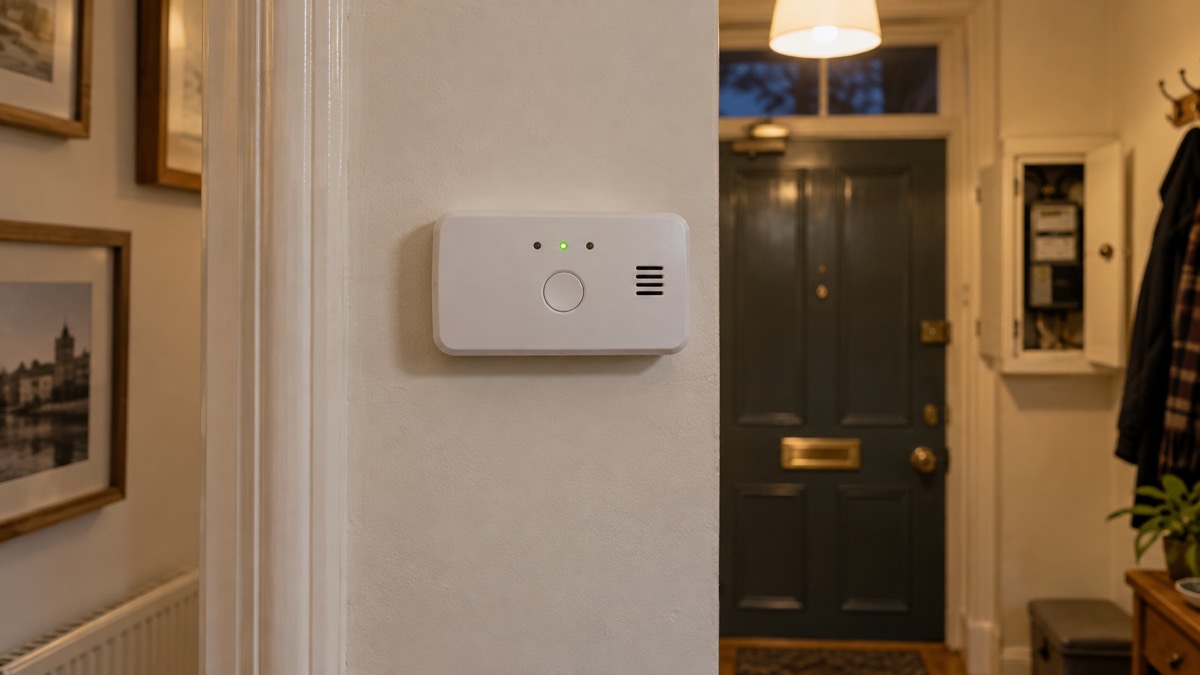
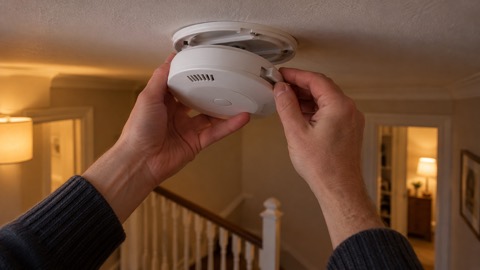
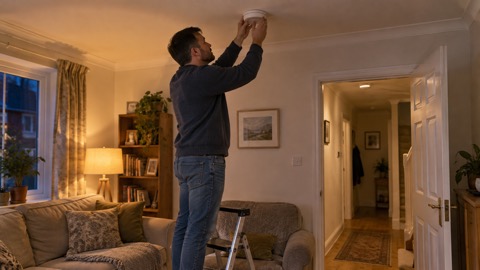
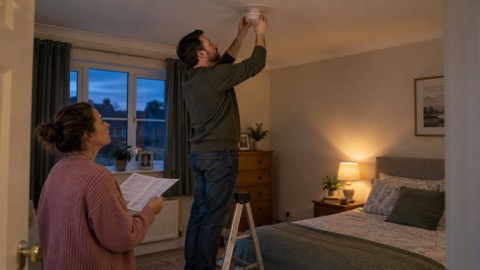
To use it, fit it where it will hear carbon monoxide before you do. The retailer says to mount it at head height, and it can be wall mounted with the fixings included or stood freestanding1. Independent guidance describes the same two options2. Put it in the room with the fuel-burning appliance, such as a boiler or gas fire, or in a bedroom, following general advice on where carbon monoxide gathers. Our page on where to put a carbon monoxide alarm explains the positions that work and the ones to avoid.
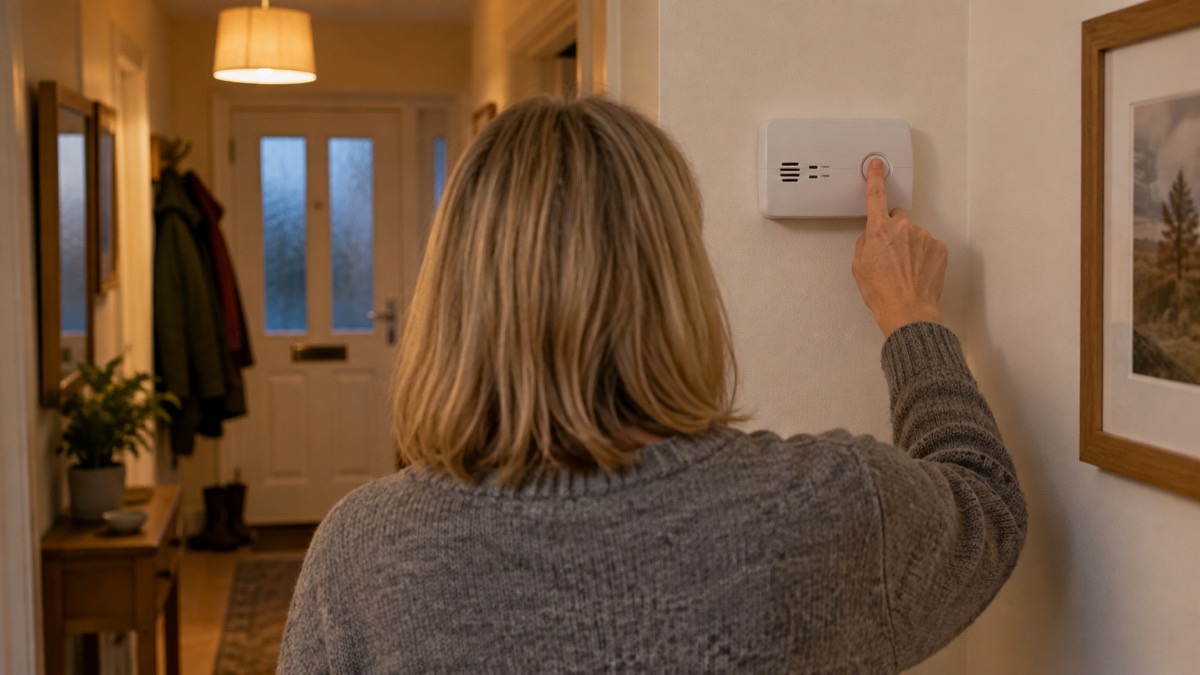
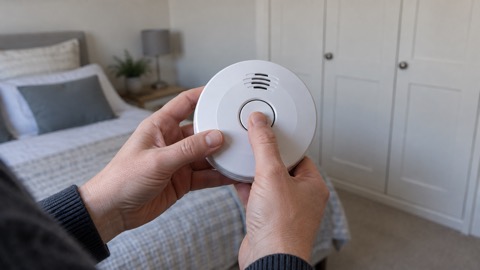
Test the alarm regularly using its test button, and act on the low battery warning when it sounds rather than waiting for the unit to fail. The retailer lists an end of life warning signal that alerts you when the alarm needs replacing1, so you do not have to track the 10 year lifespan yourself. Write the fitting date on the unit when you install it.
For storage, keep spare AA alkaline batteries somewhere dry and within their use-by date. The alarm itself is designed to stay fitted and working, not to be packed away. If you take it down, for example when decorating, refit it as soon as you can rather than leaving the room unprotected.
Safety
The 2030-DCR is a carbon monoxide alarm, and carbon monoxide is a colourless, odourless gas that you cannot rely on your senses to detect. The alarm sounds at 85dB and is designed to alert from 50ppm1. That is why it matters that it is fitted, working and tested.
It detects carbon monoxide only. It will not warn you about smoke or a gas leak. For fire you need smoke or heat alarms, and our page on smoke alarms explains the types. For gas, our page on what to do if you smell gas sets out the steps.
If the alarm sounds, act at once. Independent guidance on what to do when a carbon monoxide detector goes off sets out the response: open doors and windows, turn off fuel-burning appliances, leave the building and call the gas emergency number2. Do not ignore it or assume it is a false alarm. Our page on what to do if your CO alarm sounds walks through the steps in order, and our page on carbon monoxide poisoning symptoms explains what to look for in yourself and others.
The alarm is designed for domestic settings such as homes, flats and rental properties1. It is not a substitute for maintaining your appliances. Have gas appliances serviced regularly by a registered engineer, and keep vents and flues clear.
Support and warranty
The retailer lists a five year warranty on the 2030-DCR1. Independent guidance describes a three year warranty, or five years if bought through Safelincs2. The two figures differ, so check the paperwork that comes with your alarm and keep your receipt.
Kidde as a company is described in independent guidance as having a fully comprehensive range of carbon monoxide alarms for the home, all fully certified by BSI to EN50291-Part 1 and guaranteed for 10 years4. That 10 year guarantee applies to the range as a whole, not to this model's five year warranty. The maker describes itself as North America's number one home fire safety brand, based on total household installations as of December 20235.
If you need support, independent guidance says Kidde alarms can be found online and in leading independent stores as well as national retailers including Argos, Homebase, Asda, Amazon and Costco, and gives the contact details as www.kiddesafetyeurope.co.uk or 01753 7663924. Use those to ask about a faulty unit or a warranty claim.
One recall is worth knowing about, though it does not involve this alarm. In February 2024, affected batches of the Kidde CO2 Klem Valve, made between 01/2022 and 05/2023, were withdrawn from the market over a risk of detachment and CO2 discharge6. If you own a Klem Valve, check its batch. Our page on how to check if an electrical product has been recalled explains how to check any product.
When the alarm reaches the end of its life, do not put it in the household bin. The retailer lists it as covered by Valpak's WEEE Distributor Take-back Scheme1, so ask where you bought it about take-back.
Sources (6)
- Kidde 2030-DCR Carbon Monoxide Detector, Safelincs, 2026-10-29
- Carbon Monoxide Symptoms, Which?, 2026-07-14
- What to Do When a Carbon Monoxide Detector Goes Off, Which?, 2026-07-14
- About CO Alarms, CO Gas Safety, 2024-02-18
- Kidde Basic 110 Fire Extinguisher, Kidde, 2023-12
- About CO Alarms, CO Gas Safety, 2024-02-18
 FireAngel FP2620W2-R Alarm
 FireAngel ST-632 Smoke Alarm
 FireAngel ST-750 Smoke Alarm
 FireAngel SW1 Smoke Alarm
 FireAngel SW10 Smoke Alarm
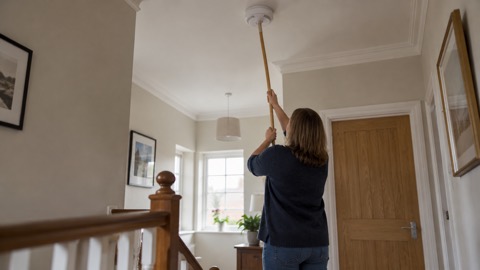 FireAngel SB1 Smoke Alarm
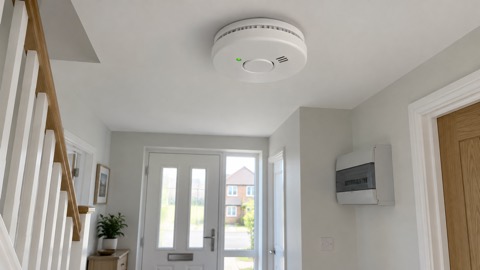 FireAngel SM-SN-1 Smoke Alarm
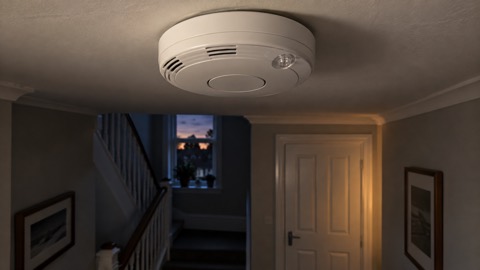 FireAngel FA6611 Smoke Alarm
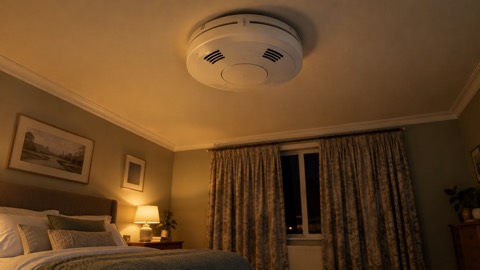 FireAngel FA6615 Smoke Alarm
 FireAngel FA8620BW Alarm
 Kidde 2030-DSR Smoke Alarm
 Kidde 10Y29 Smoke Alarm